- Follow We Run and Ride on WordPress.com
-
Join 793 other subscribers
-
Recent Posts
Archives
- December 2025
- November 2025
- October 2025
- September 2025
- August 2024
- July 2024
- June 2024
- March 2024
- January 2024
- October 2023
- September 2023
- August 2023
- July 2023
- June 2023
- May 2023
- April 2023
- March 2023
- February 2023
- January 2023
- December 2022
- November 2022
- October 2022
- September 2022
- August 2022
- July 2022
- June 2022
- May 2022
- April 2022
- March 2022
- February 2022
- January 2022
- December 2021
- November 2021
- October 2021
- September 2021
- August 2021
- July 2021
- June 2021
- May 2021
- April 2021
- March 2021
- February 2021
- January 2021
- December 2020
- November 2020
- October 2020
- September 2020
- August 2020
- July 2020
- June 2020
- May 2020
- April 2020
- March 2020
- February 2020
- January 2020
- December 2019
- November 2019
- October 2019
- September 2019
- August 2019
- July 2019
- June 2019
- May 2019
- April 2019
- March 2019
- February 2019
- January 2019
- December 2018
- November 2018
- October 2018
- September 2018
- August 2018
- July 2018
- June 2018
- May 2018
- April 2018
- March 2018
- February 2018
- January 2018
- December 2017
- November 2017
- October 2017
- September 2017
- August 2017
- July 2017
- June 2017
- May 2017
- April 2017
- March 2017
- February 2017
- January 2017
- December 2016
- November 2016
- October 2016
- September 2016
- August 2016
- July 2016
- June 2016
- May 2016
- April 2016
- March 2016
- February 2016
- January 2016
- December 2015
- November 2015
- October 2015
- September 2015
- August 2015
- July 2015
- June 2015
- May 2015
- April 2015
- March 2015
- February 2015
- January 2015
- December 2014
- November 2014
- October 2014
- September 2014
- August 2014
- July 2014
- June 2014
- May 2014
- April 2014
- March 2014
- February 2014
- January 2014
- December 2013
- November 2013
- October 2013
- September 2013
- August 2013
- July 2013
- June 2013
- May 2013
- April 2013
- March 2013
- February 2013
- January 2013
- December 2012
- November 2012
- October 2012
- September 2012
- August 2012
Categories
- 10K
- 13.1
- 400 meter intervals
- 400 workouts
- 5K
- addiction
- adhd
- aging
- aging is not for the weak of heart
- alcohol
- anxiety
- bike accidents
- bike crash
- bike wobble
- blood on the highway
- boxing
- category
- Christopher Cudworth
- climbing
- coaching
- college
- competition
- coronavirus
- covid-19
- cross country
- cycling
- cycling the midwest
- cycling threats
- death
- Depression
- diet
- doing pulls in cycling
- duathlon
- evangelical Christianity
- fear
- foregiveness
- friendship
- game of chicken
- gay marriage
- God
- half marathon
- hating cyclists
- healthy aging
- healthy senior
- I hate cyclists
- injury
- internet trolls
- IRONMAN
- it never gets easier you just go faster
- life and death
- love
- marathon
- marathon santa
- marathon training
- Mechanical Genius
- mental health
- mental illness
- mountain biking
- nature
- Open Carry
- PEAK EXPERIENCES
- race pace
- racing peak
- religious liberty
- riding
- road kill lovers
- running
- running shoes
- same sex adults
- sex
- Share the Road
- steeplechase
- swimming
- Tarsnakes
- the rules velominati
- tour de france
- track and field
- trail running
- training
- training for a marathon
- TRAINING PEAKS
- tri-bikes
- triathlete
- triathlon
- triathlons
- trolls
- Uncategorized
- we run and ride
- We Run and Ride Every Day
- werunandride
- When the other man is an Ironman
- women
Follow me on Twitter
My TweetsLeave a comment!
Jim Nielsen on Marty Supreme and Me Warren on Marty Supreme and Me Christopher Cudworth on Marty Supreme and Me John Enright on Marty Supreme and Me Christopher Cudworth on A November 18 to remember
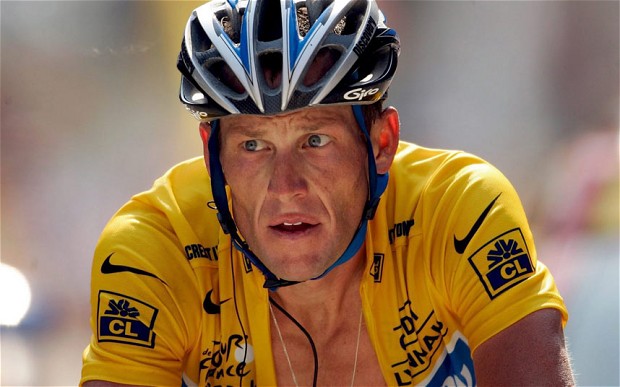
Lance Armstrong rides into the present in Oprah Winfrey interview
Like a man coming up for air, Lance Armstrong burst through the surface of his deep and fantastic past to breathe the air of reality during his interview with Oprah Winfrey on the OWN network. Whether those initial gulps of normalcy were enough to save the man remains to be seen, but it is significant perhaps that Lance Armstrong is not only a cyclist, but a runner and a swimmer. Those are the sportswhere his career started. Then he combined sports to become a triathlete before concentrating his efforts in cycling, where he dominated the world for nearly a decade. He was running marathons and competing in triathlons again before his past caught up with him.
Admissions
After the first clear admissions of doping to Oprah at the start of the interview, the surface became more difficult to find, for her, and for Lance. To her credit, Winfrey persisted on a couple issues that have bothered many fans of Lance Armstrong. His long denials of truth. His bitter reproaches of those like Betsy Andreu and Greg Lemond and Tyler Hamilton and Floyd Landis, Christian Vande Velde and George Hincapie (and many others…) who legitimately called Lance Armstrong’s honesty into question. His attacks on some of these people, who were once close friends and became bitter enemies, included intimidation and threats, both verbal and legal. These people deserve a public, personal and direct apology from Lance Armstrong. And perhaps more.
But by the time Armstrong was confronted with these facts in the interview, he was swimming as strongly as he could, taking full blame for his actions. Not willing even to center himself as a victim of a cycling culture that unfairly demanded, he did insist, that one should dope in order to compete.
Yet Lance backed off even that indictment of his circumstance. He kept insisting that it was his decision, and only his, to use performance-enhancing drugs and blood infusions. He also made the certain point that those who accuse him of forcing them to dope to remain on the team went on to other teams, and doped there as well. So his case was made that it was not his demand to be part of the mess he’d created and sustained.
Oprah called him out on that one, repeatedly questioning Armstrong about his force of personality, and whether the assumption was made for the other athletes on his team by his example. Was it evident from his behavior that they should modify their behavior? That question will be tried in courtroom of public opinion.
Do circumstances make the man?
It is a compelling question, and one that begs an answer not just from Armstrong, but from every element of society where peer pressure or work culture or living by the rules laid out by the boss are an excuse for bad behavior. As intimated in a blog post on We Run and Ride leading up to the interview, Lance Armstrong is a nearly textbook example of nearly everything that is wrong with America. Watching him squirm and flail on the surface of reality was nothing new if we consider all the other examples of public figures both large and small who make bad choices that give them social or cultural advantage and then go on living that way in seeming good fortune and great levels of denial.
Biblical dimensions
The Bible catches that type of behavior in every century going way back to the depths of early recorded history. King David with his murderous penchants and philanderings comes to mind. Lance Armstrong was the King David of cycling for a while. But let us remember that God denied King David the honor of building him a temple because God told David he had too much blood on his hands.
Alone on the beach of destiny
Lance Armstrong is both retired from cycling and banned from ever competing again, at anything. In his world, that is a reproach worse than death. This competitive man who proved not to be bigger than the sport emerged from the depths of his dishonesty to find himself naked and alone on the beach of destiny. It is a long walk to anywhere on a lonely beach. You look one way and there is surf and rugged sand. You look the other way and there is wind and waves and fallen trees blocking your way.
Better than drowning, but not by much
It may be better than drowning, but not by much. Lance Armstrong has given us an example, a gift really, of timeless value. His will be the walk of humility from here on in, a fact that he admitted in the interview with Oprah, who deserves credit for extending an arm to the seemingly drowning man that is Lance Armstrong. And yet she did not hold his head down as he came up for air, which is what some of Lance’s bitter enemies might wish to do. It seems possible they are deserving of the chance, given the hell he has made of other people’s lives in some ways. But we all deserve a second chance even if we wind up naked and alone. Because that’s the way God, and now the rest of the world sees a man like Lance Armstrong. Stripped of titles, he is exceedingly human, and admits as much. He told us the whole enterprise was not that complicated. It was simple to cheat, really. Not hard at all. Not when you know how, and have the resources to do it decently, or indecently well.
The Retirement Reflex
There is a phenomenon in much of society that grips those recently retired from positions large and small in the business world. Once could call it the Retirement Reflex. When people get done with the rat race, they turn around and try to see what it is they’ve said and done. Quite a few (Chuck Colson comes to mind…) seem to get religion or set out trying to correct the damage they’ve done in the world. Executives who’ve polluted the world with greed or industrial waste get a conscience. Robber barons turn to charity and philanthropy.
Though his life has been blown large by Tour de France victories and a Livestrong Foundation doing good work in the world emanating from Lance’s own story of overcoming cancer, he ultimately admitted that his life was all unreal. His story became an invention of purpose and fame that he did not understand or appreciate in gravity or in scope. It was unsustainable, in other words.
Just a bike rider
He’s just a rider. A really, really good rider whose physical gifts are so great that his abilities could not be separated from the drugs he took to enhance them. Lance was that good. He was also that bad. It’s a hard thing to swim that deep and that long. You run out of breath after a while, and need to come up for air. It’s the people he took down with him that we should worry and care about. Oxygen deprivation can damage your brain. It’s no coincidence that Lance turned to the woman whose TV media network is called Oxygen. A drowning man goes where the airtime is quickest to get.
Posted in We Run and Ride Every Day
Tagged admissions, Betsy Andreu, bitter enemies, blood doping, blood transfusions, cancer, cancer survivor, Christian Vande Velde, Christopher Cudworth, circumstances make the man, cycling, cycling news, cyclists, drowning man, enterprise, EPO, fighting cancer, Floyd Landis, Frankie Andreu, George Hincapie, God, Greg LeMond, hell, humility, King David, Lance Armstrong, Lance Armstrong admission, Lance Armstrong confession, Lance Armstrong Foundation, Lance Armstrong interview, Livestrong, Livestrong Foundation, long distance running, marathon, multisport athletes, Oprah Winfrey, Oxygen Network, religion, retired from cycling, retirement, road biking, running, Tour de France, triathlon, Tyler Hamilton, USADA
Leave a comment
Streetlights may be Life In Hell for those who run and ride
Years ago when cartoonist Matt Groening had not yet burst onto the national scene with The Simpsons, his work was featured in alternative newspapers around the country. His main feature was a strip called Life In Hell, which the the cartoonist recently retired.
The highly quirky strip featured characters such as highly anxious rabbits who question everything and pair of fez-wearing fellows whose questions about life were seldom solved, but always insightful.
In one strip titled “When are you going to quit your lousy job?” the one-eared rabbit stood pondering all the strange little things that happen in the workplace, that we ignore, and possibly shouldn’t.
“For whom does the fluorescent light hum…” one section asked, “It hums for thee.”
Hummmmmmmmmmm
Until that moment in time (admittedly years ago) I had never considered the fact that fluorescent lights do, indeed, hum. All manner of things hum in the workplace, a chronic problem recently documented in an edition of This American Life with Ira Glass. Some musician traced all the notes from hums in his office space; computer, copier, light; on and on, until he put them all together to compose music.
But it was lighting that caught my particular attention once I’d read that comic strip. And I began to wonder what other effects lighting might have on the mind and soul.
Better lighting = better life (and performance)
Most recently I read about an experiment in Europe where the lighting in airliners was changed to better reflect time of day and natural light. As you may know, people on long-distance flights often have trouble sleeping, which worsens many aspects of the trip. In place of traditional fluorescent lighting the scientists in charge of the experiment installed full spectrum LED lighting that can be made warm and soft for the periods when most people try to go to sleep, and cool, blue and bright upon wakeup.
And it worked. People slept better and woke up in a better mood than when exposed to flat, single spectrum lighting.
The sickly sodium vapor light
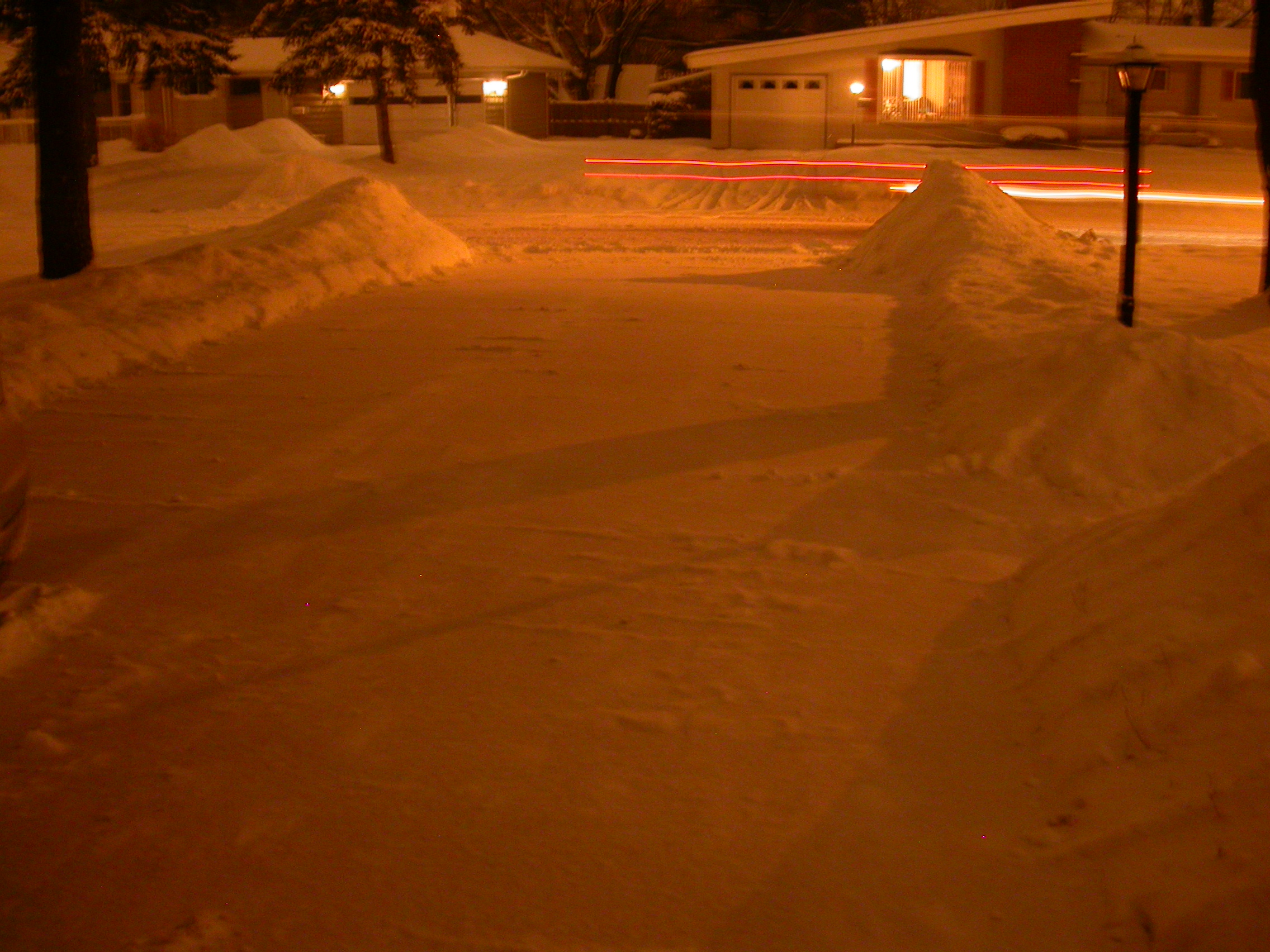
The type of lighting I have always hated is sodium vapor lights. Those orange hued streetlights you see in towns across America are sodium vapor. They bath our streets in a hideous orange glow. They project into the sky and turn the clouds at night into an orange glob. When there is snow on the ground, the whole world turns orange. If you can call it that color. It’s really kind of a sick piss orange or a hopeless brown.
If lighting effects mood, as has been demonstrated by the burgeoning business of selling lamps to help combat conditions such as seasonally acute depression (SAD) and other emotional afflictions, then what the hell are we doing with our streetlights? Specifically, what effect is running and riding around under these ugly monstrosities having on our psyches?
Orange is not organic

The sky over the University of Chicago is transformed into a sick piss orange by the nightly glow of sodium vapor lights.
Think about it: You head out for a workout on a crisp winter night or a muggy summer evening and what do you get? A light bath in sick piss yellow lighting. Not exactly the training ground for mental health, now is it?
Want proof? A study on the effects of lighting on the health of children published on e-How Health had this to say: “Dr. Hathaway further reports that natural lighting improves the learning abilities of children, enabling them to absorb material more easily, while artificial lighting can hamper education. High pressure sodium vapor lights are the worst of the lot in their effects on children, with students under such lighting scoring the lowest when tested for academic achievement. Sodium vapor lights also have been linked to higher absentee rates from school.”
Orange Stop lights
So if you’re wondering why you lack motivation to go out and run or ride at night, the fact of the matter is that the nighttime streets of America have progressively become an unhealthy environment thanks to the installation of sodium vapor lights, which are everywhere it seems. It’s like we’ve constructed a giant social experiment that says STOP! Don’t go outside! The orange glow of hell is going to depress you and eat your soul!
A lighting tarsnake
Sodium vapor lights are the tarsnakes of public lighting. They were apparently considered cost-saving compared to traditional fluorescent street lighting. But in terms of healthy lighting, we were essentially taking a step backwards, not forwards, in supplanting fluorescent lighting, which weren’t much better for you than sodium vapor in terms of healthy lighting.
We know streetlights are installed for public safety purposes, for better driving conditions and other reasons. But it appears that until recently our society has not really considered what effects our casual use of such lighting may be having on the culture at large. That viewpoint is changing rapidly.
More natural lighting
There are cities taking steps to fix this problem and save money on lighting as well. The City of San Francisco is experimenting with LED lighting that not only falls into the range of the moon–only a bit brighter–but will also be controllable through a sophisticated grid that controls all the wired and electronic equipment in the city. In other words, the lighting of the future is a lot more like the lighting of the past. Natural light, or as close as we can come to it using technological means. Better in the long run, or ride.
Like GO lights for the brain.
The good news for people who run and ride in cities like San Francisco is that better lighting will make for a better environment in many different ways. Those who run and ride at night will no longer be exposed to sick piss orange lighting, for one thing. Which, as we’re learning, is no good for the brain.
Stuck in an orange world for now
In the meantime, we’re stuck living in a mostly orange world come nighttime. Someday that will likely change, but in the meantime find yourself some lighting indoors that promotes health and helps you learn like a kid again. For starters, try visiting this website for better, more energy-efficient and diverse lighting: www.gogreenledbulbs.com.
You’ll thank yourself for it. If you own or run a company, you might even want to consider replacing your fluorescent or sodium vapor lighting for better lighting and the fact that it can save you gobs of money. The government will even incentivize your efforts.
The case is growing increasingly clear that we need to pay more attention to how we light up our lives. For runners and riders, the benefits of natural sunlight is crucial to overall health, as long as you protect your skin from harmful UV rays. But the emotional effects are also to be considered, and the day when we don’t have to train in sick piss orange lighting at night will be a blessed one indeed.
Posted in Tarsnakes, We Run and Ride Every Day
Tagged City of San Francisco, driving conditions, e-How Health, electronic grid, fluorescent lighting, grid, LED bulbs, LED lighting, natural light, organic light, organics, sodium vapor lighting, sodium vapor lights, streetlights, tarsnake, tarsnakes, University of Chicago
Leave a comment
Are running and riding a self-indulgence?
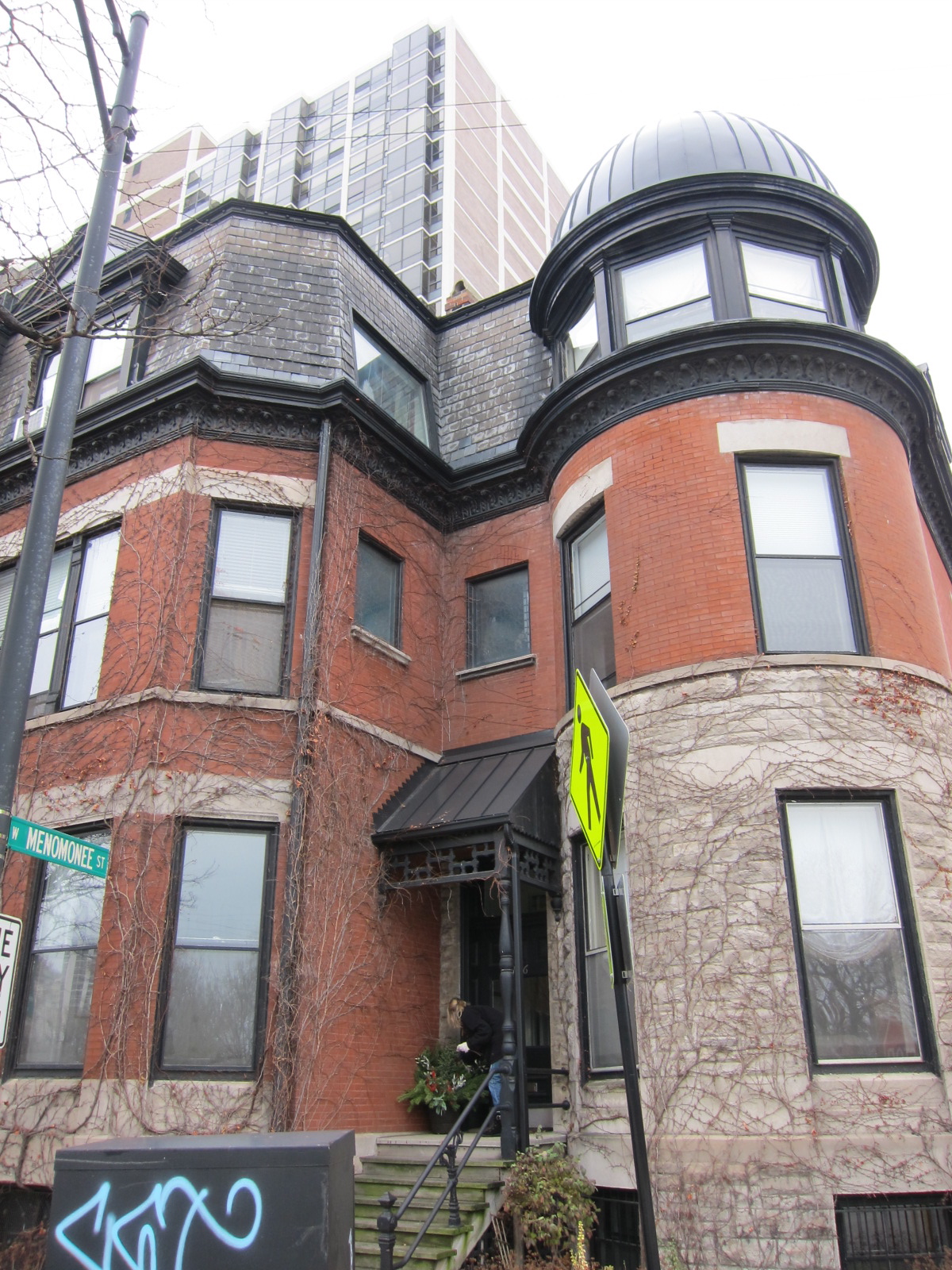
A friend with whom I went to high school and college was living in his girlfriend’s house on Menominee Street in Chicago when I returned to the Midwest after a job in Philadelphia was terminated.
It wasn’t just the job that went down the tubes. The whole department was dumped by the investment firm where I had worked for three years. I was sent to Philly on a month’s notice in a consolidation of marketing employees.
Some Roots
It wasn’t a case of a stranger in a strange land. I’d lived an hour-and-a-half west of Philly in Lancaster, Pa., and had a brother who still lived there. But settling into a new city with a commute from Paoli downtown to Philly had not been exactly easy. The only salvation was the running club I joined at a shop in Paoli. Those long training runs and racing with the guys provided some level of camaraderie. I improved quickly, in fact.
Distractions
But after just 8 months in Philly the job ended. Just like that. For one thing, the VP was rumored to be sleeping with the AVP. At the very least their flirtations in meetings and more were a notable distraction from the tasks at hand, which were giving the wholesalers and reps everything they needed to sell, sell, and sell some more.
Warning signs
One morning on the train into Philly a wholesaler who’d also been moved to Philly from Chicago turned to me and said, “What are you guys doing over there in marketing? We’re not getting anything we need?”
Though young and callow in many respects, I knew that to be true, and I trusted the guy to his word. But the VP of Marketing was an East Coaster in love with marketing theory as well as the AVP, who was married but apparently not entirely happy.
Heading south
The collapse of the department was a shock, so I took some of the severance money and traveled down the east coast to Assateague Island. It was late spring, and I was already quite fit from training all winter, having set a 5 mile road PR of 25:12 that January.
So I went for long runs and swam naked in the cold surf, trying to figure out what to do next in life.
It was an indulgence of sorts. You might say that. Or you might not. When life hits you with stuff like that you need time to sort through the meaning of it all. And for reasons that I now know are right, I decided to use that summer and fall and perhaps beyond to get as good as I could be as a distance runner.
Big pictures
All around me were people pressing into their careers, and I admired their dedication to the task. But I’d done that and hit a dead end, not entirely my own fault. So the move back to Chicago felt both like an act of triumph and of failure.
My friend agreed to have me move in with him at the apartment on Menominee. It was to be a hot Chicago summer but that first day we ran together along the lakefront in May was brisk and cool. The sand blowing off North Avenue Beach stung our legs. We were exuberant, young and relatively fast.
Gemini, not
My friend is a pretty smart guy to this day, a success in his career and possessed of multiple post-graduate degrees. He was working on his first Masters Degree at the time and working evenings at a hospital in the CT scan department. In other words, busting his ass.
So there was a bit of cognizant dissonance in my return to Chicago and the commitment to running full time. He was essentially as good a runner as I, and competed in running and cycling. Who was I to assume that I could become that much better than he?
Immediate success
It happened that I ran pretty well that fall. Won several races and was offered a contract from a running store to represent them on a racing team. It was both an honor and an obligation, I would learn, to become a sponsored runner. Other teams were cropping up in Chicago, most notably a corporate team from Converse, a company trying to make inroads in the running business. They failed. But the team they sponsored dominated the Chicago circuit for a few years with runners sporting 10K times in the high 29s and low 30s. Guys on the cusp of the big time. I wanted to be one of them.
So I trained day and night, working at the running shop to pay a few bills, but soon enough, that wasn’t enough. Even though I’d won a race that fall called Run for the Money (sponsored by a bank, get it?) all I got for the victory was a health club membership in a town where I did not live.
Soon it became a struggle to consistently bring in cash, meet the rent and buy food. Working at the running store paid $10 an hour, or something like that. I freelanced in graphic design some, but the economy was getting pinch too.
Flirting with the big time
Ironically I also served as a commissioned training partner for the international president of a giant advertising firm. Each week I’d take him out and put him through is training paces under supervision of my high school coach who’d become a corporate fitness trainer. It seemed awkward to bring up the idea of working for his firm. He’d change the subject or ignore the topic when I did. He also left his wife for another woman at the time. So his possible self-indulgences were apparently a higher priority than helping those close to him in other respects. But apparently his new relationship stuck, so we cannot know all the reasons people act the way they do. Not unless we are them.
Self determination
The Big Year under running sponsorship turned out well in many regards. While it did not advance my career in any significant way, there were afternoons spent writing on an IBM Selectric, working on a novel completed in some respects, yet never published. But I definitely learned the true discipline of writing, literally scraping away ash and grit that would blow in the windows and land on the keys of that typewriter. True urban dwelling.
And I painted, furiously at times, while nightly flirting with the wonders of Chicago, meeting women on the lakefront on hot summer days and dancing away hot summer nights. Yet the relationship that would turn into marriage was also growing, becoming a much bigger part of my life.
I raced 24 times that year, winning 10 of those races outright, and setting all my PRs from 5K up to 25K.
Key discoveries
But I learned firsthand that I was not yet world class, and likely never would be. In an event called Race of America I stood on the line next to Alberto Salazar, Thom Hunt and a host of other world class distance runners. The gun went off and we passed through a mile in 4:40. Then another in 4:45. My pace began to slow. They kept going. I finished in a slack sprint at 25:30. The case was clear. I was good, but not great. My ultimate PR at 5 miles (road) would turn out to be 24:49. At 5K, 14:47. At 10K, 31:10. At 10 miles, 53:30. Half marathon: 1:10:12. 25K, 1:25:25. Never got around to a competitive marathon during peak fitness. After that, it seemed ridiculous to try. Just my take on things.
Philosophical differences
All that dedication to training was a bit suspicious in my friend’s eyes. “You know,” he told me one cold Chicago night after I’d put in two workouts that day. “Self indulgence is not the way to self-fulfillment.”
He denied ever saying that to me years later. But we’ve said so much to each other in 30+ years of friendship it is quite likely he did not remember it. But he was right. What I did that year-and-a-half was, in fact, a bit self-indulgent. But was it such a crime to invest myself in such an endeavor?
Together we’ve gone on to run many thousands of miles together. Nowadays we ride bikes more than we run, and he has been quite a cyclist some years, riding summits in France. We’re grateful for each other’s company and our shared experience. That is no self-indulgence, it turns out.
Sage advice
As distance runner Marty Liquori once wrote in his book about racing and training, and I paraphrase, “You want to become as good as you can be so you don’t have to prove yourself at the family picnic.”
It is never actually self-indulgent to invest time trying to do something really well. Who is to determine what is right to pursue, and what is not?
The key word is focus, and transfer of excellence. You can learn discipline from running, riding, writing and painting. Even if you do not become world class at any of those endeavors, the discipline learned from sport and from art can deeply infuse the major categories of your life. That’s different than being simply self-indulgent. Anything that teaches you focus cannot be all bad. As a character from the John Irving novel “Hotel New Hampshire” once said, “You’ve got to get obsessed and stay obsessed.”
To run and ride your best, that is probably true. Just use that experience to build your whole person and everything will turn out okay, even if you don’t get rich or famous.
Posted in We Run and Ride Every Day
Tagged 10K, aerobic sports, Alberto Salazar, categories, Chicago, Chicago nights, Christopher Cudworth, Clark Street Chicago, competition, corporate fitness, discipline, distance running, family picnic, get obsessed and stay obsessed, Hotel New Hampshire, John Irving, long distance running, marathon, Marty Liquori, philosophical differences, riding, runner, runners, running, self-discipline, self-indulgence, sports psychology, Thom Hunt, transfer of excellence
Leave a comment
The philosophy of staying upright when you run and ride on ice
By Christopher Cudworth
In case no one has told you before, the goal when you go out to run and ride is to stay vertical. On your feet. Perched on your bike.
Most of us do a pretty good job of that when we can. There is the occasional stumble. The slide out on a turn on skinny tires. The rumbling thump of a shoulder against a tree when the mountain bike goes one way and you go another.
Those trips and tumbles are part of our sports. Even great track runners take a fall now and then, tripped from behind by a competitor who clips your heel. All part of the game.
The part that sucks is when you fall when you aren’t out training or racing.
Home Slick Home
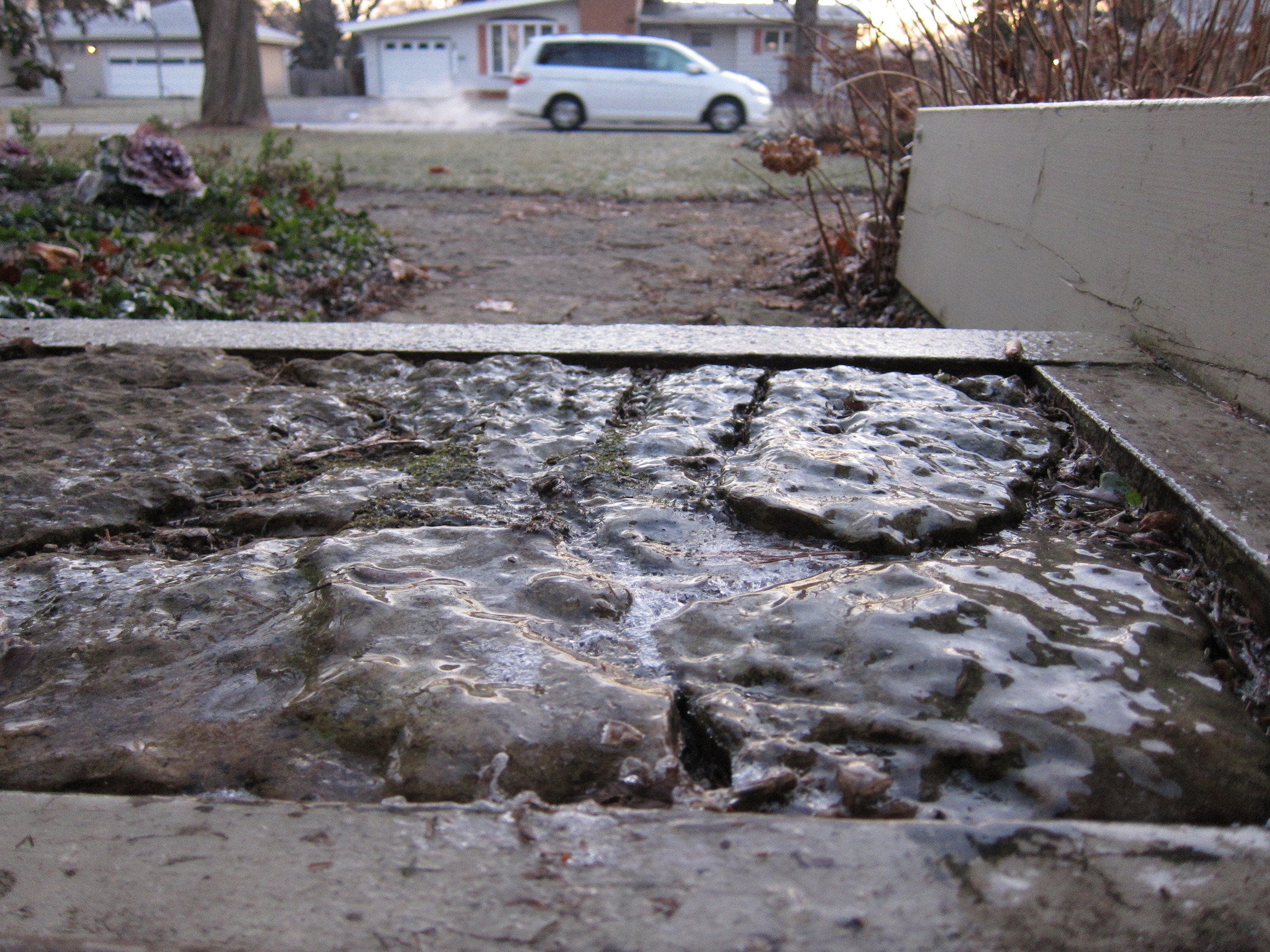
Stepping out the front door just after dark to walk our dog, it took just two seconds to hit the deck. Our little pup likes to take off running a few yards once he clears the steps, and that coincided with the precise moment that my right foot came in contact with newly formed ice the limestone platform that transitions from the front porch to the sidewalk.
Down I went. Bam. And lay there stunned, trying to assess whether anything was really hurt. The first thought that went through my head was the risk of re-injuring the left side collar bone and shoulder that were surgically repaired last September after a bike accident. Blessedly all that felt okay. At least for the moment.
Then the right shoulder, which took the brunt of the fall. It too felt okay, although the wrist was tight and my neck felt a little stiff from keeping my head from slamming the ground.
A lucky escape. It happened so fast the only thing one could do was act from instinct. Years of playing sports does help you know how to fall. If not with grace, then with safety. That’s all I could manage.
So I lay there in the dark, flat on my back on the icy steps, surveying one more time whether it was safe to get up.
Innocence
The dog wandered around the icy grass out front, wondering why the leash was trailing loose behind him. He hates that feeling. Gives him the heebie-jeebies. He’d rather stand there and wait for me to pick up the leash than face the experience of it creeping up behind him or skittering over the road on the rare occasions when I accidentally let it go. We all have our phobias in this world.
I’d let out a yell when I fell, and my wife finally made it to the door to see what was going on. “Are you okay?” she asked with some concern, knowing my recent propensity for crashes.
“Um. Think so,” I grunted. Then sat up and looked around. The world was still there. No dizziness or vertigo. Safe to go on living.
The fall reminded me of the day I hurdled a wire at a park entrance only to find a skim of black ice on the other side. Down I went that time as well. My right wrist his the ground hard. Lucky it was not broken. But it hurt for weeks, months and finally dissipated from pain in a couple years.
Compensatory injuries
You wouldn’t think a hurt wrist would mess with your running. But it does in funny ways. Like pulling things in and out of your pockets. Adjusting your hat or tying your sweat bottoms or shoes. We do many things with our hands and arms while running. We just take them for granted.
Riding with a sore wrist is much more impactful. One must really be careful not to favor any part of the body too much or the whole mechanics of the rider gets off. That can cause back stiffness, shoulder stiffness and loss of efficiency. When you favor one part of your body over another, you can wind up getting out of balance. Compensatory injury, they call it. Happens all the time to us determined types. We never want to quit, and always assume small problems cannot turn into big ones. Such is the nature of philosophy, is it not. If all politics is local, so are all injuries. But they can have major implications down the road.
Watching your step on the ice
Obviously we’re all careful as we can be on icy days. Earlier this week while running a partially shaded section of trail there were long patches of ice. A man walking his dog saw me coming by and said quietly, “Be careful on the ice.” It was a nice thing to say. One cannot assume that anyone is paying attention in such conditions.
I ran with arms extended, as if walking a big, slick tightrope. The pace slowed on the slipperiest sections, and runners coming the other direction nodded knowingly.
The paradox of ice is that it is at once clear and mysterious. You can’t even tell how slippery it is until you get on top of it. Some ice is rough and crunchy, quite safe to run or ride on. While other forms of ice are so slippery nothing can get a grip on the surface.
To brake or not to brake, that is the question
Riding home on a mountain bike after a first snow, it became evident as the temperature dropped that there would be a risk of ice forming on the trail. Going downhill was tricky at best. I pressed the brakes to a maximum point and eased down the hill. No heroes in my world at that point. Just get home safely. Hitting the brakes is no dishonor in those circumstances.
Of course, it is then ironic that I should fall on the ice at home, isn’t it?
Repercussions
This morning my right achilles felt tight, likely the result of the slip yesterday evening. My left shoulder felt a little “wet” inside around the surgery. Probably some ligaments were strained a little. The right shoulder and neck were definitely sore. Clearly I tried to save the left side that was surgically impaired. Or else it was just dumb chance that I fell mostly to the right, the result of being pulled by the dog’s leash, which was held in my right hand.
The ice didn’t care. It exists, then disappears when warm air or sunshine melts it away. Is it put there to test us? That would be overthinking it a bit, I should think. Or is it?
Better end it now. We’re flirting with some slippery philosophical issue here.
Bonus Post: Mastery of the metric mile
Hello, We Run and Riders: Here’s a touch of inspiration for you.
I don’t know how much you paid attention to the Olympics back in 1984, or if you were even alive. But distance running was in an amazing transition at the time. Raw speed was taking over from endurance.
There were three English milers: Steve Ovett (mile world record holder) Sebastian Coe (800 world record holder) and Steve Cram, a British wunderkind, the Dolph Lungren of distance runners. Cram was tall, rangy and fast, and soon to take the mantle of Coe and Ovett, who in the three-year lead up up to the Olympics had repeatedly broken the mile and 800 records.
All three British runners made the Olympic final.
When you watch this race, you will see the difference between Coe and all the others. For one thing, Coe could run 400 meters in about 44 seconds. That kind of speed is still relatively rare amongst distance runners. And Coe knew how to use it.
More importantly, and strategically, Coe is never in the wrong place. When someone makes a move, Coe isn’t panicking. In fact he is so good at race strategy he is able to take their full measure in a studied glance. Watch for it. His mind is trained as well as his body. He takes everything in with a glance. And makes his moves wisely.
He embodies all the qualities of a world champion.
It’s a fascinating race at many levels.
I met Sebastian Coe when he was far from the glory shown here. He had been fighting injuries due to his very flat feet. A podiatrist in Illinois was treating Sebastian Coe. The strength of the man was incredible. He was able to leg press more than 700 lbs. But his flat feet caused his calves to pull, which led to other problems. If I recall correctly, the highly competitive Steve Ovett was suffering from illness or allergies. Perhaps a hamstring pull.
So he was fitted with orthotics and went on to win the Olympic 1500 meter title. So much for minimalism. In a small touch of convergence, the American Jim Spivey visited the same podiatrist as Coe in suburban Illinois.
Enjoy.
Chris
Posted in Uncategorized
Tagged 1984 Olympic 1500 meter final, British milers, Olympics, orthotics, Peter Coe, Sebastian Coe, Steve Cram, Steve Ovett
Leave a comment
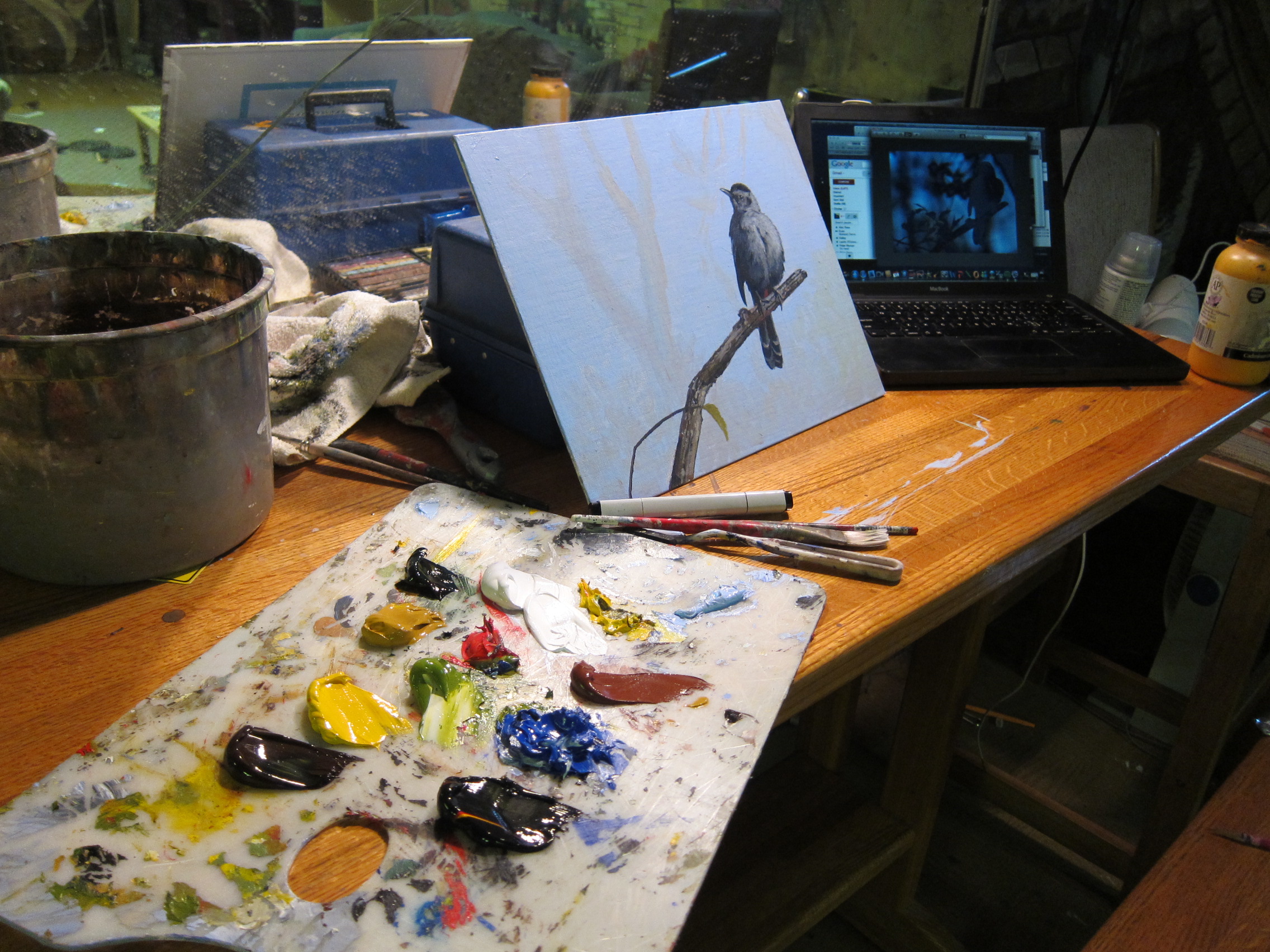
On being a painter, who also runs and rides
This morning while pulling on briefs, the merest fleck of red paint showed on the waistband. It was there from some frantic painting session, long ago for the record, in which the painter hurriedly sat down to finish some section of an artistic endeavor.
The formal language here and third-person dialect is necessary because this is of self examination we speak. But not alone.
Living with paint
To be a painter is to live with paint, first and foremost. A painter chooses which type. There are many types. Oils. Acrylics. Gouche. Watercolor. Many painters switch from one medium to the next depending on the subject. This is like changing languages, you see. You are moving from English to French, German… to some Spanish or African set of words to convey what you mean to say. Paints are like races of people. Quite different yet all the same. They speak not a common language but have a common purpose. God loves them all, if you must know.
To live with paints is also to ignore them at times. This is a confession of sorts. That you can’t muster the will to paint merely on a whim. You must have the drive, even some inspiration, to paint. Or, driven to fever by your subject or mission, you paint away in a fury. It works both ways.
Endurance tests
There are false starts and big finishes. Marathons and short sprints. Long hauls in an uphill ride to the finish.
A painter is a long distance athlete born and bred to run and ride on canvas, paper, board, plastic, glass, brick and even the human body. But a tattoo artist is not a painter. They call themselves “tattoo artists” as a rule of declaration. We will leave the presumptions to be analyzed by those who know better.
A painter learns to live with paint on their bodies, or to remove it when necessary. Going out, for example, requires some cleaning up, lest people think you mad or dirty. Going to work, as one is wont to do while forgetting about the paint on your hands, definitely draws some stares. People who don’t paint really don’t know what to make of a painter.
Hard work
Which is ironic, because painting is just as hard work as anything in this world. There are decisions to make at every moment. Critical decisions. Decisions that can make or break a piece, even drive to ruin hours of effort laid down carefully, and with love. Then, collapse. A few brush strokes of your chosen medium at the wrong moment can throw a whole work completely off.
That kind of immediate pressure is seldom faced even by leaders of Fortune 50 companies, who depend on others, most unkindly at times, to help them make critical decisions. But a painter usually sits alone, illuminated only by the lamp that bathes the work space, painting.
Decision-makers
So-called creative types are not trusted much in this world to make decisions in business or other arenas. They make come up with the Big Idea that drives a campaign, but then it is wrested from their hands, wrenched from their wrists to become the Project. And from there less creative types bring it home. Destined to make money, if it works.
A good painter knows how to make money with their own hands, and a truly creative person is often one that is quite well organized where it counts. Those would seem to be traits worthy of employment in some fashion. Collectors of great paintings know these traits to be true. They value the decisions that lie beneath the image, from underpainting to last flecks of highlight. It is interesting given this intimate history that many of the greatest movements in art bear labels that were at first used as insults, of a form. Impressionists. Expressionists. And so on. It works the same way in religion, you see. Methodists. Lutherans. There is a form of departure, then imitation that follows. Those who disagree with the departure tend to ostracize, even demonize, the new school of thought. Conservatives. Liberals. Libertarians. There is much to be learned from the study of painters. They are prophets in many respects.
Knowing how to fall apart

While not the image described in this essay, this Sargent painting illustrates the fine art of paint “falling apart” on close inspection.
A pair of painters once walked into a gallery displaying the artwork of John Singer Sargent. Across the room hung a vivid painting of a mountain pass. As the two painters walked across the room one of them stopped and blurted, “Oh no!” It had become apparent as they grew closer that the painting would literally fall apart as they approached. The brush strokes were so bold and confident they were the height of efficiency. And so being, they could not be imitated or perhaps even learned by anyone with the wits to know true mastery with a brush. Standing next to that Sargent painting was to be united with an act of creation itself. It was as real as real could be, yet it did not exist. This is how we all live. This is how we all die. A great painter can do that do you. Render you helpless, if you know what you’re seeing.
Methods and madness
It is interesting, isn’t it, the life of a painter? Those who try to paint learn in a variety of ways. There are classes that teach people how to paint a certain way. To render subjects in dabs of color. But they barely teach one how to be a painter. In fact they may well teach you to be something else entirely.
Learning to paint is a question of technique, most certainly. Unless the technique is called into question at every moment of progression, however, it is doomed to fail in the long run. For a painting technique that fails to demand a definitive approach leaves you the type of painter that is imprisoned to the technique, never liberating from the method to the statement one is trying to make.
Liberation
Traces of that last objective are bound to wind up in other phases of your life. A painter trying to liberate the senses from technique and method is one who dares every day to create something more than a painting. A connection to the subject that transcend the paint. It is a good way to live, but no one said it was easy. And that’s the beauty in being a painter.
Saturday artwork: Hitting the bricks or riding the cobbles

When you hit the bricks or ride the cobbles, it’s as much about what ISN’T there as what is underfoot, or hitting your wheels. Clock for a closer look at what you’re missing.
Actual photo of brick street in Wilmette, Illinois.
Posted in Tarsnakes, Uncategorized
Tagged bricks, cobbles, road surface, roads, sunning surface, tarsnakes
Leave a comment
Training, competing with a cold or flu seems necessary but it’s snot

The irreversibility of time is hard enough to handle without fighting through a wall of snot or fever to get to the finish line
The Lake County Half-Marathon was a one-way ride of sorts. The start and finish were exactly 13.1 miles apart. Then the marathoners kept going, further down the Lake Michigan shore to the finish another 13.1 miles away. A linear race like that has a strange sort of feel, like the existential concept of the irreversibility of time. That meant once you started, unlike many loop courses, there was no turning back. Pulling over or jumping in a car at 6.2 miles and calling it a day was not an option. That meant the feeling of destiny and inevitable suffering was large and oh-so present at the starting line. It did not abate the further you went along.
The Cold Blues
It had been a long week leading up to the race, trying to get over the effects of a deep, difficult cold that was still clogging my nose and throat. But the commitment to run the race was part of a contract with the running store that sponsored our racing team.
I stood there at the starting line kind of cold and achey feeling, wishing there were some way to avoid running 13.1 miles when I felt like crap. I didn’t even jump around to stay loose, wanting to save every step of energy for the race ahead. Then the gun went off, and the crowd surged around me, and competitive instincts kicked in. I saw my closest road racing rival in the group ahead, and another guy who liked to beat me right off my other shoulder. Hell is other people. In the words of Jean-Paul Sartre, there was No Exit.
Long suffering road
I don’t know which took more energy, running the race or wiping my nose with my wrists. Everything was chapped and sore. I thought I heard my brain squish when I sniffed back a roar of snot at one point. It was probably just my sinuses compressing into a giant snot ball, but you know the feeling if you’ve ever accidentally sniffed too hard with a cold.
Still, though the race felt like a chore, I ran decently, finishing in the high 1:10s and placing in the Top 10. I’d even bested that close rival, chasing him down in the last 2 miles. I blew a big wad of farmer snot as I struggled by, and he blew a farmer snot salute in return. We both laughed because we both felt like crap, it turned out.
Uncommon colds
There have been many other days of training and racing when the common cold came along for the ride. You know the drill if you’ve been running or riding for very long. That runny nose is your worst enemy. Coughing, hacking up phlegm. You wonder why you do it sometimes.
I had a bad habit for pushing way past the point where it made any sense to train at all. At one point a chronic cold brought on a series of migraines so severe it felt like the top of my head was on fire, and about to come off. Between sieges of pain, I got to the doctor’s office and they prescribed Tylenol with codeine. The medicine made my arm turn numb.
But I still went out and ran that day.
Uncommon sense
I’ve learn my lesson at last. Sometimes it really doesn’t make sense to push through a cold when training or racing. Still, we sometimes try to fool ourselves.
I recall one summer cold that might have been combined with a grass allergy that had me so miserable feeling I didn’t even want to walk across the room, much less compete in a 10k race that weekend.
Yet my brother was in town for a visit and wanted to see me race during a particularly productive year so I went to the starting line anyway. The gun went off and it was like time was standing still. My normal race pace of 5:00 per mile was impossible. Literally. At the mile mark I ground to a halt like a World War II tank with broken treads. Walking back to the finish, I cried a little, then picked up my gear and went home. “Sorry,” I told my brother, “I’m just too sick.”
“I don’t know why you even started,” he told me. “That was stupid.”
Taking precautions
Trying to avoid getting sick is much easier than fighting colds or flu. When a cold is coming on, Cold Eaze and other zinc products work pretty well. You can often tell when you’re getting sick with a common cold by a few simple rules.
- Are you exceedingly thirsty?
- Do you crave sweets?
- Is your throat dry, scratchy or sore? Nose tingly?
- Is your heart rate elevated?
- Is your temperature up a degree (or two?)
- Sneezing is often a sign of your body’s first response to the cold virus.
Get a clue. You’ve got the flu.
And of course, you know when you’ve got the flu because you’re throwing up or crapping your way through the day. No subtlety there.
In fact nothing stops the flu, it seems, except prodigious caution, getting a flu shot and trying not to breathe when other people you encounter are sick.
Immunity, or not?
Runners and cyclists at times may have more immunity than others when it comes to fighting off colds or flu. But many times were are worse off because we are worn down or tired from training. Then our precious fitness hangs in the lurch. When a cold slows you down or a flu takes you out, it is often better to write off a week of hard training and accept that 10 years from now you won’t know that you missed 5 days of training.
Germophobes
During one church service I sat next to a noted germophobe who waved her hand like a fan as the group of kids in front of us gathered for the children’s message with the pastor. The kids were coughing and hacking. You could almost feel the flu bugs and cold viruses flying through the air. I thought my friend would expire from discomfort around such gross expectorations.
The flu is unforgiving. It’s simply stupid to go out and run when you’re throwing up, have a fever or are dehydrated. There is nothing to gain from training through the flu. Nothing. Sure, if you’ve got some streak of consecutive days of training that you don’t want to break, you might go out and wade through a fog to get some miles in, but to what sacrifice? If you’re running a temperature, your body is already under acute stress. Training won’t help you get better.
Cautious returns
Occasionally toward the end of a cold it can help to go out and raise your body temp a bit, to exercise the lungs and help you clear out leftover congestion. Really, it’s rather fun in a gross sort of way, running or riding along as you spit chunks of green stuff into the ditch. Talk about catharsis!
Riding with someone whose sick is just plain gross, no doubt about it. Riders blowing snot in front of you are a certain threat. You don’t even want to stay in their draft. Then your worst worry isn’t tarsnakes on the road, it’s snotsnakes in the air.
So be kind to yourself and others this cold and flu season. Take a break if you’re sick. Cut yourself and your training partners some slack. Drink some hot tea with lemon, curl up in bed and take your medicine if you choose. Running and riding through a cold or flu is just snot that necessary.
Posted in Tarsnakes, We Run and Ride Every Day
Tagged 10K, Christopher Cudworth, cold virus, colds, competition, cycling, cycling psychology, cyclist, cyclists, flu, flu virus, health, long distance running, marathon, racing, riding, runners, running, training through a cold, training through the flu
Leave a comment