I’m a substitute teacher for a variety of reasons. It’s a transitional occupation in many ways. My career in marketing and communications is over. No one hires people in their 60s to work in those fields. I feel that’s a shame as my accumulated experience in B2B writing is an asset. I’ve also learned how to use AI in a complementary fashion. But once you get outside that loop of regular hiring in the freelance market, the opportunities dry up.
I took to teaching during the COVID-19 pandemic and have taught in more than 800 classrooms with over 20,000 students. Middle school is a primary focus, but I have also worked with success from Pre-K through high school. I get calls from teachers seeking a ‘good sub’ for their classrooms, and completed several long-term sub assignments in science and art.
The funny thing about this occupation, which I now call it, is teaching in schools where you were once a student yourself. At first, it’s a funny thing to think “I was a student in this classroom.” It evokes both good and bad memories of how you think, feel, behave, and lived during those moments. My sophomore biology classroom is down the hall from where I sit now. Mr. Kaminski was the teacher. He indulged my interest in birds by asking questions about the species I’d seen. Few teachers appreciated that world. I liked Mr. Kaminski.
Sadly, Mr. Kaminski was hugely overweight. He often looked sweaty and uncomfortable in his daily life. Though I was just fifteen years old, I worried about his health. As it turned out, the burden of his physique proved too much to bear. He took his own life.
I also had an Earth Science class down the same hallway, taught by my Kaneland High School cross country coach, Richard Born. I found the grade sheets from that course in some folders that traveled with me through all the places I’ve been and moved in life. That’s sounds crazy in some ways. Who keeps something that obscure and ultimately meaningless in the scope of life? I didn’t keep them on purpose. They just followed me around.
Finding mementos like that makes me think about the past, remembered and forgotten. I remember cold winter days running laps around this campus in the cornfields. I’d typically go out for track the week after basketball ended. I’d be out of running shape and those first track practices tore up the lungs as the March winds ripped fierce and cold across the stripped Illinois farm fields. Half the time I’d be sick with a cold, wiping snot on the sleeves a gray sweatshirt. It was hard work, training for track without a track to train on. The cinder track at our school wouldn’t dry out until well into April.
Our running equipment consisted of crappy little gum rubber track shoes that were barely a half-inch thick, and just a hint of a heel. When I made the Varsity as a sophomore, I earned some suede leather adidas Gazelles with thicker soles, but those got stolen at our first outdoor track meet in Rochelle. It was back to crappy gum rubber shoes for me the rest of the season.
I well recall an incident the day I was giving a speech in English class here at Kaneland. As I slid along the table during the talk, a huge sliver that stuck out of the wood penetrated my thigh. It hurt like heck, but I managed to finish the presentation. The teacher let me go to the nurse’s office, but on the way the track coach and Athletic Director Bruce Peterson saw me limping down the hallway. “What’s going on, Cudworth?” he asked.
Pointing to my thigh, I showed him the chunk of wood sticking out of my pants in two places. “Come with me,” he churled. We entered the nurse’s office and he instructed me to pull down my pants. They got stuck on the wood sliver so he extricated them and took a look at the wood sticking out in two places. A trickle of blood ran down my leg. He grabbed some scissors and somehow found a pair of pliers. With a quick jerk, he ripped the spike of wood out of my leg. I winced but made no sound. “Good boy,” he blurted.
Then he grabbed the merthiolate and poured it over the wounds. That stung like hell. He wiped me up with some cloths and wrapped a bandage around me thigh. “There you go,” he instructed me. “You can go back to class. See you at practice tonight.”
That event is such a symbol for how we work through many kinds of pain in life. It penetrates us one way or another. If we’re lucky, someone comes along to yank it out of us or at least put an emotional or physical bandage over it, and we go on living.
During my sophomore year at Kaneland, we moved in March because my father had lost his job and then blown a bunch of money in a network marketing scheme. We could no longer afford the big house where we lived in Elburn, so we moved to a new town and the Kaneland coaches picked me up each morning for the ten-mile commute to finish out the school year at Kaneland without losing any eligibility. My father somehow managed to arrange all of that.
So while it could feel really weird being in the high school I attended long ago, I don’t torture myself about teaching in my transition to retirement. I work because I’m not rich, and I’m not rich because I’ve had some slivery setbacks in life that have affected me over the years. The kids I taught last year in a long-term Science substitute job at the middle school are here in class with me today. They’ve smiled and greeted me upon entering the room and I’ve smiled back. What could be better than making new connections in this world and giving back to an educational system in which I deeply believe?
In the end, the existential question is “Why is anyone anywhere?” The answer is simple: Because it’s our choice to be here. Or anywhere.
Note: I’ve also used my five years of teaching in public education to write and illustrate a STEAM-based curriculum guide titled In Their Nature. It draws on my lifetime of study in biology, English, and Art. I already have commitments from park districts and schools interested in using it for curriculum support and programming. This illustration is from the children’s story Harey and Scarey.
Things didn’t go that well for my wife at Ironman Chattanooga last weekend. While she finished the race last year minus the swim, the hurricane that made landfall and traveled north from the Gulf of Mexico through the eastern United States turned the Tennessee River into a dirty mess of logs, detritus, and potentially dangerous substances. We heard tragic news of entire towns wiped away by flooding in the wake of that storm. Sometimes, the events we choose are dwarfed by those that go on around us.
Swim cancelled
We’ve attended many races where the swim was cancelled due to hazardous water conditions. Earlier this year at the Galveston 70.3 event, a heavy storm dumped rain on the island overnight. The dawn skies saw north winds blowing 30+mph under skudding clouds. The gray sun came up making the bay look mean and treacherous, rife with whitecaps. Even the pelicans avoided those waves.
It was so viciously windy, and those conditions so brutal, that Sue ditched the entire race. She made a good call. Riders returned from the bike leg shivering with cold and fear after their bikes slipped and swayed on the causeway over part of Galveston Bay. She saved her efforts for Texas IM 140.6 a few weeks later and did well.
Chattanooga 140.6
This year the Chattanooga full IM in late September offered warm, clear weather. But Sue’s dealt with asthma issues at times, and she felt odd at forty-five miles into the bike after leading her age group in the swim. Wisely, she withdrew from the race. An hour later, she still didn’t feel right, and we checked into the ER to make sure everything was stable. They saw her quickly to rule out heart issues, ran blood tests, and hooked her up to some fluids. She stayed the night.
Erlanger Duchess hospital in Chattanooga is a Heart/Stroke and Trauma facility. They’re also an academic hospital, so we saw a series of nurse practitioners and doctors during our time in the ER. We appreciated the attentiveness, as the hospital is instructed to keep an eye out for Ironman participants in need of medical attention. A few did arrive. Some in wheelchairs after accidents. Others wobbly from dehydration.
Other needs
Out in the lobby, a textbook crowd of people waited for medical treatment. One man leaned over in his chair holding a cloth over one eye as if it were about to fall out. I could not tell if it would. A woman talked to herself while walking back and forth to her seat near the big bank of windows. A young couple bearing deep tans and wearing Covid masks perched nearby as we waited between doctor visits. Who knew what the problem was?
Eventually, an older man asked me to watch the door of the Women’s Restroom as the Men’s room had a large sign that said Out of Order. A thick white towel blocked the door, perhaps because the toilet clogged and overflowed.
Like all emergency rooms on a Sunday night, the scene was a cross-section of humanity.
Which is humbling. Because treating endurance sports conditions when the rest of humanity around you is suffering ailments borne with difficulty is a humbling experience. At least it should be. Some of the people in that ER appeared to have little time left on Earth. Others kept vigil with loved ones, eyes staring into space as their patients counted on their patience.
Heading home
We checked out of the ER the next morning with data and information useful for future checkups, but no firm diagnosis. They proposed procedures that might require days of waiting and followups in Chattanooga, but there was no need given the fact that Sue’s numbers fell back into line by morning.
We drove ten hours back from Chattie with the radio shifting through Sirius stations from The Bridge to The Spectrum, 70s and 80s, the Coffeehouse channel and Beatles channel. Finally, I just turned the radio off, and we rode in silence as Sue dozed, having not gotten much sleep due to the coughing from the sick patient next to her in the ER. Two places down from Sue in the ER, a nurse in Ruby scrubs sat watching a patient sleep. She looked resolute, as if on Death Watch, because the patient never moved. During our stay, a series of urgent Codes announced patient emergencies. Police kept watch over potentially disruptive patients. But most of the people in beds just slept and groaned, or scrolled through their phones to pass the time.
The ER is enough to bring humility to one’s sense of humanity, along with gratitude for the blessings of good health. Even if we test it at times.
First, pardon the long absence. This site got twisted and sent into the Internet void, and it took extreme digging to figure out that deep in its origins one of the primary emails controlling the domains, and thus the existence of this site, was an old one. After months of reaching out to WordPress Help and punching through multiple portals that were asking for my identification, by luck I finally saw this tiny little email field at the bottom of the page. Then I entered the new information, sent it in for approval because I’d long since paid for the WordPress subscription and Domain, and finally, the site popped back into life.
So those were my “times of trial.” I felt terrible about not writing here, but I’d go after it a bit, get onto something else, like completing the last two books I’ve written or published, and weeks would go by.
But I’m back. Perhaps you’ve missed me. Perhaps not. I figure I’m kind of like one of those cyclists who shows up at your side in a group ride after you haven’t seen them in months, says hello, and you go, “Where the fuck have YOU been?”
Or, I’m like that runner at the club who’s always at the back of the pack, so you don’t ever notice or talk to them because you’re in the A Group and never run slow enough to trot along with the B People, but then you get a nagging calf injury and have to mince along with the slow folks and you look over and see me running along with my head down in thought.
You’re like, “Hey, what have you been up to?”
“Oh, not writing, I mean racing, much,” I admit with a guilty spit into the roadside chicory.
A half mile goes by and nothing else is said. Your calf loosens up and you feel good enough to rejoin the A Group so you go, “Bye, see you at the finish.”
But you never do. For some reason I never show up.
That’s what it’s been like not having this blog up and running. I’ve been contacted by WordPress Wizards who want to help me with its visibility, and I’m planning on doing that. If I’m going to reach all the 9.7B people predicted to live on Earth by 2050, I gotta get hopping on subscribers. Of course, if I live that long, I’ll be 94 by then, the same age as my father when he passed away in 2015. I’m not counting on anything.
Keeping at it
Which is why I still like to get on the bike and go as hard as I can, as long as I can. It’s a microcosm of existence, when you think about it. You’re attached at the pedal, clipped in for better or worse. That an almost direct allegory for getting along in the face of all the shit we have to face just to get through life.
The wind was blowing from the East. My wife had already completed her time trial that day as she dialed in her prep for her Ironman Chattanooga this coming weekend. I was #64 out of 80 starters and couldn’t clip in the first ten seconds, which reminded me of the Crits I’d ridden years ago.
Once I got rolling it felt good to find a pedaling groove and hold 20+ miles an hour with the only dips below that on quick little hills. 3.5 miles out and back. I rode at a pace of 21.8 mph for 7.5 miles. The fastest I’ve ever averaged in a criterium road bike race was 25.8 for forty minutes about 2009. The fastest I’ve averaged in a triathlon Olympic race is 19.1 for 24 miles about four years ago. I managed 18.5 over 56 miles on a hilly Madison Half Ironman course two years ago. So I haven’t gotten terribly slower or worse. I do 40K time trials on my own in summer and have gotten down to 1:16 if I recall correctly.
My speed is nothing to brag about, but I sure had fun racing that time tril. My recent time of 20:42 placed me 7th in the 65-69 age group, which strangely had more participants than any other competing that day. And even if I hadn’t dawdled getting clipped in, I would not have beaten any of my fellow cyclists.
It was part of the MATTS Time Trial Series, so I’m supposing some of these guys were more experienced than I. I can’t say that I felt able to go a whole lot faster than I did. Toward the last half mile my legs were feeling it. I was never out of breath, so perhaps I didn’t try hard enough. Well, that’s a lesson for next time.
I’m grateful to be hitting it as hard as I can in these hard times. The world is a strange place. Seems like the only thing that makes sense sometimes is to get on your bike and ride, run a few miles or swim with bubbles gracing your face. Reality.
We all make mistakes in life. Sometimes, it’s because we’re not present in the moment. At other times, we make choices that turn out to be wrong. And then, there are those times when we try to do all the “right things” and life kicks us in the butt.
This photo shows the start of a cross-country race fifty years ago. I had just turned eighteen that summer. Our season started with a few weeks of training in the August heat. A few weeks into the season, after I’d won the first three races that fall, we traveled to the North Central College campus to run against Naperville Central, an annual powerhouse in the conference.
In 1973, as a junior at St. Charles, I led our team to a 28-29 victory over the Naperville Redskins (yes, that was their school mascot then) beating two of the top runners in the conference, Bob Warner and Rick Hodapp. Our victory snapped their 62 dual meet winning streak and set us up to have a 9-2 dual meet record ourselves that year.
As we set up to run against them again, a Naperville runner led us on the Course Tour. We ran along listening to instructions about loops and flags and other details. Perhaps I wasn’t paying full attention, or else the directions weren’t that clear that day, or my ADHD and competitive nature got in the way. After I’d taken off from the gun and built a 200-yard lead, I approached the college track with less than a half mile to go. Back then the North Central track was a cinder oval without fences. I swept down the hill approaching the north turn and swung right to repeat a loop around the track backstretch as we’d done on the first loop.
As I approached the middle of the track I felt triumphant that I was on the path to victory. But when I glanced across the track I saw that my rival Rick Hodapp had gone straight and realized that I’d run the course wrong. I’d either forgotten or neglected or never understood the final part of the cross-country course back then.
To this day, I think someone should have been at that critical turn directing runners to head straight to the finish rather than run a second loop around the track. A change in course directions the second time around was tricky to recall in the heat of competition. Recognizing my mistake that day, I sprinted like mad the rest of the backstretch and raced up the hill toward the finish chute Hodapp beat me by a mere four yards.
I was incensed and made it clear then that the race had turned out unfair. I earned no sympathy from the Naperville coaches who were happy to see Rick win the race.
Life isn’t fair, and that’s not all it isn’t
The lesson here is that life is often unfair. But in reality I’d caused that loss myself. That race in Naperville symbolizes life with an undiagnosed case of ADHD, a condition that would cost me in many other circumstances in life. From an early age, I struggled with certain kinds of learning, losing focus in classrooms where the subject or style of engagement bored me. When I was interested it wasn’t uncommon to earn As or Bs. But if I lost interest or missed even one bit of critical information at a given time, I’d struggle to catch up or grasp the lesson at all. The previous fall in 1973, I’d come close to flunking Algebra. As a senior, I barely made it through Economics and Government classes with Ds. My terminal boredom with the teaching methods and curriculum in those classes meant trouble with grades. Yet I received A’s in English where our teacher sat and read Studs Terkel stories to us all period.
These days I substitute teach and encounter students with many of the same learning problems I had. Over the years in the workplace, I’ve also met many people with ADHD. Some cope well, while others suffer the same embarrassing lapses that cost me in my career. One boss told me, “You do 9 out of 10 things great. It’s that one mess up that always costs you.”
The cost of caring
That fall of 1974 I’d also face a different kind of distraction. Following that Naperville race, my mother faced a life-threatening illness due to complications resulting from my younger brother’s breach birth decades before. I was four years old when my brother was born, and while my mother recovered that summer, I was shipped off to live with my aunt and uncle on their upstate New York farm. That year was formative in my love of nature and connection to the land, so it turned out to be a blessing.
But childbirth troubles have a way to coming back to haunt women. When my mom got sick in 1974, we were six or seven meets into the season. By then I’d won several races and pushed guys to the wire even if I lost. I was competing well overall. Then my dad took my younger brother and me to the hospital to visit our sick mother. We stood there anxiously staring at her in bed with the IVs and tubes attached and the machines beeping around her. We had no idea what to say, and no one said a thing about her prospects to us except our father, who told us, “She’ll be okay.”
Despite that assurance, I lost even more focus at school and in cross country. I lost the next three or four races. I’d take the lead but end up getting caught in the last mile. I just didn’t have the same mental strength I’d had earlier in the season. Seeing my mother near death upset me, but no one talked to me about mental health. I’ve always been a sensitive person, including anxiety and depression, which I also didn’t understand at that age. All I knew how to do was to keep running races and try to win. My girlfriend at the time was just a sophomore, the younger sister of a fellow teammate. I cherished her company but had to fill in the nature of my own misery in her presence. “I know you still love me even if I don’t win every race…” I offered.
#378 leading out next to Rick Hodapp #364.
I rallied eventually as my mother recovered at home after a period in the hospital. By season’s end, I’d won ten races and had enough fitness to finish fourth at a competitive district meet Rick Hodapp and Ken Englert, who I’d pushed to a record on his own course where we smashed into the finishing chute together, neither one giving an inch. He fell further forward than me and was awarded the victory that day. Just another bit of proof that life isn’t always fair.
After finishing fourth at Districts, I raced at Sectionals but my brain was close to mush from all the stress and distraction that season. I had a nervous sidestitch evident in the photos as I ran through the pain to finish in 15:51, a time well off my best that season, and one that placed me out of the qualifiers in one of the toughest sectionals in the state of Illinois.
That season symbolized how much of life has gone down for me. Overcoming distractions both real and realized, and learning to cope with fearful events is so much a part of life. All told I still won ten races out of 18 dual and triangular meets that season but ultimately, people judge you many times by the nature and style of your losses rather than what you’ve overcome to win.
I recently published a book titled “Nature Is Our Country Club, How Golf Explains Sustainability in a Changing World.” The book draws on years of association with the game of golf starting when I was a little kid crawling around the greens of Seneca Falls Country Club in Upstate New York. My parents had a membership at that golf course and raised us to enjoy the game by playing less expensive public courses as we learned how to use the clubs for different purposes.
Most people would call me a “decent golfer” shooting from 12-15 over par most rounds. I typically hit my drives 250-275 yards and can putt pretty well. I still use a Bullseye putter my father made from Golfsmith supplies over thirty years ago. I suppose there are better putting instruments and I’ve used expensive Callaway blades while renting clubs at Southern Hills, a posh Florida country club near Spring Hill north of Tampa.
Holed Out
Put it this way, during most rounds I don’t embarrass myself too badly. I shot a 42 for nine-holes recently at Pottawatomie Golf Course in St. Charles. Ugh, I had a 7 on the first and last holes. So there was a touch of peripatetic golf on the bookends of the day, but I hit some fine drives and a series of really great 7 and 8-irons close to the hole for a string of pars. The Highlight of the day was a one birdie in which I holed out with a shot over water from 110 yards out. That was fun.
The spot from where I holed out with an eight-iron across the water. The other golfers “laid up” to shoot their next shots.
When our family moved from New York to Lancaster, Pennsylvania, in 1962, our house was 100 yards away from Meadia Heights Golf Club, a prestigious course where my folks could not afford a full membership. Instead, we had an “associate membership” so that we could swim at the club pool and that was fine with me.
On rainy days, I’d sneak onto the Meadia Heights course carrying a three-wood, a seven-iron, and a putter to play golf. I had a huge collection of golf balls gathered from my travels back and forth to my best friend’s house on the 17th hole. That collection included every brand of golf ball in numbered sets. I stored them in egg cartons and used any extras to play golf myself. If no thunder or lightning were going on, just a steady rain, my secret rounds of golf were a clandestine pleasure I shared with no one and didn’t care to.
Running around the golf course
At that age, the feel of bare feet on wet grass was sensual and enlivening. I’d run from shot to shot, caught up in the thrill of playing golf alone without anyone checking my score or telling me the rules. I had principles, you see, and told myself to be honest about the number of shots because lying about didn’t feel good. I’d use the plentiful supply of discarded golf tees for my drives and loved watching a rooster tail of spray shoot up as my ball rolled down the fairway.
I’ll admit to stripping off my clothes sometimes run around the wet fairways naked and alive. That wasn’t the only time I got naked in the rain. One day during a heavy rainstorm my best friend and I were sitting inside looking out the picture window at the 17th fairway behind his house as the skies opened up and water began running down the fairway in small rivers. Suddenly a spring burst open in the ground and water bubbled out in huge amounts. We looked at each other momentarily, stripped off our shirts and ran outside to take a look at the aquatic event. He took a few steps back, ran at the spring and slid onto the fairway like he was stealing second base. His momentum on the smooth fairway turned the scene into a giant Slip ‘N Slide. I went next. After a few trips our shorts were soaked and bunched up, so we both stripped them off and went running as the rain kept pouring down and the spring erupted even more. His sisters showed up in the sideyard to watch. For a moment I felt chagrined at being naked but laughed it off and kept sliding in the cool, clear water.
Naked truth
Life is good when you don’t live it in fear of being naked on many levels. For too long Americans have been prurient in their lusts but prudish in their habits. These days, women are showing their butts in public more than ever with thong swimsuits and taking control of their body image in call kinds of ways. The triathlon community, where I spend considerable time, doesn’t give a rip when bodies are exposed in one way or another. That’s healthy.
If you can’t tell by now, I’m drawing a parallel between being honest in golf and being honest about our bodies and other things in life. The golf industry finally had its “Come to Jesus” moment about forty years ago when the naked truth about the toxicity of golf courses became known.
My book Nature Is Our Country Club chronicles the fact that when golf courses were exposed as highly toxic environments due to the overuse of chemical pesticides and herbicides, the game was forced to clean up its act or risk poisoning the people who played golf and the communities around them. There are many other issues golf is facing that impact its future. Water usage is one critical component of golf’s sustainability. A single golf course in the Arizona desert uses one million gallons per day to keep a course green. In a world where climate change and water shortages are affecting huge populations of people, golf needs to figure out its communal and economic role or risk going away entirely in some places. I write about the fact that many golf courses have gone under, and interviewed a former distance runner who visits defunct golf courses around the Midwest. What do they tell us about golf’s future prospects?
The State of Golf
The difficult part about the changes in the State of Golf is that people with opposing environmental views are being asked to work together. The “tree huggers” who care deeply about environmental sustainability are being met in the middle by people with a deep love for golf who realize that golf’s economics are better when native landscaping and wetland protection are incorporated in golf course architecture and management.
As for me, my habit of running around the golf course when I was a kid took on different forms as I matured into a runner from high school through college and beyond. In the 1970s, many cross-country meets were held on golf courses. My familiarity with smooth fairways and rolling terrain made it easy for me to transition to racing on golf layouts. I do recall one meet at an Oregon (IL) course where the hills got the best of me. I was just a freshman running varsity and we had three meets a weeks all season long. By mid-season, my skinny 14-year-old legs were tired and I stopped mid-race. Our assistant Coach Larry Eddington found me crouched in the rough exhausted and near tears. “Don’t worry,” he told me. “You’re doing an amazing job this year.”
During my senior year in college I led the field in the Grinnell Invitational against our rival Central College. By then I’d gained so much experience and was confident enough to take the first mile out in under five minutes. I recall some golfers watching us roll by in a long line, young men shining in the September morning sun. I didn’t win that day, but finished as our third man that morning and helped lead the team to a second-place NCAA Division III Nationals Cross Country Championship.
After the race I cooled down by jogging a mile alone on the golf course. The smell of freshly mown grass was all around, and the morning dew had burned off just as I’d seen it go so many times on the courses where I’d grown up golfing, running around friends, and finally competing in a sport I loved and continue to love well into my late 60s.
I’m talking about running, and also golf. Because a little bit of golf never hurt anyone.
If you’d like to order a copy of my new book Nature Is Our Country Club, click the title and you can order a copy on Amazon.com.
As I wrap up this serialized autobiography titled Competition’s Son, I began thinking about the craziest experiences I’ve had in running, cycling, and swimming. I’ve been a runner more than fifty years, a serious cyclist just under twenty years, and a swimmer in triathlon for the last five years.
Having begun competitive running at the age of twelve, when I first ran a time trial in gym class, covering 2 1/4 miles in 12:00, my interest in the sport never gravitated toward doing the longest events I could find. That never intrigued me. I was always more interested in covering middle distances from a half-mile to 10k and perhaps a half-marathon as fast as I could.
Yet way back in 1972, some guys on the sophomore track team convinced me to do something crazy that only got crazier as the day wore on. Here’s my first “crazy” event.
Dekalb Walkathon
CLC AI generated illustrations
One of the weird trends that cropped up in the early 1970s was walking long distances for charity. These were called walkathons, and the Dekalb, IL. event held in early April of 1972 was scheduled for thirty miles. I don’t think there was a registration fee as most of the people showing up were raising money for some cause I can’t remember.
Six of us showed up early in the morning in an array of Kaneland Knight tee shirts and short. I may have had a pair of adidas Gazelle running shoes, buy maybe not. Mine were stolen at a track meet in Rochelle during the track season, but that might have been a week later. I can’t imagine that we ran that day in the black and white thin-soled gum rubber flats popular at the time, but we were young and stupid, so we ran in whatever shoes were issued by the high school.
We weren’t the only high school kids with the dumb idea to run the Walkathon, as a group of Dekalb guys showed up. With competitive juices flowing, we raced the first six miles at just over six-minute pace, then one-by-one people peeled off and by fifteen miles I found myself all alone out in the cold cornfields under a cloudy sky. That’s probably fortunate or I would have died. But I kept moving.
There were no water stations set up because they organizers didn’t expect people to arrive at the designated points along the course until hours later. I saw tables along the route but no water. Yet I kept moving. Soon my legs and feet were sore. Finally the course turned back toward town and I was running past a set of Northern Illinois University Frat houses when one of the brothers offered me a Coke and I drank it down. That was the only hydration I had during all thirty miles.
That experience cured me of all curiosity about running 26.2 miles. I learned the hard way there was nothing glorious about it. I didn’t enter a marathon until I was ten years older and at the end of my competitive running career. But that’s a story unto itself I’ll cover later.
Jenny Lake to Lake Solitude, Wyoming
When our college cross country team made a training trip to Yellowstone and the Grand Tetons in August of 1976, I was eager to chalk up Western birds on my lifelist as I had never been to that part of the country before. We ran 80 miles in a series of training runs in the lower mountains of Yellowstone and ran a team relay from base camp up to Mammoth Hot Springs.
Then we drove south to the Grand Tetons. First we did a run out on the flats and went for a swim in the Snake River, where I dove in and after just a few strokes wound up fifty yards downstream due to the strong current. That was humbling. I realized then and there that the Western environment cared not how I survived. Then we set up camp in Jenny Lake and someone came up with the crazy idea of running up to Lake Solitude and back, a run of eighteen miles round trip with a climb from 6,000ft to 9000 ft and back down. The trails were dusty and rocky, and I recall wearing a set of adidas SL ’76 running shoes in keeping with that year’s Olympics. They were stiffer than the SL 72s I’d been wearing. That was another time I realized how different a set of shoes made by the same company could be.
We set out late in the morning but the fresh mountain air was still incredible to breathe. We knew not to stop and get drinks out of the stream because there were printed warnings about the dangers of the intestinal disease giardia caused by pack horse and other creatures whose waste polluted the streams. So we ran through the cool forest shade to arrive at the bright blue-green pool of Jenny Lake higher up in the mountains. The ascent up to Jenny Lake was of course tiring at times due to the climb, but my legs felt strong after a week of mountain training at altitude. I’d had headaches that first day running at elevation in Yellowstone, but those were over and I was feeling energetic keeping up with our top guys the whole way up the mountain. The sun was warm and a couple guys tried swimming but the water was so bracing it was hard to get past your knees without the pain of freezing water chasing you back out.
I watched a mountain trout swimming in the lake and put my hand down in the water to see if it would notice and it swam right past. That’s another moment when I sensed that the mountains really don’t care if you exist or not. On the way up the trail we encountered a massive moose sitting trailside. He was still there on the return trip, chewing its cud in the cool shade of some conifers.
Running back down was much harder. My quadriceps were shocked into submission by the downhill pounding, I tried getting into rhythm on the descent but without anything to drink for the first fifteen miles up and back, I could feel my body staring to stiffen up. Twilight was approaching and the sun dipped behind the tips of the tall mountains. The air chilled instantly which was a relief, but now I was as cold as I was tired. I wanted nothing more than to finish the run and get something to drink.
The last two miles were a determined shuffle back to camp on the flatter trails. I stumbled to my tent, opened a lukewarm Mountain Dew and gobbled down a few Oreos from the pack I’d purchased in town the day before. That was my post-race recovery regimen.
We waited a long time for two teammates and began to get genuinely worried as twilight rolled into near darkness. Finally a junior named Tony came trotting into camp. The lone guy missing was a freshman named Matt. We waited and waited. Finally a dark figure emerged from the blackened pines below the blue mountains and we gave him a little cheer. “A moose was sitting on the trail,” he informed us. “I had to climb some big boulders to get around him.”
That night a massive thunderstorm crashed over the mountains pouring rain by the buckets on our campsite. I woke up on a floating air mattress, then fell back asleep not caring if I got wet or not. At least that run was behind us. That was one of the craziest things I’ve ever done.
From Genoa to Batavia in 96-Degree heat
AI illustration
Somehow I got the wise idea after taking my daughter to a college visit to a Wisconsin college visit to ride my Felt 4C back from Genoa near Rockford to our house in Batavia, a distance of 45-miles.
My wife and daughter dropped me off at the intersection of Genoa Road and I-90 wondering whether I was crazy. The heat was intense, and humidity too. I smiled as they drove off and began pedaling my bike southeast on Genoa. The thermal radiation from the road was stifling. I could hardly breathe and the water I’d chilled in bottles was already warm to the taste. I made it to Genoa in ten miles and decided to dump what I had and refill the bottle. Within a few more miles those were warm too. It’s hard to drink Gatorade when it’s warm, but I felt the risk of heat stroke and dehydration was great, so I gulped down what I could.
Heading south toward Burlington, I took what looked like a familiar road but wound up lost. Fortunately my phone app showed me where I was, but that only made me feel stupid for taking the wrong road. I added a full five miles to the trip with that detour.
Finally I got back to roads I truly knew and paused by a farmhouse tucked into the shade of tall cottonwoods. My skin tingled and I wasn’t sweating as much as I should. At that moment considered calling to have my wife pick me up, but something in me, call it pride, decided to keep the ride going.
I gulped Gatorade and looked at the house to see if there might be a hose with cold water outside, but seeing nothing, I stood up on my pedals and started riding.
That’s when my mind shut down and I became nothing more than a hunk of meat and bones pushing pedals. One thought drove me. “If you can get to the pump at the Great Western Trail, you can make it home,” I told myself over and over. That “time out of mind” approach worked. Suddenly I found myself standing over the pump I’d dreamed about the last fifteen miles and stuck my head under the cold water as it burst out the faucet head from deep below in the ground. It tasted lightly of sulfur but I didn’t care. I drank and drank, then filled up my water bottle. Home was just six miles away then.
At home, my daughter took one look at my salt-crusted kit and face and blurted, “Why do you do this shit?” I laughed, admitted it had been hard, and gave a rueful look to my wife, who shook her head.
Those first few lapsfelt crazy
AI illustration
Way back in 2003, right before I tore my ACL playing soccer during an indoor match, I’d signed up for swimming lessons at the Norris Recreation Center. I’d been given a Trek 400 steel-frame bicycle by my brother-in-law, and was having enough fun riding it that I thought it might be cool to try doing a triathlon. I’d tried bike racing on that bike with shifters on the down-tube and mountain bike clip-in shoes and SPD pedals. Of course I got dropped immediately in the Four Bridges bike race I’d sponsored through the newspaper where I worked. That didn’t dissuade me from the triathlon idea.
The first swim lesson was rough. The pool was a fifty-meter setup because St. Charles East boasted a premium swim team for decades. The instructor told me to swim down and back and my form consisted of flailing at the water as fast as I could. I was so out of breath at the end of the first lap I had to hang on the pool edge and catch my breath.
She patiently instructed me how to lift my hands past my ears and drag my fingertips across the water in drills meant to build some semblance of proper swim form. Then I lost a contact lens in the water and the swim lessons that day were over. A few days later I tore my ACL jumping over a fallen player, planting my foot in a way that force pressure into my knee and snap, it was all over.
I didn’t try swimming again for more than a decade. In 2005 my wife was diagnosed with ovarian cancer, my mother died of pancreatic cancer and I took over caregiving for my stroke-ridden father. There was no time for swim lessons, but in 2007 I did buy a road bike with the approval of my brothers who agreed that I could use some money from my father’s account as payment for hundreds of caregiving hours. My late wife died in March of 2013 and by then I’d been through a criterium racing period and mellowed into riding for stress relief.
Then I met a woman named Sue on FitnessSingles.com. She shared the running and riding interest and in fall of 2013 we rode with my friends in the Wright Stuff event in Dodgeville/Spring Green, Wisconsin. I’d crashed my road bike there the previous year, and riding those hills again was intense. But after we were done, Sue and I went to the Governor Dodge beach for a pre-dinner swim. She slid into the water and swam across the surface in the smoothest stroke I’d ever seen.
Now, I’d seen her out in Lake Michigan during a triathlon earlier that year but you’re not up close when that happens. This time her figure broke a clean line in the dark reflections of trees on the lake surface and a new desire hit me: “I want to swim like that.”
I started swimming weekly at the XSport fitness club and took more lessons. The instructor was patient and encouraging but it was hard to learn breathing correctly and my arms tired quickly. I’d still find myself panting after swimming a fifty yard interval. But I kept at it like a crazy person.
That kept up for a year but when I watched Sue do the Madison Open Water Swim, I still could not imagine swimming a mile. I envied the people in their wetsuits and especially those without. How could they swim so well? I watched more triathlons and kept doing duathlons that year.
Finally I entered the Napervill Sprint Triathlon on my own. I stood next to the water in the wetsuit Sue had given me for my birthday wondering whether I’d need it for a short 400 yard swim. But I was scared. Of struggling. But I ditched the wetsuit and swam the best I could. At the first turn, a woman swam in placing slapping the water shouting “Goddamnit! Goddamnit!” but I slipped by and dog-paddled a bit to catch my breath.
I made it through the swim in that first race, but it wasn’t pretty, or fast. My courage built as my form and fitness improved, and a lesson about open water swimming helped get me over the worst of my fears.
The first time I swam open water in a large lake was the Pleasant Prairie Triathlon in Wisconsin. The day before the race Sue and I showed up for the test swim and I was hooked. Wearing the wetsuit gave e flotation and I swam several hundred yards without stopping or turning. I loved the freedom. I suddenly loved swimming.
Oh, I had a few panic attacks along the way, and thought myself crazy for thinking I could make the mistake of starting too fast. But when it came time for do the Madison IM 70.3, I taught myself to be “one with the water.”
It took a few practice swims in Crystal Lake on chill summer mornings to get better at open water swimming, but now I’m confident enough to swim just under 43 minutes for 1.2 miles. I hope to dip below 40 minutes someday. That doesn’t sound crazy any more. But it once did, so I’m proud to have progressed enough to keep dreaming.
Twin Cities madness
After competing heavily in road running in 1983 and ’84, I got married in June of 1985 and began accepting the thought that my competitive road racing days would soon be over. I still raced a fast 4-mile in the early season of 1985, clocking 19:49 in a second place run. The summer months saw weak times as I was getting ready for the wedding but by fall I jumped in the Park Forest 10-mile and ran 54:00 on a rolling course. At that point, I decided to race the only true marathon I’d ever entered.
But I made a cruel mistake the week before the race by running a “final tuneup” 20-miler in which I bonked badly for lack of water and wound up with sore legs and a sore throat. All that week I nervously questioned whether I should race or not. But I took the flight, stayed with a college roommate in the Twin Cities and got up determined to give the marathon my best shot.
I still felt hollow inside from the previous week’s bonk, but the real problem was the cold weather. The air temps stood at 34 degrees with a stiff wind blowing off the lakes. The gun went off and a mile in I locked pace with a group running 5:20 per mile. At the heart of it was the Olympian fourth place marathoner Don Kardong. He held court like a chat room as we clicked off the miles. I felt great for ten miles but then the course cut through the wind and I felt the first chilling effects of what would become hypothermia. I’d only worn a tee shirt under my Running Unlimited Singlet in which to race. That was the crazy part of that marathon.
At sixteen miles I was still on 5:20 pace but my tongue had swelled my face was blue and looking awful. A different college teammate saw me and pulled me off the course. My crazy marathon ordeal was over. My crazy decision to run 20 miles the week before cost me any hope of finishing the race, I now now. But I was proud of the fact that I was crazy enough to give it a try. It was a long arc from that Dekalb Walkathon with thousands of miles between and plenty of good result.
I attempted one more marathon years later, a hilly bugger up in Lake Geneva where I wound up sitting on the steps of the Yerkes Observatory after running 20 miles in two hours. After that, I never had the urge to do that crazy 26.2 mile race again.
That is, unless I someday attempt a full-distance Ironman. Now, that would be crazy, wouldn’t it? Stay tuned. You never know what this crazy life might bring. I never thought I’d do a Half Ironman, either. Crazy, isn’t it?
As a cyclist for the last twenty years, I entered the Strava World not sure what it would do for my training and racing. At the start of my cycling experience, I rode my Felt 4C road bike in criteriums, most in CAT 5 races, but also in 50+ Masters races, where the pace was much faster and the riding much safer.
Riding with experienced cyclists means consistency in turns and overall circumstances. A year or two ago I went back to try a criterium but had a weird experience in the 60+ race because some much older lady went straight going into a turn and forced me off the road to crash on the grass. I decided at that point that criterium racing was “over” for me.
That’s sort of sad because the cycling club I once raced for holds criteriums on the roads of an unbuilt development just a few hundred yards behind my house. I’ve considered jumping into those races, but these days I mostly ride my Cervelo tri-bike and am not cranking at high speeds for sustained periods the way road cycling requires.
But during the last two weeks my coach gave me a series of time trials in training. I now have Garmin power pedals on my bike to measure watts, so it’s an interesting exercise to ride hard and see what kind of power I’m generating. For the past two decades, I’ve gone by perceived effort and speed on the bike cyclometer. The Garmin watch I wear is a Fenix 520 Plus and I also ride with a Garmin head unit gathering the power data.
I rode a set of 8 X 1 minute intervals on the criterium course behind our house to see how my times compared to the guys racing that loop. That was easy to find when on Strava, because the minute you ride a segment your results pop up. Typically I’m way down the list in 150th place or somesuch, because there are many great cyclists in our area, and the roads just outside our home at the edge of suburbia are the domain of hundreds of cyclists. The region is a patchwork of Strava segments, and I never ride without hitting some of them.
Two Strava segments particularly interested me in how I’ve done in the past and how I’m riding today. One is the Green Road to Bliss segment on Main Street west of Batavia. The segment starts as it suggests at Green Road and traverses a mildly rolling segment of asphalt ending at a now-truncated spot where Bliss Road formerly connected to Main. A new roundabout was installed on Main last year, and I’m glad for that, because riding the segment to the end meant watching out for the lights to change when you come rolling in at 26 mph. I’ve had to hit the brakes early a few times.
Two days ago I rode the Green Road to Bliss segment, a 2.05 mile stretch with two inclines at 5:06 or 24.2 mph. My All-Time best is 4:52, an average speed of 25.3 ridden in 2021. My original best time dates back to ten years ago, in 2014, at 5:04 or 24.3 mph. My wife Sue accompanied me on a leadout that day, but these days I’m riding it on my own.
I can analyze all 127 efforts over the past eleven years for which Strava has records, but I’m too lazy. Besides, I don’t always ride all-out or even pay attention to it as a segment.
Speedy types
The All-Time Leaderboard shows Erik Minalga leading with a time of 3:51, an average speed of 32 mph. He notes on his profile that he rode “out and back” intervals that day, leaving from Geneva and riding out to Kaneville, a great route to ride when looking for mostly flat roads and room to hammer. He averaged 21.1 for the day. I’ve heard of him locally and he’s obviously a great rider.
I’m not a cyclist of that caliber, but Strava shows that I do rank in the top 1% of all riders recorded on the Green Road to Bliss segment, so I’m not ashamed of my times. I’ve also maintained a solid riding pace between the ages of 57 and 67 years old, which I just turned July 26, 2024.
Seavey Road blast
The other segment of interest is a Seavey Road Strava Segment near my house. It was included on a course I rode in a rainy duathlon back in 2014. My Personal Record from that race on that segment is 5:47, a time I popped on my Felt 4C road bike with no aero bars. The rain was pouring on the streets, and the turns were treacherous, but I hammered all the way through the final long incline at a pace of 24.2 miles per hour. The segment is 2.33 miles long with a vertical incline of just 47 feet, and there is a big dip on the west end coming east, so you can fly down that.
Last week I rode it at 6:12 on my tri-bike. It wasn’t in a race and it came after doing 8 X 2minute intervals above threshold, so I was warmed up but perhaps a touch tired out from the first part of the workout. Yet I rode just a percentage point or three below my best performance on that segment from ten years ago.
The All-Time Leaderboard on Seavey Road shows Marcin Czaicki (proudly displaying his Polish flag on his result!) at 4:26. That’s 31.6 mph average, a result that I never touched at any point in my cycling career. The best pace I averaged in a Masters 50+ criterium was 25.8 mph for 40 minutes. I got popped on the Sprint lap that day, but I’m still proud of that result. It takes all kinds of focus to stick in a group like that for that long.
The data on my two local segments can be interpreted in many ways, but I regard it as indicative of keeping myself fit and in shape. It also indicates that I’ve never been a great cyclist, but given that, I’m still in the top 1% of all riders on the Green Road to Bliss segment. I’ll take that.
Running past
I don’t know where or how I ranked during my competitive running days, but I’m guessing that my PRs of 14:45 in the 5K and 31:10 in the 10K placed me in the top 1% of all runners at that time, and still does. But the difference in quality between runners and riders on the lower fringes of the top 1% and those who are national and world-class is immense.
I once read that the difference between an 18-handicap (bogey) golfer and a Scratch player is the same as between a typical Scratch golfer and a pro player. I had friends who qualified for their PGA pro cards in golf but never cracked the Nike Tour or any other professional level. The quality and talent of real pros in any sport is immense at the top tiers. That’s why so few great college players make it in the NBA or NFL, the NHL or the MLB.
I once stepped to the line of a running race in great shape and decided to go out with the world-class guys and see how long I hung on. Next to me was Keith Brantly and Thom Hunt, and on the other side, Alberto Salazar. The gun went off and I whipped along with them through two miles at 4:40 pace. Ahem. That’s the pace I ran for my 5K PR, and the third mile predictably dropped to 5:00 pace and then 5:30. I finished the five miles at 25:30, good for perhaps 20th place that day. A noble effort, but a notably humbling experience.
Yes, that’s the difference: great athletes have a better engine. Their cardiovascular makeup is superior. Their body structure, form, and “talent” include mental focus, too.
That doesn’t mean the rest of us need not enjoy our efforts. I still like the feel of going 30 mph on the bike when I’m riding all-out on a slight downhill. I like seeing the watts reflect my power output. And I love lying on the bed after a shower and looking at my Strava segment and saying, “Not bad.”
Somewhere in the middle part of my 60s a tooth went bad in the back of my jaw. I’d gone to some sketchy dentists right after my wife died and the first dentist I visited didn’t explain clearly that my insurance wouldn’t cover most of my “catchup” work after ignoring dental needs due to my wife’s ongoing medical costs and my pursuant parade in and out of jobs as companies fired me for having a wife with cancer.
The bill for the first round of dental work at a practice ironically called “Sunrise” shot past $6,000, which I was forced to pay out of pocket. After that, I proceeded more cautiously in choosing dentists but hit a dental tarsnake when a molar went bad and I needed a root canal.
I recall that appointment lasting an hour as the kind but seemingly nervous dentist dug around inside the tooth while her assistant apologized, dabbing at the blood and saliva flowing from the side of my mouth, and even held my hand once, saying, “Be over soon.”
AI generated sad tooth generated by Christopher Cudworth
That’s the tooth that went super toxic ten years later. By then I’d been working with a regular dentist, a fellow Rotary Club member from years ago, who racked up his own set of bills for me clanging around inside my mouth. None of it was pretty, and when I showed up on July 2, he opened up the crown, poked deep into the dead tooth, and found an infection growing at the base. He tapped around a bit, sealed it back up, and said, “I’m sorry, I can’t really deal with this; we’re going away for the 4th of July weekend.”
At that point, I panicked. My jaw was hurting, and my dentist told me to go away. I contacted my wife’s dentist, who also dug around inside the tooth and proclaimed, “This is beyond my purview. But I know just the guy you need to see.”
That same day, I drove to see a root canal specialist. Now, the key factor in all of this was insurance. After my job scrambles I’d decided to get on my wife’s plan, so I did have dental coverage. It wasn’t necessarily a great dental plan, but at least I would get what I needed done.
AI generated image by Christopher Cudworth
If you’ve never visited a dental genius, then I have a fact for you. They do exist. The endodontist I saw specialized in dental surgery and root canal work. He worked on my tooth without stress or distraction. I sensed how deep he’d gone into the tooth by the pressure, but the novocaine worked and he wrapped up confidently in just ten minutes. He’d cleaned out the tooth completely, but told me, “This is not a good tooth. I’m prescribing antibiotics to fight the infection. But if this doesn’t work, there’s only one alternative.”
I mumbled through cotton and gauze. “Phull itfth?
“Yes,” the endo guy confirmed. “We’ll have to pull it.” I took the drugs as prescribed but my face was swelling from the infection. A week went by and we kept in contact. Another few days and I was getting nervous. The pain was awful when I sat still on the couch sipping tea. Eating was uncomfortable. I only felt good out riding, running, or swimming. The bloodflow cleared my head but the cumulative effects of ibuprofen on my kidneys was not good. I stopped during one run because my lower back hurt. Realizing it was not a muscle ache but my kidneys throbbing, I decided to be more cautious with the meds.
Finally, after two weeks, still in pain, I trekked back over to the endodontist who took one look in my mouth, gave me a number for an oral surgeon, and urged, “Don’t waste time. This is serious stuff. Sometimes it’s not worth trying to save a tooth. It’s better to pull it.”
The idea of pulling a tooth made me think of the Tom Hanks character in the movie Castaway, holding his head against a rock as he positioned an ice skate recovered from a FedEx box to knock out an infected tooth, and himself, in the process.
Surely it wouldn’t be that bad, I told myself.
The oral surgeon set aside all his appointments and took me in. Apparently, the endodontist called to tell the surgeon the procedure was urgent.
Until then, I’d been in hard training for an upcoming triathlon in Wauconda, Illinois. My swimming was improved, but I worried a bit about the warming water temps and having to forgo my wetsuit on an 800-yard course. My cycling that summer was solid. Averaging 19mph for 26 miles in an earlier Olympic Distance triathlon race gave me confidence. The running was going well too. I was training at 7:00 pace on the track.
I looked forward to racing Wauconda in mid-July until the tooth pain hit. I explained my race plans to the oral surgeon:”I have a race next weekend. “Do you think I can do it?”
Another period in life when I felt blue.
The surgeon paused a bit, feeling around my jawline with a serious expression on his face. He said, “This infection has gone sublingual. That means it dropped down below your gums and tooth roots into your throat area. If we don’t pull the tooth quick and get the infection under control with antibiotics, there’s a possibility your throat might close and you could die.”
I lay there in the chair realizing how real the situation just got. The oral surgeon went to work pulling the damned tooth out of its socket, and I don’t recall much else about that afternoon. For days I’d been sitting in pain with that tooth throbbing in my head and now that it was out, I wondered if the pain would go away. Will it? I asked the doctor.
“It should,” he consoled me. “Plus you’re going to fill this prescription for hydrocodone and antibiotics. But I am giving you my personal number to call if you experience any more swelling in your throat. And I mean it. Call me at any hour.”
I took the card with his number to the car with me. Daylight always looks strange after you’ve been lying in a medical office chair for an hour. My whole head felt like a 50-gallon drum perched on my neck. I got in the car and drove home, stopping at the drugstore on the way to get my painkillers and germ fighting meds.
The novocaine started to wear off but the drugs did their trick. But my throat still looked like I was holding my breath. The next morning I pulled out my Driver’s License to fill out some form and realized I was due to get a new one before my birthday in July. I had no choice but to get the license taken with my face blown up like a balloon. My expression in that photo was dour. I looked to be in pain because I still was. My face was fat and wide and my eyes looked sunken.
For the next few years that license reminded me to take better care of my teeth. Renewing my license this year and getting a new photo was quite a joy.
And that’s the synopsis of the reason I might have died that year.
Ensuing drama
Yet the drama didn’t end there. I was still determined to race the weekend after the tooth was pulled. My wife’s sister was coming into town to do the same race, and I thought it would be fun to compete on the same day considering she’d been the one who “introduced” me to triathlon in 2013 when I first watched her sister Sue compete in Racine.
I drove up to Wauconda (an hour away) the day before the race to pick up her packet along with mine. My body still didn’t feel strong due to the effects of sustained pain and the drugs I was taking. But I’d raced the Lake Zurich Olympic tri when I had c.diff from taking drugs to treat cellulitis after our cat Wanda bit me, and I still won my age group.
So I thought I could fake my way through this triathlon too. Knowing we’d have to get up at 4:00 a.m. to drive to the race in time for transition to open, I went to bed at 7:30 but woke up at 3:00 a.m. to the sounds of thunder rumbling and rain pelting our roof. My wife rolled over and said, “Are you still going to race?”
I thought it through for a few minutes and got up to walk around. I felt like total shit. My legs were aching. My lungs didn’t feel good. My face was still puffy if not swollen thanks to the medications. Coming back to bed, I told her, “No, I’m not driving all the way up there.”
AI generated image by Christopher Cudworth
The storm kept pelting our house with rain and hail. Lightning flashed and I could not get back to sleep. Walking downstairs, I checked outside to find rivers of rainwater flowing from the downspouts. Then I got a text from my wife. “Julie is still doing the race but you have her race packet. What do you want to do?”
“I’ll drive it up to her,” I texted back. So I grabbed her packet with the race numbers and stickers and timing chip, hopped in my trusty brown Subaru Outback and drove up to Crystal Lake where Julie was staying with a longtime friend and fellow triathlete. I’d made it to her door by 4:30 a.m. “Here you go, sis,” I chuckled. “I am not fucking racing. I feel like shit.”
Looking out at the darkness and rain, she laughed. “Well, you picked a good one to skip.”
I don’t recall if they wound up racing that day or not. On the drive home the rain pounded my car roof for another fifteen minutes and then stopped as if someone turned off the shower. That was that. I went home and crawled back into bed. Sue was awake as I nudged over to her for a hug. “What a week,” I chuckled.
The sublingual infection finally subsided. I wasn’t going to die after all. The next year I went back to Wauconda and won my age group despite heat and humidity that damn near melted us in our tracks. I lacked salt for the last three miles of the hilly 10K run and suffered mightily trying to keep up the pace, but crossed the finish line somewhat resuscitated after finding some energy chews I’d stuff into the thigh of my bib pockets. I crossed the finish line with my tongue digging the last bit of a jelly chew out of the socket where my infected tooth once tried to kill me. A thought went through my head. “This hurt but at least I’m alive.”
Maybe you know that feeling for one reason or another. Perhaps that’s why we do this insanely painful sport: to feel alive in the fullest. Suffering has a way of doing that, heightening our senses for better or worse.
But I was sure rocking this Zoot kit that day, don’t you think? I
Over fifty-plus years of running and riding, I’ve seen and heard many species of birds along the way. Early in life, it was hawks that captivated me most. I traced their silhouettes in the Peterson’s Field Guide, drew them on my school notebooks, and painted them as I grew into a wildlife artist. The most familiar species in the United States is the red-tailed hawk. And on the day that Sue and I toured the home we came to own, I’d first walked into the backyard to look around and saw a red-tailed hawk fly up and land in the cottonwoods next to what looked like a dormant marsh.
She came out the house’s back door with the realtor showing us around and I turned to her with tears in my eyes. “Oh, you like this one?” she smiled.
“Yes,” I told her. We put down money that day and moved in a month later.
That wasn’t the first time a red-tailed hawk inspired me in some symbolic way. The summer before my senior year in college, I found a dead red-tail on a roadside while out running. Later I returned to pick up the bird with the notion of possibly stuffing it. I’d learned taxidermy in college field biology, but once I realized how few materials I had to complete the job, I chopped up the hawk into pieces to save in the “bird box” of duck wings, owl feathers and many other illegal bits and pieces of wildlife I’d collected for reference. Every one of them was illegal to own according to federal wildlife laws but I didn’t care.
I even cut off a talon from the hawk’s foot and took it to a local jeweler to have it set in a necklace. I knew that the upcoming cross country season would require every bit of focus, and that I might not have much time to get into the field or do much painting in the fall of 1978. I was right. We ran morning, noon and night, sometimes training 100 miles a week with two-a-day workouts. My hawk talon necklace rode the crook of my neck the entire way, reminding me that while running was my focus at that age, someday nature would call me back.
Thus when a red-tailed hawk appeared in my future backyard, I took it as a sign. Once we moved into the home, something else miraculous happened. The wetland grew in size, swamping the reed canary grass that once covered it. Now, the water is six feet deep in places, and wildlife of many species has returned. There are fifteen species of ducks (maybe more…), four kinds of geese, herons of several types, plus kingfishers, ospreys, and even bald eagles now flying around behind our home. The calls of chorus frogs ring in March and April, followed by leopard frogs growling, American toads churring, and green frogs and bullfrogs croaking into the summer nights.
Our house also sits on a running trail, and we’re situated at the far edge of suburbia where country roads beckon us to ride our triathlon bikes deep into the fields. The Vaughn Center, with its beautiful pool, is just three miles away. I never dreamed I’d live in a perfect place with a woman who shares so many common goals. It’s enough to make you want to fly, or slow down and paint a creature who can. There are kestrels now inspecting the dead trees behind our home for a new nesting place, and Cooper’s hawks haunting our bird feeders in wintertime. We’ve had turkey vultures within fifty feet of our house, and great horned owls hoot and greet each other in the cold December nights. The ice covers the wetland most of the winter, while muskrats and mink, turtles and frogs retreat into hibernation.
Sue and I pedal our bikes in our workout room looking out at the dark and wonder when it will be light and spring again. That is life.
I was a bit torn when it came time to sell the house I’d owned at 367 Republic Road in Batavia. We moved there from a tiny little 750-square-foot house in Geneva with a leaky basement, a radon problem, and an attic with a ceiling too low to use for anything but storage. By contrast the Batavia house was spacious with a large living and connected dining room, huge front windows, a three-season room lined with russet-stained pine wood and slat glass windows, and a basement so large we once hosted the band Goldhouse for my daughter’s graduation party.
In other words, the place was stuffed with memories wrought from twenty years of life. My kids were going into fifth and second grade when we moved in. My late wife tore up the yard turf and replaced it with plants worth of a Master Gardener. We hosted parties and family gatherings, Thanksgivings and birthdays (my 40th, for example, and my 50th) and the pursuant attachment to that home grew greater by the year.
But I’d moved enough times in life to know that nothing is permanent. We moved from New York to Pennsylvania when I was five. We moved from Pennsylvania to Illinois when I was twelve. We moved from Elburn to St. Charles, IL when I was fifteen, and moved from a home in that town to a rented country house when I was a junior in college. Then my parents moved back into town the next year but I never loved that home. It was an uncomfortable split-level with a nothing yard in the middle of a suburban neighborhood with no character.
I moved many times as a bachelor after moving out of my folks home following college. I lived in Iowa, then Illinois, then Pennsylvania, back to Chicago, then got married. My collection of “stuff” grew along the way. Artwork I’d kept from childhood. Manuscripts I was working on. Photo albums. Boxes of books; Tom Robbins, John Updike, John Irving, Ayn Rand, Jack Kerouac, Carlos Castaneda. And a small porn collection consisted of a couple magazines and some torn-out photos of women I’d appreciated over the years.
All of that and more came with me through the Geneva house where late-wife Linda and I started our marriage and then hauled stuff to Batavia where her collections and mine melded in the basement closets and shelves. Before she passed away in 2013, she lay on our bed sick with exhaustion from chemo and surgeries and told me, “Chris, I’m sorry about all the stuff.”
I didn’t know what she meant until it came time to clean out the house when Sue and I mutually decided it would be best to sell the place rather than try to fix it up. She still had kids in their early 20s coming out of college and in need of a place to live and while the Batavia house had three bedrooms and a basement, the rest of the issues overwhelmed the sentimental notion of keeping it.
So I set about cleaning out the collections of stuff. There were large hall closets filled with Holiday decorations of all kinds. There were piles of Christmas things in all its forms, from ornaments to wrapping paper. Also Halloween plastic pumpkins. Thanksgiving plates and Easter baskets. Oh, so many baskets. I’d find ten or twenty in those hall closets alone. But then ten or twenty more on metal shelves in the basement. I never knew she’d collected so many baskets.
Linda was no hoarder. Most of what she had was part of the utility of her lifestyle, keeping up family traditions and being prepared for entertaining. But Lord, there was way more “stuff” than I ever imagined. She was right about that.
I spent weeks carefully going through all these goods, and the mental work was as exhausting as the physical act of separating material to keep and what to recycle or send to the dump. I thought long about the art of “death cleaning,” because when someone you love dies it is a challenge to determine what you want to save related to memories of their life and what needs to be discarded simply because you can’t keep it all.
One of the watershed moments came when I happened upon a box of old magazines from my wife’s teenage years. There was an entire box of David Cassidy memorabilia. Her brother and sister recalled her devotion to that star for me. “She’d make us all sit silent when he came on the TV, and she’d record his concert so she could listen to it later.” But that was fifty years ago, at least, and the Teen magazines with other pop stars did not seem worth keeping. Along with many other piles of paper goods and aged-out keepsakes, I conducted regular bonfires in our backyard fire pit as a catharsis of things remembered but lost to time.
I listened to music all the time I was cleaning out the house. It felt like a journey through time and my record collection played on the Radio shack turntable and receiver. I played Jackson Browne’s live album with the song Love Needs a Heart. The lyrics seemed to fit the tasks in which I was engaged:
Maybe the hardest thing I’ve ever done Was to walk away from you Leaving behind the life that we’d begun I split myself in two
Proud and alone, cold as a stone Rolling down that hill into the night I could see the surprise and the hurt in your eyes From behind each flashing city light
Love needs a heart and I need to find If loves needs a heart like mine
It was true. I’d found love again with Sue and there was a tinge of guilt in that realization. A close friend of my late wife confided that she’d told her a few months before her passing, “I know Chris will date again if I die.”
With all the “moving on” I’d done already in life, I understood the inevitability of change. It would do no good to cling to past memories. As I moved through that house making decisions about whether to keep the childhood Lego collections, baby clothes and cribs, or all those baskets, my mind evolved to a state of colder objectivity.
That wasn’t popular in some respects with my own children, and I don’t blame them. Selling off their childhood home felt like abandoning our family history. Financially, there was a case to be made for keeping it, too. I was ten years away from paying it off. But I’d heard from other residents in town that keeping a house after it was paid off proved to be a financial challenge given the annual tax bill of $10,000 they had to pay anyway. It all felt like surfing a wave into the future. You either catch the wave and keep going or wash out along the way. I decided to keep surfing.
The last two weeks of death cleaning nearly killed me. Sue’s housekeeper was a sweet Iranian woman who had seen Sue through her divorce years. She knew her kids and liked what Sue and I were building between us. She came by my Batavia place to help clean out the kitchen, a major task with all the cupboards and cubbyholes. She turned to me at one point and said, “So much stuff!” We both laughed at that. “Yes,” I replied. “So much stuff.”
Over and over my sentimentality got tested. I weighed the value of dish sets given to us for our wedding along with plates and bowls gifted or collected over many years. There were more wine glasses and styles than one could count. And Linda loved items with grapes on them. Which to keep? Which to move on?
I moved piles of home belongings to the front curb and they’d immediately disappear. Pickers got word of my house cleaning efforts and drove by our house every day. I befriended the “metal guys” and the “wire guys” as I cleaned out the workshop where stashes of old Illinois Bell materials remained from the prior owner who had built the house back in 1956.
I’d already stripped old wallpaper in advance of the sale, and painted walls to freshen the place up. Beneath the wallpaper the installer signed his work in pencil. That was the archeology of the era.
House staging
After all that, and after the major act of trying to repaint the whole house (a grand mistake) the house staging took place. The realtor on my side hired a woman who specializes in staging houses for photos and tours. She ripped through the place telling me what to move and where. Everything extraneous was stashed out of sight. It didn’t matter what sentiment was or wasn’t attached to any object. To her, it was all about presentation, and I got that. For a few days, the house sat like a museum. Then it went on the market and sold in a day. Ranch houses will do that.
Then the buyers wanted inside to do some measurements for one reason or another. We let them in, but they acted like total bitches, and as timing was tight on Sue breaking her lease to move to the home we’d found in North Aurora, our kids moved in with all her stuff stashed in the garage and things got chaotic quickly. The buyers’ relatives walked in the door and began complaining about the conditions. They measured the living room and found it to be three inches short of its stated size and starting whining about that. One of my stepdaughter’s boyfriends let them have it then and there. “We let you in here to be nice…” he warned. They left in a huff.
Final days
Now the pressure was really on. Sue moved with all their stuff into the new home and I was left with the final cleanup phases. Downstairs there were dozens of paint cans. As the last days of death cleaning neared, I had to open them up and assess the condition of the paint inside. The Geneva Ace Hardware accepted paint for recycling, and I planned to take the bulk up there.
But I’d made big progress with two days left before closure and filled some giant green Bagsters with house junk to set out by the curb. Eager to have them picked up before the new owners took over the property, I begged the Bagster company to set a time. They refused to promise anything.
That night I was so exhausted from the physical and emotional labor I showed up at our North Aurora home in an almost comatose state. Sue made dinner. I ate the meat and picked at the green beans for a minute when she said, “You’re so tired. Why don’t you go up to bed?”
“No, I have to go back up and finish tonight.”
“No, you don’t,” she laughed. “You’re not going anywhere tonight. You can go back up in the morning.”
I rose at 5:30 and drove anxiously up to Batavia hoping that the Bagster company would come by that day. Otherwise, the buyer and her realtor, who was a high school friend of mine, I might add, were threatening to keep $5,000 in earnest money required as part of my move-out plan. The stress of that day was beyond imagination. I had to use all the lessons I’d learned about perseverance from decades of endurance sports to get through emotionally and physically.
Relief
Driving up Illinois street in the near-dark of a September morning, I saw the Bagster truck heading south. They’d picked up the front-yard debris. Along the way, I’d lost some keepsakes as people helped clear out the house. A bag full of my late wife’s tee shirts and such were going to be turned into a quilt, but someone swept them away to Goodwill. There were other losses too. A porcelain white Christmas tree with red cardinals from my late grandmother-in-law. I gave it up out of exhaustion to a collector who stopped by. “Are you sure?” she asked. By that point I wasn’t sure about anything. My love of life by that point was so far away I could not tell who I was. Jackson Browne again captured my version of that state of mind.
Love won’t come near me, she don’t even hear me She walks past my vacancy sign Love needs a heart, trusting and blind I wish that heart was mine
Proud and alone, cold as a stone I’m afraid to believe the things I feel I can cry with the best I can laugh with the rest But I’m never sure when it’s real And it may be the hardest thing I’ve ever done But apart from all that I hope to find Where’s the heart that’s been looking for mine? I hope it finds me in time
I pulled up to the house with a task list in my hand, sat down to go to the bathroom and took a deep, preparatory breath for the day ahead. Fortunately the relief at seeing the Bagster truck gave me a shot of energy. I could feel the finish line now. While working the basement to load up the paint cans, I thought I heard someone upstairs. Perhaps another picker checking in? I called up from the bottom of the basement stairs, “Hello? Anyone there?” No answer.
I loaded the Subaru Outback with paint cans and pulled up to the Ace Hardware as the sun warmed the day. But as I pulled the cans out, one tipped over, and a stream of pale tan paint flowed onto the driveway. I hustled to wipe it up with a towel, but it left a big stain. I placed the rest of the cans in the back alley where the store told me to put them, and then I drove home, relieved that the last of the basement was empty.
Back at home I thought to check my email as there were freelance work projects I still had to do. I looked around the kitchen table but no Mac could be found. I panicked, then recalled the voice I thought I’d heard earlier. Did someone come in the house and steal my laptop? I called the police. An officer showed up and took a report, but he surely thought I was nuts.
Walking through an empty house is an act of hearing your own echoes. Now I was fearful I’d lost the one thing most valuable to me in life. My life’s work was on that Mac. Several books. All my poetry. Some of that was stored online but not all. Now I was sad beyond exhausted. I went back to go to the bathroom and sat down. Reaching for some toilet paper, I felt my computer bag next to the toilet. I’d stashed it there at 5:30 in the morning. God, did I laugh out loud at that.
Disassembly
Carrying the step stool I used to reach shelves out the front door to the car, I banged it against the front door class and cracked it. “Fuck that,” I said out loud. Then the guys showed up with the junk truck to haul away the gas stove from the basement. They took one look and said, “No go!” because it was still attached to the gas line.
It was 3:30 in the afternoon. I called up one of my favorite pickers and told him about the stove. He showed up, took one look at me and said, “Go lay down, you’re tired. I’ll take care of this.”
I laughed. “There’s no place to lie down.”
He went downstairs with his tool kit, and within ten minutes, he’d disassembled the gas stove, sealed off the gas line, and carried all the metal parts out to his truck. I peeled off $60 in $20 bills and thanked him. In fact, I hugged him.
Then I locked the front door, put the key in the lock box, and drove away. The new owner moved in soon after, installed and air conditioner and forced air heater with HVAC vents, and hired a bunch of landscapers to move my rock collection all around the yard. But the elderly woman who bought the house tried to help and when lifting a rock to move it, tipped over backward and the rock smashed her in the forehead. Bleeding and unconscious, she laid there as the laborers refused to get involved. A young man from back door her the commotion and called the ambulance.
She lived there for several years and apparently filled the house with antiques she collected. When the old woman died her daughter came from out east and had to clear out the whole house again. I met her through my former backdoor neighbor and we were kindred souls, so I offered help but she did all the work herself. The house sold again to a guy who flies an American flag with a Blue Lives Matter stripe down the middle. I don’t want to know him.
Before leaving the property, I excavated my late wife’s lilies from the garden and transplanted them at our new house. They blossomed many seasons before giving out this year. A gardener friend told me I’d probably planted the bulbs too deeply. Perhaps that’s a symbol of some sort. I’ll leave that one for my readers to figure out.



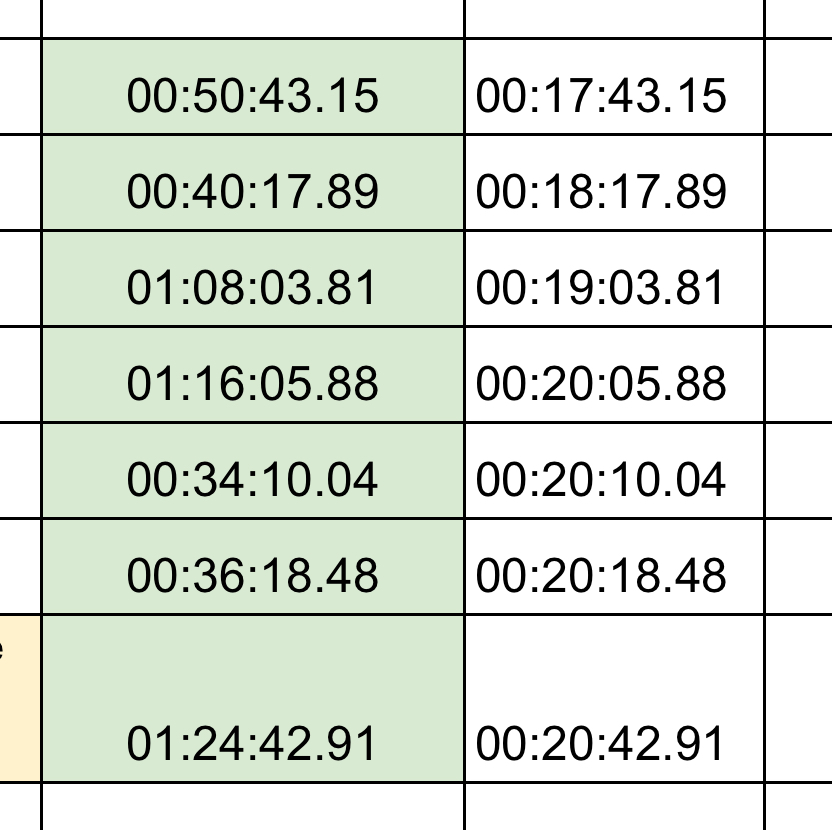


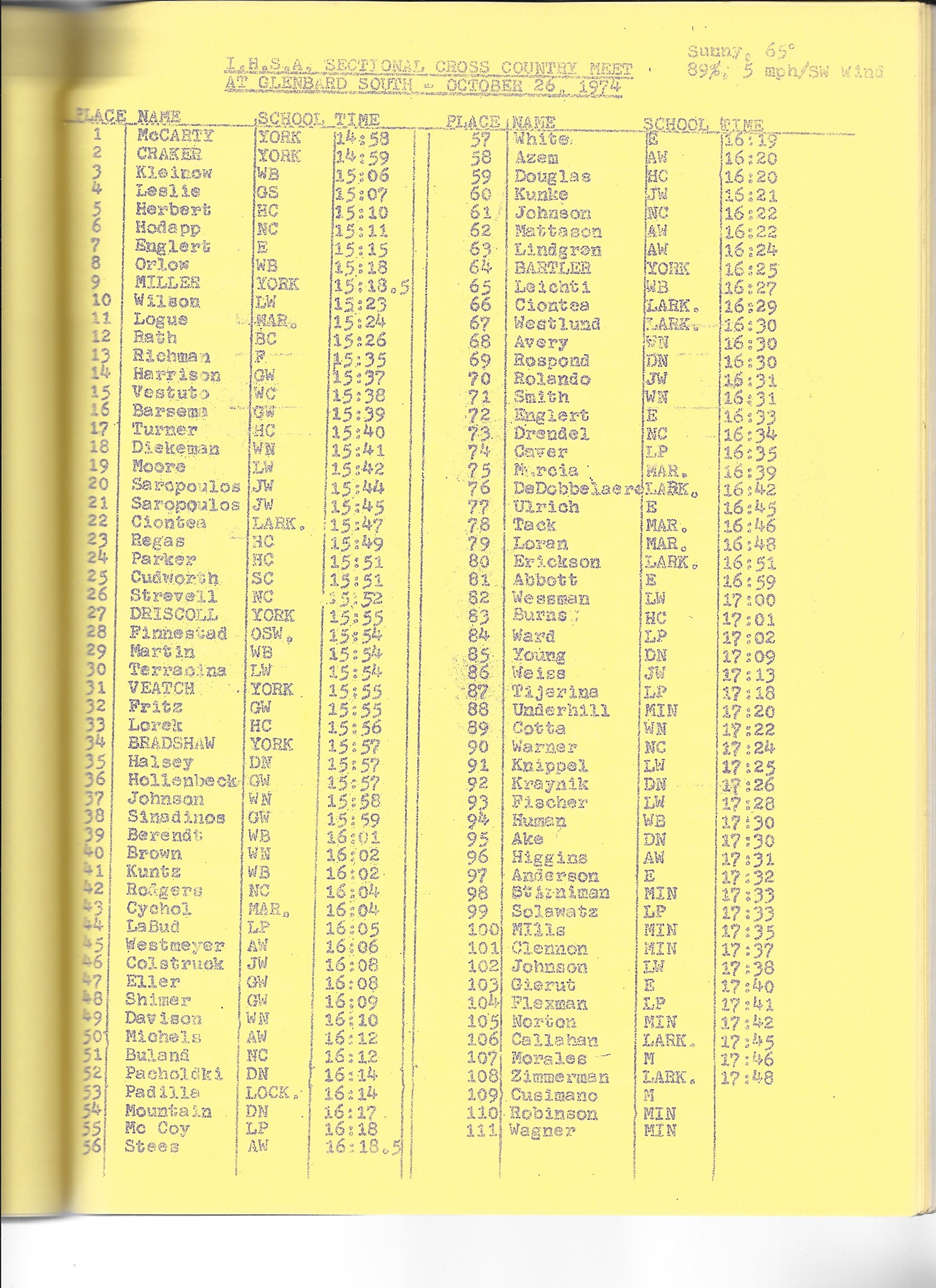
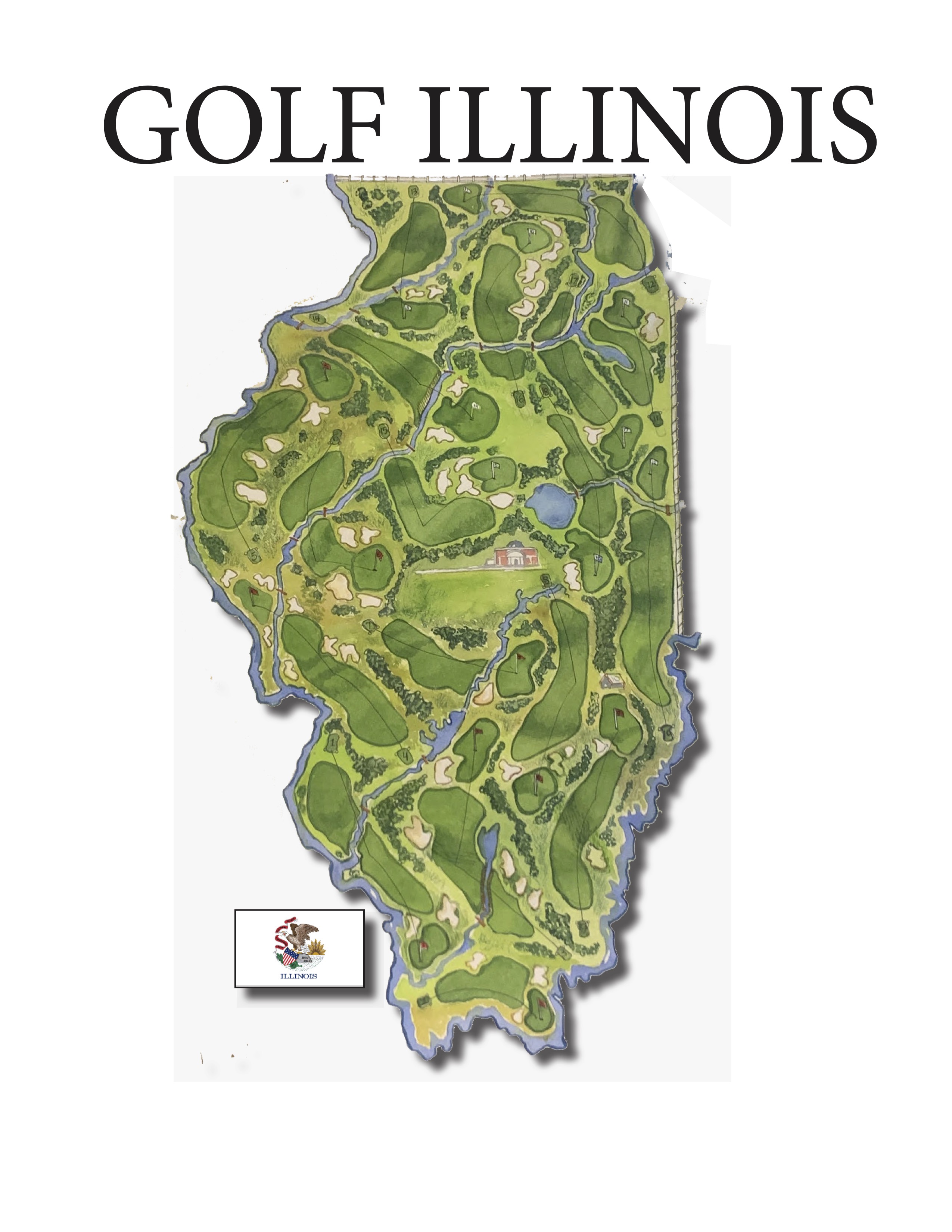


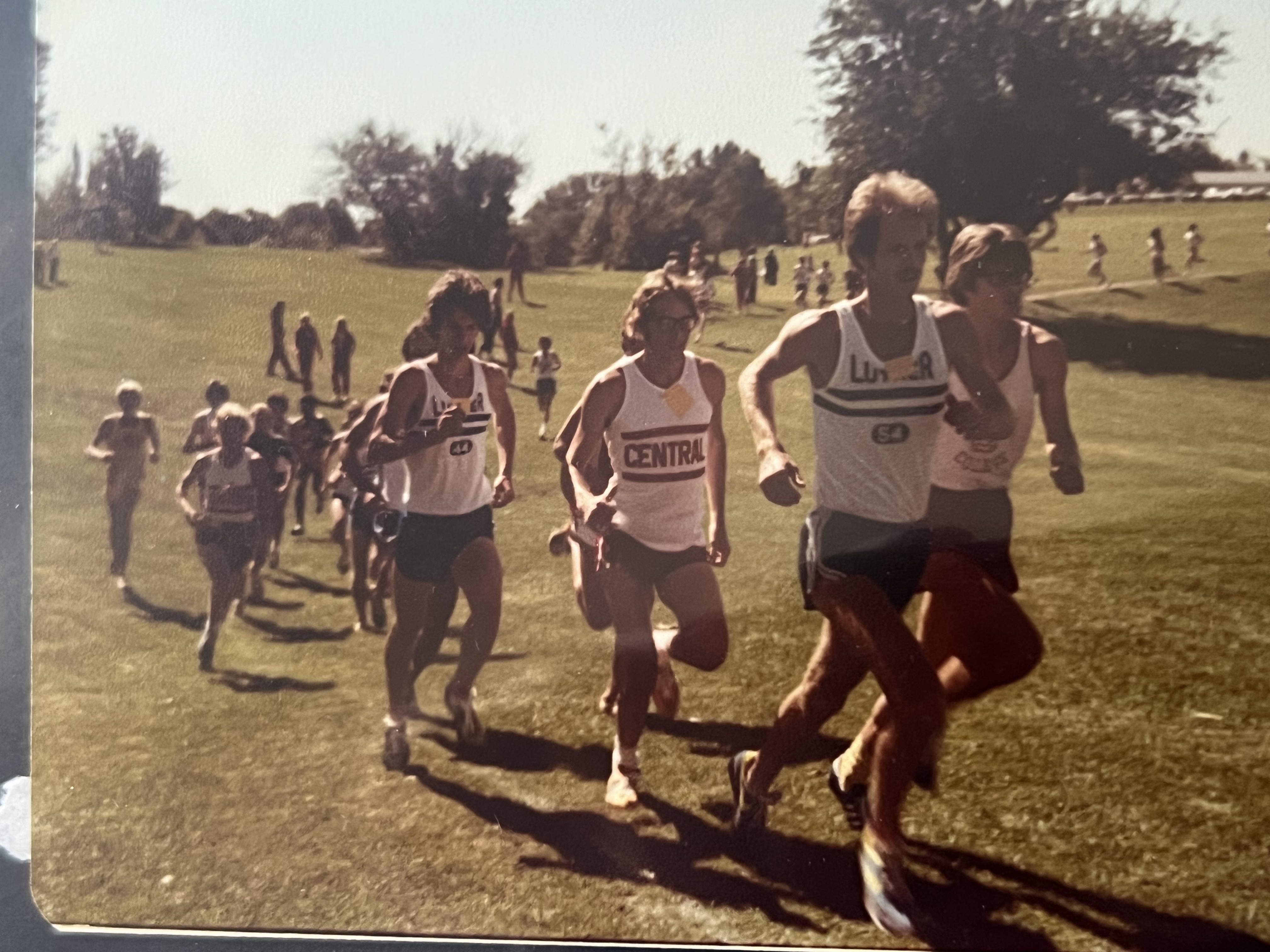



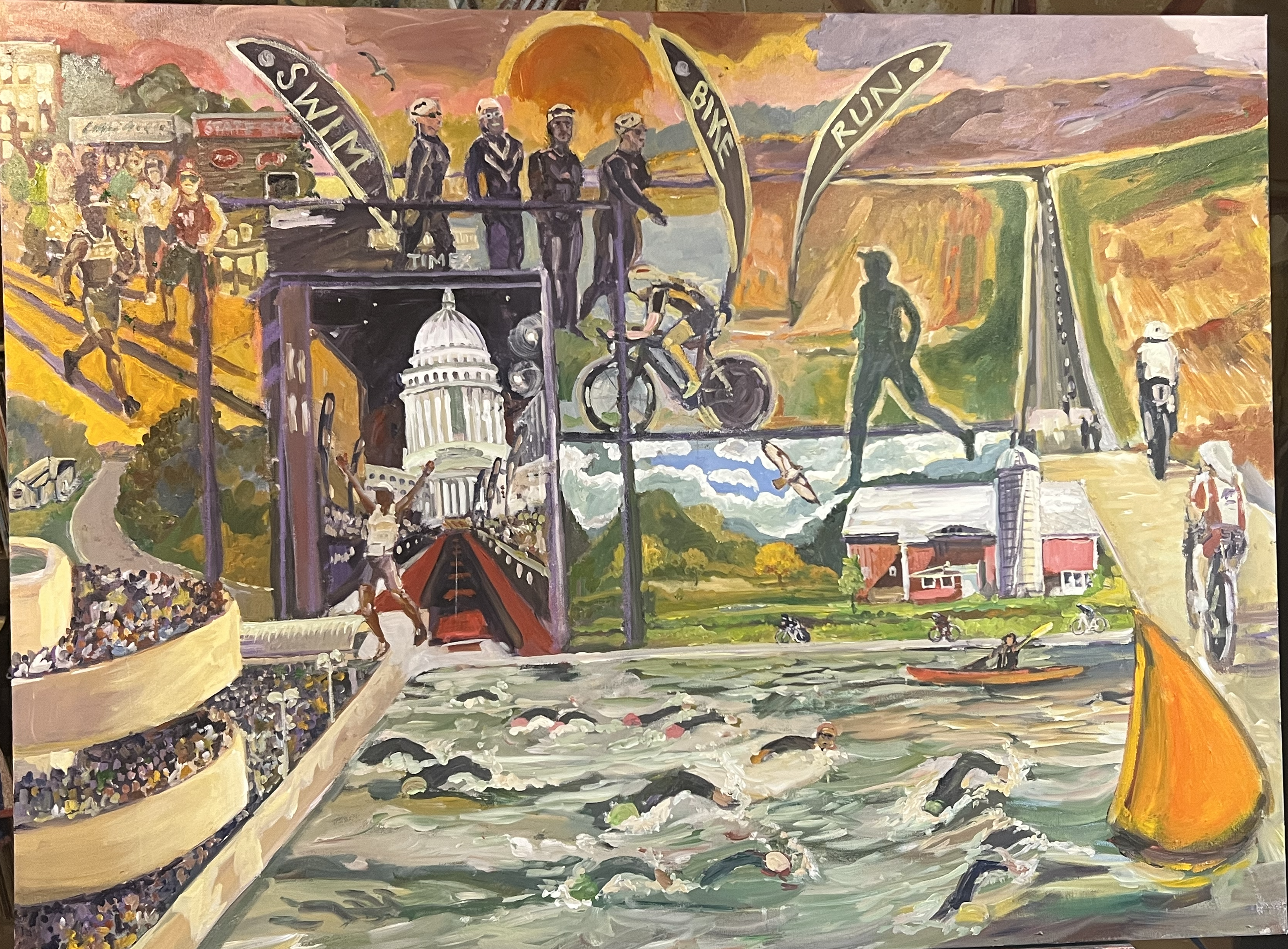


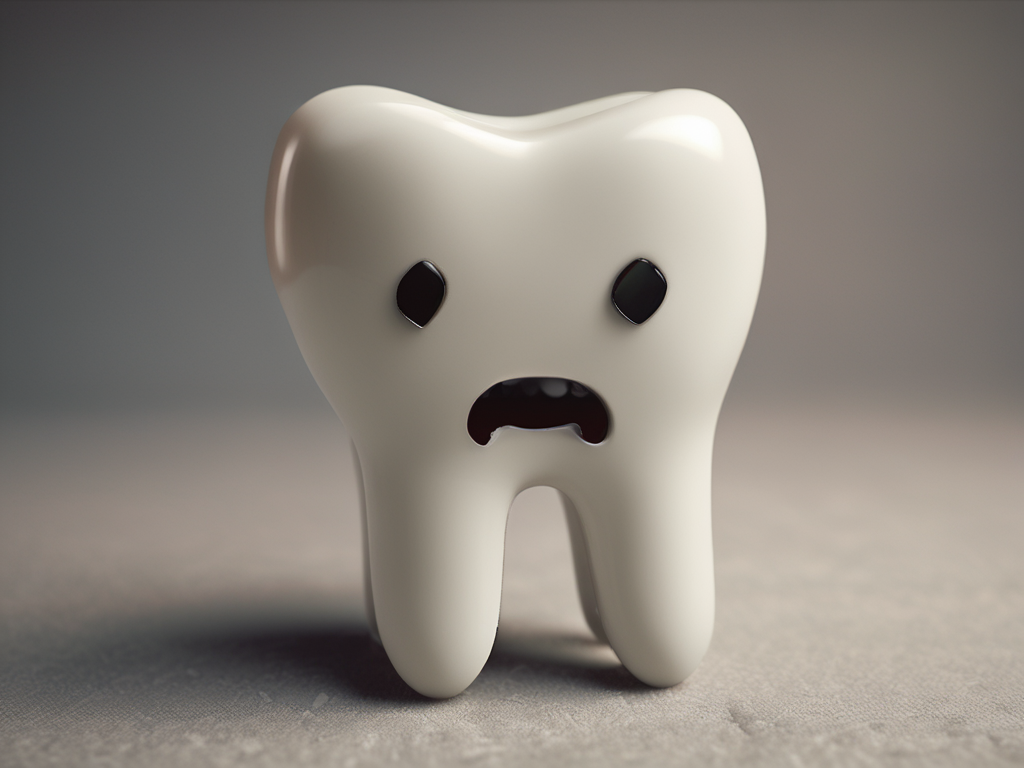

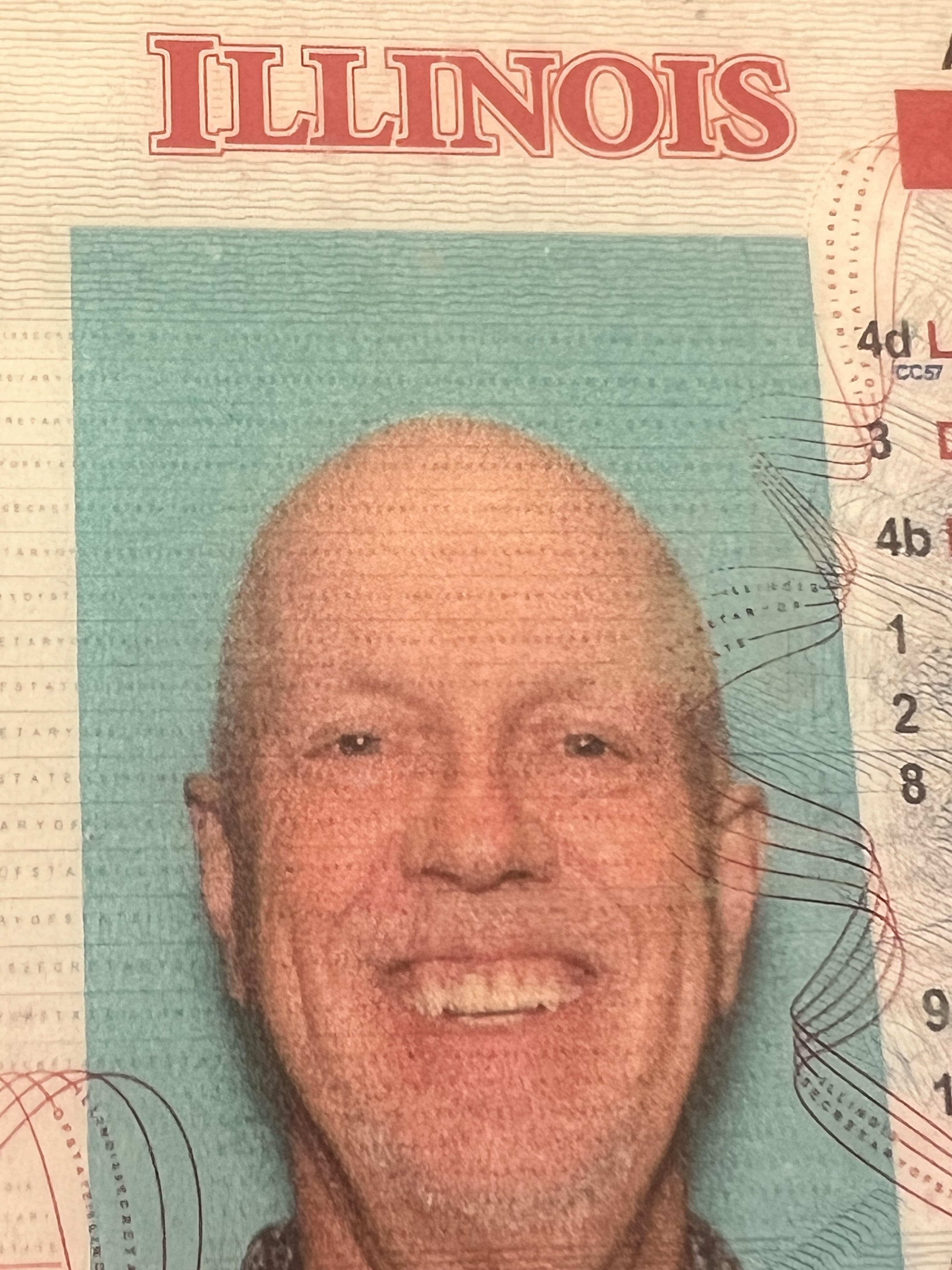
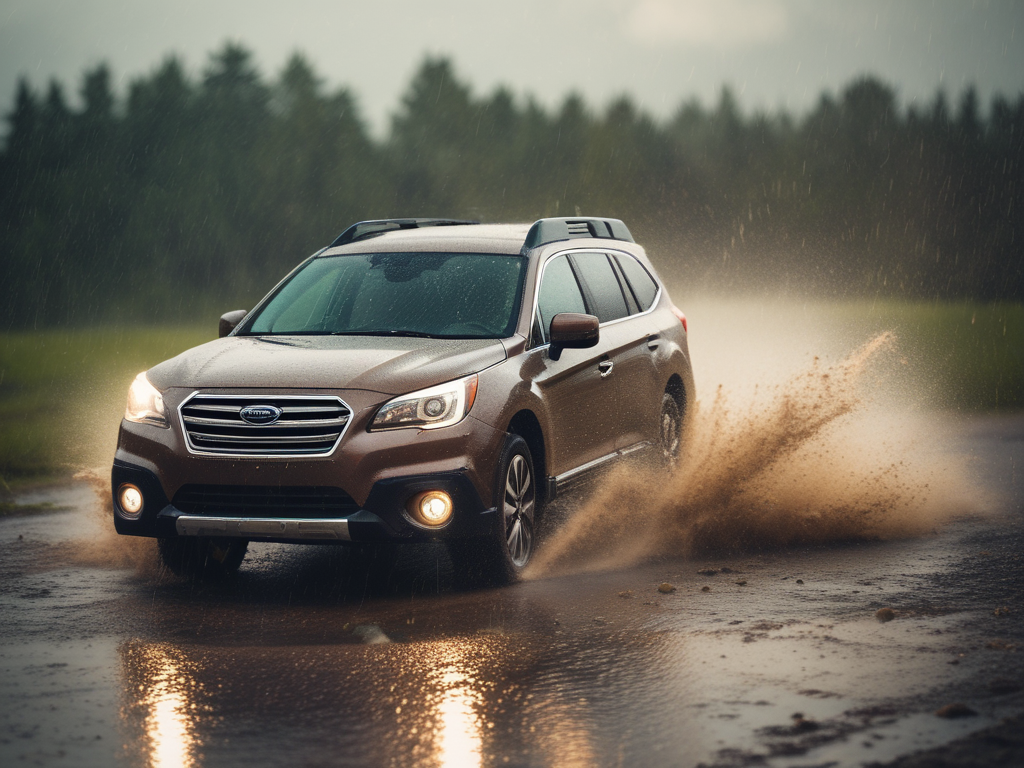


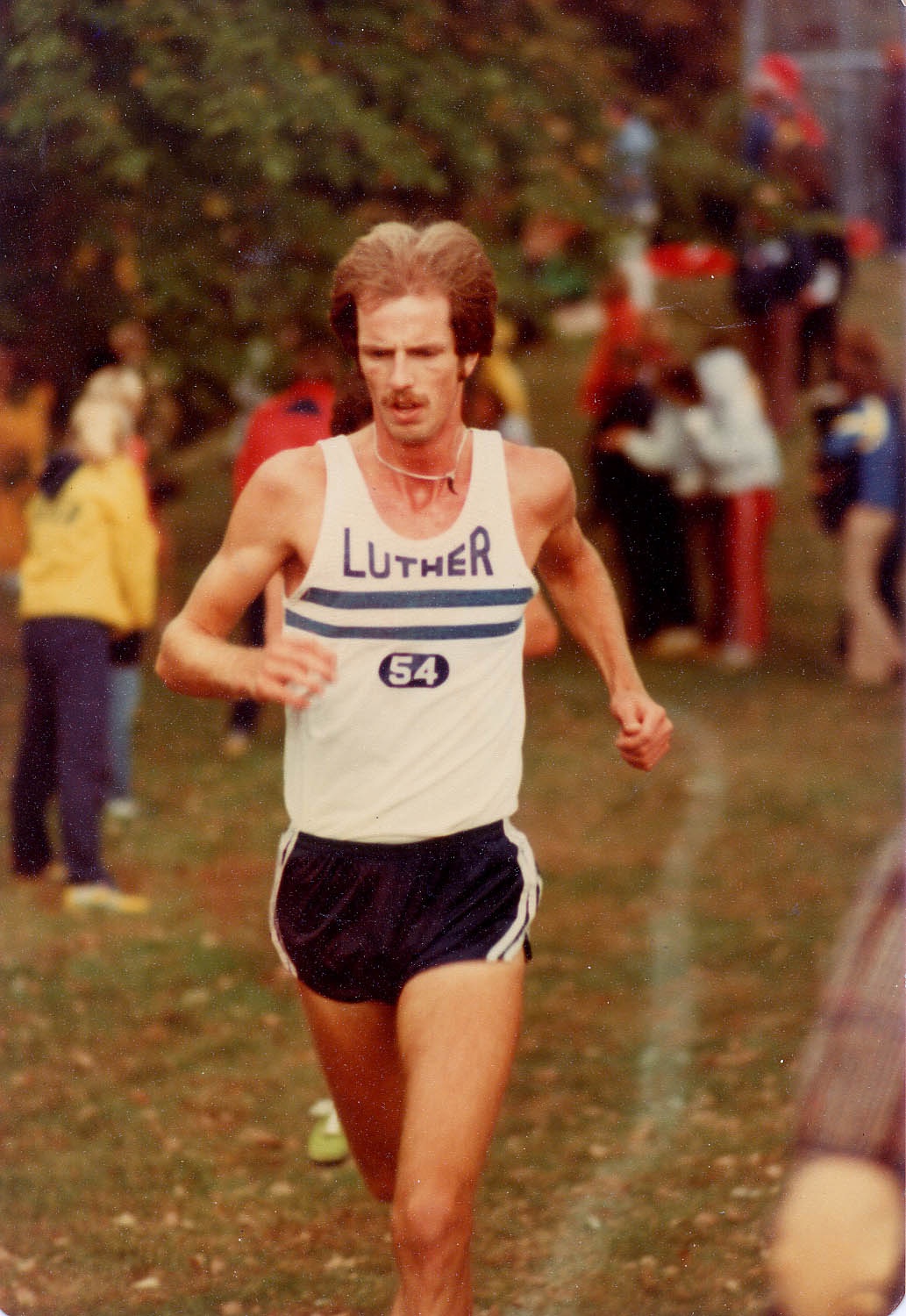

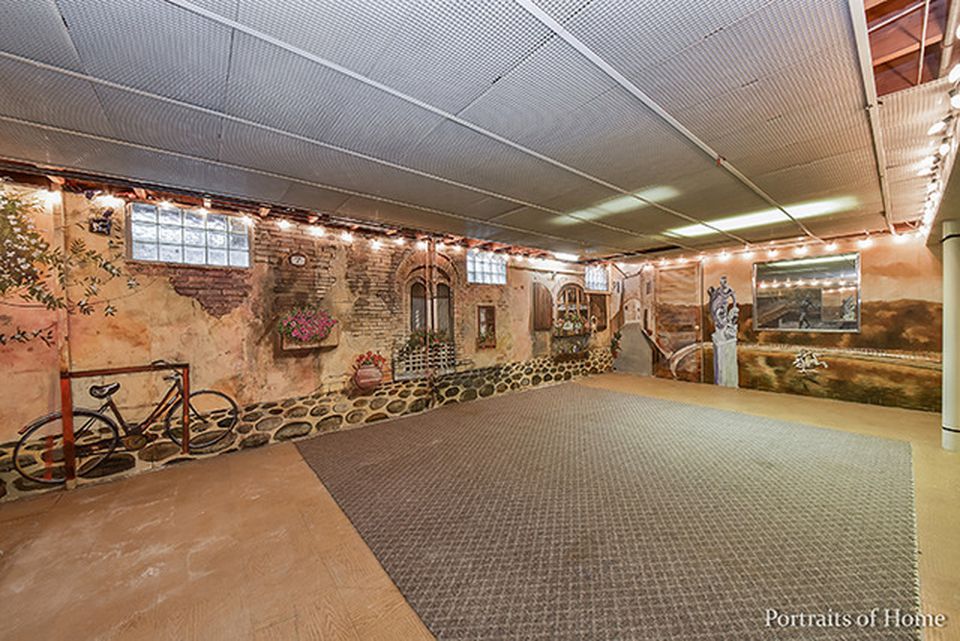


 We Run and Ride