Running and riding through a world of absolutes

By Christopher Cudworth

Liberal folks like me tend to think in terms of relationships when it comes to getting along in the world. But there are quite a few categories of existence that live and die by the numbers. In business you’re either making money or you’re not. Those kinds of statements are what make people fond of absolutes. They like the cut and dried world where the rich get richer and the poor get poorer, supposedly on their own merits.

Not so absolutes

Cierpinski

Cierpinski

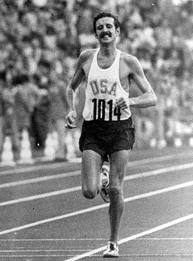
Of course people find ways to cheat and lie to win and beat the numbers. One suspected cheat was Waldemar Cierpinski, the East German runner who beat American Frank Shorter in the 1976 Olympic Marathon. Evidence came out in the 1990s that Cierpinski, who won both the ’76 and ’80 marathons, had used drugs to succeed. He looked pretty smart coming out of nowhere in ’76 to win. Now it looks as if he and the East German system made the rest of the world look stupid by cheating to earn undeserved Olympic glory.

The way of the world

And that sucks. But it happens all the time. Politicians steal elections. Business types game the system and work the loopholes. Somehow these people still are able to sleep at night, even when they cheat their way to success. Can you imagine Cierpinski going to bed each night knowing he had cheated to win? But many people deceive themselves. They feel they have a right to glory even if it is undeserved.

Ignorance and confidence

Then there is that great middle ground where, as Mark Twain once said, “All you need is ignorance and confidence, and success is sure.” Some people succeed in spite of themselves, or because they simply don’t care about the ethics or the principles or the supposed correct path to success. In a strange way, their form of success is an absolute as well. Some call them lucky, but more often than not they’re stubborn enough to succeed in spite of all odds. Perhaps we owe them grudging admiration. Or perhaps not.

Show me my rival

At every level of competition there are competitors to whom you hate to lose. Something about them might irritate you. It might be their running or riding style, or their personality that bugs you. But when you step to the line, you want to beat them more than anything else on earth. I’ve known quite a few such rivals. Some I’ve beaten. Others I could never touch. You live with these conflicts.

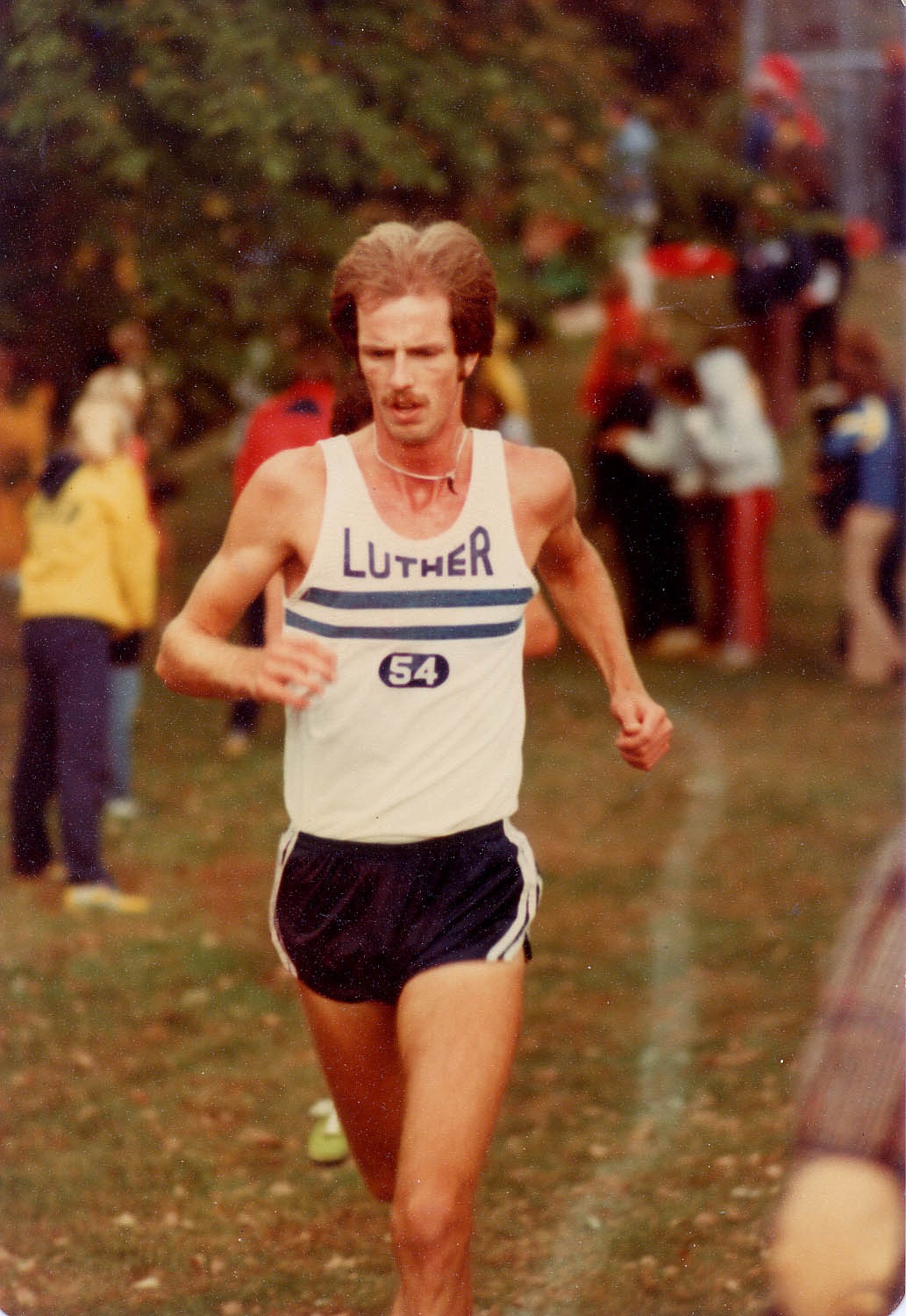
One such rival was a runner from a team in our college conference. The first three years of his college career he was good but not great. Socially, we talked to many of our competitors but not to this guy. He was a little too daft and dopey. We couldn’t engage him. So we wrote him off.

But then he improved dramatically. His 1500 meter time went from 4:02 to 3:49. His 5000 time dropped near 14:00. Still, he didn’t get any easier to engage. His personality was goofy and distracted. We mercilessly joked that he was too stupid to know that he could not be that good.

Jealous lies

It does no good to be green with envy or sweat over the achievements of others.

It does no good to be green with envy or sweat over the achievements of others.

Of course that wasn’t true. He attended a quality college and through discussion from his own teammates, we learned he did well in school.

The absolute truth was harsh. When he began achieving excellent times were we both stunned and jealous. Frankly, it didn’t help us think we were cooler than him when all we wanted to be was as fast as him.

As if to slam our jealous in our faces, our seemingly dopey rival went on that year to earn All-American status. The rest of us were left in his wake. Somehow he’d banked the right kind of training at the right point of maturity to kick some serious ass. That has to be admired or you’re lying to yourself.

Smart as hell

That’s the strict beauty of running and riding. You can’t pretty your way to success. But there are pretty methodologies to get there.

In cycling it is often the smartest rider who emerges from the peloton to win. Conserving energy is as important as being fit. We all know a cyclist or two that knows how to tuck in for all 80 miles of a ride and look fresh at the finish. Winning isn’t just about brute strength or endurance. It’s all about getting from Point A to Point B the best way you know how. The whole point is using what smarts you have to get through the hell of competition. The pain. Exhaustion. Fear. Doubt.

Let’s be honest. Sometimes it pays to be stupid enough not to let that shit bother you. Think of Forrest Gump. He was a runner who didn’t think too much.
Focus is what counts

The conservative truth is that in the end, your performance is all that matters. You can perambulate and justify all you want, but winning is about focus and attendance to the task.

Respect really can be earned in absolute terms. It can also never be taken away as long as you are not cheating to achieve success. That is the stupidest kind of success of all.  Just ask Lance. Marion. Ben. It’s a long list of people who seemed smart and wound up looking absolutely stupid.

WeRunandRideLogo

Posted in Christopher Cudworth, We Run and Ride Every Day | Tagged , , , , , , , , , , , , , , , , , , | Leave a comment

A running (and riding) feud with Coca-Cola

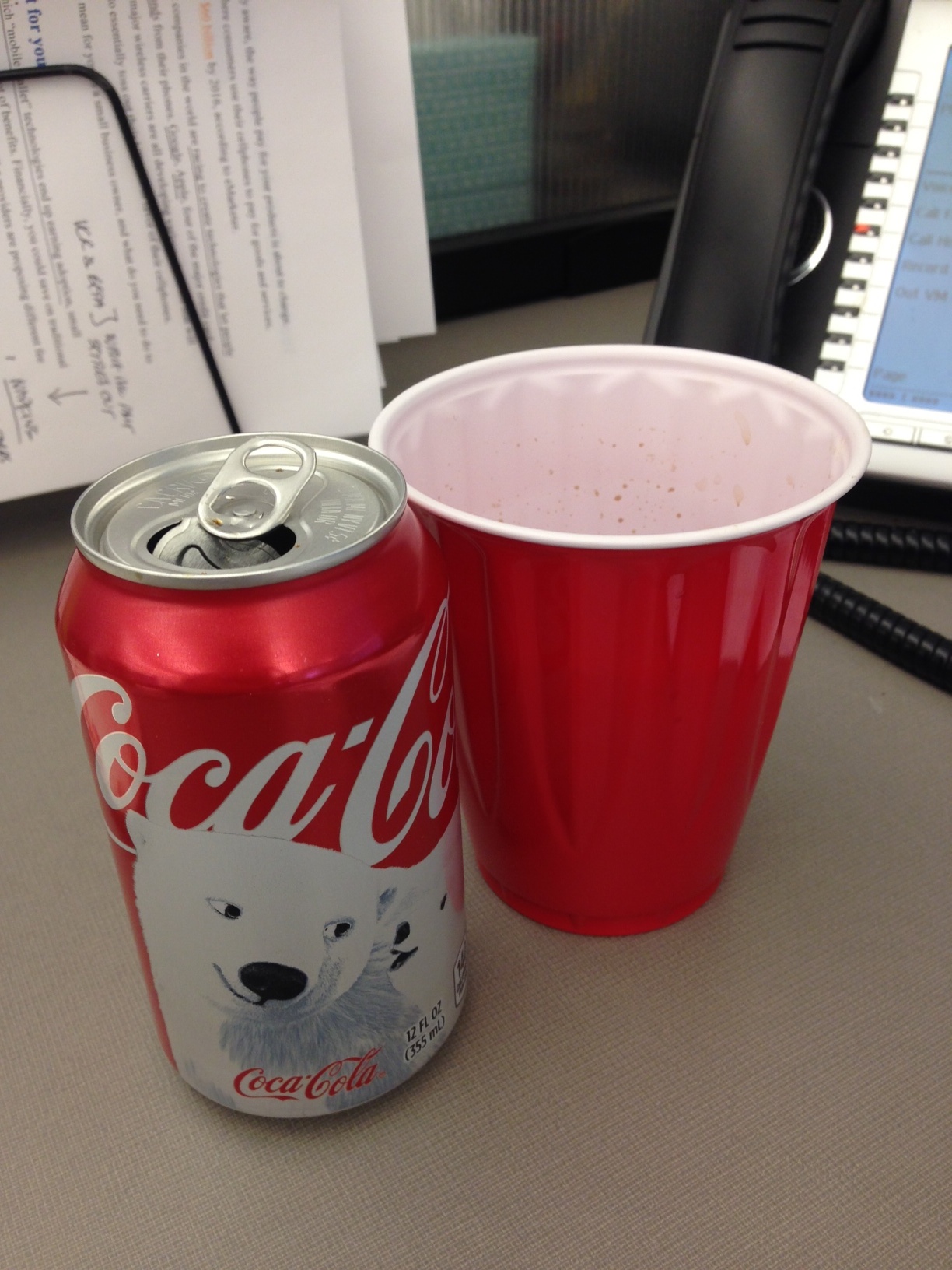
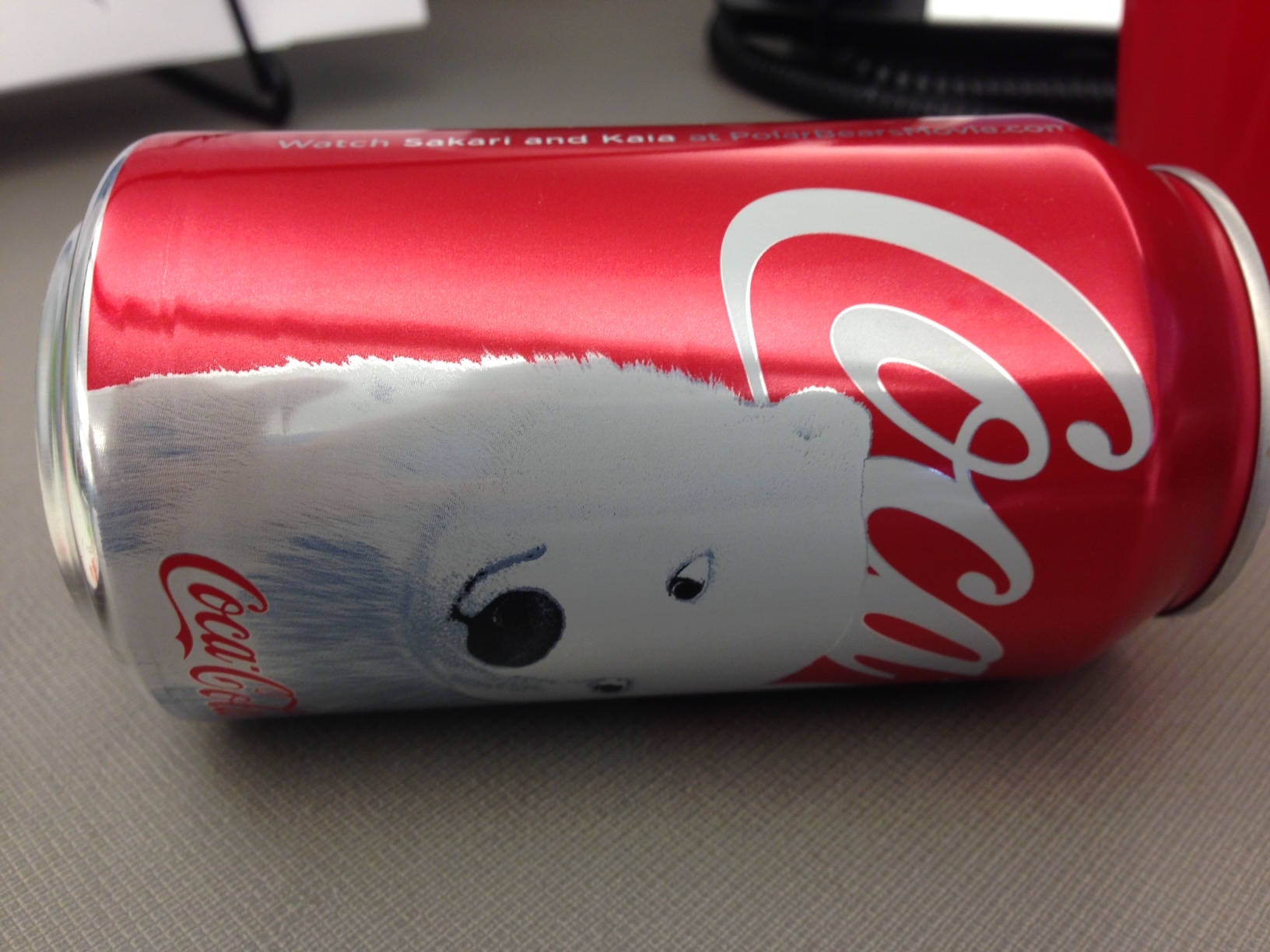
Coke3I used to be a big fan of Pepsi-Cola and RC Cola. Both are a bit sweeter-tasting than good old Coca-Cola, the standard by which all other colas is measured. Taste is a big factor in why people choose colas to drink, and people have their favorites. But it gets pretty hard to stick by one standard when they seem to keep changing.

New Coke, Old Coke, everywhere a Coke Coke

You may recall when Coke tried dumping its original formula in 1985?

The New Coke tasted pretty much like Pepsi and true Coke fans hated it. Either New Coke was the biggest blunder in cola marketing history or else it served as a fantastic brand coup in which Coke built even greater loyalty for its old formula. Coke claims it was just a big mistake. The evidence seems to support their claim. In 1992 the original Coke formula was rebranded Coke Classic.

Now there are more styles of Coke than ever. You can find Coke Zero, Caffeine Free Coke, Diet Coke, Vanilla Coke, Cherry Coke and  The list goes on and on. Coke and Pepsi and all those other beverages trying to grab every niche in the market.

Default Beverages

Consumers face all kinds of choices while shelf space is at a premium for cola marketers. Beyond the colas there are the Lemon-Lime drinks like Sprite (the default no-caffeine beverage) and Sierra Mist. You show up at a restaurant and ask, “Do you have Sierra Mist?

“No, just Sprite.” Yuck. I hate Sprite. Sticky thick syrup water in a can. Ugh.

Yes, it seems like soda varieties are everywhere and the supply is limitless. Yet if all the Coca-Cola ever made were allowed to run over Niagara falls it would flow for just over 24 hours. One day.

Coke by the numbers

CokeIf you drink a can of Coke a day from the time you were 12 years old until the time you are 55 years old, that’s 43 years of cola going down your gullet.

15,695 cans of Coke equals 188,340 fluid ounces at 12 fluid ounces per can. That’s 5,885 quarts of Coke ingested over 43 years. Those 15,695 cans of Coke contain 2,197,300 calories.

Of course many people drink more than one can of Coke per day. Just two cans is equal to 4,394,600 calories. Three cans a day is 6,591,900 calories over 43 years. Are you feeling fat yet?

Too sweet

And sugar. There are 39 grams of sugar in a can of coke. That is 612,105 grams of sugar over a 43-year time period. Triple the intake of Coke and you’re looking at 1,836,315 grams of sugar between ages 12 and 55. Much of that sugar is delivered in the form of High Fructose Corn Syrup, a hyper-sweet concoction that can kill you according to Dr. Mark Hyman, MD.

Coach says no Coke

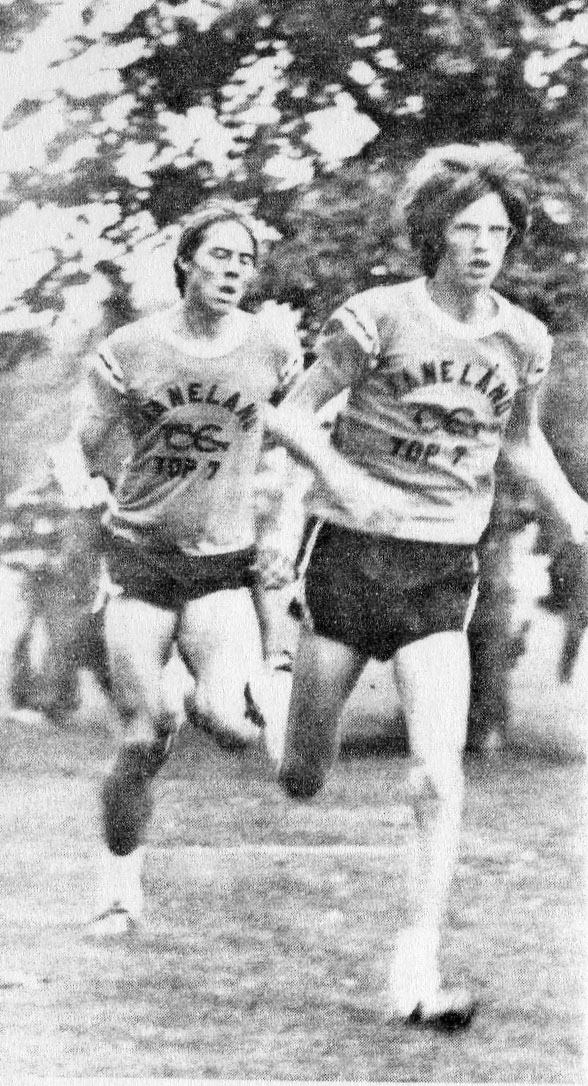
CudworthKanelandThe other components of Coke such as sodium, carbohydrates and caffeine all contribute to a drink that while tasty is certainly not very good for you over the long term. It’s no wonder our high school cross country coach banned us from drinking soda during the season.

He didn’t like the carbonation in colas. He claimed that it gave you sideaches. That may be true. Some people notice sidestitches from drinking soda even when they are not exercising.

Our coach may have been missing the possibilities of the diuretic effects of caffeine, which are known to dry out muscles including the diaphragm, and a cramp in the diaphragm is often the source of side stitches.

So I quit Coke at age 14 and did not touch it through the age of 16 when I transferred schools and ran for a different cross-country and track program that did not talk about diet much.

The old Coke habit returns

The Coke habit continued through college where we’d drink 2-3 eight-oz. cups during lunch and a couple more during dinner in the college union. We were training 80-100 miles per week, so calories weren’t really an issue.

After college the training and racing continued but I ran into problems at a state track competition when I drank too much soda in the three days leading up to a competitive 5000 on the track. I went through two miles in 9:30 before pulling over with a side stitch so painful they put me in an ice bath to cool down my core temps.

NakedTruthProstate problems

In my early 30s a doctor told me to quit drinking Coke because my prostate was too sensitive to the effects of caffeine. For nearly 25 years I avoided caffeine in all ways. I didn’t drink coffee so that was no problem and I quit taking cold medicines and have actually had far fewer colds. So I didn’t miss much by quitting Coke and not using antihistamines.

I did eat dark chocolate but to no ill effects. Was it all in my head, all along?

Round whatever

One can never really know. But I took up drinking tea in my 50s and then graduated to Coke because it is served free at the office.

This time around I did not notice the cramping effect that had always bugged my prostate in earlier years. Then I worked up to a Coke a day and kept it at that level with rate exception.

All those years of running and riding without drinking Coke were not wasted. I do not believe in the supposed benefits to performance in drinking caffeine before a race. I always got nervous and jumpy enough to get “up” for competing. Who needed caffeine?

And who needed all that acidic juice in your gut? The corrosive effects of Coke are debated with site like Snopes.com insisting the claims are overblown. But we do know this; dentists and gum specialists do not like what the acids or sugars in colas do to your teeth.

Athletes and Coke

imagesYet many athletes of yesteryear and today continue to drink Coke. Olympians Frank Shorter and Kenny Moore drank de-fizzed Coke before the Munich Olympics marathon. Shorter won. Moore finished fourth.

Tour de France riders also guzzle the stuff when it is offered. Burning 7000 calories a day requires something rich and quick to replace the sugars, sodium and calories used in competition.

Wedding drinks

I like a good Jack Daniels and Coke at weddings. Maker’s Mark does well too. So Coke is one of those tarsnakes of existence. On one hand it’s fun and flavorful. On the other hand it can eat your teeth and guts away and make you fat. But some say the same about marriage. So it’s a wash.

A heartbeat away

But the Coke a day habit I built again may need to go. Caffeine is not good for anyone’s heart either. It can set off an uneven heartbeat if you’re prone to such things. There are 34 mg of caffeine in every can of Coke. In 43 years of drinking one can a day that amounts to 1,553,630 mg of caffeine. And that’s a daunting figure.

So my running and riding feud with Coca-Cola continues.

If you stop and think about it, it is rather strange that we have such habits as drinking Coke. And that so much technology and marketing can go into selling an aluminum can filled with liquid that is not that good for you.

WeRunandRideLogo

Posted in Christopher Cudworth, Tarsnakes, We Run and Ride Every Day | Tagged , , , , , , , , , , , , , , , , , , , , , , , , , | Leave a comment

How running and riding help you adapt to changes in life

By Christopher Cudworth

It is so easy to fall into routines in life that we resist change when it inevitably comes along. People get comfortable and they want everything to stay the same. It happens all the time, and in all aspects of life. It’s one of the tarsnakes of existence. 

How it happens

Getting too comfortable in life is one of the tarsnakes of existence. You need to crawl out of your comfort zone.

Getting too comfortable in life is one of the tarsnakes of existence. You need to crawl out of your comfort zone.

We get so comfortable in our worldview that even when  truth comes along to show us a new way, we reject it on grounds that it doesn’t fit our own version of truth. Umm, that’s dumb.

It happens in religion. In politics. In the workplace. People resist change because adapting to change even when it is an obviously positive force in our life requires work. Hell, even the will to change requires work. So people shun it.

The perfect allegory for change

Change forces us to shift gears, if you want a cycling allegory to fit the subject matter. You might be pedaling along in life and lose a job. Suddenly you find yourself in circumstances you never imagined. Money gets tight. The club membership seems like a stretch. Even former friends don’t return your calls. You feel alone. Change can hurt.

depositphotos_3461043-Bicycle-chain

Complacency can bind you up. Rust never sleeps.

As most people who run and ride recognize, pain can teach us things about ourselves. Complacency is a dangerous thing because it puts you into a space where the real you never gets a chance to come out. The carefully constructed you isn’t ready to learn or experience new things.

When change comes along it can work like magic to open your eyes to new possibilities.

But be prepared. The term “embracing change” is contradictory. You can’t really “embrace” change because it resists being held down. It can’t be kept in one spot or made to bend to your will because that’s not what change is all about. It’s not about standing in one place. That’s why running and riding can teach us so much about healthy ways to adapt to change.

Sing it together

Instead you need to“roll with the changes.” (This video rocks) just like REO Speedwagon says.


Preparation on the fly

 Every day brings opportunity for change.

Every day brings opportunity for change.

That’s why running and riding are such good preparations for dealing with change in other aspects of your life. Many times we’re called to adapt on the fly when you run and ride.

Did the wind just shift during your 50-mile bike ride? Either you buddy up and share the draft or slog your way home.

Run out of water during a 15-mile run? Better change your route to reach a fountain or adjust your pace in case you really run dry.

Over and over we learn to adapt to changes both positive and negative when you run and ride. Roll with the changes. Baby.

Changing it up

Change is inevitable as you train. Your body takes on a new form. Some of it may not be ideal. If you’re a female athlete your breasts might shrink as your body slims down, and if you’re a man your biceps may not be as big as they once were.

But roll with the changes. The new lean you is an all new beast. Friends may notice, or they may not. You must be self-possessed and confident in what you’re doing either way.

Changing it down

Even setbacks can lead to positive changes. Roll with it.

Even setbacks can lead to positive changes. Roll with it.

Or you may pick up an injury and have to forfeit your goals for a period. No worries. Just change your routine and do what you can until the injury goes away. Those of us who have trained hard for years know that injury and illness isn’t just probable, it is inevitable. If you’re trying hard enough, change will come along sooner or later and slap you down .

The ideal approach is to welcome even changes that seem like the worse thing that can happen at the time. Make it your mission to find out what those changes mean. Then you walk instead of run for a while, or do strength work. The months I spent re-habbing an ACL tear were the most educational period of my athletic career. It changed how I viewed strength and flexibility. Now those exercise are part of daily routine. Change begets new routines too.

Eventful change

Participating in challenging events can change your life.

Participating in challenging events can change your life.

The desire for stimulation and change is why people choose challenging events. It forces change and makes life interesting. Change is what leads to peak experiences, and those moments can be life-changing.

Now you’re on the road to a better life. One that incorporates rather than resists change whether it comes of its own accord or you bring it on yourself.

Applied learning

You can use the capacity for change learned through running and riding to embark on changes in other aspects of your life. If you’re stuck in a routine that does not feel good, you now know what to do. All it takes is a shift of gears here or there. A change of pace.

Perhaps your personal faith feels stale. Shift gears. Visit a new place of worship.

Maybe your work life is not rewarding. Get up on your toes and ask to take on a new project. Run a little harder. Even if you’re running in place for a time, people will notice your effort.

Sometimes relationships get stuck as well. Take them on the road. Go someplace new together. Quit being the boring person, or invite that significant other to come out of their rut.

The good parts of life are often about change. That’s all you need to remember. It’s not only okay to change. It’s vital.

WeRunandRideLogo


Posted in Christopher Cudworth, Tarsnakes, We Run and Ride Every Day | Tagged , , , , , , , , , , , , , , , , , , , , , , , , | Leave a comment

The 7th Man syndrome: Three keys to becoming better than average in your athletic or business pursuits

By Christopher Cudworth

A talisman hawk's claw was part of the inspiration in college cross country.

For the first three years of college cross country, I ran in the Top 7 at the Varsity Level. And that was good. But it wasn’t great.

For a variety of reasons now known to me to some extent, I was a perpetual 7th man. That’s the last position on the actual team, but not one of the top 5 scorers who determines the fate of most meets.

Yes, I’d flirt in and out of the Top 5 now and then, scoring for the team against certain schools against which I liked to compete. University of Lacrosse was one of those schools. I admired their program and for that reason often ran several rungs better against them in duals.

But why wasn’t the motivation and quality always there? What kept me from being better at running and fulfilling my true potential? There were several factors involved that are “life lessons” for anyone who runs and rides. In fact these issues spill over into many other areas of life.

7th Man Syndrome is the product of the following:

Self Confidence

Self confidence was a big part of the success of Olympic marathoner Frank Shorter's success

Self confidence was a big part of the success of Olympic marathoner Frank Shorter’s success

Some people are born with a naturally ebullient nature or else their parents build them into strong, flexible creatures able to take on life’s challenges with enthusiasm.

But if neither of those positives entered your life at the right time, a lack of self-confidence can become part of your psyche and it is a very hard mindset to beat.

Building self-confidence can take time because negative associations tend to dominate your outlook. By contrast, positivity for some people tends to be a frail state of mind.

You can only replace negative associations by achieving positive results. That takes extra focus and likely a set of short-term goals carefully prescribed to show progress and results

Whether you have a coach or are setting out your training and racing goals on your own, be sure to set some standards that support your growth rather than lead to negativity and a resultant lack of self-confidence.

Scheduling

Athletes of all ages and genders need to learn to organize themselves for success.

Athletes of all ages and genders need to learn to organize themselves for success.

As a distance runner or any type of endurance athlete, it is vital to be able to control your schedule and set yourself up for success. Endurance sports often require preparation; organizing equipment, setting up workouts and getting up early enough to train are all key aspects of scheduling for runners and cyclists.

During college my work schedule held me back in many ways. Getting up to work the dishroom from 5:30 to 7:30 four days a week did not lead to good training routines and I did not rise above the stature of 7th man on the team as a result. Two-a-days were hardly possible and I was fatigued during the season, sometimes getting colds or sick from being too tired to train.

Of course those experiences were good training for life in one key respect: They more closely resemble the requirements of real life. Traveling in business is the same way. So growing into maturity requires that we all adapt to scheduling challenges.

But the facts are simple: When released from the need to work the dishroom four days a week my position on the team went from 7th to 2nd in one season. In my early 20s I took time out of the corporate world to train full time and set all my PRs, winning 12 out of 24 races in a single season. Scheduling matters, but you have to be forgiving if your situation does not allow perfect training conditions.

Support Structure

Having family and friends to support you at races can help immensely.

Having family and friends to support you at races can help immensely.

Being away at college the first time is a tough gig for many athletes accustomed to the comforts of home, mom’s cooking and familiarity. Some athletes suffer without the emotional support of family. A coach cannot be your mama and papa as well as your guide in sports.

That means your friends need to be your support structure. But managing friendships in competitive situations can be tough. Your best buddy may be the guy or gal who beats you out for that cherished position on the team.

Learning to separate the competitive aspects of your personality from the friendships you need to sustain good emotional health is a big part of being an athlete.

Falling in love can also help. Having a person with whom to share your victories and failures, and to love and cherish you in and out of success can be key.

That was another reason I shot from 7th to 2nd man my senior year in college. I fell in love. Nothing could harm me.

Scheduling, Self-Confidence and Support Structure. Being aware of these three keys in your life can help you be more self-aware and move beyond being average to reaching your full potential as an athlete, businesspersona, family or community leader.

WeRunandRideLogo


Posted in We Run and Ride Every Day | Tagged , , , , , , , , , , , , , , , , | Leave a comment

The 10 Deadly Sins of Training

By Christopher Cudworth

You should learn and know the 10 Deadly Sins of Training no matter how much you run and ride. But this is no mere Top 10 list. These can’t be placed in order because they all matter equally. You can make your own priorities once you know better what the 10 Deadly Sins of Training really are.

Not getting enough sleep

IMG_8213Trying to train hard without getting enough sleep is a sin of arrogance. Your mind and body need time to recover, rest and heal when you’re training hard. The only way to maintain a solid training regimen is to get enough sleep so that you are refreshed and able to function in your occupation and your avocation. Anything less is harming your ability to improve. Advice:  If you don’t want to weep, get some sleep.

THE TARSNAKES OF TOO LITTLE OR TOO MUCH…

Underhydrating

ButterflyFor years we’ve all been lectured that it is important to get enough fluids to avoid dehydration during training. That means during workouts and from day to day in your training, it is important to drink fluids. Theories seem to be changing on hydration during actual workouts (see next deadly sin) but the best advice right now is to perform some tests over time with your own body. If you’re accustomed to drinking on the run, then record how much you drink and how you feel. Use a set distance like 6 or 10 miles as a baseline. Same goes for cycling. It is not likely you need to hydrate much in a ride under an hour in length, but beyond that your hydration needs increase and having a record of how or when you feel the effects is helpful to know how much to drink. In hot weather, adjust upwards for both the workout and day-to-day needs. Advice: If you’re feeling dry, figure out why.

Overhydration

No sweat is no good.

No sweat is no good.

It is likely you never thought you’d hear the word “overhydration,” also called water excess or water intoxication. Those of us who run and ride need to be aware of its risks, the signs, and why it is such a sin.  If the body contains too much water it does not function correctly. According to Healthline.com, a normal adult who does not work out would have to drink two gallons of water a day to cause overhydration. But a person working out from 2 to 4 hours a day might drink that much during the course of a day inside the workout and during recovery. Here’s the weird fact: Your brain is the organ most at risk from water intoxication. It can result in confusion, seizures and shock. But athletes will most commonly feel something less than those symptoms. Typically overhydration rather literally produces a feeling of being drained, washed out and weak that are the product of hydrating too much. All can cost you in terms of performance. Advice: Don’t water down your efforts.

Overtraining

IMG_0984The idea of training too much seems to be a foreign concept to those who run and ride. It is entirely possible and quite common for athletes to do too much too soon or pile on mileage as insurance against hitting the wall or bonking. Trouble is, overtraining basically erases your health margin bit by bit. When you are overtrained you are essentially overtired. That means you’ll get colds or flu more easily, pick up injuries from overuse and not have the mental energy or positivity to stick to your goals. Signs of overtraining include constant thirst, craving for sweets, irritation or agitation, feelings of depression, lack of enthusiasm or complacency and sore throat or colds. The biggest cause of overtraining is “junk mileage” or training done as a sort of blanket insurance in hopes of covering up other sins such as too little speedwork or poor planning. Advice: Give yourself a break or risk breaking down.

Undertraining

The Not So Walking Dead.

Athletes in love with the notion of completing a marathon, half marathon, Ironman or a Century Ride often underestimate the optimal training required to complete or compete in the event. Newbies especially tend to be undertrained the first time around. That sin only becomes evident in the middle stages of the event or worse yet, when you are just about done and the Grey Ghost of Fatigue takes you down. Undertraining can be detected by competing or completing smaller scale events in the leadup to the main event, which tends to be longer. If you are running a marathon for the first time, completing a half marathon a month or two in advance is a good way to gauge your overall fitness. Same goes with a Century Ride or a triathlon. Most athletes will do event training that covers at least ½ to ¾ of the distance in training. Then you know whether you’re ready or not. Advice: Train enough to succeed or stay home.

THE TARSNAKES  OF STRETCHING YOUR LUCK

Wearing or using old equipment

steimel 2Those of us runners with frugal tendencies like to make our shoes and other equipment last a little longer. That’s generally a dumb idea, since worn out shoes often show no signs of excess wear but instead break down the soles from the inside out. That puts you in bad mechanical alignment and can lead to injuries. In cycling the same pattern occurs but one must extrapolate to the bike where worn tires can result in increased flats, poor and dangerous handling and even bike wobble. The same goes for brake pads, chains and other “contact” equipment on your bike from cables to bike seat. If it’s worn out, it’s a risk and possibly costing you in terms of training efficiency. Advice: Get in good gear or get flattened.

Bad hygiene

HatHeadHygiene is any bodily habit that keeps you clean, free from infection and able to train and perform at the highest level. Bad hygiene is usually the product of lazy habits, but many athletes don’t know they have them. For example, even dental hygiene is now recognized as a critical health point because tooth infections and gum disease have been shown to contribute to other health problems ranging from heart disease to arterial plaque and infections that compromise the immune system. Taking care with your eyes to prevent infections is also important, as is ear, nose and throat health. Poor hygiene such as wearing old contact lenses or cleaning your inner ear too aggressively can set off infections and bodily reactions that interrupt your training. Advice: Always clean up your act
Too little recovery

ROCKY-IV-07_510Coming off a big event or a tuneup race it is easy to get excited about your latest PR and begin hard training right away. Unless you are in the final stages of peak fitness and racing hard during September and October, it is far better to make sure you are fully recovered before diving back into speedwork on foot or on the bike. Your body may feel great in training, but the effort required in racing often hides from detection. If you fail to allow your body to recover, the most common result is illness or injury. Enjoy the Glow and Take It Slow in the few days after racing or doing a really long training effort. You might for example allow a day of recover for every 3 miles raced (or hard training) before you jump back into another really hard effort. In cycling the rules for recovery are a little different because you can go out and spin hard for hours at a high cadence that might be very easy. Even Tour de France riders put in hours of riding on rest days, for example. So there is such as thing as “active rest.” You don’t need to quit training entirely. Just monitor your effort and don’t let anyone pull you into an unwanted slog. Then you’ll suffer that day and well beyond. Advice: Recover well and sin no more.

THE TARSNAKES  OF MIND AND BODY

Bad diet

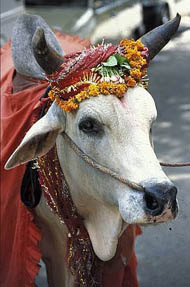
hindu_sacred_cowhi13820csWhen it comes to sins, this is one of the worst. Having a bad diet, one tipped too far toward sweets or fats or carbs or any other direction can hinder training in the short and long term. Being aware of what you put in your body should be one of the simplest tasks we assign ourselves in training, but athletes are susceptible to the same flaws as the rest of the population. We overeat, eat too much of one type of food, indulge in comfort food or excess and suffer the consequences as a result. If you sin by eating a bad diet you literally are what you eat, a pillar of sin when you should be a temple of dedication. Advice: Fix your diet before it fixes you.

Thinking too much or thinking too little

IMG_9113The worst training sin of all may be thinking too much about what you’re doing. But then again, it may be thinking too little about what you’re doing. So how do you achieve the proper balance in your thinking? The answer is simple: If you are focused on solutions and sustainability in your training, you are on the right track. That means you’re figuring out what you need to do and how to keep it going. If you are worried constantly that your training is insufficient or too much, then you’re committing the sin of “though collapse.” That’s not constructive thinking in other words. Turn worries around and examine them. If your worries are centered on concerns about your self worth if you fail, or fear of not living up to the expectations of others, then you’ve drifted outside the boundaries of why you should be training in the first place. You’re running and riding to better your health, create a better mindset and self image, improve physical and work performance and to create lasting memories of participation and affirmation. Advice: Keep your real goals in mind and the rest will fall into place.

The 10 Deadly Sins of Training are easy to understand but hard to avoid. Consider them like barrels along the highway in a construction zone, designed to keep you on course but likely to slow you down until you get out of danger.

Run on. Ride on.

WeRunandRideLogo

Posted in We Run and Ride Every Day | Tagged , , , , , , , , , , , , , , , , , , , , , , , , , , | Leave a comment

We’re all Amish when it comes to sharing the roads

By Christopher Cudworth

Amishbuggy oneI spent 8 years of childhood where the Amish lived in Lancaster County, Pennsylvania. Amish children attended the elementary schools and Amish buggies traveled the roads.

A Reuters story in the Chicago Tribune (12/08/2013) documents the fact that in today’s fast-paced society, more than 60 major crashes per year occur in Ohio and Pennsylvania where there are large populations of Amish. The Reuters article states that a typical accident occurs when a car slams into the back of a buggy because the driver of the motor vehicle misjudges how slow the Amish buggy is actually going.

Modern slam

The Amish are getting slammed from behind by a slew of so-called “reality” TV shows of late. Shows such as Amish Mafia and Breaking Amish with their exploitative approach and possibly fictional scripts are just as dangerous to Amish culture as speeding cars.

One thinks back to the Right of Way scene in the movie Witness in which the character played by Harrison Ford lives with the Amish while in hiding from corrupt Philadelphia police. The Ford character steps into an altercation with locals who are making trouble for Amish men. Ford walks up to the locals and takes out a bully with a punch to the gut and the face. His actions stun both the bullies and the tourist witnessing the scene. It’s not the Amish Way, of course. The Amish take the approach of non-violence and live according to many other customs that do not accord with today’s popular culture.

Amish at large

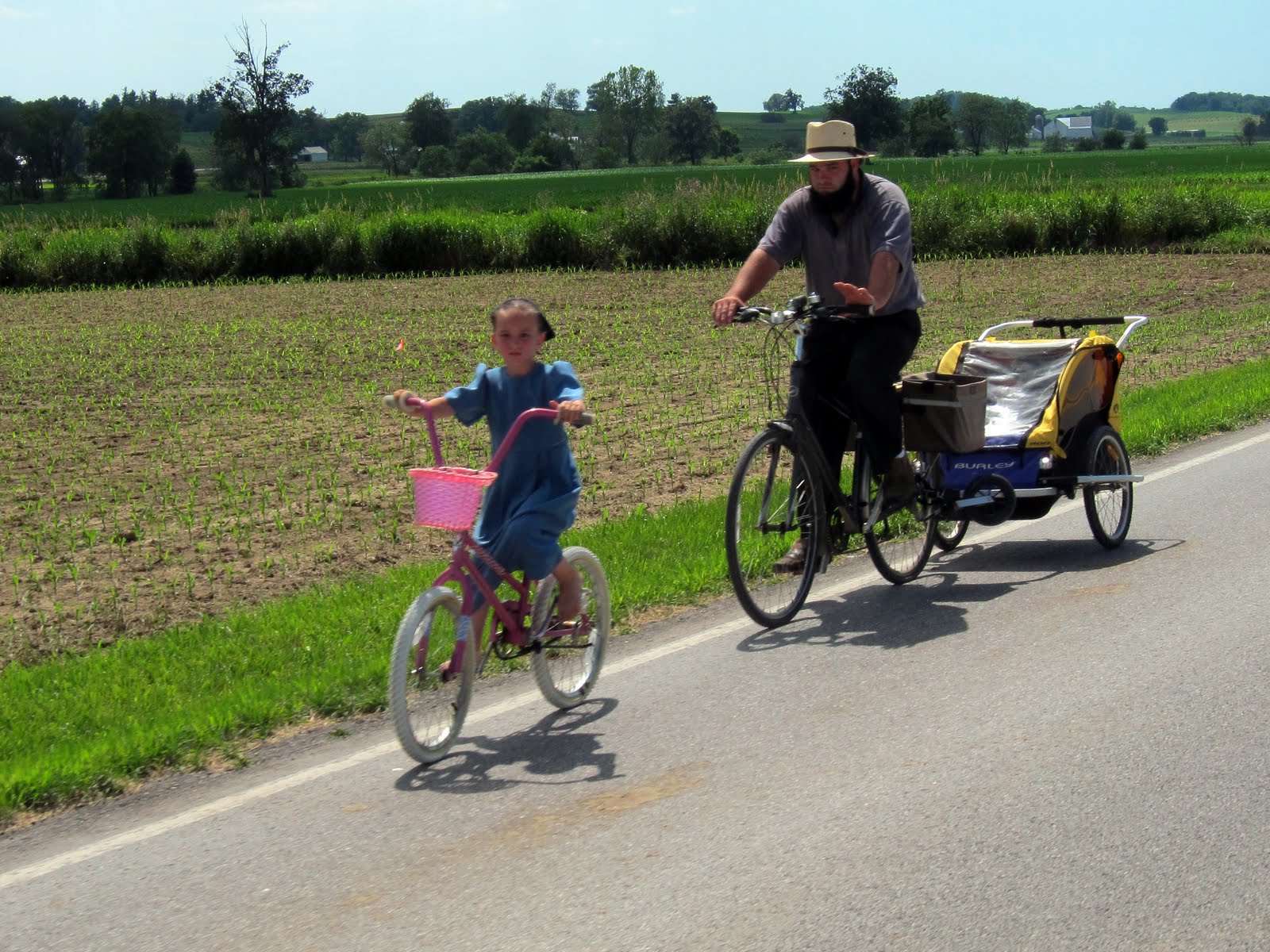
amish riding bicycleSome people call the Amish backwards or anachronistic. But that’s not really the point. All religious customs are anachronistic to some extent. It would take a lifetime of analysis to determine the many nuances of Amish culture and where they have accommodated technology, and where it is banned. Frankly, you could do the same with any religion or culture. 

When cultures collide there is a tendency to judge one culture as more sophisticated and superior to the other. Certainly many people who drive cars consider Amish buggies the outmoded and therefore inferior mode of transportation. Yet when it is proven that cars contribute mightily to global climate change, they do not appear superior in the critical category of sustainability. So while the world advances it also reaches points of contrast in terms of sustainability and efficiency.

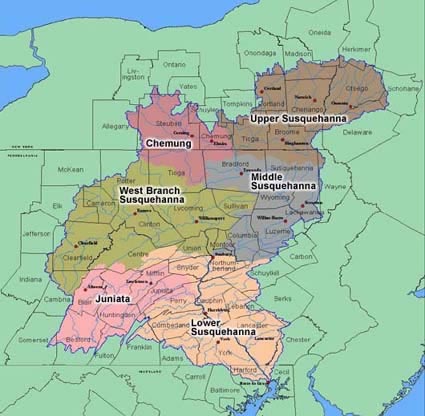
susquehanna1Watershed moments


The Amish are not perfect, of course. Some of their farming practices have contributed to the ruination of the Chesapeake By, for example. Runoff from Amish farms travels from Lancaster County watersheds to the Susquehanna River and dumps into the Chesapeake Bay. Cow manure and other pollutants are not good for crabs, oysters and fish. Now Pennsylvania has taken steps to remedy the waterborne pollutants by building up natural filtration around watersheds and streams. The Amish get that. They’ve sacrificed some of their “bank to bank” farming methods in order to get along with the rest of the world. 

Amish scorn

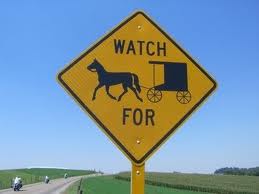
buggysignBut in some ways the Amish remain targets of scorn wherever their culture clashes with modern society. People simply aren’t patient enough as drivers to accommodate Amish buggies on the road. Lancaster County is uniquely hilly to boot, with many blind corners and tightly constructed roads where white lines fall off into ditches. There are absolutes, in other words. You’re either on the road or you’re not. Lancaster has taken to creating safety features on its roads including wider shoulders on which buggies can more safely drive. But you can’t change the entire topography of the region. That means crashes are still happening between motorized vehicles and Amish buggies. 

It’s all about attitude

People love the scenic aspects of Lancaster County and tourists visit the county specifically to see the Amish with their quaint buggies, well-tended farms and idyllic lifestyles. The Amish are not a reclusive people necessarily, but they do ask for respect and their privacy. It’s a strange little balance. Sharing the roads and sharing the landscape are subtle suppositions. Where do rights for one culture begin and rights for another stop? Sometimes they don’t. That’s where cultures collide.  

And it’a all about attitude. 

“Cars are faster,” said a man whose sister was gravely injured in a collision with an Amish buggy. “Society is faster; the horse and buggy are slower. Something should be done to curtail the situation.” 

Culture clashes

Share the Road comes with a dose of smarts on the part of cyclists.

 .

The clash between modern motorists and Amish buggies sounds familiar. Anyone who runs or rides their bike on the roads is familiar with complaints about sharing the road. That raises an interesting question. Is the culture of those who run and ride somehow as anachronistic as the Amish? Is riding a bike on a public thoroughfare just as intolerable in modern culture?

In that sense we share an important aspect of culture with the Amish. The cycling and running communities are technically anachronistic in the sense that they engage in modes of transportation that while protected by law are in contradiction to the perceived rights of some who drive motorized vehicles. It’s a culture clash, plain and simple. 

Those of us who have been at this running and riding thing for a while usually have a few “war stories” to share about drivers who not only refuse to share the road, but go out of their way to torment and threaten those who run and ride on the roads. In the early days of the running boom there were bottles thrown at runners, dogs let off the leash, water balloons hurled from speeding cars and the inevitable “stealth honk” intended to frighten runners or cyclists along the road. It’s all a classic symptom of the the psychology of “the other” that makes culture clashes so vicious and real. 

What the law says

hqdefaultBy law slower traffic has the right to be on the same roads as motor vehicles. That means drivers of motorized vehicles must account for both the speed they are driving and the traffic conditions they encounter, which includes Amish buggies but also bicycles and even runners.

It comes down to the ability to separate hazards. That skill is supposedly taught in driver’s education. Perhaps it needs to become a greater priority and brought to the same level of accountability as failure to reduce speed to avoid an accident. In other words, issue some tickets for failure to separate hazards. 

If a driver cannot separate hazards they deserve to be penalized, plain and simple. Just the way the Amish like it. 

Posted in We Run and Ride Every Day | Tagged , , , , , , , , , , , , , , , , , , , , | Leave a comment

Sugar. Ah, honey honey.

I have a sweet tooth.

I know. It’s horrible, right?

It’s embarrassing to confess such a weakness.

Fortunately you don’t have the same problem I do.

Sweets and sugars and hidden sugars in Wheat Thins and other products don’t pull you in.

You even resist sodas with an average 44g of sugar in them, and nearly 200 calories.

You’re so much stronger than me.

snickersStrong people like you never get pudgy around the middle in the winter months. Never bring chocolate or a King Size Snickers Bar with 54 g or sugar with you to work, just in case you get hungry

Your brain doesn’t jangle like an old time phone every time a pack of donuts shows up in the company cafeteria.

212px-Homer_Simpson_2006No Homer Simpson, you. No sugar rush. Sugar crash.

You don’t even sing along with that stupid song  Sugar Sugar by the Archies from the 1960s. Do you?

I knew you didn’t

Because we all know that while sugar is a ready source of energy of a certain type, you must be careful not to consume it in quantities that exceed the number of calories you burn each day through normal activity and exercise. Sugar is the tarsnake of the athlete’s diet. It can help you along or it can make you crash. Big Time.

We all know what happens then. You gain weight. And get fat. Especially around the middle. Or the hips and thighs. Sugar turns to fat faster than fat turns to fat

Sure I have a weakness for sugar and I eat too much of it. My running and riding suffers as a result. It’s like the myth of Sisyphus. I push my sugary butt up the hill and roll back down when it comes to fitness. Butt let’s face it. We run and ride to get rid of the effects of excess sugar.

And I’m glad that’s not the case with you. You control your diet and eat whole foods and veggies instead of food containing stacks of sugar like I do.

So I’m proud of you. And I hope to mimic your good example. Someday maybe I’ll push that Coke can across the counter again and say “No thanks. I’m cutting down on sugar.”

Ah, honey honey. You are my candy girl.

And you’ve got me wanting you.


For more information about how much sugar is in the foods you eat, visit http://sugarstacks.com/


Posted in Tarsnakes, We Run and Ride Every Day | Tagged , , , , , , , , , , , , , , , | Leave a comment

Good design and how it affects your running and riding

By Christopher Cudworth

I’m one of those people that rode the wave of graphic design technology all the way from Rubylith to Adobe Creative Suite. If you don’t know what I mean, here’s a simpler lettraset007version.

Prior to the Mac, everything in design was literally designed by hand. Mapped out with blue pencils. And typesetting was done with PressType, a method of applying letters to graphic layouts that involved using a burnisher to rub every letter into place.

I know. Absolutely primitive. But you haven’t felt pressure in life until you’ve run out of the Capital Letter E at 12 midnight and have to reconstruct a new E using the Capital Letter F and an L. And still have it look good.

Those of us who’ve raced through the 90s and 2000s to arrive at the clean and beautifully driven world of Macs and the Internet can truly appreciate all that’s gone before. And be glad that it’s gone. Forever.

There’s no reason to go back to that shit. None whatsoever.

Which got me thinking about the current state of running and riding, and how the “early days” of both sports compare to what we have and do now.

El Primativo

The early days of running were primitive too. It was just after 1970 that the running shoe market started to wake up and serve the public with something other than adidas and Puma. Nike was invented. Then New Balance got wise. Reebok. ASICs morphed out of Tiger/Onitsuka. Brooks came on the scene. Saucony too.

Now all those brands are essentially legacy businesses fending off new arrivals on the scene in terms of innovation and popularity. Mizuno. Altra. Hell, even Skechers is selling running shoes now.

And the prices. You can’t buy a decent shoe for under $80. Don’t bother trying.

Better design

tron-cycling-skinsuit-8264The reason why shoes are so expensive is they are better designed for running. The ability to choose a running shoe to fit your running style, biomechanics and orthotics was far beyond the comprehension of runners in the early 1970s.

Same goes for running wear. Tech fabrics leave cotton sweats in the dirt.

The only thing one can say about the “old days” is that runners still somehow managed to produce really great times and competition in that legacy gear. Same with great cyclists. And we’ll get to that phenomenon in a minute. But for now, please feel free to lust over the Tron cycling skinsuit above. It’s made for you.

Cycling trickle down

When it comes to cycling, the bikes from the 1970s do not compare well with the machines now available. Even an average cyclist can hop on a $2000 bike that in terms of technology, weight and efficiency is equivalent to bikes ridden in the Tour de France just 7-9 years ago.

Technology is one of the areas where the words “trickle-down” really do apply.

Cycling kits are also highly comfortable and technical, far exceeding gear that was available in the 1960s and 70s.

Cycling trickle up

molteni-wool-cycling-jerseyYet some of the cycling gear that was designed for training and competition is making a legacy comeback. An entire series of wool cycling jerseys in simple designs has come out. Vintage Velos sells them and I predict that your cycling mojo will increase if you purchase any one of them. I prefer this Molteni Arcore cycling jersey from Vintage Velos. It rocks.

Yes, we run and ride in the equivalent of the Adobe Creative Suite in graphic design and publishing. Yet even the finest software for design makes use of staid and popular design icons to illustrate the Crop, Cut and Paste functions by which digital design works.

It’s the same way with running and riding. While running gear and shoes have advanced, and cycling equipment is far more comfortable, you still have to put one foot in front of the other as fast as you can go. And a cyclist must pedal, keep cadence and climb through pain.

Simple principles

It all comes down to simple principles. When the legs are hurting, it doesn’t matter how pretty you look or how expensive your bike may be. You still have to tell your thighs to shut up and your lungs to suck in the oxygen.

Our sports are simply designed that way.  And that’s what I love about them.

WeRunandRideLogo


Posted in We Run and Ride Every Day | Tagged , , , , , , , , , , , , , , , , , , , , , , , , | Leave a comment

How running and riding made me a liberal who circles all the way back around to being a conservative

By Christopher Cudworth

All of us get our political, religious and social views from somewhere. Some are formed in youth with the manner in which our parents raise us. Yet the world is full of people who became conservative after their parents raised them to be liberal. The converse it true. So the old nature vs. nurture debate rages on.

I maintain that the sports of running and riding are by nature a liberal enterprise. For example, the first definition of the word “liberal” goes like this:

Liberal: Not limited to or by established, traditional, orthodox, or authoritarian attitudes, views, or dogmas; free from bigotry.

Running is a liberal enterprise.

Running is a liberal enterprise.

From the moment I started running there was a sense of liberty in every step. Because running and cycling are solo activities, there is a high degree of individualism involved. There is also a call to break free from the constraints of expectations, for example. Conventional or orthodox training methods are designed tested, refined or discarded. The dogma of yesterday becomes the pariah of today. Running and riding are also liberal because the conservative athlete who never takes risks may never reach their potential.

There are traditions in running and riding of course. One glance at the website velominati.com gives hint that there is always a tendency to create an orthodoxy by which others should abide. Yet those who run and ride naturally chafe against the constraints of too many rules. The second definition of “liberal” affirms these tendencies:

Liberal: Favoring proposals for reform, open to new ideas for progress, and tolerant of the ideas and behavior of others; broad-minded.

Those who are intolerant of others in their sport will usually find themselves running and riding alone. Judging others by race or sex or orientation is simply stupid if you run and ride, because it creates blind spots in your own perspective.

Pluse, the beauty of sports is diversity. That leads us to the third definition of liberal:

Liberal: Of, relating to, or characteristic of liberalism.

Liberalism is a worldview that sets forth ideals for tolerance and openness and is characterized in both the acceptance of others and the effort to reach out and help other people. These principles of liberalism hold true in all walks of life, from social to religious to political purposes. Another definition:

Liberal Of, designating, or characteristic of a political party founded on or associated with principles of social and political liberalism, especially in Great Britain, Canada, and the United States.

Politically, liberals tend to believe in social policies that support others and provide a social safety net for the disadvantaged and poor.

Socially, liberals make an effort to be inclusive rather than exclusive. Religiously, liberals embrace practices that invite people into the fold. One of the leading bleeding heart liberals and do-gooders in history is none other than Jesus Christ.

Lennon was a liberal leader who resisted conservative authority through his music and actions.

Lennon was a liberal leader who resisted conservative authority through his music and actions.

Other liberal faith leaders include Mahatma Ghandi, Dr. Martin Luther King, Jr. and the Dalai Lama (a liberal tradition passed along through generations) and John Lennon. All these leaders “ran the race” of liberalism with fervor, setting examples of courage and fully giving of yourself to a cause.

Sound like any people you know who run and ride? Of course it does. Because that is how we run and ride. Liberally, if we can.

We also share our experiences through our rides and runs. We share leads and share drafts. That brings us to additional definitions of the word liberal:

Liberal: Tending to give freely; generous: a liberal benefactor.

Liberal: Generous in amount; ample: a liberal serving of potatoes.

There are some very conservative aspects the running and riding existence. The mileage you do is absolute and highly quantitative. Those are conservative qualities. They are also the limitations we seek to break through. That is no coincidence.

Know that no run or ride is conservatively literal in the sense that it can only be translated in numbers. All the sensory and emotional qualities of running or riding defy strict categorization, which brings us to yet another definition of the word liberal:

Liberal: Not strict or literal; loose or approximate: a liberal translation.

But is running and riding an art or a science? The answer is yes, they fit both categories. Yet even the “traditional” arts and sciences of education are inherently liberal. That is, they are open to inquiry and education is thus a liberal enterprise. Similarly we give ourselves a liberal dose of education every time we run or ride. You are always learning something new. In fact you cannot bank on much of anything as an absolute when you head out the door. It’s just like leaving college. Your real education begins every time you try to use your education, and another definition of the word “liberal” comes to mind:

Liberal: Of, relating to, or based on the traditional arts and sciences of a college or university curriculum: a liberal education.

One other definition of liberal needs to be addressed. That is the moral aspect of running and riding. We hearken back to the movie Personal Best starring Mariel Hemingway as a bisexual heptathlete to find the turning point where the world realized that athletes are not chaste or Victorian in their habits. In fact more than a few athletes are downright licentious, promiscuous and unprincipled in sexual matters.

mag_nb_olyrings_576As evidence it is well-known that the Olympic Village is one giant humpfest. With all that healthy energy flowing around the place, and all those gorgeous bodies at work, who can blame them? Liberal morals suit those who keep their bodies in shape.

All these factors have combined to generate a generally liberal outlook on life. Running and riding has positive effects on the mind that are known to combat afflictions ranging from depression to addiction. Rather than the conservative approach of medically pumping drugs into the system as an antidote, those who run and ride for mental health take the liberal approach of self-medication through exercise.

Liberal doses of enthusiasm

We crow about all this of course, because we’re enthusiastic. Some people find such liberal pronouncements annoying. Hence the conservative Wall Street Journal published a snarky reproach to runners (and by proxy, those who ride as well) in an article titled “Okay, you’re a runner. Get over it.” This is how the writer Chad Stafko characterized runners:

People want attention and crave appreciation. If you’re actually doing something like running—covering ground, staying healthy, almost even having fun—what better way to fulfill the look-at-me desire? The lone runner is a one-person parade. Yay.

It might as well have said, “Okay, you’re a liberal. Get over it.” The sentiments and attitudes of disdain are the same. Anyone enjoying themselves or proclaiming their pending liberation in a public way is going to get hit hard by conservative factions who happen to object to any component of your existence. Forget that the rights of individuals to live as they choose in America has been denied, neglected or persecuted by society.

Resistance to authority and tradition, however justified it may be due to social constraints, is frowned upon by conservatives who hate the thought of change. That is especially true if it affects them in ways that require a change in their way of thinking. Hence the popularity of men like Rush Limbaugh, whose misogyny and racism is thinly disguised but immensely popular among conservative audiences who called themselves “dittoheads” to proclaim a rubber stamp of his disturbingly hateful language. Same goes for the quasi-conservative Bill O’Reilly and the deceptively charming Sean Hannity. All pretend they’re joking around while they go for the liberal jugular.

A liberal turnaround

It has been that way a long while, starting with conservative resistance to Black Power in the 1960s and Women’s Rights. Now we add Gay Rights to the Blacklist of conservative causes. Immigration rights. Social welfare programs. Medicare. Medicaid. Obamacare. The list of conservative hate targets grows wider by the minute it seems.

My liberal instincts and distrust of such an authoritarian, prejudicial approach to life were begun long ago when, as a mere child between the age of 5 and 12 I learned that running was one of the truly rare liberal absolutes in life. That is, it involved equal parts freedom and discipline, but its pursuit was a choice you made. And that made it a liberal enterprise, by definition.

Few Rules. Many Requirements. A liberal discipline. 

You lived and died by your efforts, and it was honest work. The rules were few yet the requirements in effort and concentration were many. You had to have good character and not lie to yourself to succeed in running and riding, and you had to keep track of your achievements knowing that you would be judged solely on what you did tomorrow. You had to learn to trust your teammates yet know that on any given day, they could replace you in line.

 Most of all, you learned that running and riding kept you open to new ideas, new friendships and new alliances. You could talk to God or commune with road or nature in equal quantity. You could share your world with people of different nationalities and learn that competition is healthy, but does not define a person in totality. In fact it is in losing that you sometimes learn the most about yourself. And in sacrifice. Giving yourself over and up for others is a noble enterprise and a liberal absolute.

Does that last part circle all the way back around to conservative principles? Indeed it does. And that is the point of this essay. We are not so far apart, and those who run and ride know that most deeply. With that in mind, we will see you on the roads where tarsnakes try to trip us both up. For there is evil in the world, but that is a subject for another day.

WeRunandRideLogo

Posted in Tarsnakes, We Run and Ride Every Day | 1 Comment

Running and riding through sleep’s dark and silent gate

Are you dreaming of running and riding?

photo (1)Lately I’ve had such weird dreams that I’ve turned to friends and the web to help understand them. On the dream interpretation sites there are zillions of takes about what dreams mean. So I thought I’d share some excerpts drawn from the sites and let you see what you make of them. Because if you run and ride, you’re almost certain to dream about them at some time.

So here goes. What does it mean when you dream about…

Running 

To dream that you are running away from someone, indicates an issue that you are trying to avoid. You are not taking or accepting responsibility for your actions. In particular, if you are running from an attacker or any danger, then it suggests that you are not facing and confronting your fears.

To dream that you are trying to run but cannot make your feet move as fast as you want them to, signifies lack of self-esteem and self-confidence. It may also reflect your actual state of REM paralysis while in the dream state. 

photoTo dream that you are running alone, signifies that you will advance to a higher position and surpass your friends in the race for wealth. Alternatively, you may be running from some situation or from temptation. Or it may also mean that you need to hurry up in making a decision. 

To dream that you are running with others, signifies festive and prosperous times.

And here is information about what it means to dream about riding a bicycle.

Riding a bicycle

To dream that you are riding a bicycle signifies your desires to attain a balance in your life. You need to balance work and pleasure in order to succeed in your current undertakings. If you have difficulties riding the bicycle, then it suggests that you are

The classic geometry of a Schwinn bike.

experiencing anxieties about making it on your own. If you are riding a push bike, then it means that you want to move forward at your own pace and by your own power.

To see a bicycle in your dream indicates that you need to devote time to leisurely pursuits and recreation.

To dream that you are riding tandem in a bicycle suggests that you are more accepting with aspects of yourself or of your partner that you have previously rejected

Start making sense of it

It all sort of seems to make sense, doesn’t it? There must be enough people who have similar dreams to build evidence about what these dreams mean and the psychology of them.

Of course, it could all just be bullshit too.

Which means that if you have a dream about running and riding and want to know what it means, you’re just dreaming to think you can make sense of it.

There’s your Post-Post-Post Modern approach to what dreams really mean.

Another realm

8-devil-guy-crazy-tour-de-france-fans-1All I know is that some of my dreams have been so intense lately it feels like waking up in an alternate universe. Or worse yet, a universe I’d rather escape and can’t.

Which is worse? If you try to run away from your problems in real life, it never works. They chase after you like demons. If you try to run away in a dream, it’s the same story, only the demons actually own you it seems, in dreams.

Perhaps this is all best left alone. Don’t analyze. Just wake up, shake off the dream and go out and run and ride. It’s all a dream anyway, in the end.

Sleep’s Dark and Silent Gate

I’ll leave it to Jackson Browne (one of the most brilliant songwriters to live…) to explain.

See, it’s all about love and life and trying to dream your way out of the past and into the future.

That’s why we run and ride too.

And when we go to sleep, we pass under…

Sleep’s Dark and Silent Gate.

Sometimes I lie awake at night and wonder
Where my life will lead me
Waiting to pass under Sleep’s dark and silent gate
I found my love too late
Running around day after day
Looking for the time to play
While my old friends slipped away
Never should have had to try so hard
To make a love work out, I guess
I don’t know what love has got to do with happiness
But the times when we were happy
Were the times we never tried
Sitting down by the highway
Looking down the road
Waiting for a ride
I don’t know where I’ve been
Wishing I could fly away
Don’t know where I’m going
Wishing I could hide
Oh God this is some shape I’m in
When the only thing that makes me cry
Is the kindness in my baby’s eye
Sometimes I lie awake at night and wonder
Where the years have gone
They have all passed under
Sleep’s dark and silent gate

WeRunandRideLogo


Posted in We Run and Ride Every Day | Tagged , , , , , , , , , , , , , , , , , , , , , , , , , | Leave a comment