Is your toaster making you slower?

By Christopher Cudworth

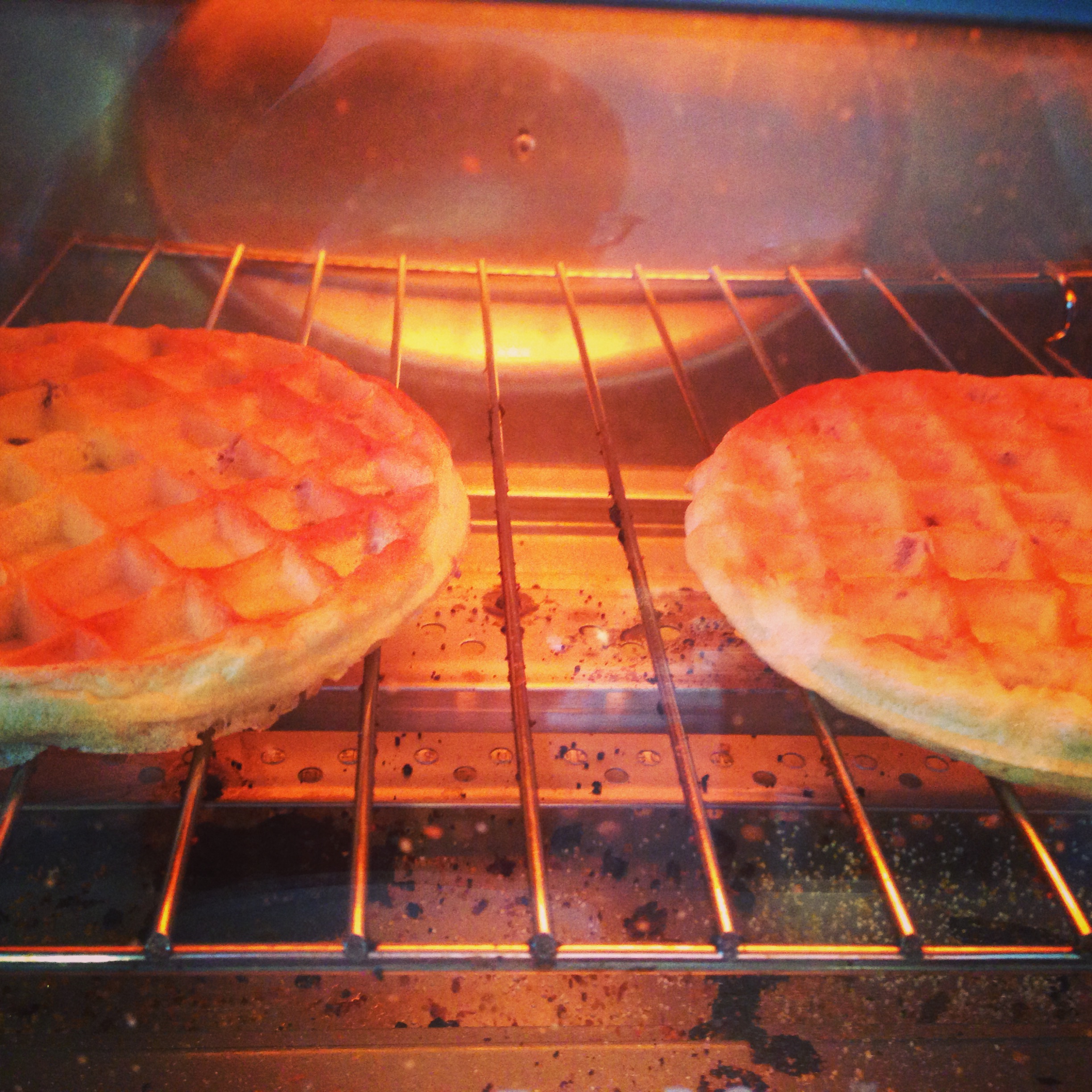
Toaster and butterI used to love toast and waffles and syrupy stuff more than anyone in the world. My brothers branded me the Toast King because I ate so much of it.

Favorite style of toast? Cinnamon toast. Liberal butter. Sugar and cinnamon mixed in a shaker. Shake it out and get the layer just right. Then eat.

Sugar. Butter. Carbs. That is toast in a nutshell.

Good for you? Maybe not. In the long run.

Comfort food? Most certainly. But comfort food does not necessarily make you faster.

And that means your toaster could be making you slower in both the short term and the long term.

How your liver enters the picture

You may not know this, but one of the most important organs in your body relative to exercise efficiency may be your liver. This is how the Canadian Liver Association describes the process of how your liver affects your energy stores.

Carbohydrates (sugars), absorbed through the lining of the intestine, are transported through blood vessels to the liver and then converted into glycogen and stored. The liver breaks down this stored glycogen between meals, releasing sugar into the blood for quick energy to prevent low blood sugar levels (hypoglycemia). This enables us to keep an even level of energy throughout the day. Without this balance we would need to eat constantly to keep up our energy.
I learned the hard way how much your liver can affect athletic performance. Last summer during a fitness test at XSport, the trainer walking me through the test warned me that the leg lifts I was about to do would tax the ability of my liver to release enough glycogen into my body. I might faint.

Not really believing what he said, I pushed hard in the first set of leg lifts on an inclined leg press, and felt a bit faint right at the end of the set. Then I embarked on the second set and almost lost consciousness during the 8th rep.

He sat me down and explained that the specificity of the exercise sucked all the energy out of me, especially the liver. So those Canadians are right. The liver performs a really important function in metabolizing energy for athletics and even our daily functions.

(Read about liver disease here.)

Carbs and Sugar Crash

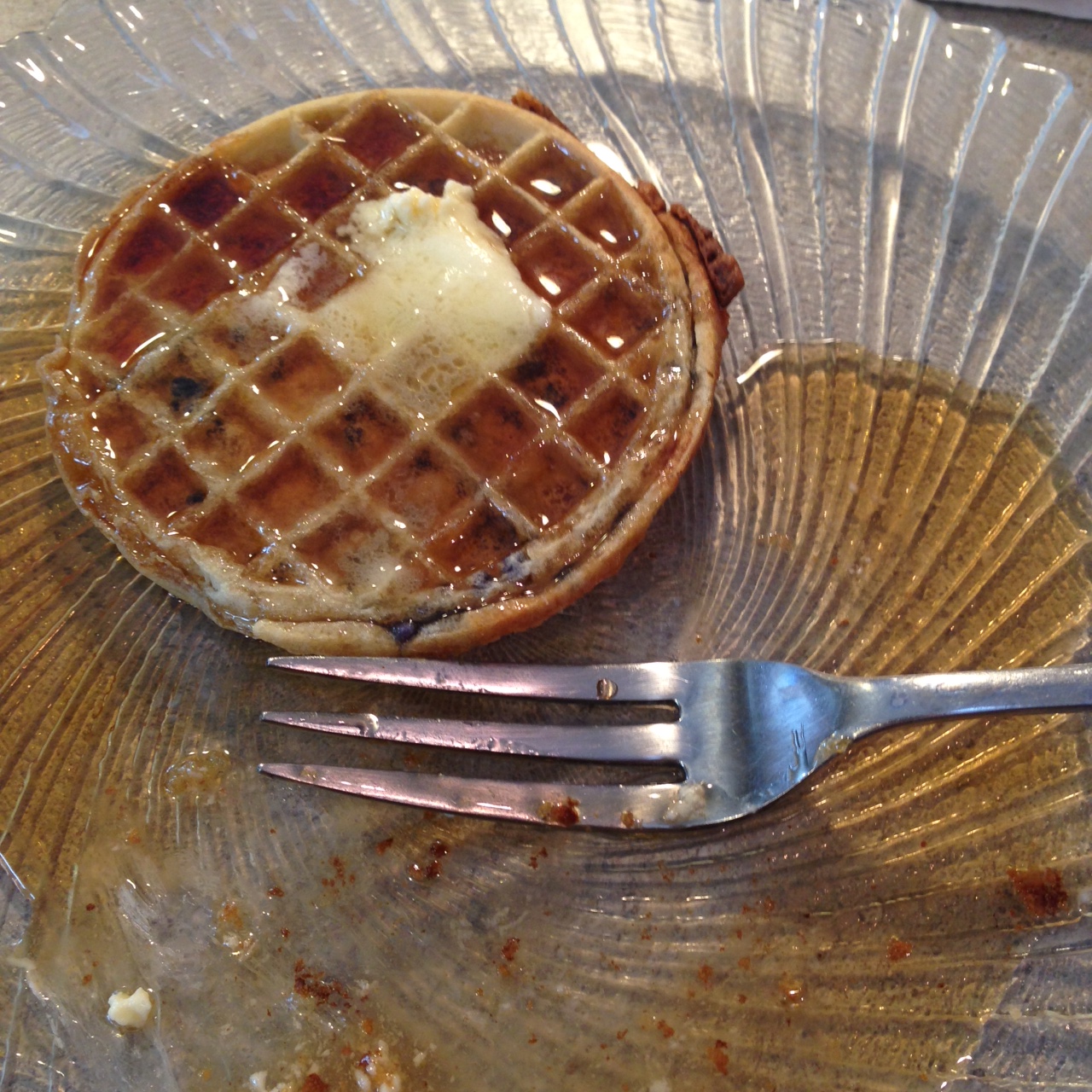
waffle syrupThe trainer that day asked me what I had for breakfast. It was waffles. “Well,” he intoned. “That explains a lot.”

There’s really nothing in a breakfast of waffles to help your body store energy, it seems. All that sugar in the syrup and the weak-assed, over-processed carbohydrates in the waffles is like shooting a rush of fast energy into your body. Your liver doesn’t have much to work with. It’s like the Platte River; an inch deep and a mile wide. It won’t float your boat.

As noted in an earlier blog, I did not tell him that I’d downed a six pack of small Oreos before coming over to the club. Talk about your sugar rush double-whammy. Crap for breakfast and more crap for snacks equals a crap diet.

What to do about it

A breakfast with more balanced food choices would be much better. For example, I love oatmeal, which is generally more about whole grains. Then you add milk, some fruit, and perhaps a banana and orange juice for balance and you’re a little closer to something healthy to start the day.

So here’s the scoop: If we could stick a monitor in our livers we might know a lot more about how we’re monitoring our body’s intake of foods, and how they are impacting our energy and its release into our bodies.

I had never thought about the liver that way before but it makes sense. On the opposite end of health we can examine the causes of liver damage and one of them is alcohol. But the worst enemy is fatty liver disease, and guess where that comes from? Eating too much, especially foods that lead to fat deposits.

The leading culprit in that category? Carbohydrates.

Diabetes Too

Toaster ovenWe simply eat too many carbs in the American diet. But there are alternatives.

A great article title “Eat Right to Help Head Off Diabetes” by Melissa Healy in the Tribune Newspaper today explains it so succinctly. “Even without weight loss, adhering to a diet rich in fresh produce, fish and olive oil is 40 percent more effective in heading off the development Type 2 diabetes than following a low-fat diet, a new study has found.”

It turns out a Mediterranean diet really fits the fill. As Healy describes: “A diet that minimizes red meat (including liver) and sweets but incorporates plant-based fats may be a sustainable way to improve health–even if permanent weight reduction proves elusive.”

Getting on the right road

So, what’s the perfect combination? Perhaps it is a Mediterranean diet and…exercise! Yeah, baby! You’re on the right road now.

So whether you cycle, run or swim, the answers are pretty logical on what to do.

1. Push the toaster away on most days. Protect your liver from sugar surges by managing your intake of sweets and carbs.

2. Shift to a Mediterranean Diet.

3. Avoid sodas and other foods that throw quick fat-building carbs into your diet.

Directions

You’re likely doing many of the right things if you are already exercising regularly, watching your diet in terms of too many fats and carbs, and adding strength work to sustain bone health and prevent injury.

But we all have chinks in our healthy armor. Mine has always been toast. But it’s interesting to consider that for all its early comfort in my childhood and high-mileage training years, perhaps the toaster is not so much a friend as it is a guilty pleasure.

Fortunately my new toaster really sucks at making toast. It is the slowest toaster on the planet in terms of cooking anything. It takes about 5 minutes just to put a brown on my English Muffins.

And I love English Muffins. That butter sinks into those little holes and then you add some honey or Nutella and you’re on your way to toasty goodness.

But my slow toaster has slowed down my toast consumption drastically. As it turns out, that’s a good thing.

Funny how life works sometimes. It’s almost like the tortoise and the hare.  (1934 Disney Video, great!) Slow and steady really does “win the race” when it comes to how many carbs you eat, and how often you eat toast.

It’s the tarsnake of dietary reason: What you eat and how you handle it can make you faster or make you slower.

So Aesop was right. Imagine that.


Posted in Christopher Cudworth, Tarsnakes, We Run and Ride Every Day | Tagged , , , , , , , , , , , , , , , , , , , , , , , , | 1 Comment

Sometimes it’s better just to barf

By Christopher Cudworth

Prepare yourself. Today’s topic is indelicate to a chunky degree. We’re going to talk about barfing, and why barfing is sometimes better than the alternative, which is not barfing and feeling like you’re going to barf any minute. Seriously. Sometimes it’s better just to barf.

Does barfing turn you on? 

You need to know that some people in the world are actually sexually turned on by barfing. According to Scientific American magazine, it can happen. Can you imagine? One must guess that along the way there was some sort of erotic experience tied to the barfing experience that makes certain people eager to feel that sensation, to the degree that they get sexually aroused.

The Price Is Right models, the fulfillment of male adolescent fantasy and housewife dreams?

The Price Is Right models, the fulfillment of male adolescent fantasy and housewife dreams?

Perhaps they were home from school as a kid, lying on the couch with the flu, and watching some game show like The Price Is Right when the urge to barf came over them at the precise moment one of those PIR models bent over and spilled cleavage all over the screen. That could do it.

Or maybe the barfing response hits a young girl just right and she has her first orgasm during an intense barf session. That could do it too. For the rest of your life you’re saddled with wanting to barf in order to have an orgasm. Tough gig, really.

Barf tolerance

Yet most of us seem to hate barfing. We’d “rather” writhe on the bed for hours trying to fight off the feeling than heave our guts out and be done with it.

Getting sick with the flu is one thing. Getting sick from training or racing too hard is an entirely different but no less traumatic thing.

Some of us are unblessed. We have stomachs that are badly affected by nerves or food or sports drinks. That can make us barf.

Others simply run or ride so hard the food or drink in our stomachs just flies out our faces. This video of USA Olympian Bob Kempainen at the 22-mile mark of the Olympic Trials Marathon shows the young doctor and distance runner surging to a lead as he violently spews some sort of yellow sports drink.

The ensuing laughter of announcer and former Olympic marathon champion Frank Shorter as he calls the race is full of mirth and compassion as the stalwart Kempainen carries on despite the brightly colored torrent of barf flying over his right shoulder. He just wipes off his face and keeps running, and he won. Perhaps he had an orgasm out on the course that day. No one ever asked him that.

Barf avoidance

Personally I’ve always backed off if I could before barfing in a race. A few times I threw up in the finish chute. Once at a national championship in cross country the event took place in the snow. I ran hard as I could for 5 miles and barely broke 28:00. Standing in the chute with other runners I felt a wave of nausea come over me and threw up on a guy’s shoes. He punched me in the head. Laughing, I said “Fuck you, they’re already so muddy you can’t see them.”

I also won a prized 10K race near home and had to use every bit of muscle, guts and heart to do it. Two steps past the finish line everything in my stomach came up. The race director knew me well, and yelled. “Don’t do that here!”

Honestly I apologized. And barfed again. You can do that if you win. That’s what I say.

Ancillary barfing

Barfing as a direct result of running or riding is bad enough. The year I got sick from food poisoning at a national track meet was the worst ever barfing episode. Ever. The worst. Ever.

27 times I barfed overnight and lost 7 lbs. off my 139 lb. distance runner frame. Dehydrated and weak, I demanded the coach take me to the hospital.

And for years I believed I’d had heat stroke because the temps were in the 80s during my steeplechase. But then one day I started thinking about that evening and realized it was the pizza from a national chain restaurant that had made me so sick. The sausage was likely bad and food poisoning damn near killed me. I’m pretty sure I barfed up some organs that night that I never got back. But I did not have an orgasm. No, sir.

Why all the barf talk? 

This all occurred to me as I considered the treatment my dog Chuck received last night as a result of ingesting half an ounce of dark chocolate. I’d had a one-ounce piece after dinner and set the other on top of a coffee cup. After watching two hours of Downton Abbey (which I’m sure can make some people barf) I went back to get pajamas but realized I’d left the chocolate on the cup.

Rushing back to the living room, I found Chuck standing over half an ounce of chocolate which meant he’d eaten enough to get seriously sick. He weighs only 20 lbs. and it’s all relative anyway how dogs respond to different things they eat. What you’re supposed to do at that point is to give your dog some milk mixed with hydrogen peroxide and get him to throw up.

But we had no hydrogen peroxide. We called the emergency vet. They said come on up, we’ll help him out.

Cold comfort

By the time I got him to the emergency vet his little body was shaking with tremors. It was hard to tell if it was the chocolate or the cold, because the temps were 8 below zero outside. The bill came to $270 but it was worth it.

This admittedly blurry picture includes chocolate covered rawhide and bits of green eraser

This admittedly blurry picture includes chocolate covered rawhide and bits of green eraser

They made Chuck barf up the chocolate and showed me the content that came out of his stomach (that’s content marketing for sure) including chocolate covered rawhide and some greenish pellets.

“What are those?” the vet wanted to know.

“Eraser bits,” I told her. “He got hold of an eraser today.”

And that seemed exotic until I learned that the other four dogs in the vets’ office that night had all ingested panties and underwear. One was whimpering in a dog voice that I swear sounded like it was saying “Mama” over and over again. Turns out it was a pit bull named Eli. So you never know. Maybe he had barfed up the panties and had a doggie orgasm.

Full circle

It all comes full circle, as they say. We’re all trying to avoid the dreaded effects of barfing, but some of us actually seem to enjoy it. I could engage in some Dog Shaming I suppose, posing Chuck in a picture with the chocolate wrapper (I forgot to mention the foil he also ate) and a card that says I ATE SOME CHOCOLATE AND COST MY MASTER $270 AND HALF A NIGHT’S SLEEP.

But that would be karma of a sort that would come back to haunt me. I’m sure of that. So we’ll let the barf lie where it may and move on in life trying to avoid that horrible feeling of barfing any way we can. Unless you orgasm when you barf. In which case I suggest you run or ride some hard intervals.

Ba-domm teeesssssssssshhhhhh. I’ll be here all weekend folks. Don’t forget to tip you host or hostess.

Hey readers: Hit the Share buttons below and let others partake in some barf talk. 

WeRunandRideLogo


Posted in Christopher Cudworth, We Run and Ride Every Day | Tagged , , , , , , , , , , , , , , , , | 2 Comments

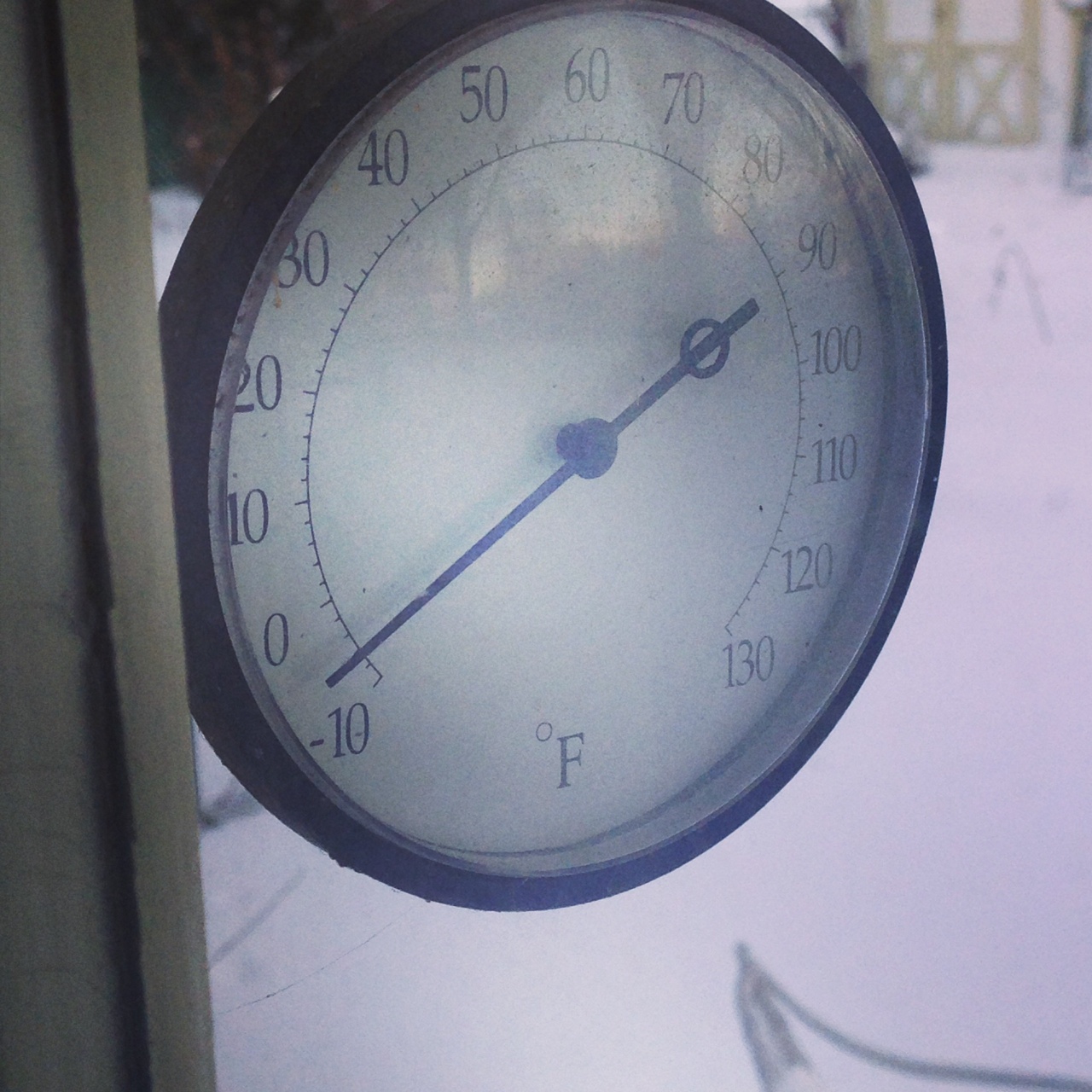
Why I won’t be running outside tomorrow when it is -19 with -50 degree wind chills

By Christopher Cudworth

Temps below zero have to be treated with respect

Temps below zero have to be treated with respect

I’m not being facetious when I say that I will not run in extreme subzero temperatures because I am concerned about freezing my nuts off. I have run next to a fellow for 7 long miles as he gingerly held his family jewels with a semi-warm hand stuffed down his shorts because he had failed to wear a layer of windproof clothing when it was -10 outside.

Running in extreme cold is serious business as my friend so desperately learned. You can get frostbite in very inconvenient and possibly life-changing locations. You can also burn your facial cheeks, ears and toes, forehead, fingertips, and nose.

Talk about cold

Less serious, but just as strange was the day that I ran with a teammate in -13 degree conditions. The windchill was in the -30 degree range and when I turned to talk to him, my voice box failed. I was talking but nothing came out. It was like a freaking Silent Movie. He would have fallen over laughing had we not been so eager to keep moving and take the left turn down into a valley and out of the wind.

Cold warnings

Ice and cold can lock you up for good. Or bad.

Ice and cold can lock you up for good. Or bad.

Cold is indiscriminate and far-reaching. You can’t run away from it. You can only get out of it if you want to avoid the burning pain of deep cold.

As a little kid I almost lost my life in the cold. We lived in Upstate New York outside Seneca Falls. The weather was often numbingly cold, and snow fell deep. My brothers had built long tunnels in the roadside ditches in which you could walk along standing up. For a kid at 5, this was an absolute Winter Wonderland.

But I stayed too long, and I’m not sure whether my brothers sent me home on my own or I took off with that determination of mind that only a 5-year old trying to prove himself can muster.

At any rate, the tunnels were interesting along the way, blue in winter light, but the half-mile journey home on my own quickly became a dangerous chore. My skinny little body had little insulation at that age. Hypothermia had begun and I did not know what that meant. But I kept going. Step by step through the snow tunnels, shivering and dull-headed.

Warmups

Winter's chill can be daunting

Winter’s chill can be daunting

By the time I got inside the house my hands and feet were numb and my bony chin was chattering. My mother immediately recognized my condition as serious. She grew up on an Upstate New York farm south of Bainbridge. She knew the signs of extreme cold exhaustion and that meant taking action.

Within minutes of getting inside and out of the cold my thighs and calves started to ache. The deep pain in my toes and fingers my mother called “chilblains.” I can still hear her voice, somewhat distance and hushed, as I struggled to stay awake. She peeled off my clothes. Working like only a mother can, she held my feet in her hands and warmed my fingers too. Mercifully there was no frostbite. All I knew was that it hurt. Bad. She heated up soup and warm lemonade, as I recall. I could feel life surging back into me.

Consequences

I think she chewed my brothers out for sending me home alone. I don’t precisely recall all the events that followed. Soon a deep sleep came over me, interrupted only by the occasional shooting pains in my joints and extremities. The deep ache in my thighs and arms soon passed as the warm liquids I ingested were able to bring the core temperature down.

Significance

We two-legged and four-legged creatures have varying cold tolerance. Our little pup Chuck can only take the cold for a little while.

We two-legged and four-legged creatures have varying cold tolerance. Our little pup Chuck can only take the cold for a little while.

Strangely I do recall the determination I felt walking home that day. Something in the act of trudging along on my own sank deep into my subconscious mind. Whether that day forged the will to survive or the will to survive forged my actions can never be known. All I know is that I made it, and I knew I had to make it.

Salvation from the cold

I recall a story shared with me by a very wealthy man who found religion the day that he fell through the ice of a rushing river and was forced to swim underwater pounding at the base of the ice trying to find a weak spot to break through. He emerged 50 yards downstream freezing and close to death from both the cold and the possibility of drowning. But he survived, and his commitment to God never wavered after that. To a fault he was obsessed with his relationship with God, but he died of a disease that literally hardened his heart. I’ve always thought that was a set of strange metaphorical bookends in a life well-lived.

Will in the chill

Later in life I would test my own will in seemingly foolish ways. During one of the last extremely cold winters in Illinois in 1982, temps dropped to -27 but I was determined to go outside to run. My concerns over fitness leading up to an indoor 2-mile race took over my common sense. So I bundled up the best I could and took off on a loop that would give me four miles for the day.

There was just one problem: My eyelids froze shut in the first half mile. In a panic I reached up with gloves to warm them, but that only worked part way. My moist breath had risen up past the scarf wrapped around my face (it was 1981, equipment sucked back then) and little balls of white ice had locked onto my eyelashes.

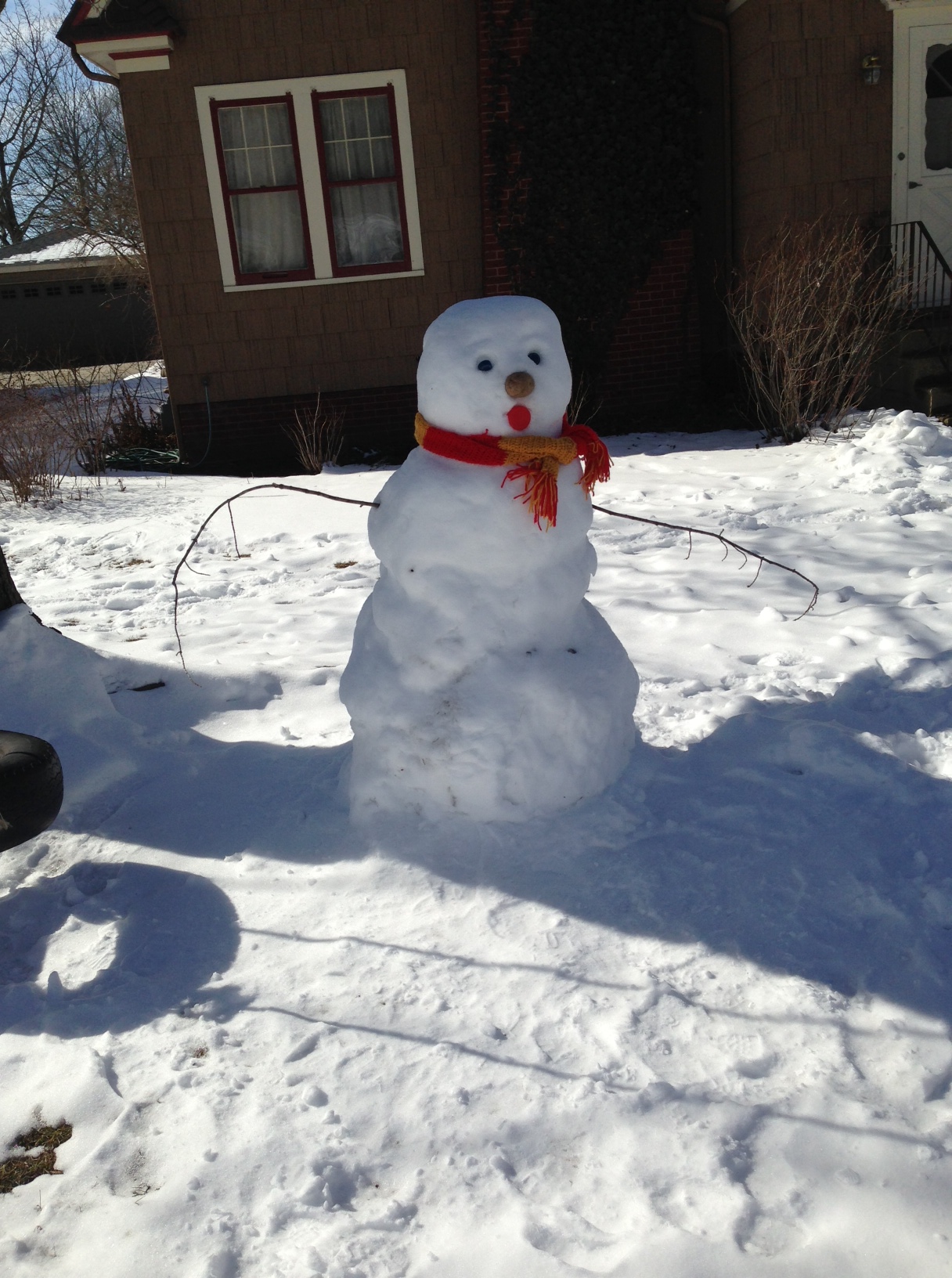
Being cold sucks unless you're a snowman. Then it rocks.

Being cold sucks unless you’re a snowman. Then it rocks.

That meant I had to un-freeze them somehow. So I took my gloves off in the -56 degree windchill and pinched the eyelashes to get them open again. It worked.

Then I turned around and ran home again. Every footstep sounded like an avalanche as new snow crunched underfoot. It felt like my feet were prescription drug pestles crushing white powder.

I wrote down “One Mile” in my journal that day. It may have been the craziest mile I’ve ever run, or ever will.

Indoor time trial

Two weeks later I ran an indoor two-mile in 9:30, taking 2nd place at the beautiful Sterling, Illinois indoor track where a talented jumper named Mike Conley and I guy I think was named Tim Weatherspoon won the field events and sprints. I was captivated thinking about how different our respective roles were in the sport of track and field, and how odd it was to push ourselves to the best we could do in the middle of a fearsome winter. But we did.

Why those details are important is simple. We push ourselves to both to compete and observe others who excel in competition. That’s human nature. Not all our endeavors make sense, and what seemed so important years ago may not register as sensible now. But I for one would not trade any of those experiences. Not the running I did or the excellence I observed that day.

And that is why…

My somewhat faster former self is frozen in time. And that's okay.

My somewhat faster former self is frozen in time. And that’s okay.

I don’t feel the need to compete with that crazy young kid who ran in -27 temperatures. I’ve been there and done that. There is a gym with a treadmill waiting for me tomorrow, or a bike on a trainer in the basement. Perhaps I’ll even hit the pool for a swim. Talk about arrogance in the face of the cold!

Riding in snow and cold

I’ve also ridden my bike in crazy conditions. Three winters ago I wiped out on my mountain bike while trying to navigate a 400-meter section of solid ice covered with water. I thought it was a shortcut. Well, think again buddy. When I went down my cell phone when shooting out of the pocket of the jacket I was wearing, but I didn’t know it. By the time I got home and realized it was missing, I figured the phone would be dead. Still I raced up there by car to find it and located the poor thing in an icy puddle. I picked up the phone and dialed home and it connected, but that was the last call that phone ever made.

Still, I like winter riding and if the roads clear a bit after 10″ of snow the mountain bike always feels good. Even the road bike comes out of the basement come February and temps over 30.

No harm done

Still, for all my craziness running in bone-chilling weather (I still do, just not -19 below and -50 degree wind chills) I have never gotten frostbite or hurt my lungs, as people frequently propose. Even on the coldest days, our bodies typically warm the air reaching our lungs to more than 80 degrees before you breathe it in.

Which means that if you are moved to head out into the severe chill my admiration goes with you. May you get home safe and sound, and not freeze your nuts or boobs off because that would not be a good look no matter how you look at it.

If you want to Share WeRunandRide with others, choose your favorite social media button below, and thank you for your readership. 
WeRunandRideLogo

Posted in Christopher Cudworth, We Run and Ride Every Day | Tagged , , , , , , , , | Leave a comment

The running business

By Christopher Cudworth

Races like the Naperville Marathon and Half Marathon have now become business entities unto themselves.

Races like the Naperville Marathon and Half Marathon have now become business entities unto themselves.

In the early 1980s when running was in its second boom, races started taking on more of a commercial flair. Businesses started investing in races as a marketing tool, and races began to be conceived as a tool for publicity.

It all seems so natural now that it can be hard to conceive what road racing once was, a pastoral pastime for a relatively select group of runners who enjoyed trotting from here to there.

Off season?

One race in particular comes to mind as a Pre-Advent running event. The Crystal Lake to Woodstock 15K was practical then and possibly impractical now. The distance was prescribed by the space between two towns and the race kicked off in the June or July summer sun and everyone who showed up did their best to run a good time in the “off-season,” which was the summer months back then. Most serious runners competed in spring and fall, with perhaps a few running indoor track, but there literally were periods when people would not or did not race much.

How quaint, you say? Yes, things really have come a long way.

Running events as businesses

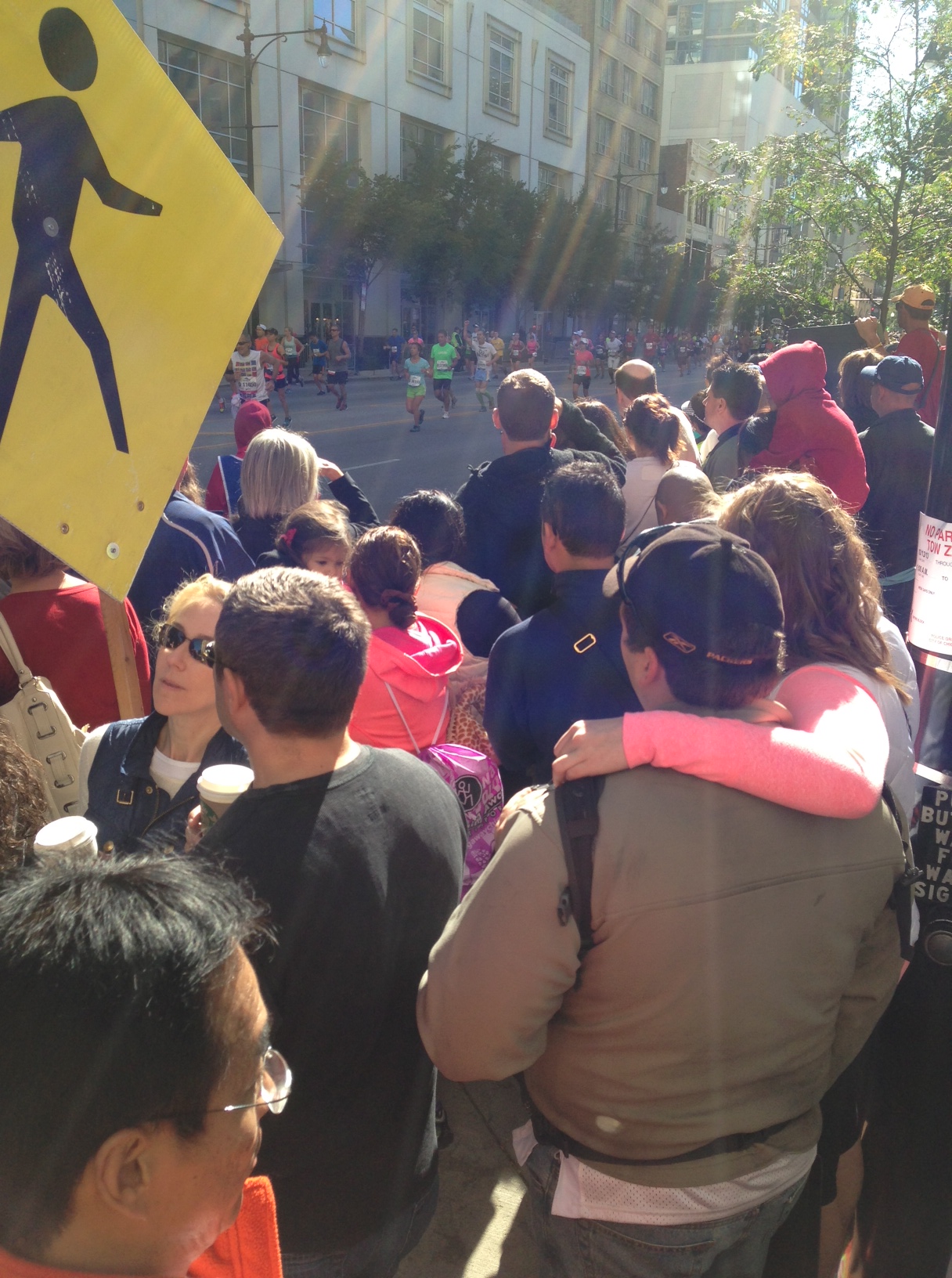
Spectators at the Chicago Marathon are an audience for a "product" that is now part of the running business.

Spectators at the Chicago Marathon are an audience for a “product” that is now part of the running business.

Now running events such as the Chicago Marathon are businesses unto themselves. Entry fees of $10 are long forgotten in road races. And triathlons? Better break out the checkbook to write out a fee of $200 or more.

Charity Cases

Charities got into the action as well. Now charity events are major fundraisers, and with the amount of money coming into the tills of popular charities like the Susan G. Komen Foundation, there was bound to be controversy sooner or later.

Now that the third or fourth running boom is in full swing (we’ve lost count) there are multiple events each weekend, and in every season.

Half With It

The Half-Marathon, which used to be a marginal event at best, used by die-hard runners to burn off the rest of their competitive juices or to prepare for a really serious marathon down the road, is now one of the most popular events on earth.

Who’d have thought the Half would ever have its own sticker, 13.1?

Shoes News

It's not JUST the shoes. Runners invest in all sorts of gear to make the event a peak experience.

It’s not JUST the shoes. Runners invest in all sorts of gear to make the event a peak experience.

Let’s discuss the amount of money spent on shoes these days. You almost can’t find a shoe for under $80 that isn’t in the dump rack. Most shoes start at $100 and many are now reaching $200 for a pair of shoes that essentially lasts you a few months before you need to trade them in for a new pair and another $150.

In a typical 5k there might be 2000 runners and if you add up the money spent on shoes alone, it comes out to $300,000 on the starting line. A marathon with 45,000 people means $6,750,000 of shoes waiting to be worn out.

What is this running business?

Slap slap slap. We go on and on. The running business is both a congealed and amorphous reality, because you cannot really tell where the lines can be drawn from serious to semi-serious or casual runners. Now that everyday people buy expensive running shoes to walk around the outdoor mall, there is no limit on what the running shoe companies can (or will) charge for their wares.

Guinea Pig on the run

Glen Kamps is the lead figure in the St. Charles, Illinois store. Together we were guinea pigs for shoes in the late 70s and early 80s.

Glen Kamps is the lead figure in the Dick Pond St. Charles, Illinois store. Together we were guinea pigs for shoes in the late 70s and early 80s.

Certainly, in many respects the shoes are better. As a guinea pig in the 1970s and 80s for new running shoe companies, I tried out some of the worst shoes ever invented. Ever. Converse once made a pair of running shoes so hard you literally could not run in them. I won those shoes for finishing in the Top 5 at a 10-miler and was aghast when I put them on and tried them out. Talk about your reverse marketing tactics. They were horrid.

I got married in a pair of Nike Pegasus and gave matching silver and grey Pegasus to all my groomsman. So you might say I was “all in” when it came to the running business and how it entered my life.

Stranger in a strange land

Enjoying a renaissance of sorts in running these days, it feels good to go a little faster again. But I can’t help feeling like a little bit of a stranger to all the high commerce going on with running. It all started out so simple and ugly. The shoes sucked. So did the clothes. People thought we runners were idiots or fools, and the only sign we put on our cars to indicate our runner status were finger marks that said “Wash Me” after driving home on a country road from some far-flung 5K in the countryside of Illinois.

I don’t miss the old days at all, but I do remember them. These days are perfectly enjoyable and the equipment produced by the running business is frankly awesome. Yes, the entry fees are ridiculous. So are the costs of shoes and gear. It’s the tarsnake of technology biting us in the ass. Just like your cable/Internet bill and your cell charges, it’s the cost of living these days.

Other pursuits

But if you really want to feel the pain, become a cyclist or a triathlete. Trust me on that one. The running business looks like a pauper compared to those two sports.

Posted in Christopher Cudworth, Tarsnakes, We Run and Ride Every Day | Tagged , , , , , , , , , , , , , , , | 3 Comments

Spin class proves I’m not yet a standup guy

By Christopher Cudworth

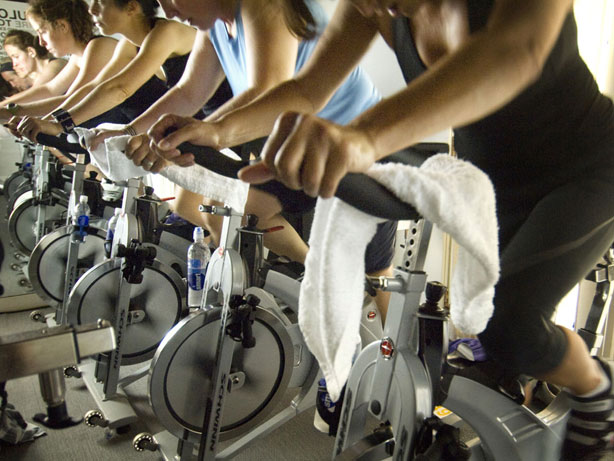
spin-class-022410-lgThe idea to start the year in a Spin Class at a local health club was not my own. My gal friend dreamed that into being. She got me into a pool two weeks ago and I’ve already purchased new swim goggles, so she knew I’d be game on. So we grabbed our cycling stuff and drove through the gathering snow to join a spin class in the dark, with the fans on, and a fit little Spin Princess to guide us through the pain.

Spin World

Certainly all of you who are regulars in spin classes will think nothing novel of getting to the club for a one-hour spin. But it was new territory to me. And it hurt. In that spinnie sort of way.

It hurt because we cyclists are prone to fall into riding habits that do not necessarily test our bodies or our souls. We ride in our comfort zones.

All last summer I climbed hills with less than a fervor. My quads felt weak, and they were. For a variety of reasons I never went to the hills and actually worked at it to build my climbing ability. But you know, even a session a week makes a huge difference in your hill-riding capabilities.

Spin Princess

So the moment the Spin Princess called into her microphone over loud tunes that we were about to start climbing hills, a little alarm bell went off in my head that said, “This is not going to be easy.”

Then we stood up on the pedals, and we stood up some more, and some more. For 10 minutes or so this went on while the spin princess in her short little shorts and legs shaped like muscular pistons kept pumping along and the last thing I could do was to keep looking at her because my own thighs were dissolving into something of a consistency between oatmeal and soggy raisin brand. In fact I couldn’t actually keep raisin my body. So I quit. Sat down. Went into high cadence and spun through some thoughts about the year ahead.

(Hint: when you stand up on the pedals, you need to gear up enough resistance so that you can use your body weight to pedal. Doh!)

Rationalization and Salvation

It’s okay, I told myself. First time here. Learning how to use the spin cycle. Ha ha. A dryer joke. Didn’t even intend to think that one up. That’s how the brain works when it is fighting fatigue.

It was also a Come To Jesus moment. A confession of sin in that athletic sort of sense that we all engage in when trying to plot our futures through oxygen debt and pain. Ultimately, fitness is our salvation. But it hurts to get there.

Aerobics and anaerobics

UnknownOnly my thighs went truly anaerobic though. The rest of me was in full operating order.

But that’s been the story for too many summers. My cycling has not improved in one key category, and that’s climbing. Hills. Inclines. Steep grades. False flats.

So it’s time to be a standup guy (as you’ve noticed from the casual humor in this blog, standup is not my Day Job) and work the thighs until they are productively strong.

Muscle memory

Shaved LegsI’ve been there. A few years back, grant you. That spring I hit the hills early and often, and discovered a secret about my climbing ability that needs to be accentuated. I have a weird tendency when I’m fit to actually climb better as I go along. The first few hills may be tough, but the synapses get awakened and I find myself out-climbing the riders I’m with the rest of the ride.

But you have to do some work to bring out that type of ability. The strength has to be there.

So, humbling as it was, Spin Class taught me something in the New Year already, that’s it’s worth working hard and working early in the season if you want to climb better later on.

What spin class did inspire was additional time on the mountain bike this winter. It needs a tuneup, but in past years I have ridden the mountain bike during the winter months. I read recently that mountain biking is excellent prep for road riding because you tend to use the entire spin of the pedals to move yourself along.

So there’s that.


The entire experience delivered a life lesson in there somewhere. But I can’t tell it to you right now because my thighs aren’t talking to me. But they’ll come around. It’s what they do.

WeRunandRideLogo


Posted in Christopher Cudworth, We Run and Ride Every Day | Tagged , , , , , , , , , , , , , , | Leave a comment

How do you grade yourself as an athlete?

Getting good grades is one of the ways we measure our success in life. “Making the grade” is also how we’re assessed in business and other pursuits as well.

How do you grade yourself as an athlete?

HeaderSTartingLineMost commonly we use benchmarks such as time or distance to grade our efforts. But those empirical measurements do not always tell the whole story. When you show up for a race and the weather is hot or the wind is high, automatically your goals must be adjusted to account for the conditions.

What follows is a simple system for grading yourself across a spectrum of attributes. They apply to your conditioning and training no matter what sport you do, running, riding or swimming.

But remember, a “failing” grade does not mean you are hopeless. It means you want to improve in that particular area or number of areas.

To develop an overall grade, use the system of A=5, B=4, C=3, D=2 and F=1. Then add up all the categories and divide by 10 to get your overall grade for each week.

GRADE 1: LOGISTICS

How you prepare for training or racing can make all the difference in your success. Every week you should rate your performance by the following calculations.

A: I have my workout equipment in good shape and ready to go at all times.

B: Sometimes I have to search for workout gear or equipment.

C: Often I’m scrambling to get ready for workouts or races.

D: Almost every workout or event I’m either late or delayed due to gear issues.

F: My gear is always lost or in bad shape, and I’m always late for training or races.

GRADE 2: MOTIVATION

Being mentally prepared for workouts and races is important because it helps you know what you want to accomplish and helps you achieve your goals.

A: I have a clear picture and plan for what I want to accomplish, and do the work.

B: I have a strong idea of how I want to improve and find ways to make that happen.

C: My motivation depends on how much time I have to work out and race.

D: I’m consistently disappointed by my inconsistency and desire to succeed.

F: It’s hard to get up for workouts and I’m only doing the bare minimum right now.

GRADE 3: WORKOUTS

Planning and completing a high-quality, intelligently balanced workout schedule is absolutely key to athletic success. 

A: I am consistently completing workouts as prescribed and races are going well.

B: My workouts are going fairly well and I’ve had a few good races.

C: I don’t see improvement but I haven’t given up in workouts or races.

D: I’m tired all the time and the rewards of racing are hard to find.

F: It’s all going backwards it seems. My workouts are too hard and racing too.

GRADE 4: GOALS

Setting goals defines the structure for what you do in training. Running a marathon, completing a Century or doing a triathlon each require goal-based training to build the proper base and peak for the event. 

A: I set goals that I work to achieve and have benchmarks to measure my progress.

B: I have met some goals in workouts and racing but not all.

C: Goal-setting is hard because I don’t really know what leads to success.

D: My goals seem impossible so I don’t always think about them.

F: Goals have been hard to achieve and I don’t really use them anymore.

GRADE 5: RACES or EVENTS

Knowing your event schedule helps you structure your overall year in terms of training emphasis. Setting expectations is vital to your mental attitude. 

A: My event schedule is well-defined, manageable and forms the foundation of my goals.

B: Events are a good measure of my training and I’m planning to do a few.

C: I will sign up for a few events depending on my schedule and training.

D: I might do a few events if the mood hits me.

F: Events are too much of a commitment for me.

GRADE 6: LIFE BALANCE

It’s easy to get carried away with your fitness program. That’s why tracking and grading your life balance is important. 

A: My training and racing are in good balance with work, family and other commitments.

B: I feel pressed for time but everything seems to be working.

C: Finding mental and physical time for workouts is getting harder.

D: It seems like time spent working out is a stress for everyone in my life, including me.

F: My workouts and training are causing definite strain on my relationships and work.

GRADE 7: PHYSICAL HEALTH

Your performance and fitness level is dependent on your physical health. Grading your physical health is a way to be sure your foundation remains strong. It is possible to be fit and not be well. 

A: My body feels in balance in terms of strength, biomechanics and diet.

B: There are some weak points in my body that need work, such as strength.

C: I’ve had injuries or illnesses that have caused me to miss workouts and races.

D: The stress of training and racing are regularly causing me to get sick or hurt.

F: I can’t get in shape or stay in shape because I’m hurt or sick all the time.

GRADE 8: SELF IMAGE, SELF ESTEEM, SELF DISCIPLINE, SELF-DISCOVERY SELF FULFILLMENT

Athletes are often the type of people who are driven to succeed, but that drive can get away from you or even replace healthy self-esteem with a type that is dependent on your athletic performance. That’s a danger zone, so making the grade in self esteem is important.  

A: I like how I feel because I am strong, fit and healthy, and my self esteem is strong.

B: Generally I feel good about myself every day and am well-rounded.

C: It’s hard to feel good all the time and I consistently doubt myself.

D:  Every day when I wake up it’s a struggle to feel good about myself.

F: I’m not feeling hopeful about my condition and feel like I need help.

GRADE 9: PROGRESS

The feeling of making progress is great and you can measure your progress in a number of ways. 

A: Year-to-year I feel like I am improving in critical areas, even accounting for age.

B: I see progress in my workouts and training but can’t always plan on it.

C: Not much progress here, and the few things that have gone well could be better.

D: My lack of progress is frustrating and de-motivating.

F: It’s been a while since I felt like I was progressing.

GRADE 10: GOOD SLEEP, REST, DIET AND PERSPECTIVE

These qualities may seem to be outside the sphere of grading yourself but they are all critical to your long-term success.

A: I understand the need for good sleep, rest and diet and have a good perspective.

B: Most of the time I do well in these categories.

C: All these categories need work and I don’t always know where to start.

D: Depending on the week, I’m at 25% to 50% in these four categories.

F: Are you kidding? I don’t think any of this is happening right now.

Please feel free to share this Grading System across your social networks. Our goal at WeRunAndRide.com is to promote healthy participation in athletic pursuits such as running, riding and racing.

If, after grading yourself you’d like to write a commentary on how you plan to improve, send your “grade” and your response to: cudworthfix@gmail.com. WeRunandRideLogo 

Posted in Christopher Cudworth, We Run and Ride Every Day | Tagged , , , , , , , , , , , , , , , , , , , , , , , , , , , , , | Leave a comment

10 Things You Have To Hope Don’t Happen in 2014 If You Run and Ride

10 Things You Have To Hope Don’t Happen in 2014 If You Run and Ride

By Christopher Cudworth

Lots of life issues are a matter of perspective.

Lots of life issues are a matter of perspective.

All that positive, encouraging stuff you’re about to read for New Year’s is all well and good. Stuff like resolutions and inspirational quotes about making 2014 the best year ever. Run your best 26.2 or 13.1. Do a triathlon. Race your bike or do a Century. It would be great if all those things you want to do come true.

But honestly, many people just hope for a year where nothing serious comes along to mess up your basic workout plan.

In that sober light, let us consider a list of 10 Things You Have To Hope Don’t Happen in 2014 If You Run and Ride.

 10. Gaining Weight

It’s pretty clear that most of us run and ride for one primary reason: to keep our weight under control. The challenge to weight gain is that it works like a snowball at some point. If you put on a few pounds then you have to work even harder to lose it. Don’t be discouraged though. You’re far from alone in that regard. Everyone is walking around like human snowballs after Christmas and New Years. A few good workouts and dialing back on the diet usually sheds 5-10 lbs. Once you get rolling, so to speak.

 9. Getting Injured

Injuries suck. Half the time you don’t know where they come from, and the other half of the time you vehemently deny the truth about how you got injured so you don’t have to back off you’re training plan. So pay attention and be honest as hell with yourself this year. If you get injured, it’s because of one of these three things:

1. You either trained too much or didn’t rest enough. So get real.

2. You have a biomechanical flaw or muscular imbalance. That’s right, you’re not perfect.

3. Your luck ran out. Deal with it and take some ibuprofen.

8. Crashing Your Bike

Let’s put it this way: If you haven’t crashed your bike you’re either not riding hard or not enough. Because bike crashes happen sooner or later to anyone who rides. However, a bike crash can change a lot of things in a hurry, and not in a good way. To prevent crashes caused by bike mechanical failures, get your bike tuned up if you don’t know shit about your machine. Second, be sure you account for riding conditions in all seasons. Third: If you race your bike it is wise to rehearse hard riding with partners or by entering practice criteriums. You need to prepare your mind and body for fast-changing circumstances or you’ll go down in a stupid heap.

7. Using Your Shoes or Tires Too Long

You say the inside heel of your shoes is nearly touching the ground and you wonder why they don’t feel as good as they used to? That’s dumb. Trying to get those “few extra miles” out of a pair of running shoes or a set of bike tires is seldom a good idea. So stop with the rubber denial. Your shoes and wheels are the foundations for your training. Excess wear on running shoes sets you up for overuse injuries. Excess wear on tires can cause flats and even blowouts. Push them too far and you get what you deserve. Sore and slow.

6. Eating a Crappy Diet

No one ever credited a Big Mac for a PR, and nothing will slow you down on the run or ride more than eating crap food all the time. You can get away with occasional fast food binges or sweets but not if you’re shooting for peak condition or preparing for a race. Be disciplined with your diet and you’ll also have greater consistency and learn to know what your body can really take. That includes prepping for each run or ride. Get to know what your body likes and needs. A crappy diet leads to crappy performance. It’s that simple.

5. Thinking Too Much

When it comes time for a hard workout or big race, it pays to simplify your thought patterns. If you choose the “associative” brand of performance prep, it means you focus on actualities like pace, time and heartrate, power wattage or other empirical feedback. Then you gauge yourself by those measures. But remember, it’s possible to think too much about these feedback mechanisms and lose focus on speed and pace entirely.

By contrast, if you are more the emotional, dissociative type, then your goal must be to free your mind to engage at the level and type of inspiration you need to succeed. If you don’t know how your head works try singing the melody to your favorite beer commercial as you run or ride. At least that will distract you from repeating to yourself, “I’m too tired…I’m too tired…”

5. Losing Perspective

If you’re a committed runner or rider it is possible to get so caught up in your sport that you lose perspective on why you’re running and riding. It happens for a variety of reasons. If events in your life cause hardship, it is possible to immerse yourself too much in running and riding to compensate in terms of mental attitude and self-esteem. But the other extreme can cause just as many problems. Like, you can get too enthusiastic and lose contact with important relationships in your life. When that happens you’d better take stock and ask someone who can be objective whether they think you’re going nuts with this whole exercise thing. Do yourself a big favor, too. Don’t just ask people who will give you easy answers that you want to hear. If you’re not a world class athlete training for the Olympics or something on that order, then dial it back if your work, family or love life are suffering. It’s not worth it.

4. Losing Motivation

We all lose motivation now and then. But some people lose it so badly they’re like Austin Powers longing for his Mojo.  Losing motivation is usually a product of fatigue, boredom or loneliness in what you’re doing. So think all that through, because losing your desire for your favorite activities can a sign of a crisis in self-identity and self-worth, which also happen to be tied up in the things you like to do. Be sure before you take steps to cure a loss of motivation that you understand whether the source of your ambivalence is not part of a greater pattern such as anxiety or depression. Many athletes use their sport as a healthy way to manage these conditions but getting overinvolved can actually heighten difficult mental health challenges. Make sure to maintain resources outside your sport to keep your total mental health in order. If basic motivation is lacking you may simply need a break. The great thing about running and riding (and swimming, as this author is now learning) is that “changing it up” is a healthy way to go.

3. Losing Faith In Yourself

A bad race can undermine your hopes. Even a bad workout can work in bad ways on your mind. That’s when it is important to “source back” to your reasons for running and riding. If a missed goal or DNF has you down, write it down! Putting your reasons for frustration into writing can help you get a grip and put a new goal into the mix once you’ve worked through the reasons why you’ve lost faith in your ability to run or ride as fast as far as you would like. Also, build back to your original form carefully. Going out to try to fix things all in one day works sometimes, but not that often.

2. Giving Up

Everyone has the urge to quit now and then. If you do quit a long ride, pedaling home with your tail between your legs, or if you drop out from a long run, take stock by looking at what you have already accomplished. You know that you do not always give up. Don’t let it become something you believe about yourself.

  1. Being Too Critical Of Yourself (Or others)

A wise counselor once told me, “You seem to be good at forgiving others. How are you at forgiving yourself?

The question stopped the conversation cold as I ached to consider what she meant, and how true it was. We are all pretty critical of ourselves, and it is as important to forgive our worst traits in order to work effectively on improving them.

That’s it, the 2014 List of Things You Hope to Avoid. Hope that helps you make a more positive list for the coming year. If not, don’t drink too much.


Posted in Christopher Cudworth, Tarsnakes, We Run and Ride Every Day | Tagged , , , , , , , | 1 Comment

No room at the Inn

It is interesting to me that so many morality tales don’t really follow up on the real premise of what they are intended to convey.

Potters

mr-potterFor example, in the movie It’s a Wonderful Life, we witness Mr. Potter stealing the money left by Uncle Billy in a newspaper. Rather than return the money to its rightful owner, Potter commits larceny, leading to the near-destitution of his main protagonist, George Bailey.

There’s a sickness in the world when goodness triumphs yet evil still slinks away. That’s the predominant theme in another Potter tale, in which Harry Potter must repeatedly battle with the arch-villain Voldemort who uses a variety of methods to reconstitute himself.

Real world evils

In the less fantastical world of actual culture and politics in America, we have a series of events that if studied together represent the reconstitution of evil in its most insidious forms. The assassination of JFK, then RFK, then MLK all represent a Voldemort-like conspiracy to undermine social justice.

The New Mr. Potter

Dick CheneyIn the modern era we have the stern visage of Dick Cheney to consider (who looks much like Mr. Potter you’ll notice) a man who absolutely refused public accountability in his public service  and who has profited mightily from private connections.

Some might call Cheney a hero and a hardass for his worldview. They also credit him and his cohort George W. Bush for combatting terrorism worldwide. But that is a selective take on his actual legacy.

To be a true Cheney admirer you must ignore that fact that he ignored clear warnings about terrorist attacks from government staffers. That led to 9/11, and then the response was to pursue unrelated interests in Iraq, and oil without any real plan for followthrough and followup in the Middle East, other than to back Israel with military might.

The Holy Land

And that leads us back to the Christmas story and how things are faring in the Middle East where Christ was born. It’s a strange and modern predicament that we are the new Roman Empire in the region, demanding taxes from foreign oil and resources for our attempts to govern from afar.

Holy shit, you say? I didn’t think of that? Well, Merry Christmas.

Nativity

NativityThere’s a lot of things we don’t know about ourselves. Sometimes we refuse to recognize these because it messes with our pat version of reality, and tradition, and how we celebrate the season. 

But some people make no apologies about their confusion. They just put it out there for all to see. Who can blame them? It’s pretty hard to separate the real from the fantasy these days. So people make peace any way they can. If Frosty the Snowman shows up in a modern nativity scene, it’s all about comfort and attempts to regain innocence.

Privacy and anachronisms

Edward SnowdenOf course our government now still operates in secrecy, committing intrusive surveillance that Edward Snowden revealed through leaks.

Now society has to consider, to the best of its ability, the greater context of what privacy actually means to America and the world. Perhaps it means nothing. Maybe we’re trying to make sense of something that no longer makes sense. The entire concept of privacy may be long gone, consumed by our own curiosities and need to be recognized, to get attention, to be loved.

Privacy may be as archaic as riding on a donkey to Jerusalem for a census that may have been fictionalized for the sake of a really good story. The Greatest Story Ever Told. 

Distinctions

lord-voldemort-hp7-chair-1280x1024It comes down to this: we can’t tell thegeorge-bailey Voldemorts from the George Baileys of the world. It may be impossible. It couldn’t be done in the days of Jesus and it probably can’t be done now. Even the Disciples had no idea what was really going on back them. Jesus called them Stupid for not understanding the meaning of his parables. 

But they all kept moving. Nomads in a mad world. Wandering town to town on long treks to help the world figure itself out. The main message was this: We knew Jesus, and he had it all figured out. Listen to us.

Modern age problems

All we still understand is that time marches on. Our economy is lurching ahead while shedding parts and traditions and histories like chunks of metal falling from its haunches. Entire segments of society have been disenfranchised. Technology saves even as it sinks hopes. Spirituality is on the rise while religion appears to wane. It’s an ugly yin and yang.

Yet everyone takes part in Christmas whether they like it or not. It’s a holiday without a home these days. No room at the inn.

Old motels and what they mean

photo-105The quaint vision of what America once was is everywhere. Old motels that once served silly little local attractions can’t make a go of it anymore. The silly little local attractions like Kiddieland or whatever else used to innocently amuse us are so frequently abandoned, dismissed by a society that is ravenous for entertainment but unsatisfied by much of what it consumes.

We are like those wandering souls in Pirates of the Caribbean, eaten from the inside out whenever the moonlight strikes us. The main parable of Christianity is that we die to live again. We’re all fucking pirates, if you stop to think about it.

And it is so interesting to pass by an old motel sign, now rusted and barren, and try to imagine who and what once used the place. Was it ever a going franchise? Are we letting our society grow vacant somehow? Is there a warning sign in the motel sign?

Christmas traditions

All this crossed my mind as I ran a 5-miler on Christmas morning. It’s a longstanding tradition to do so, starting way back in the early 1980s when I was a newlywed who needed to shake the frivolous cobwebs of the previous night’s drinking and eating from my head and body on Christmas morn. Much has changed over the years, and this year especially, with two family members deceased in the past two years. We die to live again. Remember that.

Imperfect perfections

photo (7)One wonders at the Christmas Story with its tale of imperfected hospitality and a child born in a manger, a crib for a bed. It certainly is a strange tradition that those of us who are Christians celebrate each Christmas season. It all started with “No room at the Inn.”

And in the latter day version of cultural transformation, there is certainly no room at the inn when the inn is closed. Sometimes the traditions we cling to, and that includes the entire construct of societies, are not meant to last. Sure, our cities seem like they’ll last forever, and we run through them in celebration of life. But we are making rude assumptions.

So we do our best. It’s like Sting once sang: When the world is running down, you make the best of what’s still around. 

Nomads by choice

Perhaps that is why some of us chose this nomadic existence of running and riding even when we have a place to rest, or can choose to sleep in a comfortable home. Yet we get up at five a.m. to re-invent ourselves. Born again. It’s our religion at times. Admit it.

On Christmas morning and hundreds of other mornings each year we are out there running and riding to get our minds and spirits together. We uproot ourselves daily in order to be ready for whatever the world throws at us. See you on the road. WeRunandRideLogo

Posted in Christopher Cudworth, Tarsnakes, We Run and Ride Every Day | Tagged , , , , , , , , , , , , , , , , , , , , , , , , , , | 1 Comment

Have you seen the Copenhagen Wheel? It helps you ride your bike.

By Christopher Cudworth

There are a lot of smart people in the world. Fortunately some actually care about the planet, and put their minds to good uses. One of them was Buckminster Fuller, who once said, “You do not belong to you. You belong to the Universe.”

Copenhagen WheelWell, I’ve just seen a Universal concept that will make you smile. It’s called the Copenhagen Wheel. It was invented in collaboration between MIT and the City of Copenhagen. The Copehhagen Wheel knows how to store energy when you pedal or brake and give it back to you when you need it.

That rocks. Absolutely.

You can now commute without killing yourself riding up hills, or breaking into an ugly flop sweat.

Here’s the video. You tell me if you’re not impressed.

http://sharepowered.com/community/copenhagen-wheel-mit-bike-invention/#

Now if they can invent something like this that helps you run, there will be millions who buy it as well. Well, we might already have it. They’re called dogs.

And for swimming? Those are called sharks?

We run and ride and swim for our lives sometimes. If reality TV has its way someday, there will be a Swim-Ride-and-Run for your life Triathlon.

But things like the Copenhagen Wheel might actually make it easier to compete.

WeRunandRideLogo


Posted in Christopher Cudworth, Mechanical Genius, We Run and Ride Every Day | Tagged , , , , , , , , , , , , | Leave a comment

The mercies of getting cut

By Christopher Cudworth

Making the cut. Some crack. Some don't.

Making the cut. Some crack. Some don’t.

The world of sports can be merciless. In some programs, you either make the team or get cut.

Getting cut used to be a method of sending a signal to kids that they had to either work harder, grow up a year or think about another sport.

Getting cut or making the team. There was status in the latter and shame in the former.

The first time I got cut was pretty young. 10 years old. Tried out for the premiere baseball team for which my brother had played and was a little too young to cut the mustard.

The next year I made the team and we won the city championship. I got to pitch in the semifinals game. Making the cut had initially been scary on that club. You had to learn the fundamentals to get playing time. They taught good baseball. It’s a lesson I never forgot all my life. We weren’t even allowed to wear our uniform caps on anything but game day. Discipline.

Some think love is better than forcing people to make the cut.

Some think love is better than forcing people to make the cut.

By the time I was a junior in high school I’d made every other team for which I tried out in baseball and basketball. But by the time I was a senior in high school running had taken up more of my time and I did not attend summer basketball camp. Big mistake.

Come tryouts that fall the other senior and I who did not go to summer camp got set aside to do drills in a corner of the gym. My track coach wandered through during practice and came up to both of us. “Get the picture? You’re not going to play this year.”

So we cut ourselves. Cut our losses. Cut and ran. At least that’s what I did.

Michael Jordan worked hard and came out for basketball the next year. So it’s not always bad to get cut. But you have to make your choices.

Life can be ice cold at times.

Life can be ice cold at times.

The same goes for so many things in life. Sometimes you just gotta know when to cut your losses rather than hang in there when the message is clear. Either you’re not needed or misunderstood. The signals are there. You know they’re there. But sometimes they’re hard to read. Or accept.

That’s what so many of us love about running and riding. You either stick with your effort or you don’t. Many teams don’t cut kids from the squad. As long as you want to run, no one’s going to tell you go home. Plenty of room out there on that big fields. Lots of time to cover ground.

Cutting up for the fun of it

There is a movement afoot to put on non-competitive races and events. I get that. People want to run with other people just to enjoy the camaraderie.

It was not like that in the first or second running boom. The winners were lauded for their work, and getting under 3:00 in the marathon was the only thing that made you a runner.

I’ve also raced CAT 5 in cycling. That’s the “open” race where anyone can ride as long as they pay their license fees. The reason for licenses is that you have to prove you’re at least serious enough to not crash into people wantonly. $25 is the threshold. Otherwise you’re cut out of the racing.

Sports still can teach us stuff about cutting it or not cutting it. Life is harsh at times and you don’t always get the job or make the team. But if you’ve been through the experience before, through sports,  you know how to handle it either way, including hitting the wall, or the glass ceiling.

Run on. Ride on. WeRunandRideLogo

Posted in Uncategorized | Tagged , , , , , , , , , | Leave a comment