
By Christopher Cudworth
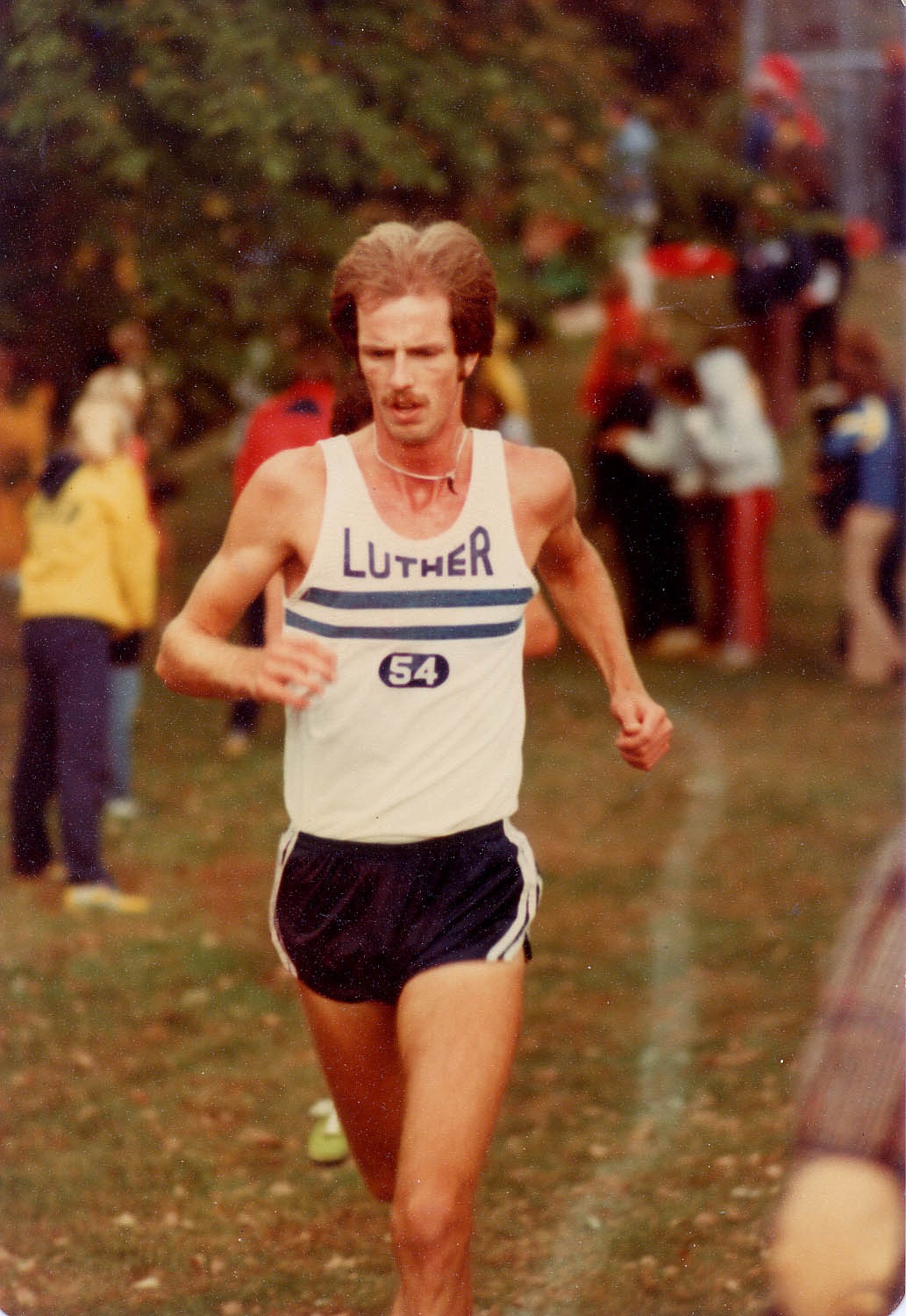
For the first three years of college cross country, I ran in the Top 7 at the Varsity Level. And that was good. But it wasn’t great.
For a variety of reasons now known to me to some extent, I was a perpetual 7th man. That’s the last position on the actual team, but not one of the top 5 scorers who determines the fate of most meets.
Yes, I’d flirt in and out of the Top 5 now and then, scoring for the team against certain schools against which I liked to compete. University of Lacrosse was one of those schools. I admired their program and for that reason often ran several rungs better against them in duals.
But why wasn’t the motivation and quality always there? What kept me from being better at running and fulfilling my true potential? There were several factors involved that are “life lessons” for anyone who runs and rides. In fact these issues spill over into many other areas of life.
7th Man Syndrome is the product of the following:
Self Confidence
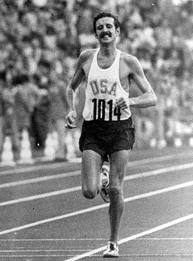
Self confidence was a big part of the success of Olympic marathoner Frank Shorter’s success
Some people are born with a naturally ebullient nature or else their parents build them into strong, flexible creatures able to take on life’s challenges with enthusiasm.
But if neither of those positives entered your life at the right time, a lack of self-confidence can become part of your psyche and it is a very hard mindset to beat.
Building self-confidence can take time because negative associations tend to dominate your outlook. By contrast, positivity for some people tends to be a frail state of mind.
You can only replace negative associations by achieving positive results. That takes extra focus and likely a set of short-term goals carefully prescribed to show progress and results
Whether you have a coach or are setting out your training and racing goals on your own, be sure to set some standards that support your growth rather than lead to negativity and a resultant lack of self-confidence.
Scheduling

Athletes of all ages and genders need to learn to organize themselves for success.
As a distance runner or any type of endurance athlete, it is vital to be able to control your schedule and set yourself up for success. Endurance sports often require preparation; organizing equipment, setting up workouts and getting up early enough to train are all key aspects of scheduling for runners and cyclists.
During college my work schedule held me back in many ways. Getting up to work the dishroom from 5:30 to 7:30 four days a week did not lead to good training routines and I did not rise above the stature of 7th man on the team as a result. Two-a-days were hardly possible and I was fatigued during the season, sometimes getting colds or sick from being too tired to train.
Of course those experiences were good training for life in one key respect: They more closely resemble the requirements of real life. Traveling in business is the same way. So growing into maturity requires that we all adapt to scheduling challenges.
But the facts are simple: When released from the need to work the dishroom four days a week my position on the team went from 7th to 2nd in one season. In my early 20s I took time out of the corporate world to train full time and set all my PRs, winning 12 out of 24 races in a single season. Scheduling matters, but you have to be forgiving if your situation does not allow perfect training conditions.
Support Structure

Having family and friends to support you at races can help immensely.
Being away at college the first time is a tough gig for many athletes accustomed to the comforts of home, mom’s cooking and familiarity. Some athletes suffer without the emotional support of family. A coach cannot be your mama and papa as well as your guide in sports.
That means your friends need to be your support structure. But managing friendships in competitive situations can be tough. Your best buddy may be the guy or gal who beats you out for that cherished position on the team.
Learning to separate the competitive aspects of your personality from the friendships you need to sustain good emotional health is a big part of being an athlete.
Falling in love can also help. Having a person with whom to share your victories and failures, and to love and cherish you in and out of success can be key.
That was another reason I shot from 7th to 2nd man my senior year in college. I fell in love. Nothing could harm me.
Scheduling, Self-Confidence and Support Structure. Being aware of these three keys in your life can help you be more self-aware and move beyond being average to reaching your full potential as an athlete, businesspersona, family or community leader.