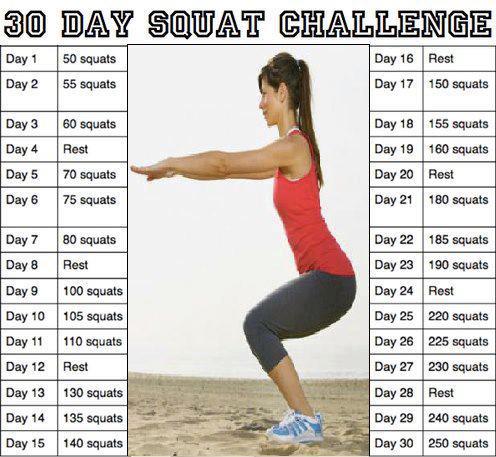
Follow this chart or you don’t know squat

This is what I’m doing to improve my butt muscle strength, quads and hammies.

Join me!

534792_436025453153010_2134165241_n

Posted in Uncategorized | Leave a comment

If you run and ride, please be seated

By Christopher Cudworth

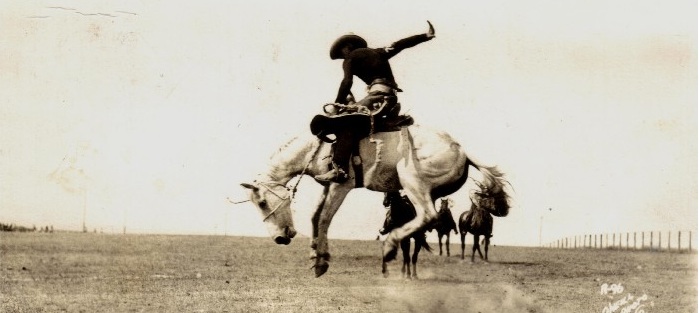
BuckingHorseHow is your relationship with chairs? With seats? Car seats. Desk chairs. Everywhere we go, we’re sitting. But how well?

It makes a difference, you know. How you sit. One bad chair can ruin an entire season of training. Ergonomics are important. But so is texture of the seat and the type of desk it faces.

Too many options? 

On the way in to work this morning the seat of my new Subaru begged adjustment. But not really. Was it me and my body that was out of sync? Or the seat itself. It can be hard to tell.

The Subaru has all sorts of adjustments for how you sit in the vehicle. Up. Down. Back angle. Leg lift. Forward. Backward. Thank God it doesn’t go sideways or we’d probably mess with that setting as well. Can’t get comfortable? It’s not the fault of the car.

Which is the whole point of good seating. Many times it is our bodies that refuse to adjust, not the chair. Tight hamstrings. Knotty calves. Weak back or stomach muscles. Basically we’re a hunk of meat on any chair we touch. So what’s the cure?

Backing off

Some people just know how to sit with style, and look so relaxed doing it.

Some people just know how to sit with style, and look so relaxed doing it. Sheryl Crow shows how it’s done. Lance could have learned something from her perhaps.

If you’re fortunate enough to never have back problems, thank your body for being cooperative in at least one respect. For people whose backs are tweaky, creaky or sneaky, all it takes is one false move and they’re in agony. No more running or riding for weeks. It doesn’t take much. Even bending over the wrong way to brush your teeth can result in a near chronic injury.

It all comes down to muscle balance and strength maintenance. If you do strength work, yoga, Pilates, core fitness and have great sex on a regular basis you are probably less likely to have back problems or other ergonomic illnesses. But there are no guarantees. Even the strongest among us can go twang! at any moment.

Which is why chairs and seats and places to sit correctly are really important.

Working it

I once bought a chair for work at one of those office supply stores. The chair I tested felt great. The chair I assembled at the office never felt good at all. My back started to hurt so badly it was impossible to concentrate. Yet when I gave the chair to the guy in the office next door he loved it. No complaints. No back problems. No nothing. Was it psychosomatic? Did I just hate working there and the cosmos was trying to tell me to get out? Sometimes you never know. It’s one of those tarsnakes of being that we are destined never to resolve.

Back madness

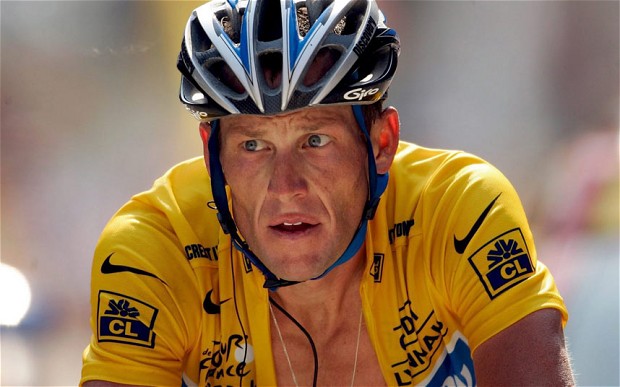
Sit back and relax now Lance. Don't be so angry. You'll hurt your back. From the UK Telegraph. Lance Armstrong.

Sit back and relax now Lance. Don’t be so angry. You’ll hurt your back. From the UK Telegraph. Lance Armstrong.

They say that anger can concentrate its physical fury in your lower back. Think about that the next time you get really pissed off. Do you get a backache two days later? Sometimes it pays to think about what you’ve been doing leading up to back problems. Has anger entered your life somehow without your knowing it? There really is a connection, which is really spooky. Back pain is like some sort of evil horoscope. It can tell you lots about how you’re living and who you are, but it can’t predict jack about the future. Trust me on that one.

Which brings us back to being an athlete and sitting on chairs, seats and benches.

It’s how you sit that counts

If you’ve just run a half marathon or a marathon, or finished a weekend 20 miler and are feeling really, really tired from the effort, what is your first instinct? To sit down, of course. And take a load off. But look at what we often do. Find a picnic bench or a bleacher with no back support. We sit there slumped like a bag full of worms while our bodies cool down. Talk about no respect for the weary. Sure, we might lean over and put our arms on the picnic table and sigh, “That was a good run.” But even that posture is an insult to the fatigued body you now occupy.

Given little choice we tend to sit anywhere we can. But being aware of your posture at your weakest moments can save you lots of trouble.

And surely every cyclist should be aware of their ergonomics while on the bike. Riding 80 miles bent over a road bike is not exactly a prescription for relaxation in the lower quarters. So bike fit is crucial, and so is a well-constructed and well-positioned bike seat. The saddle of your bike is your only connection between effective riding and the entire universe below. Which isn’t all that forgiving. But you don’t need reminding of that.

So take a seat, but not just any seat. How you sit and where you sit and what you buy to sit in can make all the difference in how you run and ride.

So please take a seat. Wisely, if possible.

Want a tee shirt?

We Run and Ride. It’s a movement.

Posted in We Run and Ride Every Day | Tagged , , , , , , , , , , , , , , , , , , , , , , , , , , , , | 1 Comment

Running and riding through the flood

Flooded street in Downers Grove Illinois

Flooded street in Downers Grove Illinois

Okay. We got a little rain here in Illinois. Streets are closed. Backyards are watery wastelands. People took 3 hours to get to work. Such a contrast to last year’s drought, when parched, dry land kept rain at bay all summer. It simply would not rain.

Not so fast

No rain? Not this year. The downpours have been incessant. Last night the sump pumps in our house ran constantly. The groundwater pattern in our neighborhood points straight at our house. When digging postholes for the back fence, it was learned there is a layer of clay exactly 2 feet down. The water runs over that stuff. Right at our house.

That meant I needed to get up and fix a contraption of rain gutters to point the rainwater draining through a vent pipe for the boiler into the sump so it could be shot back out in the yard. The myth of Sisyphus got nothing on me, babe. That water just comes right back at me. That’s how the waterproofing company designed the system. Works almost as well as the economy. This year’s rainstorm is a stimulus bill so that the sump pumps stay employed.

I’ll go running tonight because the carnage is so interesting. Floodwaters have always fascinated. When the entire Oneota Valley flooded, the entire Luther College campus where I went to school was underwater. Months later the traces of the flood were still there. The extensive dike system built to redirect the river through town simply couldn’t contain the volume of water pouring down out of the limestone canyon tracts where water upstream gets funneled and pushed. Result: big-ass flood.

Flooding our memories

I recall running through that valley during another flood year. Our regular courses were underwater so we improvised, trotting next to the roiling floodwaters on a bank above the Upper Iowa. It was stupid and dangerous perhaps, but it was also memorable and fun.

People remember floods and the things that happen during them.

A few years back while riding in early spring our little band of Saturday cyclists decided to take a bike path next to a stream. The path was flooded with cold, clear water and suddenly we were pedaling into a school of carp wriggling across the path. Not able to stop for fear of falling over and hitting the drink, my front wheel plowed into the side of a carp. It’s giant body didn’t really give away, but the wheel glanced off. Everyone laughed at the thought of hitting a fish with a road bike.

Going through, not around

There have been a couple times during really long runs when I choose to go through a flood rather than around. If your shoes are sufficiently old and you’re going to get a new pair anyway, there’s no harm in running into the breach of a flooded street. Of course you’re reduced to wading. At that moment with your shorts filling up with cold water, the whole world might as well be flooded. You can see why really big floods take over the imagination of those affected. The recent tsunamis of ocean water that devastated entire islands in Japan remind one of the apocalypse or the Noachian flood.

If our world was still yet small in terms of communication, and we could not fly over New Orleans and see the devastation, or catch up on news updates when tsunamis take out entire cities, the legends might be big enough to someday make it into scripture of one sort of another.

The unlucky ones

This mudskipper digs a flood like some of the rest of us

This mudskipper digs a flood like some of the rest of us

Instead we’re stuck with the ugly little fact that even local floods are a real pain in the ass. They disturb our daily lives and affect our business. They prevent us from running and riding where we like to go and we stare in marvel at a car literally floating down the street. “Who’s the unlucky one?” we think.

Or less charitably, “Who could be so stupid to think they could drive across?”

At some level we’re all that dumb. We build houses on floodplains and barrier islands. We assume our rivers will stay put, especially after a year of drought. We ride our bikes and hit carp or try cutting through a flooded field on a run and find ourselves knee deep and stupid. We fail to recognize that water has both a mind of its own and no mind at all. That’s what the terrifying fable of Noah’s Flood is all about. We’re powerless before nature and don’t really understand it. It doesn’t matter whether the flood that floated Noah covered the whole world or not. The fact that a flood could be so unthinking is an illustration of the humility we should show all of creation.

Instead we run right past. Or ride. Or drive. And wonder when the next disaster will hit. Hoping it won’t be us. What a way to live.

WeRunandRideLogo


Posted in We Run and Ride Every Day | Tagged , , , , , , , , , , , | Leave a comment

Are we really surprised about the Boston Marathon bombings?

By Christopher Cudworth

One of two bombs explodes during the Boston Marathon

One of two bombs explodes during the Boston Marathon

It’s horrid. It’s tragic. One cannot really take it in as yet no matter how many online videos there are, or how many heroes rushed to the aid of others.

Those stories will unfold. There will be analysis. Discovery. And hopefully, justice.

But then we will be forced to confront the worst reality of all. This was a surprise that we could not see coming, yet no surprise at all.

The marathon phenomenon along with the joyful madness of the Tour de France are events just aching for an act of terrorism. Massive crowds. Unsuspecting people. Terrorism loves that kind of happy madness. It was just a matter of time.

Whether domestic or foreign terrorism, the message is the same. You are vulnerable. We made this horror happen. Now you must recognize us.

Rewards

That’s right. It’s a sad, sick little fact that for all its supposed symbolism, terrorism comes down to the desperate need for attention by one or two individuals who can’t find their place in the world. So they buy into some massive twist of logic that says killing people is the ultimate symbol of their worth. Some terrorists are promised lines of virgins in heaven. Others are promised glory in the eyes of their dissatisfied comrades, lurking in the fields and valleys where their cries of supposed anguish echo back to them. After a while, that’s all they hear. Their own twisted voices.

They fear the government, or hate yours. They take aim at idols from Martin Luther King Jr. to John F. Kennedy to John Lennon or Ronald Reagan. Terrorism is assassination of the ideals of others. But it is also this disgustingly personal act of placing one’s personal vendetta over the lives of others.

The violence connection

America somehow cannot seem to equate its own penchant for commonplace violence with the terrorist strikes that come along now and then. Right away on Facebook gun advocates proactively ripped into the politics of those who would connect the bombings at a marathon with those trying to limit access to other super weapons, in other words, gun control. The goal was to disconnect the violence of terrorism and the violence ripping through bodies in Boston with the violence we have on the streets of America every day. Yet the facts are uglier than even the proactive gun lobby could hope to conceal. Since the Newtown, Connecticut shootings alone there have been more than 3000 people shot and killed by guns in America. That’s as many as people killed as were murdered in the terrorist strikes on 9/11.

Day to day terrorism

That pattern parallels terrorism in significant respects. Suicide terrorists blow themselves up for many reasons. An Elton John song (I Think I’m Gonna Kill Myself, see below) with lyrics by the brilliant Bernie Taupin reminds us of the terribly confused logic that takes over in despair, and how violence becomes a tool of expression or a way of life that takes away all life. It’s one of the tarsnakes of terrorism that says the very violence that seems to hold America together and make it a proud nation is also undermining the very surfaces on which we travel through time together.

But in the end, it is also about some selfish ambition. Some need to own a gun and use it like a paintbrush, or to bomb a marathon with Expressionistic flair. It’s all part of the same sick terror people feel inside and are driven to share with others. Then blame it on the object of their arts. The guns. For “Guns don’t kill people, people kill people.”

Yeah, right. Bombs don’t kill people. People kill people. Bombs just do it better.

It’s a terrorist act. And also a social suicide. Trying to kill a society is the same as trying to kill yourself and others. We have also learned that in America more people have been killed by gun violence and suicides–violence against oneself–than in all our previous wars. Suicide is also way up among servicemen and women whose missions and recalls into tensely violent zones are breaking their wills to the point of killing themselves.

If you can’t make these connections about the net effects of violence, then you aren’t possessed of cognition, but of cognitive dissonance. As we’ve learned from the Boston Marathon, we can’t run away from the facts of our own confused logic. The massively violent nation that is America just got hit with a dose of its own internal dialogue. Whoever did it must have imagined some sort of scenario for themselves. And others. It’s how terrorism and gun violence and public bombings work. We can’t stop killing ourselves.

I Think I’m Gonna Kill Myself

I’m getting bored
Being part of mankind
There’s not a lot to do no more
This race is a waste of timePeople rushing everywhere
Swarming around like flies
Think I’ll buy a forty four
Give them all a surpriseThink I’m gonna kill myself
Cause a little suicide
Stick around for a couple of days
What a scandal if I diedYeah I’m gonna kill myself
Get a little headline news
I’d like to see what the papers say
On the state of teenage bluesA rift in my family
I can’t use the car
I gotta be in by ten o’clock
Who do they think they are

I’d make an exception
If you want to save my life
Brigitte Bardot gotta come
And see me every night

WeRunandRideLogo

Posted in Tarsnakes, We Run and Ride Every Day | Tagged , , , , , , , , , , , , , , , | Leave a comment

When is skinny too skinny if you run and ride?

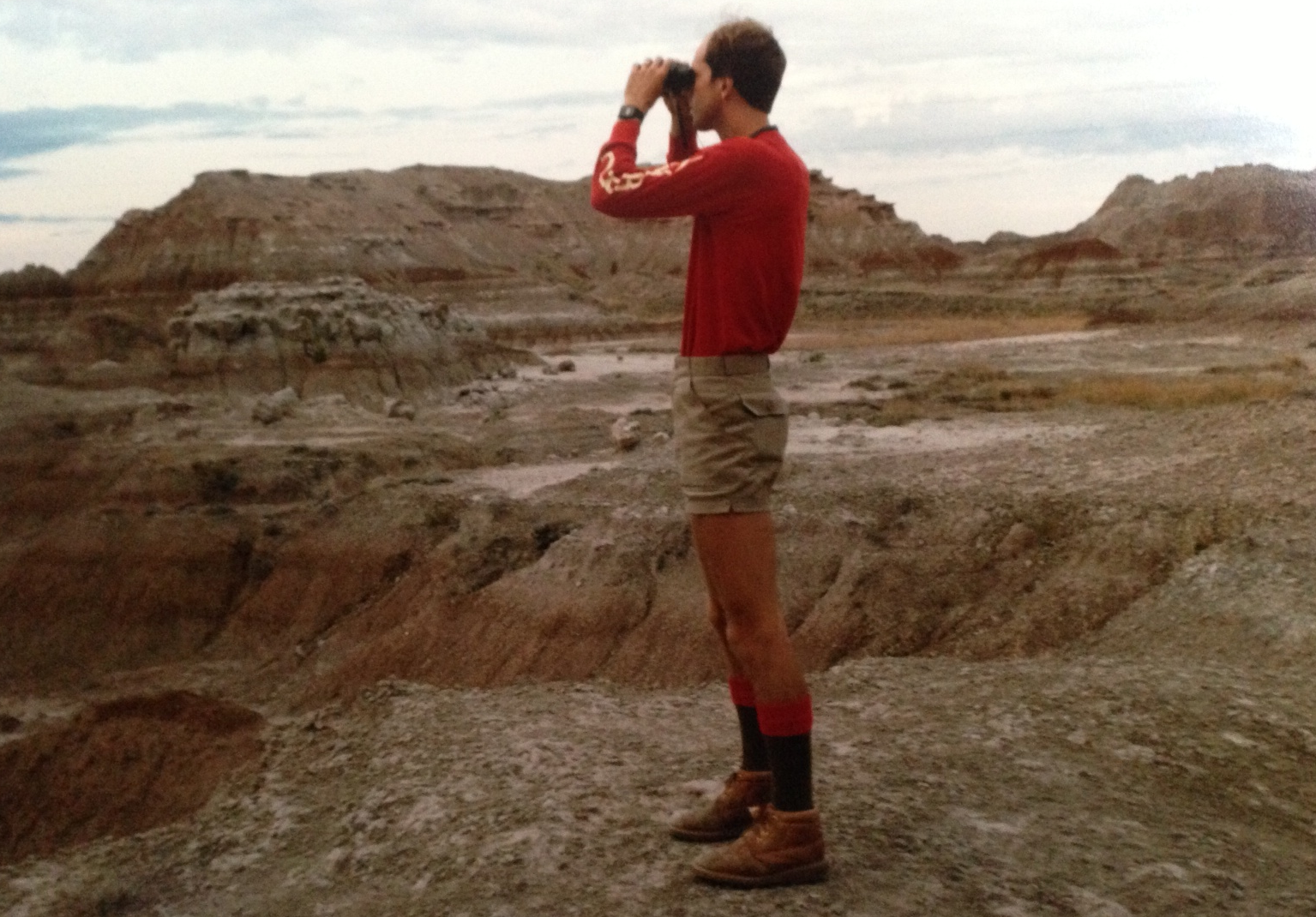
At 6'1" and 140 lbs., my frame was wafer thin.

At 6’1″ and 140 lbs., my frame was wafer thin. Click for larger view. 

While wading through photos to put in a video for my wife’s Memorial Service this past weekend, it came to pass that I found a picture of myself when I was skinny. Too skinny.

As a competitive distance runner I carried not one white of extra weight. My body fat as measured countless times was less than 3%. Unless I was tan, my upper body looked pretty bleak. That was the price of competitive fitness.

But my gosh, I was skinny.

I could run forever, no doubt. And won some races, no doubt. But that photo of my standing on the edge of a Badlands ridge gave me pause. Should I have been that skinny?

Today I weight 175 lbs. In summer my weight drops to 163-165 during cycling, if I get the miles in. That’s still skinny by many measures. When I showed up at a ride after several weeks of training apart from the regular Saturday morning group ride, one of the fellows murmured, “God you look fit.”

So it’s a Catch-22. It used to be hard to keep weight on my frame. Now I’m like everyone else. Christmas is carbohydrate hell and it takes months to shed the handles above my hip bones.

I’m slowly changing my diet. It’s taking lots of effort and during the long leadup to my wife’s passing there was no way to really management my diet. I was on the seafood diet. See food and you eat it.

It is an interesting contrast to see that photo of myself on our honeymoon and really what a skinny twerp she married. It’s now okay in my mind to look more like a man who’s in overall shape than a man whose overall shape is barely visible against the hillside.

The skinny on being too skinny is that there’s a time and a place for all that. Being fit doesn’t mean you have to be invisible when you turn sideways.


WeRunandRideLogo


Posted in We Run and Ride Every Day | Tagged , , , , , , , , , , , , , , , , | Leave a comment

Reflections of yourself when you run and ride

You can check out your riding or running form by taking a route past a long set of windows.

You can check out your riding or running form by taking a route past a long set of windows.

Lacking the services of a good running form or riding coach, there are still things you can do to learn how your form may be affecting your fitness and speed.

All it takes is a good long look at yourself in a window.

Even if you live in a small town there are usually a few places where you can arrange your run or ride to swing past a storefront where you can see a reflection of yourself in the windows. The best location I’ve found in my hometown not only has a long set of windows, they actually have a mirror finish so you can see yourself run or ride past in full living color!

What can you learn from looking at yourself in the window as you run or ride past?

Check Your Form

Look at your running form objectively. Find a window that can serve as a mirror and run right at it. Like what you see?

Look at your running form objectively. Find a window that can serve as a mirror and run right at it. Like what you see?

Runners can look at their overall body lean, their arm carriage and length of stride. It’s surprising how little some of us know what we look like when we run. Of course you could ask someone to record you with your smartphone or camera these days, and that would be really good information to help you analyze your stride. But there’s something about a rehearsed setup like that…makes you aware of what you’re doing and it is too easy to “fake it” rather than taking yourself at face value.

It’s better to make a pass by a window when you’re in full stride if possible. It’s not narcissistic to look at yourself that way. Well, maybe a little. The important thing is to be objective enough to assess your stride pattern and admit if you’re overstriding or understriding.

Critical to efficiency

The same goes for riding a bicycle. Cycling form is critical to efficiency. One of the first things you’ll notice in your riding form is how much or how little you arch your back. Cyclists often fall into bad habits when riding. These bad habits become chronic and can rob you of power. It is best to ride “low” with your body “perched” on the bike with slightly bent elbows, legs relaxed enough to spin rather than mash and your head carried at a healthy angle for both efficiency and viewing.

Bike fitting first

Much of this “form” comes from bike fitting, which is heartily recommended for anyone doing rides over an hour. Any road cyclist or triathlete can benefit from a professional bike fitting. Personally I would not recommend riding without a bike fitting. It just doesn’t make sense. Unless you’re a adept and knowledgeable and know the techniques of setting up your bike, find an expert.

Then when you ride by your favorite window to check your cycling form you will at least know how to adjust your form. If you hunch you’re back when you’re tired, the window can tell you that. Watch to see as well whether you’re just pumping your legs up and down or spinning the pedals. All these little things add up to better efficiency.

Making a list, checking it twice

Once you have a mental checklist built you can tell at a glance when you ride by a window if you’ve picked up any bad running or riding habits.

For runners, try to find a window you can also approach from the front. That helps you look at your footplant and your arm carriage as well. If your arms are flailing out to the side, or just one arm, it may indicate bio-mechanical deficiencies that start way down at your feet. That’s a lesson I learned years ago when seeing myself on videotape. My right arm flung out and I never knew it. Even world class runners like Bill Rodgers sometimes have these bio-mechanical quirks.

Your favorite window can get you started in understanding your own running or riding form. Give it a try. You’ll be amazed what you see.

WeRunandRideLogo

Posted in We Run and Ride Every Day | Tagged , , , , , , , | Leave a comment

Riding and running when it’s raining like mad

Riding on a rainy day is often worth it for the fun.

Riding on a rainy day is often worth it for the fun. Once its over. 

By Christopher Cudworth

It wasn’t just raining. One of the hurricanes from the Gulf Coast had made it all the way up the middle of the continent and seemed determined to empty its guts on the streets and highways of Illinois. And I decided to go running in it.

The giant drops pouring from the sky actually hurt your skin when they hit. But you get used to that. Heavy rain makes a funny sound on the brim of your cap, and I laughed at that. The gutters were already full and running fast when I headed out the door and west to make a 4 mile loop.

It was windy and raining, which is always a weird combo when you’re running. There were little whitecaps on the bigger puddles. Seriously, it was like looking at little live maps of the oceans, like some book in the Harry Potter series where the pictures come to life.

My old shoes didn’t care if they got wet. But it was wetter than wet. I soon stopped worrying about the rain at all and just ran through the puddles with each foot making very temporary indentations in the surface of the small lakes all around.

Drivers going slow with their headlights on beeped and honked from inside their cars. The vehicles looked like they had clear frosting on them, like donut glaze.

Just when it seemed it could rain no harder the skies gave a shiver and walls of water came out of the sky. I’d never seen anything even close to that amount of water in the air. It made me cackle when one of those whirling sheets swung over and hit me in the side. The sensation was similar to when a person jumps off the diving board and does a jackknife or a cannonball to send a wave of water over the edge of the pool.

It was silly at some point. My socks sagged over the edges of my shoes. Inside my running shoes there was water squishing around my toes and even lifting my orthotics a bit. I was hydroplaning. But it was a gas. 4 miles went by in a blur, it was so wet and wild.

But I always say you aren’t really wet until the water’s running down the crack of your ass. And that day running in the hurricane got me wet all over but my ass crack stayed safe.

Not so the day my buddies chickened out on riding in the rain. 15 miles into the ride with a torrent of squalls roaring across the Illinois landscape I could barely see out the surface of my sunglasses and my helmet sounded like a tin roof the rain was falling so hard.

And finally, at 18 miles the water formed a small lake over my sacrum and a mountain stream poured down my butt crack. The cold sensation made me jump even through I was wet everywhere else.

“Now I’m wet!” I yelled. “Really, really wet.”

Most people like to avoid running and riding in the rain. But they’re missing one of nature’s most thrilling and humbling adventures all at once.

That guy out running and riding in the spring and summer rain? That’s me. No apologies.

WeRunandRideLogo

Posted in Uncategorized | Tagged , , , , , , , | Leave a comment

A love/hate relationship with track & field

Watercolor of track and field distance runners by Christopher Cudworth

Watercolor of track and field distance runners by Christopher Cudworth

By Christopher Cudworth

Sometimes you don’t choose a sport, it chooses you.

Such was the case with track & field. As a kid the track was a strange and foreign environment, mostly because we all ran on cinders years ago. Cinders were both the worst and best surface in the world to run on. They were, after all, cinders. Black little chunks of crumbled gripgrap. Who the hell knows where those cinders came from? Were they the tilings of mining operations in the hills of West Virginia?

The Wiki world says they’re pyroclastic material. All we ever knew is that they were hard to get out of your skin when you fell on the track. They’d also pile up in deceptive little heaps near the curb of some tracks, causing you to weave or swerve if you hit them wrong. I’ve come to realize now that cinders were nothing more than a pyroclastic form of tarsnake, an early attempt by those evil demons of the road to take you down when you were young and impressionable.

8 laps in 12:00

My first real track competition was a 2-mile time trial during gym class in 7th grade. Actually, it was a 12 minute run test, during which I covered 8 laps on a 400 meter track, discovering then and there that I might have a small talent for distance running. Nothing appealed to me more than running away from all but one guy in the 7th grade class. He later turned out to be a track and cross country guy too.

When I got home to tell my older brother about my exploits on the track, he punched me in the arm and called me a liar. Perhaps he didn’t want a challenge to his own legacy, which was formidable. As a freshman in high school in the mid-1960s, my elder brother Jim Cudworth ran a 4:40 mile. You still see very few freshman cover that distance in so fast a time, and my brother did it on cinders in who knows what kind of shoes. I suppose he wore spikes.

The glory and horror of spikes

We all wore spikes on the track. Some of those spikes were a full 1/2 inch in length. They looked like raptor teeth sticking out of the bottom of your shoes. I’m not sure today’s high school runners can conceive of wearing such a thing, unless they still do for cross country. I don’t see that much anymore.

Getting spiked in track and field by another competitor was an inevitable rite of passage. You’d either get kicked during the hurdles or clawed from behind during a distance race. The blood would roll profusely from you skin, draining down your leg into that socket of your achilles tendon and pooling in your shoe. Or else someone would tramp directly on your foot and put a hole in your shoe, in which case the blood would ooze out like a scene from the show Spartacus on the Starz Network, where blood splashes liberally all over the screen.

You’d look down and think “Shit, I’m bleeding.” But you couldn’t stop for anything in track & field. It really was and remains a gladiator sport of sorts. Few other sports are so raw in context. Wrestling perhaps, which my father considered an ugly sport and I always agreed. At least you weren’t clinging to another guy’s sweaty whatever with you clenched fists in track & field. You could run away from them instead. That would be considered feckless and weak in wrestling. God Bless those who love it.

Wrestling for your life

In fact I also won the 7th grade wrestling contest, defeating everyone in a broad weight class. The final match was held during a lunch hour, refereed by the gym teacher who was also the high school wrestling and gymnastics coach. We did what he said and showed up for our noon gladiator matches because we feared him.

But his disciplined style and demand for fitness did teach me that I was likely a runner. It took years to really find that out.

Baseball dreams

Baseball was my sport as a kid. I loved pitching and still keep baseballs

My take on baseball. Click to enlarge.

My take on baseball. Click to enlarge.

around the house just to pick them up in that familiar grip, remembering what it was like to throw hard enough to make people miss. Or to trick them with a curve, or cause them to swing over a sinker, or ground out. Pitching was awesome.

I never got to play high school baseball because our family moved to a new town and school where the athletic director was also the track coach and baseball wasn’t offered as a spring sport. So having run well in cross country as a freshman, I turned out for track.

That was yet another cinder masterpiece. A black, sullen oval out in the cornfields and the persistent wind. Goddamn I hated that track some days. You’d be fit enough to run well only to be blown around by the wind. It wasn’t like cross country where you’d get a break through the woods. The track meant you hit the wind for a full stretch and suffered like mad through the effort.

I high jumped all the way through college. That was an anomaly for a distance runner. Also triple jumped 40’4″ in high school. Some meets (most, actually) I’d do four events. Run the 2-mile. High jump. Triple jump. Then run the mile. I only won all four events one time.

In college I turned to steeplechase, the ultimate outsider’s event. By then baseball was left far behind. I was a “runner” through and through, but did compete in high jump and finally cleared my own height at 6’1 1/2 inches. That same meet a gymnastic jumper cleared 7’1″ using a somersault technique that was later outlawed. It was like a freak show.

Track and field can be a freak show at times. It’s like a carnival out there with weight men and distance runner and pole vaulters and long jumpers and discuss tossers and cookie tossers too. Track and field events like the 400 meters can make you throw up.

It’s a love/hate sport, track and field. When you’re fit it was a thing of beauty to run around a well-groomed track. When all-weather surfaces took over the sport we longed for those tracks. But secretly some of us loved the romance of a prepared cinder track. The sound was delicious. The atmosphere always had a tinge of cindery dust to it. Kicking home in long spikes was an amazing feeling.

So was running at twilight under the lights on the best all weather track around. If you were feeling good and got the lead, the track seemed to call you to higher speeds. There is absolutely nothing comparable to being fit and running your fastest time on the track. The first time I broke 4:30 in the mile felt like magic. But then I ran the same time 6 weeks in a row. Torturously, I could see the seconds winding up to 4:29, the state qualifying time, and I made it, but placed 7th in the race and only 6 went downstate. That’s track and field, a merciless sport.

It’s okay. Track and field gave and it taketh away. It was like God in that respect. Many times I lay on the infield praying to some sort of god that the cup could passeth from me. The hours spent waiting for an event could seem interminable. You began to wish you could be almost anywhere else but huddled under your sweats in a cold wind on an April day.

Then you’d strip down to your shorts and stand in line with a cadres of other anemic-looking athletes and wait for the horrid snap of the gun that meant you had laps to suffer through. We were slaves to obligation. Prisoners of our own long distance penchants. Masters of our own destiny, still. That made it all the worse, and all the better when you succeeded. Loved it and hated it, track and field. Loved it and hated it.

WeRunandRideLogo


Posted in Tarsnakes, We Run and Ride Every Day | Tagged , , , , , , , , , , , , , , , , , | Leave a comment

Thank God for zinc in fighting the common cold

Spring and summer are some of the worst times to get a cold because it interrupts your serious training.

Spring and summer are some of the worst times to get a cold because it interrupts your serious training.

By Christopher Cudworth

I don’t get paid for product endorsements, so what you are about to read is a simple personal testimonial for a type of product that truly works in easing the risk and length of the common cold.

Hard won experience

For years as a distance runner putting in gobs of mileage and racing almost weekly in peak years, the risk of coming down with a common cold was ever present. All it takes to go over the edge is an extra workout done a little too hard, or a lost night of sleep. When you are racing sharp, you live on the razor’s edge of getting sick.

Through a series of really bad colds in my racing years it became clear when a cold was coming on. Your heartbeat would increase and stay high. A nagging thirst and somewhat feverish feeling would kick in. A craving for sweets–which is the last thing you should eat when getting a cold–would come on. Restlnessness. Achiness. And worst of all, a mildly sore throat were all indicators that a common cold was going to take you down.

Such hard-won experience is valuable as you learn to take care of yourself as an athlete. And in the years since those 100 mile weeks there have been different reasons to get sick from colds, but the maxim that prevention beats the cure holds true.

That is why I thank God for zinc.

Avoidance at all costs…

Having such deep experience with bad colds is strong motivation to avoid them at any cost. I now know much better how to read the warning signs. When that tingle in your sinuses kicks in, or your throat feels a little raspy, or any of the other creepy symptoms of the common cold show up, I reach for the zinc.

Cold-Eeze is one of the most popular forms of cold prevention medicines. You can buy it over the counter and it works. The lozenges don’t taste too badly but they do sort of numb up your tongue and mouth a bit, as if a very mild form of novocaine spray were used. I don’t recommend milk, orange juice or frankly eating or drinking anything right after you’ve used the lozenges. They give everything a metallic taste.

My brother-in-law swears by a Cold Eeze spray he uses. But this isn’t necessarily a product endorsement so much as an encouragement to try zinc tablets in any form you can find them. A pharmacist can direct you to the zinc and cold prevention medicines at the drug store. They don’t cost much and they are easy to use.

Far better to fight colds before they come on than needing to invest in management of the symptoms. Once you get a cold it’s an almost guaranteed period of suffering from 5 t0 15 days and even longer. That’s a serious chunk of reduced training time, especially if you’re in the buildup to a marathon or half marathon. The irony of training is that the harder you push yourself, the more you are at risk of a common cold or flu.

Marty Liquori knows best

That’s why it’s important to pay attention to the day-after-the-day lag rule, a training principle outlined in Marti Liquori’s guide for the elite distance runner. It works like this: If you do a hard workout on a Monday you must recover both the following day and the day after. It takes about 48 hours for the fatigue to wear off. Often you’ll feel fabulous from speed training and want to hit it hard a couple days later, but that is a dumb idea in most cases if you’re training with sufficient intensity.

Snot funny

Once you’ve got a cold it means sneezing, coughing, runny nose, achiness, chest congestion and finally hacking up that green phlegm that can be an embarrassing social phenomenon. In fact I once saw a distance runner stop in mid-stride, cough and spit out something purple that splattered on the ground. “Oh my God!” he yelled, “That came out of me?!” It sure did. Common colds are the tarsnakes of endurance training. You never know what’s going to come up on the road ahead.

Runs on the run

COBRA is the tarsnake of health insurance coverage. You pay more because you're not working for a corporation.

Common colds are the tarsnakes of endurance training. The harder you train the greater the risk of getting sick.

The human body is quite creative in its battle with unwanted germs. You don’t think of diarrhea as a symptom of the common cold but that’s a pretty common problem when a cold is coming on. Your body ramps up its anti-bodies and your gut is hard-wired to physical and chemical stress. If you have a bout of the runs, it’s best to back off your runs. Lest you have the wonderful experience of combining the two. Which I have shared in previous posts.

Prostate problems

It also turns out that my constitution cannot handle many common cold medicines. Essentially I’m hyper-sensitive to antihistamines and substances such as caffeine. They make my prostate swell up, a fact learned 25 years ago during a visit to the doctor that involve a well-placed finger up my rectum. “You’re boggy,” the doctor told me. “Prostate’s swollen. Why don’t you try quitting caffeine. Some people are sensitive to it.”

Best advice I ever got. No more caffeine for me. The doctor also told me that many women get yeast infections from ingesting caffeine. It stimulates the membrane tissues of your body and can put those delicate interphases out of balance. So gals, pay attention too…

Anti-hista-means

Cold medicines with antihistamines can  produce the same effect. Hemorrhoid medicines too. Some of these supposed cures are worse than the condition if elements in their composition affect you badly.

But zinc does no harm, that I’ve ever seen. It does a body good exactly when you need it. Because a cold prevented is one of the best feelings in the world.

WeRunandRideLogo

Posted in Uncategorized | Tagged , , , , , , , , , , , , , , , , , , , , | Leave a comment

A goofball’s guide to grief

By Christopher Cudworth

Christopher and Linda Cudworth in 2012. During a window of cancer remission for Linda.

Christopher and Linda Cudworth in 2012. During a window of cancer remission for Linda.

When you lose something in life that really matters to you, grief takes over.

The most obvious source of grief is losing a loved one. But there are many types and sources of grief. I maintain it takes a real goofball to deal with them all.

You know those thoughts in your head that come out of nowhere and make you feel like you’re a little nuts for thinking them? They multiply like crazy during periods of grief. It’s easy to blame yourself for strange thoughts and even cry aloud, “Why do I have these thoughts? Who thinks these things?” Only a goofball, right?

Welcome to the goofball club

Well, fellow goofballs, we all think these things. Most of us keep them to ourselves lest our friends think we are truly nuts.

Welcome to the Goofball club, in other words. Once you accept that you are a healthy form of goofball and that everyone on the planet is a goofball right along with you in some ways, you are liberated from guilt over your goofball thoughts. That’s a good thing.

At times we need to let our goofball thoughts run their course to an illogical end. In fact if we don’t let our minds wander a little, the absurd reality of life and loss will step in and start your goofball brain thinking weird thoughts anyway.

Planning ahead. Sort of. 

Early in marriage my wife and I got into a goofy discussion and began talking about our future and our ultimate ends. In a way the conversation took place over several years and evolved to the position that neither of us really wanted a traditional burial with a gravesite and a stone marker. That seems like a bit of a goofy thing to concern yourself with so early in a marriage, but it led us to discuss other important things like God and kids and life insurance policies. So it worked.

The net result was that my wife left instructions for me on what to do with her cremains. Having long ago opted to carry out the same process of cremation no matter who died first, she suggested we save some of our ashes for “us” so that we could be together.

Ashes to ashes. Really.

But my goofball brain still had a little trouble figuring out how to feel when I stopped by the funeral home to pick up my wife’s ashes. Carrying your wife under your arm is a surreal experience no matter how you look at it. I sat in the car and cried for a while, not knowing precisely why. O sure it seems obvious. I guess it made it all real. Again.

I had cried the day before as well, when the funeral home called and left a message asking me to call them back. I knew what that call would mean. But we get goofy about such things. Both the determinate and indeterminate truth is hard to handle.

A long shelf life

My problem with grief is that it really can have a long shelf life. In the Linda/Chris relationship our mutual grief extends back 8 years to when Linda was first diagnosed with ovarian cancer. Right away we felt grief for what once was, a life innocent of cancer. It was like being born into a reality we could not have anticipated, and didn’t.

Waves of grief, including a tsunami or two, would wash over us in the years ahead.

There was grief over her suffering.

Grief over her laments, and mine.

Grief over the difficulties of not being able, at times, to do the things she and I loved best.

Grief at the idea that together we needed to sacrifice the activities that originally bound us together.

Trying to ride through it

It was also hard to start anything new in our relationships. Linda tried cycling with me because it was low impact. We bought her a sweet rolling Trek Navigator 2.5, but her feet were so numb from neuropathy she could hardly control the pedals, it turned out. When she did get rolling her eyes would water profusely from the chemo. She had no eyelashes either, so there was nothing to stop the tears.

Then her wig wouldn’t stay on. Yet she still to tried. So hard at times.

But I do recall one fine summer day we rode out to Wasco and back on the Great Western Trail, a distance of about 6 miles. Linda started slowly at first, unsteady on the bike. Then on the way home she picked up speed and ceased to look back to see how close I might be riding. She was temporarily liberated.The wind was in her wig, you might say.

We finished and posed for a photo together at the start of the trailhead. I was proud of her. Grief relented in those moments. It is quite a fine thing to go from grief to relief. But it was so hard to make it last for much more than a day, a week, a month. If we were lucky.

Little secrets of survival

Living with grief is possible. Our little “secrets” of survival became the bonds upon which we based our mutual hope. Narrowing down your worldview and investing in the moment helps you expand time. A short walk suffices where a long walk once filled the day. Less alcohol. More campfires. Less burning daylight sun. More talks in the moonlight. Even these little secrets ran out soon enough.

As she put it in a “last wishes” letter written in 2011, “This can’t go on forever, right?”

Finite

She was right. No human gets out of here alive. Her life was cut short, or was it? It seems to me that everyone’s life is exactly the length it turns out to be. It’s absurd to speculate any other alternatives. So we deal with it.

On Good Friday I called my brother in Pennsylvania and told him I was attending services that evening. “Whoa…” he replied. He thought it might be “too soon,” and he was not the only one concerned that a Good Friday service could be too “dark” for someone grieving over the loss of a spouse.

But I told him. “I want to walk straight into the pain.”

He burst out laughing. He knows his brother well. We both knew it was the best way. Dive into the absurdity. Face death just like you face competition. You win some and lose some. Then you go on.

Catharsis

Going to church was the right thing to do.

It turned out the message was cathartic. Both pastors delivered huge insights that helped me greatly.Then came Easter. My gosh, I thought. The whole idea of your wife dying during holy week is so literal it’s goofy. What more direct confrontation with death and promise of life could you possibly imagine? We even had our Garden of Gethesemane moment. Trying to stay awake through intense periods of caregiving is not easy.

New awakenings

This morning I awoke thinking about the things I loved about her. In that moment I dwelt on the physical. I thought of her head to toe, everything I knew about her. It felt real, not imagined. Then I said a little prayer of thanks for her companionship. It felt right to do.

Our little dog Chuck is still a bit mystified by it all. Admittedly he and I have been in the same sort of mode. He’ll sit up in bed and pause a moment, as if he’s thinking: Something’s missing. Then he dives back under the covers to find a warm leg to lean on.

But he’s doing okay. We both are. We go on, that little dog and I, greeting our friends in our own goofy ways. We’re both a little hyper and by nature a little anxious and needing attention. So neither of us knows exactly how to experience life–or grief–in any other way. It’s our goofy little grief club. We didn’t sign up to be members, but then again, maybe we did, by loving someone fully.

Life, and death, is goofy that way.

WeRunandRideLogo


Posted in We Run and Ride Every Day | Tagged , , , , , , , , , , , , , , , | 1 Comment