Is Lance Armstrong really a Jason Bourne in disguise?

Today’s We Run and Ride blog is from my co-blogger Monte Wehrkamp, whose observations via email often fascinate. He’s proven to be right on many fronts over the years, and many times in my experience of knowing him. So when he takes off on a speculative rant I tend to pay attention.

He is as Hunter S. Thompson was, entertaining when discussing politics or sports because the truth in either of those fields is almost always a subjective problem, a puzzle to discern, and sometimes the fiction of our imaginings that is just as real as the hard won knowledge of history, also a subjective matter.

So, here goes. Monte’s compelling observations on the future of the Lance Armstrong story. It begins with a link that illustrates the business connections of Lance Armstrong, which sets a stage, as it were, to understanding that nothing is as simple as it appears on the surface. 

Foundations

This first link is the article Monte discovered that set off his observations.

http://www.nydailynews.com/sports/i-team/new-book-claims-crow-sang-feds-armstrong-article-1.1481152

lanceweb10s-5-webAfter you’ve looked at the article about Sheryl Crow busting Lance’s ass, click on the pic of Lance below to view a chart of Lance Armstrong’s business connections. Your mind will be boggled.

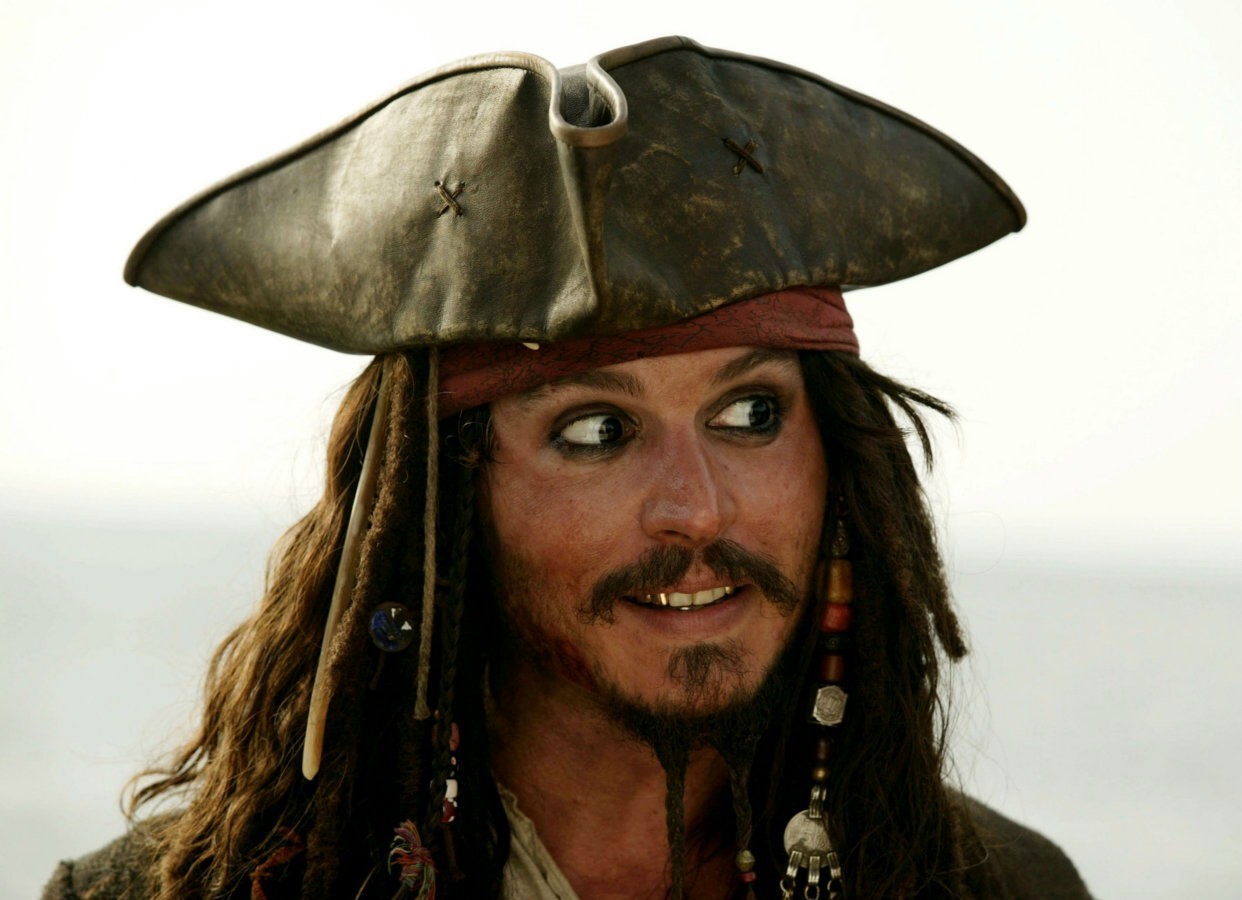
And then you’ll be ready to read Monte’s take on the situation, which reminds me a bit of the Jason Bourne Movies in its layers and depth. In fact let’s compare a picture of Bourne to that of Lance Armstrong. There’s a similarity you see…and we may someday find out that Lance is a bit more like Jason Bourne than the lone criminal he’s been made out to be. Is Lance Armstrong a product of something other than his own ambition?

Here’s what Monte thinks. 

Bourne

Armstrong at a Livestrong appearance.

Armstrong at a Livestrong appearance.

The Big Picture

Cookson may indeed create the “new and improved” UCI he promised. A Truth and Reconciliation (T&R) Commission may actually happen, and LA has promised if there is one, and it’s a get-out-of-jail-free, all-for-the-improvement-of-the-sport affair, he’s in. He’ll name names. 

It’ll all come out at once. 

This is where it gets hairball crazy. If you watch the very end of the trailer of the new LA documentary…

http://www.cyclingnews.com/news/video-the-armstrong-lie-official-movie-trailer

He implies that the whole story hasn’t been told. Not even close. And if he ever got the chance to purge himself, without fear of more legal reprisal, he’d let us know McQuaid and Verbruggen were in the know, and may have even encouraged him — went as far as provided him assistance to beat the testers. And yeah, that was a bribe. And yeah, he did test positive. But to the UCI, LA was the goose that laid the golden egg for pro cycling.

Pushing carb(ons)

He was also golden when it came to cycling equipment in the U.S. Even more than Greg LeMond, LA sold cycling to America (the biggest sports equipment market in the world). Sold yellow banded/garnished NIKE wearable anythings. And Treks, and by association (like a rising tide lifts all boats) all other brands of bikes in the USA.

Under a T&R, Lance might admit Trek provided and funded the drugs and the mule who made drops all over Europe (the guy in Tyler Hamilton’s book, the one on the motorcycle that followed the Tour — he ended up with his very own Trek dealership. From Lance’s gardener to Trek bike store owner. Wonder how that works.) He might admit that Nike and Oakley aided and abetted as well (far beyond looking away and lying under oath). And possibly that his partners at Tailwind Sports (owners of Lance’s bike teams) and who were also connected closely to USA Cycling, were thick in the conspiracy as well, proving this culture went to the very top of the sport in America.

Point of the spear (and sphere)

Lance was, and is, merely the point of the spear. And the spear was very, very long. Still is.

It was because of all this air cover, all this power behind him, he could tell his lie over and over without fear of being caught. Because of the industry power that could be brought to bear (destroying Kimmage, the Andreu’s, Hamilton, Landis, et al), nobody dared touch him. And those that tried, paid dearly.

Like when LA chased down Simeoni – blowing up his chance at a stage win, because if LA chases, everyone chases, cuz he’s the race leader — then doing the zipped lips and cursing him out in front of the peloton. Simeoni was out the sport less than a year later. Shunned. Rebuked. Blackballed. The whole sport was organized around the Lance lie. And powers that be not only encouraged it, they built it.

Open book

Will there be a T&R, that’s the question.

Cookson may want one. But then again, he doesn’t.

There is already enough sentiment against pro cycling. That the era of LA made it a sham on par with pro wrestling – and even today, may not be much better than it used to be. A T&R would confirm cycling was even worse than ever imagined. In a way, LA, with his limited admission on Oprah, is helping cycling by limiting the damage mainly to himself. Like Christ taking upon himself the sport’s sins (which is a rather clumsy analogy, as LA is far from sinless, but one he’d probably like to believe about himself). If he came clean, admitted all, named names, exposed the depth of cheating and corruption, it may damage cycling even more. Perhaps forever. (And may show the same powerful people who’ve dirtied cycling also have their hands in other sports, like swimming and track and field, exposing even more corruption throughout all of sport.)

People wonder how McQuaid got any UCI federation votes at all. Easy. It’s possible there are certain federations that wanted him to stay to keep a lid on things. To maintain air cover. To minimize exposure. Limit the blame and responsibility to LA.

So…information trickle or deluge?

Does Cookson risk all with a T&R?

There’s a Bournelike quality to it all.

WeRunandRideLogo


Posted in We Run and Ride Every Day | Tagged , , , , , , , , , , , , , | Leave a comment

Watching Chicago Marathon results in a call for keeping the faith

By Christopher Cudworth

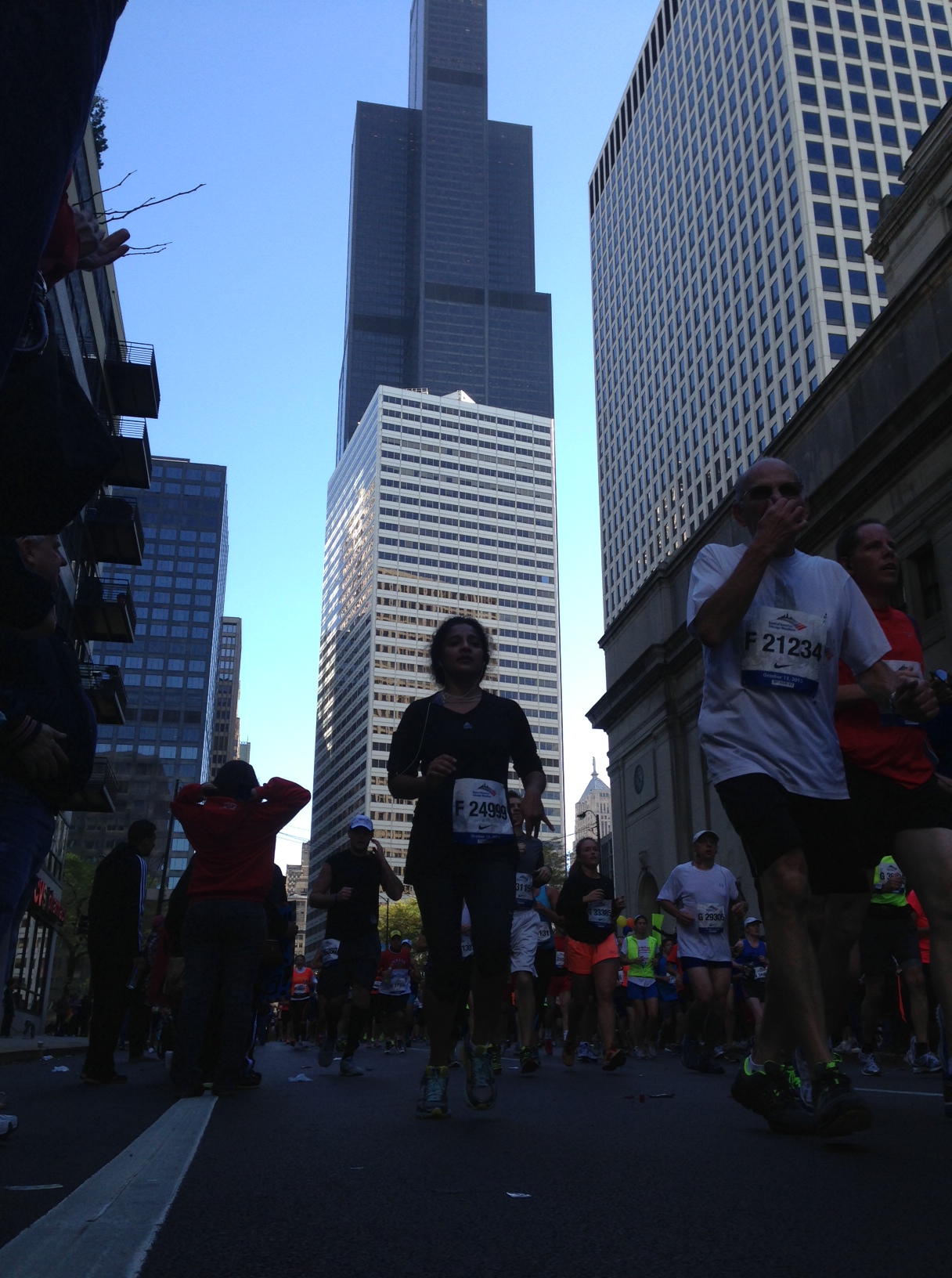
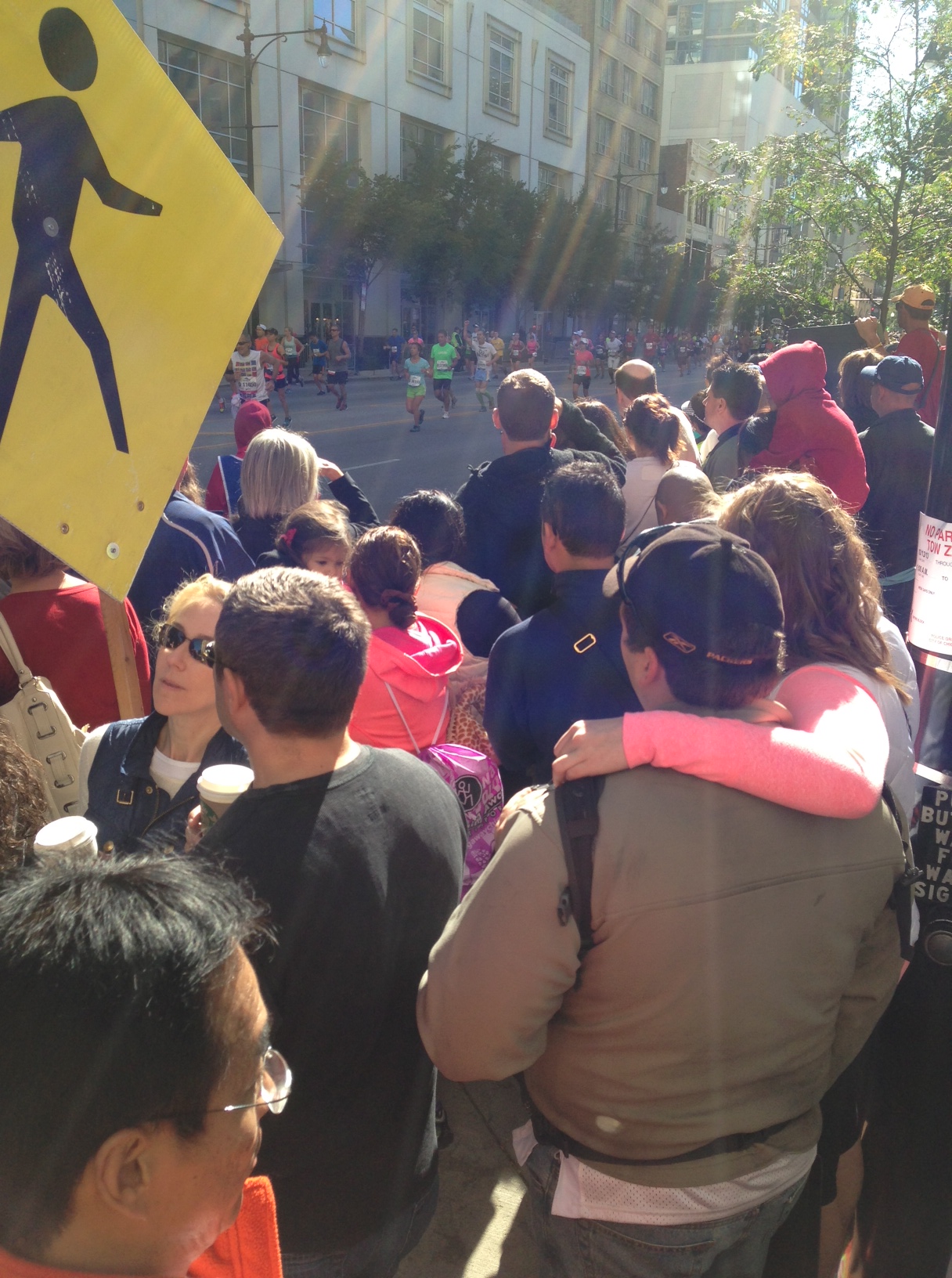
photo (7)The Chicago Marathon took place without a hitch on October 12, 2013. There were no reported incidents of terrorist activity. No threats to the crowds lining the start and finish lines. Spectators lined the course six people deep in many places, with crowds cheering wildly. It started with wheelchair racers followed by blind runners sharing the road with guides. Then came elite runners flipping past with featherlite strides. It was beauty in action all around, with helicopters parked above the skyscrapers under crystal clear blue skies. It was perfect weather for a marathon, 53 degrees at the start, and a predicted high in the 60s by the finish.

Suspect behavior

After watching our favorite runner pass by the 3-mile mark, our small group of fans moved west toward the half-marathon point near Union Station. As we took a shortcut up Adams Street a pair of police officers was putting handcuffs on a tall man with a British accent. photo (10)We could hear him explaining to the officers that some sort of conflict that had taken place near the racecourse. Apparently someone had disagreed with his presence in a restricted zone, an argument ensued and the man tried to leave the scene. But the police were taking no chances. Anyone exhibiting any sort of suspect behavior was going to be apprehended and questioned at the Chicago Marathon, especially the wake of the terrorist bombings of the Boston Marathon.

Boston Strong and other causes

The echoes of the Boston Marathon tragedy were profound. There were plenty of runners wearing Boston Strong tee shirts, part of the show of solidarity that the spirit of the Boston Marathon would not be diminished even in the wake of the bombings last April 13, 2013.

The Boston Strong tee-shirt clan was far from alone. Today’s marathons play host to thousands of runners publicizing causes. At times the race itself seems an afterthought, for the marathon has come to symbolize the massive efforts to overcome disease, mental disorders and social ills of every kind. There’s almost no such thing as running the race for the sake of a good old accomplishment. But that’s not entirely true. Despite all the good will, it still comes down to putting one foot in front of the other. If you finish, you still get a medal to hang around your neck.

For all its apparent popularity, the marathon remains a tough event. You might not know from looking at the faces and strides of 45,000 people in the Chicago Marathon, but there is not some magic formula to running that far. You must train for months if you don’t want to blow up at 15, 20 or 25 miles into race. For these reasons the marathon is widely regarded as an allegory for perseverance. It is Greek in origin but almost biblical in proportion as to the test it exerts upon each and every soul who embarks on the journey. The marathon is either a humanistic and religious experience (or both) depending on your worldview. And it’s always changing.

The marathon in context

photo (5)Perhaps what we really need to learn from the marathon we have not yet properly imagined. Not in its full context. Those of us who participate in such races are almost blissfully unaware of all that goes on behind the scenes to make the race happen. We run along slapping hands with the spectators who line the course, and bathe ourselves in their cheers. We welcome the applause and absorb the noise of cowbells and horns as if we were triumphantly entering a city just conquered.

Yet what we learned from the Boston bombings was that the race itself is an artifice. You cannot learn  the true meaning of a marathon if you take it literally like some people do with stories from the Bible. Literalism strips all true meaning from the narratives we depend upon to define ourselves.

The real revelation comes from putting the race in context. Chicago (and New York or any other city…) hosts a marathon every year because it expresses the context of a great city. You pass through the city’s ethnic neighborhoods as if they were travels by the great Ulysses. The exoticism of these neighborhoods heightens the moral truth that struggle is universal.

Cosmopolitan flair and personal identity

Today’s marathon participants are cosmopolitan in every sense of the word.  We see people dressed as Aztec Warriors with tall feathers protruding from their bonnet and applaud their celebration of personal heritage. Meanwhile spectators hoist flags from Poland, Puerto Rico, Guatemala, Venezuela, Canada and Great Britain and runners from those heritages wave and cheer when they see them, and the crowd waves and cheers back

photo (8)It’s all about personal identity,  as all great allegories are. From zen to Christ and all points in between, faithful, agnostic to atheist, the search for meaning and identity is both fulfilling and cataclysmic.

Marathon revelations

Even the Book of Revelation for all its supposed prophetic symbolism is still a commentary on the very personal Armageddon we all face in the struggle of life and its end. The lives we lead are a persistent and continual test to adhere to the laws of our God or our moral foundations, and that goes for people of every background, culture and religion. There is no religion and no society that does not test our ability to abide by a code of morality. The marathon is a symbol of that, and whether you need a God by your side to complete it is a matter of very personal perspective. Yet we keep a faith just the same. A faith of perseverance. Hope. Good will. Inspiration.

Battles

Yet we sometimes mistake the moral marathon of our lives with the literal battle of good and evil and how that is supposed to bring about the end of the world. But truly, in the lack of such a great ending, what happens to the rest of us in the meantime? We run the race of our lives the best we can. The following bible verse from Hebrews 12:1 somewhat directly describes the experience of running a marathon:

Therefore, since we are surrounded by such a great cloud of witnesses, let us throw off everything that hinders and the sin that so easily entangles. And let us run with perseverance the race marked out for us…

Beginning of the End

In the end we meet our maker or the lack of one with a very personal admission that we have or have not lived our lives to the best of our abilities.

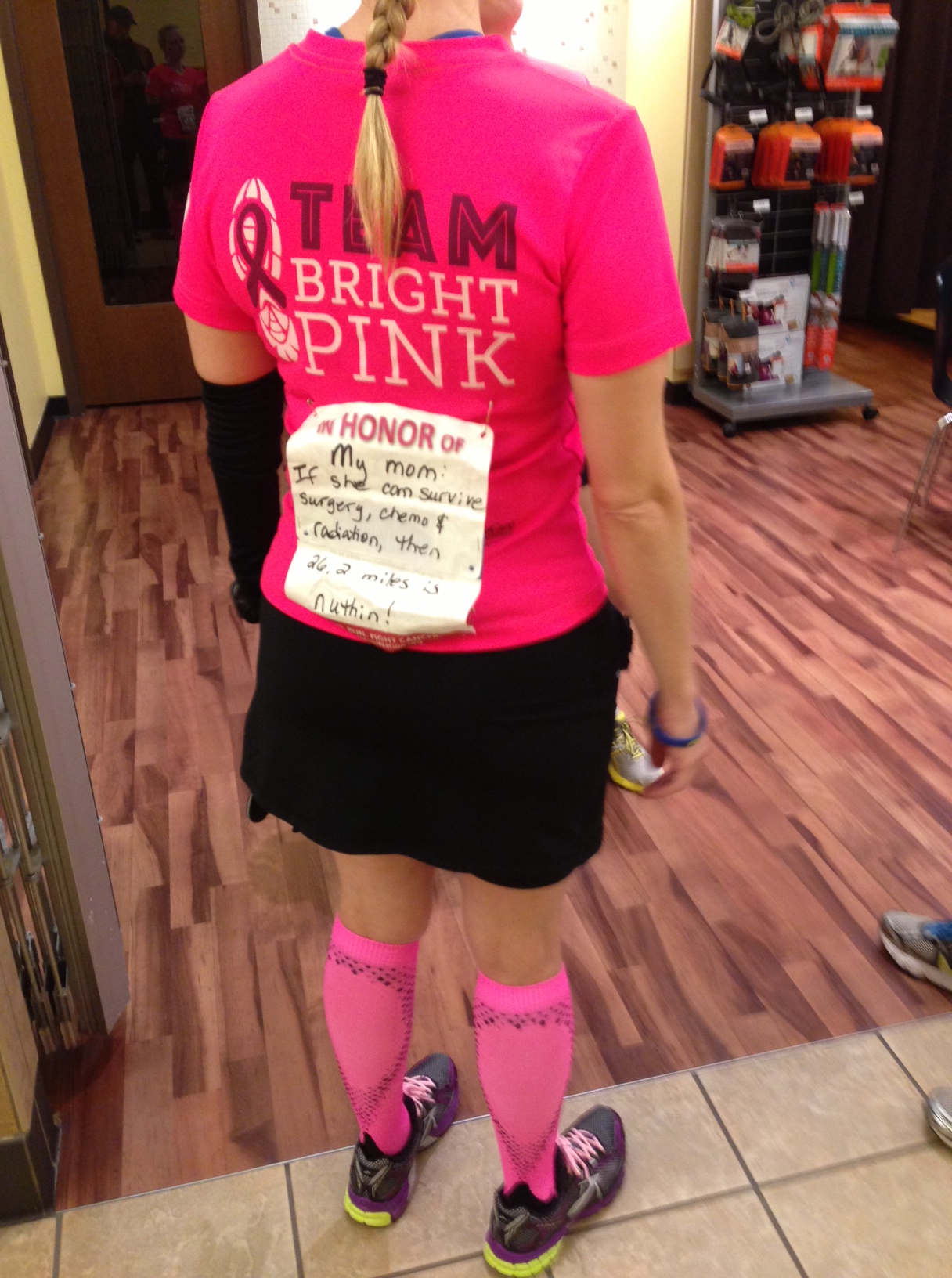
photo (15)That is why incorporating some good into the reason for running a marathon seems so common these days. It is not considered good form to just run the marathon for yourself any more. That is why whole teams of individuals now sport tee shirts promoting one good cause or another.

We seem to almost automatically accept this premise as part of a new fabric or social foundation that keeps our selfish, narcissistic instincts at bay. You can now devote months of intensive personal training to a marathon and not feel selfish because along with the good feelings we generate by running for a charity we also supposedly acquire life skills that can be transferred to the workplace or politics or faith.

Marathon bombings

When a bomb goes off at a marathon, all those positively selfish aims get put aside for a moment because such a tragic event makes us realize the frailty of our own endeavors and perceptions. A glimpse of Armageddon has come calling. You don’t have to be religious to comprehend photo (4)what it all means. Our individual lives are all we will ever have in this material existence. The singular nature of this prophecy is outlined in the Prologue of Revelation, Chapter 1:3: “Blessed is the one who reads the words of this prophecy, and blessed are those who hear it and take to heart what is written in it, because the time is near.”

The time is near. The time is always near. Never do we know that more clearly than when tragedy strikes that which is near and dearest to us. That tragedy might be cancer in someone we love. So we sport a tee shirt that says “Cancer Sucks” and run 26.2 very public miles to prove that we understand that lesson. We run for a cure. Or so we tell ourselves.

Yet some of us run 26.2 miles dribbling a pair of basketballs in an absurd act that patently illustrates a potentially absurd event. Both are symbols of a sort. But if we dismiss the symbolism entirely by taking everything we see too literally, what do we have left? Really, the world become patently meaningless without creativity, symbolism and an appreciation for both the expressive relief and the vitality of the absurd. Be aware but also accept that not everything in life means something. Sometimes dribbling a basketball 26.2 miles is just that. A commentary that means nothing.

Choice words

We have choices to make. We can interpret our own acts literally and lose their meaning, and we can do the same with the prophecies of books like Revelation and use them to predictively condemn the world in order to appear righteous enough that we can suppose we know the will of God.

Or, we can focus on the significance of prophecy as a message for each of our individual souls and how to live our lives fully while we’re here.

No turning back? 

photo (13)Religious industries have been built around apocalyptic interpretations of Revelation and the Bible as a whole. But the apocalyptic culture appears to have its purpose and focus all wrong.

Apocalyptic obsession is a religious psychopathy concerned more with the End Times than with making the most of our real time. It is also vindictive in its hopes for a payback against anyone judged to be against its authority.

Facing our limitations

So what does this all have to do with the marathon? To bring it full circle, we can consider the merits of personal revelation and how a marathon helps us understand both the unlimited potential of our being and the humanistic limitations of our material lives.

That seems like a contradiction until we get shocked into reality by events like the Boston Marathon bombings or the terrorist attacks of 9/11. We see our fellow human beings placed in circumstances far beyond imagination of the potential horrors that face us every day.

The marathon helps us comprehend the concept that our time is always near. We put ourselves out there to feel alive and also to see how long we can last until we feel like we’re dying, literally and figuratively. That is the tarsnake of the marathon.

No boom

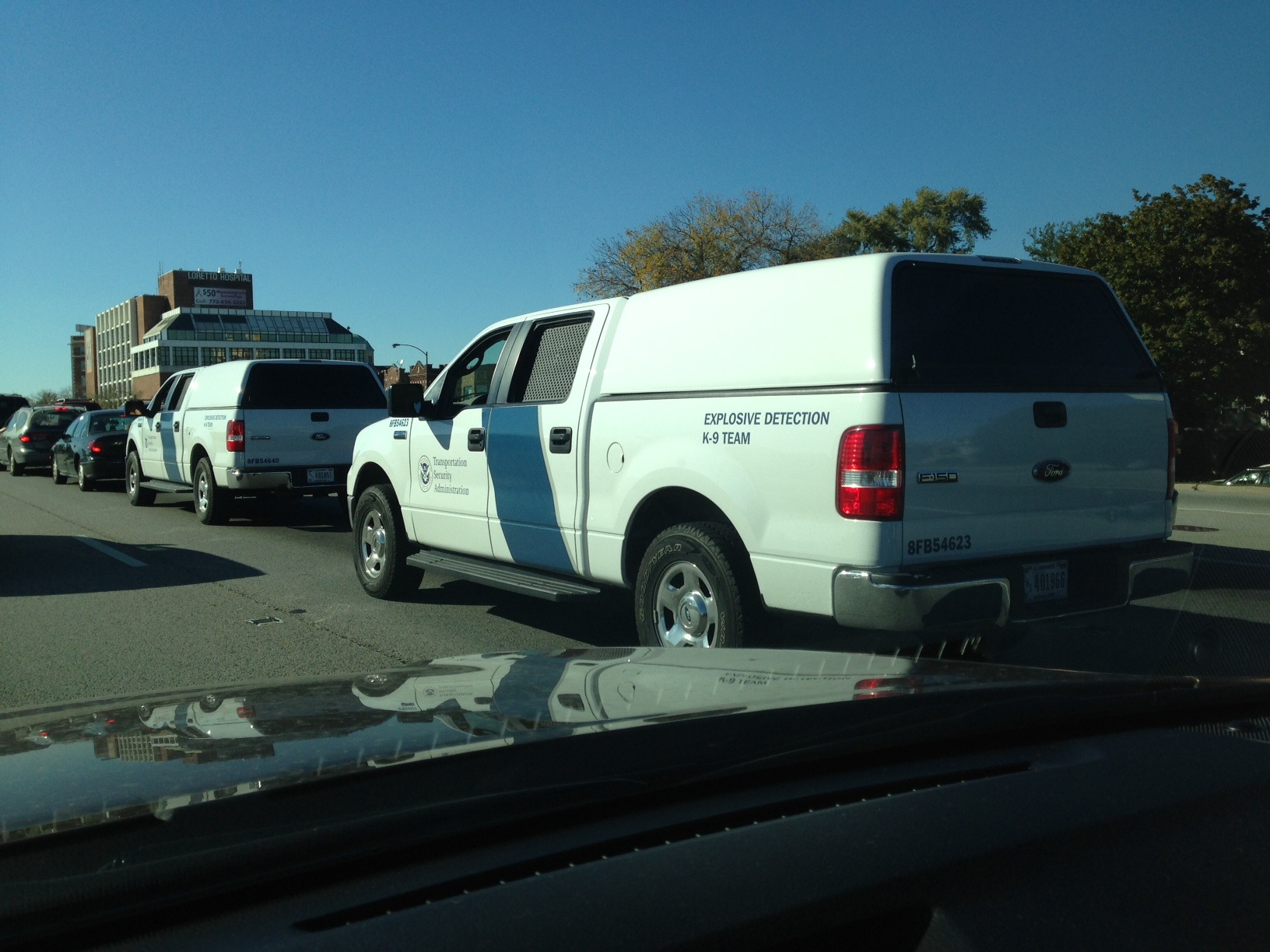
photo (3)It is all an illusion of sorts, but an important illusion. I was reminded of that fact while commuting back out to the suburbs after a day of spectating at the Chicago marathon. While driving west on I-88 our vehicle pulled up next to a white truck emblazoned with the words EXPLOSIVE DETECTION K-9 TEAM.

The protectors of society know how great the illusion really is. We talk about heightened security at the Chicago Marathon and barely know the meaning of the planning that goes into it. Yet we don’t want to live in a “police state,” as they say. So we try to have it both ways. “Protect us,” we like to say. “But don’t show us that we need protection.”

The supposed revelations of gun nuts

The gun nuts want to arm everyone and their mother to ward off evil. Ironically, they also seem to hang with the type of people who believe in a literal Armageddon where Christ himself comes back to kick ass and take names. We confuse our legends too easily with our practical truths. Should we give guns to everyone in the marathon in case people in the crowd start shooting? You can see the illogic in their supposed logic.

photo (12)Where truth really lies

The truth about safety and security is somewhere in between. We are not all naïve joggers, nor are we the Cat in the Hat who likes chaos and fails to appreciate the logistics of the marathon or its significance as a symbol of social cooperation and merits as an expression of the vitality of a city, its people and the visitors who come to run its streets.

We are one great community, yes. But we are also singularly alone as we run our respective races, for the time is near. The time is always near. We just don’t know when it will come, or how long it might take.

But we keep on running and we keep on cheering for those who do. That is otherwise known as keeping the faith, wherever it leads.

WeRunandRideLogo

Posted in We Run and Ride Every Day | Tagged , , , , , , , , , , , | 4 Comments

Can hugs and kisses make you a better runner and rider?

Kiss and Hugs Training schedule

A kiss is but a kiss. But it can help you win. Make you ready for competition or combine with a hug as part of good training.

A kiss is but a kiss. But it can help you win. Make you ready for competition or combine with a hug as part of good training.

Hugging and kissing have tons of benefits for people who run and ride. Research shows hugs are good for health across a number of fronts, and kisses improve everything from the health of your teeth to the muscles of your face.

With these benefits in mind, what follows is a suggested training schedule of Kisses and Hugs to support your marathon, half marathon, cycling or triathlon training goals.

Beneficial effects of hugs and kisses

When you incorporate Kisses and Hugs into your training program these training techniques have beneficial effects in terms of workout recovery, mental attitude and general happiness in the weeks leading up to and including the night before the race. And while sex is great if in a training routine as well, it is important to remember that affectionate hugs and kisses should not always be perceived as leading to sex. Hugs and kisses build trust, self esteem and enthusiasm for life. With that in mind, here is a suggested “training” schedule for hugs and kisses in advance of your next marathon, half marathon, triathlon or cycling event.

Sunday:

Hugs: Engage in pre-or-post morning activity involving some neck-nuzzling and perhaps a short kiss on the lips (see next item).

Kisses: After your morning coffee, apply at least one caffeine induced kiss. If you have a long workout scheduled Sunday morning, be sure to squeeze in at least one hug and a kiss either before or during the run or ride. It works wonders.

Monday:

Hugs should be applied after work and after workout. Be sure to embrace fully if time allows.

Kisses: A short kiss in the parking lot at the train station is acceptable. No tongue. It’s Monday, you horny little angel.

Tuesday:

Hugs should be administered post-swim if possible. This may necessitate a stop by the home of your Hugs and Kisses trainer on your way home from the pool.

Kisses: To save time, Tuesday Post-Swim kisses can be applied at the same time as Post Swim Hugs.

Wednesday:

Evening hugs shall be received on the couch after dinner. Be sure to snuggle and possibly doze off a little.

Kisses: Have at it. Kisses are even good for your teeth, can lead to weight loss and even prevent the common cold!

Thursday:

Hugs: This is a taper day in advance of possible hard hug workout on Friday. Be gentle and even take a day off if your schedule is too busy.

Kisses: A little slip of the tongue is acceptable on Thursdays. Involve wine if necessary.

Friday:

Hugs: Today’s hug regimen can and should be applied with limited clothing involved.

Kisses: Uh-oh. Slow down. Yes that was a nice dinner. The wine was really great. Cheese too.

This is a speed workout but don’t forget the rest intervals either. Mmmm-hmmmm.

Saturday

Hugs: Okay, last night was great. Don’t hurt yourself now. Hugs count double mileage today.

Kisses: Should be affectionate, relaxed.

There you have it. This Hugs and Kisses training program is proven to prevent injuries, undue stress leading up to competition and better self esteem and confidence leading up to major half marathon, marathon, cycling or triathlon events.

In all seriousness: hugging and kissing the people you love is a great gift that should be treasured and valued in your relationships. It really can help you have a better life when you run and ride.

WeRunandRideLogo

There is a saying by Virginia Satir, a respected family therapist, “We need four hugs a day for survival. We need eight hugs a day for maintenance. We need twelve hugs a day for growth.”

Sources: http://www.mindbodygreen.com/0-5756/10-Reasons-Why-We-Need-at-Least-8-Hugs-a-Day.html

Posted in We Run and Ride Every Day | Tagged , , , , , , , , , , , , , , , , , | Leave a comment

Is food enough to motivate you through pain and suffering?

By Christopher Cudworth

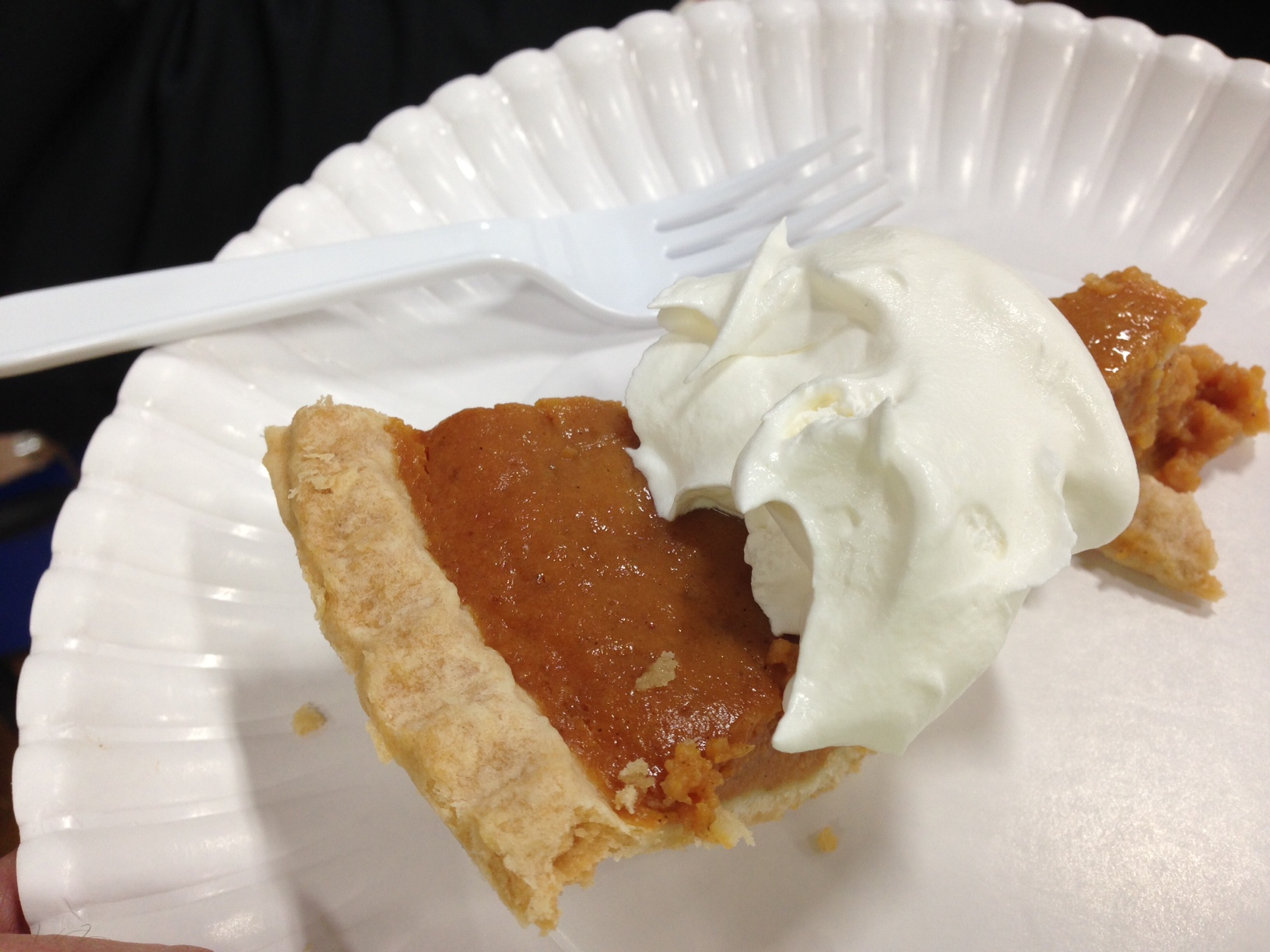
The Pumpkin Pie ride anticipated our cravings. We're not always that lucky.

The Pumpkin Pie ride anticipated our cravings. We’re not always that lucky.

Having recently finished the Pumpkin Pie ride in Ottawa, Illinois it occurs to me the absurdity of riding 63 miles for the “right” to eat some pumpkin pies is a little silly. But we do it for that very reason. Silliness and food sort of go together in the worlds of those who run and ride.

Marathon du Medoc

Some of our cravings are calculated, like our ride for pumpkin pie. There are a whole spectrum of food-oriented runs where the rewards are chili and chocolate cake and beer and pizza.

There’s a marathon in France called the Marathon du Medoc that describes itself this way, “Few marathons are in a class of their own. Le Marathon des Chateaux du Medoc on September 7, 2013 is one. Routed through 59 vineyards in the fabled villages of the Medoc region, this event appeals to the true connoisseur of fine runs. Where else do they ask you at the aid stations, “red or white Madame?” Thankfully there is plain water if you so choose.” Watch a video.

Impromptu food cravings

Sure, it would be great to travel to France next September and see if you can handle running a marathon tanked on wine. But the real test of spirit(s) is when you’ve gone out for a long run or ride on a weekend only to find you’re about a pint short on water and a PowerBar short on food.

Then you have to limp or bonk your way home, somehow managing to make it to your own, precious front door.

What do you crave then? 

At the end of one 12-miler in which the cold air and wind combined to suck the energy out of my very soul, it was cheese that I craved when I walked in the door. Heading straight to the refrigerator, I could almost taste the sharp cheese that awaited my palate. A knife was unnecessary. I opened the wrapper, took several hungry bites and felt the minerals or calcium or whatever it was in that cheese that I needed go straight to my system. Like a drug.

Chocolate has elicited the same craving in me during a long ride. You pedal those last 20 miles quietly promising yourself that when you’ve finished and managed some small talk and put the bike away, you will drive straight to 7-11 or some other venue and buy the richest chocolate you can find. Preferably dark and thick, if you please.

Or maybe you need meat, or is chocolate milk your After? Pickles? Nachos? Beer? Cravings are almost unlimited and indiscriminate.

Cravings are weird

True cravings for food while you’re working out are probably chemically based. Wikipedia’s half-assed explanation at least partly satisfies our craving for understanding about food cravings. “A food craving is an intense desire to consume a specific food, stronger than simply normal hunger.[1] According to Marcia Levin Pelchat “It may be the way in which foods are consumed (e.g. alternating access and restriction) rather than their sensory properties that leads to an addictive eating pattern.”

There’s a hint in there about the psychology of food cravings in those who run and ride. It would appear that the act of deprivation is a strong motivator behind food cravings. Which means your desire for a particular food may be felt in direct proportion to the distance you still have to cover.

It’s all well and good if you take food with you, of course. Today’s distance runners look more like pack mules than athletes. The belts around their waists and water carriers slung to their backs carry enough nutritional fortification to last an astronaut a week in space.

So food cravings may seem a little Old School, but not really. It’s one of the principal laws of the universe that we will always crave what we cannot have. You could strap and entire grocery store to your back for a run or a ride and still you’ll want the one item your portable store does not have. You can guarantee it.

Perhaps you’ve had an experience with cravings that has turned out rather interesting. So tell us, runners and riders: To what cravings have you succumbed over the years?  Hit reply and share you story with more than 500 other people who run and ride and subscribe to this blog.


Posted in We Run and Ride Every Day | Tagged , , , , , , , | 2 Comments

Cycling pirates

By Christopher Cudworth 

A merry band of pirate (not bandit) cyclists gather at a rest stop port on the Pumpkin Pie Ride in Ottawa, Illinois.

A merry band of pirate (not bandit) cyclists gather at a rest stop port on the Pumpkin Pie Ride in Ottawa, Illinois.

All cyclists are pirates, of a sort, riding by one Code or another. Some are road cyclists where the Code dictates sharing the burden on the pulls into the wind. Others are triathlete pirates where it’s every man or woman for themselves on those twitchy ships we call “tri-bikes.”

Drafting is against the rules in triathlon. Thus the tales or riding in the wind are not just legendary among triathletes, they are legion. “Can you imagine what the winds on Kona must be like,” one IronWoman says as we pull through 20 miles of headwind on a ride down by Ottawa, Illinois.  I look over at her. She’s a good rider. Slung low on her Cannondale Slice tri-bike she cuts through the wind without complaint. Triathletes can be big complainers as a matter of jest, but when the going gets tough they generally shut up, put their heads down and ride because there’s a job to do. For better or worse.

They’re quite used to training without benefit of a group or an audience and that’s especially true for those who do the half Ironman and Ironman distances. You simply can’t train all those miles and expect someone else to be there with you all the time. Sometimes that has a cost, or perhaps it’s the other way around in which the cost produces the effort.

Open Seas

In that way the triathlon is rather like an allegory for marriage. It’s made up of so many moving parts; stages, transitions and the race as a whole is a test of will. Yet the goal is to keep it together and make it work in the long haul. That’s not always easy.

Which is probably why a fair amount of people who discover the sport of triathlon also seem to find a new current running through their lives with a force much like the pull of the Gulf Stream beckoning them on.  If the pull becomes sufficient they really do become a pirate of a sort because life begins to be seen through something like a different code of existence.

It all reminds me of a song by Rickie Lee Jones, called Pirates:

Joey live on the edge of the corner

Of living on the run

I like to ride in the middle
I’m just tryin to have some fun
Until the pirates come
And take me

It happens. Pirates just try to have fun but life has a way or pushing back in ways that makes the wind feel that much better.

Open Roads

That is why it is so nice to get out on the open road where the shit that happens like a flat tire or a long pull into the wind with a band of fellow pirates can feel a lot better than the shit we all deal with in a lifetime.

We’ve come together for a 63-mile ride in the swells of north-central Illinois for a change of pace. Triathlon season is over for the lot of our riders, and criterium season for me, although I raced just once all year, riding off the front at the start like a pirate maniac, doing two laps at full sail for 26 mph and pulled over.

photo (2)

Open Minds

I know exactly why I did that. For quite some time I’d been marooned an an island not out of choice but of necessity. A pirate’s mind gets a little restless with nothing but the passing clouds for company. The manic pace was the product of a mind that had spent too much time talking to itself. But at least I had not started to answer too. I sailed through that madness to get to the other side, and a newly opened mind.

Open Mouths

As we pull over to rest at the 42 mile point of the 63 mile Pumpkin Pie ride, there is no question the October wind is going to be a fierce companion on the way home. The final run will take us 21 miles straight into the teeth of a southern gale. So the crew takes a vote: If we’re going to work that hard, we might as well take a rest on the harbor of a rest stop and eat. There are pulled pork sandwiches to ingest, and cookies, potato soup and hot chocolate.

Yet if Heaven is pigging out on free food during a cool autumn ride, Hell is knowing you are probably actually gaining weight as you go. Sure enough, my scale on Monday morning shows a 3-pound gain. But that’s the reality of the Open Seas: even a good ship takes on water now and then.

Open Season

I can’t feel too bad about a little potential weight gain because the captains of many bikes on the Pumpkin Pie Ride are definitely too big for the raft and too slow for a draft. Yet you develop an admiration for anyone who sets out on open water when the winds are high. There’s simply no sense or good faith in judging others lest the Great Judge of All render your own fate. Even the best pirate had better remain humble, for we ply a fearsome trade out in the wind.

Open Air

It really does take a bit of courage and work to live outside the laws of smooth sailing. Our bikes are sharp and expensive like small ships that only we can steer. So we band together and follow the currents of our lives until they steer us elsewhere. As we talk about those ocean paths, a new Code kicks in. What gets shared at sea stays at sea.

And I won’t need a pilot
Got a pirate who might sail
Somewhere I heard far away
You answer me
So I’m holding on
To your rainbow sleeves

You've got to love what you do, even if it's being a pirate.

You’ve got to love what you do, even if it’s being a pirate.

We love what we do, for better or worse. For richer or poorer. In sickness and in health. We learn there is more than one kind of vow in this world, a Pirate’s Code. We swear allegiances forged on conversations in which souls are bared. When we change shirts the others stare at the marks of 50 lashes and wonder, “How did they survive that?”

But we do. Even in the present the wind is known to shred the sails of hope and so we learn to pull in the canvas at times of great risk. But we patch them up and pedal on.

Well, goodbye boys,
Oh my buddy boys,
Oh my sad-eyed sinatras
It’s a cold globe around the sea
You keep the shirt that I bought ya
And I know you’ll get the chance to make it
And nothin’s gonna stop you
You just reach right out and take it
You say – so long, lonely avenue
So long lonely avenue

Just rewards. The Golden Pie.

Just rewards. The Golden Pie.

When it’s over and the girls have changed from funky bike shorts to cute shorts and skirts, shedding clothing between cars where fearless pirate girls change clothes without fear of showing lady parts, it all feels right and whole, being a pirate. So it is again a merry band walking up the street toward the pumpkin pie that is our promised reward, a slice of life, and pirate food in a home port.

I’ll see you there
Wait ’n see
Be lookin’ for me
Just like you
Just like me

We haven’t solved all the world’s problems or even all of our own this fine October morn. But we have sailed together and seen the rolling sea that we have navigated on intimate terms to discover yet another facet of ourselves with an outlaw joke or two thrown in for good measure. Pirates love a good laugh along with strong grog, hearty fare and a tailwind on the speeding loop back into harbor. But above all, pirates love other pirates. Ahoy, me mateys.

WeRunandRideLogo


Posted in We Run and Ride Every Day | Tagged , , , , , , , , , , , | Leave a comment

When it comes to running and riding, everyone is gay

A couple tweaks upon publication. Let me know what you think!

Christopher Cudworth's avatarWe Run and Ride

What else should I be? All apologies
What else could I say? Everyone is gay
What else should I write? I don’t have the right
What else should I be? All apologies

–Nirvana, Kurt Cobain, “All Apologies”

A longtime friend recently responded to a blog I wrote about sentiment on the website RedRoom.com that she has been feeling increasingly sentimental about certain things in life. She’s always been one to try to appreciate friendships and has a deep respect for love and hope.

She dated a lot of younger men for the fun of it after her divorce. Now she’s in a second marriage that has lasted years with a man she labels “gorgeous.” I like how she says that word. Gorgeous. She really means it.

She also happens to still love her first husband and they remain close as friends. Life is what you make it, but life is…

View original post 3,117 more words

Posted in Uncategorized | 1 Comment

When it comes to running and riding, everyone is gay

What else should I be? All apologies
What else could I say? Everyone is gay
What else should I write? I don’t have the right
What else should I be? All apologies

–Nirvana, Kurt Cobain, “All Apologies”

Is love an orientation or a choice?

Is love an orientation or a choice?

A longtime friend recently responded to a blog I wrote about sentiment on the website RedRoom.com that she has been feeling increasingly sentimental about certain things in life. She’s always been one to try to appreciate friendships and has a deep respect for love and hope.

She dated a lot of younger men for the fun of it after her divorce. Now she’s in a second marriage that has lasted years with a man she labels “gorgeous.” I like how she says that word. Gorgeous. She really means it.

She also happens to still love her first husband and they remain close as friends. Life is what you make it, but life is also what it makes you.

My friend is not all apologies. Not for who she is, or who she was, or what she’s done in life. It turns out that being sentimental about love can actually be a practical, logical thing, a way to make things right in the long run. She’s turned her early loves into cherished experience. How much smarter or prescient can you be?

Parallels

The experiences we gain from running or riding are much the same in the manner with which we fall in love with a sport.  It’s just like you do with a woman or a man. The intensity of that love may change or mellow with time. We grow with that, looking back fondly on the experiences gained from our indulgences as well as our discoveries.

The really interesting convergence between relationships and running and riding is in the category of lust and obsession. In the book Hotel New Hampshire by John Irving, we find one of the main characters struggling with identity and motivation in life. His wrestling coach gives him advice meant to cross all categories of endeavor, and how to succeed. “You’ve got to get obsessed and stay obsessed,” the coach tells his young wrestler.

Wrestling turns out to be an allegory for the manner in which we all wrestle with challenges in life. The same holds true for running and riding, and sex, and love, and identity. You really can’t know how good you are, or who you really are, until you’ve pushed yourself to the point where something in you actually starts to give out.

A young man I know once turned to me and said, “I feel like I’ve got a weight on my chest all the time. I don’t know why.” But deep down, he did know why. He was wrestling with his true sexual identity. He ultimately “came out” as gay, and the weight was removed. Imagine how life felt after removing that weight? The world opens up. You feel light again. Gay at heart in all the right ways.

The Long Run

A well conditioned stride makes you faster.

We run to find ourselves.

We all wrestle with aspects of our identity. Some of us run and run and ride to find out who we really are. Is running and riding a part of our identity in the same way that sexual orientation manifests itself? Let’s examine the issue.

Perhaps you recall the character Forrest Gump? He developed a legion of followers that ran in his footsteps because his painful reticence and running dedication seemed like a search for deeper meaning. They were wrong.

One day, in the middle of a desert road, Forrest finally stopped, turned to the joggers trundling along behind him and said, “I think I’m gonna go home now.” And that was it. Forrest had reached a point where running, by itself, was no longer the answer to his search for identity. It certainly played a role in self-revelation. But it was not the only thing. Nothing ever is.

Jumping in and out

I know another friend whose competitive cycling career was quite impressive. He raced CAT 3 for more than 8 years, winning races at what amounts to one of the top tiers of the amateur cycling world. Then one day he had had enough and put his bikes away, bought a block of skydiving jumps and spent the next 6 years flying around the sky in as a parachute jumper. His identity had shifted from one thrill-seeking activity to another.

Identity and identification

Those choices are very different than the gender orientation of millions of individuals. Yet some cynically say that being gay is a “lifestyle choice” similar to participating in sports or any number of other obsessive activities we choose to occupy ourselves.

Honey has its own sweetness.

Honey has its own sweetness.

It is not the same thing. Our orientations are hard-wired into our personalities. We know this because the same thing holds true with the degree two which our sexual personalities are expressed. Some people with a heterosexual orientation can’t get enough sex no matter how they try, while others who are hetero could not really care less how often they have sex at all. Those differences are genetic, and hormonal and human. That’s all.

We also know that there are people whose genetic makeups are not clearly defined by orientation or by gender. Transsexuals are often forced to “make a choice” about their sexual identity because it is simply too difficult to function in society when your gender is not defined. The rules of identity don’t bend that easily, and it makes people uncomfortable.

So there is a keen difference between identity and identification. Our identities stem from how we are genetically defined, while our identifications are borne of choices we make to indulge and express ourselves.

Biblical notions

The Bible is often used to confuse sexual identity with identification. We are now learning that the passages often used to ostracize gay people in society are not cut and dried condemnations of people who are gay. For example, the famous story of Sodom and Gomorrah has long been interpreted to castigate gays as the principle instigators of proposed abuse toward a band of visiting angels in those cities. But gays are actually only a component of the prodigiously exploitative and appetite driven nature of the town. That point is tellingly revealed in the passage where Lot offers up his own daughters in exchange for protection of the angels. See for yourself:

19 The two angels arrived at Sodom in the evening, and Lot was sitting in the gateway of the city. When he saw them, he got up to meet them and bowed down with his face to the ground. “My lords,” he said, “please turn aside to your servant’s house. You can wash your feet and spend the night and then go on your way early in the morning.”

“No,” they answered, “we will spend the night in the square.”

But he insisted so strongly that they did go with him and entered his house. He prepared a meal for them, baking bread without yeast, and they ate. Before they had gone to bed, all the men from every part of the city of Sodom—both young and old—surrounded the house. They called to Lot, “Where are the men who came to you tonight? Bring them out to us so that we can have sex with them.”

Lot went outside to meet them and shut the door behind him and said, “No, my friends. Don’t do this wicked thing. Look, I have two daughters who have never slept with a man. Let me bring them out to you, and you can do what you like with them. But don’t do anything to these men, for they have come under the protection of my roof. 

See, the custom in some cities in ancient times was that strangers were fair game for abuse of all types if found out on the streets after dark. But God did not like that little tradition because it was a sin of power and dominance. Abusive customs also thwarted respect and equality (of souls) in the eyes of the Lord.

It’s obvious in reading this biblical excerpt there was not any particular sexuality in question. Otherwise why would Lot offer up his two female daughters for sport if the only sex in which the abusers were interested was homosexual?

Gay people became scapegoats in the story of Sodom and Gomorrah for a very common reason. People of heterosexual origins did not (or could not) imagine themselves as potentially complicit in the highly charged and sinful behaviors of Sodom and Gomorrah.

So they blamed gays for the whole lot.

Scapegoat psychology

The dynamic of scapegoats is the same manner in which Jews for centuries have been accused of killing Jesus. The editorial slant in scripture was positioned so that Jews as a race could be scapegoated in calling for Jesus to be crucified.

But anyone who reads the Bible with even a shred of awareness knows that the point of the Passion narrative is not that Jews killed Jesus, but that any group of people can be turned into an ignorant mob when religious power is in force. Technically it was the priests of the day who organized the death of Jesus. These were men so obsessed with their own legalistic power and authority they refused to acknowledge love as the final authority. Instead they sided with the advantages they conferred upon themselves, which constituted wealth and power. In assuming they were protecting God, they were actually protecting their earthly position in life.

That pattern of religious abuse remains today with many types of religious authorities. These include entire religious denominations as well as TV evangelists rolling around in the financial contributions sent in by their gullible viewers.  It really is no coincidence that we hear from them the same sort of vehemence that drove religious leaders in the past to wield their authority against anyone they considered “the other” and “apart from God.” Pat Robertson and his ugly declarations that gays bring down the wrath of God  on American with hurricanes and earthquakes is just one example.

It is the ultimate irony–some say in all of history– that the so-called “protectors of God” are often those farthest from the truth right in front of their eyes.

Yet there is hope. Most recently Pope Francis shocked the modern day Pharisees with this statement about gays: “A person once asked me, in a provocative manner, if I approved of homosexuality. I replied with another question: ‘Tell me: when God looks at a gay person, does he endorse the existence of this person with love, or reject and condemn this person?’ We must always consider the person.”

Now there’s a pope that Jesus could understand and respect.

Power and authority in the modern world

We’ve all seen people who can’t seem to tug themselves away from the flames of obsession and the power it often vests in them. Society tends to fascinated with anyone who seems able to stand in the flames of public adoration and not get burned.

A certain cyclist sporting a yellow wristband of his own device fluttered around the bright lights of the Tour de France for 7 full years while most of us looked on, transfixed by his apparent radiance. We lusted vicariously for his victories, turning him into an almost Christlike figure who could do no wrong.

But in the end, it turned out to be unsustainable. Now he’s supposedly banished and disgraced as a man and as an athlete, dismissed from the very sport that once defined itself by his accomplishments.

But what’s the real moral? Yes, Lance Armstrong was cheating to get what he wanted. That’s a basic fact. But so was the rest of the peloton. So rather than blame Lance for the entire enterprise of corruption and abuse, scapegoating him along the way as gays were scapegoated for the the lusts of Sodom and Gomorrah, perhaps it is time to step back and consider that Lance Armstrong was no more culpable than the rest of cycling. He just knocked on the door a little more loudly than the rest of us.

Cycling was a modern day Sodom and Gomorrah. Everyone was doing it. Lance was just doing it best, and we followed him all the way to the door of Lot before realizing there was deceit and corruption going on all around us.

It turns out much of the world is structured the same way. Our financial and political leaders are just as lustful and greedy as our former favorite son Lance Armstrong, whose character once represented the best of American motivations and turned out to be everything the French rightly hate about us. In a biblical sense, the French played the character of Lot, but we were cheering too loud to hear ourselves think, “Is there something wrong with this picture?”

Of character and national expression

Now the French have one of the top health care systems in the world, ranked Number One for health care quality by the World Health Organization. America for all its supposed exceptionalism and free market savvy languishes down around 37th overall.

It’s rather interesting that France, a country famously ridiculed by many Americans actually believes in taking care of its people while America is in a huge fight over a law called the Affordable Care Act passed by the House and Senate with all legal functions in place, now the center of “controversy” and hate.

Republicans have even shut down the United States government in protest over the health care refrom law, which does simple things like eliminate exclusions from health care based on pre-existing conditions.

The issue is much bigger than the health care law alone. There is hatred for Obama as vicious as anything in history .Short of yelling “Crucify Him!” the modern day Pharisees in Congress have rallied mobs with Tea Party slogans to the steps of the White House, however ironic that name may currently sound.

Biblical prophecies

It’s no coincidence therefore that gays are still being scapegoated by conservative power-brokers who want to blame gay people for everything that’s wrong with America. It all fits with an attitude of control among people actually willing to take the whole country down in order to get their way on something they don’t like, which happens to constitute protection for people who get sick and can’t afford health insurance. So whose side are they on? They’re own, obviously, and the benefits construed upon them by those who contribute to their election.

Think about that: How on earth can we not recognize what’s going on here? The signs are all around us that zealots the world over, be they Muslim, Christian, Jewish or whatever, are waging a constant battle against the rest of us to fall in line with their legalistic worldviews that are exclusive, prejudiced and unloving toward us all.

If you get the drift of where this is going, we are all being made into scapegoats of one kind or another by zealots who can’t exist in this world without castigating people for their true identities by trying to force the rest of us to identify with their narrow and narrow-minded view of normalcy.

Everyone is gay

In that context, all of us are gay. Every one of us is gay in the sense that we are all being pushed to accept something that is not normal. The zealots want us to replace our very normal identities as people who are liberal, open and tolerant toward the rest of the human race with a worldview that is fearful, close-minded and selfish. It’s sick.

I am even willing to contend that all of us has some of that gay gene in us that is the subject of so much fierce debate. Some deny it with such vehemence that they are driven to persecute others in an attempt to suppress it in themselves. Some even postulate that St. Paul himself was gay, and that the “thorn in his side” of which he spoke was actually homosexual “tendencies.” His dichotomous early life and persecuting Christians only to become the ultimate provocateur in favor of Jesus suggest a highly conflicted man, but also one with great insight and sensitivity. It’s almost as if he were gay in a so-called good way. That’s not ironic.

Choice words

It’s all nonsense if you think about it. Orientation is not a choice any more than being born is a choice. Life itself is a pre-existing condition. So whether you consider being gay a flaw or a disease, a lifestyle choice or a cause for celebration, what matters is that history has shown that gay people have always existed and will always exist. Being gay is as much a part of being human as breathing and eating.

Trying to erase gay people from the earth is the work of sociopaths like Adolf Hitler, who not coincidentally viewed being born as a Jew as a character flaw.

So who shall we believe and trust? Do we hold court with the Hitlers of the world and Christian conservatives who continue to persecute gay people with the same disturbing fervor, denying civil rights to gay people and protesting the idea that people of the same sex can get married? The same ugly arguments have been used against blacks in America. Choice words and prejudice drive these tendencies founded on a literalistic worldview that values law over love.

The real choice is clear: We either accept humanity all or nothing or we stand accused of false judgments. Who is capable of parsing out the right and wrong in an orientation. No one has that insight. Turning a few words of the Bible into a black and white condemnation does nothing but make the accuser a more angry, stupid and determined person. That is the ugly tarsnake of scriptural truth. A beautiful thing can be turned into hatred so easily. And for that there are no apologies sufficient to make up for the fact of persecution toward others.

Kurt Cobain was right in his song No Apologies. “What else can I say, Everyone is Gay…”

Run and ride to unanimity

The great thing runners and riders have to offer this world is unanimity.  That is, agreement by all people involved; consensus.

All you have to do to experience unanimity in all its fine expressions is to attend a race or event as a spectator or a participant to see that people are at once created equal and also responsible for their own identity. We cannot discriminate by identity or by identification, by ability or by orientation. Humanity is unanimity.

Not everyone is the same type of runner or rider. Some excel at their chosen sport while others slug along, doing their best to go a little faster or a little longer.

But that’s not the real point. The real point of running and right is unanimity: an agreement by participation in society that all levels of accomplishment and identity are the real goals of human endeavor, especially among those who see beyond ideology and find the theology of human joy and gay feelings that come from knowing you are loved, accepted and redeemed by the grace of loving others. Of all orientations.

Now go out there and run and ride, with pride.

Post script: 

“But I felt certain that if the world would stop indulging wars and famines and other perils, it would be possible for human beings to embarrass each other to death. Our self-destruction might take a little longer that way, but I believe it would be no less complete.” —John Irving, Hotel New Hampshire

WeRunandRideLogo

Posted in We Run and Ride Every Day | Tagged , , , , , , , , , , , , , , , , , , , , , , , , , , , | 1 Comment

10 Great Ways to Maintain Motivation and Improve Results from Morning Workouts

10 Great Ways to Maintain Motivation and Improve Results from Morning Workouts

By Christopher Cudworth

Even the tarsnakes are golden at 5:30 in the morning.

 Getting up early to work out is both a science and an art. Having conducted many failed experiments in the science and art of morning workouts in a hundred ways, here are guidelines gleaned from successful strategies that now drive the fervor. See you on the early morning roads!

The Science of morning workouts

The science part comes from being ready to work out early in the day. Preparation is key because when you roll out of bed you can’t afford to be chasing down socks or shoes or biking gear like helmets or lights. The science of getting ready is in knowing what you need and setting it out the night before.

The Art of morning workouts

The art of early morning workouts has to do with motivation. It is easy in the closing hours of day to imagine yourself getting up at 5:15 a.m. to run or ride or swim. But when the alarm goes off and you roll over to turn it off, that warm and cozy bed holds you in its clutches. At times it seems impossible to escape.

That is when the art of motivation is so critical to your success as an early morning workout person. What follows are helpful hints to build that motivation into your brain structure.

The Tricks of the Trade

There are a few tricks to consider in getting yourself up and out of bed every day.

#1. Have an event lined up that keeps you motivated.

Getting up to work out in the dark can be tough but having something fun to look forward to can make even the tarsnakes look golden for early risers.

Getting up to work out in the dark can be tough but having something fun to look forward to can make even the tarsnakes look golden for early risers.

You don’t have to be a big time racer to get motivated for early morning workouts. Yet it does help to have a ride or run or race on your calendar. Preferable it’s a little bit of a test of your fitness, or a commitment you’ve made to others in terms of a fund raiser or a friendly commitment to ride a century or run a half marathon or marathon. That way, when you roll over in bed there is a little voice that says, “Ah ah aahhhhh. No going back to sleep. You’ve got a commitment to keep.”

#2. Look at yourself in the mirror the night before.

Since most of us are not walking around in perfect shape or peak fitness all the time,  you can really gain motivation by looking in the mirror each night before you go to bed. That way you say to yourself, “I really need to get up and work out tomorrow, because I need it.” It also works the other way around. If you’re on a fitness roll and can see the results in the mirror, there’s no better motivation in the world.

The former is admittedly negative reinforcement while the latter is positive. While we’d all likely Jones on choosing our fitness rather than working so hard for it, it’s best to be realistic about where you are. Turn the negative of body image into positive motivation and be sure not let your guard down if you’re looking and feeling great. One sudden injury or too many skipped morning workouts puts anyone back in the negative results bucket.

#3. Keep a chronicle of your workouts, and vary your routine.

Write it down. Somewhere.

Write it down. Somewhere.

Give yourself gratification in recording your workouts somehow. Use your smartphone, computer or plain old handwritten journal, but whatever you do, write that workout down after you’ve gotten up to work out in the morning. That early affirmation is a great way to start the day.

Make sure however that you don’t fall into a rut with your morning workouts. If you’re getting up early every day to work out, be sure you go “hard day-easy day” to allow recovery. Also, if you put in a hard speed workout or a long weight session, your body actually needs two days to recover. The “day after the day lag rule” (Marty Liquori) always applies. Don’t injure your self by coming back too quick after a hard workout, and vary your pace, weights, routine and keep track so you don’t forget. That’s what workout journals are for.

#4.  Have a workout partner. Even if it’s that person in the reflection. 

Some people just do better when they meet up with another person to train. That’s especially important if you are an early riser. Knowing your buddy is jogging in place down the corner waiting for you can get you out the door each day and on time.

If you’re a morning loner with no choice but to work out on your own, it can really help to have a mirror nearby in which to check your form or give you feedback on the fact that you’re up and at it. Take advantage of the internal narcissist.

I like to run or ride past a long set of windows on an office building where the reflection shows me how I’m doing in terms of running and riding form. In a way, it’s also like you’re no longer alone.

#5. Reward yourself

After you’ve gotten up to workout at 5:00, go buy something good and healthy to eat on the way to work or whatever calls you next in your day. Don’t erase the benefits of an early workout by loading up on calories, but a slightly sweetened hot or cold iced tea is good, or a sip of good coffee and some fruit can start you off right to feeling good about yourself all day.

#6. Be reasonable. And realistic.

GoldensewerIt may not be possible to get up every day of the week to work out early in the morning. Be forgiving if your body demands rest. There’s no sense making yourself sick by getting so overtired you catch a cold. Plus, you may have commitments that need to be met. The unsettled feeling you get when there are 10 things asking for your time and you’re ignoring them all in favor of a four-mile run is not good for your head. Better to clean up some of the obligatory clutter and do a better quality workout the next day than to drag along unrealistically hoping your problems and commitments will go away. Flush those feelings and move on.

#7. Go to bed on time, and on schedule.

Getting your body into a rhythm that enables you to work out early in the morning requires discipline in habit and in spirit. If you’re getting up at 5:00 a.m. tomorrow you likely need to get to bed by 10 a.m. to get a basic 7 hours of sleep. That means no sloughing around the couch while The Daily Show runs through its paces. Because if you allow yourself to stay up too late the morning hours and your wakeup alarm will feel like it arrived too early. Then it’s too late to recover and too late to change.

#8. Be safe.

There are other practical considerations as well, such as having safe routes for early workouts. That means safety in terms of actual movement and safety for women or men who workout where threat of physical harm from strangers is possible. While the numbers of women runners continues to increase, safety is still a top priority especially for women. That’s why a treadmill or a bike trainer can be a better alternative than hitting the roads or parks in the dark. A health club is the ideal place for women and men who want to work out in a controlled environment. It’s not for everybody, but for many it is the ultimate safe venue for fitness any time of day.

#9. Be Amazing.

Surprise and amaze yourself. When you get your body into a groove of early morning workouts it will cease to feel early at all, and you’ll amaze even yourself how good it feels to get up when the rest of the world is asleep. Often you have the streets to yourself, and only a few fellow souls out there doing their best to keep in shape.

But when it comes to quality workouts, there is no physical or mental reason to back off or feel as if you can’t perform your best just because you are up early. The body needs to adapt to early morning performance because that is when races often take place. So don’t save the “hard stuff” for later in the day. Go hard and get fast! That mental and physical rehearsal will serve you well come race day.

#10. Be Yourself

If your partners are forcing you to go too hard or too easy on your morning workouts, be yourself. It does you no good to get up that early in the morning and be stressed or not satisfied by your efforts. Be honest with yourself by being honest with your partners if you’re feeling at odds with your program. Perhaps you compromise by doing half the workout with them and moving on by yourself.

If you’re working out alone as is often the case, it also pays to be honest with yourself on each day’s effort. Feel great? Let it rip. No so sharp? Go slower or shorter and live to train another day.

You’re in it for the long term even if you’re getting up early to get a head start. On your program. On your day. On your goals. On your life.

Early is good if you can make it work. Now get out there and shine.


WeRunandRideLogo

Posted in Tarsnakes, We Run and Ride Every Day | Tagged , , , , , , , , , , , , | 2 Comments

It’s no stretch to say that yoga makes a difference

By Christopher Cudworth

Zen fern. Midway into a third-ever session of yoga, I glanced over to see the sculpted shoulders of the female companion who led me to try the whole yoga enterprise at a beautiful little studio called Shine, and I whispered a quiet “Thank you” to her without disturbing anyone else in the room.

Alternative forms of exercise are good for you. They take you out of your so-called comfort zone. Some of us have years, even decades of ingrained habits to work through in our exercise histories. These histories are our habits of mind. Habits of body.

But really they are the Habits of Hobbits. Some of us never venture out of the Shire to see what the rest of the world holds. We run and enjoy it. Ride and revel in it. Some even swim to see what that holds. But then it stops. It does not have to stop there. We can grow. And so it begins.

Looking back to see ahead

I used to go out dancing and drinking until 1:00 a.m. and then get up and run 20 miles on Sunday morning. It loosened you up, all that dancing.

Which is important, because typically runners have all the flexibility of a car spring in winter. That’s not good.

IMG_8951Inflexibility and particularly shortened muscle groups can lead to injury if you don’t do something to counter all that internal tension. Stretching for runners used to involve a set of exercises we all did religiously. One of them was called the “hurdler’s stretch.” It involved sitting on the ground with one leg bent back at an angle as if you were soaring over a hurdle.

Except that you weren’t. We’d bend forward in that odd way runners do when they’re actually very stiff and don’t really know what they’re doing, back bent, body twisted and trying to touch our toes but seldom succeeding. After that we’d get up and run until we hurt ourselves again.

The past is in inflexible thing

I was a hurdler of sorts. My race in college was called the steeplechase. It involved running 3000 meters, navigating 7 water jumps and leaping over 35 intermediate hurdles built from 4” X 4” solid chunks of wood. You either made it over those barriers or you did not. Flexibility was at a premium. If you dragged your back leg it would knock on that barrier and it hurt. Tons.

Colorful SumacThere was just one problem with my steeplechasing career. I have a long torso and that’s not ideal for hurdling. Think about it. The taller you are from the waist to the head the more you have to bend forward while reaching toward you toes with the opposite hand while dragging the opposing leg behind you. All at 5:00 per mile pace. Yet I managed to run 9:19 even though my left calf was chronically strained from using it as the lead leg on both the hurdles and the water jump, which involves jumping over a pit that begins at 2.5′ deep and angles up to zero depth. Usually you landed with one specific foot to keep the other shoe dry. Does that make sense? Don’t know. That’s how we all did it. So you tended to abuse the hell out of one leg in that race. Those injuries add up. Sometimes they last years, or never go away at all.

The sad, sick thing is that no one knew a damn thing at the time how to increase your flexibility for real. Stretching involved bends and twists before you went out and ran. But that never made any real sense. You can’t stretch muscles that aren’t really warmed up. So we’d run 3 miles and then stretch, which was marginally better, but still didn’t increase our actual flexibility.

A whole new world

Enhancing flexibility requires a whole different strategy. And that’s where yoga comes into the picture. Yoga is basically an ancient form of physical therapy. Developed in absence of fancy tools or weights, yoga makes use of  organic implements like firm pillows, an occasional strap for the truly inflexible and a mat on the floor so you can lengthen while you strengthen muscles and joints.

There are also fun foam blocks to use, like you’re in kindergarten, and small rubbers balls on which to stretch out your feet. Then there are low lights and a cozy room, instructors that guide you through the journey and help you ease out of the intensity when it’s all through.

The key word mentioned in the paragraph above is strengthen. It exists in parallel with the other important aspect of yoga, which is to lengthen. These are the yin and yang, as it were, of yoga.

A snowman keeping cool in the shade.

Yoga strengthens your body through balance and natural course resistance. Many times as you go through a yoga session you can feel parts of your body in opposition to each other. That means you are out of balance in some ways. Muscles are too short in one place or another, made stiff by sitting in chairs or running dozens of miles at one pace or in one activity. Cyclists tend to build up tension in their lower backs, of course, and tightness in the hips from hours in the saddle. Yoga helps you work through all that. It calls you to a new place.

For years I’ve known that my left leg is slightly longer than the right, and that my pelvis slips forward on the right side as a result. Lower back problems including sciatica sometimes flare up from too much driving. You know the drill. We all have our biomechanical flaws. But if you let them persist, they can drag you down. So it’s best to find solutions rather than a runaround, as it were.

Hints of insight

It happens that during my own little history there came a turning point that was a good preparation for yoga. During an intensely busy period of life it became necessary for me to develop a set of exercises that built strength without having to go to a gym. So I did a little research and borrowed some exercises from the physical therapy routines I’d done to rehab a torn ACL and that became my morning or evening routine. It worked. The exercises involved a plank, pushups, knee exercises, lunges and other movements that gave me balance and raised the heart rate even when I did not have time to run or ride.

Then one morning it happened. While relaxing from a one-minute plank, I bent back into a “pose” where my butt rested on my heels and my arms reached forward like a stretching cat. For some reason that pose felt really natural and good. So I stayed there for several minutes, just breathing. In those moments the stresses that had been pressing down on me seemed to flow out onto the floor. My mind cleared.

The Child Pose and transformation

So it was much to my pleasant surprise in a first yoga class to find out that pose has a name, and a purpose. It is called The Child Pose. The name does not matter, and to people outside yoga the names sound silly. Like all things worth doing, the artifice of names and labels fades away when you’re in the moment, doing yoga.

It is a strange thing to be at once focused on yourself and yet not entirely in control of the next moment. You’re following instructions, or when more accomplished, inventing your own responses with variations based on their own body needs and expertise. Yoga is therefore not a “thing” as you might look at an exercise program, but a living thing. It transforms with you.

On balance

Yin_Yang_artIn the early stages where I stand tenuously balanced on one leg or holding a position where the muscles ask for relief but you persist for their own good, there is difficulty. But that’s the point. Yoga is a process of giving yourself over to a new reality, one in which your old body (both literally and figuratively) becomes transformed into something different.

That is why I’m there. To move beyond the crimped and limited flexibility of my past and present, and to lift my body and spirit into a new future. That required an activity that will keep me young in mind and spirit while complimenting the activities I love to do; run, ride and soon swim. That’s right, growth happens even though this blog still says “Sorry, no swimming.” That’s soon to change.

On growth

It’s all part of personal growth, this yoga thing. You either keep growing or you quit knowing yourself in the present.

Yoga is a way to reach for a better me, and a better you. Go ahead and reach. It feels good. Even when it hurts.

WeRunandRideLogo

Posted in We Run and Ride Every Day | Tagged , , , , , , , , , | Leave a comment

Choices that bring cycling safety to light

By Christopher Cudworth

photo (6)A recent pair of stories really struck home on the issue of cycling safety. The first chronicled the death of a cyclist at a busy intersection on Diehl Road, a heavily traveled frontage route along I-88 in suburban Illinois:

A 56-year-old Naperville woman riding a bicycle died after she was struck by a pickup truck Wednesday morning at the intersection of Diehl Road and Freedom Drive in Naperville, police said.

Shwuwei Yeh was attempting to cross Diehl Road about 7:25 a.m. when she was hit by a gray 2006 Nissan Titan driven by a 35-year-old man, Naperville police said Thursday.

A Naperville Fire Department ambulance transported Yeh in very serious condition to Edward Hospital where she died of her injuries, police said.

The name of driver of the vehicle was not released.

Death and anonymity

There’s a whole bunch of interesting things going on in the actual news story quoted above from the Chicago Tribune (9.26.2013).

But let’s start from the bottom and work up because there is a telling and somewhat compelling aspect to this story in which a cyclist was killed after being struck by a Nissan Titan truck.

“The name of the driver was not released.”

Well, isn’t that insterting? A woman gets killed on her bike and the driver’s name is not released.

Let’s give the benefit of the doubt here.

The cyclist may been at fault. She may have made an egregious mistake in trying to cross a very busy Diehl road at 7:25 a.m. The sun is at an acute angle at that time of day. The driver of the truck approaching the intersection may have struggled just to see the color of the traffic lights.

Or the cyclist might have miscalculated. If she did not anticipate the speed of vehicles on that stretch and did not get rolling quick enough it would be impossible for any driver to stop.

Sun blindness

This time of year the sun is at a particularly dangerous angle for drivers negotiating east-west roads. But let’s be honest. The sun can blind you any time of year if the angle of the sun at dawn is right over the road you’re driving. We’ve all encountered situations like

Click to enlarge photo. You can still hardly see details between the sun, a dirty windshield and early morning shadows.

Click to enlarge photo. You can still hardly see details between the sun, a dirty windshield and early morning shadows.

that. This photo illustrates typical lighting conditions at 7:30 in the morning in September. You have to look pretty close to even see there is a motorcylist in this photo at the center of the picture.

Cyclists show up even less.

Dealing with driving duress 

How you handle bad driving conditions depends on your experience and wisdom behind the wheel.

You may not technically be at fault for striking a cyclist with your vehicle in such situations. But even if the news story hides your name, you’ve got to live with the consequences of hitting or injuring and killing a cyclist with your car or truck.

So how do you prevent it? How can cyclists also protect themselves while using roads at the time of day when sun blindness or other adverse driving conditions occur?

Shared roads

Share the Road comes with a dose of smarts on the part of cyclists.

Share the Road comes with a dose of smarts on the part of cyclists.

Bicyclists are not the only ones at risk when sun blindness strikes. Motorcycle riders face equal or greater risk in sun-blinded traffic conditions. Often the tail lights on vintage bikes especially are insufficient warning to motorists behind a motorcycle.

Of course the same largely holds true on many bicycles. Even with advances in technology and brightness of head and tail lights for bikes, especially LEDs and blinking lights, rear tail lights can prove insufficient when the glare of the sun coats the dirty or moisture-laden windshields of many cars.

Making wise choices

Being alert on your bike to certain traffic conditions is also key. In circumstances where traffic is restricted to one lane with a limited shoulder, much of the burden for safety rides on the cyclist, who must gauge whether using that specific road at a given time of day is safe at all.

In single-lane road conditions you cannot afford to make assumptions that cars will see you at all riding inside the white line. Depending on pace and volume of traffic, you may not be visible if a vehicle such as an SUV blocks the view of a driver behind them.

There is not sufficient reaction time for most drivers to avoid a cyclist who pops up in their lane. That circumstance is possibly what happened in the September 26, 2013, death of Richard White, a cyclist who was riding on a narrow, rolling stretch of road next to a forest preserve when he was hit from behind by a Nissan Rogue:

(CBS CHICAGO LOCAL) A North Aurora man was killed Thursday afternoon when the bicycle he was riding was struck by a car in northwest suburban Batavia Township.

Richard White, 50, was riding a bicycle north on Nelson Lake Road in Batavia Township when a northbound 2009 Nissan Rogue struck the rear tire of the bike about 2:15 p.m. just south of Main Street near the entrance to Dick Young Forest Preserve, according to a release from the Kane County Sheriff’s office.

White was not wearing a helmet and appeared to be wearing headphones when the car struck the bicycle, according to police.

The 26-year-old woman driving the Nissan, MaMaxima Corazona Cardino Ty of the 2100 block of Howard Street in Evanston, was ticketed for failure to reduce speed to avoid an accident, police said. Alcohol, drugs and texting were not a factor in the crash.

Road evils

While it is a relief in some respects to find out that the Nissan Rogue driver was not texting or DUI, the fact that those conditions are even mentioned in the article reflects an overall pattern in accidents such as these. Distracted drivers are a menace to themselves and all others who use the roads.

Recent laws banning texting and use of cellphones while driving are designed to help the problem of distracted drivers. But people still text and use their phones in their vehicles as if they were driving a mobile office. We see it every day.

Now imagine you’re a cyclist pedaling 16 mph on a suburban street when a driver comes barreling up behind you with their eyes alternately on the radio and the text they just received. The road bends and the sun bursts from behind the trees at the very moment the speeding vehicle comes even with you and your bike on the road. The driver never sees you. Never knows you’re there. Suddenly you’re in the ditch and the driver is pulled over wondering what the hell happened. The first thing they do is dial their cell phone to call a friend and tell them “I just hit someone on a bike? What do I do?”

Comfortably numb

No one really knows what to do when they’ve struck a cyclist with their car because they never figure it will happen to them. Our lives are so insular with large vehicles and absorption in various types of technology that the organic visage of a cyclist pedaling along is foreign and annoying sight to a vast swath of citizenry.

Cyclists remain a population seen as “the other” on American roads, a notion that seems foreign to a European observer who analyzed American cycling infrastructure and found is stunningly lacking in forethought and safety. Our priorities still lie heavily with gas-powered vehicles and the people who drive them. Without a call to awareness and protection of cyclists, motorists feel no compunction to make respect for cyclists their business. All this is compounded by the crazily distracted manner in which Americans live their lives. DVD players in the SUV? No problem. GPS units in the dash? Not a worry. Smartphones?

You can quickly see your safety depends on you, and you alone.

Here are 5 quick rules to follow when making choices on which roads to ride, and when:

#1: Do not ride inside the white line when riding into the sun either East or West

#2: In conditions where there is more than one car passing every 30 seconds, do not ride on a two lane road without at least 1.5″ of shoulder.

#3: Always ride with blinking red tail lights on the back of the bike and it is preferable also mount a red light on the back of the helmet.

#4: When riding with one fellow rider or more, agree in advance whether to ride in single file or side by side. In a larger group it is imperative to communicate single file.

#5: Do not wear headphones or any other sound implement in high traffic areas.

You can’t be too safe

It all adds up to danger, and it all comes down to this. You can’t be too careful on your bike or even running on the roads. Drivers apparently have a tough time caring about how they drive. Many have literally forgotten the art and etiquette of separating hazards on the road. What a quaint notion. Isn’t that some crap we learned in Driver’s Ed long ago? Does that still apply?

The death of two cyclists within two days in Illinois may not be world-changing or even make the evening news where commuter-numbed brains of everyday drivers might dumbly acknowledge the story and realize they have a responsibility to look out for cyclists and motorcyles on the road. Yet the death of two cyclists hardly seems to matter unless we seek to heighten the meaning of these seemingly small events.

Giving name to our pain

If it was your husband or wife, child or sibling who got crushed by a Nissan Rogue or a Nissan Titan, it might matter a little more.

nissan_titan_moto_metal_mo956Or perhaps the muscular names we give our vehicles is an indication of our cultural obsession with power and the roads we use to express that power. Rogues and Titans are not exactly role models for consideration and moderation, now are they? Perhaps this pattern of robust ideological expression really is a reflection of how we conduct ourselves as a culture, our politics and our seemingly uncivil society. Everyone seems happy to take for themselves until the collective selfishness of a winner-take-all society hits them square in the rear wheel.

Suddenly it doesn’t matter what your politics or religion might be. When you’re flat in the ditch bleeding from the ears, the boneheads in Washington who neither respect the laws or the government they represent become real in a whole new way. You suddenly realize that our laws and how we abide by them really do matter. And if it isn’t the law that covers all things, then having the common courtesy to separate hazards should matter. It’s a basic quality of a good human being to respect the rights of others to run and ride on the roads we all own, and equally.

So it really does matter how we think and respond to life.

Be safe in the meantime

As for cyclists, to be safe you must take responsibility for how you ride. You must make choices that do not put you and your bike in fatal circumstances where your name becomes a headline and the driver remains anonymous.

It’s not entirely fair how careful you need to be to run and ride safely on the roads. Just know that the law with respect to cyclists is not sufficient to protect you from injury or harm. So take that upon yourself. No one else can do it for you.

WeRunandRideLogo

Posted in We Run and Ride Every Day | Tagged , , , , , , , , , , , , , , , | Leave a comment