When white horses are seen, it is often an indication of being spiritually aware. It can symbolize innocence and purity, be a symbol of good fortune, or even represent prosperity. Being chased by a white horse in a dream can be a reflection of relationship issues.
I doubt this was the breed of horse I rode but this is definitely how big and powerful it felt.
On September 6, a week after I met a girl in Valley Forge State Park, we met up to go horseback riding. “Hair looked pretty in the late summer sunshine,” I wrote about her. And then: “Really jarred my insides on that horse, starting out.”
That journal entry hardly touches the truth of that situation. When I showed up to ride, she led me to a stable where the largest white horse I’d ever seen stood waiting for me to climb on. I was wearing tight jeans, which wasn’t the best choice for horseback riding. But I stuck my foot in the stirrup like I knew what I was doing and climbed aboard an animal that felt as wide as an aircraft carrier. My legs were stretched to their maximum flexibility on either side. When that horse started to move a genuine shiver of fear shot through me. Would I be able to stay on this creature?
We started slowly. Then my date glanced over and said, “Wanna go faster?”
At that point, I did not want to go faster on that horse. Not at all. I wanted to ride slowly along for a mile or so to get used to controlling that beast’s massive head with its great shock of silvery mane. Instead, I said, “Sure,” and gave the horse a gentle kick. We started to trot. Up and down I went in vertical motion in the opposite of the direction the horse was headed. I had to learn how to use my thighs to get into the rhythm of that horse. But its body was so wide I struggled to maintain any sort of control. “God,” I muttered to myself. “I’m going to be so sore tomorrow.”
We cantered across a big field and through a gate where a wide pasture opened. Ahead of us lay nothing but a green expanse of low grass. Karen gave her horse a low kick and they started to trot, then gallop. My horse, almost without prompting, responded in kind. “Whoa!” I shuddered. Then genuine chaos began. That big white horse turned into a completely different machine on the run. The muscles of its shoulders flexed before me. The head rowed back and forth. The faster the horse ran, the less I could contain myself on its back. My hips started sliding off the saddle, and I grabbed the horse’s neck to keep from falling off. In that state of affairs, we tore across the field. My guts were being hammered right where the solar plexus met my runner’s six-pack. “Oh fuuuuuuuccckkkk…” I moaned. One more slip and I could have fallen off entirely, either breaking bones or worse, getting kicked in the head and suffering a catastrophic brain injury.
Mercifully, the field came to an end and I managed to rein the horse in with some sort of false composure. She turned to me and asked, “How are you doing?”
I lied. “Great!” So we kept at it a bit, and I improved after that. But when the ride was finished I was so traumatized I swore that I’d never ride another horse again.
To whit, we never had another date. Perhaps she sensed what a fool I was to ride with so little experience. Or else I chickened out on calling her for fear of having to ride anything that big again. So the white horse did turn out to be a symbol for that relationship, even if it its meaning was more literal than allegorical. Here I was, this skinny waif of a runner on top of a horse the size of a Jeep. Who was I trying to fool? I was terrified on the back of that horse, clinging to its neck with those giant hooves thundering below me. The whole experience symbolized, for me, the wild ride I was on in life. My native anxiety was hardly the issue in that circumstance. Staying alive was my top priority. And what a lesson that was.
Equestrian confessions
My journal entry the next morning was full of confessions. “My legs are sore both front and back. I’m tireder than I think, I think,” I wrote. “Really jarred my insides on that horse, starting out. I learned to gallop on a horse, though. This morning’s three was barely a roll.”
The night after the horse ride I took stock and found myself struggling to feel a positive flow. “Can’t shit, ache and feel washed out. Too much ice tea? Not enough fluids? Tomorrow I’ll feel fine.”
I had a problem in that I’d become addicted to the ice tea sold at the Turkey Hill convenience store next door to my apartment. That stuff tasted so good that I’d down the entire quart in an afternoon. Then I kept getting sideaches during my runs, and mentioned that to Rich Crooke at the Runner’s Edge shop. “That stuff’s full of caffeine,” he observed. “It dehydrates.” Duh, I thought to myself. That was clearly true in my case. It didn’t take much to push my body off-kilter with the intensity of training I was doing and my low body weight. So I backed off the tea, and it helped right away.
The wrong ride
The third week of September I ran 64 miles with a 0 day on Wednesday because I absentmindedly got on the wrong train out of Philly. Ten minutes into the ride I realized that none of the towns sounded familiar. We were headed north on the Chestnut line, and I walked up to the conductor to tell him that I needed to get off and turn back around. “Not here,” he said with a serious tone to warn me about the neighborhoods we were passing through. “You’ll get killed.”
So I waited for another few stops and got off on a platform somewhere far north of Philly. I caught a train back downtown to Penn Station. Then I bought another ticket and got on the right train back out to Paoli. Passing through West Chester and Villanova and Wayne was by now familiar territory. I got home late and ate a quick dinner before heading to bed.
And that night, just before throwing back the sheets to sleep, I glanced out the upstairs window to an apartment building across the drive. The shades were wide open, and a light was on. I could see a guy lying on his back whacking his pud in clear view. I couldn’t help myself, and grabbed my birding binoculars to watch. There was nothing miraculous about it, I realized. For all the secrecy and shame associated with whacking off back then, I took solace in knowing I was not alone in that category. “Go for it,” I chuckled after lowering the binoculars.
Fading light
As September progressed, the light available to go for runs in the evening after the commute home was starting to shrink. Rather than run on the roads after dark one night, I slipped onto the Waynesborough golf course to do some interval training on the fairways. I ran intervals on whatever distance the holes were from 200-500 meters. Toward the end of the workout, I was tearing along at 5:00 pace when my thighs hit a taut rope stretched across the fairway to keep carts from driving too close to the green. The impact flipped me head-over-heels. I lay there in the cool grass groaning for a few minutes. A rope burn creased my thighs, and my right hip felt extended and sore. I hobbled home that night.
Thus far, life in Pennsylvania had been a wild ride and the fall racing season hadn’t even started yet. The weather cooled and I met up with Runner’s Edge boys every weekend for a long run followed by a mid-week track session at Villanova. On one of the first long runs that fall, I took off at my standard 6:30 pace and found myself far in the lead after a half-mile. Turning around, I ran back and asked, “What’s wrong?”
“Nothing,” one of them replied. “What’s wrong with you? Listen, we’re going to run an even, slow pace for the first seventeen miles. Then we’ll close at race pace for the last three. If you can do that, you’ll be training right.”
His statement hit me like a brick. “He’s right,” I realized. “That’s how my roommate and I chose to train our senior year in college.” So I fell into the pack determined to learn from runners that were actually far superior to me in talent, training knowledge, and race results. That was the right kind of wild ride for me.
Starting up my new running journal was a strange feeling, but the timing was interesting. New apartment in a new city. All-new running routes. On August 12, 1982 I wrote:
“Two nights ago the run went marvelous, physiologically. After having cranked four miles of fartlek, I setting into finding my way home. And settled. And settled. About seven miles later I crawled, strongly, back Paoli Pike & home. Mentally the run was strange. Directions are clear but the roads are deceiving. I keep thinking south is north, and east west. If I walked out my door I could probably point east….but for a few days there!”
It’s funny how ‘art imitates life’ sometimes, because I was navigating all kinds of change in those first few weeks in a new town. Finding my way around an all-new landscape was challenging. The area around Paoli is a mixed region of horse farms and country estates. Old stone walls line the country lanes, and tall maples and sycamores shade the way in season. The difficult part was that a road might suddenly end in a T-intersection, yet pick up with the same name and continue in the same direction another 200 yards to the right or left. It took several weeks to figure out the maze of names and directions.
The roads south of Paoli were my primary training grounds, but getting to know the smaller roads beyond the bigger grid was confusing for weeks. I got lost quite a bit.
Along with the running maze, there were practical concerns as well. “The bank probably won’t cash my check tomorrow,” I wrote in a bitter realization that my finances would soon get tight. “Something about ten days grace. Expenses are finally figured but that will take a while to get much back. We’ll see what happens tomorrow.”
Indeed, the bank resisted my begging attempts to push my paycheck through faster. I’d deposited the cash that I’d brought with me on the trip east to open the account. But then came the wait. The money I’d transferred from the bank in Chicago had not cleared, and my first paycheck was on hold for more than a week. On the day before my checks finally cleared, I took out twenty bucks to buy a train ticket to Philly and saw the little Cash Station receipt pop out with a balance of $10. Talk about stress.
I was making the best of it all. “Work’s going well,” I wrote. “Got to balance the creative with the creating.” But the stress of life was getting to me. “Got a sore mouth. Herpes…or a cold sore. No one can tell in this odd world of afflictions. Guess I’ll eat a wry salad, flick on the fan and draw till I drop. There’s money out there. Ran 2 1/2 miles, mostly on toes. Pulse only 52 last night.”
With little else to do after coming home from work, I ran every night. “Fast and slow running, two miles… then turned on watch…began series of four to six wandering miles. Then put watch on three approximate half-mile loops around cemetery and park, on grass. Ran around three minutes each, probably at 75 to 80 second pace. Hard to tell. Haven’t been on a track lately. Sore or aching ear. Very muggy. Yesterday cool but sunny.”
The Runner’s Edge
A photo of the adidas oregon shoes with their “adiweb” sides that osteensibly provided a “rebounding” force to the soles.
And then, an important discovery. There was a running store called The Runner’s Edge within walking distance of my house. I stopped by to introduce myself and met the owner Rich Crooke and his brother Peter Crooke. “Tonight I bought adidas Oregon running shoes,” I wrote. “The depth of my obsession is great. Joined the Runner’s Edge track club.”
I was thrilled to meet the guys and get invited to train with the club with a group run on Sundays and some track workouts during the week. My mileage was increasing steadily, and the terrain was proving as challenging as my days in Decorah during college at Luther. “1 hour run. Yellow Springs and back. HILLY. Made it up North Valley HIll. These hills seem to push me past the fear of anaerobism. Perhaps they force the use of unfatigued muscles. I got lost, but not really, on the run tonight. I just overpressed my directions. Another two miles and I’da hit 252. But who knew it then? Not this hombre. So I ran 1:27 minutes, approximately 12-13 miles. Not much more, I’m sure the pace the first ten miles was 7:00, with a couple hill sprints thrown in thinking I’d turn around soon. When dark fell I took off at 6:00 pace, a little angry, and feeling good in this cool, wet Pennsylvania air, and rolled home four miles in around 24:00, I’m sure. You hit the spot.”
What drives a young man?
What drives a young man to push so hard? Is it hormones? A need for approval? Some aspect of personal fantasy or a need to explore the limits of existence? Looking back, it is obvious to me that all those factors enter into the equation. At least they did for me. If someone were to figure out the formula for why men in their 20s will focus strongly on something like sports while ignoring or dismissing more substantial commitments in life, there would be millions of people––young women and men alike––happy to know why that is true.
Recently I heard a psychiatrist on NPR talking about the male propensity for risk-taking during their late teen years and their early-to-mid twenties. Apparently, in many young men, the frontal cortex of the brain develops more slowly than the rest of the grey matter inside. So given this gap in growth, young men don’t necessarily associate taking risks with a legitimate need to feel fear in risky situations. Perhaps this has some evolutionary value as many young men spend considerable time trying to prove themselves to other young women, sometimes in the most inane ways. After all, many species of animals in this world engage in mating rituals that can maim or even kill the weaker opponent.
The psychiatrist also explained an interesting phenomenon discovered while studying the minds and behavior of young male human beings. “They fear disappointing their peers more than they fear physical or emotional harm,” she noted. By “peers” we can ascertain she means “friends” or even “anyone standing close enough to watch.” Hence, a generation of MTV watchers (many of them young men desperate for crass stimulation) tuned in to the show Jackass as a means to exist vicariously through the life-threatening stunts of Johnny Knoxville and his crew.
A harsh epiphany
While I was never fond of taking physical risks for the sake of it, there is risk involved in running all those miles. Add to that risk the fact that for months on end, I’d been burning the candle at both ends and partying late into the night, and the outcome was obvious. I kept making myself sick with colds. My body was razor thin with a 3-4% body mass index. Once while getting tested at a 10-mile race, the nurse doing the pinch test on my body looked up at me and said, “Don’t get caught out in the rain. You’ll die.”
I brought up the subject of my repeated illness with a Runner’s Edge teammate and physician during a long run on August 29. “Just ran 1:33 with Sol Epstein, a SudAfrican with a temper. I felt great today. It’s cool and sunny out. Wore tigers. Small cramp in tight leg, but legs wouldn’t quit. He said 14 1/2 to 15 miles. Felt like 10. Left some poor guy in the dust and sunshine. He was sturdy, but we did start out fast.”
During that run, I ran along with Sol for quite a few miles. As we raced over the roads, he listened intently to my training tales and finally, screeched to a stop, shook his fist at his sides, then turned to me with fierce eyes and from behind his giant silvery mustache these words came pouring out, “You’re fucking overtraining!”
I almost burst out laughing. But he was absolutely right. It took someone with the guts and honesty of that man to tell me the truth. He saw right through my vain risk-taking habits and the propensity to run too hard all the time. Some of that was a carry-over from my college days when we ran all our mileage at six-minute pace. But soon enough, I’d learn even more lessons from the Runner’s Edge guys that would change my perspectives on training forever. It was time to step back and look at what I was really doing with this running thing. Was I doing it right, or just flailing around hoping for good results? It was time to settle down and figure that shit out.
Running away
But, when it came to relationships, I was clearly not ready to settle down, even with a woman that clearly appreciated whatever qualities I had to offer. I wrote in my journal, “Linda called bummed today. Probably running from that.”
I can hear the collective groans of millions of women that have had to deal with men like me over the millennia. Guys eager for love and willing to take it, but not quite ready to make a full commitment in return. It doesn’t matter what genre of music one chooses, the theme of young men unwilling to settle down is found throughout. The lyrics from the 5th Dimension song Wedding Bell Blues tell it well:
I was on your side, Bill When you were losin’ (when you were losin’) I’d never scheme or lie, Bill There’s been no foolin’ (there’s been no foolin’) But kisses and love won’t carry me ‘Til you marry me, Bill
And so, as I struggled to find myself a place in Paoli and Philadelphia, I elected to date rather than spend all my time alone. I knew that I loved Linda, and she loved me. But it was impossible for me to tell at that point if we were meant to be together forever. We’d only been dating for nine months to that point, and I was only a year or so out from a relationship that damn near ate me alive. Let’s face it, love is a risk that some young men aren’t always ready to take. For many, it is a tarsnake on the journey to self-actualization. Part of me was running away from so many things in life. So I looked for connections on the fly.
On the last day of August, I wrote, “Let’s see where we can drag our hopes now. Drove to Valley Forge cause 1) I refused to beat it and 2) the sun was out and it was still cool 3) my energy level was high and strong 4) had the feeling or desperation that I’d meet somebody. There she was in green, by George. Pulled the car in, jumped up the hill and stood there, “Looking for a friend?” Her dog ran to me. Medium talk. Too lazy, it’s too nice to run right now. She’s a nurse. Neat legs. Thighs not flabby. Rides horses. Your time is now. Walk in the woods, She’s a people girl, not a nature girl. No mention of guy friends. No pressure. Me neither. “You going jogging now?” Yes. Phone number is ###-####. Karen is her name. I’might be being silly. Big fat zero?”
I can’t say that I am exactly proud of my vicissitudes in that era. On the other hand, I was showing courage in not letting circumstances out of my control grind me down. Running was the one thing carrying me through. Now I had to learn how to manage that much better. So I got on that train every day and made the whole work thing go the best I could. Then I came home and ran and painted and wrote my heart out. That’s all I really knew how to do.
The first time I moved from one state to another, I was five years old. The night before we left Seneca Falls, New York, I stayed at the home of my kindergarten teacher because the rest of my family was at other peoples’ homes. I found comfort in the company of that kindergarten teacher. She fed me dinner and gave me a big new illustrated book about submarines, then tucked me into bed with a pat on the head.
I pored through the submarine book and fell in love with the paintings. But in the morning, my family arrived to pick me up in the car and I hurriedly gathered all my clothes and ran downstairs to join my parents and brothers. The kindergarten teacher gave me a big hug as I walked out the door. An hour later, as we drove south toward Pennsylvania, I remembered that I’d left the submarine book behind at the teacher’s house. Sitting between my two brothers in the back seat, I let the tears flow in sadness about leaving the gift book behind.
Leaving Lancaster
Seven years later, after building friendships and a life through elementary and junior high school in Lancaster, Pennsylvania, I looked forward to following my brothers into Lampeter-Strasburg High School. Then my father lost his job at RCA and our lives experienced a profound upheaval. For starters, he left us back in Pennsylvania while he moved to Illinois to start the new job at National Electronics. My mother was left to manage four boys on her own. To be real about it, my father was going through some major mid-life crisis at the time. He’d come home from the Navy in the mid-1940s and married the farm girl down the road right out of college. His love of sports was never sated, as he’d lived with two spinster aunts and a stern old uncle running a small farm in Upstate New York. His own father was treated for institutional-grade depression after losing his wife to cancer, a farm to the Depression, and another business to the same thing. So my dad dealt with all that going on in his head, and once he was removed from the bubble of forced existence, he may have engaged in a dalliance so far from home.
But once he’d found a house for us to live in, our family’s fate was cast. In March of 1970, my father came home to tell us we’d be moving to Illinois that summer. For some reason, whenever our lives changed like that, it was always in the month of March.
Going away party
Before we moved, the teachers at school and my friends at school held a big going away party for me. The kids in class bought me a watch and some other gifts. I was a bit overwhelmed by the attention.
The toughest part of all was saying goodbye to my best friend David, with whom I’d shared so much early life together. He was the best friend a kid could ever have. We were the closest of buddies and navigated through the earliest years of sports like baseball and basketball together. We helped each other learn about girls and built a trust that only kids in their early years understand. By the time we reached 7th grade, we were involved in the most popular group of kids in the school, gathering for parties in basements where Spin the Bottle games passed kisses around the room. We each had steady girlfriends, even giving them ninety-nine cent rings from Allen’s drugstore.
A junior high basement party in early 1970. My girlfriend Lisa Marx is leaning on the pole, and I’m next to her in my favorite sweater. I owned the same pair of plaid pants as the guy at left in the foreground. One of the kids I most admired is at direct center, a handsome, charming guy named Jeffrey Eissler. He could sing, which I envied. The party host Debbie is next to him in the pants with the stripes. One of the cutest girls in class, Kimberly Hess, is at back with the white turtleneck and chain. My friend David and his girlfriend Brenda Herr, is at far right. She later married Steve Ulmer, the guy seated with his right arm on his thigh.
On the morning our family was set to drive to Illinois, the Mayflower moving truck sat in our driveway like a giant green and yellow metaphor. That morning, I met David at his house that sat on the 17th fairway of the Meadia Heights Golf Club. We walked to the elevated tee above the drop hole on the north side of the course. Next to the giant apple tree in his front yard, it was one of our favorite places to sit and talk. It all felt strange, this loss we were facing. We both cried, and David lamented, “Why does everything I love have to leave?” His father had divorced his mother years before, but his mother and three sisters made a great family along with David’s younger brother, who was actually the product of her mother’s relationship with another man.
So David and I had forged a bond of friendship in the wake of our respective family dramas. Yet during the month in which I was scheduled to move, his seventh-grade girlfriend had broken off their relationship for another boy whom she would one day marry. So David was bummed about breakup on top of my departure. We talked through our pain and walked back to my house. We stood by the car for a minute or two, then hugged. I climbed into the backseat between my brothers and we drove away from 1725 Willow Street Pike. My oldest brother and I leaned together and sang the closing refrains from the Abbey Road album, “1234567…All good children Go to Heaven…”
At my going away party, my friends had given me both Beatles albums, Abbey Road and Let It Be, along with the 45RPM single Get Back. The lyrics of that song were not about some thirteen year-old-kid, but to me they were somewhat literal at the time…
Get back, get back Get back to where you once belonged
We left Lancaster, Pennsylvania to live in Illinois. But for part of me, that place and time will forever be my home.
Transitions
Chris Cudworth circa 1969
My brothers and I were all desperately sad to leave our close friends in Pennsylvania, But big transitions were taking place for us on many fronts.
My brother Jim had just graduated from high school and was starting college back east at Millersville. That would mean he was on his own back east, and to his credit, he earned all the money he needed to go to college.
My brother Gary was just going into his senior year in high school. He’d have to start all over again at a new school 750 miles away. Worst of all, we’d discover that Kaneland offered neither a soccer nor baseball program, the sports in which he excelled. Gary would instead go out for cross country and track, but with little experience, he spent most of those seasons building fitness. Yet he did credibly well.
Sadly, the basketball coach already had his favorite players, and Gary never broke into the starting lineup. But one day he tripped on a stair-running drill, smashed his head on the floor, and cussed out the coach in real-time in a state of half-conscious fury. I always took pleasure in knowing that he’d been able to vent.
Moving up
In eighth-grade at Kaneland, I played hoops and ran track. I’d already learned back east that I had a talent for running. During a seventh-grade gym class, I ran more than two miles during a 12:00 time trial on the cinder track at LS high school. That day I came home to brag about my accomplishment and my brother punched me in the arm, calling me a liar. We were so competitive, the four of us, that punches often preceded acceptance, so I took the hit as a compliment.
That same brother had run a 4:40 mile as a freshman in high school. The year was 1966 or so. That’s still an impressive time for a freshman to this day, and my brother Jim could certainly have run a mile at some point in the low 4:00 range. Our neighborhood friend Marty Keane had gone on to run a 4:04 for Penn State. I’m pretty sure my brother Jim could have done something similar. He was both fast and strong, and was built tall and lean like the great miler Jim Ryan. But he ultimately bulked up and played fullback in soccer, forward in basketball, and was a fireballing left-handed pitcher in baseball. Granted, his control sometimes sucked, but no one is perfect.
My brothers were heroes to me, and I’d hoped to follow their legacy at LS back in Pennsylvania. But once we moved, I forged my own path out in Illinois, playing baseball American Legion baseball at the age of thirteen (the starting age was sixteen), becoming a starter in basketball in 8th grade, and making varsity in cross country as a freshman. By the time I was a sophomore, I led the cross country team in points, was a starter in basketball, and was even named class president. The only thing I recall doing correctly in that role was choosing the class ring.
Ten miles east
So I’d made a name for myself at Kaneland, but during the middle of my sophomore year, my father announced that we were moving yet again, this time ten miles east to another town. We moved in March and I commuted with Kaneland coaches kind enough to carry me to school every day.
But my classmates thought I was dumping them to go run for Trent Richards at St. Charles. He was a Kaneland grad himself, and had been my baseball coach in Elburn, so there were suspicions that he recruited me. Nothing of the sort ever happened. In fact, my dad moved us to St. Charles not for my benefit, but so that my brother Greg could play basketball for something other than the slow-down offense at Kaneland.
My father told me later in life that “I knew you were a social kid. I knew you’d get along.” He was right. I led the team in cross country and track, and made lifelong friends. We’re still the best of friends to this day.
Home is where your friends are
That was what made my move to Philly so tough to consider. It was two of those close cross country and track friends from St. Charles that I was leaving. And just like the time I left Pennsylvania in seventh grade, my friends pulled a going-away party together in mid-summer of 1982. We gathered at the house of a friend. The party was attended by my close co-workers and my running buddies, along with two of my brothers. We drank beers and it all felt so weird and strange to be leaving the life I’d built on my own in Illinois.
My two work friends Crystal and Susan at the going away party in 1982
Worst of all, my girlfriend Linda Mues was bumming fiercely. We’d grown close over the summer and it felt like the real thing this time. Rather than “love at first sight” like the girl I’d dated in college, Linda and I grew together like the pull of a zipper, sealing our lives together gradually. Leaving her felt like unzipping that zipper in a rush.
During the middle of July I wrote, “Typical week, but mostly on the road in Philly. Ran all mileage in Tigers. Outer legs sore down below.” Then I followed up with a sad note. “They had a going away party. I ached like they thought I would.” On July 10, I ran eight miles with Linda biking along, and wrote: “Lots of beer last night. Crystal says she will be getting hitched on May 28.” So I learned that my “work love” was moving along in life as well.
I kept on running through all the change, recording four miles of speedwork on July 12 “220s in 30-31. 8 X 200. Curve to straight.” Running was the one constant that kept me sane through all that change.
At the Paoli apartment during the first weeks in Pennsylvania. Again.
Then my journal goes silent. I’d written on the last page available. My life was literally starting a new chapter. I’d begun that journal as a sophomore in college. It held all my running and personal secrets and loves and losses on its pages. I’d converted an unused lab book from Field Biology for that purpose. It even had a drawing of a wood duck on the cover. That tough little book was a faithful companion. It also obviously served as a form of personal therapy through probably 10,000 miles of running and a series of relationships during those 5-6 years.
Now my life was starting anew, again. I’d only moved back to Illinois from Decorah after the year in college Admissions the year before. August arrived and I packed up what I could and the moving van sucked up the rest, all my furniture and books and stereo and a bed that still rested on the floor. I was left with a carload of essentials with which I drove East. The trip back east was like going back in time. I stayed with my brother in Lancaster one night, then made the hilly trip over to Paoli to see what life in Pennsylvania would offer me again. My rental apartment was on the third floor of a big house near the train station. I’d be train commuting on the Main Line into Philly.
Solo adventure
On the day that I moved into the Paoli apartment, none of my furniture had arrived. The moving truck was running a day or two late. I carried my clothes and personal belongings up the flights of stairs and when I was finished, flopped down on the carpeted floor with a blanket on the floor and my pillow for my head. I curled up in the fetal position and bawled my eyes out. It was early August. I was all alone.
Once the furniture arrived, I pushed things around and tried to make a home out of the situation. A week later, Linda. We were both tan and happy to be together again. It was a struggle when she had to leave. I was missing her already. It left me wondering why the fuck companies had to yank people around like pawns? What about a job could be so important that moving 750 miles east was necessary? I’d been doing just fine at work with the occasional plane commute out to Philadelphia. Someone got the big idea that “consolidating” the marketing department was the best thing to do. Well, we’d see how that worked out. I was in pain over the move, but determined to make the best of it.
Linda during her August visit to my Paoli, Pennsylvania apartment.
After Linda flew back to Chicago, I opened my running journal to find a note inside. It read:
Chris–
–Hope you find this some day when you really need it~
Do you know how much I love you? Well…I love you enough to let you be who you are and who you want to be. I love you enough to realize when you need to do things on your own—and when we should do them together. I love you more and more everyday. I love you enough to put faith and trust in you. Even though you’re so far away, you are always close in my thoughts. I love you enough to make love to you. You are most special to me! I love you enough to know that I need you and your hugs. I know that my love for you will always grow. I love you enough to know that I will always love you.
Love (appropriately)
Linda
Of course that note meant the world to me. But now I had to figure out how to make the whole Philly thing work. It would be running that came to the rescue again.
Broadway Duchess…darling if you only knew…Half as much as, everybody thinks you do
“I Got the News,” by Steely Dan, from the album Aja
Photo by H Matthew Howarth
During my nightly runs in the City of Geneva where I lived, I’d often glance at the eastern sky where the orange glow of sodium vapor lights rose from the streets of Chicago and bounced off the low clouds. Driving home from a date with one of the women I met that year, I mentioned the appearance of that light pollution to her. “Look,” I pointed out the window. “The lights of Chicago turn the sky orange.”
She stared out the window for a moment and said. “No way,” she told me. “That can’t happen.” No matter how I explained the phenomena of light pollution, she could not believe that the glow from streetlights could reach all the way to the clouds.
She reminded me of a woman I met in college. I was walking back to the dorms along with my RA and his beautifully doe-eyed girlfriend Lois. She was pretty beyond belief, and I often wished that she was my girlfriend, not his. But that evening she looked up at the sky and asked, “What are those?” My friend Steve turned his head to follow her gaze and said, “What, those clouds?”
“There’s clouds at night?” she asked, incredulously. I nearly burst out laughing, but Steve gave me a sharp glance before kindly informing her, “Yes, Lois. There are clouds at night.”
Fear of looking dumb
Up to that point in life––as a freshman in college––I’d always thought that most women were smarter than me. I thought they somehow knew things that I didn’t know. In many ways, that was pretty true. In other ways, my attitude was a form of self-protection. I feared looking dumb in front of women. And yet, it gradually became evident to me that there were women who were just as stupid as my male friends, and me.
For example, during a 20-mile run in college, one of the top women runners on our squad stopped to go to the bathroom in a roadside ditch and wiped her private parts with poison ivy. The infection spread across her entire body from the inside out. She was covered in rashes so intense she had to run with bandages covering her arms. To her credit, she still trained well enough to finish third in the Chicago Marathon.
Another female teammate in college ran great during her freshman year. Then she decided to go vegetarian without knowing what she was really doing. From then on, she could not sustain the performance levels she’d attained before. Neither of those women was dumb, per se. But they had done dumb or stupid things.
Smarter than me
That perspective only made me appreciate my new love interest Linda even more. She was an intelligent, often insightful person. The more we hung out together, the more our conversations became rich and rewarding. We’d become an item.
She also supported my interests in every way, even coming to watch me race in the Elgin 10-mile held on Memorial Day. The weather was muggy, and the race was hilly, but I completed the race in 54:57 for a tenth-place finish.
I also did a stupid thing the night before the race. Hungry and out of time toward evening, we pulled into a Long John Silvers restaurant for dinner. I had a fish sandwich in mind, which was healthy. But the fried fish I wound up eating left me feeling thick in the gut that next morning. That hurt my racing effort, and my digestive system was actually messed up for days. I spare you those details even though I wrote about them in my journal. Some of that was the fish. But some of it was also due to a new vitamins regimen I’d adopted to help me stay healthy. I’d gotten so many colds that winter and spring that I’d come to believe I was lacking enough vitamins to stay healthy.
Golden Leg Syndrome
I was also super protective of the energy in my legs before races. Linda teased me a bit about my race preparations in general. I didn’t like to go out to parties or stand around at some social occasion the night before a race. It made my legs feel tired. She branded that “Golden Leg Syndrome.” That ability to make light of precious instincts was something that I grew to love about her. She always had a way of giving snarky, funny names to things like that. They were kind jabs to remind me not to be so self-centered.
But it was hard knowing where to draw the lines. As a man in his early twenties, I was trying to figure out what the whole racing thing still even meant to me, and wrote in my journal: “Bill Rodgers’ favorite psyche-up song, “Into the Mystic,” on the radio. An omen? Why does this racing (nice sax!) have so much significance? Am I also pulling up carrots? To see if they’re growing? I trained tonight. Don’t know how much to push myself. I raced back when (my friend) didn’t. He’s as fast but not as obsessed. Smarter but no more intuitive.”
Part of me was imitating a fictional character in the John Irving book The Hotel New Hampshire, whose wrestling coach once told him, “You’ve got to get obsessed, and stay obsessed.”
Racing days are here again
I piled Linda into the car with me to travel to a race the following weekend in Decorah. We drove up together and camped. That was one of our favorite things to do. But we’d left so late that afternoon that we had to set up our tent in the dark. We finally climbed into our sleeping bags around midnight.
As a result, I only got six hours of sleep, and my performance tailed off as the race went on: 5:00-10:03-15:30-20:46-26:08-31:45. I finished the 10K in 33:00 flat. It was also a progressively hilly course, and the wind hit us hard out in the open spaces. Overall, I saw the race as a positive effort. “Sometimes you’ll have to forgive yourself for losing that drive,” I observed in the journal. “It just means yer too tired. The wind was a-blowin’. Tough mile weather.”
May of ’82 had offered a bit more sanity than usual. I’d gotten out birding a number of times, and on May 8 I was joined by a small team of friends to record 94 species in a single day. Our goal was finding 100 species, and we even happened upon a rare set of unexpected yellow-headed blackbirds at a marsh on Fabyan Parkway. But the day grew warm quickly, and the winds picked up. As a result, we didn’t find some common species. “Missed hairy woodpecker! Red Tail! Kestrel! Marsh hawk! Grebe! Virginia rail! Ah well, good birding with warblers.”
A pine warbler. Photo by Christopher Cudworth
News from above
Then on May 26, I received a visit to my office at Van Kampen Merrit. The big boss himself, Robert Van Kampen, stepped in to have a talk. “I have some news,” he told me. “We’re thinking of moving you out to Philly,” he said. “That’s where the rest of the marketing team works. We think it would be best if you joined them.”
Though I’d been working just over a year in the job, I’d already visited the Philly office several times. The first time out I was so nervous and distracted that I actually got on the wrong plane and wound up going to Washington, D.C. rather than the scheduled Philly flight. As we made the approach to DC, the pilot came on to announce our arrival in Washington, and I panicked. Turning to the flight attendant, I cried out, “I’m supposed to be flying to Philly!” They quickly arranged for me to catch the next flight, but I had to call and let the office know I’d be delayed a bit.
Heart dump
Informing Linda that I might be transferred to Philly did not go over well. We’d definitely solidified our relationship by that time, despite my occasional dalliances. So she was immediately depressed by the prospect of my departure. I was faced with a tough decision. Stay in Illinois and risk losing my job, or go to Philly and see how it all works out?
I was trying to be positive and wrote in the journal: “Is this another fresh start?” There were mixed feelings, and I went back and forth about it. “How many times do you have to tell yourself? Quit acting like you’ve already left. Quit assuming those Easterners are going to gobble you up. Quit looking at the Midwest clouds like they’re a vanquished girlfriend. Nothing’s for certain, and when it is you’ll be ready. Until then, enjoy life, run hard, race well, paint as if your life depended on it. Last night’s run a silent one on a sunlit misty road on Johnson’s Mound. Tonight the thunderheads rose high and mighty.”
I played a weekly round of golf with fellow Van Kampen employees. “Shot a 43 after 7-5-7, then 4-4-5-4-4-3. Birdied nine, just relaxed and hit on. Lot’s of cussin’. Employees aren’t happy. Lots of talk about Philly. I hope it’s half as good as I’ve made it in my mind. Who knows?”
Broadway Duchess on the line
Adding to my mental algorithms was a phone call from my recently married college ex-girlfriend. She’d written several times in the previous months, and I’d sent short notes back. She clearly had some things to settle with me, perhaps centered around why I had seemed to give up so easily on keeping her. But this call came out of the blue, and we talked for a bit. After hanging up, I wrote in my journal: “I sure loved that girl. Still do, parts of her. She sounded good, even cute. I’m sure I sounded confident on the phone. She would have run my life though. She’s headstrong. So am I, but I give in to love. I gave in to what I thought her wishes were. I thought there was someone else. That someone else was me. Get some sleep. You’ve got to be strong tomorrow, and tomorrow.”
But in late June, I had decisions to make about the near future and whether to move to Philadelphia or not. A combined momentum of fear and motivation was carrying me forward. “Good day,” I wrote on June 22. “Got a contact for apartments in Philadelphia. Saw a freckled breast, got a hug (tho guilt–ridden) from Sue, a heart tug from Linda, and a schedule to visit.”
Racing from the heart
On June 26, I raced the first-ever Community Classic 10K in Geneva. I was determined to win and defend my home turf. The course started on Third Street, looped east on State over the Fox River, then jumped on an all-new bike path for a shot down an old railroad bed 2.5 miles south to Batavia. The bike path had just opened that week with fresh black asphalt and piles of half-graded gravel on both sides. There was a small gap of gravel where the path was not fully connected. I hopped over it, and that’s where I took the lead and raced off alone down to Batavia.
On the way back up the west side, the trail follows another railroad bed with a slight incline for a mile. Then the course veers left to Route 31 and makes a sharper climb to the top of a hill next to the Fabyan Villa. By then, I had built a minute lead and knew that I’d earned the win. I cruised in at 32:37. Years later, a coach from St. Charles measured the course and discovered it was a bit long. 200 meters long, to be exact.
But I was happy that day to have run a time in the mid 32:00 range and win by a good margin. At the finish line, I clapped my hands while wearing a HAWAII singlet that I’d purchased in Oahu the previous December. It felt good to win.
I got the news
But a new reality was kicking in. And, on July 3rd that following week, I committed to moving out east to the Philadelphia office. I talked about it with Linda, and we considered whether she should move out east with me. “Let’s see if this works out first,” I told her. Wise move, it would turn out.
I’d be moving that August, and noted: “Linda is bumming fast. Stares and hangs her head. I don’t know what to do. She’s followed my every request.”
Then I received yet another missive from the college ex-girlfriend arrived. I made another note in the journal: “She sent another letter. I still feel right in not marrying her.” And quoting the Elton John song “Don’t Let the Sun Go Down on Me,” I wrote: ” ‘I remember those east-end nights…altar bound, hypnotized, sweet freedom whispered in my ear, you’re a butterfly, and butterflies are free to fly…fly away…high away…bye bye.”
In March of 1982, I picked up training mileage as the weather slowly improved. February saw a series of thirty-mile weeks, but March jumped to the mid-forties and then the mid-fifties. Then disaster hit.
“Took ill at end of March,” I wrote. “Bad cold, well, not too bad. 5-day course. Then pushed all week, miles, tension stress. By Friday I knew I was in trouble. What followed was severe sinus headaches, (missing good running weather) a helluva case of pleurisy (visited the hospital) and wound up with a raw sore throat (whitish red spots.)All on the back of my throat. Penicillin for four days (no running) knocked that out. Health turned in the second/third week of April.”
That brief summary doesn’t describe all that took place during the siege. Rather, the headaches were so severe I was incapacitated. Migraines, really. The kind that make you nauseous and incapable of functioning. Whether caused by the cold or hormones, or whatever, they were beyond awful. Such as, “the top of my head feels like it is on fire” awful.
I wound up in the hospital in an odd way. My two older brothers were in town, so we snuck into Geneva High School through a loose back door that I’d learned about from other open gym players. That gave us access to the upper gym, so we were playing hoops when my left arm suddenly went numb. I’d never felt anything like it, so I stopped playing and sat on the sidelines. “You better get checked out,” one of them said.
But the doctor’s office wasn’t open, so I drove over to the Community Hospital building in Geneva and was put through a series of tests, including a chest x-ray. That showed a fluid buildup near my lungs, and the diagnosis was pleurisy.
See, I’d been taking strong doses of Tylenol with codeine to counteract the headaches. Something in that combination sort of collided with my lungs. As I kept on running, the problem got worse.
“You need to go home and get some rest,” the physician advised. So I drove home to the coach house and laid down for a few hours. Then my brothers showed up in late afternoon. “Hey dude,” they told me. “We’re going downtown to Mothers (a Chicago bar), You’re coming with us, right?”
Down to Mothers
Not wanting to disappoint my older brothers (I’ve always been eager to please) I got dressed and we drove into the city. My brother’s future wife was one of the women who joined us, along with her elegantly beautiful friend Marie. She was what sealed the deal for me. The bunch of us danced well into the night.
At least, that’s how I recall the evening. My brothers were always far ahead of me in terms of their knowledge of the world. About women. About life.
So I dragged along with them, but came home feeling ten times better. The alcohol seemed to help clear up my lungs. Or perhaps it was the dancing. At any rate, my March came in like a lamb and went out like a lion. My common had been put through the test those first few months of the year. Coming off the illness, I realized that takine care of myself really was necessary.
But once March was over, and I had some time to train without hacking up bits of lung, I was eager to race. In late April, I found a 5K to race on the track. My training by then included quite a bit of speedwork, with sets of mile repeats (“4:58-5:04-5:17 whooo”) and quarters (12 X 400 at 70-73). In any case, on April 30 I ran a 14:57 three-mile during a 15:29 5K.
“Good kick even! Cool, 65 degrees. NO WIND! NC College track. Legs not too sore. Linda and (my friend from work) watched.”
Work friends
That “friend from work” was a soul mate to me on many fronts. She and I first started talking when our company offices were downtown. Our friendship carried over after we both moved out to the suburbs. One cold January night, she and I were driving around after socializing and the tire on the borrowed Honda Civic we were driving went flat. We got out and tried to get the tire off, then realized that the bolts were rusted shut. It was six below zero outside, and the winds were horrific. Fortunately, a Good Samaritan saw us by the road and stopped to help. He used some sort of power tool to spin the nuts off the lugs that we could not move by hand. Otherwise she and I might well have frozen to death that night.
Frankly, I was a little in love with her, but I knew she was technically spoken for with a longtime boyfriend. So while she and her fellow college friends often partied at my coach house, and she even messed around a bit with one of my running buddies, I took a “hands off” approach myself. She looked on as my relationship with Linda grew, and approved. So we took a trip together to watch Linda play softball in Addison one night.
Fireside confessional
Self Portrait of Christopher Cudworth running.
We were also dealing with some strange goings-on at work. The entire company was invited to attend an outdoor fireside event at the home of the company president, Robert Van Kampen. I’d been to his home and property several times starting in late high school when he purchased some of my paintings. His house sat on a hill in the north part of West Chicago, and his property included a large field on which a herd of exotic deer and other animals roamed. The animals turned into a local attraction of sorts, and he seemed to like the attention. Apparently, it was all part of his belief in the concept of Noah’s Ark. His obsession with the Bible was deep and real, and everything about the man was ‘biblical’ in one way or another. .
But that kind of gave the rest of us the creeps.The night of the fireside gathering, my friends from Van Kampen and I warily walked on the property. We were greeted by a scene that had all the makings of a tent revival meeting. During the evening, Van Kampen invited people to step forward and give testimony to their faith. I remember one of my co-workers stepping forward. He was normally a reserved and rather uptight fellow, but he talked about his personal faith in terms that would surely be pleasing to the boss.
Those of us standing on the fringes sensed the pressure and felt like the testimony we’d just heard was calculated and fake. It all had a cult atmosphere, so we slipped away, climbed into our cars, and drove away. To be sure, it was made clear all along that attendance at the meeting was not mandatory. The internal audience at Van Kampen Merritt was already strong. There were a great number of associates whose Christian faith was an open-face sandwich. But the revival event felt like head games to those of us that did not come from a confessional tradition. Trouble was, we didn’t know if proclaiming our personal Christian faith was the only way to get ahead in the company.
Strong beliefs
For all of Van Kampen’s strong beliefs, I still really liked the guy. He was smart and talking with him was never boring. But I didn’t share same biblically literal worldview that he did. Bob was massively committed to promoting that worldview, and even formed his own churches a few times. On a bigger scale, he was apparently active in funding efforts to find Noah’s Ark. Or at least, some of his Christian associates across the country wished that would happen. Some of the nation’s top creationists were known to visit our offices. I know that because I engaged one of them in a lively discussion one afternoon while the guy was waiting to meet with Bob.
As the creationist dude made point after point about his beliefs; I listened carefully to hear him out. He contended, with great fervor, that the Book of Genesis was meant to be taken literally. He insisted that the earth was quite young, about six thousand years old by his calculations. And yes, all the animals we knew in the modern age were direct descendants of those gathered up by Noah and rescued from the flood.
Then I casually disassembled his contentions one by one, using what I’d learned in geology, field biology and yes, my religious upbringing–– to debunk his entire narrative. He grew flustered as I outlined the integrated way in which the theory of evolution and the emerging understanding of plate tectonics fit together to explain the age of the earth. I was in the middle of explaining how living things fill niches and adapt to environmental conditions around the world when Robert Van Kampen emerged to invite the creationist into his office. The man turned quickly away from me and slipped inside as Bob gave me a quick glance. He knew me well enough to figure out what transpired. I didn’t care. I was just being honest.
Once the creatonist and Bob were back inside his office, one of the professedly Christian women in the room chided me, “Don’t you know who that is?”
“Not exactly,” was my response. “And I don’t really care. Because I buried him.” Then I walked out of the room. Despite my relatively lowly status within the firm, I had no interest in playing head games to please anyone. I figured that if Robert Van Kampen could have his principles, I was entitled to mine as well.
There would be no Christian confessionals from any of my peer group at the company either. They were smart people with their own ideas. And while there was some reward, it would seem, for those who climbed on board the Van Kampen ark, the business grew so rapidly it was no longer possible to hold employees’ feet to the Christian fire. To his credit, Van Kampen grew the firm to the point where he sold it for $400M to Xerox, and was later sold to Invesco.
Sadly, Bob Van Kampen developed a disease in which his muscle tissues hardened, including his heart. That’s what took the man down. But not before he made a giant mark on the world around him, including a book titled The Sign in which he used his enormous bible knowledge to write a book about the prophetic end of the world and The Rapture.
I was deep into the music of Neil Young by that point in my life and particularly loved his live album Rust Never Sleeps. The lyrics described so much of what was going on in my life at the time.
It’s better to burn out…Than it is to rust
These are some of the head games we play without ourselves when we are young.
On a cold January night in 1982, one of my running buddies showed up to have a few beers, talk about training, and shoot the bull about life in general. But that evening, I had a surprise to share with him. We both loved the new music by Rickie Lee Jones, especially her new album Pirates. Her music celebrated an unleashed life where urban friends shared life and love. In some respects, that was the life that my two running buddies and I were living.
When he arrived at the coach house, I casually walked into a nearby room and emerged wearing a black hat that I’d picked up somewhere. The stereo receiver was already on, and the turntable arm was poised to play. So I dropped the switch and placed the needle on the track titled “Woody and Dutch On a Slow Train to Peking.” If you’ve never heard it, you should listen to it. Right now.
The song begins with snapping fingers reminiscent of a 50s scene where poets read their work in concert with the jazz or blues music to come. Then Rickie’s voice calls the scene to order, followed by a thunking bass, as if a part of someone’s brain fell out on the floor. She greets her friends, and asks, “Hey Bones, what are you doing back in town…?”
“Man…” he replies, “I didn’t even know what city I was in…”
The delectable fervor of her voice spouts lyrics that slide and slap at topics only the artfully unhinged fully understand…with references to two of the top record labels of all time…
Pick it up on the night train Down on the corner of rhythm and blues Where I have met all of my boys since Back in ’52 Bringing ’em Stax and Sun ’cause I think that Cleveland forgot And Memphis forgot Where they were coming from Do ya like it? Do ya like it like that? Do you like rapping the fat scat?
See, my running buddies and I shared the nightlife, and we met women who revolved around the same insane vortex of joy and sex and love. At some point, we even slept with the same woman or two. That makes us pirate brothers in some sense.
And truth be told, one of my running buddies is the only man to ever kiss me fat on the lips. He greeted me that way as I entered a party one night, looking a bit somber. He looked in my face and knew that I was feeling all uptight and shit, so he broke the barrier and kissed me fat on the mouth. That broke the entire room into laughter. He still mentions that moment with pride decades later.
So let’s get back to Rickie Lee Jones and her rabble of pirate friends…
Woody and Dutch dance in the cell of fourteen Like a pill they do it all night Spectators, White-walls, find and greased back Every Saturday night Leaning in the scenery Picking up the kids At the next door neighbors’ “Yeah I know what you did Yeah I got a room you can stay in If you promise you won’t make so much noise” “No I won’t” “No I don’t!”
We never made a promise not to make so much noise. Not to each other, nor to anyone. We hollered and bellowed into the night, pissing on street corners if it suited the moment and telling each other to have another beer until there was no more beer left.
Then we woke up in the morning and pulled on our running shit or strapped on a set of cross country skis in the winter months and pushed ourselves to exhaustion. Then we met up the next time and did it all over again.
MJ got nothing on me
So the night one of those running buddies showed up I was going to put on a show, just for him. When the music picked up I started to dance, fast and furious. I was always a good dancer. The first night that I met some newfound cross country buddies in St. Charles, we went to the high school dance at the Powder Keg and I laid down my own code. Fearless and casually insane, I danced wildly, sporting braces and wire-rimmed glasses, and a mop of thick hair. The girls took notice. The boys too.
Whatever. The spell only lasts as long as the music plays, and the yin is always equal to the yang.
The music lifted me the night that my buddy sat in my house sipping a beer and watching me dance with steps fast and unrehearsed. The two of us had history. We ran in high school together, in college too. Here we were, a couple years removed from all that school stuff and trying to figure out what it meant to live in the real world. We had our differences, but in the end, we were honest with each other. That’s why I danced with no apologies or fears that he’d judge me, think me odd, or fear that I was queer or anything of that sort. We all know that was the culture of the day, but whose job was it to judge, really? Was it ever?
They were reaching to get to They was a rapping the flat scat Diamond dialectos of points and taps Between the chicken and the back They drew themselves a be-bop Midnight map They said “do you got a map the next joint?” “Do you got a map the next joint?”
We didn’t know what came next in life. The economy was turning into shit like so many times before and so many times to come. Inflation was taking hold in 1982, yet Reagan was busy busting unions, playing tough guy with the USSR, and acting like he actually knew what he was doing. Some people seemed to worship that approach, but my buddy and I saw through the selfish instincts that conservatives conceal behind claims of higher principles to avoid actually being responsible for what happens to other people.
So I danced to Woody and Dutch with my black hat as a prop. My buddy sat there laughing and cheering me on because who the hell else would dance for a buddy on a night when the cold winds blew outside and the headlines scraped at the window like the black branches of everlasting fear?
Yes, we often drew ourselves a be-bop midnight map and asked, “do you got a map to the next joint?” We followed that map both night and day, going for long runs without a course in mind, arriving home so beat and blasted by the wind or the cold or the heat that our goodbyes were typically short and resigned. “See you next time…”
Do you have a map to the next joint? We’re still following maps to the next joint. The loose map of self-invention has led me all kinds of places. At times, I didn’t even know what city I was in. We’ll get to that fact in the next few chapters of this story.
As Rickie Lee Jones once said, we were Pirates, stealing from one night to the next. Finding women that lived by the same loose code of honor. Hoping to find love in between.
Joey live on the edge of the corner Of living on the run I like to ride in the middle I’m just tryin’ to have some fun Until the Pirates come And take me
And I won’t need a pilot Got a pirate who might sail Somewhere I heard far away You answer me So I’m holding on To your rainbow sleeves
These days, we look back on those urgent, wild times and marvel at our own dancing. Not because we’ve quit, or because we got old, but because we’ve never tired of it. We’ve stuck together all these years, my running ‘buddy boys’ and I. We’ve stayed pirates till the end, these days riding bikes in the wind more than we run, all while holding strong to women that seem to get us, for better or worse.
Well, goodbye boys, Oh my buddy boys, Oh my sad-eyed Sinatras It’s a cold globe around the sea You keep the shirt that I bought ya And I know you’ll get the chance to make it And nothin’s gonna stop you You just reach right out and take it You say – So long, lonely Avenue So long lonely avenue
When the temperature hit -26 degrees on January 10 of 1982, I’d already been inside for two or three days, and was getting cabin fever. Even girlfriend company didn’t help. I was stir crazy and needed to get out for a run. I bundled up with everything I owned for winter gear. All that peeked out were my eyes. The wind chill was -81 degrees. I went for a run.
Within a half-mile, my eyelids froze shut. I stopped in a panic, and pressed my gloves against eyelashes trying to melt them down so I could see again. They were frozen with moisture from my breath coming up through the scarf wrapped around my face. “Alright,” I muttered through the layers wrapped around my face. “This was a stupid idea.” I ran back home.
I still wanted to get out of the house, so we started up my car and went for a drive. My Plymouth Arrow was a pretty faithful vehicle even though I’d accidentally crunched the front hood in mid-December by forgetting to put on the parking brake. We’d driven to a Christmas caroling party and I parked the Arrow on a slight downhill in front of the house, but forgot to apply the parking brake. That’s not a good thing with a stick-shift car, because I’d left it in neutral as well.
While we sang inside, the Arrow started rolling, gathering speed as it cruised a full block down the street before veering into a giant oak tree. If it hadn’t struck that tree, it likely would have plowed right through the wall of a house and landed in the living room.
When we came out from the caroling party a half-hour later, I looked everywhere for the car. Then some guy down the street yelled, “Hey, is this your car?”
I stood there aghast. My friends and I walked down to the scene of the accident. “My poor car,” I moaned.
“My poor tree!” the owner lamented. There was a big gouge in the bark where the bumper slammed into the trunk of the tree. Fortunately, it was not severe damage. I gave the guy $20 or something to satisfy his outrage. Then I drove the car away, and we rolled around town that night with the hood sticking up like the arched back of a dolphin. It depressed me to look at it, but my buddies round it hilarious.
I had the front end of the Arrow fixed a few weeks later, but even with the hood crunched, it still ran really well in cold weather. So Linda and I drove out of town to get out of the house and look at the snow-covered landscape. The winds were fierce, and everything looked upended or out of place. Sure enough, right at the corner of Main Street and Randall Road, we spotted a small flock of snow buntings feeding in a road scrape. Outside of town, huge pillars of wind-whipped snow rose in plumes, frozen ghosts rising and disappearing as fast as they formed. The whole scene felt like we’d slipped into an alternate universe.
Hooping it inside
So I gave up running that week and went to play basketball instead. I got banged up because the type of play that week was really rough. All the guys were grumpy and pent up from all the time indoors due to the weather. “Played a game of basketball at Geneva,” I wrote. “Some big jerk who knew bloody well all he had to do to score was push, did. He winged me so I glared at him. “If you can’t take it, get out,” he said. So I did. A little anger welled inside me, but constructively, I returned home unscathed.”
That afternoon, I received yet another letter from my college girlfriend. It was one of a series of intermittent communiques in which she challenged about this or that former relationship issue. She was now married to another man, but clearly felt that I’d let her down in some way. “Whatever-her-name-is-now sent me a letter yesterday,” I observed in my journal. “I sent a reply, short, but anything more I’ll say is going to sound urgent or self-effacing. Familiar scenes are never glamorous upon return. The fuzz wuz rubbed off that peach. Still, she got a rise out of me, I admit.”
World-class, indoors
The third week of January I went to a track meet at Chicago Stadium. My father came with me because he was bored as hell staying at home too. The weather was still freezing cold outside, but we humped on down to the city and sat in the stands together. That was fun, because other than a Chicago Bulls game when my dad took us all to watch the 1972 playoffs when the Bulls’ Artis Gilmore and Wilt Chamberlain of the Lakers faced off, my father and I had not done much watching of live pro sports.
The track meet felt like a real pro sporting event. I listed the athletes: “Track meet last night: Nehemiah, Foster, Ashford, Heikkenan, Stintzi, Jackson, Henderson, Maree, Bjorklund, Masback, Cheeseborough, McTeague, Floyd, Carl Lewis, James Robinson.”
I took photos of the meet with my newly purchased Pentax camera. I’d seen many world-class athletes at meets like the Drake Relays, and always loved watching the world’s best compete. Most of all, I loved watching the women run in their bun-hugger shorts. My father noticed my attentiveness to that detail, but said nothing. Like father, like son.
I ran just 100 miles for the month of January, but also did some cross country skiing on days when it wasn’t below zero, so my fitness still improved along with several long sessions of basketball. Typically I’d play for three to four hours. Sometimes I was joined by one or more of my brothers, whoever was in town.
But I kept feeling restless due to a persistent case of cabin fever. I likely had a fit of depression going on as well. So I jumped in my car the last weekend in January and drove to Decorah in an attempt to recover an inspiration of some sort. I’d already been up there for New Years with Linda, but this trip was different. I hung out with people that weren’t necessarily my closest friends, mostly out of a need for some sort of different stimulation. They half-understood, and shared some weed with me, and a few beers. One of those friends was in art classes with me at Luther, however, and she tore into my habit of painting birds. “It’s so provincial,” she sneered. I told her to fuck off.
So I turned around and drove back home. What I actually needed was the road time to shift my brain around and try to look beyond the oppressive darkness and cold of January. “Good ride,” I wrote on returning home. “One bald eagle ten miles north on Wisconsin 35. White head and tail. Got away for the weekend. Stayed with Chuck and Laura (college friends). Eerie Christ figure above Pulpit Rock. Calm Friday night.”
I’d befriended a Luther girl on one of my prior visits, and met up with her out of curiosity at a local pub. But this time around I was less impressed. “Underbite,” I cruelly noted. “Limited conversation.”
I opened the mail and received yet another letter from my former college girlfriend. She was not relenting on whatever issues and failures she still felt about our relationship. It made me wonder what she really wanted from me. I guess she felt the need to prove that she’d been right, about whatever.
Nothing was coming or going my way easily. “Money’s been bugging me all day,” I noted. “Nothing comes in order.” The wildlife art gallery where I showed my work was going under, so that source of extra money was going away. I was still trying to figure out what to buy to assuage my restless mind. “Aquarium? Nike Reflective jacket? Weights? Nautilus? Camera? Bills? Typewriter? Cockatiel? Art Gigantica?”
Like the main characters in the existential novel Candide, it all came down to a single phrase during the winter of my discontent.
“I can only paint to forget,” I wrote, “And run tonight.”
And by the way, I bought the Nike reflective jacket.
By the winter of 1981, I’d completed much of the fictional book Admissions that I’d written on the train while commuting to Chicago. One of the main characters in the book was a professor that invented a concept called Life Tectonics. His theory involved psychological assessments that analyzed how the people and events in life combine to create the person you are.
We writers obviously draw on our own life experiences to create fictional characters and ideas. During the early 1980s, the geological theory of plate tectonics was finally becoming clear in the scientific world. I was fascinated by the way it explained the movement of the continents across the face of the earth, and how mountains form when landmasses collide with each other. That’s where I got the idea for Life Tectonics.
Plate tectonics also explained the workings of seafloor spreading, earthquakes, and volcanism. So it was that the theory of plate tectonics fit perfectly with the theory of evolution in explaining how the world and its living things came to be where they are.
I thought that concept fit perfectly with how human beings evolve and develop as well. We’re all impacted by forces, both seen and unseen, that form and shape us. So I wrote that construct into my book of fiction. But in reality, life tectonics was having its effects on my world even though I didn’t know it. The impinging forces included work, women and wondering how much to run. My art and friendships were also heavy on my mind. All these forces were shoving me around like an island between continents.
Early in our relationship.
My new relationship with Linda Mues deepened by the week. A best friend took me aside and said, “Cud, don’t blow this. She’s a good one.” Of course, that best friend happened to be the same guy banging my woman friend from work on my living room couch, so I took his counsel with a grain of salt. But by the middle of November, he stopped by to have a few beers and informed me that he’d just purchased a ring for his soon-to-be fiance. I guess in some strange way, he was looking out for me.
He was right, however, because I saw special qualities in Linda. She even went for a couple runs with me with her long blonde hair flying behind her. But having been burned a while back and only recently emerging from a year-long relationship with an older woman, I was still trying to figure out what I wanted in a long-term relationship. But I was forging ahead.. “Called Linda for date tomorrow night,” I wrote. “Threw pride and distracting concerns aside. I figure I have to act without considering every damn other person.” We went for more runs together, and during one four-miler she announced to me, “You know, I probably shouldn’t have had those four glasses of wine before we go running.”
I stopped, laughed, and said, “You drank four glasses of wine? Do you want to turn around?” She replied, “No, let’s keep going. I’m fine.” That’s how I learned that she was one tough cookie.
Merit at Van Kampen
On the work front, I met the new marketing VP hired to run the department out of the Philadelphia office. We began having weekly conversations by phone. He seemed nice enough, in an Eastern intellectualist’s way. I wrote: “Talked with Townsend today. May be a ticket to knowledge.” Little did I know how those conversations would soon affect my life.
Overall, I was struggling to simplify my thoughts somehow. As the relationship with Linda deepened, we shared kisses and stayed together overnight in my little coach house. Yet within me, there was still a restless aspect to my nature. Perhaps I sensed bigger changes to come. I knew that she’d been deeply hurt in a somewhat abusive relationship before she met me. I didn’t want to be the one to hurt her in any other way.
Sideways glances
Plus, truth be told, a sweet young blonde woman at work kept stealing my thoughts. I didn’t consider dating her, exactly. She was just 18, and I was 24. But we talked quite a bit about life and love and relationships. She was smart for her age, in a kind of effusive way.
And she was youthfully compelling as well. During the summer months, she invited me along with her work friends to sit in a park north of the office while they sunbathed. One day she’d changed into short blue shorts and a tight tank top for our noon “picnic.” When we got back from lunch we walked into the office together only to come face-to-face with the firm’s President, Robert Van Kampen, in the lobby. She gave me a wink and a short little wave as she waltzed into the first-floor restroom to change. RVK gave me a stern glance that was equal parts envy and disapproval.
A drawing from the dance studio.
She loved to dance, and the artist in me was eager to capture some of that young form. So she invited me to visit her dance class and do some drawings. So I showed up like some poor-man’s version of Edgar Degas, to do life drawings. The other women in the class did not seem to mind my presence, as she introduced me beforehand. Yet even though I’d spent plenty of hours doing gesture drawings during college, I drew as fast as I could to prove that I was worthy of the task at hand.
She’d also earned a “walk-on role” as a campus hottie in an 80s film Class starring Rob Lowe and Andrew McCarthy, Cliff Robertson, and Jacqueline Bisset. Her job as an “extra” was to jog past the camera in a set of tight-fitting grey shorts and an equally tight sweatshirt offering just the right amount of jiggle for 1980s screen stardom. She did a great job. Such as it was.
My work friend Sue (left) in her 80s movie debut Class.
I visited her house one afternoon to hang out. We sat on the floor while her grandfather was snoring away in the other room. She played the Olivia Newton-John video “Physical,” with all its innuendos, so the tug-and-pull of youth was hard at work between us. Then another work friend showed up and we went outside to goof around in the pool and bounce around on the trampoline. Obviously she enjoyed the attention, and who was to blame her? Not me.
In her young-and-female way, she was making her path in the world. Later that winter, we joined another work friend to attend a downtown Chicago party where a bunch of uptight Reagan youth sat around on couches sporting popped-up polo shirt collars and talking about banal shit that none of us cared about. So we grabbed a dance album and tossed it on the turntable and spun the volume up high. We started dancing and in her tight white pants and black sweater, she seemed to be channeling Brigitte Bardot. She was completely unabashed in that circumstance and we shook our asses and thumbed our noses at those stuffy, stuck-up conservatives with their bitchy attitudes. I was always thankful for that.
We all recognized that there was an ugly brand of selfish conservatism rising up in the United States. That included the workplace, where a Pentecostal brand of religion was felt everywhere. One self-righteous woman middle-aged woman once told me at work, “I don’t have to answer to anyone, because I’m saved.”
Seismic journeys
Even as I got more involved with Linda during the winter months, I ket the avenues open for seismic fun as needed. I figured as long as life tectonics were pushing at me from all sides, I might as well quake and holler a bit.
All the while, I was plugged away running 30-50 mile training weeks. For all that running, I was still burning the candles at both ends. “My ears are always ringing,” I wrote in my journal. “Too much loud music? Wax? Too much sugar? The airplane flight? What is up?”
To close out the year I entered a four-mile road race on a snowy December 26 up in Wayne, a tiny town northeast of St. Charles. We raced two miles out and back with poor footing, and I managed a 22:54 even though I’d felt half-sick on Christmas Day. My best friend talking me into running anyway. He was always talking me into doing crazy things. Life tectonics, you know.
Snow days
Then a big snowstorm hit and my buddies and I got in some really long cross-country skiing days. For New Year’s, Linda and I drove to Decorah to celebrate newlyweds Keith Ellingson and his wife Kristi. We skied along the Upper Iowa River with giant snowflakes falling through a windless grey day. It was romantic and calm, and Keith and Kristi were as sweet to us as could be.
I wrote up a year’s training summary that read, “2040 miles in 1981. 170 avg per month. 5.1 miles per day. 194 avg during peak training. 48.5 miles per week average during peak. 6.7 miles per day.”
Those weren’t big miles. Yet I’d shown racing improvement in 1981 and even placed high or won the day in a couple road races. Looking toward 1982, it was hard to imagine what lay ahead, or what was coming up from behind to push me even farther in the coming year. I’d written about it in my book of fiction, but for me at the time, life tectonics were indeed real.
Somewhere during the middle of November, 1981, I received a call from the father of a woman I’d dated earlier in the month. She’d been sweet, and demure, and I was respectful toward her. So I didn’t automatically think the call was about abusing her somehow.
Instead, I heard him tell me, “Hi there Chris. I’m a travel agent you know, and an avid golfer. I’m traveling to Hawaii at the beginning of December and I plan to play a lot of golf. Would you like to go along?”
I didn’t know what to say at first. I was barely making more than $20,000 a year at that time as a graphic artist in marketing for Van Kampen Merritt. I had perhaps $600 in savings in the bank. How much would a trip to Hawaii even cost, I wondered?
“It will only cost you $300 with the flight, hotel, and everything. You just need to bring some money for some meals. The golf is covered too.”
I’d obviously never been to Hawaii at that point in my life. The biggest trip I’d ever taken was a training camp to Yellowstone and the Grand Tetons with the Luther College cross country team. But Hawaii? It sounded great.
So I accepted the offer. We flew to San Francisco for a short layover and then flew across the Pacific to the island of Oahu. I can still remember looking down at Pearl Harbor on a short holding pattern. The view of the island was sobering. The other reason my elder partner was visiting Hawaii was to attend a 40th-anniversary commemoration of the bombing of the Naval base at Pearl Harbor. He’d served in the Navy in WWII and was in Oahu on the day the Japanese attacked.
We checked into our hotel in Waikiki. Our windows and balcony overlooked the beach. I could see a rainbow slick of suntan oil slick on the water. That was the first hint that Hawaii was not going to be the natural paradise I perhaps expected.
Part of my eagerness to visit such a far-flung island was the chance to find some new birds to add to my lifelist. As I quickly learned, the native species had long been largely wiped out by residential development and agriculture, military bases, marijuana farmers, and golf courses. These diverse interests existed in uncomfortable proximity to each other, each with its own form of protection against intrusion. But the wildlife was shoved side or extirpated.
Most of the birds I found were exotic imports brought to Oahu through human endeavors. These in many cases outcompeted local bird populations. Add in the rats and snakes and other non-native predators and the island of Oahu was nothing more than a massive experiment in reverse evolution.
There were birds from Asia such as the Japanese White Eye, the Indian Mynah, Dyal, and Shama. There were also Brazilian cardinals, Ricebirds, and Strawberry finches. Most of these were escaped cage birds. On the beaches next to the golf course, I spotted a lanky shorebird called a Wandering Tattler, and a golden plover. Other than the feral species and those couple of oceangoing migrants, there was little other wildlife to see on the island of Oahu.
But the streets of Honolulu and Waikiki did have wildlife of its own. The first time my travel agent friend and I walked out of the hotel to get something to eat, we were approached by a stunning young woman of some exotic descent. Her dark brown eyes shone and her lips glimmered above a dress that barely clung to her lithe body. “Suck your d***?” she asked the two of us.
“No, we’re going to have dinner,” I reflexively replied. Then we kept walking. But the sexual invites kept coming. After dinner, we walked back to the hotel at twilight through another gauntlet of comely callgirls. Not that we were interested, but by that time of day we were feeling jet-lagged and just wanted to go to bed.
The next morning I rose early to go for a run toward Diamond Head, the big mountain that famously marks the eastern end of Oahu. The breeze off the ocean was refreshing, and the smell of flowers filled the senses. I trotted up the pathway and wound up running alongside the road. When I got out of town, the ocean started to look tempting for a swim. I ran past the famous “blowhole” where the waves burst up through a lava pipe, and crept down the embankment to go for a swim.
Running wild
The ocean was beautiful, but also a bit intimidating. I had a sheen of sweat on my body by then, so I peeled off my shirt and shorts and was planning to go for a Pacific skinny dip when I heard voices right above me in the bushes. Apparently, I’d crawled along the beach far enough to land under a pulloff by the highway. Seeing people so close, I ducked under some bushes and pulled my clothes and running shoes back on. Then I walked out on the strip of sand and pretended to be nonchalantly looking at the ocean. I don’t think the ruse worked because I’m pretty sure someone saw the sight of my white ass down on the beach. But taking the advice of my elder girlfriend from the previous year, I fobbed it off and reasoned “Hey, it’s all in the recovery.”
After that, I ran a long ways up the road and realized I wasn’t about to circumnavigate the island, so I turned back and returned to the hotel.
Golf attire?
The white cutoffs I wore golfing in Hawaii
That morning, we drove to the first golf course we intended to play. I thought I’d packed a decent pair of shorts, but it turned out that all I had were some tattered white cutoffs. So that’s what I wore golfing along with a collared polo short. My elder friend and golfing partner Warren was a distinguished and accomplished man in life. He was also too kind to complain that my attire was less than classy. But then things got even more awkward. I pulled my golf bag out the car truck and started removing it from the transport bag from the airplane. When the bag slid out of the bag, a giant mouse nest flipped out the top. Apparently, I’d laid the golf bag down during the autumn months and a mice family took up residence inside. When I tipped it back up, the mice could not crawl out of the bag and died inside the forest of club handles. I saw the pile of cotton shavings and mouse carcasses fall out on the tarmac and tried to kick the mess under the car. I’m sure Warren saw that, but again, out of kindness and golf club decorum, he said nothing.
We played golf every day that week. He was a brilliantly composed golfer, a national Master’s Age Group Champion, in fact. He hit the ball straight on his drives, played fairway irons with confidence, chipped with purpose, and putted with the best. I hit the ball inconsistently, and often tired by the end of eighteen holes, but my game steadily improved as the week wore on.
We drove carts on most of the courses. I was thankful for that. The Hawaiian sun beat down on our backs, and my skinny runner’s cap was not much protection as there was so little shade between the few palm trees lining the fairways. Sometimes I trotted between shots rather than ride the cart, and Warren didn’t seem to mind. His own son Larry was an ace long-distance runner that I’d grown to like quite a bit. I think that’s why he trusted me hanging out with his entire family. A visit to their home was always filled with laughter and good food. While I was a bit unrefined, he saw me as a basically good kid and decent company.
The only thing I noticed in playing golf with Warren is that he was a bit resolute about the constant presence of Japanese golfers on every course. Here we were, forty years removed from Pearl Harbor, and the US was reconciled to Japan in diplomatic relations, but having lived through the bombings on the very island where we played golf, I wondered how he felt about the overwhelming number of Japanese tourists. The male golfers invariably played with a female companion, who never lifted a club, but some drove the carts while their men soldiered on.
We toured the Arizona memorial one hot afternoon. The ship itself sits below the surface where it was sunk back in December of 1941. I stood there stunned that a thin rainbow of oil from the ship’s hull was still bubbling to the surface. I felt the stiff irony of Hawaii as a playground for the senses against its history as the place where the United States was forced into war with Japan.
The Arizona memorial
We attended a Pearl Harbor commemorative ceremony high on a hill above Oahu. Warren was mostly silent, and quite solemn during the proceedings. A set of jets zoomed overhead with a roar, and an American flag was raised. The date was December 7, 1981. When the ceremony was over, Warren walked solemnly to our rental car. We both climbed in and he sat in his seat for a moment, staring out the windshield. Then he reached forward with the key, gave the ignition a firm start, and we drove away. Nothing was said on the way back to the hotel. I respected the fact that he might not want to talk about his experiences or his thoughts. My own father was a Navy man, but he didn’t served until 1945 when the war was over. His tour of duty took him to the cities of Hiroshima and Nagasaki, where he took photos of the devastation caused by the nuclear weapons employed to end the war with Japan.
A day later on December 8 I turned on the hotel TV to find news about the first anniversary of the day John Lennon was shot in New York City. While certainly not an event with the portent of Pearl Harbor, it was important to me as a member of the 60s generation. I’d lived through the period when President John F. Kennedy was shot, and his brother Bobby. Dr. Martin Luther King, Jr., and now John Lennon. All essentially liberal advocates who craved social and moral justice even though their own lives were not perfect.
The shock of losing the first Beatle to a murderous gunman was disturbing to say the least. I’d grown up listening to The Beatles. I knew all their songs and lyrics by heart, and especially felt the irony of John Lennon’s composition Happiness is a Warm Gun. He was way ahead of his time in anticipating the fact that Americans especially would come to view their guns as symbols of happiness.
Happiness is a warm gun (bang, bang, shoot, shoot) Happiness is a warm gun, momma (bang, bang, shoot, shoot)
When I hold you in my arms (ooh, oh, yeah) And I feel my finger on your trigger (ooh, oh, yeah) I know nobody can do me no harm (ooh, oh, yeah) Because
Happiness is a warm gun, yes it is (bang, bang, shoot, shoot) Happiness is a warm, yes it is, gun (happiness, bang, bang, shoot, shoot) Well, don’t you know that happiness is a warm gun momma?
I also appreciated what Lennon tried to communicate during his anti-war sit-in where the song Give Peace a Chance indicted war and all the ignorance that contributes to military conflicts. I already understood that conservatives lamented the 1960s as a hopelessly idealistic and politically squanderous era. But you know what? Lennon was right. And when Lennon stuck the refrain War Is Over into his song about Christmas, he was serious as hell that we take too much of our lives for granted, and that war is in fact the opposite of what Christianity and human morality was supposed to represent.
And so this is Christmas For weak and for strong For rich and the poor ones The war is so long And so happy Christmas (war is over) For black and for white (if you want it) For yellow and red ones (war is over) Let’s stop all the fight (now)
So I felt vindicated in mourning the death of Lennon in the wake of a ceremony commemorating the bombing of Pearl Harbor. He had the guts to confront the selfish instincts of the military-industrial complex and the corrupt jingoism of “my country right or wrong.” The people who fought World War II are often called The Greatest Generation. But realistically, they fought the war because they had no choice. The generation ushered in by John Lennon pointed out that there were choices to fighting wars, which is what Give Peace a Chance was all about.
Of course, decades later, America hadn’t learned its lessons, and the US chose to militarily invade Iraq without real justification. In fact, it was all based on lies. No chance was given for peace despite the fact that international inspectors found no evidence of weapons of mass destruction, and none were ever found once the US flattened the country. Thousands of American military personnel died or were maimed in that conflict of choice. All because those tin soldiers Bush and Chenery, each of whom evaded military service on their own, felt it was their right to send other people to fight and die.
Hawaiian adventure
I went for a couple more short runs from the hotel, but a part of me wanted to do a bit more exploring up on the highlands of Oahu. It was too far to run up there, so I had Warren drop me off at a path we identified on the map. We agreed to meet on the other side of the hills in a couple of hours.
The path took me up steep hills where Indian mynahs with their black shiny plumage and bright yellow bills lurked and shirked my presence. It got quieter and hotter the higher I went, but I kept climbing. Using the sun to keep my bearings in relation to the road, I tried to walk parallel to the quiet hum of traffic occasionally coming to me through the trees. Then suddenly the woods opened up and I found myself next to a pasture of sorts. That’s when I realized I’d stumbled on a giant marijuana farm.
I looked around afraid that I’d get caught on private property. There was no sign telling me that I’d left the public trail, but I’d heard enough even back then about pot farmers shooting people dead to know that I had better run, and run fast, to get out of there.
I saw a trail opening on the opposite side of the patch, which stood a few feet high, and I trotted with my birding binoculars banging against my chest. The footing was thick grass, and I tried not to trip. But I started to sweat, and had no water with me, so I concentrated on running as efficiently as possible.
Fortunately, the path did parallel the road fairly well. I kept trotting as the path narrowed and the woods thickened. I feared that it might all close in, and I’d be stuck, and have to retrace my steps all the way back through the pot patch and back down the hill. But then how would I reach Warren? We had no cell phones back in those days.
Hawaii military housing
The trail didn’t stop. But I emerged in a dried-out field. By then, I was tired from running all that way, and decided to walk a while since the dangers of being shot by a pot cabal seemed to have disappeared. But then, I came to a short asphalt driveway. It led downhill and before I knew it, I was walking through a military base of some sort. My saving grace was the tee shirt I wore. It was dark blue with a big, white American eagle on the front. Along with my white cutoffs, I looked pretty patriotic strolling through the base. I walked right down the sidewalk past the gates, giving a nod to the personnel inside, who waved back, and had myself a bit of a chuckle walking across the grass expanse outside the base to find myself at the spot where Warren pulled up in the car. What luck! I thought.
I didn’t tell him what just transpired. “Did you find any birds?” he kindly asked.
“Just some junky ones,” I told him. “The invasive species have taken over. The native birds are all gone.”
We played golf again the next day. And the next. That was five days in a row, and my hands were blistered as I had not thought to bring a golf glove. Plus, I was dog tired and sunburnt from all that time in the sun. We were finishing up a golf round one afternoon when I chipped a shot onto the green and it rolled off the back side and kept rolling and rolling and rolling on the sand beach. I tried catching up with the shot but the ball disappeared into the soft surf, and I just laughed, threw down another ball and chipped back onto the green from the hard sand surface.
I stood there a moment in the calm shade of the palm trees. The course faced west and north from the island, and I struggled to imagine all the ocean that lay beyond.
Ocean lessons
That made me want to have a more intimate encounter with the waters of Hawaii. So Warren dropped me off to go snorkeling in a small bay. The fish were unafraid as I paddled around aimlessly. The bright ripples of sun fluttered all around me. Wearing only a blue Speedo suit and my big mask, I must have looked like a strange bug to anyone watching me from the shore.
I waited for Warren in a beach park. When he arrived, he said that he’d like to hang out by the water a bit himself. “Okay,” I told him. “There’s a body-surfing beach right over there. I can swim while you catch some rays.”
We set out blankets and I trotted my skinny body out to the surf’s edge. The waves looked bigger than I’d seen before, but not so big that I was afraid. I swam out from shore and was immediately caught up by an eight-foot breaker, tossed back against the hard sand and washed up the beach like a waterlogged branch. I lay there gasping, spitting and pulling sand out of my mouth. I could hear Warren laughing from somewhere nearby. “Are you going back out again?”
“Fuck, no,” I replied. “That almost broke my back.” And it was true. The impact nearly knocked the wind out of me. My ribs hurt some too. I was lucky that I didn’t lose both contact lenses when the saltwater bashed into my face. I had a pancake of sand wedged in my ass crack.
Back in the car, after changing out of my Speedo, I turned to Warren and admitted, “I just learned a lesson…”
He pounded his palms on the steering wheel and chortled, “I’ll say…”
A perfect 10
We drove back to the hotel on the last afternoon in town and he took a nap on the big king bed. I turned on the TV to find the movie “10” starring Bo Derek playing. I sat at the foot of the bed watching Julie Andrews cavort with no bra on, and Dudley Moore trying to make time with the likes of the woman that had captivated the world with her naked run up the beach.
I got horny and bored, so I grabbed the money I had left and went downstairs to wander the streets a bit. Not far from the hotel, I found a bar called the Blue Water Cafe. Everyone inside looked beautiful. The waitresses all wore plain white tank tops with no bra underneath. I was absolutely captivated by the whole scene. I ordered a drink, and then another, while sitting at the bar taking in the exoticism of an island watering hole. At that moment, a stunningly beautiful brunette woman sat next to me at the bar and ordered a drink. Empowered by the alcohol I’d already consumed, I struck up a conversation.
Dimly aware that I was in the presence of someone out of my league, about a perfect 10, I asked her what she did for a living. She told me the truth. “I’m a highly-paid female escort,” she explained. “I travel with rich men all over the world.”
“Really…” I said, a bit slack-jawed. “Well, I’m kind of impressed. And I can see why. You really are beautiful.”
“Thank you,” she replied, snapping shut her tiny black purse. Then she left me on my bar seat.
That encounter convinced me to stop drinking and head back to the hotel. What was a guy with $80 left in his pocket going to do to impress any woman on the island of Oahu? Who even knew what the callgirls charged? They were probably out of my league as well. I knew that I needed to save some cash for meals on the way home, so I walked back to the hotel.
Warren and I shared a nice meal together the last night in Waikiki. I ordered seafood. That cost me $40. Almost broke, I was glad to be headed home at last. But Warren was good to his word. The flight and hotel had only cost me $300.
We flew back to a cold and dark Illinois night. My Plymouth Arrow was parked at his house the entire week, so I drove back from Naperville at 5:00 in the morning. I arrived back at my coach house around 6:00, and then remembered that I’d promised my new acquaintance Linda that I’d meet her at a church service that Sunday morning. Fearing that I’d fall sound asleep if I laid down at all, I decided to stay awake and drive to church at 7:30. We met in the narthex where she gave me a hug. “I’m a little drunk or something,” she told me. “I was up all night partying with my friends.”
And there I was again, home free.
We sat together in the back pew, but before the service was halfway through, we both fell sound asleep leaning on each other. We awoke with a jolt when the organ music blared to end the service and people stood up to leave. I looked her in the eyes with raised eyebrows and we both laughed. “Maybe it’s time to go home,” I smiled.
As October days grew shorter the days at work started and ended in darkness. Fortunately, Van Kampen Merritt uprooted from its Chicago office and moved out to a newly constructed building at the corner of Naper Boulevard and I-88. It took only twenty minutes to get there by car, and I was relieved and happy to be done with the train. I produced a painting of the building for the corporate brochure. The building languished after VKM moved out, and was torn down a few years back. It is strange to drive by and see a blank field where that building once stood.
Yet despite the lack of an hour-long commute, it still took considerable discipline to go running at night in the dark. I’d raced one last time on October 17 and felt a complete lack of zip, so I vowed to give that up for the fall. Plus the race was a local affair and the course was so obviously long that everyone complained after the finish.
Party at my place, not
On October 11, we planned a party at my coach house but broke it off and went out dancing in Oak Brook instead. “So we blew off my place and hit “Outlaws,” I wrote. “I had fun. Love to dance. Met Linda Star, a G.A. for Macs (McDonalds.) She danced so free and cool. Might be a bit like me. Big Ol nose. Like mom? Hee hee. Aso a blond, breasted chick from S. Illinois. Nice hair spray, eh?”
The party life was fun, but it had its costs. “Didn’t feel so good this morn. Crawled to phone.”
That day, one of my running buddies and I finally had it out about our differences in training philosophies. “He’s talking no compromise, 6 minute pace or else. It’s just that he starts out, stops, then bango….I like to see my runs as a developing thing, he an explosion of movement. Ran ourselves ragged. We admitted our anger and frustration last night. Told him I won’t be frustrated by him as friend. Friends. By God, by God.”
Honestly, that tug-and-pull dynamic between us lasted for decades. Competitive rivalries that began in high school and lasted through college are like that. Some old hurts or fears refuse to dissipate with time. If anything, they grow larger within a relationship until they are confronted and exposed. Once my children grew old enough to understand relationship advice, I counseled them, “You know, it’s good to have friends. But remember that even your friends will sometimes try to control you.” Watching my kids grow up and navigate the world from grade school through high school and college and beyond, I saw that my advice was true. To their credit, both of them are keen on the emotional intelligence front.
Young lust
In my early 20s, I wasn’t always motivated by the right instincts. I tried one last time to test my relationship with my elder girlfriend. “Stopped to see her. I admit I wanted to f*** her eyes out, but she’s too smart. Knows she can be strong, doesn’t need my pandering lust.”
So we broke it off. I never entirely knew what to do with that sort of love. I had strong feelings for her. She was intelligent, intuitive, and actually kind even with her critical advice. One of the most important things she ever told me lasted a lifetime. “We all make mistakes,” she counseled. “But it’s all in the recovery, how people view you.” There were many more sage bits of caring insights that she provided, including basic instructions on how to treat women better, or a bit rougher––shall we say–– if they liked it that way. What more could one ask from a woman? And more importantly, understanding that not all women are the same. That’s one of the most important things a man needs to learn in life.
Dating and dining scenes
That said, I wasn’t standing still. I called and asked out the Linda that I’d met at Outlaws. That date aborted early when we realized how little we had in common beyond dancing. We both kind of laughed about it. So we drank our wine and left without much fanfare.
That week, I asked out another woman named Linda that I met at the laundromat or somewhere else. That date also ended early when I sat down to dinner at her apartment and her cat swooped around the back of my chair, scratched my face, and bit me in the neck. I reacted with an instinctive swat at the cat and she proclaimed, “Leave! If my cat doesn’t like you, neither do I!’
The social life never slowed down. That week, another friend from Luther College showed up in town to visit my running buddy. They were close friends, but I really liked the guy too. So we sat together in a bar called Rocky & Bullwinkles while our mutual friend worked waiting tables. He was new at the job and had some challenges going on. So we sat there with beers in our hands empathizing about how many tables he had to cover. We had settled our differences after our clash over training techniques, so we both looked forward to hanging out with our chill fellow Luther dude.
But first, he had to finish waiting tables, so we sat there drinking the entire time. And four hours is a long time to sit at a bar and drink. By the time my friend got off work, I was pretty drunk and it was already 11:00 at night. He was all full of fire, however, and demanded that we visit another bar across town. “Let’s go to Scotland Yard,” he proclaimed.
Late-night carousing
We walked across the Fox River bridge and sat at a group of tables facing the classic old bar with its phalanx of shiny glasses hanging above. I loved that place. It had been around a long time, and featured a host of overstuffed chairs on the upper level where people could sit and drink and smoke. So the air always smelled of cigars and cigarettes, but we drank right through the haze on many a night.
After settling at the tables, we ordered another set of drinks. Then another. And so on. At which point, I slowed down and tried to sober up. But the two boys were busy pounding them one after another. In a fit of laughter over some story they’d just told, one of them knocked a glass off the table, shattering it on the floor.
That’s when I spun around and said to the people at the table behind us, “I don’t want to be with them. I want to be with you.” A couple was sitting on one side of the table, and their companion was a tall woman with long blonde hair hanging all the way down her back. She smiled back at me and laughed. “Oh yeah? Who are you?”
That’s how I met the woman to whom I’d get married four years later. Her name was Linda. “Go figure,”I thought to myself. “I keep meeting Lindas.” I immediately liked her shy smile and bright blue eyes. So I tore off a sheet from my checkbook and wrote my number on it. She gave me her number as well. That Sunday night, I called to ask her out on a date. She accepted. I wrote: “Called and asked out Linda Mues. That’s 3 Lindas. Could be interesting.”
On Alberto
That Sunday morning, I watched the New York City Marathon on TV. “Cried watching Alberto Salazar break the world marathon record on TV. He was so strong. So tough. Calloused to the distance, as Dellinger says. Lovely Allison Roe.”
That race inspired me, and I did a couple runs that Sunday. “Ran twice today. Peck Road and back.”As always, I also recorded the birds I’d seen recently. “Rusty blackbirds. Gadwalls Friday at the beaver dam.”
That week, I showed up on the wrong night for my first date with Linda. “What are you doing here?” she asked. “Our date’s tomorrow night.”
“Well, can you still go out tonight?” I asked.
“I have parent-teacher conferences, but we can go out for a bit.” So we did, and the conversation was earnest and warm. I asked her out for another date on Halloween. She dressed up as a cowgirl. I dressed as the god Mercury, replete with dark blue tights, a face covered in silver paint, and a set of actual duck wings attached to my ankles. We went out dancing, but that wasn’t really her thing. Somehow, we set up another date after that. Apparently, she was willing to look past the fact that I wasn’t the actual god Mercury.
Earnest hiking
On the first weekend in November, at her suggestion, we went for a hike at Starved Rock State Park on the Illinois River. It was a calm, warm day for that time of year. We saw common loons on the Illinois river and hiked several miles before sitting down for a picnic on a bluff overlooking a sandstone canyon. She’d made sandwiches with apple-walnut bread, salami, and cheese. They tasted delicious after the long hike.
But toward the end of our hike, she embarrassedly admitted that she’d just gotten her period, and needed to rush back to the car. So we had an earnest finish to our third date. I realized that we had little to hide between us, and quite a bit in common as well. She liked that I was a runner, and did some running herself. We both liked nature and the outdoors. “Totally calm day,” I wrote. “She’s thinking I’m thinking. Watched Goodbye Girl on TV. I’m not perfect. I’m going to be myself.”
And speaking of imperfect. At the same time that I started dating Linda, a young woman from work (only 18!) was drawing my attention in all the ways that make a man weak and full of desire. She was tall and blonde, Swedish by descent, and possessed of a killer body that she was not shy about. “Should I ask her out?” I wondered. Should I call Linda? Does she own my weekend? I don’t want to hurt her. Neither of us need that.”
All these things ran through my head on my daily runs. That’s the only way I’ve ever been able to figure anything out, or be creative, and fight anxiety or depression. Running is how I’ve always kept moving in life. Without running, I don’t think I could ever have made it this far. I’ve run through the darkest of nights and found glimpses of light. That is hope, defined.


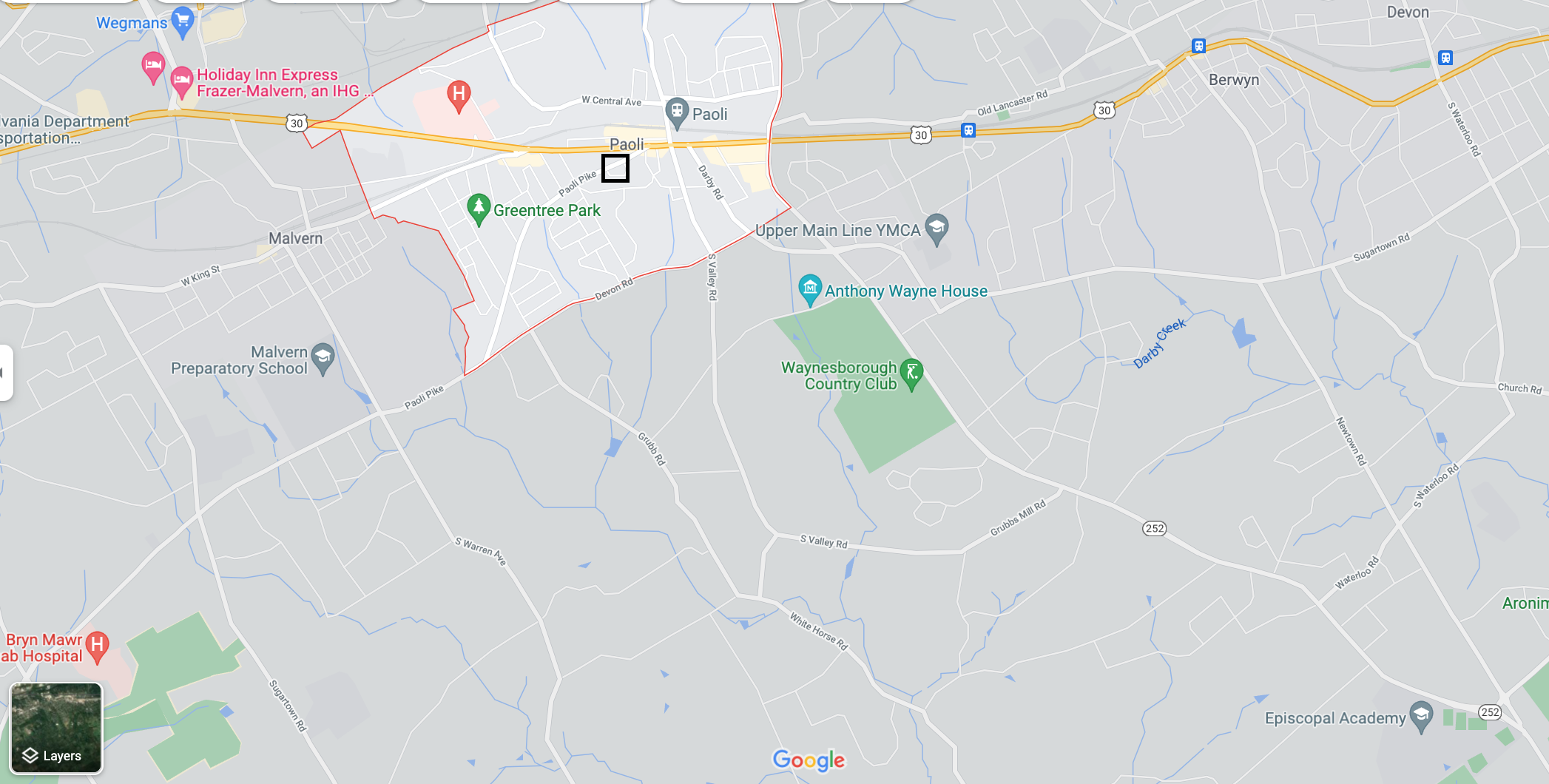
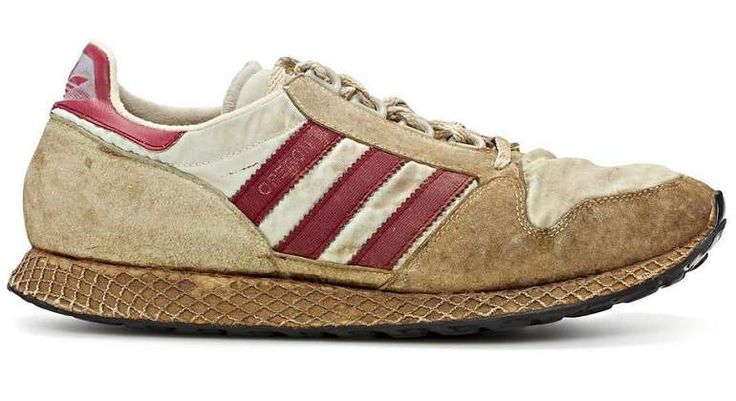

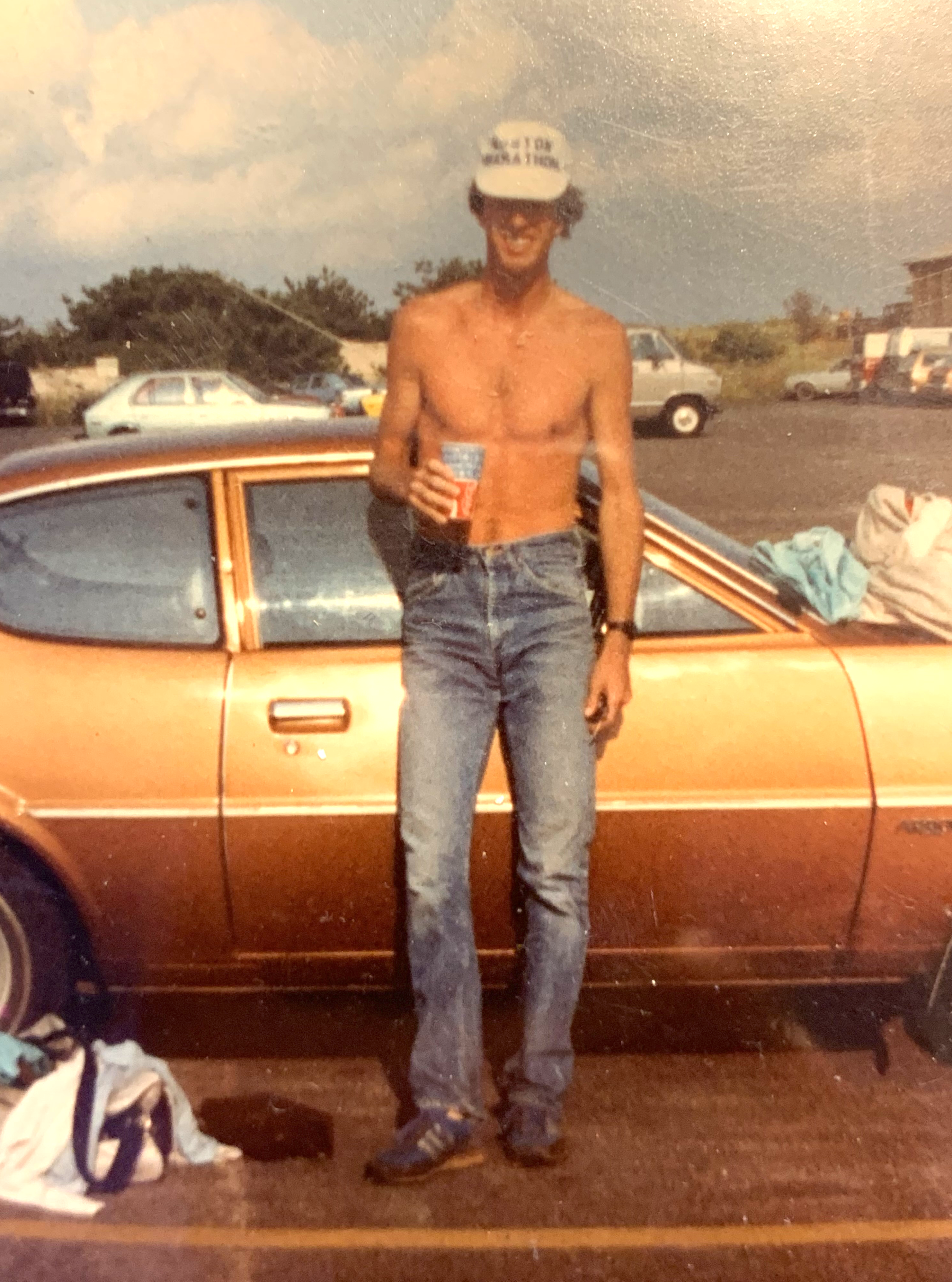
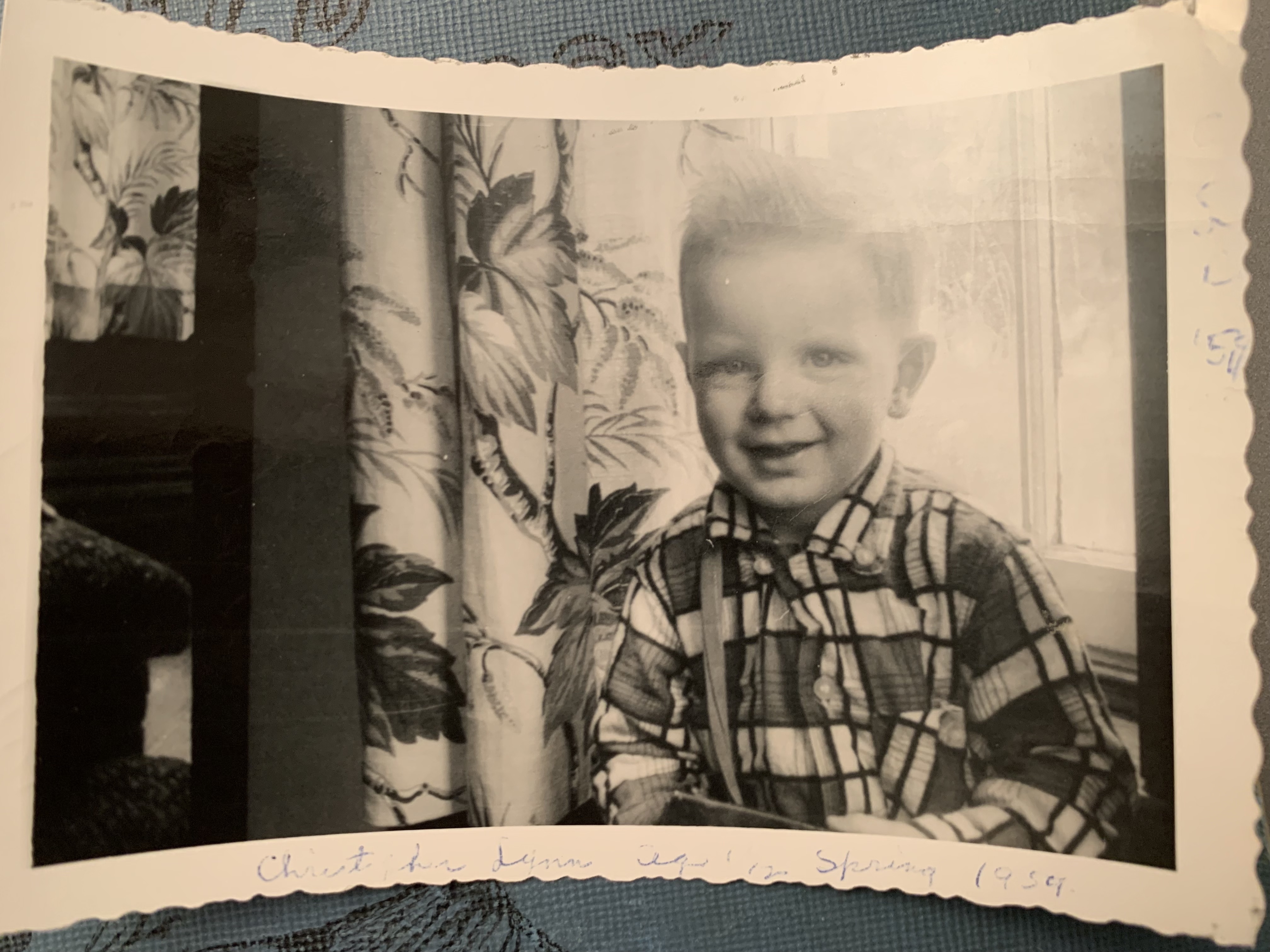

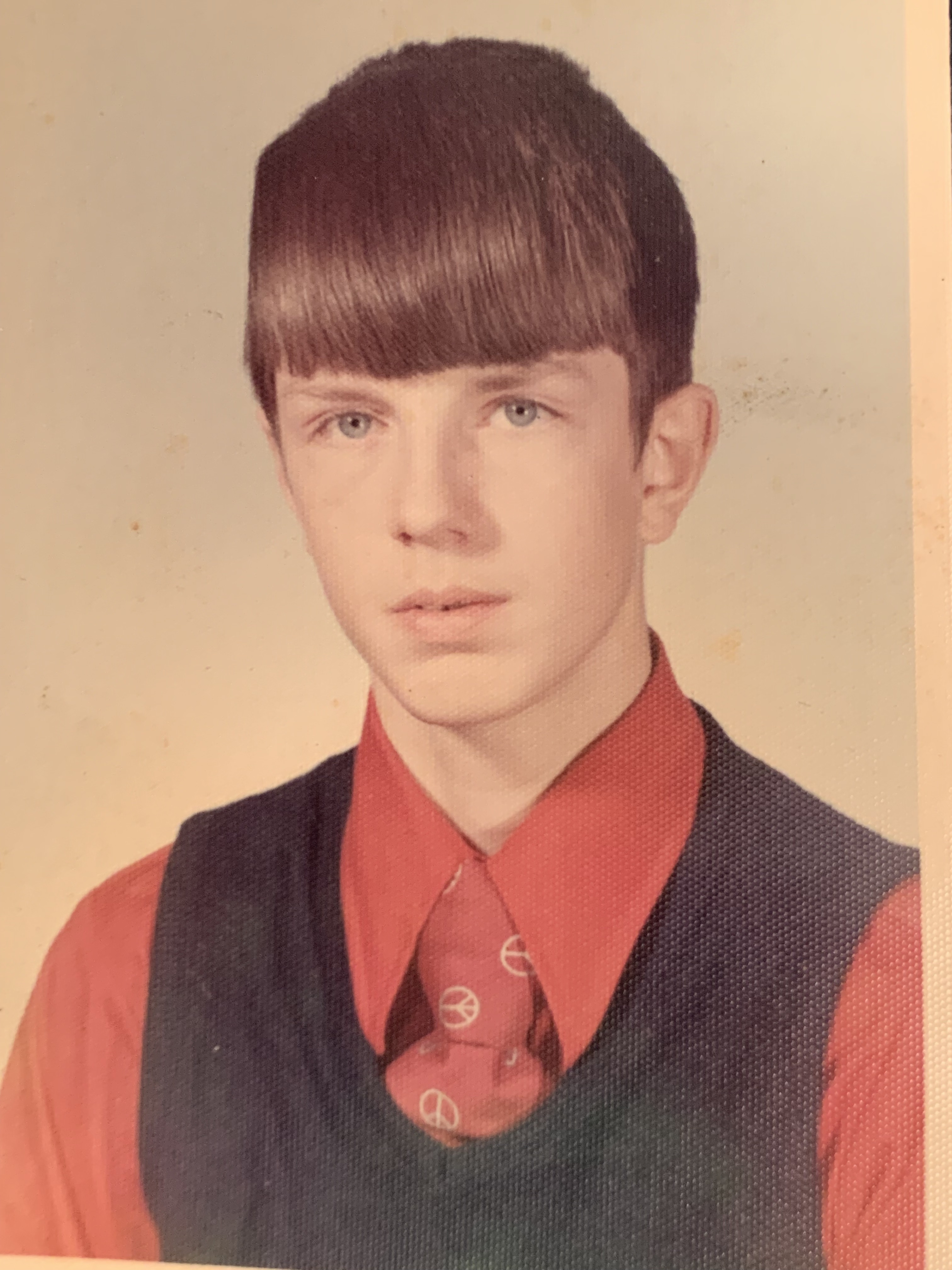


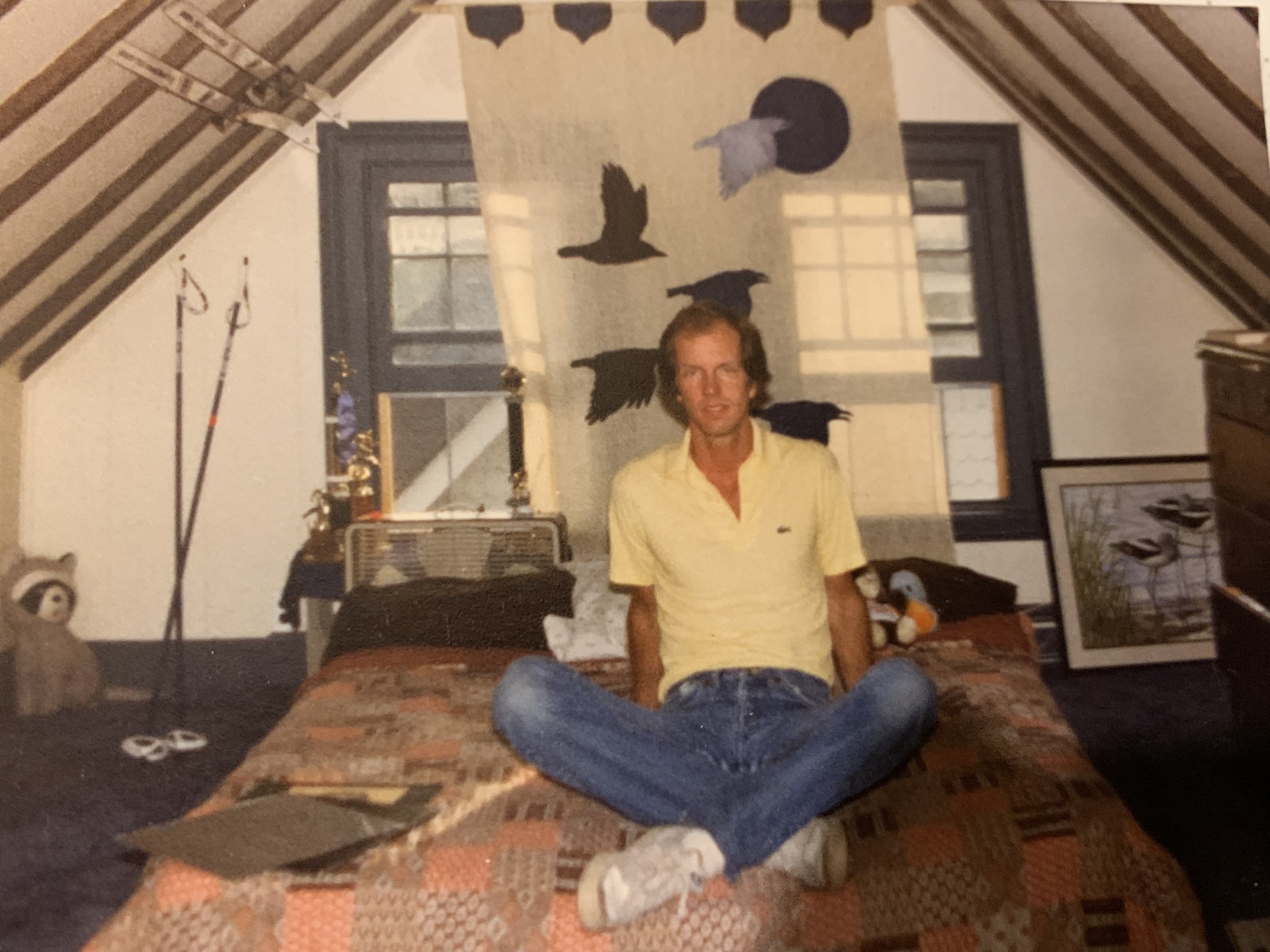
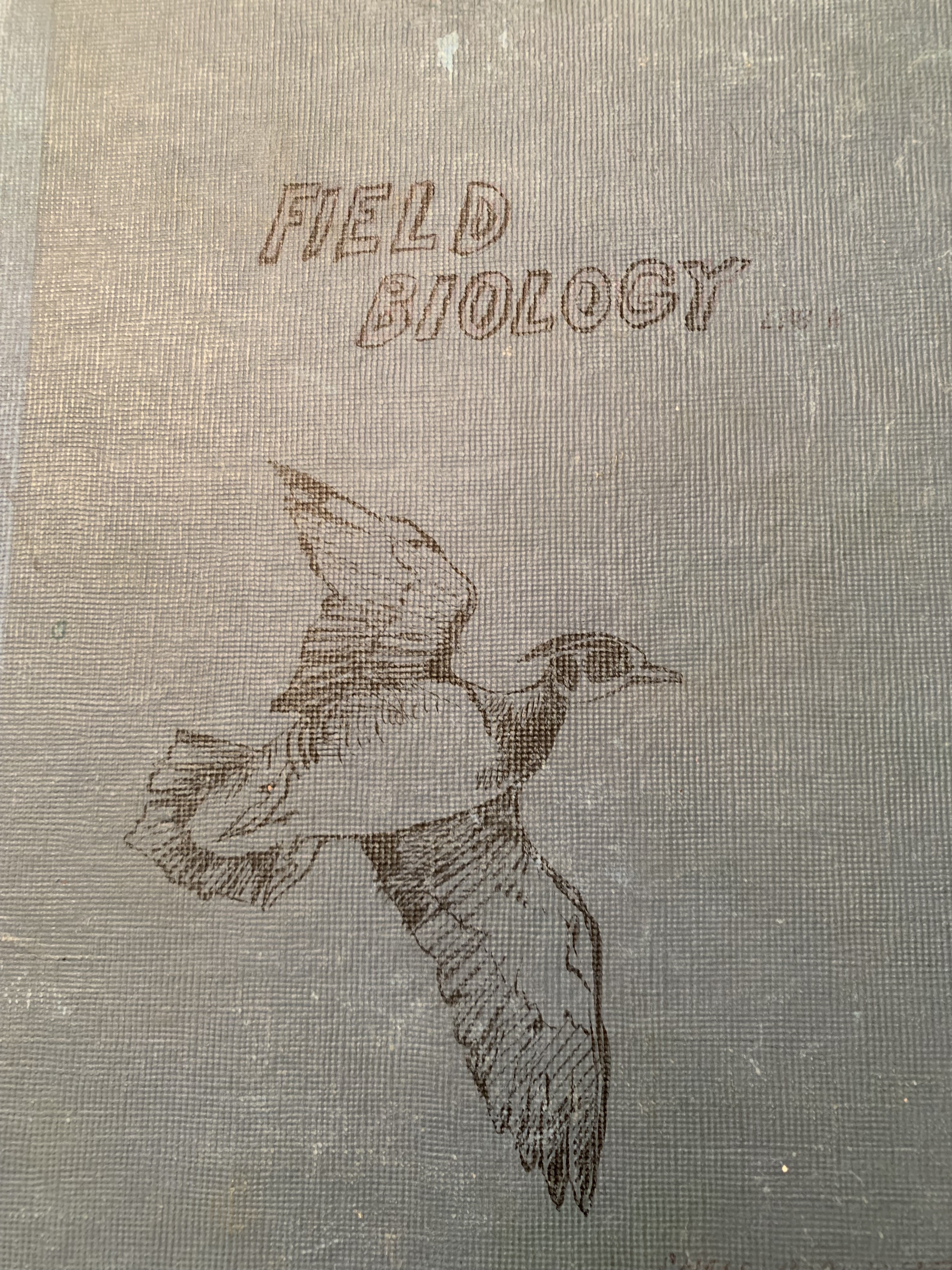





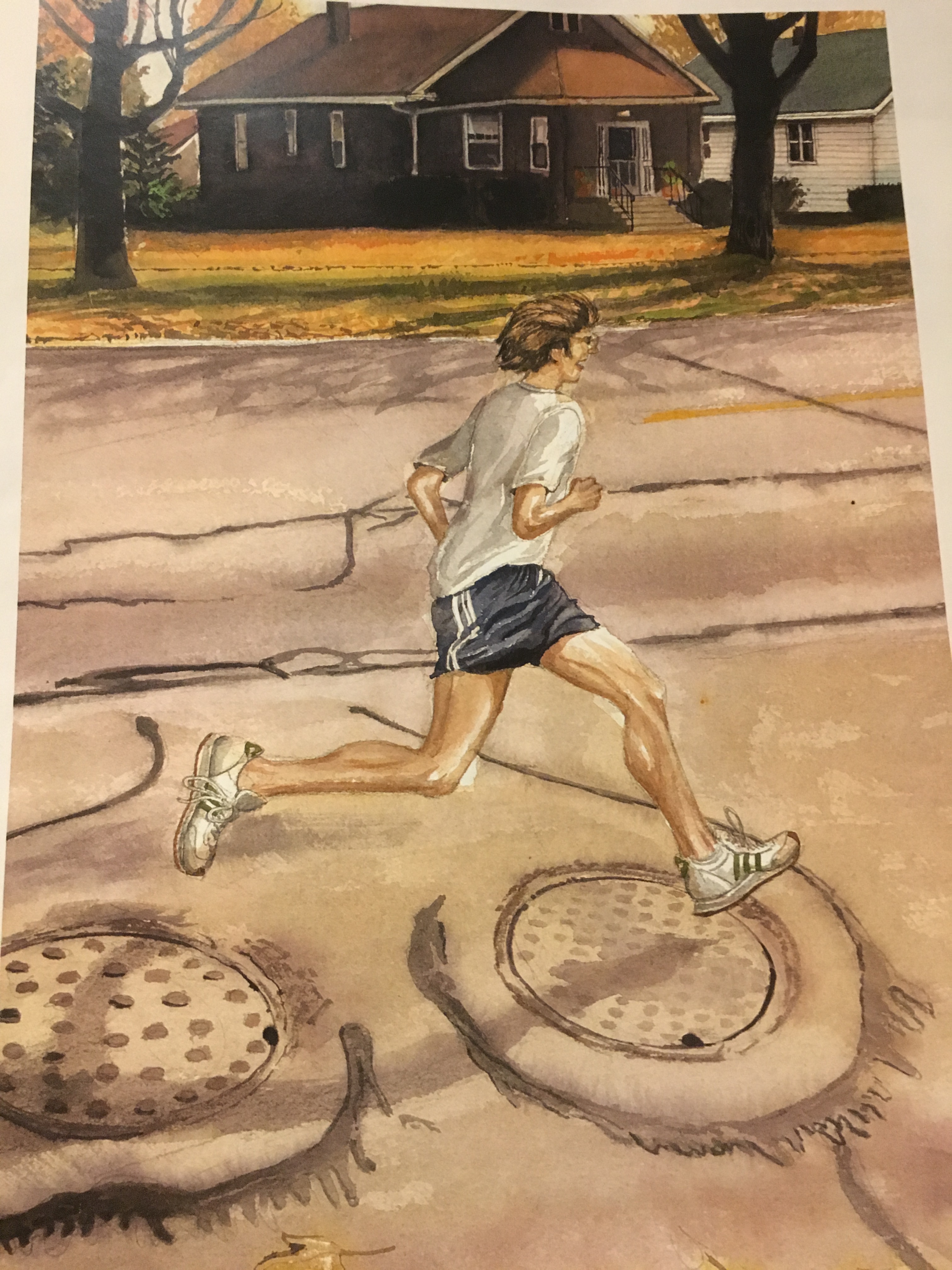
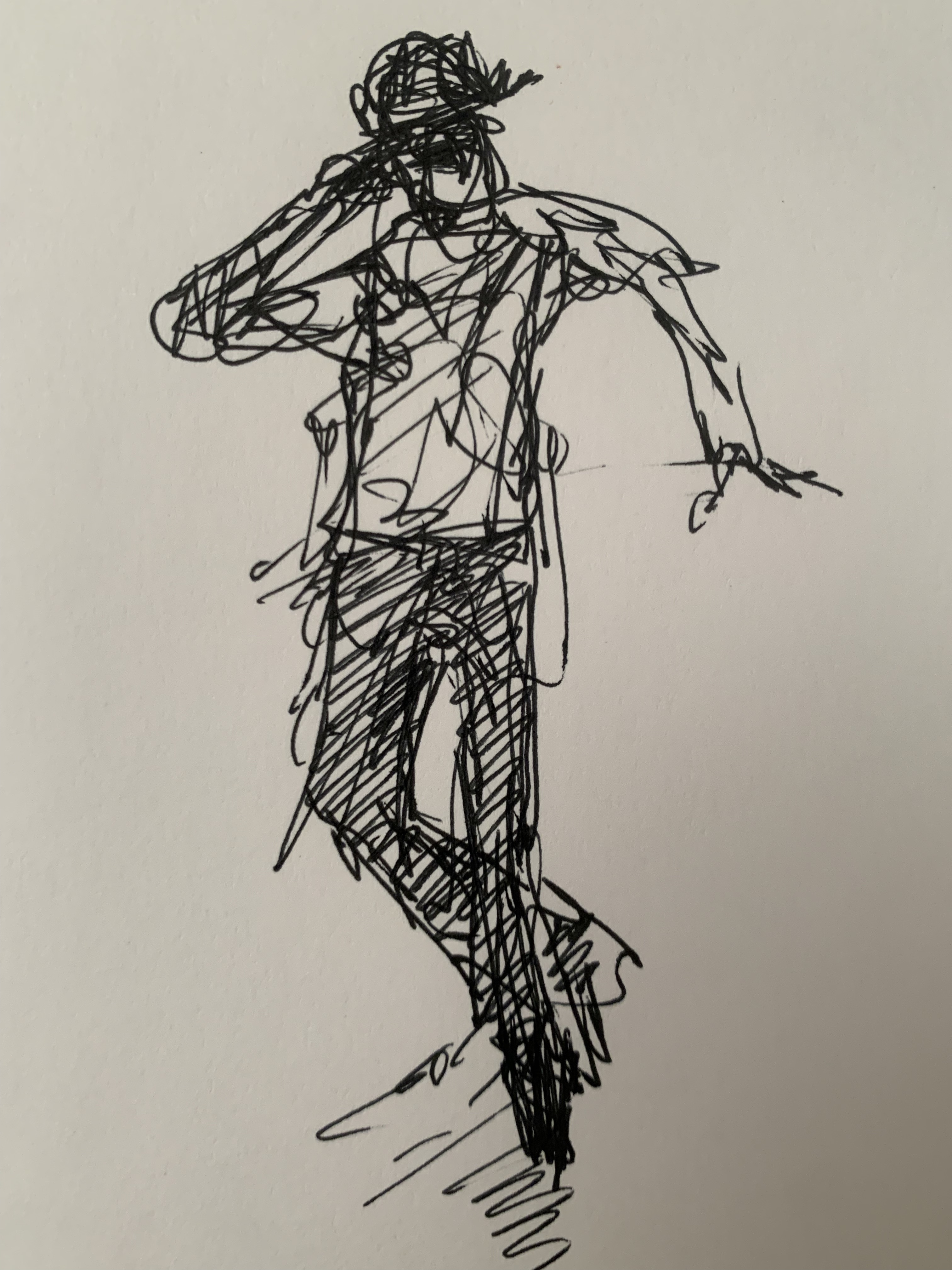

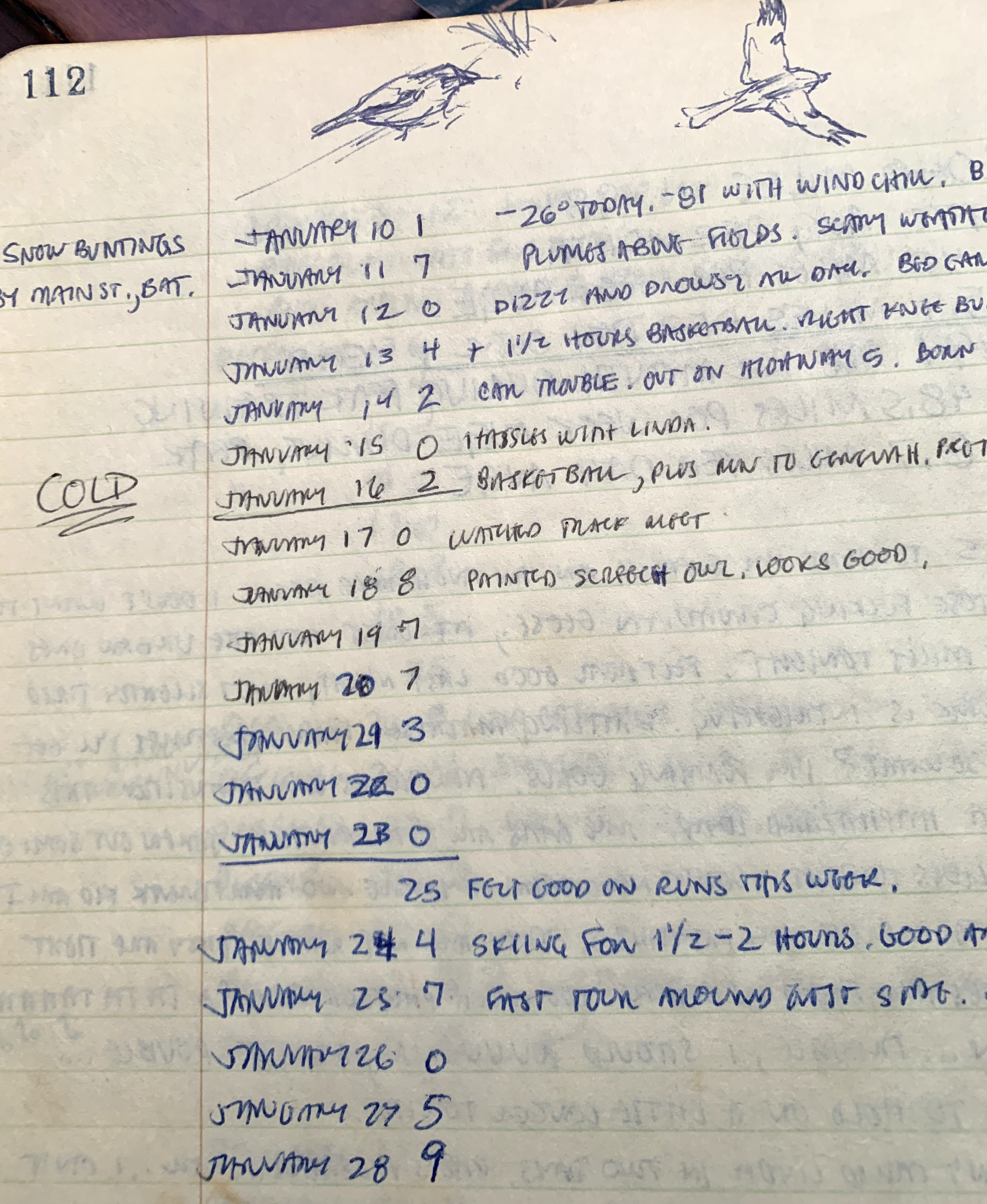
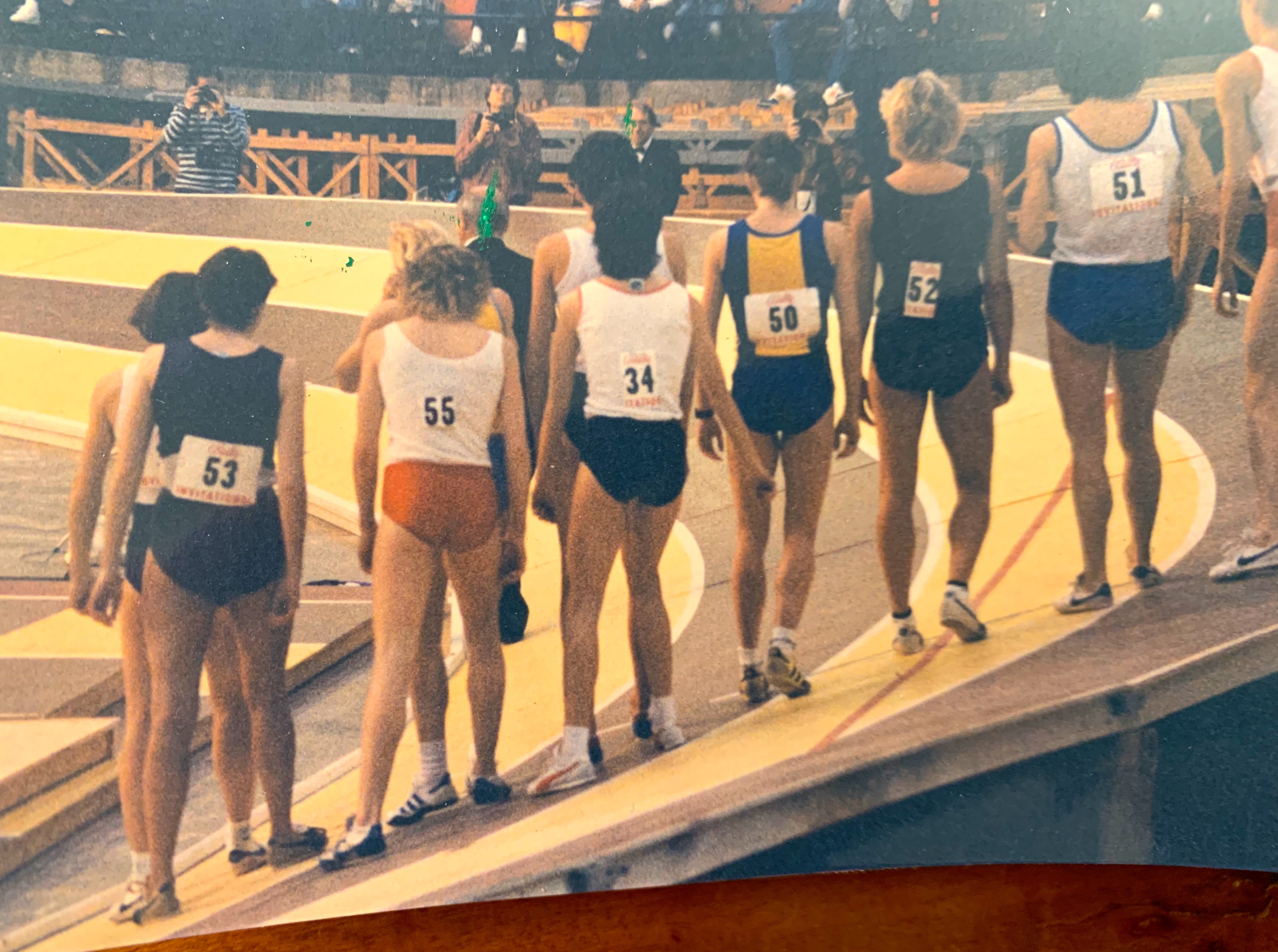


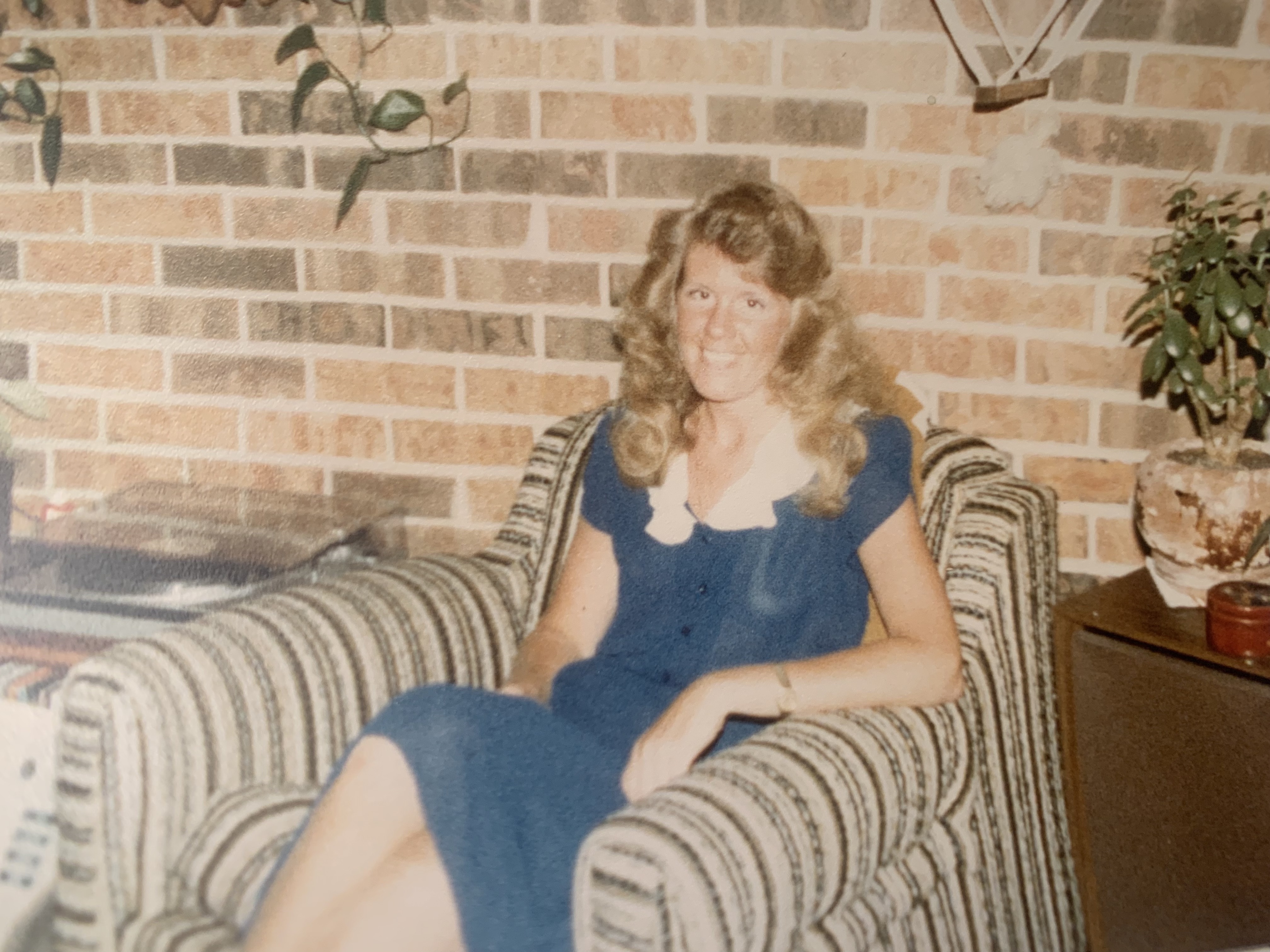
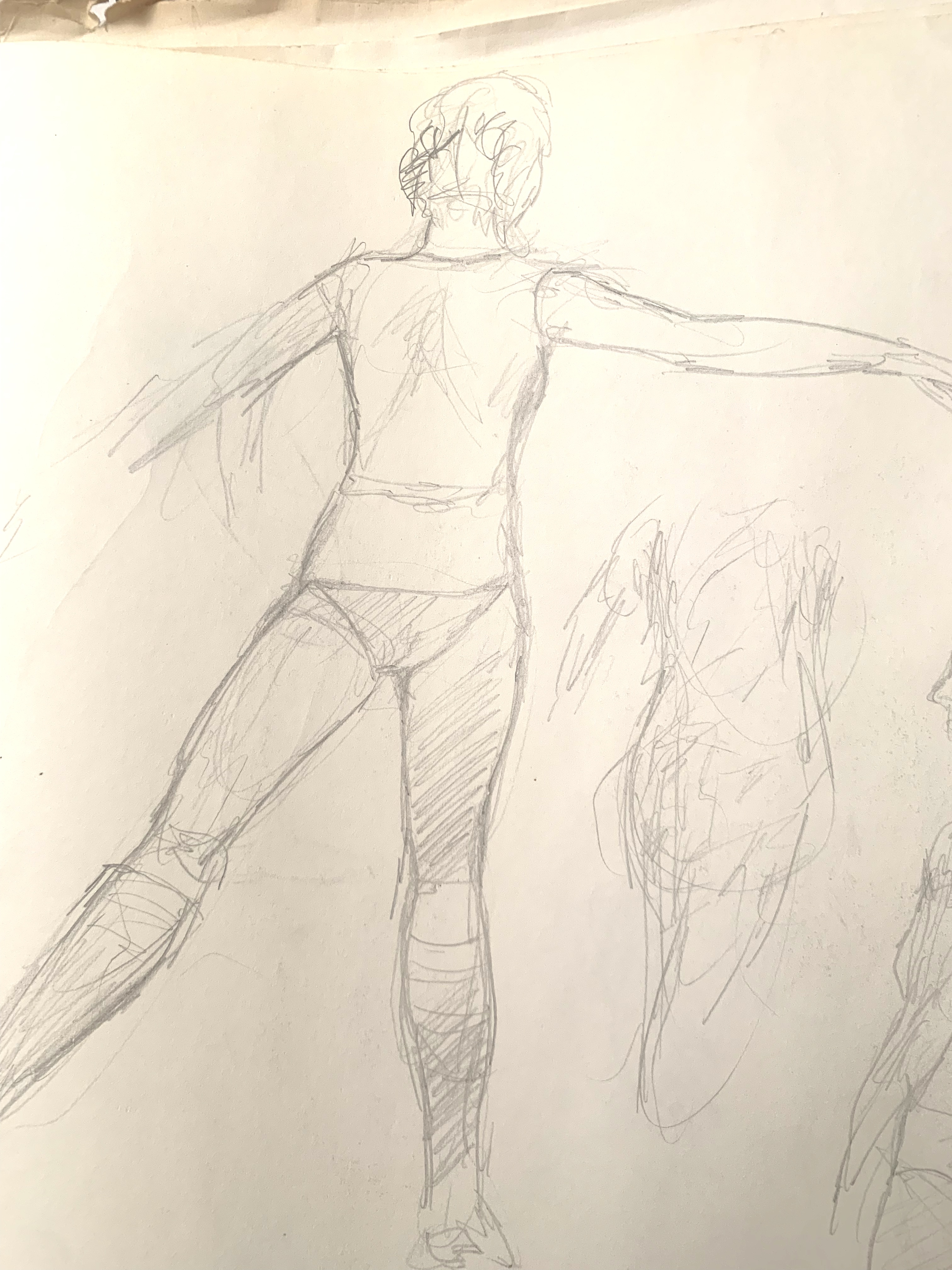











 We Run and Ride