As the fall racing season wore down in 1983, I managed to race twice in November, a 32:08 10K on the 6th and a 32:26 10K in the Vertel’s Turkey Trot on November 20. The splits in that race indicated that I was reaching the end of the racing peak rope. 5:00-10:06-15:22-20:40-25:56 and 32:26. After six races that fall, I was tapped out.
Then an invitation to join the Running Unlimited Racing Team arrived in the mail. The agreement outlined the basics of being a semi-sponsored runner.
Qualifications: the criteria for becoming and remaining a member of the Running Untld. Racing Team are (loosely) defined as follows:
Frequently enter and complete races of middle to long distance (1/2 mile to ultramarathon)
Usually place first, second, or third in age-group competition in major races (i.e., races with hundreds of entrants.
2. Responsibilities of Running Unltd.
Running Unltd agrees to:
Provide the Racing Team member each year with a running uniform consisting of a pair of racing shorts, a singlet, and a Nylon training suit, each bearing the name, logo, etc of Running Unltd.
Provide running shoes as needed for training and racing at a cost to the Running Team Member of 30% less than the dealer cost including shipping.
Provide other running gear needed by the Running Team Member for his/her personal use at dealer cost.
Pay the Running Team Member’s entry fees for up to 10 races per year, mutually agreed upon in advance.
Pay automobile mileage charges, to and from, up to 10 races per year, mutually agreed upon in advance.
Provide shoes and running apparel for purchase by the Running Team Member, for the use of members of his/her immediate family, at 17% discount from Running Unltds/ usual retail price.
3. Responsibilities of the Running Team member
The Running Team Member agrees to:
Maintain (him/her) self in a state of fitness appropriate for high-level competition.
Wearing the Running Unltd. uniform, run a minimum of 10 mutually agreed-upon races each year, with emphasis on races in the geographical area primarily served by Running Unltd. i.e., the Northwest Chicago suburbs.
Purchase from Running Unltd, at the Running Team Member’s personal discounts defined above, only those items needed for his/her personal training and racing.
Share transportation to and from races whenever possible, to decrease the cost to Running Unltd.
4. Termination of this agreement.
Running Unltd. and the Racing Team member agree that this agreement can be determined immediately upon notification of one party by the other.
Ten races per year…
I didn’t think the ten races per year was an unreasonable expectation. I’d raced ten times on the roads in 1983 with good results throughout the year. I didn’t include the indoor two-miles I’d run in 9:29 early in the year or the Vertel’s Turkey Trot at the end of November, which I ran after making up this list.
We mutually signed the Running Unltd. document in January of 1984. The store owners Frank and Carolyn Gibbard welcomed many other exceptional runners to the team that year. They included Jukka Kallio, a 2:19 marathoner of Finnish descent, the Macnider brothers Jim and John, both D3 All-Americans from North Central, along with Rick Stabeck, Bill Friedman, and a few other quality guys as well.
The uniforms were Nike gear. I loved the blue and white theme, as it echoed my Luther College Norseman days. Going into the year, I purchased the best racing flats I’d ever known, the Nike AirEdge. They offered the best grip I’d ever felt in a road racing shoe. The white shoe material had a modest sheen with semi-iridescent Nike Swoosh logos that were blue on one side and red on the other. I absolutely loved those shoes. If my memory is wrong about the year I purchased and wore those, I apologize. Perhaps my love for that shoe spread too wide. But in 1984, I’d add a pair of Nike Eagle racing shoes to the mix, also red-white-and-blue.
I also purchased a set of Nike Pegasus training shoes, one of the first editions introduced to the market. They were gray with a blue swoosh, and went smashingly well with our all-blue Running Unltd. nylon warmups in blue and gray.
To say I was pumped going into the New Year was an understatement. I’d been studying my training from the previous year and learned a few things from the progression, and wrote in my journal, “Read some good articles on rest and mental attitude. The athlete who learns to accept pain, to maintain concentration in spite of pain’s distracting presence is the athlete who succeeds. I’ve failed mildly at that––in Sycamore, in Aurora. Those “places” don’t seem to matter during the discomfort. Actually the rationalization takes place going into the pain, not during it. The “depositioning” that occurs is an excuse for letting up––slacking the tempo is a grievous mistake. Instead of competing at this point––find a tempo and concentrate on matching it. You’ve never failed when the chips are there to be had. You always sprint, Christopher. Don’t just go for it, work for it.”
It would be four more years before the Nike slogan “Just Do It” would be introduced to the world. But I seemed to anticipate that philosophy in my 1984 journal. I guess you could say that when it came to a commitment to running, I was “all-in” for the Olympic year and everything that came with it. While my personal philosophy wasn’t on a par with the Nike campaign Just Do It, my motto going forward was indicative of my state of mind: “Sign me up.”
Running to victory over 3000 other competitors in the Wright Run in Oak Park, circa 1983.
After winning the Run for the Money 10k in Arlington Heights, I turned my sights to another 10k, the Frank Lloyd Wright Run in Oak Park. That week I caught up to a guy while training in Lincoln Park. “Interesting finish with a guy named Mike tonight. One of those solid types who was cruising, chopping along at 6:50 pace in the dark., listening to his Walkman. He said several times, ‘That’s the thing about you guys, you don’t know what kind of pain it takes to just get down to that level,” meaning 31:40 or so. Hah, if he only knew. And when I told him I was running ten a day he exhorted me, “Ten a day? Really?’ To which I explained that I averaged ten a day. He was exonerative. “Your body needs time to recover, those muscles need rest and sleep.” And I concluded, “Indeed.”
Because I likely was still pushing it too hard. But that taste of victory at Run for the Money had me thinking about winning other races.
Yet that week a revelation also came about. I met and talked with my former Philadelphia Van Kampen associate Tom. “My intuitions turned out good in terms of my feelings toward Philly offices and my duties there,” I wrote. “Remember the frustration. Remember the confused efforts, the bittersweet paychecks, the constant justification of outlooks and jousting on where our work should go––and now that crew is seeing the light of my introspection. A new, new man on top.”
Tom was the one that warned me things weren’t going well in marketing when I worked in Philly. While the whole move out there caused a great upheaval in my life, at least after talking to Tom I knew that I wasn’t crazy in my suspicions about the aims and conduct of the department where I worked. It was a small consolation to realize that I’d been right, but I did feel vindicated in some way.
Later that day, I sat down to write in my journal and felt a peculiar aloneness in my state. I don’t know if it was my quote or something I stole from reading Ayn Ran, but I penned a phrase in my journal after hearing the observations about leaving Van Kampen. “Better to take a risk and bear the brunt of pure action than to live in a quandary and bear no strength.”
The Fountainhead philosophy
Mid-race in the Wright Run in Oak Park. I wore my tee-shirt from the Race of the Americas 10k (1/83) under the NB kit.
If it was from The Fountainhead that I pulled that quote, I’ll have to forgive my twenty-five-year-old self for falling into that black-and-white version of reality. While that novel was written in 1943, its hard-ass philosophy still holds appeal to the determined and immature mind to this day. Ayn Rand’s philosophy is still popular with political conservatives who view rational compromise as a disease to be cured rather than a tactic of healthy consideration and growth.
As an online book description cooly notes: “The Fountainhead is a 1943 novel by Russian-American author Ayn Rand, her first major literary success. The novel’s protagonist, Howard Roark, is an intransigent young architect, who battles against conventional standards and refuses to compromise with an architectural establishment unwilling to accept innovation. Roark embodies what Rand believed to be the ideal man, and his struggle reflects Rand’s belief that individualism is superior to collectivism.”
As a distance runner, I was trying to win races. Other than sharing the pace at times, there wasn’t a ton of room for compromise in the sport. You either win or finish behind someone else. So it’s acceptable to leave others behind. At that age, I was trying to prove that I could persevere beyond all expectations and to hell with the rest of the world if they didn’t like it. That’s the whole point of a race. But that’s not how you can approach everything in life.
I had my troubles with collectivism, for certain. During workouts with the crew at the University of Illinois-Chicago track, I’d stalk around in a silent mood for the most part. That was sort of a passive-aggressive tactic, the silent treatment. It was no secret I wanted to beat everyone there, but not talking to those guys was clearly an asshole move. That’s now how I’d behaved back east in Paoli, and I’m not entirely sure why I acted like a sullen jerk for those first few workouts. Probably I was afraid of admitting how close to the edge of madness I was actually traveling. It wasn’t that running was all I had in this world, but it sometimes felt like it.
I finally did open up as time went by because I realized the guys and gals I ran among were great people and runners just trying to improve like me. Sadly, I didn’t choose to accept coaching counsel from Tom Brunick, the Athlete’s Feet shoe-testing guru who led those weekly workouts. I recall watching him review another runner’s workout journal and thinking that he’d consider me crazy if he read the things I wrote in mine. So, I kept to myself on that front, self-contained like a warped Howard Roark type, constructing the architecture of my running destiny.
Racing Frank Lloyd Wright
My photo of Frank Lloyd Wright architecture in Wisconsin
That said, the training I did leading up to the Frank Lloyd Wright race was solid, including a 70-mile week after the Run for the Money win and another 67-mile week that began with an 18-miler covered in 2:00:00. I ran that distance out in the country with my girlfriend Linda and her friends Randy and Debby, who rode their bikes along with me. My pace averaged 6:30-7:00 per mile, proving I’d not learned much from the training tactics of the Philly boys, who ran their long runs at a far more relaxed pace. But I was charged up with the cooler weather in early October. Still, I admitted in my journal, “Pretty tired by week’s end.”
The weather shifted to cool and rainy in mid-October. I loved that kind of atmosphere because it made me feel mean and focused. I figured if other runners hated the weather, loving it gave me an advantage. That’s where being a country-loving birder and citizen scientist schlepping around in the rain and mud comes in handy. It doesn’t bother me.
That’s how the day dawned the morning of October 23, 1983. I’d stayed with Linda the night before, so we drove down to Oak Park in the dark with rain spitting on the windshield of my Plymouth Arrow. I registered to race, then left her in the car to jog three miles to warm up on the wet streets. I felt strong and the cool, 55-degree air on my face made me feel eager alive. At the starting line, I glanced up and down the front group to see if I recognized anyone. They were all strangers to me, but some of them did look fit and fast. I stood on my tiptoes to look back at the madding crowd. There were 3,000 runners back there. I wanted to beat every last one of them.
The Wright pace
I was conscious of doing everything “right” during the Wright Run 10k in Oak Park, circa 1983.
The gun went off and the front group formed quickly. I ran to the side at first to stay wide on the first few curves because the pavement was covered in puddles. I didn’t want to get my racing shoes soaked early on. At the mile mark, I felt super strong and did a short burst to test the rest of the field. No one came, so I took off.
From there, I raced through the streets of Oak Park with such focus it felt like every detail of the sodden day jumped out at me. I waved to people on the streets cheering us on and smiled at the kids. And then, from out of an alley it seemed, I was joined by a familiar figure running alongside me. For a moment, he seemed like a weird sort of vision or an apparition. Then I realized it was Ralph Van Kampen, the elder brother of Bob Van Kampen, the man that hired me for the graphic design job at his company. Ralph was the one that showed me around the loop in Chicago, pointing out his favorite architecture including a tour of The Rookery, whose origins sew together some of the greatest names in that city’s architectural history. “Designed by famous architectural partners Burnham and Root, the picturesque Rookery was originally completed in 1888. Adding to its impressive stature, Frank Lloyd Wright redesigned the stunning two-story, sky-lit lobby in 1905. Meticulously renovated and maintained, The Rookery stands as one of the most highly recognized addresses in all of Chicago.”
Little did I know that my life’s journey would intersect with the architecture of Frank Lloyd Wright in many other ways over the years. That would include tours of the Robie House in Chicago, a vacation trip to visit the Fallingwater and Kentuck Knob residences in Pennsylvania, and multiple tours of the famous Taliesin home and studio in Spring Green, Wisconsin. I also cycled the Wright Stuff Century in southwestern Wisconsin several times but wound up crashing in 2012, breaking my collarbone going 40mph downhill when my Felt 4C developed bike wobble. I literally could have lost my head that day if I had not slid under a half-inch weaved metal cable between two concrete stanchions in the ditch.
Wright now
All of that was far in the future. During the Frank Lloyd Wright Run in 1983, I only glanced at the Wright architecture featured along the route. That’s where my work friend Ralph ran alongside me for forty or fifty yards, cheering me on at the top of his lungs as his street shoes slapped on the asphalt and splatted through a puddle or two. I don’t recall if he lived in Oak Park or not, yet somehow his presence made me feel even greater that day. Ralph wasn’t a go-getter like his brother, but he was a refined man with a love of things done well, especially great architecture. As crazy as it sounds, we shared quite a moment that day.
As he tailed off behind me, I felt an even greater sense of purpose. I dwelled on what Bill Rodgers said about winning the New York City Marathon. During the race, he had a sense that he wanted to do everything right, even to the point of carrying his hands a certain way. SoI concentrated on my form and ran as relaxed and free as possible. Nothing was holding me back at that point except for the turns on the course and the wet surface of the roads. With a mile to go, knowing that I had it won, my stomach did act up a bit but as I wrote in my journal, “my legs never tired. Almost wish someone had gone with me.”
Always doubting myself
Finishing in first place for the second race in a row, I immediately wondered if I’d somehow chosen weak races where the big boys didn’t show up. Leave it to me to beat myself up for winning. Then again, I’d raced with purpose and intention, so there was no real need to apologize to myself or anyone else. I’d set my mind on victory and made it happen. While I wasn’t yet winning in the job hunt front, at least I was kicking ass in my avocation. Someday I hoped to transfer that excellence to other domains.
Looking ahead
The race went so well, and it felt so memorable that if I’d called it quits right after that, I’d probably have been satisfied that season. For some runners, winning a race that large might constitute a lifetime of satisfaction. But the very next week, after dropping my training mileage a bit to rest up, I showed up to race the Sycamore Pumpkinfest 10K against 1500 people and took second place in 31:25. That race is held in open country, often with cornfields stripped of crops, so nothing is stopping the wind. Fortunately, it was a clear and sunny day with just a breeze from the northwest. The photograph was taken by a race photographer as I topped the hill near the finish line. That image is one of my favorite all-time pictures and one of the few I purchased from the official race photography company.
The first segments of the course form three sides of a six-mile square going South, East, and North. There are two tough, longish hills to climb at the four-mile mark. Then the course enters a park and winds around as if it’s lost the way. That winding mile seems to take forever compared to the previous four. That wayward course proved confusing to the lead runner that day. With no one leading us through the park he ran straight across a patch of grass when the actual course was supposed to follow an asphalt path around a flagpole. It wasn’t marked, but I kept to the path while yelling at him, but he couldn’t hear me because of the wind. All told, running the right path probably cost me 15-20 more yards of distance and time, and I was angry about that but had to be honest with myself as well: he was pulling away from me before we hit that section of the course.
At the finish, I weighed telling the course directors that the winner technically cut the course. At first, I said something while coming through the chute, then bit my tongue because it seemed petty to complain. He was the one that pressed the pace the whole way and frankly deserved the win. I don’t think I’d have reeled him in even if he hadn’t cut the course. Besides, winning by calling him a cheat would not have felt good at all. The Howard Roark in me wouldn’t stand for that. Plus I think it was an honest mistake.
Besides, the season was not yet over. I still had a few races to go.
Heading into the month of September 1983, I looked at the schedule and planned a three-week period of quality training to prepare for races. First I drove up to Luther College to have a go during the Intrasquad race. “Gonna go race in Decorah this weekend. Sneak up the back way again. Sunshine and hills, I believe. Training’s been going well. Left knee twinges from chronic pounding.” I managed to run a 21:42, not much better than I ran as a sophomore on the cross country team. But that race was a tuneup, not a target. Plus, it was always good to run amongst the Luther Blue.
The following week I stepped on the track and ran a workout of six 400s in 65-60-59-59-60-66. “Gritted at it,” I wrote in the journal. The week topped out at 67 miles. Even though the late summer heat still vexed me, I could sense the rush of fall racing ahead.
And still, the question of what to do in my relationship with Linda came up. “Really wrenching discussion with Linda,” I wrote in the journal. “She wants me there all the time. Woooman, I got to go…” We were like two birds circling in the sky. Connected in some way, yet part of me still felt the need to soar.
Connections
On September 6 I hooked up to run with the Lake Shore Track Club and got a dose of my own intense medicine. “Met a fired-up guy named Jim Terry,” I wrote. “A philosophy major/writer who just moved to Chicago from NY. Trying to make it on his own, it seems. Runs a 31:08 and a 1:04:00. I may try to go with him sometime. Invited me to join the Complete Athlete Club.”
The weeks kept rolling by and try as I might, no full-time job opportunities came through. Money was tight, and I kept finding small gigs to make the rent and buy food, all while pounding out letters to contacts and applying for jobs through the Tribune and other sources.
I’d written to a hopeful contact named Chuck at the Morton Salt company. He was head of the creative department and once offered me a job back when I was commuting to 208 S. LaSalle Street for Van Kampen Merritt. I’d turned him down at the time, but he raised his eyebrows that day and said, “Well, let me know if you ever want to talk.” But in 1983, the economy was still iffy, and hiring wasn’t exactly hot on the menu for many companies. That’s what Chuck told me too. “Stay in touch,” he advised. “Maybe something will open up.” So I kept on typing up job-specific resumes with my IBM Selectric. Sometimes I’d make copies, and send out bulk mailings in envelopes with stamps and cover letters inside. Sometimes I’d hear back. Sometimes not. It was such an archaic process back then.
The million-dollar bird lottery
Between job hunting, I dug into painting an entry for the Federal Duck Stamp contest. I chose to paint a pair of goldeneye ducks. While it was a credible effort, I struggled with the details for lack of reference material. Most of the top wildlife and duck stamp painters used highly detailed photography to copy in producing their art. I’d studied plenty of goldeneyes on the Fox River in St. Charles, and I knew how they flew and how they generally looked. But when it comes to choosing artwork for the Federal Duck stamp, the winning pieces often looked like glamorized photographs. The allure of the contest is that whoever won typically became an instant millionaire. But I wasn’t quite there yet as an artist.
Common goldeneyes, a Federal Duck Stamp Contest entry by Christopher Cudworth, circa 1983.
My entry did eventually place in the Top 100, which sort of qualified me as a sub-elite wildlife painter. In reality, I was the same sort of runner. Good enough to earn some respect, but not good enough for the Big Time. I was national class, but only on the back end of the pack. Still, I painted almost daily, making incremental steps toward the type of painter I wanted to be.
Time to fly
On the 14th of September, I cranked out another interval workout, running 65-66-65 in 400s, 2:21, 2:19 for two 800s, a mile in 4:59 and back down to an 800 in 2:24 before closing with a 64 and 65 on 400s. The classic “ladder” workout is ideal for testing both fitness and concentration. It steels you for racing conditions with the pace adjustments. And I had a support crew. Linda hand-timed me at the Geneva High school track.
After one more week of training, I entered a race called Run For The Money in Arlington Heights. It started near the parking lot of a bank at the corner of Algonquin and Arlington Heights roads. I was nervous at the start but feeling mean. That was always a good combination for me. Linda joined me that morning and I felt incredibly alive and strong while giving her a hug. She smiled and said “Good luck.” I smiled back and said, “Yes. I’m ready.”
The pace felt quick but manageable from the start. Then we passed through the mile point in 5:22 and a shot of surprise ran through me. The pace felt much faster than the time indicated. Feeling great as I did, I pressed forward…a few feet in front of the pack…to look around at who was there. Then I turned my attention to the road ahead, and took off. “Let’s see who follows,” I said to myself.
Making a commitment that early in the race was a risk, but I felt incredible. My shoes gripped the asphalt really well, as I recall. I felt in control and passed through the two-mile mark in 10:10. I had a few guys still with me, but their breathing was hard and I saw out of the corner of my eye that when I took a turn fast and accelerated, they struggled to catch back up.
At three miles I glanced around at the bunch. No one else had attempted to take the lead by that point. I knew that if I could press the pace the next mile, they’d be racing for second. I looked around one more time and gassed it again. This time I got a lead and passed through four miles in 20:35. Now I was really rolling, and feeling even meaner.
I hit five miles in 25:35, not slowing a bit. That was a five-minute mile in the fifth section of the race. A good sign. I wasn’t struggling at all. Then came some turns in a residential neighborhood and I kept the pace fast. Suddenly I was alone on the street with only the sound of my own breathing keeping me company. I looked back and could see the bunch trying to muster more speed, but arms were flailing and it wasn’t happening for them. “Tough shit,” I muttered and turned toward the finish line.
It’s a great feeling coming down a big avenue with nothing but blank asphalt ahead and knowing that you’re going to win a race. I’d done my share of winning over the years but had not won a single race back in Philadelphia. Looking up at the clock near the finish, I saw the time tick through 31:42 as I crossed the finish line. I was happy to win but disappointed at the sight of that time. It felt like I’d gone much faster. In fact, I knew I had.
A photo of my racing kit taken in the fall of 1983. I loved this outfit because it felt and looked fast.
Walking around to cool down, I gave Linda a thumbs-up sign and she called out, “Nice job, lover.” That was our nickname for each other. She had my sweats all balled up in her arms in case I needed them. But I was wound up from all that speed, and started jogging down to cool off. At that point, the second-place guy ran up beside me and gave me a big congratulatory slap on the back. “Nice racing,” he told me. “You really pushed the pace.”
“I felt good,” I told him. “Thanks.”
“You know,” he added. “We measured this course, and it’s like, really long. Like, 200 meters long.”
I looked over at him to see if he was kidding. He wasn’t. “Seriously,” he continued. “We walked it with the wheel to see for ourselves. So, whatever you ran, take off, like, forty seconds or so.” He was still breathing hard, so his words came out in chunks.
Now that time made sense to me. I had probably just run my first 31:00 10K that day. But that’s road racing. You never know what you’re gonna get in terms of a course measurement when you step to the line.
The “other runner” that day was a guy named Bill Friedman. I liked him right away. We talked some more and had a laugh about some of the racing tactics. “You killed us,” he chuckled. Then he made an invitation. “I’m working with a running store in Arlington Heights to form a Nike-sponsored racing team. Are you interested?”
“Sure,” I told him. “What’s the store called?”
“Running Unlimited,” he said. “Let me get your address after we cool down and we’ll send you a contract.”
At the awards ceremony after the race, the organizers handed out all kinds of prizes, and despite the race being named Run For the Money, no real money was handed out. I was disappointed at that. Secretly I was hoping to take home a hundred bucks or so for winning. Instead, I was given a month’s membership to a fitness club in Arlington Heights. I was living in Chicago, and Linda lived in Geneva. That formed a perfectly impractical triangle. “How can I use this?” I laughed to her. I wound up giving that membership away to someone at the race.
That amusement with impractical prizes would become a theme between us. I would go on to win several races that fall, and it always seemed like the race winner seldom got anything as nice as what they gave out in the raffle drawings.
Such is life. Sometimes you win, and sometimes you lose out even when you’re the winner.
Reckoning: the action or process of calculating or estimating something.
August in the City of Chicago is often literally and figuratively exhausting. That was particularly true because our apartment on the second floor faced Clark Street and Lincoln Park. With the front windows open, the sound of buses barreling down Stockton Avenue was perpetual. So was the smell of the smoke from cars and trucks and buses on the street outside our windows. On hot summer nights, we could sit in the alcove overlooking the street below and witness men in long black limos picking up elegant escorts for a night on the town. We’d also see them disembarking at the same spot in the morning. Those guys would often change shirts right on the street corner to avoid the smell of those other women on their clothes.
Our two-flat stood on the southeast corner of Menomonee and Clark, right across the street from Lincoln Park.
Up the block from our apartment stood the Hotel Lincoln, whose sign at one point actually was missing an E. I’d come back from long evening runs and smile at the sight of the HOT L Lincoln.
On August 8 I wrote, “Warm in this here Chicago apartment. Ran hard tonight. Should go slow but long in two runs tomorrow. Supposed to cool off. May go to U-I Chicago on Wednesday for intervals. May just do long miles, short miles in Lincoln Park. Body’s pretty tired. Pushups are helping. Plan for first fall race is Luther Intrasquad. Octoberfest half marathon might be a good one. Pick a race in Late October too and finish up with Vertels on November 20. Perhaps a 5-mile cross country race in between there.”
I’d only raced once the summer of ’83, a July 15K Elveloppet Run in Decorah. The Elveloppet course was a hilly monster, often on single-track trails up the bluffs. So the time wasn’t quick, but I finished well among my Luther buddies.”54:something. Fast last four miles,” I wrote.
The second week of August I cranked out 70 miles in the heat, capped off by a session of six 400s at 67-65-64-65-65-60. Earlier in the week, I’d run a set of three one-mile repeats at 5:02, 4:50, and 5:00. “Sore thighs on Thursday,” I wrote. That Sunday I ran 13 miles at 6:00-6:30 pace. I had the pedal down to the floor on some of those runs.
Job reckoning
All the while I was pressing to get a new job, and trying to manage relationships in the meantime. I bounced around from Linda to my friends and back to my pseudo-mentor Trent Richards, whose contacts and energy seemed valuable. Sadly, I received varying types of feedback about my persona. “Today, a study in other’s perceptions of me,” I wrote on August 10. “This inner confidence is the question raised again and again. Roomie in particular is suspicious of my job-hunting methods. He also doesn’t understand that my moods are as simple and profound as a dark day in summer. Seemingly gloomy, but mostly a break in the action.”
I was networking with many kinds of prior contacts to find a job. Yet like always with a job hunt, it was slow going. To work off the stress, between runs, I’d write all morning and paint all afternoon. One day my roommate came home to find me typing away in the bedroom. He was sweaty and hot from the commute back to our apartment from his job and arrived home frustrated and impatient with life. He stood inside my bedroom door, and blurted, “You know, self-indulgence is not the way to self-fulfillment.”
It shocked me, and I wondered: Was I being self-indulgent with all that running, writing, painting, and everything else? I saw it all differently. While I deeply recognized the need to find a new job, I was also working hard at my craft and selling work on occasion. Decades later, I shared his statement that night and he confessed, “Yeah, that was not a nice thing to say.”
Writing hopes
On the writing front, I was excited about the opportunity to produce for a new publication called Illinois Runner, a new magazine published by Rich Elliott. In the late 1960s, he was one of Illinois’ top high school runners and went on to a successful college and post-collegiate career. I designed the logo for his newspaper, and the October issue featured a photo for Greg Meyer finishing first in the Beatrice Chicago Marathon.
Rich wrote a compelling letter as the introduction to the publication. The running community in Chicago was really starting to build. It was actually an exciting time to be involved in the sport. The Chicago Area Runners Association blossomed into existence, offering a competitive circuit. I sensed something real and growing on the running front. Plus, I just wanted to see how good I could get at running. At twenty-five years old, I figured it was the one time in life that I had a chance to find out.
That was the tug-and-pull at that stage in life. Linda was pressuring me to get married. My roommate just wanted to pay the rent. My former coach wanted all kinds of help with his business but wasn’t super forthcoming about the compensation involved. These were hard reckonings for me.
Get out of town
The third week of August, Linda and I decided to head north to the Upper Peninsula for a camping trip. The weather was cooler up there, and I ran some miles on the backroads. I let up on the training for a week, and the north woods around Camp 7 were gorgeous. Linda and I made love on a beach next to a lake and listened to the coyotes howl after dark. We hiked and cooked out, and I spotted a bald eagle and a three-toed woodpecker, a lifer for my bird list.
Up in the UP
The only sad part of the trip was the odd sight of some pine forests denuded of needles. A beetle of some kind infested the woods, and the sight of grey, dead trees was a bit depressing. If a flame got going in those barrens, the conflagration would have been great. So we kept our campfires low and slow.
Back home in Chicago, I jumped back into training and ran a fast interval workout of 4 X 800 at 2:25, 2:15-2:15 and 2:25. However, my stomach kept acting up after those speed sessions in the hot August weather. Part of me began to look forward to autumn. On August 22 I wrote, “The End is on television. Last time I saw that I nearly died puking after a national steeple in Grand Rapids. Came devilishly close together.”
To that point in life, I believed that competing in 88-degree temperatures that afternoon at Nationals was the cause of heatstroke and a pursuant night of throwing up twenty-seven times. Later in life, I had a reckoning of sorts upon realizing that the illness after that national meet was not heatstroke. It was food poisoning caused by the Pizza Hut pizza I’d eaten at dinner. I came to that realization after reading an article in an issue of Harper’s describing how many lawyers the Pepsico/Pizza Hut company employed to defend themselves against food poisoning lawsuits. I sat in the library after reading that article and said the words out loud: “Son. Of.A Bitch.”
Self-perception
It’s a strange thing when some belief that you developed about yourself––or some perception about an experience you’ve had––suddenly changes. For years after that horrific night of barfing my gut outs and almost dying from dehydration, I’d told myself that my body could not handle the heat. But once I thought through the events of that day, it dawned on me that we’d gone out to dinner that night and I ate almost an entire medium pizza on my own. By midnight, I was sick as hell. That’s a good reckoning about a bad event because I no longer doubted myself about running in the heat. So it was actually a relief to realize that running in the heat was not the cause of my suffering.
It’s so easy to find ways to doubt ourselves and create a narrative from our perceptions, even when they’re based on false assumptions. In some ways, that misperception about my body’s ability to “take the heat” turned out to be an apt analogy for other issues of flawed self-esteem and personal beliefs. That raised the question: What other inaccurate beliefs had I formed about my life? This much I did know: I was trying hard to prove (to myself) that I could succeed on my own terms. For better or worse, that motivation defined my actions going forward.
I reckoned that the best way to move forward was to keep on running.
As the Traveler’s Cheques slowly disappeared, I kept up the hunt for a job in the summer of 1983. Meanwhile, small freelance jobs kept coming my way. I drew up some ads for Vertel’s Running store, but the process was painful and my appetite for more work from them diminished rapidly, as did any notion of wanting to work there.
I also stumbled into a gig doing graphic design for Homer’s Furniture, a Chicago icon that wanted new sales tags for their stores. One little drib followed another little drab. “This is no way to make a living,” I admitted.
But I kept on working with Trent Richards and his forward-looking concept of the One-On-One Fitness company. He wanted a brochure themed in maroon and gray. I illustrated the cover with a runner moving past a grid, and the copy tone was a “let’s talk” brand of content.
As per usual, Trent was ahead of his time in thinking. His entrepreneurial spirit would one day land him a half-million-dollar return on an educational website he helped create. He was always thinking about the future. For example, his training techniques for us back during the indoor track season in high school involved a bunch of plyometric work; jumping on boxes, lunges, sideways strength work. These were all the methods used by none other than Sebastian Coe’s father in training his son.
So while Trent was a bit of a controversial character for some of his earlier behavior as a teacher and husband, he was maturing into a businessman, and his idea to promote fitness among corporate executives at the time was novel and visionary. He landed several longstanding accounts with CEOs of Fortune 100 firms that continued for decades.
As July slid into August, my mileage shot up into the 70mpw range but it was hot as hell that year, and my body suffered some ill effects from the heavy training.
I was also doing speedwork at the University of Illinois-Chicago track as well as the weird little cinder track with flat sides on the curves near the Northwestern Medicine facilities in the north loop. I loved running there and wound up leading workouts for one of Trent Richards’ clients, the leader of the international division of a famous Chicago advertising agency. He was an obviously brilliant man, a rapid conversationalist, and an energetic personality. I wanted to ask him to find me a job in exchange for pacing his running workouts, but I knew that was awkward. Besides, I knew that agency heads aren’t really in the business of filling slots in the lower echelons of the company. I didn’t understand much about the world in some ways, but even I understood that much about the work world.
So I kept my mouth shut for the most part, until the day that the name of a guy that I knew from the running community came up in conversation. I knew that he worked as a creative director on the domestic side of the agency, so I casually asked the CEO if could put me in touch with him. He said sure, and then we continued our series of half-mile intervals at his race pace of around 17:30 for the 5K. His big goal at the age of 40 was to break 17:00, a respectable time for a Master’s runner. That pace wasn’t hard to run at my level of fitness, but it was quite fun seeing him succeed over the weeks that I trained him.
I’d run three or four miles in the morning before those noon workouts. Then I’d lead him through a four-mile session noon, and sometimes run another 4-5 miles that night. To say that I was obsessed is putting it lightly.
About that obsession with running
On the subject of running obsession, it is worth pausing here to make an observation about my state of mind at the age of 25 years old. It would have been helpful if someone (people tried…but not comprehensively) had pulled me aside to tell me a few things. For example:
“Listen, here’s how your brain works. You have Attention Hyperactivity Deficit Disorder, (ADHD) and always have. Those learning challenges you experienced early in school and all the way through college and into the work world are all a result of the way your brain avoids certain executive functions, especially the ability to focus when you’re bored. You need stimulation, yet you have an enormous capacity to concentrate on a single thing at one time. That’s one of the tarsnakes of your existence.”
I could probably have used this advice as well:
“You also have anxiety, which is often closely associated with ADHD. It makes you ruminate on thoughts that aren’t necessarily constructive. It can also lead to highly negative thinking patterns, including fear and dread of life itself.”
Plus: “And Chris, anxiety is basically the opposite side of the coin from depression. So your occasional mood shifts are the product of brain chemistry, not some personality flaw.”
Just as importantly: “Just so you know, all of these mental health issues are exacerbated by forms of stress in life, especially any form of verbal or physical abuse you may have experienced. There’s also grief, loss, or a lost sense of self-esteem caused by any of the above. You might just have a powerful need for approval as a result of your life experiences thus far. ”
And what about internal conflicts over sex and love? Any advice on that would have been helpful too:
“Most people are conflicted by some aspect of sex and love. You seem to have deep yet still naive interest in sex counteracted by feelings of early-age inhibitions, likely from your parents. Combined with your romantic notions about love, it’s no wonder you feel conflicted and perhaps need to work through some of these emotions.”
Add in my artistic qualities and it was no wonder my journey through the mid-20s of my life held plenty of challenges.
Here’s the rub
“But here’s the rub,” the kind advisor might have told me, “It’s really good that you became a runner, because it helps you manage the hyperactive side of your brain function, assists you in coping also with anxiety and depression, and frankly, that running and sex thing kind of balance each other out. Haven’t you always wanted to try to impress the girls? So you should probably keep up that running stuff, but be careful, because it can consume you.”
Yet lacking such good advice, my modus operandi was trying to leverage whatever I could to get a job and keep myself occupied in positive ways. I did reach out to that creative director on the domestic side of the advertising agency. We talked one day, but the subject rapidly turned to my possible contributions to their corporate running team. “We could use someone as fast as you!” he enthusiastically proposed. “Let me see what I can do!”
So he made some sort of internal inquiry about bringing me on somewhere within the firm, but the word came back that they couldn’t hire me just for that purpose. “But,” I weakly protested, “I’m a writer and graphic designer…” I told him. “I’m creative. Doesn’t that help?”
He went blank for a moment, then repeated. “We’ll see what we can do.” But I never heard back.
I went home that day confused by that encounter. While my running ability had gotten me partly in the door at a big advertising agency, the door got slammed shut for the same reason. It turned out that running could take me only so far in this world. What a lesson that proved to be. In some ways during those days, I viewed running as my “job” and getting to work as my avocation.
Chicago-style pizza. My roommate shoved his face into one of these when I refused to eat at midnight.
I felt kind of cheesy being back in the Chicago area after having been given a big sendoff party to hail my departure to Philadelphia just nine months before. Once back in town, I headed downtown to find the apartment I’d be sharing with a friend on Menomonee Street in Old Town. That little avenue is only a half-block running from Clark Street to Wells, where the running store Vertel’s Chicago sits. If I’d had half a brain, I might have gone straight there and asked for a job. Somehow it did not occur to me that working in the running industry would have been a good fit. Sure, retail money wasn’t that great, but it would have been something to get started in Chicago, and make connections in the running world. Sometimes the practical answers to life’s problems are staring you right in the face, yet you look right past them.
That first night in Chicago I was emotionally exhausted. So much change had taken place in the previous month, I sat around the bedroom that evening after going for a run in Lincoln Park. We were subletting the apartment from my friend’s girlfriend, who was off in Greece getting tanned from head to toe while riding around the Mediterranean naked most of the time. I did not yet know her yet, as they’d begun dating the winter before, while I was out in Philly. I had a beer and tried to settle my mind. The afternoon light grew dim as the sun sank behind the neighborhood building, and I dozed off on the bed.
Lab Rats and Wild welcomes
My roommate’s schedule was manic. He worked part-time at a downtown hospital while doing post-graduate research work testing the exercise physiology of lab rats. That meant he often didn’t arrive home until late some nights. That happened to be the schedule the day I moved in. I was sound asleep when he arrived home only to be awakened at midnight by the sound of him flopping a large pizza box on the bed next to me as he called out, “Let’s eat!”
I was so groggy my response was instinctive. “No, I’m too tired.” He proceeded to smash his face into the pizza, take a big bite and say, “Well I’m eating.” I burst out laughing, and that’s how we kicked off our life in Chicago together.
The next day, I received a welcome back to Chicago from my former track and cross country coach, Trent Richards. After a marriage breakup with his first wife two years before, he was living with a sweet belle named Marielle in a tall condo building on Michigan Avenue. I visited his apartment and we took a trip up to the roof overlooking the city. I have a native fear of heights, so I stayed away from the edge of the roof. Yet in typical fashion, daredevil that he was, Trent walked over to lean out and look down at the sidewalk below. “Great view, huh?” he asked. I reached over to touch something to give myself a sense of being grounded.
His advice that day sort of set the stage for my time back in Chicago. “You don’t really want to work for someone, do you? You should go out on your own.”
First takes
During our first run together in Chicago, my roommate and I trotted over to North Avenue Beach only to find that the wind off Lake Michigian was so stiff the sand blowing off the beach stung our bare legs. We turned inland and looped around Lincoln Park on a gorgeous, if windy, late-May day. The last wave of migrating warblers sang in the trees. We ran past the zoo. I’d been there once before, but the rest of Lincoln Park was new territory for me. I realized that I knew almost nothing about the city, its landscape, parks, or its streets. I was a stranger in a strange land. It was wonderful.
The model and color of my Selectric
My first few days in town I went for daily runs along the lakefront. The rest of the day was spent typing happily away on my IBM Selectric. I was working on my novel Admissions. With the windows ajar in summer, a fine layer of grit covered my work each morning. I learned to cover the machine overnight to keep it from clogging up with fine soot from the roofing projects taking place nearby.
That was the smell of the city to me those first few weeks. Roofing tar and bus exhaust. I’d wake up to the sound of workmen hauling equipment around, then get dressed for a run and come back to write for the day.
In the meantime, Trent Richards hired me to do the graphic design on a brochure for his new company One-On-One Fitness. I got busy writing and designing it for him. Part of me hoped his company serving corporate fitness clients would grow enough for me to join him.
Somewhere over the rainbow
The month of June went by fast. Now that I had a better feel for the city, it was time to move my stuff back from Paoli to Chicago. I took a plane to Harrisburg where my brother picked me up from the airport, and stayed the night with him before heading over to my little apartment where I’d rented a U-Haul truck for the move back west.
A much fainter double rainbow I recently captured over our neighborhood in Illinois.
On the way back from the airport with my brother, a huge rainstorm passed over us. When the sun broke through from the west, a massive double rainbow appeared over the road ahead. My brother and I gazed at it in wonder. We pulled the car over to take a better look. Both rainbow arches were clear and full. We cried a bit because our brotherly adventure of living close together was coming to an end.
The next day, he drove over with me to Paoli and helped haul furniture down three flights of stairs. We loaded up the U-Haul until it was almost too full to close the door. “Damn, that’s lucky,” my brother said, as we slid the lock mechanism into place. Then we hugged and he drove away, back to Willow Street where he lived. Our Paoli Days were over.
Insecurity deposit
There was one last item of business to attend at my apartment. The landlord came upstairs to do the inspection and decide about the security deposit. In my head, it felt like an insecurity deposit. I knew so little about taking care of a house I hopefully assumed I’d be getting the security deposit or $500 back. It didn’t turn out that way. The landlord looked around the house and noticed that the tray below the stove was thick with grease. The entire oven needed cleaning. He also noted that the base of the shower wall was molding and about to shed tile. That really ticked him off. “You should have told me about this,” he snarled.
“I didn’t notice it,” I replied. That didn’t help matters any. “We’re keeping your money,” he told me. “This whole place is a mess.”
I was angry about that decision, but couldn’t do anything about it. So even though we’d gotten along great, even shared a dinner to two together over time, it wasn’t a pleasant goodbye between us in the end. I climbed into the U-Haul, started it up, and roared away from the temporary life I’d live. And good riddance.
U-Haul stall
I’d worked for U-Haul in a summer job during college. But I’d never driven a stick-shift truck, only manual transmission cars. It wasn’t too hard to handle by that time. With the back door locked in place to keep my stuff from flying all over the highway, I headed out of Paoli and drove onto the Pennsylvania Turnpike heading west.
At twenty-four years old, I drove right past my youthful Lancaster memories and headed toward the turnpike tunnels of western Pennsylvania. During a long climb up one of the mountain grades, I felt the engine in the U-Haul flutter and then stall out completely. The momentum at fifty miles an hour carried me a short way, but I quickly had to apply the brakes to keep from rolling backward. I shifted down into first, pushed the clutch with my brake foot and prayed that the truck would start up again. It lurched backward. I tried again, and this time the truck roared to life. “Damn,” I said out loud.
Out in Ohio I grew tired from the day’s packing and driving effort and decided to stop to spend the night outside Toledo. The hotel sat far out on a cornfield plain. I made sure the truck was locked before going out for a run in the summer heat. It was the Fourth of July. Dinner was a bag of Kentucky Fried Chicken and some beer. I sat on a big rock next to the hotel sign as the sun went down. Then fireworks burst forth in the sky over several nearby towns.
The next day I drove to St. Charles, emptied my belongings into my parent’s garage for temporary safekeeping, and dropped off the U-Haul truck at the rental place where I’d worked a few summers before. Soon my friend and I would be moving to another Chicago apartment. We’d found a place to live at 1764 N. Clark in Chicago, right next door to his girlfriend’s house.
We moved into the second floor flat in late summer. I rented yet another U-Haul, reloaded all my stuff from my parent’s garage, and moved it all downtown. I’d had my fair share of moving experiences by then.
We carried our collective furniture piece by piece into our new place. The queen bed I owned got jammed in the doorway and would not budge. For an hour we tried to jam it through. Exhausted and frustrated, we decided to go out to dinner and get drinks, then return. Fueled by alcohol, we gave the bed a massive shove and it flew out of the door jam into the hallway corridor. That was it. We were ready for life in Chicago.
Having moved everything I owned east to Philly the previous August, now I was faced with hauling everything back to Chicago the following May. Through a few quick conversations with a close friend living on the north side of the Loop, I made plans to move in with him and see what life in the real city was like.
So I had to figure out what to bring with me on that first trip in the car. What would I need to make it through a month or so before closing up the Paoli place? I’d already paid my rent through June to take the pressure off the situation. My plan was to travel out to Chicago, plug into the living space there, and then fly back east to get a U-Haul and empty out the third-floor apartment at 18 Paoli Pike.
A Jack-in-the-Pulpit on the forest floor
In mid-May I’d gone for a walk in an area woods and brought home a Jack-In-The-Pulpit. It sat and stared at me during the back and forth travels as I packed. The little “jack” inside the plant always fascinated me, such a penile little character, typically bright green in color with a purple tip. With that striped shroud over its head, the plant looks like a quasi-religious figure or a shady character, depending on one’s mood. My mood at the time was somewhere between those two “jacks.”
One last look
To complicate matters on the day I was about to leave, as my car was all packed up and I was carrying down my gym bag with running shoes and gear stuffed to the brim, I looked out the second story window to find a vision lying on a beach towel just outside the back door. It was the landlord’s beautiful daughter. That’s not a joke
I’d seen her entering the front of the house a few times. She was quite beautiful. And while she looked fit in her jeans and a sweatshirt, there was nothing in her appearance to prepare me for the sight I now beheld. She lay on her back in the sun, with the outline of her body highlighted by the summer sun, and in stunning detail. I stood there on the steps a few minutes wondering if I should go out the door. I neither wanted to disturb her or acknowledge the fact that I’d been perving her from above. But what was worse? Me leaning to scope her out from a hidden window, or going out to load up my car and saying goodbye in one fell swoop?
That moment felt like some sort of final temptation during my time back east. I decided to head back up to my apartment and gather my wits, hoping perhaps that she’d pack up and leave. Part of me still wondering if this was some godly delivery of my lusty soul. Or what if she’d chosen that site on purpose? Who knew? Who ever knows? I did know from talking with her parents that she had a boyfriend. Yet I’d also recently, and quite profoundly, learned that it didn’t seem to matter to some women what their relationship situation seemingly dictated.
Ten minutes later, I decided the right thing to do was pack up and leave. As I walked down the stairs, she was picking up her towel and tossing on a coverup. I also noticed that she glanced up at the second story window before leaving.
I headed out the door and almost bumped into her. “Oahh, hey…” I said while locking the door behind me. “I’m moving today.”
“Yes, I heard,” she replied, and said, “Good luck!” Then she walked around the side of the house. I snagged a peak at her behind and felt that familiar twinge of wonder and regret.
Emphatic conclusions
May of 1983 was a strange month marked by emphatic conclusions and raw realizations. On the 11th of May, I drove alone to the Villanova track to run a fast interval workout of 6 X 440 at 64-66 seconds. Don Paige was again being interviewed on the far side of the track. I envied the seeming assurance and level of talent he represented. He looked so professional and contained. It felt like his world was simpler and far more secure than mine. But who really knew? After the US boycott of the Moscow Olympics in 1980, athletes like Paige were effectively “canceled.” His first and real chance for a gold medal vanished thanks to the United States’ choice to protest the Soviet invasion of Afghanistan. I couldn’t help thinking about that every time I saw him.
As a 24-year-old young man, I was actively trying to make sense of how things like that, the “big picture,” as it were, actually worked. I pondered how my personal instincts fit with the actions of the country where I lived. I felt bad for the athletes that did not get to compete at the Moscow Games. I tried to imagine what it was like to be a world-class American athlete and be told to stay home. To some degree, I understood the work it took to perform at that level. For many, the Olympics are a once-in-a-lifetime opportunity. All that training for a single shot at glory. For men like Frank Shorter in ’72 and ’76, it made a world of difference. For others, not so much. But for the American athletes in 1980, no chance at all. How frustrating.
Yet I also thought that Carter was genuinely trying to do the right thing. He also had an Iran hostage crisis on his hands, and was stuck with the American policy of supporting the Shah of Iran, whose power was granted and supported by a coup conducted by the United States Central Intelligence Agency. So he wasn’t protecting some innocent action by our country. We’d interfered and injected our aims on a nation that was fighting back. And they had that right, did they not? So they took hostages, and got our attention.
Then the Soviets invaded Afghanistan, and Carter faced tough choices all around. But the Soviets paid the price long-term, wallowing around in a country that refuses to be tamed.
Painful regimes
Who thought that forty years later, it would be the United States invading Afghanistan? Yet that’s essentially what happened under Republican President George W. Bush and VP Dick Cheney. It led to America’s longest-ever occupation of another country.
And worse, those two ideological jackoffs sent us into Iraq as well. All based on lies about weapons of mass destruction and conflating Iraq’s supposed association 9/11 attacks. The Bush regime aggressively propagandized its plans under the so-called War On Terror. They were aided in this gaslighting doctrine by the likes of Fox News, Rush Limbaugh, and the rest of the Right Wing media. Even Howard Stern fell for their schtick at first, then recanted.
The right-wing echo chamber led the cheerleading as the Bush cabal embarked on their own massive terror trip, first bombing innocent Iraq citizens and then conducting torture in the same cells once used by Saddam Hussein to cause misery on his own citizens. They scooped up supposed terrorists and shipped them off to the Neverland of Guantanamo. Some of them are still there. In real-time, there were Black Ops and mercenaries working in both countries, and around the globe, where supposed “bad guys” were shipped to be brutalized under the dictates of PsyOps teams. The debate over whether waterboarding was torture dominated the airwaves. The terminally vindictive Dick Cheney insisted it wasn’t. Sane people understood that it was. This was America’s mental illness on full display.
No moral equivalency
I regretted what Carter had done to our athletes by keeping them home from the Moscow Olympic games. But forty years later, I absolutely hated what Bush and Cheney did to our military personnel by sending them on perverse dual missions and multiple tours of duty in war without focus, and without end. Carter admittedly damaged the lives of our athletes by calling for the boycott. He denied them the opportunity to capitalize on their life’s work.
But Bush and Cheney sent thousands of military personnel to die while others returned home permanently maimed and/or psychologically devastated as a direct result of the Bush Doctrine of pre-emptive force. The sick fact is that both wars served as a coverup for the fact that Bush and Cheney ignored legitimate intelligence that a terrorist attack was likely on American soil. Instead, they cynically used the 9/11 tragedy to foment their own brand of arrogant evil on the world at large.
The roots of all that force-driven doctrine date back to the arrogant rule of one Ronald Reagan, who was President in 1983 when my political views were first being tested by the realities of the world. I never liked Reagan or his British counterpart, Prime Minister Maggie Thatcher.
A country crossed
As a seemingly (supposedly) naive young man in 1983, I was already absolutely suspicious of the dismissively hardline nature of conservative ideology at work during the first three years of the Reagan Revolution. My Chicago friends and I branded the growing faction of young conservatives that we met “Reagan Youth” for their disturbing conformist instincts and Ayn Rand politics. I also never bought the claim that Reagan was the Great Communicator. I found him banal, superficial, and ideologically dangerous. I cared not for his jingoistic speeches or his enormously specious statement that “Government is not the solution to our problems, government is the problem.”
My response? “Then resign, asshole. Don’t inflict your shit on us.”
Nature’s enemy
As an ardent birder and environmentalist, I also despised Reagan’s Secretary of the Interior, James Watt, who famously (dismissively) stated: “When the last tree falls, Jesus will return.”
He also whined when asked to resign, taking the position that he was being persecuted not for the corruption in which he’d clearly engaged with the HUD, but because of his religious beliefs. His brand of denial and deflection was bad enough. But that tactic of defense by conflation of religion with country fueled similar backcountry militants running the so-called Sagebrush Rebellion. We’re still dealing that crap in America to this day: people with self-serving claims to land and rights they do not technically even own. Yet these brutes are all too happy forcing their beliefs over the interests, and rights, of the nation as a whole. That holds true for the Second Amendment as well. There are now more guns than people in the United States of America.
The entire Reagan cabal felt like the first breaths of fascism at work in America. It ran in a straight line from Ronnie through the Newt Gingrich era to the vacuous Tea Party and on to the Bush camp and the Make America Great Again demagoguery of Donald Trump. Despite all sorts of denial from GOP sycophants, that’s the real story of the conservative Right in America. It ultimately led to an insurrection against the United State government on January 6, 2020. Donald Trump and his Big Fat Lie about the 2020 election were responsible. But what did we expect? Like James Watt, losers never accept the real reasons why they lost their position in life, or got caught red-handed. They make excuses, often while claiming that God is truly on their side. It’s the woulda-coulda-shoulda realm of political hacks and golf cheats (which Trump surely is) and other people in the grips of cognitive dissonance and habitual forms of sociopathy.
Cross country
You can doubt me if you like, but my big picture thoughts about Reagan and politics and the state of the American economy (and experiment) all crossed my brain while driving cross country from Paoli to Chicago in late May of 1983. After all, I was out of a job and needed to look for one in Chicago. The economy was rolling around under the weight of trickle-down economics, and Reaganites were chortling at the thought that he was busting unions and welcoming globalization as the future of our economy. The same people cheering Reagan in the 80s are now voting for Trump in the 2000s. They want to Make America Great Again never considering who destroyed their lot in the first place. And they expect a rich Daddy’s Boy whose own University was busted for fraud to fix their situation? It’s so laughable, yet it is so painfully evident that the selfishness endemic to the fearfully prejudiced and fearful is motivated by an attitude of victimhood. Trump promised to give them what they want, and like spoiled little children at a birthday party, they don’t want to give up what they claim for themselves. I
,I’d felt the first genuine surge of disgust with America back in the early 1980s. It had been fueled by the murder of JFK in 1963 when I was five, followed by the slaughter of his brother RFK, and finally the sniper shot that wiped out Dr. Martin Luther King, Jr. in the late 1960s. I sensed that there was a certain segment to society drive by hate and fear that would never play fair. In some respects, that jealous and selfish strain of psychology also killed John Lennon. And look at the guy that shot President Ronald Reagan. He’s now on YouTube trying to sell his music and start his own record label. As if he never did anything wrong in his life.
This is what’s wrong with America. The most selfish people on earth love to claim that they’re advocates of “personal responsibility” according to conservative doctrine. In fact, what they advocate is personal selfishness, and the right to even persecute others if it fits their religion, their politics, or their gun collection. They gaslight the world by complaining about “political correctness” and “cancel culture,” all while ignoring the fact that religions like Christianity have been “canceling” entire cultures and races of people for two thousand years. So when evangelicals claim that America is a “Christian nation,” they unwittingly confess the fact that their religion was used to justify slavery, racial inequality, suppression of women, persecution of gay people, and engaging in wars of choice to bring about Armageddon in the Middle East.
Yes, I understood the conflicted nature of conservative ideology way back when. It has pained me to watch this country succumb to its influence, even to the point of refusing to impeach a corrupt President and excusing a direct attack on our own system of government. I knew it back then, and a big part of me wanted to bring it all to light. So I planned to use my open schedule to continue writing a book about the misperceptions and conflicted judgment in this world. I’d purchased an IBM Selectric from a used typewriter shop in Philly, and that was one of the items I carried with me back to Chicago in late May of 1983.
“I didn’t even know what city I was in…”
I stopped in Ohio to spend a night out on the town with my younger brother and his girlfriend. We went out for beers and I made time with a cute townie at the bar, but wound up too drunk to deal with her. I wound up slurring my speech and aching to go home, I was so tired. My brother laughed at me and said, “God threw you one, and you blew it.”
The next day I drove to Illinois and spent the first night “back in town” at the apartment of two female friends from Van Kampen. My girlfriend Linda was out of town, as were my parents, so I crashed at their place near Route 38 and the I-355 extension. I woke up the next morning hardly knowing what city I was in. The girls were running around half-dressed getting ready for work, so I kept my glasses off despite a strong desire to see what was going on. I lay there thinking how weird it was that they were going to work at the company that I’d only recently left. And why? Because I didn’t somehow fit in? Or because the leadership of my department led us down the wrong path? I had no real answers to that. In any case, I was on the outs. Frankly, I’d been jacked around a bit by the entire Philadelphia experiment. So while I wasn’t perfect at the job, neither was I totally at fault. Perhaps I should have seen that as a bit of foreshadowing.
All I knew is that I turned the severance check I’d been given into $7000 in Travelers Cheques, and planned to use that money to get by until I figured out what came next in life. At least I wasn’t totally broke. I still had to get all my belongings moved back from Paoli to my friend’s apartment in Chicago. So I got back together with Linda, spent a few days re-orienting myself to Illinois, and planned the next move. Everything was fluid, including my money.
All of us who run know the difference between a good race and a bad race. There are empirical factors such as time and place by which we measure our efforts. Yet even these are subjective depending on conditions such as weather and wind, heat or cold. We must adjust our expectations according to the elements.
We also have “gut instincts” about how well a training session or race turned out. Feeling good while you’re working out is an incredible sensation. Feeling awful is the worst.
Most of our work as runners and distance athletes in general (I’m speaking of cyclists, swimmers, and triathletes, all of which I do nowadays) falls somewhere in the middle spectrum between feeling great and feeling awful. I recall those weeks in college training 80-90 miles per week and being in a constant tired state. Without the discipline to go to bed at a sane hour during those years, I would have been sick all the time.
That was a lesson I still had to learn a few years out of college. You can’t stay out until Closing Time and expect to get up fresh and ready to run the next morning. The lyrics by the band Seismonic capture that desperate sensation of loneliness when the bar is about to shut down:
Closing time, open all the doors And let you out into the world Closing time, turn all of the lights on Over every boy and every girl Closing time, one last call for alcohol So finish your whiskey or beer Closing time, you don’t have to go home But you can’t stay here
This may seem like an odd comparison to make, but leaving a job is much like closing time at the bar. It’s the raw sensation of knowing that whatever fun you were having is coming to an end. Or, if it wasn’t so much fun, the cold lights of reality are about to come on and it’s time to pack up your shit and move on out.
I blasted through the month of April in Paoli and Philadelphia clinging to the notion that the work situation at Van Kampen Merritt would somehow work out. On the other had, I was hoping like hell that it wouldn’t. I was tired of trying to make the long-distance relationship with Linda work. The daily pain of equivocation was too much. I raced on April 23 and of that effort I wrote, “Race was strange, feverish effort. Went out at 5;00, felt easy. 10:05, 15:30, 20:58 and 26:10.”
That was a decent effort, but nothing special. “Poor middle miles,” I noted.
The previous weekend I’d said “screw it” to the running and took off birdwatching at the Tinicum refuge. Spring migration was going great guns on the east coast. I birded at noon with the sun shining and 50 degrees, and still wracked up an impressive list of species. “Tree swallows, mallards, song sparrow, herring gulls, Canada goose, shovelers, yellowlegs, fish crow, common crow, turkey vulture, osprey, red tail, great blue heron, common egret, black-crowned night heron, coot, robin, tree sparrow, palm warbler, grackle, starling, blue jay, ruddy duck, white-throated sparrow.”
Then the weather turned sour with snow, 35-degree temps, and windy. “Windchimes are ringing in the cold wind,” I wrote. “Wonder how the spring peepers feel.”
Seeking refuge from work and everything else, I visited my brother out in Lancaster. I told him about the various ailments I’d been suffering. “Jim brought up hypoglycemia, ears ringing. Oh well, my dick hurts, my gums bleed and my ears ring. My eye hurts too. But I’m in great shape.” I was also low on money after the car accident bled my account dry before the check arrived. I couldn’t seem to catch up while making $23,000 a year. “It almost feels good,” I wryly noted in the journal. “Live poor and you will be rich.”
But by April 30 I knew that things were coming to a head. There were big moves being made on the Van Kampen front, and I wasn’t going to be a part of them. “Well, today was the day of surprised reckoning,” I wrote. “But I am not surprised at the result. I’m leaving Van Kampen Merritt. My eyes are tired. The Schuykill makes me ill. Secondhand women make me angry. No Tampico Trauma here. We got ourselves a change in attitude, a change in latitude.”
That is all I really want to say I was thrown out of the country yesterday See, I was… Drinkin’ double Causin’ lots of trouble When the man looked in the window of the bar and he grinned…
And said, “If you come back, we just may not be your friend.” “I don’t want to see you ’round here again!” “If you come back next time, we may not pretend.” (“Hidy ho’ boys!”)–Jimmy Buffet
On May 6 the President handed me a $7,000 severance check as a gesture of thanks for moving out to Philly. I never felt that Jack was anything but straightforward and kind to me. But I understood the deal: “Glad I didn’t have to hang around being dead meat,” I wrote. “Gonna have to make the money’s last. Mebbe earn some more somewhere. Paid through July, in essence.”
I went on a date with a cute little redhead from the office, just to close that loop. Then I packed up a week’s worth of clothes and running stuff and drove south to Assateague Island in Virginia. The first time I’d been there was with my brother Jim in 1972 when I was a sophomore in high school. We drove down from Lancaster and back the same day. It rained much of the day, and my poor brother was hallucinating after all the birding, the fierce rains on the highway, and all the night driving. He always was the king of concentration and family leadership among my three brothers, making his own way in the world when my parents were not able to offer much support. We were excited to have the opportunity to spend time together during the period we called “Paoli Days.” Many weekends we’d trade cassette tapes of new music we’d found. I recall a day when he visited my place in Paoli. I put the track Eminence Front by The Who on the turntable. The opening notes and baseline are mesmerizing: “Whoa, dude,” he said, stopping cold in his tracks.
Drinks flow People forget That big wheel spins, the hair thins People forget Forget they’re hiding The news slows People forget Their shares crash, hopes are dashed People forget Forget they’re hiding
Behind an eminence front
On the way down to Assateague, I stopped in some small resort town and got out of the car to stretch. Walking toward the sidewalk, I encountered a woman about my age with her car hood open. She stood there in a breezy top and blue jean shorts looking like a commercial for an 80s romance flick. I stopped to ask what was up with her car, and she glanced at me with fierce eyes and a set of Mariel Hemingway eyebrows, thick and full. I knew nothing about fixing cars then, and know little more now. But I should have known at that moment there was nothing wrong with that woman’s car. It was her adventure engine that was running on empty, and she wanted to start it up. Sadly, I was too distracted by the force of my ocean destiny to realize that the Lord of Hosts had put that woman there to join me on that journey, but I left her behind.
About ten miles down the road, realizing how dumb I’d been, I almost turned the car around to go back. Then I laughed and said out loud, “That would look lame.”
I was trying to shake off the malaise of closing time at Van Kampen. My goal was to find a peaceful place along the ocean, do some birding and go for runs along the beach. I pulled into the park and walked into a tall pine forest where large lady slipper orchids were blooming in profusion. They stuck out of the ground like strange creatures from the Yellow Submarine movie, almost unreal in nature. I walked among them letting the May sunshine dapple me through the branches, and sighed. Then I bent down on one knee and sobbed.
That afternoon, I parked by the ocean, carried some running gear and a towel out to the edge of the dunes, and hid them there. Wearing only a set of shorts and some adidas running shoes, I took off running north on the hard sand. Far up the shore, well past the limits of the parking lots or any signs of civilization, I saw a young couple playing in the surf. They were completely naked, letting the white, foaming waves bash them from behind. Her hair blew wildly in the wind, and her breasts shook joyously with every strike of the wave. The guy looked at me running by and gave me a wave as I passed. They looked so happy that I felt a kinship with them. I waved back.
I returned to run on the beach the next day, covering eight miles without seeing a soul. Then I drove back to Paoli and ran another four miles that night. On Saturday, I ran eight miles with Rich Crooke, the director of the Runner’s Edge team. During our run, I told him that I’d lost my job and would probably be moving back to Chicago. He wished me luck, shook my hand, and gave me a big grin. I was grateful to have met Rich and Pete, their talented younger brother John, as well as Dick Hayden and the rest of the Runner’s Edge club members. I’d lived nine months in Paoli and benefitted greatly from their counsel and support while training and racing.
But it was Closing Time for me back East. So I started making plans on how to move back to Chicago.
Finding out from a key player and trusted friend on the management side that the marketing department where I worked in Philadelphia was not fulfilling expectations didn’t surprise me. There were great people on the team, who were doing some decent work, but on the whole, it often felt like something was awry. I’ve always sensed that sort of thing “in my bones.” I see it in the vacuousness and assumption of those who consider themselves immune or above reality somehow.
Or perhaps it was my dissatisfaction at the time, wrought by the struggle to stay engaged with the incremental tasks falling on my plate with unamusing regularity. To tell the truth, I didn’t really belong in the investments game at all.
To continue working at Van Kampen, we all had to pass a test conducted by the Municipal Bond School. I sat through the hourlong presentaton desperately trying to absorb information about bond funds and found it so boring and foreign that I knew passing the test would be, for me, nearly impossible. Fortunately, one of my co-workers recognized my state of mind and made it clear that it would be fine if I copied off her answers. That’s what I did, and passed the test. Such are the struggles of a person with my brand of artistic ADHD in the workplace. I was just trying to survive.
Laws and details
As a graphic designer in marketing, I didn’t really need to be a municipal bond expert, but it did make sense to me that the investment industry had standards. The financial laws required us all to be certified, so I was grateful to get help on the test so that I would not fail the test and lose my job. I returned to the office with the pale countenance of a sinner spared the guillotine, but my neck was possibly on the line in other ways.
Principle among those perceptions was the claim that I was “undisciplined.” I’d heard similar complaints from the boss during my year in Admissions work for Luther College. That boss complained that my head was not in the game, yet I nailed my quota and said a happy “fuck you” upon leaving that position for the job at Van Kampen. Yet here I was fighting new niggling notions that my head was where it should be. It was doubly hard fighting those feelings after cheating to pass Municipal Bond test.
My illustration for the farm investments being formed by the firm Van Kampen Merritt.
Some of the negativity toward me came from a third-party source, a frequent print vendor named Scott who openly criticized the artwork I’d created for the VKM corporate brochure printed by his company. Scott was a particularly particular man, a lover of clean registration and such. To research the brochure paintings, I’d busted my butt trying to find decent visual resources upon which to base the art. I dug through every photo and design book I could find to create collage images about everything from Real Estate to Public Finance. But worse than that, the only resource I had available to paint portraits of the company directors were small 2″ X 3″ black and white photos taken at some fast photo place. I did my best, but the portraits weren’t great.
I understood what Scott was trying to tell me: “Pay attention to your craft.” That’s the same thing my father often said about my work. I respected the advice from both men. My dad wanted me to succeed in life. Scott wanted me to do things right because it reflected on his work. I also understood that he was a refined gay man who appreciated everything from fine food to the arts. He told me that anything sloppy-looking really irked him. I did get it, and deep down I figured he was right about my lax propensity to focus on detail at times. But I’d produced the best work I could with the resources available, and felt like that wasn’t fully recognized. My father and Scott had that in common.
The happy screw-up
It wasn’t all bad news at the workplace. I wrote to Linda, “I had a ‘job description’ interview and it was encouraging. They like what I’m doing even though I screw up once in a while. I’m (oddly) proud of screwing up in some ways…I usually just screw up by being late with a project. These people think everything has to be done yesterday.”
Later in life, I’d experience a similar environment while working as an associate creative director. We were constantly under pressure to pump things out on tight timetables. That led to mistakes resulting from proofreading errors and mailing goofups, reprints, and other expensive outcomes. Our team would often mutter, “Always time to do it fast––never time to do it right.”
Goal-setting
I’ve always been goal-oriented, and have come through under pressure many times. Despite what some thought about my work, I knew that it was the final outcome that matters most. If a mistake happens along the way, you learn from it, and it doesn’t have to define you. And like my former elder girlfriend told me, “It’s all in the recovery.”
I’d also already learned quite a bit about budgeting time from the sport of running. How to set goals, hit markers along the way, and achieve results. While some luck plays a part in all sports, you can’t win many races if you don’t have a strategy and execute it somehow. I also developed considerable powers of concentration, persistence, and endurance––well beyond the typical human capacity to perform under stress. Running mile after mile at 5:00 mile pace takes both association and disassociation. You have to associate with the physical feedback you’re getting and in some way disassociate yourself from the pain you might be feeling. We had a saying for that in college running: “It’s only temporary.”
What I still lacked in the professional world was patience and the will to apply that principle across all endeavors, especially in situations where I got bored. So I’d get careless at times, and that’s the death of any workplace reputation.
I vented about the judgmental atmosphere in my journal, especially after overhearing a female co-worker utter a personal insult about my looks and dress, stating, “As homely as he is, he seems to get dates.” That was an ironic coming from her. She was as physically plain as a house mouse, and about as interesting in terms of personality. Yet I never said that to anyone out loud.
Of course I knew that on some days I was not God’s gift to good looks. Skinny, haggard runners are a pretty homely-looking lot at times. That said, it still hurts to hear someone say bad things about you. I’d certainly been insulted before, including the day that a Kaneland high school track teammate walked up to me at a meet and said, without any apparent cause, “You know what, Cudworth? You’re a real hayseed.”
Hayseed: a person from the country, especially a simple, unsophisticated one.
Birding with one of my brothers in the late 1970s.
He was absolutely right about calling me a hayseed. He was also entirely wrong as well. Because while I was a scroungy kid who loved crawling around the woods looking for birds, I also had a growing life list of 250 species, and regularly turned that knowledge into works of art that I sold and made money. So sophistication is always a relative term. What I should have said to him on that day was a pithy and terse retort, such as, “And you’re a prick.” But he caught me so much by surprise with his random insult, that I accepted it at face value. Plus, I think he was looking for a fight, so I kept my mouth shut, and wisely so.
The saving grace in all of my hayseed homeliness was Linda, who did accept me for who I was. The fact that I was thrashing around, seemingly trying to avoid her love had more to do with my own pursuit of self-actualization. I was also trying not to hurt her with my lack of solidity, because I knew that the longer the relationship went on, the more it would hurt to break up.
I know that I told her how I truly felt because I wrote her a letter on December 5 of 1981 that read: “I’m so young, why do I push myself to such mean extremes? The simple truth is that I have no faith, in God or myself. I have no faith. (and I noted in the margins…”I take this back, partly…I have faith in a plan, a set of goals for me by God’s plan.) I have genius. I have motivation. But I don’t have the gratitude which comes with accepting fate and mortality. If you can teach or help me to gain––somehow open me up to the possibilities of eternity and everything before it, I will be indebted, and you will be married to a great man. You will be a great woman, I see it.”
Older and wiser thanks to experience in life.
Just like preparing in training for a big race, I was building a base for our relationship even while making mistakes along the way. I was trying hard to clear through the thickets of my own inner conflictedness, and lust in particular. I included this confession in a letter to her: “Lust traps me in the shower; however, also sneaks up on my loins in the most impractical and annoying places, record stores, grocery shopping, work. Lust to me is life’s rust. It burns and erodes me slowly but wholly; keeping me from strength by patching up its naughty, raunchy, funky, distracting, handiwork, rots my brain!”
But then I wrote: “Yes I do, I love you. I swear on the billions of Gideon’s slapped out there in hotels. You got to forgive me though. I am an artist. I am supremely, if fatally, married to that pursuit. I think you understand. You have hit the spot many times, and said you love me.”
I quoted an article that I’d seen. “I read something yesterday that describes how I feel. I need to feel available to the world,” says Dudley Moore, and being married, he says, has dechanneled that need, at times.” I concluded, “Yet I know that being married will solve, will change, the way I look at many things.”Then I copied some lyrics from a Joni Mitchell song that we both knew.
The stack of letters my wife kept from the first year of our relationship when I moved to Philadelphia for work.
During all those weeks and months away in Philadelphia, I kept up a steady stream of correspondence with Linda back in Geneva. She kept all those letters, and I found them in our house years later.
In the week after the March 18 car accident, I wrote a pained letter trying to make sense of all that happened. “Well, lover-dover, yesterday was a doozy-woozy. Hoping to receive an insurance check to pay for my car, I called into work to tell them I’d be late. I was, the check didn’t come in the mail. It still hasn’t come, and it’s Thursday. They say they sent it Monday. Bullshit. Why does mail take 3 days from Maryland?”
There were ridiculous ramifications at work. “Sooo, they were really pissed at the way I handled calling in, not telling them a day early, etc. I ultimately took $800 of my own money out of the bank to pay for the Arrow. I’ve got fifty bucks to last me thru whenever! God.”
Clearly depressed, I shared the one thing possible to keep my spirits up. “I’m gonna race on Saturday morning I think, if it doesn’t rain. Probably run a five-miler in Philadelphia. I’ve felt good most times in training. I wish I had a little more time to run and other things. I really want to paint. yet when I get time I don’t use it right. I guess I just don’t have time to relax, plain relax. Y’know, I run around so much I just wanna flopp when 9:00 p.m. comes around.”
Then I drew her a cartoon to express my true feelings.
I actually had good reason to be cynical about my work situation at Van Kampen Merritt. A few days before the accident occurred, I’d conversed on the train with one of the guys that I really respected in that office. He’d also transferred from Illinois, and I’d been over to his house once or twice. Our respective circumstances were strikingly different. He was happily married, lived in a big house overlooking a wooded ravine, and had two robust German shorthair hounds that he’d send after groundhogs in the thickets. He was a solidly Christian man of the best kind, straightforward and resolute about life in general. On the morning we met on the train, we talked about stuff in general until he finally turned to me and said, “What are you guys in marketing department doing? The Wholesalers aren’t getting anything we need to sell. If that keeps up, you’ll all be gone.”
He did not say that to be mean. Quite the opposite. But it was a lesson I never forget throughout my career. Pay attentiont to the core business or you’ll be gone. And I trusted him because he’d become a patron of my paintings, hiring me to do two large-format acrylics, one of tundra swans and the other a portrait of a cock and hen pheasant.
Tundra swans by Christopher Cudworth, circa 1982Ring-necked pheasants, acrylic painting by Christopher Cudworth, Circa 1982
I was proud of that work, and desperately wished I was good enough to paint for a living full-time. I had tried in many ways over the previous year to make that happen. Specifically, I helped an older associate from Van Kampen start up a store called the Blue-Winged Teal Gallery. I wasn’t an investor in the gallery, but did help him set up shop and showed my original work there. As an echo of that experiment, I labored all year on a perfect painting of the namesake bird. The earliest watercolor of a blue-winged teal that I produced that year was an airy rendition that I like to this day. As it turned out with the gallery, I sold a few pieces, but not enough to make a living. The place folded after I moved east.
In February of ’83 I’d written Linda a letter confessing the frustrations with how the regular work world felt compared to the joys of painting. “I’m not tired but I’m burnt out, y’know. I’m sick of this job sometimes too, which is something I wanna talk about when I’m out there. Plans versus reality, you might say. Why should it take so much guts to go out on my own, after all? I’m going to paint like a fiend this weekend. Three whole days of unmitigated creativity. Yummee!!”
I added a note about my vacillating health due to all the running. “You’ll be amazed. I’m taking eight to ten vitamins a day. Organic vitamins of iron, a multiple and Vitamin C. Now if I just get some sleep. My dad gets the bed again tonight so I think I’ll hit the floor instead of the couch.”
Like father, like son
As I recall, my father Stewart was out East that February interviewing for a possible job. He was dealing with one of several points in his life in which his career went sideways. That was something he and I shared over the course of our lifetimes. I believe he dealt with ADHD just like me, with a hyper-social personality to match. His interests were diverse, including the game golf and he also loved making golf clubs. And much like me, his distracted fixations on women were similar. Like father, like son. But by that point in life, after some contentious father-son years, we were starting to understand each other better, “Strange to get up with dad at the house. We get along well,” I wrote.
The corporate treadmill
The letter to Linda continued, “I’m gonna try to talk to this gallery owner here in Pa. Sometime this weekend. I’m getting real anxious. I want to paint for two purposes; to express the ideas about wildlife that are waiting for discovery inside my head, and to sell these ideas to those willing to understand them. I’m gonna say it again too. I’m sick of corporate thinking as wonderful as it can be at times… it is also the druid of procrastination and a strange form of treadmill, designed just for people with integrity but no power to purvey it. Telephones, memos, more memos, wives and Vice Presidents, arguments, illness, urban boredom, tunnel vision. God didn’t mean it to be this way. I’m not DEPRESSED just depressed. I’m gonna shake down my own bottle again.”
Those references to wives and Vice Presidents were based on an odd reality and wondering whether there was funny business going on at the top level of the marketing department.
Love takes flight
On occasion, I’d fly back and forth between Philly and Chicago on the company plane as space and time would allow. That gave me a chance to reconnect with Linda, go for runs with my buddies back in Illinois, and try to find some sense of personal groundedness. On the return end of one of the trips, I went straight to the office, sat down and wrote her a love letter. “Quite convinced these funny rocking sensations, flutterings of sorts, that are emanating from my midsection are the after effects of the delicious lovemaking we performed only sixteen hours ago. Think of the power of that. Your soft movements and kisses like thoughts on my neck are undissolved by the distance I have flown. Your love flew right with me, strong and urgent, like a heron passing through early autumn air with the last breaths of summer under its wings.”
A great egret in flight, much like a great blue heron, symbolizes a journey.
Then I noted, “Walked right into the end of a marketing meeting this morn. Apparently I looked oddly calm and resolute. Lynn Rodman asked “If I got engaged or something.” Little did they know I was sweating at the pits and a bit jet-lagged, wishing to be back in XRT-land.”
I confided to her by letter: “Home. Where it is right now I’m not sure, but I’ve always felt that home is where I produce best. One never has the measure to know for sure what is “best” and what is in need of examination, but home is where I live. Ultimately, it is said, the artist must choose between the work of his life or the work of his art–my translation, done badly, I admit–but what I mean to say is that I am always married to my pursuits. And will be for the course of my life and its destiny. Should you join me in that course it is fair to say that I will be inspired by achievement for both of us if possible. But anything or nothing is always possible. Thus it is the artist’s choice and the commonest failing–to give up without having tried.”
Thus my love letters to her gave fair indication of where I was in the search for self, and ultimately, companionship and marriage. I wasn’t quite ready, I tried to tell her, but I loved her along with my art and running and everything else that young man inside me was trying to do.


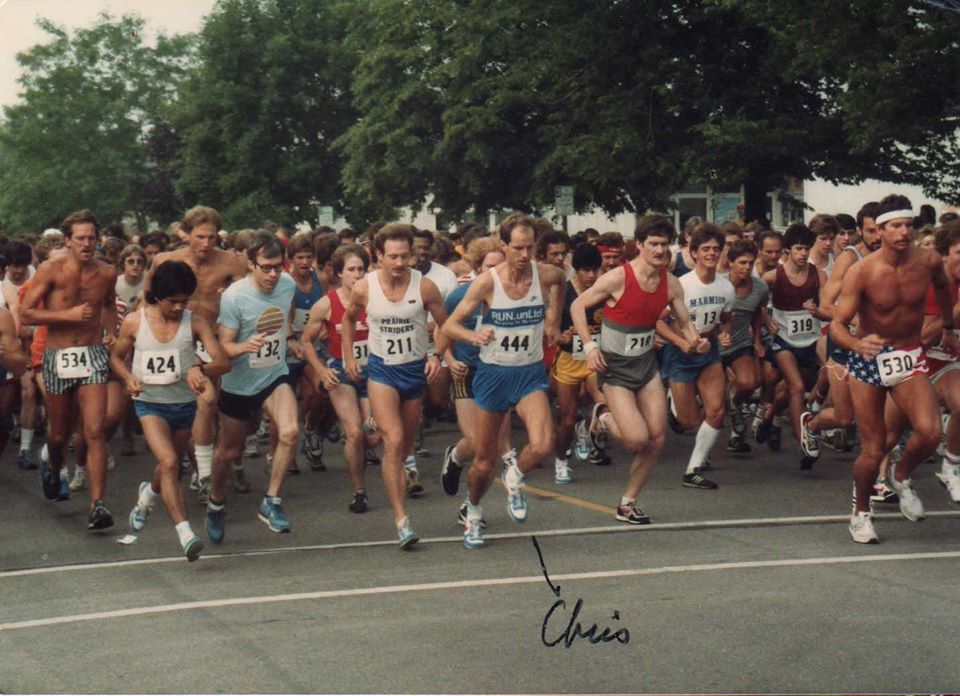


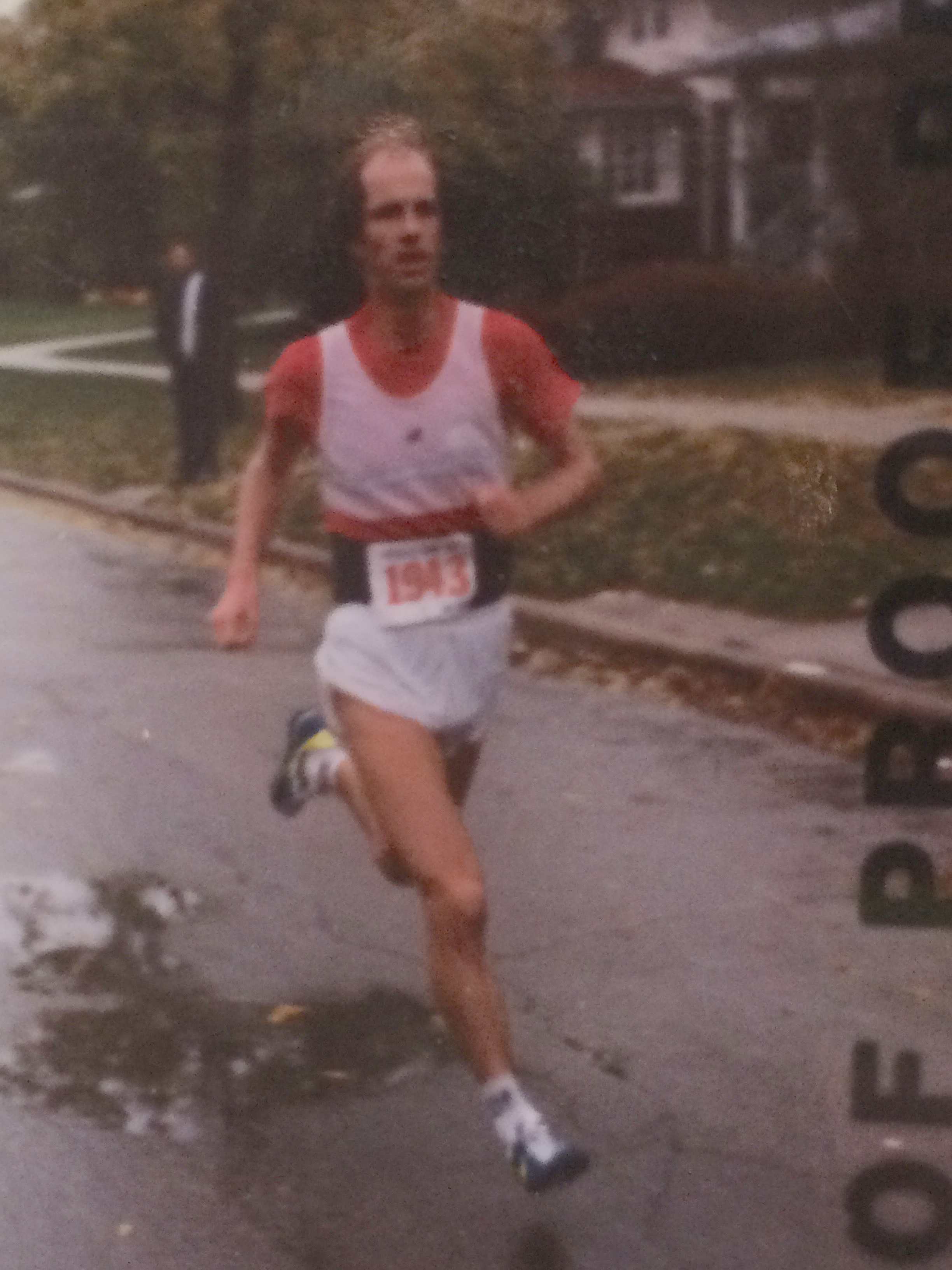



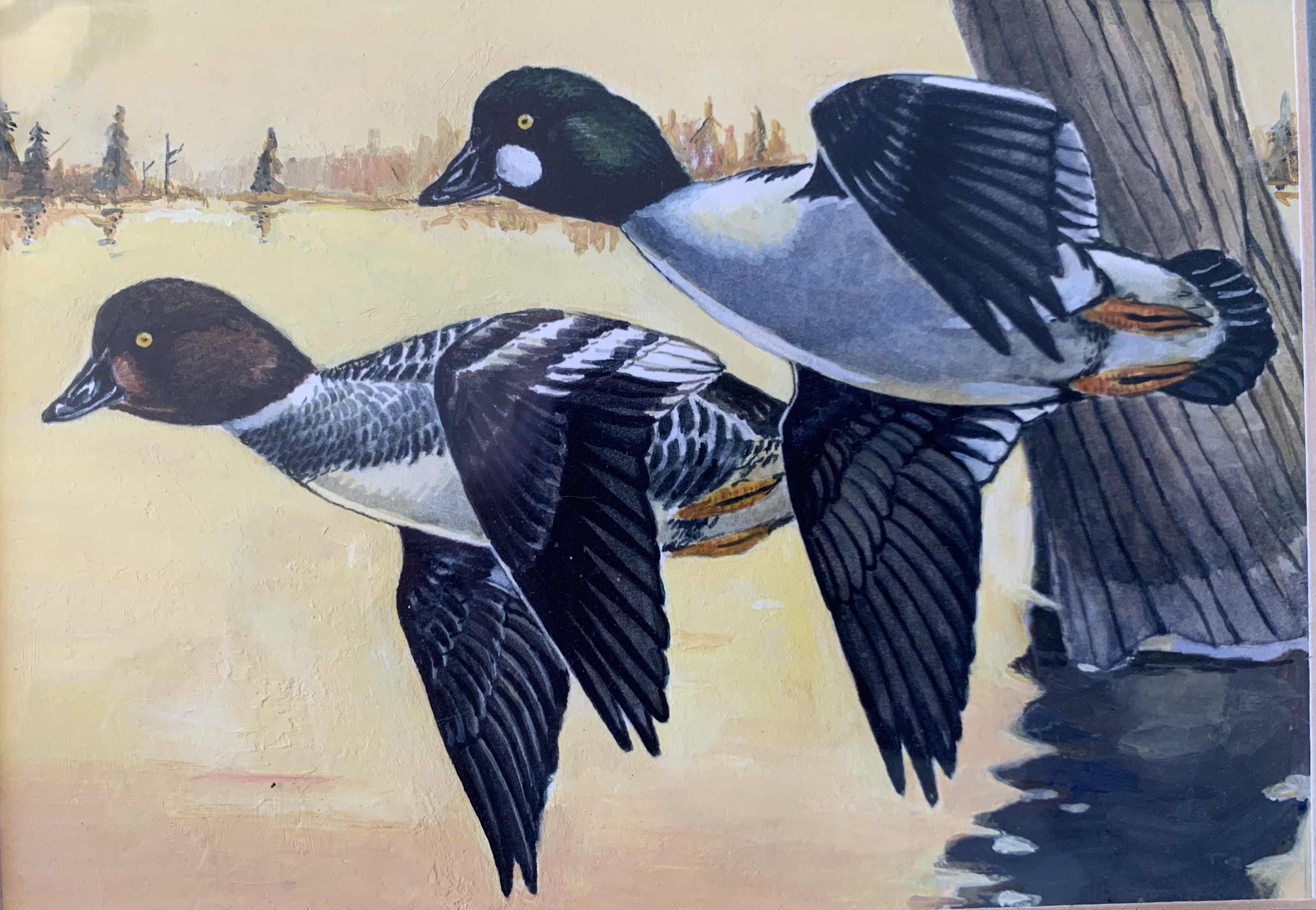
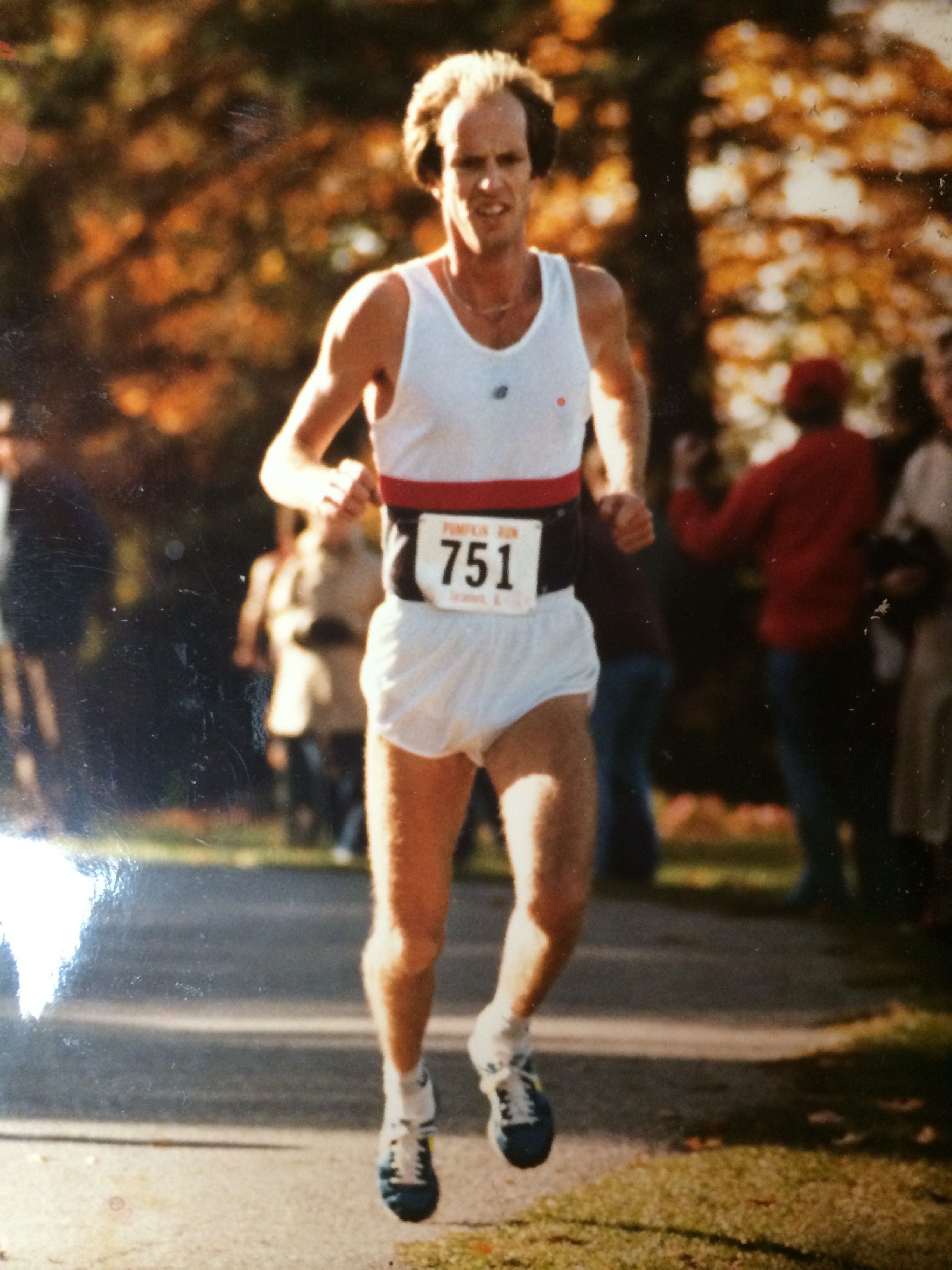
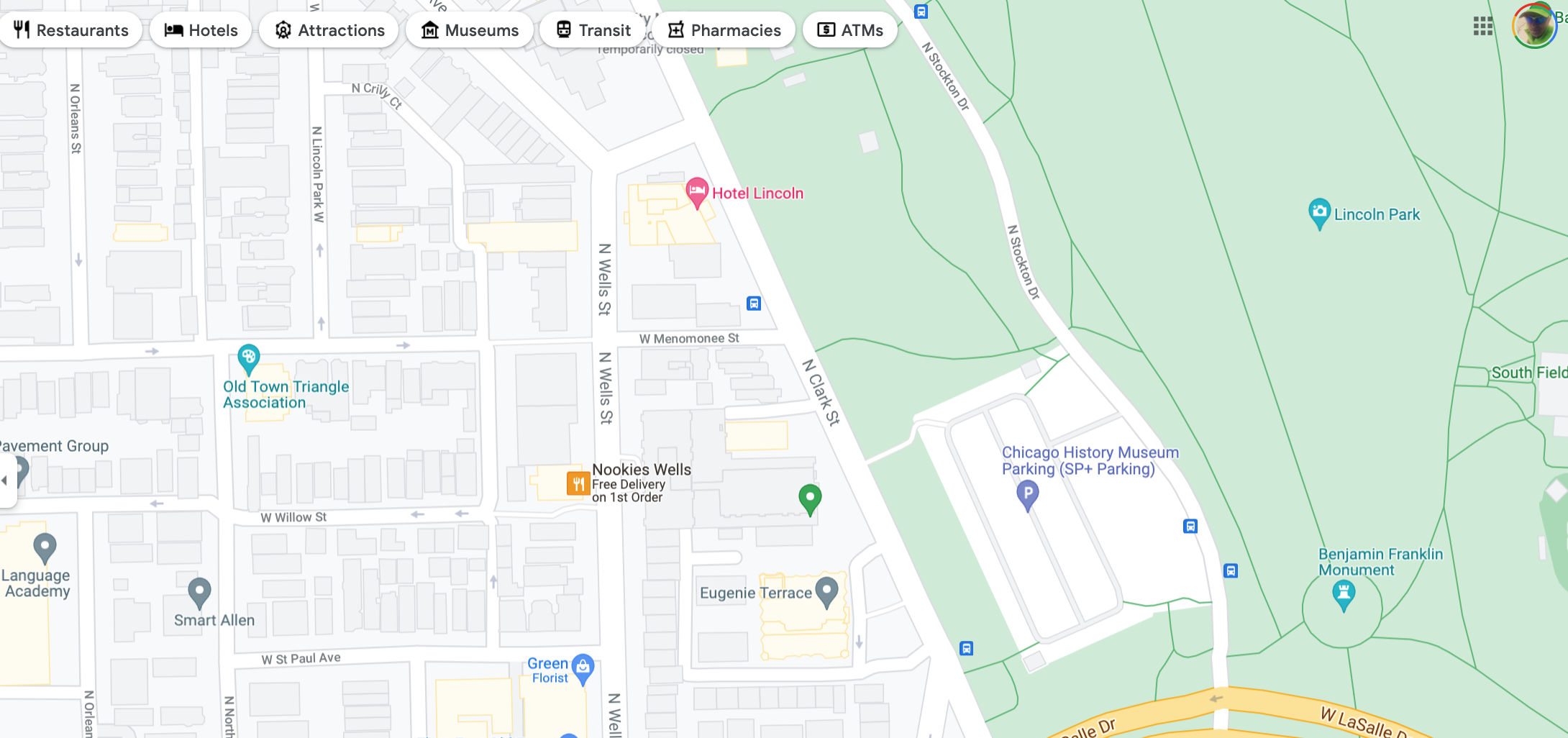
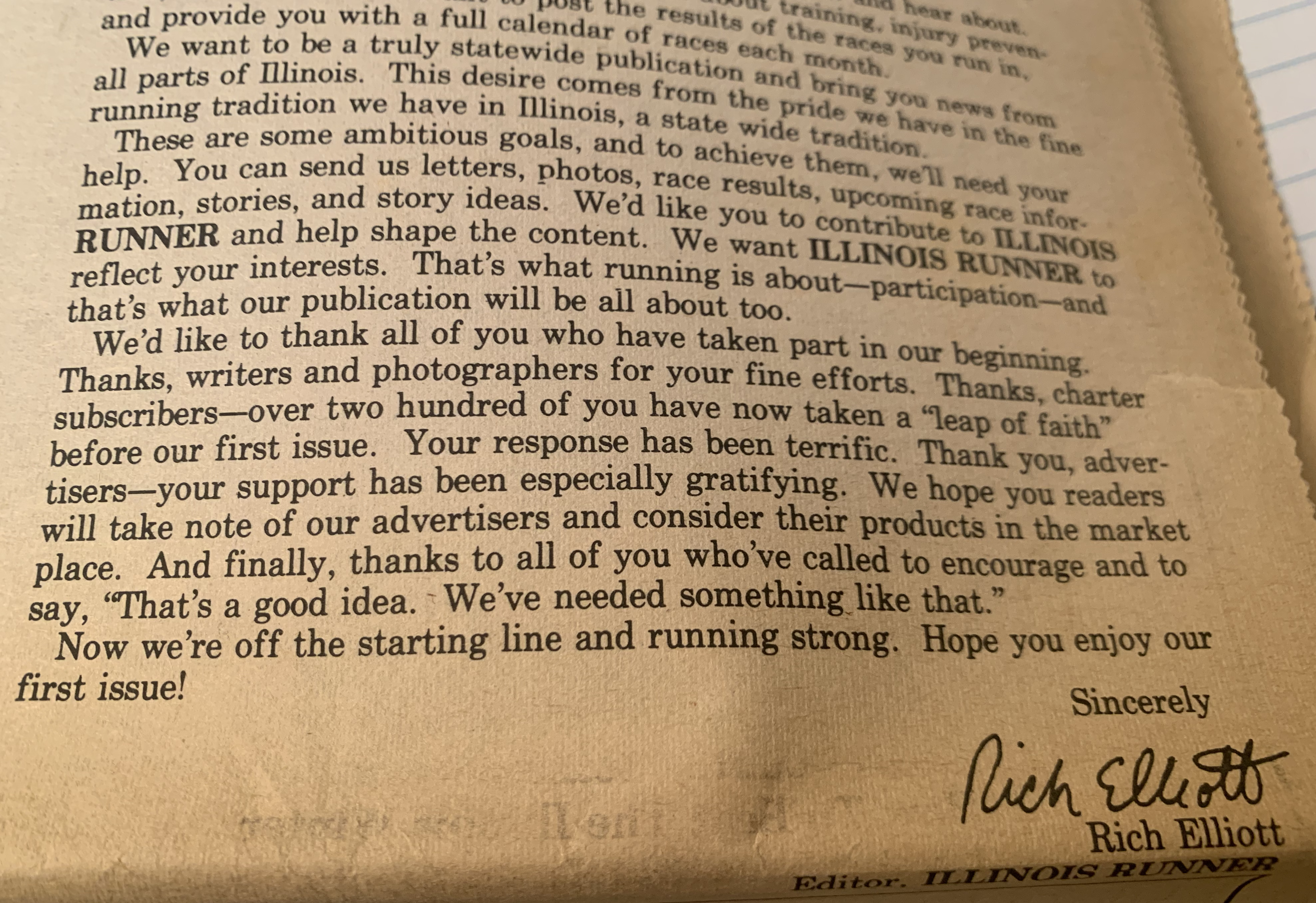


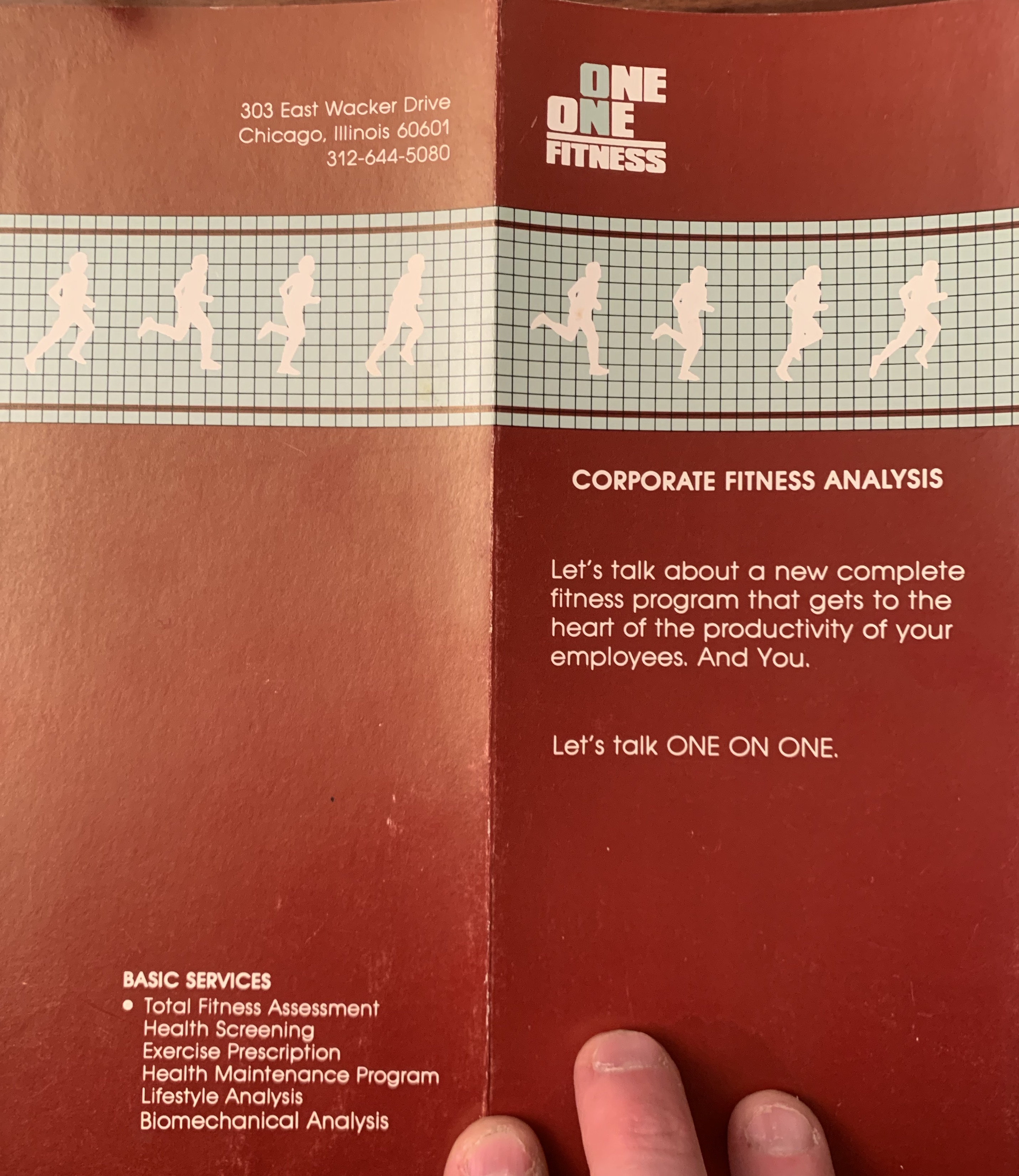
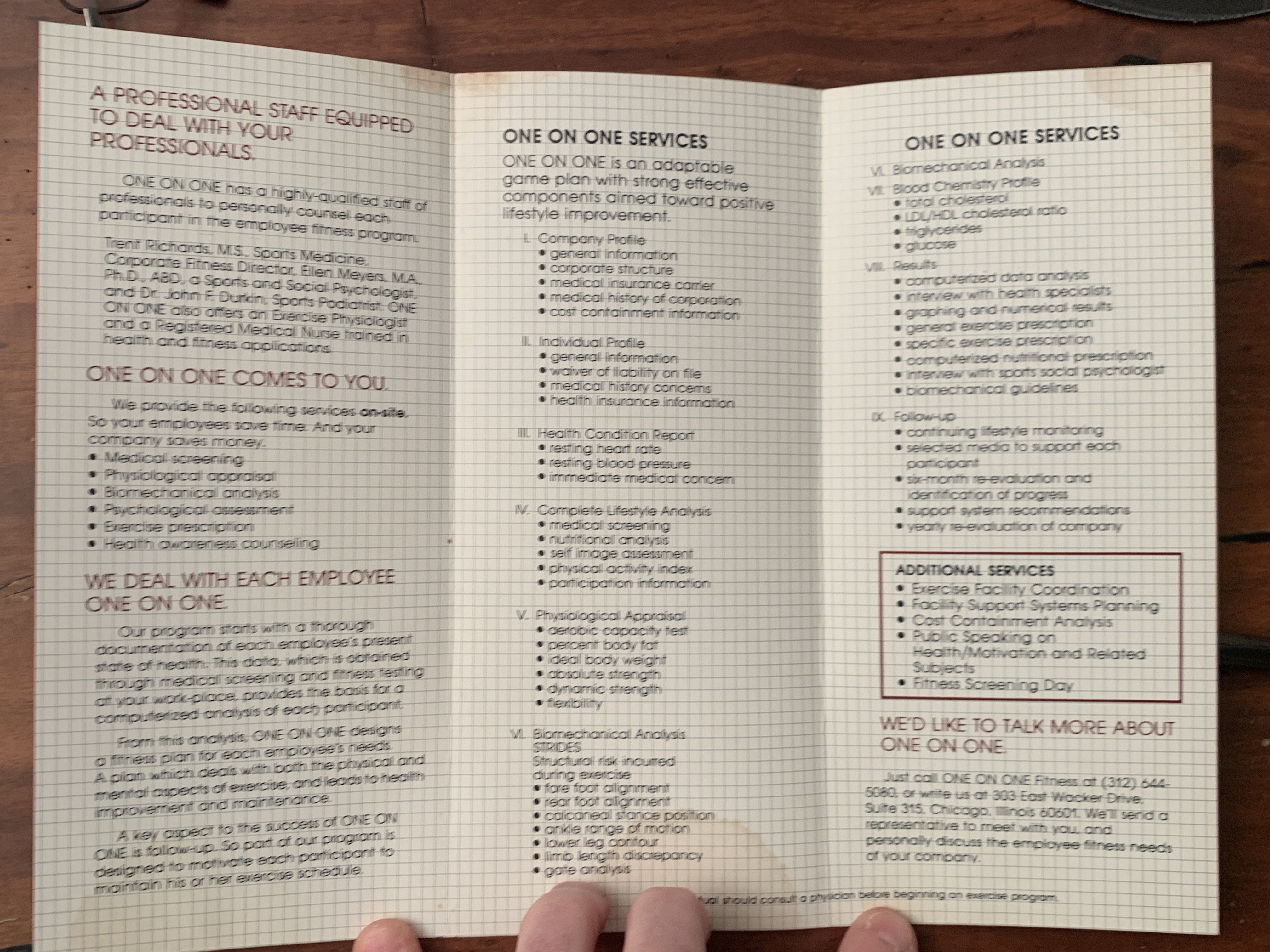
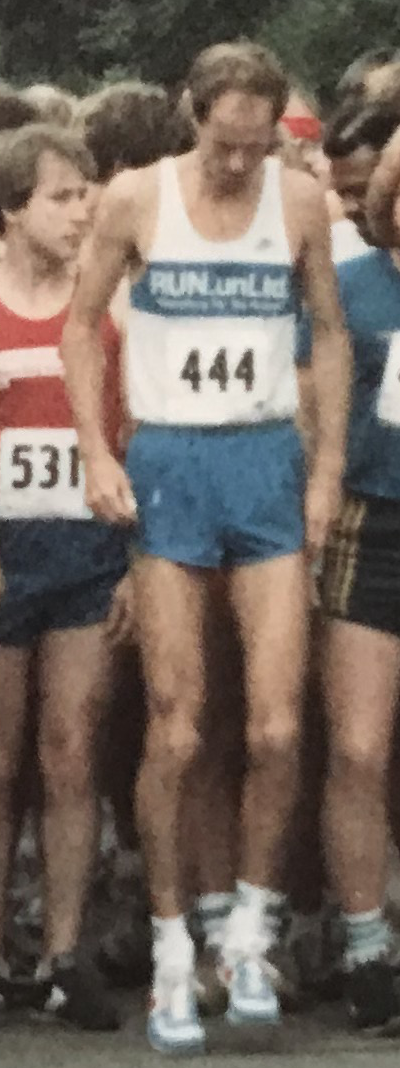


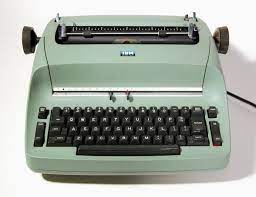
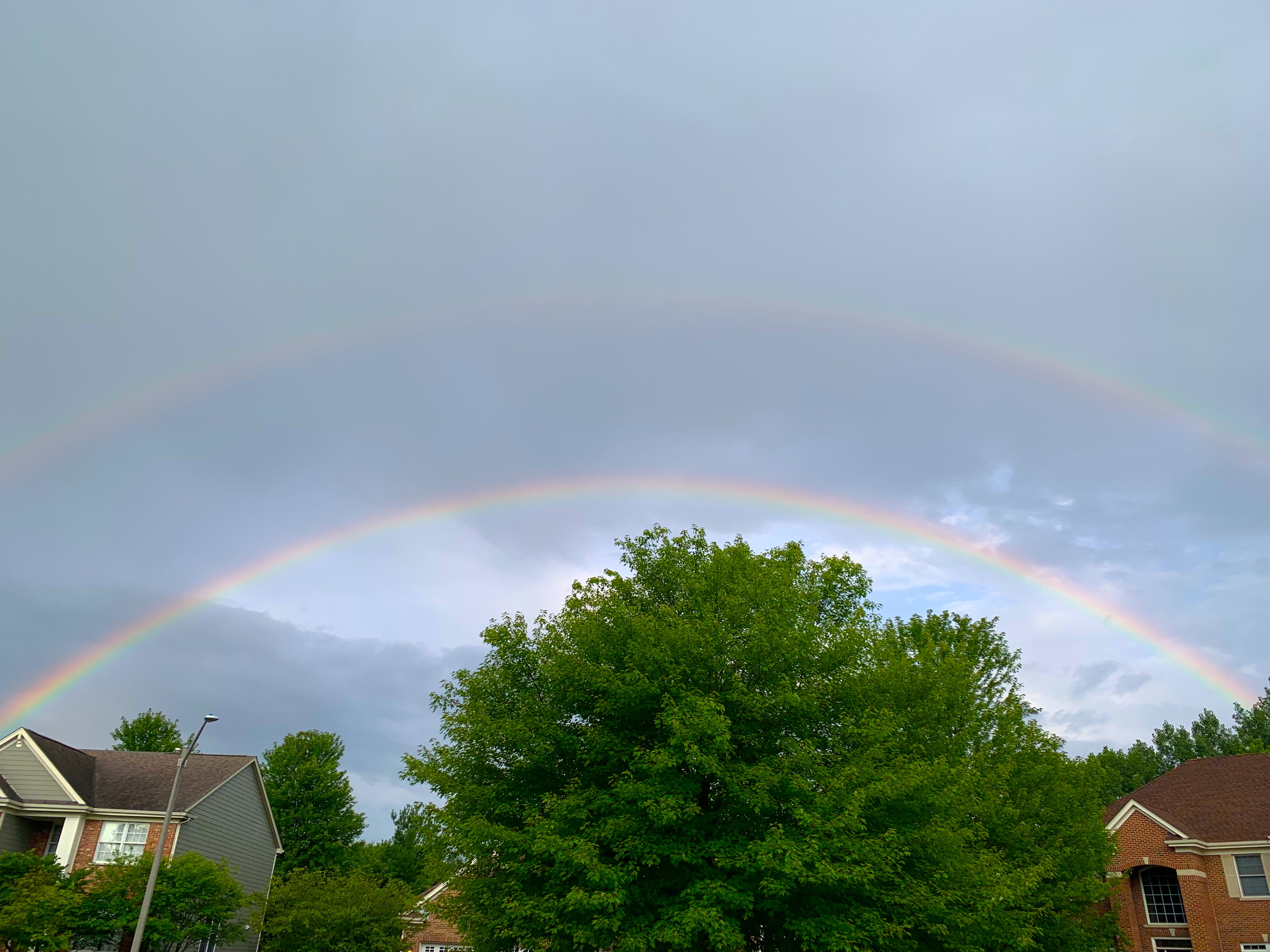





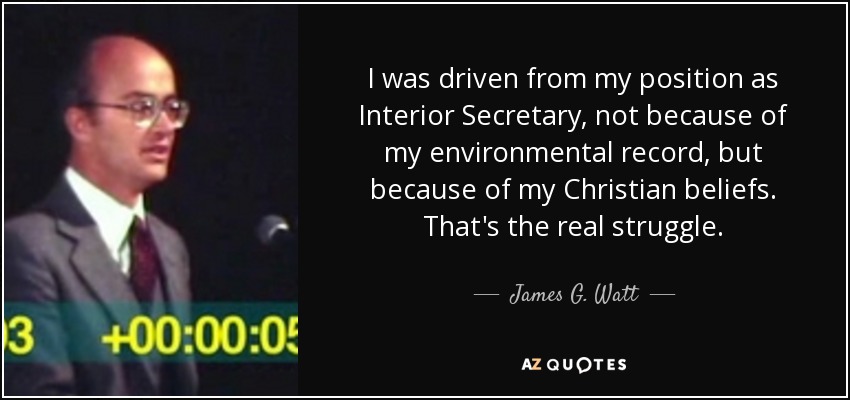

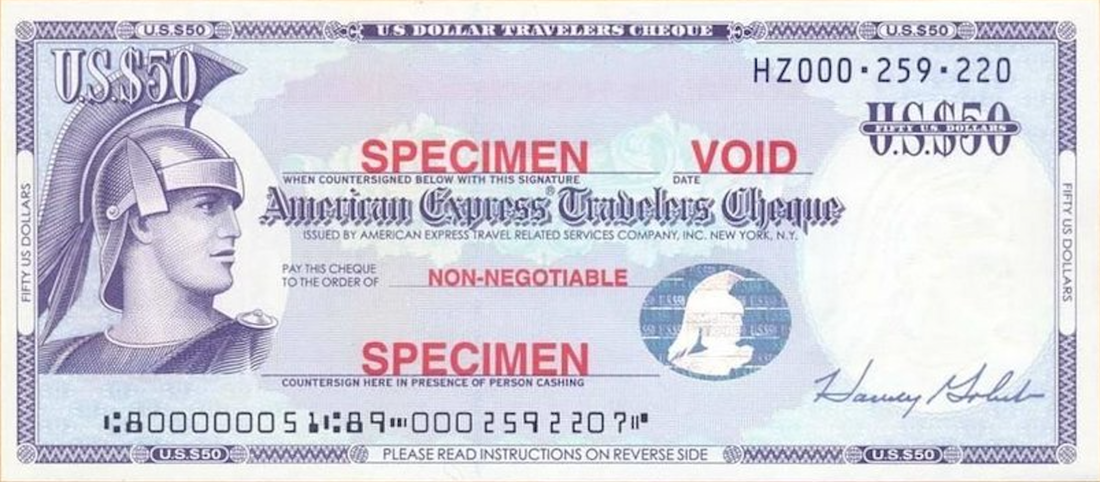




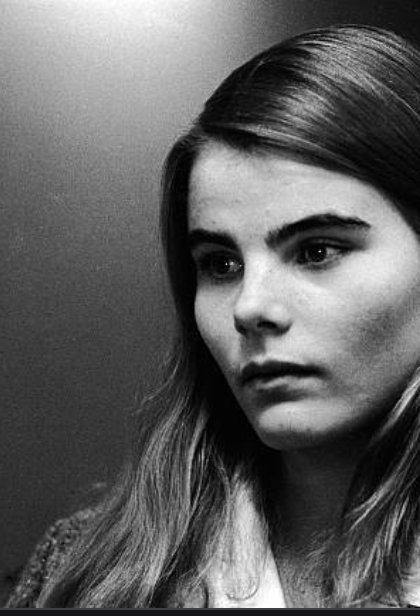









 We Run and Ride