Time in the purgatory lane

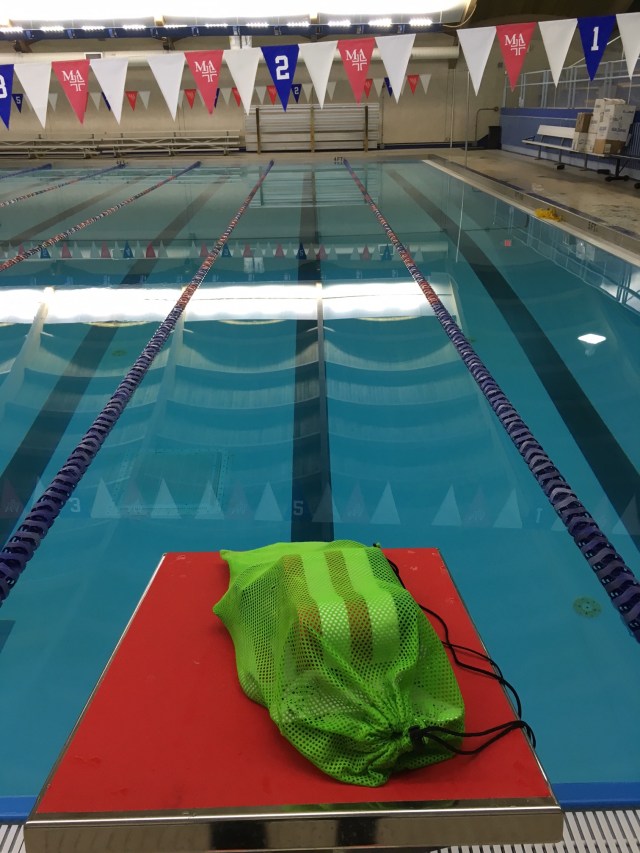
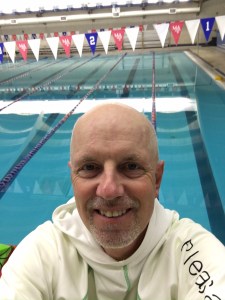
Purgatory.jpgAs the latest swimmer to join the Master’s Swim sessions held Monday through Thursday, I’ve come a long way in eight weeks of early morning freestyle. My stroke is stronger and my kick a bit better. Yet I’ve still got a long ways to go.

Getting better at a sport is a little like spending time in purgatory. I’m not Catholic, but the pool where I swim is owned by a Catholic military school called Marmion Academy. So one has to figure there’s a little purgatory going on at a place like that. Don’t know what purgatory actually is? You’ve heard the word, but still kind of wonder what it’s all about?

Purgatory: a state after death according to Roman Catholic belief in which the souls of people who die are made pure through suffering before going to heaven.

It’s that not a uniquely Catholic invention of theology, nothing is.

And while swimming this morning, I got to thinking about what a place like purgatory must be like.

It’s not quite hell, so there would be no hell-fire to burn you up. But what would God perhaps introduce as a place to suffer instead? And it dawned on me: water.

See, God has a vicious sense of humor about all such things. He once reputedly made a bet with the Devil to see how much suffering a poor soul like Job could take. Job’s friends watched him lose all his wealth and then wallow around in sackcloth in the dust with sores festering his body.

Meanwhile, God and Satan sat back playing an early version of Fantasy Football to see what kind of statistics old Job would kick out by the end of the game, or the end game, whichever came first.

And sure enough, Job turned out to be the longest-suffering soul of all. He remained devoted to God despite the fact that God let like kick Job right in the ass.

So God restored Job to all his former glory. He got the house back. He got the job back. He got his animals back. It was like playing a country music song in reverse, for God’s sake.

That Book of Job is likely where the Catholics got the idea for the concept of purgatory. Either that, or they just made the whole thing up from whole cloth because that’s kind of what Catholics do. If there’s not enough layers of religion to go around, the Pope waves his hand and the Bishops install another bunch of rules or confessions to accomplish, and people are happy.

It’s a well-known fact that Catholics are not happy unless they’re unhappy. Which makes them the happiest unhappy people of all. Because once a week or so they walk through the doors of the church for absolution and things are made right again with the world. You might call it Job Lite.

purgatory-tooSo let’s be honest, Catholics never figured that getting to heaven was going to be as easy as saying they love God and leaving it at that. No way. So purgatory was invented for those underachievers who know they screwed up in life and can’t imagine God would take them the way they are. Of course, Lutherans like me figure they can wave their hand and say I CLAIM GRACE! really loud, like we’re calling the Shotgun in a pickup truck, and that will get us into heaven.

But there’s a little Catholic in every Christian, they say. So that’s a little how I feel when showing up at swim each week. I’m like a creature in purgatory. My body is starting to show signs that I could be a swimming athlete. And at least the coaches no longer have to retreat to the supply room and snigger into their collars from watching me flail up and down the pool like a drugged up carp. I caught them doing that several times. “Okay, Chris Colburn…I see you in there. Come out now and stop wetting your pants on my account!”

I’m just kidding. Chris Colburn would never actually do anything like that. The guy gets up at 4:00 in the morning every day along with his faithful cohort Tim to coach the Academy Bullets. The two of them make up workouts and write them on the whiteboards at both ends of the pools so that we only have to squint a little bit to read them.

Tim event digs up all the birthdays of famous people in the world, and facts about what happened in this day in history. That way, if you arrive at the pool without a thought in your head, which is common, you can at least dwell on some arcane tidbit such as “On this day in 1836, Mark Twain farted in a public pool.”

Or something of that order.

I just find my lane and slowly creeeep into the water while the big guy who also spends time in purgatory pounds his way up and down the pool using every swimming implement known to the human race. He’s a nice guy however, so I don’t mind spending time in purgatory with him.

My hope is that some day, when I’m fit and faster, I’ll be able to keep up with all the people in Swimmer’s Heaven. Those are the middle lanes, where they really know how to suffer.

So you see, spending time in purgatory isn’t all that bad. Because as you’ll soon enough learn when you get to heaven, God doesn’t go easy on the angels either.

Posted in Uncategorized | Leave a comment

Training tradeoffs and shoe trade-ins

triumph-shoesYesterday was a fine day for cycling. Jumped on the Specialized Venge and rolled through 18 miles with a cutback through Fermilab for some scenic riding. It wasn’t a very fast ride. 15.8 mile average. About the equivalent of an early season March ride.

I could feel right away that much of the riding strength built up over the summer had dissipated. It happens fast when you take a couple weeks off. Moving boxes and packing has taken all the extra time in my schedule. My feet hurt plenty but my thighs have pretty much gotten a free ride.

It takes even longer to warm up when you’re a little out of cycling shape. That means you have to go easy on the uphills and wake up the smaller synapses. If you can. By the time I turned east with the wind the body recalled what it was supposed to be doing, and the pace picked up. It’s a funny thing, but late in the season like this, my patience for cycling wanes a bit. The idea of a two or three-hour ride seems less appetizing. It’s not that I don’t have the flexibility to go out during the day. I do. It’s more like, “To everything there is a season…”

Which is why I got the tuneup done on the Specialized Rockhopper mountain bike that has served me since I took up cycling more seriously 15+ years ago. I love banging around on that bike in the winter months. It’s like trading in the road bike for a slower pace if you’re riding outside. Yes, the computrainer awaits, but we’ll get to that soon enough. Riding the mountain bike through forest preserves on dim November days is a great transitional activity.

But first, we have a 10K or two coming up, and a half marathon in Madison the second week of November if all goes as planned.  Sue turned to me this week and said, “I do miss the bike a little.” But her run training is going well and has a renewed emphasis on tempo, cadence and speed specific workouts. It’s fun to watch your training partner trying new things, and having fun.

Shoesies

I ran 20+ miles last week and would have done a bit more but my ISO Triumphs are worn out. I went to three different stores and all of them were out of my size. A new version comes out this week, and I’ve ordered a pair.

But to keep running and plan for the upcoming races I went to the running department of a box store that rhymes with Rick’s and bought a $75 pair of Nike Vomeros, or something like that. I want something light that I can possible use for racing shoes in combo with the Saucony shoes I’ve worn consistently now for two years.

A week ago I tried out a pair of Brooks Glycerin, $150 shoes that I bought at Dick Pond Athletics. They’re $150 shoes but I use two $15 rewards coupons earned through prior purchase values. The Brooks felt great for the first two miles of a four-mile run that day. I was excited and clipping along at 7:30 pace thinking I’d done a good thing with the new purchase a familiar ache started flaring up in my Achilles tendon.

We all have our physical quirks and one of mine is a problem with heel counters that are too high or lean in too much toward the Achilles. I ran around in the store but probably that was not enough stress to really check out the shoes. I knew that I’d probably made the wrong decision on the Brooks.

It was only a quirk of fate that put me in my first ISO Triumphs, a shoe with a benign enough heel counter that I’ve had no Achilles problems the last two years.

But I was stuck with the Brooks because I’d worn them running, so I gave them to my son Evan for his upcoming 30th birthday present. He loves the shoes, and he’s terrible about buying new ones often enough on his own. So the universe found a little equilibrium.

I’ve done one three-mile run in the new Nikes and they seem forgiving enough around the heel counter as long I don’t put the laces through the ankle holes along the side of the shoe. If that trick keeps working, I’m doing some intervals on the track to test them out for racing.

All this stuff is necessary when you’ve got a few miles on your body. We can’t that in so we make the best of it with what we put on the feet, how we train and what kind of tradeoffs we can manage with multisport activities. Keep moving, that’s the only trick.

Posted in Uncategorized | Tagged | Leave a comment

No race for the faint of heart

A friend recruited me to contribute commentary on his Facebook page because he shared a video of Vice Presidential (or is it Presidential?) candidate Mike Pence pontificating on the benefits of teaching creationism as a theory of human origins. Pence tried to make the point that creationism is “equal” in intellectual weight to the theory of evolution. His arguments had all the acumen of a frat boy trying to pass a required science class in college.

Creationists have been begging approval from top-level politicians for years. So the idea that a VP might abide by the pet theory that the bible is supposed to be interpreted literally is akin to having an Olympic champion selling your brand of breakfast cereal.

It was interesting to see people argue that Darwin’s “theory” was just that, an idea that has not advanced in understanding since 1861. Yes, someone actually said that.

Meanwhile, their favored source of science information, the Bible, was actually drawn on from a series of creation myths dating back 4000 years. These were amalgamated into a singular oral history that was incorporated in the Jewish Torah, now the book Christians brand the Old Testament. Effectively, it’s all stolen and plagiarized material that has passed through an entire litany of languages over the ages and is still translated dozens of ways in different versions of the Bible. And we’re supposed to take the book literally.

Looking back at the era from which the Bible (as we know it) originated, we must consider that people still believed the sun revolved around the earth, and that the earth itself was flat. It was also supposed that heaven sat directly above the earth in a dome-shaped hemisphere something like the roof of an NFL football stadium.

RELIANT STADIUM SUPER BOWLThat may go a long may toward explaining why so many conservatives seem to love the sport of pro football. Creationism is as close-minded about the cosmos as the closing doors of a partial domed stadium. Whenever there is threat of an existential rain, creationists just close up their domes and wait for the existential rain to pass over them.

This is the type of leadership men like Mike Pence have to offer. He’s been mucking it up as Governor of Indiana, where they can’t even make up their minds what time zone to use, but now that he became a running mate to Donald Trump in the United States presidential election his views matter a bit more on the national stage.

So here’s the downlow: Mike Pence is a dogged conservative who seems to want to run (or cycle, or swim) on his own ticket. For now, he’s willing to ride along in the draft of Donald Trump, but he’s not going to pull for the guy. In cycling terms, he’s a “wheel sucker,” a mean little bastard willing to let someone else do all the work and then race on ahead to victory either now or later. Perhaps he’s even had discussions to take over the office of President when (no if…) the GOP impeaches the terminally insane Donald Trump if he is indeed elected. These are crazy times, and crazy conservatives like Newt Gingrich and Paul Ryan will stop at nothing to get their way.

No team player

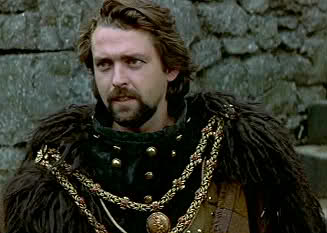
robert-the-bruce-en-braveheartPence is like the guy you always dread having on your team (of any sort) because they’re only waiting for the chance to steal victory from your grasp. He’s likely working behind the scenes like that Scottish candidate for the King of Scotland in the movie Braveheart. Pence is clearly playing both sides of this political conflict within the GOP in order to come racing to the fore once that Braveheart maniac Trump is knocked clean off his horse. Pence is all too willing to do the knocking off if necessary.

Pence is a cold-hearted killer. You can see it in his eyes. He’s the guy who will cut in on the rail in an indoor track meet well before he has a full stride. He’s the guy who will gutter mike-pence.jpgyou on the bike, riding far to the right of the road when the winds are coming at an angle for the left. If you can’t hold his wheel, tough luck. See you back at the ranch. This is not a no-drop ride we’re on with Pence and Trump. The Donald has even hinted that he will refuse to concede if he indeed loses the election. Can you imagine if a marathon runner came in a clear second and then stood at the finish line yelling, “I didn’t lose! They cheated by running faster!”

Well, we witness that kind of behavior every day from Donald Trump. But Pence isn’t so brash and stupid. But he is the guy who will swim right over you at the start of a triathlon. If you drown as a result, tough luck. He won’t look back to check on you. He cares not who he mows down along the way. Mike Pence is all about victory.

That’s why conservatives love him. He’s a man of convictions, and to hell with those who don’t like what he believes. He’s actually the expression of a new breed of religious politician known as the Post-Modern Evangelical Catholic. To sum that up, he’s a “Screw popefrancisisis-v2Pope Francis” kind of guy when it comes to abiding by Pope’s more liberal stances on topics such as evolution, climate change and gay rights. Pope Francis has stated “if laws don’t lead to Jesus, they are obsolete.” But

But conservative Catholics hate that kind of pressure to actually abide by the words (of Jesus) found in the Bible. They prefer to abide by laws from the whole cloth of legalistic belief instead. It’s long been a problem for the Catholic Church. Now men like Mike Pence want to foist it on all of America despite the fact that separation of church and state is a well-evidenced practice stemming from the freedom of and freedom from clause on religion in the United States Constitution. Conservatives too often confuse the imposition of their selective beliefs on others as a sign of religious freedom. It’s that simple. And that stupid.

But never mind that pesky document we call the Constitution. Pence is a murderously determined man when it comes to his beliefs. He would likely run the Pope down with a fat-tire bike if he had the chance. Then ride back over him for good measure. And squish his little pointed hat for double good measure.

o-donald-trump-facebook.jpgSo Pence is looking ahead to 2020 and he’s running his own race. If he happens to get carried along by the crazy train of Donald Trump to wind up in the position of VP, all the better. Trump is the heavy in this race so far, but the GOP knows better than to trust a fat boy-frat boy like Trump to carry them for the long run. The real candidate for President on the GOP side is all doped up and ready to run on the fuel of bigotry and discrimination.

16-0119-benghaziMuch of which has been pointed at their opponent for years, with nothing to show for it except the claim that Hillary ostensibly allowed four people to die in Benghazi. But if she’s responsible for those four lives, then what can we say about the Bush administration’s responsibility for the lives of those killed on 9/11?


Hillary + Benghazi =4 dead. 

Bush + 9/11 =4000 lives plus… Iraq + Afghanistan = 4000 more.

And 10,000 maimed. Dozens tortured. $3T spent. 

The math does not lie. Compared to Bush, Hillary is nothing more than a mid-packer when it comes to deaths occurring under her watch as Secretary of State. Bush let 4000 civilians be killed on our own home turf. Then he sent 4000 soldiers over to a war of choice that had nothing to do with the perpetrators of 9/11. Those soldiers died in a war that had no plan in place for success, or an exit strategy. That was the Crime of the Century.

So these criticisms that Hillary Clinton is a criminal pale completely when compared to the lives lost under Bush and the 20M vanishing emails that the Bushies seemingly tossed as well. But in the race for President, it is all about exaggerating the opponent’s flaws while minimizing while minimizing perception of your own. Intimidation is a powerful force in any race. If you can humiliate your opponent even with falsehoods, that’s often enough to win.

One can certainly hear the creak and groan of that conservative protective dome every time the subject of those eight years under Bush comes up. Yet even Trump has rained on the conservative game in that respect. There will be a price to pay for that.

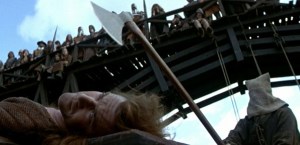
braveheart-1995-movie-beheaded-ending-torture-william-wallace-axe-executioner-review-tower-of-londonIf Trump actually wins, we can expect that he’ll be hauled into the conservative tent straight after his victory speech. There, he’ll be pinned to the Republican Platform by the four arms of the conservative belief system; social, political, fiscal and religious. The magistrate of the GOP will profer the same bargain that Scotland’s hero William Wallace received in the movie Braveheart. Either confess to your crimes or have your guts spilled out in public. That was no scene for the faint of heart.

The King of England was the key conservative of his day, willing to protect his authority by any means possible. The same holds true for politicians of many stripes today. But one has to admit that Republicans and conservatives excel at the game. They do not fuck around. They will not lose for lack of trying. And by the way, that’s Mike Pence under the hood and holding the axe in the picture above.

Yes, it’s a harsh little competition we’re witnessing, and the apparent winners aren’t always the lucky ones. That much we know for sure.

Posted in Uncategorized | 2 Comments

Better get a move on

img_0996When we prepare for a competitive event such as a triathlon, there are many moving parts that must fall into place. There’s the training for each sport with all its many challenges. Then there is always the equipment to consider as well. Shoes, kits, fuel and hydration. Bikes, goggles and brains, if you can remember all that.

Wrapping all that together is the logistics of the event. From registration to making sure your chip is on your leg at the start, there is so much to consider.

The process is something like a rehearsal for life. It’s true for participants in individual sports as well, such as swimming, running and riding. Success is all about preparation and execution.

Sometimes, things do go wrong. I recall the morning years ago that I roused my companion to make the trip to a race. We left at 5:30 in the morning and drove thirty miles to the collar suburb of Chicago where the race was being held. Only it wasn’t. Not that day. The actual date of the race was a week later. Needless to say, she did not join me the following weekend.

We all learn a few things about being organized along the way. Some of these life lessons are directly applicable, such as checking dates on a calendar to make sure things are taking place when we think they are.

The unexpected is also a part of life, however. That means being adaptable when things do not go as planned.

Gotta get a move on

move-truckWith that notion in mind, we recently set about preparing my home for sale. That meant prepping the house as well as cleaning out the excess junk that accumulates in 20 years of living in one place. Finally, you get down to the things you actually need and want to keep.

But to sell a home, you need to stash your personal stuff in bins out of sight so that people who want to buy your home can enter the place and easily imagine themselves living there.

It’s all a bit dehumanizing, a process of partially erasing your own existence in order to justify the sale of your domain. But that wrench of emotions has its benefits, like being shunted to the bar on the quad the day you drop your first child off at college. It’s best not to look back. Just let it all go.

Even small changes like that can open your eyes. That certainly happened with my house. You can take a look at this beauty by looking it up at 367 Republic Road in Batavia, Illinois on Realtor.com. I hand-painted those walls. Hand shined those floors. Worked with a staging lady to put the furniture just right. And it sold in one day.  That’s kickass, my friends. And my Realtor Lori Johanneson deserves some credit. 

move-pinAll that change in a short period can give you a brand of seller’s remorse. Yet while it is difficult in some respects to sell, in other ways I’m proud to hand over this home that I found on my own 20 years ago by driving around Batavia when we could not find any other homes that suited our interests and family needs years ago. It was For Sale By Owner through a family estate. I made good on the bargain through a handshake with the son of the man that had owned the home since it was built. Salt of the Earth.

And when we moved in, our children grew fifth and first-graders. They grew into adults before my wife passed away from cancer in 2013. I’ve kept the home the last few years and tended the gardens to my own tune. But now it’s time to move.

I met a woman that I love and we both have agreed that it is best to start our lives together on a new and equal footing. Selling the family home comes with some pain because it carries the memory of my wife as well. The transition these past few years has included difficulties for all of us in grief and consideration of what our lives have become.

mirrorIn my case, the need to change is real. While I’ve worked for myself the last three years, I’m not ready to retire in any sense of the word. In fact, I’m eager to try some new things in the work world and have learned so much in my consulting business that can contribute to organizational success and that is my plan. To re-engage. My son and daughter are also embarking on new adventures.

But before my fiancee and I can move, we have to complete a couple house closings. The first will be on the home we’ve purchased. Next will come the home that I’m selling. Those dates did not match up. So we’ve had to call an audible. Sell, buy and move. That’s the triathlon of existence.

We’ve already moved an entire household of goods (other than the furniture) into my home along with Sue and her family. We’ll move it all again in two weeks when the new home is opened up.

For now, we’ve adapted quickly over the last couple days. The cats were in shock at first, but they found their places in our master bedroom soon enough. And actually, they seem to love all the new angles and obstacles they get to explore in this place. My home is like a giant jungle gym to them.

Grunt work

move-goodsOf course, hauling all those possessions is enough to make you want to become a monk.

But we all seem to love our shit, don’t we?

Until we don’t. The brother of an associate years ago engaged in an extramarital affair that amounted to a mid-life crisis. At one point he told my friend, who works as a lawyer, “All I need is my bike and my tennis racket, and I can be happy.”

“Keep talking like that,” my friend warned, “And it IS all you’ll have.”

The raconteur soon gave up the affair and rejoined his wife. Then he found another great job in his profession and is happy again in his marriage. The truth of the matter is that depression can do awful things to the mind sometimes. The thrill of that affair felt like freedom for a bit, like living again. Call it brain chemistry. But call it a near tragedy as well.

It’s a bit like that even with the sports we love. All of us enjoy the affairs of sport; the race prep, travel and adrenaline all give us the thrill of newness. But sooner or later we also need to come home.

It works the other way as well. Sometimes home itself can seem like a proposition too fixed or burdensome to bear. So we up and move. All our stuff. We cart our memories along as well. Some are stuffed in boxes. Others get stuffed in our brains.

Moving on

move-truckieI’ve moved many times in life. First when I was five. Again at 13. Then at 15. Again at 19. Then yet again at 21. Plus all those moves back and forth to college. After college, two more moves before I was 22, all the way out to Pennsylvania and back to Chicago.

Then several others including moving back home for a spell by the age of 26, right before I got married. Then we and moved into a rental home and then our own home at 27. We lived in that little brick bungalow eleven years until we purchased the home I’ve owned for 20 years. I’m proud of the fact that I tried to provide a solid, stable home environment for my children that perhaps I never had growing up.

It ain’t easy

No one said moving is easy. My fiancee has had to move several times in the last five years, so we both dreaded the task a bit. As I write this, I heard her let forth a Whooo! from upstairs in the kitchen. The mortgage loan just got approved.

We’ve already put our backs and sweat into moving truckloads of boxes to my place. Two Men and a Truck stored her furniture until we can get it two weeks from now and bring it to the place we’re getting together. Then we unload and start again. It’s a moving experience in any regard. You gotta love it.

Then we can get back to running and riding and swimming with a new vantage point on life. And working a bit too. There are still bills to pay. Things like that.

So better get a move on.


Posted in training, triathlete, Uncategorized | Tagged , , , , , , , | 1 Comment

Loss or gain in a puff of smoke

The world of endurance sport has changed in many ways over the last thirty years. We’ve watched heroes rise and fall, come and go. Lance Armstrong ruled the world and then collapsed like the subject of a Cold Play song.

I used to rule the world
Seas would rise when I gave the word
Now in the morning I sleep alone
Sweep the streets I used to own

I used to roll the dice
Feel the fear in my enemy’s eyes
Listen as the crowd would sing
“Now the old king is dead! Long live the king!”

One minute I held the key
Next the walls were closed on me
And I discovered that my castles stand
Upon pillars of salt and pillars of sand

Very few heroes survive without some tinge of scandal or intrigue haunting the myth created around their performances. Even legends such Michael Jordan have their immensely human flaws with allegedly huge appetites for gambling, women and massive egos. Such is the life of an NBA star.

The pressures of being that good at something, especially a sport, can be immense. That’s why athletic heroes such as Michael Phelps wind up smoking a little dope. To escape. To find themselves. To ease the pain of existence perhaps?

Now it has come to light that more than half the players in the NFL use pot to treat the pain produced by playing the game of football at its highest level. Pot also helps players deal with concussions. That’s a subject few like to talk about, but it stands to reason that for every reported concussion, there are probably three that go either undetected by the team and are known only to the players. The culture of pro football has long rewarded playing hurt. Indeed it may depend upon it. The stakes are simply too high and the money too great to balk at the chance to play in an NFL game once you’ve earned it.

So players naturally turn to a release from that constant pressure to perform and take those risks. Quite a few apparently smoke pot in their offtime to keep on going.

img_3995Some might see that as sign of weakness or find it irresponsible given that pot is still largely seen as an illegal drug in America society. But that does not mean it is unavailable. Marijuana is easy to get and reportedly more powerful than ever. The drug has soared past its reputation as a hippie drug from the 60s and 70s. The pot on the market know is reportedly far stronger and more effective than the weak weed back then.

Yet the image of pot is changing fast. Cancer patients now use weed for medicinal purposes and so do many other. The drug is maturing in its public perception.

So who are we to judge the fact that many top athletes now smoke pot. It’s just a sign that everyone’s trying to get along, keep up,  give themselves another chance to compete. In some respects, it’s rather inspiring to know the humanity behind the struggle to compete at the top.

Years ago in college, our cross country team smoked pot on weekends and enjoyed the hell out of it. Yet as a distance runner I did not want to compromise my performance due to the effects of smoke in my lungs. We had a teammate or two that completely ruined their talent by smoking too much pot. One runner was a step away from placing All-American freshman, but his prodigious pot smoking effectively ended his running career. He never made the varsity again after his freshman year. People can claim all they want that marijuana is somehow not an addictive drug. All I know is what I’ve seen and witness in other people. Some can handle it while certainly others cannot.

There are many factors that determine how human beings respond to different types of drugs. It’s the classic “nature vs. nurture” dilemma. Some people do respond well to certain prescription medications while others suffer horrid side effects. During the long years of stress while serving as caregiver to a wife with cancer, my own short test with an anti-depressant called Zoloft turned into a near panic attack. Drugs such as Lorazepam and others had no such side effects.

To read a compelling tale of power and risk with drugs you should read the book Duel In the Sun , a chronicle of the separately inspiring paths of Dick Beardsley and Alberto Salazar. Those two runners fought to the finish line of a brutally hot Boston Marathon that essentially sent their running careers up in a puff of smoke. Their lives took incredibly different turns following that marathon. Beardsley became a farmer. Thanks to a horrid accident with a piece of unforgiving machinery, he became addicted to painkillers after a stay in the hospital to treat his injuries.

By contrast, Salazar tried to continue his running career but was stymied by a sense of illness that ran through his entire being. He was ultimately diagnosed with clinical depression. Ultimately the drug Prozac helped Salazar deal with his condition.

Thus the struggles of Salazar and Beardsley had opposing paths in that Beardsley had to rid himself of drugs while Salazar benefitted from a prescription of anti-depressants. It goes to show there are no hard and fast rules when it comes to drugs. Legal or illegal, they can be both a blessing and a curse.

Which brings us full circle to the use of drugs to enhance performance. That brand of illegal activity seems to cross all ideologies. Some people will do almost anything to win, and un pro sports such as baseball, we’ve witnessed drugged up sluggers like Sammy Sosa and Mark McGwire battle for the home run championship. Fans thrilled to the sight of baseballs flying out of the park. America’s game was hopped up on testosterone-fueled excitement and loving it. The fantasy was only destroyed when it was learned that both players were cheating by use of steroids to increase their speed and power at bat.

Cycling has also had its large share of dopers, the most famous of all being Lance Armstrong. But there were many others doping at the same time Lance ruled the cycling world.  and track and field as well. In the sport of triathlon, there have

The sport of track and field has long been scandalized by doping. Yet strangely, in the sport of triathlon, there have been  very few athletes caught doping. That doesn’t mean it isn’t happening. Triathlon apparently has too little out-of-competition screening to reliably check whether performance-enhancing drugs are being used to increase stamina and power.

It is too easy to dismiss drugs from marijuana to steroids and say, “All things in moderation.” Athletes like to push the limits, and that quite often applies whether they’re getting stoned or pushing iron to get stronger.

The trouble with pushing the red line is that things can and do blow up in your face sometimes. And then those dreams of glory go up in smoke.


Posted in running, triathlete, triathlon, Uncategorized | Leave a comment

The importance of honesty once the race is done

NBike OutThe minutes following a race are some of the most vulnerable yet empowering moments in your life. There is empiric data to consider. How fast did you go? If you are a triathlete, that is a manifold question compounded by the strange reality of transition times. What took you 1:30 to change or God Forbid, three whole minutes in transition?

So you walk around in circles a bit while nodding at other athletes doing pretty much the same thing. Perhaps a sweaty hug is exchanged with someone you know, or family comes to greet you. But your mind is still racing through the excitement, challenge or difficulty of what you’ve just done.

That means you’re not quite ready to talk about anything. Your head is still spinning and you might be breathing hard from trying to kick it in that last 800 meters.

But within five minutes the rush of adrenaline or profound fatigue usually wears off. Then you begin to converse in your own head and with others about those moments in the race that were decisive. Perhaps it was a bike uphill against the wind or a jammed turn around a buoy. Maybe your legs were jelly at the start of the run. Maybe you felt great, or just didn’t have it that day.

Through most of my career, I focused on running as a primary sport. The moments after the race were spent analyzing very specific feedback on pace per mile. If the goal that day was 5:10 per mile, and the middle miles turned out slow, I focused on mental preparation and how the course was laid out. If there were multiple turns or a hilly route, then pace lags were perhaps forgivable.

Lacking those excuses, it all came down to whether thoughts such as motivations, goals and target times were clearly communicated to the body. Did you work through the fatigue when it hit? Or did you give in?

In any endurance sport, the ultimate joy in any race is the thrill of achieving negative splits. That means going faster the second half of the race than the first. When that happens, and you actually speed up rather than slow down, there is a tremendous feeling of triumph and achievement. It can happen in the swim, the run or the bike.

But it’s only true if you weren’t dogging it at the start.

It takes honest to assess that. Perhaps you and your coach are the only people who can accurately assess that. And then new questions begin, such as, are you affirmative of your effort or is there negativity that persists? Did doubts carry through from the start to the finish and beyond? Are you able to find positives even if the overall race effort was less than you hoped to achieve?

It is possible to be too hard on yourself. There is also a tendency in all of us to beg compliments even when things have gone well. When someome tells you “Good job!” and you say “I could have done better!” what sort of message does that send?

The worst situation is the ‘WOULDACOULDASHOULDA’ mentality in which the thoughts after every race turn to excuses about what could have gone better that didn’t. That is a dangerous trap because it makes it too easy to justify why you failed rather than determine where you need to work harder in order to do better the next time.

Simply put, this means controlling your mental analysis both during and after the race. Rather than “I could go faster” you can focus instead on “This is what I need to do to go faster.” It might mean finding a downhill on which to increase your pace and then keep it going. It might mean working up a hill that you would otherwise back off, then have confidence that the fatigue will wear off in a bit and get back into your groove on the flat.

These are the practical analyses that all of us must adopt in order to make progress in any of the endurance disciplines. If your swim stroke falls apart in the kick during longer races, then it pays to acknowledge that problem in your post-race review and talk yourself into working harder on that during your training for the next race. Telling yourself “I could have gone faster” is a much different mental dialogue than “My kick still needs work because I depend too much on my stroke and tire out.”

If this all seems too subtle to worry about, then you don’t know yourself well enough as an athlete yet to understand what it takes to improve. The moments after a race are filled with both honest and dishonest thoughts about what you’ve just gone through. Learn to identify and choose the honest thoughts. Then take that with you after the race. Honesty is not just the best policy as an endurance athlete. It is the only thing that matters in the end.


Posted in cycling, triathlon, Uncategorized | Tagged , , | Leave a comment

Be thankful if you’re not decommissioned

There are not many statistics about how many endurance athletes are forced to give up their sports due to injury or other conditions. But it happens. And if you’re still running, riding and swimming, you should be thankful.

Not everyone is built for the long haul when it comes to endurance sports. Over many years of public interactions, I’ve encountered people with a love for their chosen sport(s) that is so strong they would do just about anything to keep on doing it.

As a onetime manager of a sports complex with an indoor track, I met runners and walkers of all types. Some were speedy and lithe. Others were determined plodders. One in particular, whose name was Pete, showed up every night to run. The track had tight curves and I advised him to use the outside lanes and he did do that. I’d made up a chart so that people knew exactly how many laps constituted a mile in each lane.

Pete still developed Achilles tendon problems. Not just from the indoor running, but because he had a congenital tightness in that part of his body. He went to a podiatrist and got orthotics. That didn’t help. Then he got cortisone shots. That numbed his tendons down some, but they still hurt. Finally, he had some kind of surgery. That didn’t work either. Still, he kept on trying to run, usually at a reduced level. Finally, he quit.

DEcommissioned.jpgObviously, I felt bad for Pete. Some injuries are inexplicable. There were other people I’d seen decommissioned by their physique as well. One fellow with extremely bowed legs was an avid long distance runner. It pained me to run behind him, just to watch. He could have straddled a fire hydrant at full speed and not touched on either side. Yet he kept on going for years and years. But it had its price. I’d see him on the trail going a bit slower every year. Then he was running and walking. And finally, just walking. That’s all he does now. He gave it his all, but the long-term running thing was not to be. Still, he made it well into his fifties, and he looks plenty happy walking for fitness now. There is absolutely no shame in that.

Bent but not broken

While attending a college reunion a few years ago,  I met my cross country coach Kent Finanger. His son was being installed in the athletic Hall of Fame for basketball that day, and Kent was glowing with pride. His own career in basketball and football was prodigiously successful, earning All-American honors in at least one of those sports. Now in his 70s and feeling the costs of those endeavors, he recently had back surgery and his frame was a bent a bit from age. Walking toward the ceremony with him I joked a little, “Well Kent, there’s a cost to all that fun,” I said, knowing that his favorite saying to encourage us during cross country had always been “WOW FUN WOW!”

Kent turned to me slyly with a grin on his face and said, “I wouldn’t change a thing. Wow Fun Wow!”

And that’s an inspiring example of the fact that life has its downsides at times, but when you enjoy the upsides enough, it is all worth it. Truly, it is all worth it.


img_1588

Painting by Christopher Cudworth

But that brings us to the issue of sustainability. Triathletes participate in three sports, not just one. And one would think that to be a potential recipe for overtraining disasters. Sometimes that’s true. And yet, the cross-training one does in all three sports is actually a blessing of sorts. The aerobic volume one can achieve through multisport workouts is complimentary. One doesn’t wear out as much doing just one sport all the time. Overuse injuries are still possible, but there is always the possibility of doing the other two sports if you’re hurt.


Which was always the alternative training method anyway, back when people were hurt in the Good Old Days. Runners with stress fractures spent time in pool workouts. With luck, they could build or preserve aerobic fitness while the bones recover. Some resorted to cycling, which is not as weight-bearing as running.

Granted, one must still deal with the need for specificity training eventually. But if you have in mind the long-term ability to do the sports you love, then saving something by doing multisport workouts is worth it. That’s why I took up cycling in my forties and now swimming in my late 50s. Eyes on the road ahead.

Even if you’re not a triathlete by nature, having the bike or swimming to fall back on during periods of injury or recovery is a wise strategy. Over the length of a career, it is physical and mental stress that wears out the body and mind. Stress is good when it is controlled and applied. Stress is bad when it results in overuse or is cumulative or accentuated by poor biomechanics and congenital flaws in body structure.

PP TransitionOne must conduct an honest assessment on all fronts. Adding in weight work is critical over the course of an athlete’s life, and dynamic stretching as well. That might be yoga or Pilates. But it must involve challenging your muscles and joints.

And out of all that emerges a better-prepared mind. One that can adapt to stress rather than snap or respond with panic or fear. So meditative activities like yoga can be wonderfully restorative.

But the most important principle of all is knowing when to change. There are times in an athlete’s career when going longer and longer and longer makes no present sense. There is no sin in quality versus quantity, you see. Enjoying your sport might involve skipping a year for Ironman and concentrating on the speed and fun of Sprint and Olympic distances. That is also a smart training plan for all those trying to improve their Ironman distance times. To get faster, you must practice faster.

And in the end, you’ll be a more sustainable athlete who might not need to decommission as the elder years approacheth. Most importantly, be thankful and have gratitude for whatever it is you can do. That is the best training strategy of all.


Posted in running, training, triathlete, triathlon, triathlons, Uncategorized | Tagged , , , , , , , | 2 Comments

Shut up and run

img_6438Perhaps you’ve been through a phase in life in which you’re not so proud, or weren’t so happy. It’s quite common for example at 19 or 20 years old, to go all Goth in the head and question everything you believe. It’s moments like those in life when the whole world seems to be conspiring against you.

Of course, it can happen much later in life as well. Marriages can dissolve. Jobs end. Life is tough at times, no doubt about it.

The difficult part in many of these circumstances is that you are often not wrong at the time. A marriage can go badly. It may not be your imagination, even less your fault. And when a work situation goes sour and you feel like dead meat, the reasons may or may not be justified. Perhaps you went against the grain when the entire company was caught up in some mad scheme for profitability or desperate moves to correct some flaw in product or services. But being the brave one in those situations can get you fired.

It hurts badly when you’ve been lied to and told to keep your opinions to yourself. Even years later when you’ve been proven right about some situation at home or at work, it really doesn’t help much, does it? Being right simply isn’t all that it’s cracked up to be sometimes.

That doesn’t mean you should give in. But it can pay to learn from the circumstance while you’re living it.

During my junior year in college, the winter was cold and dark and miserable. Our track team was out in the murk and freezing wind training every day nevertheless. And every damned day felt like a race. No one would slow down and run even 7:00 mile pace. We raced every day at 6:00 pace. I made mention of the fact that we did not have to run so hard all the time, but was ridiculed for it. But rather than bite my tongue, I complained even more. That brought more snarky comments, and finally I snapped. Took off at 5:00 pace and went mad. Perhaps I got reeled back in but I don’t recall that happening.

That night or a couple days later my roommate advised me, “Cud, you just need to shut up and run.”

And I took that advice. And that winter I did set all my indoor track PRs. That spring, the results were decent as well. I’d learned the lesson of keeping my own counsel and not complaining.

Yet the following winter, a talented roommate and I made the decision not to go the route of daily winter training madness. We trained intelligently, running long runs slower and choosing our spots for speedwork. We separated ourselves from the main group and shut up and ran. Kept our own counsel. That spring I set a school record in the steeplechase that was later broken, but the results were there.

The things we learn

A couple years after college I found myself training with a group of highly talented runners out in Pennsylvania. These guys were 29:00-30:00 10K guys, and sub-2:20 marathoners. Their training methods, as I’ve documented many times in this blog, were radically different than those we abided by in college. Long, slow runs were just that. Long and slow, until the very end, when speed took over. Using that base as a foundation, I rewrote all my PRs from 5K to 25K.

We’d been doing it wrong in college. I was right to complain back then. 

Still, no one likes a complainer. I certainly don’t. And so the right way to go about that circumstance if I’d wanted to change things back in college would have been to find information about the right way to train and introduce it to the group. Make a case. Convince the masses. This is how it works in the work world, in relationships and everything else.

I have this algorithm about communications. It goes like this: Complaint is a lack of respect. Lack of respect is a lack of trust. Lack of trust leads to a lack of love. And that’s why complaint is bad. It starts the cycle of negativity that sets off all sorts of other problems.

So you must introduce the right information, the right way and at the right time in order to effect change. 

But honestly, we had the right information available. Everyone on the cross country and track team had read the books by Arthur Lydiard and training methods of Percy Cerutty. We all knew better. We were just too competitive and naive to adapt ourselves to that reality. Our coaches in many cases gave us the right workouts. We just ran them too hard. All the time.

Which likely held us back in some ways, and caused injuries. The five guys that came in as freshmen that had run under 15:00 for three miles in high school never achieved that level of accomplishment together. We all had our moments, but it wasn’t until some freshman came in to fill the gaps we’d left that we took second in the nation as a team.

That’s how it is so often in life. It’s not until we get far enough past a circumstance to understand it fully. It might be a bad marriage or a difficult work situation. When you’re in the thick of it, there’s almost nothing you can do to see around the present and gain a grip on what you should really do.

Except shut up and run. You’ll get through. And it will hopefully all make sense somewhere down the road.


Posted in running, Uncategorized | Tagged , , , | 5 Comments

Holding on and letting go

We’re all familiar with athletes who used some wrong done against them as motivation to excel. Michael Jordan was cut from the high school basketball team. That early slight drove him to become the greatest player the world has ever seen. Jordan had a deep relationship with his father, and when his father died, he took a fork in the road to explore his talents in golf and baseball. Ultimately he let those go and returned to play basketball, winning even more championships.

lance-armstrong-Yoshimoto-Nara-trek-bike.jpg

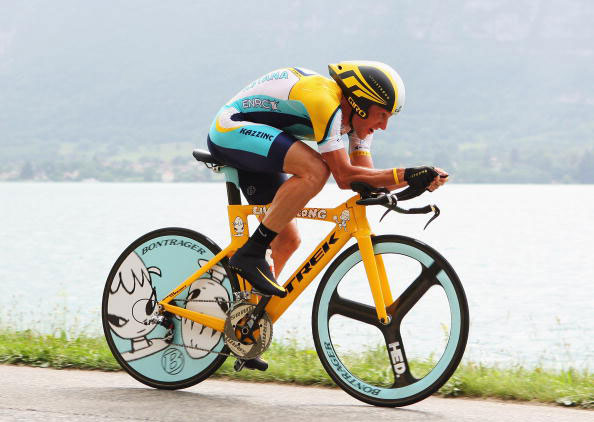
Then there was Lance Armstrong. Raised by a single mom and missing the influence of a father in his life, Armstrong tore through the cycling world with immense talent and drive. But what really seemed to drive him was that sense of neglect and denial. Lance started as a triathlete but the focus of cycling grabbed on because it gave Lance that sense of control. Seven victories in the Tour de France later, he finally was forced to confess that he’d gone too far. He’d held on to that early hurt so tightly that it insulated him from reality.

These two examples seem reliant on the importance of a father figure in life. But that’s not the main point. Plenty of achievers have been raised by single parents or mothers who either divorced or lost their husbands. Plus, there are just as many painfully motivated athletes who excelled because the parent that stayed in their life proved to be a repelling force.

Angry influences

Powder+Blue+Mike+Schmidt.jpgBaseball star Mike Schmidt had a father that drove him relentlessly. Over time, the criticism galled the superstar until he finally asked something on the order of this question: “Hey dad, if I were to win the Golden Glove, the batting average title, most home runs by a player at my position and the league MVP, would you be happy?”

His father grudgingly replied something like, “Yeah, that would be good.”

“Well then, be happy, because I just did it!” (You sorry bastard.) 

The point here is that the world throws all sorts of injustices at you. Some should motivate you. The drive to prove yourself in the face of justified or unjustified criticism is a strong motivator. Holding on to that anger can be a good thing if it wakes you up to the reality that you have to do better or face the consequences.

The ultimate insult in some respects is to be called a loser. That means someone has a low opinion of your ability to “get the job done.” In the work world, this perception can be fatal, leading to dismissal or worse, keeping you around to do all the worst tasks.

There is a long-running comic strip called Born Loser. It somewhat preceded the more pointed cynicism of strips like Dilbert, which depict the work world in depressing caricatures of bad bosses, inanely layered corporate-speak and also Wally, the employee that knows too well how to get by without doing any work at all. But Born Loser set the standard for wanting to give up in the face of the world’s problems.

bnl160927

Perhaps you know someone driven by the pain of neglect or previous failures. We all do. As they say, half of life is getting back up when you get knocked down. Mo Farah surely demonstrated that in the Rio Olympics 10K on the track. He was tripped and fell to the track, but got up to take the victory.

So there’s inspiration all around, and reasons to keep on trying. Holding on to some of that hurt and making it work for you can be a good thing.

Yet there’s such a thing as holding on too long. That was the case with Lance Armstrong. He became a bully of sorts, a man who became so powerful in his sport he believed his law was the law of the land. He also competed in the realm of doping and became better at it than any of his competitors.

Betrayal

That created a dichotomy in his life. Ultimately even his most trusted friends felt betrayed, and he betrayed them. He was exposed in the end for doping, stripped of his Tour de France titles and deprived of the sponsorships he’d worked quite hard to achieve.

It was not for lack of trying that Lance Armstrong had it coming. No one denies him that. There is much to admire in the amount of work he put in to become the best bike racer in the world. Perhaps he was in some respects a victim of his era, a period when doping was so prevalent in cycling that no one could achieve without some sort of performance-enhancing drug.

And that’s an indictment of the sport as a whole, and remains so. It’s true with other sports such as track and field, where athletes keep on doping and some keep getting caught.

To Armstrong’s eternal credit, he did do many great things with his fame outside of cycling. The Livestrong organization is a credit to his commitment to help others with cancer. So it is wrong to claim that the man we long admired for cycling has done no good in this world. That’s simply not true. Holding onto his experience in dealing with cancer drove Lance Armstrong to do something for others facing the same disease. That’s the right kind of holding on. The Right Kind of Pride, you might say.

Dealing with dopers

But some don’t have those motivations to fall back on. They are holding on to the belief that their success is deserved because they are too smart or too tricky to get caught.

That’s the real injustice in sport, because that leaves athletes with the courage to compete clean deprived of honors that were hard-earned, but denied them.

So one can see why some athletes get so angry in realizing they’ve been beaten by people willing to cheat to earn Olympic medals or World Championships. Sometimes all three of the podium finishers are ultimately indicted. The medal then goes to the clean athlete who finished fourth. But there’s no real joy in that. It does not feel like you’ve won when you’ve already finished fourth. There’s no podium. No cheers from the crowd. No anthem being played and no tears shed in gratitude.

But what is there to hold onto from that experience? The anger one feels at having been cheated in that experience is like that of Don Quixote tilting at windmills. You can train like mad and still run into another set of doping athletes who beat you.

Still there are runners like Kara Goucher that have come through with a smile on their faces, having turned their pain into collaborative joy in trying to excel in sport. Goucher publicly stated her disgust at how many athletes cheat by doping. For a while, it made her appear shrill and bitter. But that image has been transformed and she is embraced by the running community for her drive as much as her achievements.

Confessions

But let’s be honest about something else as well. There’s small consolation in seeing athletes like Lance Armstrong confess. Yet that was the point at which he was finally able (or forced) in his life to let go of that childhood anger and come to grips with feelings of neglect that drove him so hard and so far. We watched Lance letting go as he sat there in Oprah’s chair, spilling his guts. Or most of them. Because it’s really hard to come clean about things you’ve done wrong. We’re still not sure if Lance was telling the whole truth, and nothing but the truth. Cycling has moved on. Perhaps no one really wants to know.

We see public figures all the time who appear to be compensating for some earlier hurt in their lives. Some make constructive use of this fear or anger. Some become so self-obsessed they cannot talk about anything but themselves. They are holding onto that part of themselves that is both painful and comforting at the same time. It fuels the fear and anger that got them where they are. They are secretly afraid to let go, so they double down on their prejudices and angry ideology. They make claims to religious insight without any evidence that is has influence in their lives. We all know who they are, yet those with similar dirt in their souls find it inspiring to see that success on ugly display.

The world needs healing. What it seeks instead is someone that promises to hurt others on their behalf. This is the cycle of self destruction.

Encouragement

What I can offer you is encouragement to dig deep and find out where those hurts reside. They vex all of us. Even champions like swimmer Michael Phelps steer off the road once in a while. He got caught doing dope of another kind, which seems rather harmless, except that it ran counter to his squeaky clean image.

It was also a sign that he was struggling with self-identity. So he had to regather himself, but not until he let go of some of the mental pressures he had constructed around his life. Then he went back to his coach, told him that he was ready to train again, and we all saw the results at the Rio Olympics. What a wonderful example of triumph over self.

I know personally what it’s like to be driven by anger and hurt feelings. Running was a tremendous channel for these deep emotions, and I poured myself into it. At some point however, it became obvious that even winning races was not solving the questions I had about life.

Digging in the Dirt

So digging in the dirt is important. You have to know what you’re holding onto in order to let it go or turn it into something health and constructive in your life. What follows are the lyrics (and a link to the video) to an amazing Peter Gabriel song, Digging in the Dirt.

We’ll let these stand on their own as you consider your own life, and how to examine how you feel about it. Perhaps you have no buried instincts or pain from the past. If so, God Bless you. But if the present is in any way vexed by what the past holds, or what the future might bring, then you indeed might want to go digging in the dirt. Perhaps a counselor can help, or a trusted friend. As the lyrics say, “Stay with me I need support…”

DIGGING IN THE DIRT

Something in me, dark and sticky
All the time it’s getting strong
No way of dealing with this feeling
I can’t go on like this too long

This time you’ve gone too far
This time you’ve gone too far,
I told you, I told you, I told you, I told you

Don’t talk back, just drive the car
Shut your mouth, I know what you are
Don’t say nothing, keep your hands on the wheel
Don’t turn around, this is for real

Digging in the dirt
Stay with me I need support
I’m digging in the dirt
Find the places I got hurt
Open up the places I got hurt

The more I look, the more I find
As I close on in, I get so blind
I feel it in my head, I feel it in my toes
I feel it in my sex, that’s the place it goes

Posted in Uncategorized | Tagged , , , , , , , , , , | Leave a comment

Getting your ass kicked by Jesus

Scripture.jpgMost of us with a religious faith go through ups and downs during our developmental years. Many teens and college students drift away from the bible stories of youth. Some lose their faith entirely during college years, dumping church attendance in the process.

A fair number gravitate back to some aspect of belief in God when family and kids come along. There is a ritual to religion that feels foundational.

Last week while dining with some very close friends with whom I attended college, the subject of religion came up. Some religious courses were required at Luther College, and it turned out both of us had taken the same New Testament class with a certain instructor who shall remain nameless. “It was so boring,” my friend said. “It turned me off to religion even more.” I recall feeling the same way. The dull thud of theology rendered in legalistic terms bounced right off my brain at the time.

Most of my Sunday mornings in those days were occupied with long runs rather than attending church anyway. In the fall we’d race on Saturday and rise together as a team on Sunday mornings for 20-mile runs at 6:00 pace. Which was insane. We should have been running much slower than that on our long runs. Yet something in our team culture made us go fast, all the time.

IMG_3987.jpgSo I swear I did see God several times during those long runs in the hills around Decorah, Iowa. Then one warm September morning our coach stopped with a van at 10 miles to offer us something to drink.

“Coach?” one of us asked. “Warm lemonade? Really?”

Most of us skipped the drink entirely. In fact, we seldom really hydrated on any of our runs. Run 10 miles in sixty minutes? Quite typical for us. Who has time to stop and drink? We just didn’t do it. Still, it didn’t keep some of us from muttering, “Jesus Christ, I’m thirsty.”

Thou shalt not take the Lord’s name in vain? We were guilty of that quite often.

All that training seriously meant that very few of us had time for the Living Water of faith. One or two Christian teammates found time for midweek Chapel or visited churches in downtown Decorah after our runs. And I would do that on occasion too. The rest of us lived off the fumes of our earlier encounters with God and Christ.

Truth be told, I’d become cynical about Jesus especially during my college years. A woman that I dated junior year in college read a devotion book daily. I made fun of the practice. Perhaps it did not help that I was taking the Philosophy of Existentialism at the time. But you know what they say: The unexamined faith is not worth having. Those immersions in godlessness taught as much as the Bible in many ways.

IMG_3991.jpgIt was not until I met and fell in love with a woman my senior year that a faith in God was somewhat rekindled. Don’t get me wrong: all along there were mentions of God in all my running journals. Yet I did not really notice this until many years later while perusing those journals for training information. Yet there it was on almost every page, some mention of God. The curiosity was always there even when circumstances and priorities changed.

I had, after all, gotten confirmed on my own volition. A group of 8th-Grade friends all banded together to get confirmed at a small United Church of Christ in Elburn, Illinois. Then I attended Campus Life meetings run by Wheaton College kids who tried to leverage the Christ is Cool approach.  But really, it turned out to be an effort to shove a little conservatism into our lives. One counselor angrily warned me that I would never be a Christian if I kept asking so many questions. He’d lost patience with me, something God never does.

In other words, their brand of religion was ultimately about conformity and ideology. But as I aged and began reading the Bible with a more mature mind, I realized how wrong the conservative approach truly was in context with what Jesus really preaches in the Bible. As I read more deeply through the entire Bible, I was almost stunned to learn that Jesus was the key non-conformist of all, a man who resisted religious authority that sought to control the lives of others to its own political benefit.

Even God is shown to defy conservative instincts for humanly power and authority of others. When some of his Chosen People rise up to demand that God give them a king, the Lord responds with patience. “Follow my way and you will not need kings,” he offers. But the people would have none of that, demanding even more strongly that an earthly ruler be installed over them. So God did. And the kings that followed turned out to be real assholes.

And when King David asked to be allowed to build a temple to honor God, the Lord answered him, (and I paraphrase) “No Dude. You have too much blood on your hands.”

This was revolutionary stuff that no one talked about in Sunday School or even bible studies at the conservative church where I belonged for 20+ year.

And as I aged, I spent considerable amounts of time thinking about how Jesus wanted to kick ass and take names rather than adopt the conformist version of confessional and legalistic faith being served up by the Chief Priests and Elders of his day. I even wrote a book about the adverse effects of biblical literalism on politics, culture and the environment.

IMG_3990.jpgThe more I studied that example of Jesus resisting the zealots and control freaks of religion, the more it became evident that the same dynamics exist in this day and age. Look around you: the same brand of control freaks and religious zealots are everywhere. Pat Robertson. Franklin Graham. Mike Huckabee. Phyllis Schlafly. Throw old robes on these dudes and dudettes and they’d fit right in with the Chief Priests back in Jesus’ day. They are all self-righteous zealots with a warped sense of social justice based on biblical literalism. It’s a sickness of the mind. Jesus says so.

Yet they don’t recognize themselves in the scriptures for the same reason the Chief Priests refused to recognize Jesus as the Son of God. The humility of the true Christ is simply beyond them. They instead demand heroics rather than accept the real and humble work of the Kingdom of God. They deny the example of the Good Samaritan because it is an inconvenience to their habits and dignity and worldview. Nothing changes. They are, in a word, too conservative for their own good, or the good of others.

And that’s exactly the problem right here in America. The brand of faith that has taken over much of Christianity in the United States is obsessed with power and authority. It loves the glitz and glamor as well. Thus you get power churches and megachurches that focus on the show of religion to attract congregants.

Many of these churches do great things. So this is not a blanket criticism. But the damage done by conservative brands of faith is too well documented in history to ignore. The Catholic Church radically persecuted men such as Copernicus and Galileo for simply telling the truth about the structure of the universe. And conservative brands of Christian faith were used to justify slavery of black people and commit genocide against Native Americans. This has all gone on far too long. But frankly, there is little hope of changing any of it. All that can be done is to resist it, as Jesus did, and make the point through sacrifice that self-righteousness is no substitute for the real thing.

IMG_3993.jpgPopulist brands of Christian conservative faith are not much better. Ever since Charles Darwin and Alfred Russell Wallace (yes, there were two of them that conceived the Origin of Species at the same time) introduced the theory of evolution, conservative Christians have ignorantly mocked this truth with claims that man did not come from monkeys. Which by itself illustrates that these people do not even understand the basics of the theory of evolution. We didn’t come from monkeys. We share a common apelike ancestor.

Yet there’s also a giant arklike replica of Noah’s Ark in Kentucky. Inside it is a museum claiming that 10,000 species of birds, 5,000 species of mammals and 30 millions species of insects, to name just a few, were somehow caged up in a boat five football fields long. It’s absurd, amounts to a lie of proportions. And it’s all based on a conservatively literalistic interpretation of a bible story from the Book of Genesis.

If Jesus were around to talk about this brand of nonsense, he would kick their asses. See, Jesus was a keen naturalist himself. He loved using organic symbolism in his insightful parables. These helped make spiritual concepts relatable to his humble audiences, many of whom were not literate or book educated. So these familiar symbols felt real, and when Jesus’ own disciples questioned his methods of teaching through parables, he chastised them: “Are you so dull?”

IMG_6438.jpgJesus also called the Chief Priests and Scribes of his day a “brood of vipers” for their calculating intentions and secretive ways in wielding the scriptures like a weapon against the people they were intended to serve. He branded them “hypocrites” for making a big show of faith in public, and for marching around in grand robes demanding respect from the masses.

Those same hypocrites reportedly whipped the masses into a furious rage (shouting “Crucify Him!”) when Jesus was handed over for trial by the Chief Priests. Then Jesus was mocked by Herod, grilled by Pilate and handed over to be flogged by Roman soldiers, who may well have raped the man, then threw a purple robe over his shoulders. But rather than give confession or make excuse for his ministry, Jesus held his tongue. Finished the race toward death. Carried out the mission.

Which was demonstrating that the political might of this world indeed has its limits. So the act of love Jesus offered to the world was not just atonement. It was also a demonstration that perseverance in the face of oppression is the right thing to do. Oppressed Lives Matter.

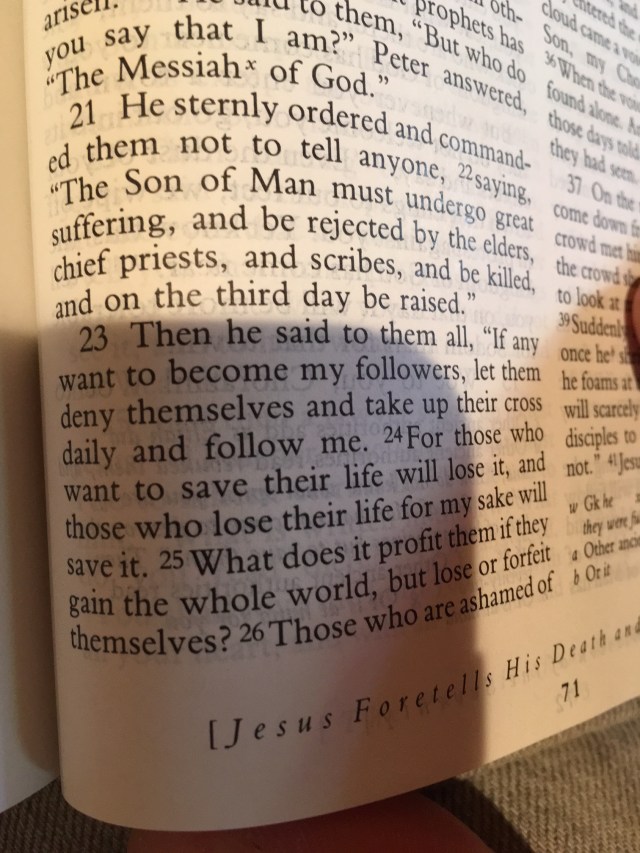
Of course, not taking the easy route is often a hard choice to make. Even his own disciple Peter denied his association with Jesus to protect his own life. The scripture at the top of this article relates to those choices.

IMG_4010.jpgWe deny our own existence when we refuse to engage with those we love, and learn to hate as a result. The difficult lesson of all is to forgive, for it is so easy to be selfish. We’re all quite practiced at placing our own priorities over helping others, and to hate and seek vengeance rather than love. We grow used to accusing and persecuting others in order to defend that deep vein of selfishness that resides within us all.

To counter this insanity is why many people choose to believe in God and in turn, Jesus Christ. One could say the same thing for the Muslim faith, and trust in Allah. People feel a powerful call to reconcile their inner turmoil with a greater power than themselves.

I also hold a deep humanist streak within me. I believe in the goodness of people, for example. Yet we must acknowledge that many people do bad things. So the work of both the religious believer and the ardent humanist or agnostic or atheist is the same: Calling people to account for their behavior, and moderating our own.

IMG_3995.jpgPeople who run or ride or swim can be accused selfishness and narcissism. We appear on the surface to worship our own bodies. We invest long hours in solo pursuits. Some are even tempted to stray from relationships by taking off with others who enjoy the same things. All this can be confusing and add complexity to life when we are truly meant to live in simple harmony with his world. If we can muster that.

Yet there is also a self-sacrificing nature to the effort invested in these sports. We willingly court pain and persevere. The Bible itself speaks (and we paraphrase) of “running the good race.” We compete with others and find commonality in that cause. We develop compassion for those with less talent, and respect for those with more.

But in the end, we are one in humanity. Race disappears on the race course and in training. Even our sexuality dissolves, just as it did with Christ who despite what some aspects of the Bible insinuate, saw women as excellent examples and models for the best of humankind.

IMG_1588.jpgIt is this equality that we should all seek. These are the liberalities of true faith, to see all people as equals, and to encourage that love for others. And like it or not, this love must extend across all faiths, and not be exclusionary or seek reasons to hate over lines of scripture from any book that can be turned into reasons for war, or murder, discrimination or torture. As Pope Francis recently stated, “The law teaches the way to Christ, and “if the law does not lead to Jesus Christ,” Francis said, “and if it doesn’t get us closer to Jesus Christ, it is dead.”

Perhaps there are steadfast believers who still don’t get that message clearly enough. They prefer to apply the traits of literalism to the Book of Genesis so that everything seems pat and organized. Or, they love the reverse literalism of Revelation with its phantasmagorical imagery that fearmongers apply to the present era in order to predict the end of the world.

But again, Jesus would kick all their asses for that too. It is all smallmindedness writ large. He had no patience for any of it. As the Pope points out, it is fruitless clinging to traditions that are not relevant to the call of love in all our lives.

I once got beaten in a 10K by a man wearing a shirt splattered with religious symbols and sayings. For the last two miles he ran just ahead of me and I could not muster the strength to pass him by. He was joyous at the finish, pointing toward the sky and giving full credit perhaps to his vision of Jesus and God helping him to victory.

Yet somehow I thought back to all the people who were coming in behind us. Perhaps all of them might pray to win as well. But some were not as gifted at running. Did God somehow relegate them to this misery and broken wishes?

The entire display of the man winning the race, or any race for that matter, is not what faith of any type is really all about. If perhaps the man had stood and hugged every one of the competitors coming across the line after him, I might have been impressed. That would have been an interesting example of human compassion and faith.

Instead, we live in a world of “I’ve got mine” and that winner-take-all attitude spills into politics and religion and candidates who can only talk about themselves until they’re orange in the face. There is really nothing healthily conservative in nature about such people. But they certainly don’t measure up to the liberal call to justice advocated by Jesus Christ.

So let’s bring this to a close with the tail end of that scriptural passage I snapped with my iPhone last Sunday morning in church. It jumped out at me when I opened the book, and it resonates truly throughout all our lives.

“What does it profit for them if they gain the whole world, but lose or forfeit themselves?” 


Posted in competition, cycling, religious liberty, Uncategorized | Tagged , , , , , , , , , , , , | Leave a comment