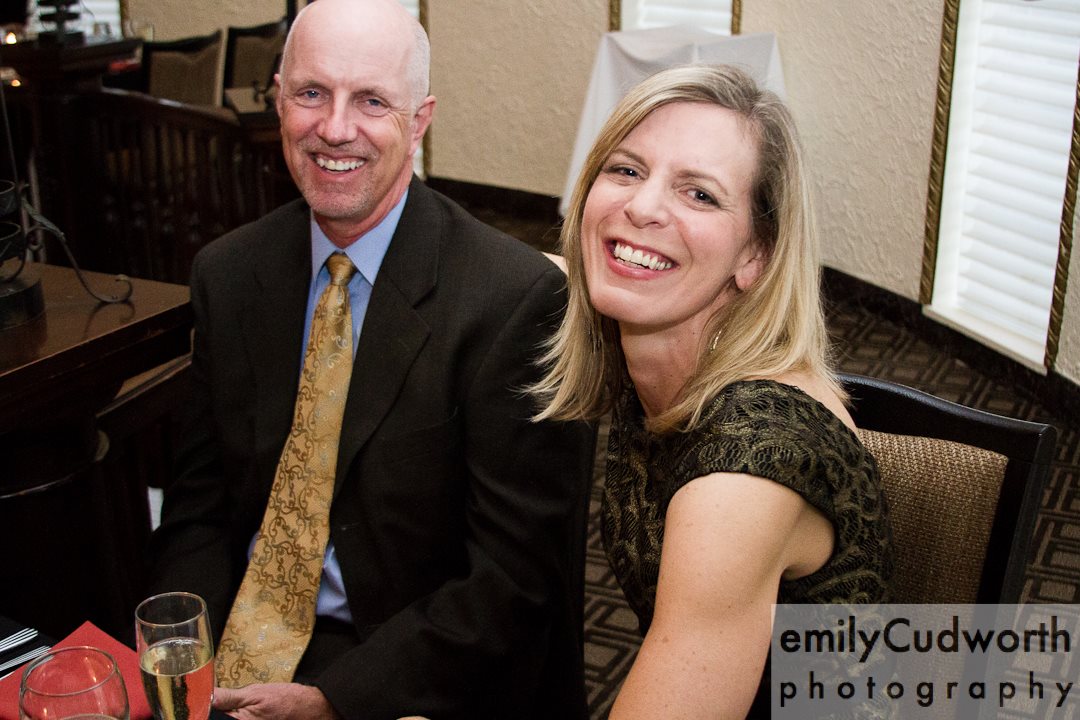
This morning we piled into our Mitsubishi Outlander with my wife’s tri-bike wedged into the back end and my son Evan at the wheel. We were headed to O’hare airport to fly to New York so that Sue could compete in the Jones Beach 70.3. Half Ironman to qualify for Worlds next year and keep her Gold Status for registration in the coming season.
However.
There’s a massive Nor’Easter storm bearing down on Jones Beach and Long Island, with predicted winds between 25-60 mph according to our favorite weather forecaster Max Velocity.
Now, I love to support Sue in her triathlon career. She’s made Worlds several times, but one of them involved a massive dust storm tearing across a Utah valley while I watched from a ridge where the Swim Start began. Staring at the wall of grey dust rolling across the terrain west of us, I wondered, “Is that going to come here?”
She got off okay, and I jumped into a bus to catch a ride back into town. The winds picked up at the Swim area and waves on the lake rose dangerously as athletes struggled to get out of the water. Sue was out on the Bike Course by then, and got sideswiped by the tail edge of the storm. Fortunately the dust portion of the storm seemed to miss even the pros, but it was not a happy situation.
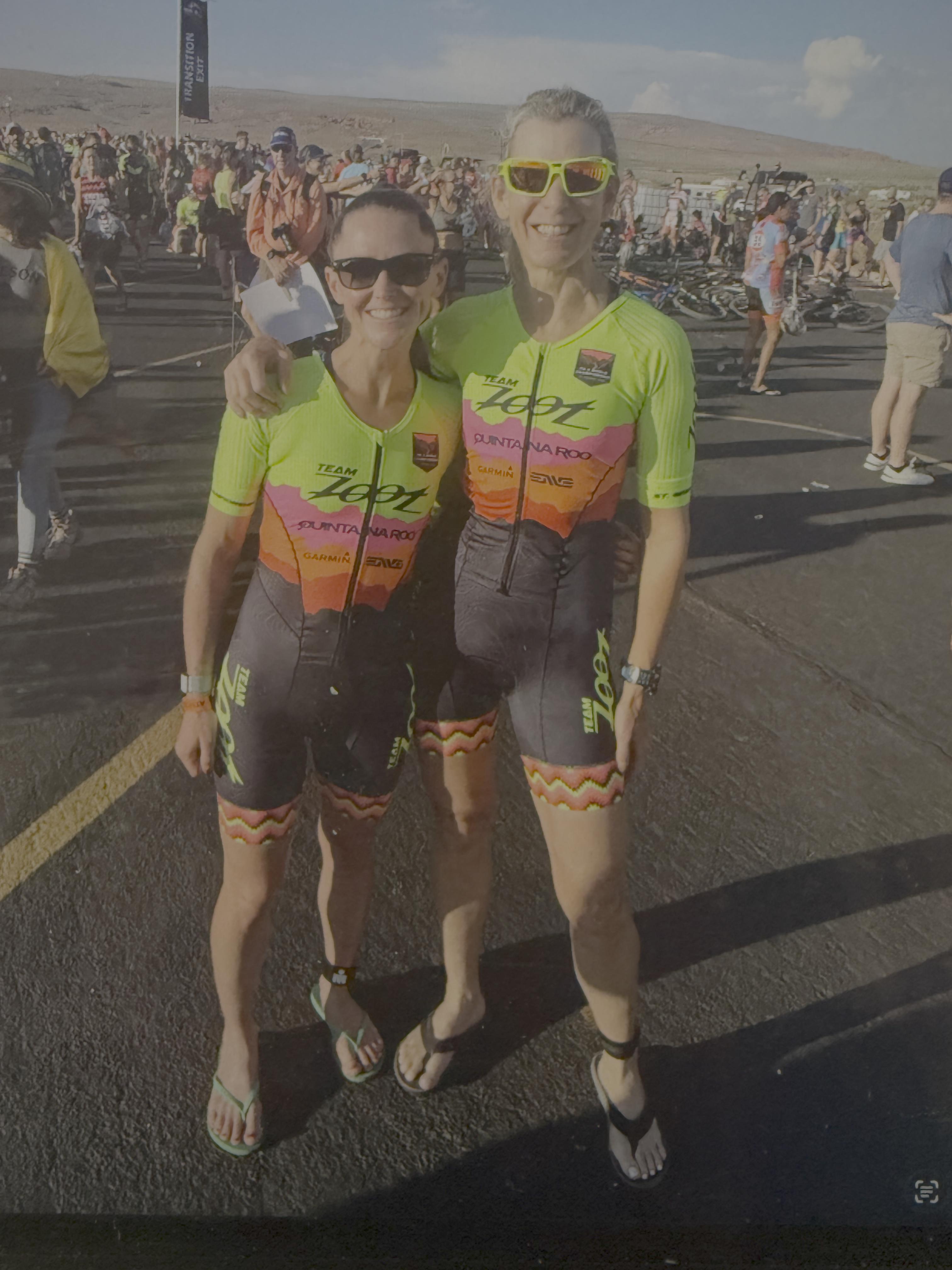
The next year, the Women’s race saw starting time temperatures in the high 30s. Participants shivered in the cold and I offered my gloved hands to warm the hands of one pallid athlete who looked on the verge of hypothermia.
Sue raced well both years at Worlds. We liked the City and region around St. George. But is out west where the weather does what it wants. If you don’t like it, tough luck. On that cold day at Worlds I saw Pro athlete Holly Lawrence go past me wearing only her tri-kit, essentially a swimsuit, and I heard her interviewed after the race and she testified that she was hallucinating from the effects of the cold.
Sue has also raced in the remnants of the hurricane that hit eastern Tennessee when she did Ironman Chattanooga. It rained hard but she and most of the other athletes persevered.
But conditions at Jones Beach threatened to be much worse. Weather can always change, and often does as we dial up for races. We’ve both raced in hot and cold conditions, endured rain and even sleet in training, and know that dealing with intense weather is part of the sport.
Yet I was not convinced it was a good idea to go to New York and fight this one out. We were in Galveston a couple years back for a Half-Ironman when the winds hit 30 mph and people cycling over the causeway and back felt their bikes shiver and vibrate beneath them. One woman told me, “I thought I was going to blow right off the bridge.”

I know that feeling, as I once drove a stick-shift Toyota Celica wagon over the Chesapeake Bay Bridge-Tunnel during an Atlantic rainstorm. The car hydroplaned on the road surface and I was scared that it could fly right off the bridge to land what, 150 feet below in the May ocean? Certain death.
For these reasons, I was not keen on Sue riding north and south as the Nor’easter tore across the New York terrain. That’s a recipe for suffering and possible injury. We do this sport for fun, and while we have goals, the risk of breaking limbs or crashing and getting a concussion are not worth it.
We turned around on Balmoral Drive at O’Hare after talking with Sue’s coach Steve Brandes. “It sounds like a shitshow,” he admitted. “Think about the ‘enjoyment factor.’ ” Sue laughed at that. “There wouldn’t be one,” I think she said. That’s one of the tarsnakes of triathlon. It’s fun to tackle the elements but there’s also a chance they’ll tackle you.
Chalk this one up to a bad timing at a race where the Big Bad Ocean runs things, with no exceptions. Like I said, weather can shift or moderate, but sometimes it’s best to ‘stay on the safe side.” We’ll look for sunnier times and races next time around. Yet as Sue said to me this morning, “What am I gonna do with myself now?” She’s fit and wanted to race. I get that. Perhaps we’ll find a fall long ride to do.
I’m grateful for that.