Even those who run and ride have still gotta move

By Christopher Cudworth

Spring is the season for many people to move. Everyone goes through that experience in one way or another. Unless you’re part of a Royal Family, it seems we all move a few times in life.

The little brick bungalow in Geneva had 750 square feet of living space.

The little brick bungalow in Geneva had 750 square feet of living space.

The last time I moved my own household was 1996. That’s when our family moved into our current home in Batavia, IL. That move was architectural, in its way. Our little bungalow in Geneva Illinois only had two bedrooms. We had a 5th grade boy and a 1st grade girl. It was time to get them out of the same bedroom.

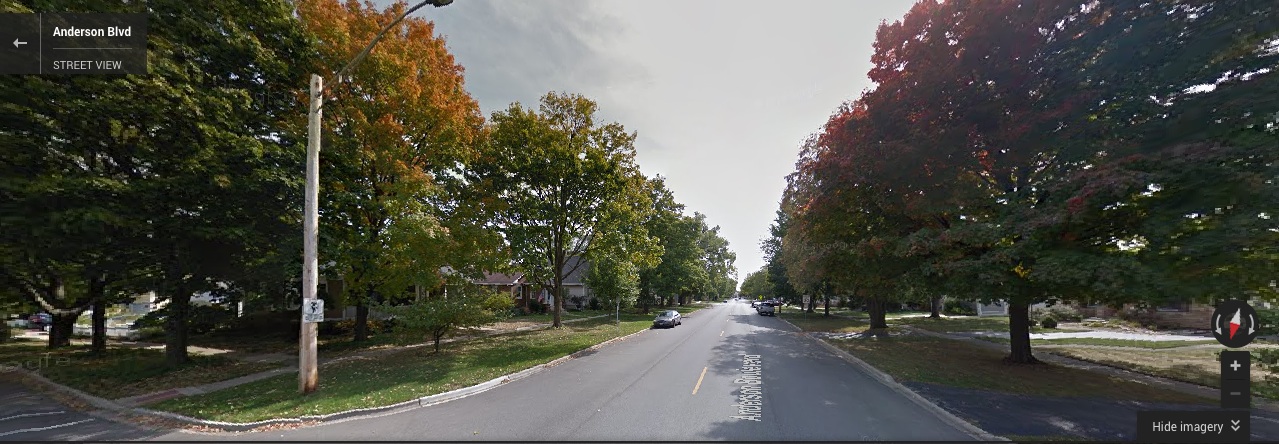
Moving from Geneva to Batavia changed my running architecture as well. The street on which we lived in Geneva was named Anderson Boulevard. Wide and flat, it had once carried trolley traffic through town. Until the city repaved the surface in the early 1990s, you could still see railroad tracks in places where they had not been removed.

Road to success

For me that street was the location for many a fast training mile. For more than 20 years before that it had been part of a larger loop back over to my former house in St. Charles, a 7-8 mile loop that covered several of the best hills in the Fox Valley.

Anderson Boulevard

Anderson Boulevard in Geneva Illinois. Home for 20+ years of training runs.

Anderson Boulevard (left) was also the perfect road for long intervals during a hard training run. The surface was smooth and the roadway wide enough to clip along without worrying about traffic zooming too close to you. Years later when I took up cycling in the early 2000s that street turned out to be a riding joy as well. You could hit it hard and reach speeds of 25 mph, fast enough to keep up with some of the cars, since that was the speed limit in places.

So it was hard to give up the familiarity of all that and move away from training routes that had seen me through the best racing days of my career, through high school, college and beyond. As a bachelor I’d rented a coach house at 741 1/2 Illinois Street. Seriously. It was the only Half Address I ever enjoyed. That house as also close to Anderson Boulevard, so the memories of those years dovetail with those of early marriage.

New digs. New routes.

There’s both a thrill and an anxiety to setting up new running and riding loops when you move your home. Sometimes we can’t help repeating the first loop we choose. Our minds seem to cling to those initial steps and the surety that comes with them. We try to make our homes through these experiences.

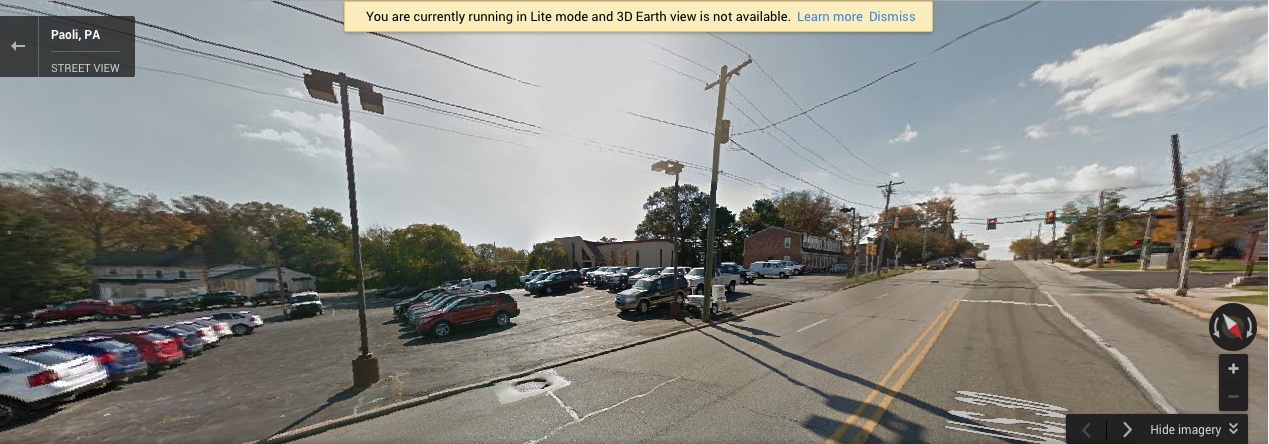
Paoli Pa

Paoli Pennsylvania main drag. Outside of town the roads are a confusing maze of horse country lanes. But beautiful!

Paoli Days

I recall moving to Paoli, Pennyslvania in 1982. The move was required for a job, and though I had lived in Lancaster, Pennsylvania as a kid, the move to Paoli felt foreign and strange. I knew no one except my brother in Lancaster, and that as an hour or more west.

Fortunately there was a running store called The Runner’s Edge just a half mile from my house. I joined their racing team and began training with a group of 10-15 runners on long, slow weekend runs. 2-3 hours we typically wandered through those Pennsylvania hills.

It was a welcome fraternity for a stranger in town. The first few runs I had done were almost tragic. The roads around Paoli wandered through horse country in a disconnected fashion, often T-boning into one road and picking up the same name a quarter mile down the way. Try finding your way around when the roads do that! I got lost several times. Nothing went purely north or south, east or west. It all made the move to Paoli feel that much more raw at first.

Fortunately my newfound running friends helped me orient and learn the area. It made going back home to a lonely upstairs apartment just that much better. In fact I lived for those runs as well as the hard intervals we did on the track over at Villanova. For the entire 9 months I lived in Paoli, running was my home. It helped me survive.

Lincoln Park, Chicago

And when the company cut the entire marketing department that spring, I packed up all my stuff and moved back to Chicago. The big old U-Haul truck nearly quit and died on a long mountain highway in western Pennsylvania. But I limped that clunker home to Chicago and dumped a bunch of stuff in my parent’s garage before moving a few things into an Old Town apartment with a friend.

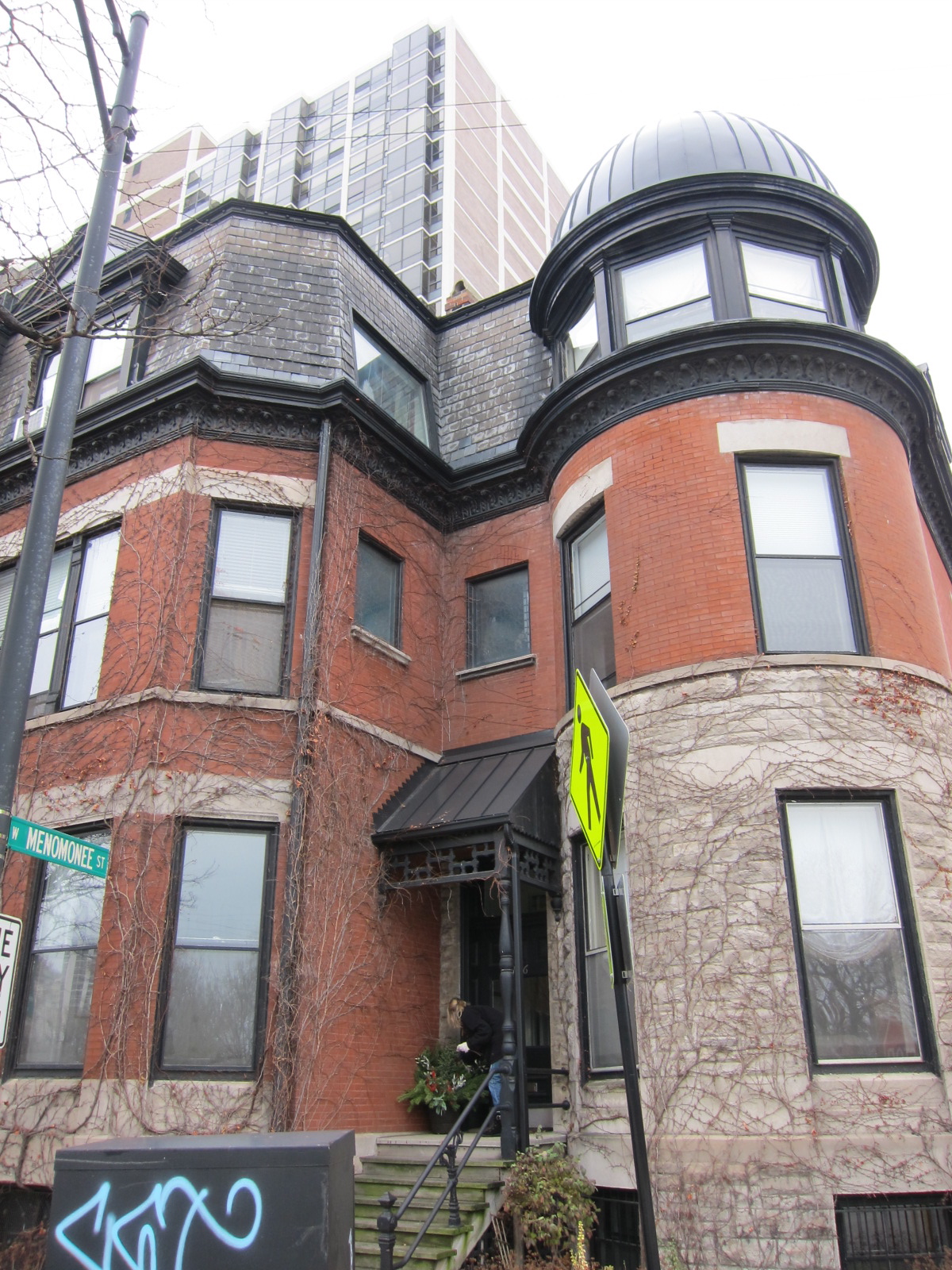
This Chicago 2-flat at 1764 N. Clark, right on Lincoln Park, was a  training base for 1.5 years.

This Chicago 2-flat at 1764 N. Clark, right on Lincoln Park, was a training base for 1.5 years.

We haul our crap around with us the best we can. But we live to hit the streets. That summer and winter and summer of life in Chicago saw some very hard training and great racing. My home was a two-flat on Clark Street right across from Lincoln Park. We chased girls all night and I chased running dreams all day. It was a great place to live when you’re young and not yet married. Glad as hell I did that.

Helping with a move

This all comes to mind as I spent the weekend helping my companion move her stuff across town here in Batavia. Her new place seems great. But we’ll know she’s really at home once we put on our running shoes and take our trek together by foot. And now the cycling season is upon us, we’ll be spinning down her block and onto the bike trails to swing out to the big roads out west. Her new place is great, but as people who run and ride, part of our new home is always out there on the road. It’s where we live, in many respects. It’s where we both love to move.

WeRunandRideLogo


Posted in Uncategorized | Tagged , , , , , , , , , , , , , , , , , , | Leave a comment

How not to be sore at yourself for working out too hard

By Christopher Cudworth

It happens. You overdo it. Then you’re sore for days.

Soreness comes from exhaustion.

Soreness comes from exhaustion.

Soreness is the product of muscles and connective tissue that have been strained. The stretching and exhaustion that occurs in body tissue under stress can lead to profound soreness.

But relax. Soreness has a purpose. It’s the body’s way of telling you that you need to back off or treat the soreness with respect. Soreness is a form of pain designed to keep you from doing additional damage to your body–the kind that doesn’t heal so quickly.

So what should you do when you get sore? Sore muscles can be devastating to your daily workout routine. You need strategies to help you get past the soreness and back on the road or in the gym. Here’s a few rules you can follow to return to form.

1. Hydrate like crazy. 

Fluids are important to restoring sore muscles to full, unhindered function. If you forget to drink after a hard workout, you are much more likely to get sore and stay sore. Soreness prevention begins during your workout and it absolutely must follow your workout to keep your muscles and joints from essentially “drying out” in ways that let muscle fibers get tender and raw. Keep drinking fluids during the days you feel sore, using not only water but liquids with electrolytes and other nutrients to refuel muscles. Lactid acid is one of the reasons why muscles get sore. You need to flush it out with water and fill those muscles back in with good stuff.

2. Keep warm.

Keep warm any way you can.

Keep warm any way you can.

Stiff muscles do not like the cold. Think about it: When you’re out working in severe cold the feeling you get in your muscles and joints is one of stiffness. Cold muscles contract and can’t flex as well. It stands to reason that if you’re already sore from a workout, warming the area can help you build back into a zone where you can use those muscles again. Taking a warm shower before working out at the gym is a reasonable response to soreness gained from doing core work or weightlifting.

But if you’re sore from a long run or ride, it can also help to use a warm bath or shower to loosen muscles before bed or before heading off to work where your sore muscles have to hold you up all day at a desk. Dress a little warmer. Drink warm fluids. Give your body a chance to recover. Give hugs.

3. Get a massage. If you can take it. 

Some soreness honestly needs to be left alone a day or two before you can knead those muscles back into function. A good massage can really help the process. Giving a massage to someone who is sore requires constant communication to prevent additional damage to already damaged tissue. If you are getting a massage you must also communicate what levels of pressure are acceptable. Trust a good massage therapist in any case to know the difference. Many times the short term pain is worth the long term gain.

Therapists know the feel of sore and damaged tissue. They can even discern “where it hurts” at critical muscle junctures. Also be careful about the “belly” of any muscle. where soreness can get a little flighty and difficult to heal. Use broad motions and flattened hands at first if you are giving a massage to someone who is sore. Give those muscles a chance to increase blood flow. It’s okay to just hold the muscle in your hand and warm it. Again, soreness is about cellular constriction and inflammation. So you need to help blood in and out of the area, yet not make it worse!

Massage is the fine art of “listening” to muscle. You will earn a rightful spot in heaven if you do this well for someone else.

4. Stay active as you can. 

 Those muscles need to be allowed to loosen up somehow.

Those muscles need to be allowed to loosen up somehow.

If your core is sore from a hard workout, you may feel like curling up and doing nothing for 4-5 days. Resist the temptation. Same goes for sore calves or thighs. Use them. Gently. Active recovery is vital to ongoing training. If your core is sore, get in the pool and swim. If your calves are sore, hit the bike or spin machine and let muscles absorb heat and blood from consistent motion. There is always a way to “train around” soreness that keeps your fitness up and your risk down.

5. Alter your workout schedule. 

This one goes with #4 of course. If you suddenly pull up lame from a too-long or too-hard effort on the bike or the run, it makes no sense to come back two days later with yet another hard workout. That’s asking for outright injury. Remember, soreness is you getting lucky that you did not actually pull something.

That’s one of the tarsnakes of working out. You simply have to push hard in order to get fit. Yet when you push too hard you can get injured. Knowing when to pull back is critical, and soreness is one of the key signs that you will not gain from going hard again right away.

6. Have sex instead. 

Bond up with someone.

Bond up with someone.

This whole thing was getting a little testy and dry, don’t you think? We Run and Ride believes in alternate forms of therapy at all times. That means we highly recommend the therapeutic treatment of rubbing your warm body against another warm body. Best treatment for soreness you’ll ever find. Like they say, anyway. No pain, no gain. Have at it.

7. Eat as well as you can. 

Your short term diet counts when you’re sore. Along with fluids, eating fresh fruits and vegetables amounts to a “backfill” of muscle tissue. Enjoy some protein as well. That goes straight to the issue of the tissue.

8. Use pain relievers judiciously. 

It’s easy to load up on ibuprofen and head back out to train. Not so smart. Recently it’s been discovered that ibuprofen can make stomach distress from exercise worse. There’s even evidence it may may some forms of inflammation worse. Inflammation has even been linked as a possible increased risk of cancer. That’s why the “natural” responses to soreness listed above precede use of pain relievers.

9. Repeat the same workout when recovered. Only smarter. 

Get back out there. Only smarter.

Get back out there. Only smarter.

Often soreness is the result of trying something completely new. A new routine. A new pace. Increased weight or reps. Soreness results when muscles are taxed to their maximum. But that doesn’t mean you should avoid the workout that caused the soreness in the first place. You likely learned from your experience that led to soreness. But you must get back on your horse and ride, so they say. If your core workout killed your gut for a few days, be proud that you found something that works. When you go back, take it a bit slower perhaps, especially in the decline mode. Soreness often comes about from “jerking” ourselves into position when we tire. Get smart and get back at it the right way.

10. Learn from experience.

Physical exertion requires concentration and experience to create the most benefit. As an athlete you need to learn what led to getting sore in the first place. That doesn’t mean you always back off when getting tired. In fact, it often means the opposite. Learning how to push through pain and not cause soreness, inflammation or injury is essentially the entire foundation of being an athlete.

It’s all about learning how to push the envelope and recover the right way. Then you won’t be sore at yourself for working out too hard.

WeRunandRideLogo


Posted in Christopher Cudworth, Tarsnakes, We Run and Ride Every Day | Tagged , , , , , , , , , , , , , , , , | 1 Comment

Rocking your way through time

By Christopher Cudworth

The limestone bluffs of Decorah, Iowa are some of the most scenic in the Midwest.

The limestone bluffs of Decorah, Iowa are some of the most scenic in the Midwest.

Some of the most beautiful landscapes in the world are formed by rock. We love the tall walls of Yosemite and the Rock of Gibraltar for their solid expression of time and timelessness. Deep within many of those rocks rest timelines that explain the world as an old and weary place.

While driving through Wisconsin this week there were many road cuts through columns of limestone. In spots there was water seeping out in seams, the course of least resistance. It froze into icicles as it emerged from the cold stone bed and met even colder air.

It’s a pattern that works even more slowly in formation of stalagmites and stalactites within caves. Most recently I walked through the Cave of the Mounds in Mount Horeb, Wisconsin. There we saw thousands of calcified formations hanging down along with the corresponding floor formations jutting up. That is time measured in the slowest possible way.

This outcrop of sandstone along the Mississippi is near MacGregor, Iowa.

This outcrop of sandstone along the Mississippi is near MacGregor, Iowa.

We’re used to measuring time in seconds, minutes and hours. Rocks are not so impatient. They’re content to hang around for generations, millennia, or an eternity. So long as there is matter borne in the universe, there will be rocks.

That may be why we love to visit rocky places. They give us the peace of slow passage. The Grand Canyon has been cut by oceans and then rivers for millions of years. We stand in awe of its scope, and with reverence. Some people like to claim that the Grand Canyon is the product of the Noachian Flood. They want it to have happened quickly to fit their dramatically anachronistic worldview that says God only works through miracles. But what is their real point? That God is too impatient to let natural processes create great wonders? What an insult.  And what a small and testy little God they claim to love!

Rocks know better. They not only hold testament to the migration of continents across the face of the earth, they bear testimony to the oceans that once covered those continents and then receded, leaving deep columns of sedimentary rock we can view today. It all fits together in one giant matrix across the face of the earth. The evidence is so clear and real there is no denying its verity. Yet people do because they struggle with their own significance.

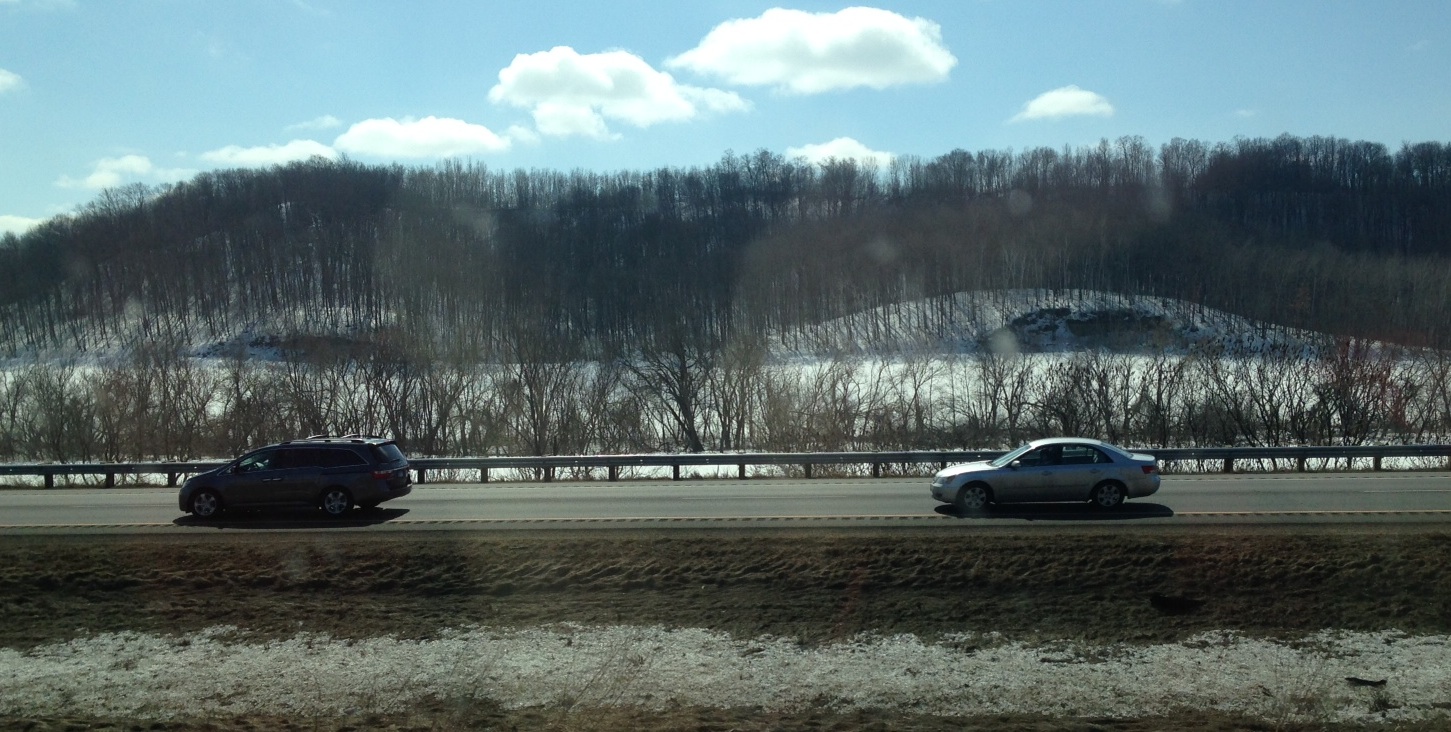
The hills seem to be watching traffic pass by on Interstate 94 near Eau Claire, Wisconsin.

The hills seem to be watching traffic pass by on Interstate 94 near Eau Claire, Wisconsin.

They yearn to be more important than the bacteria swimming around in their own gut, yet in doing so they deny the fact that without those microbes to drive digestion and keep us alive, we die. It’s a fabulous claim to say that we are specially created, because we are not. We are borne, we live, we die. Back to the carbon from which we are formed. Ashes to ashes. Dust to dust.

It’s both a wonderful and humbling reality. But we’re not alone in all that. Rocks around the world hold fossils of millions of creatures that once lived on the earth and are now gone. We’ve even found fossils of humanoid creatures stuck in the rocks of ancient rifts in Africa. We see the resemblance between us and them and the transitional forms of apes found in that fossil record point to an evolution that brought us from tree and savanna

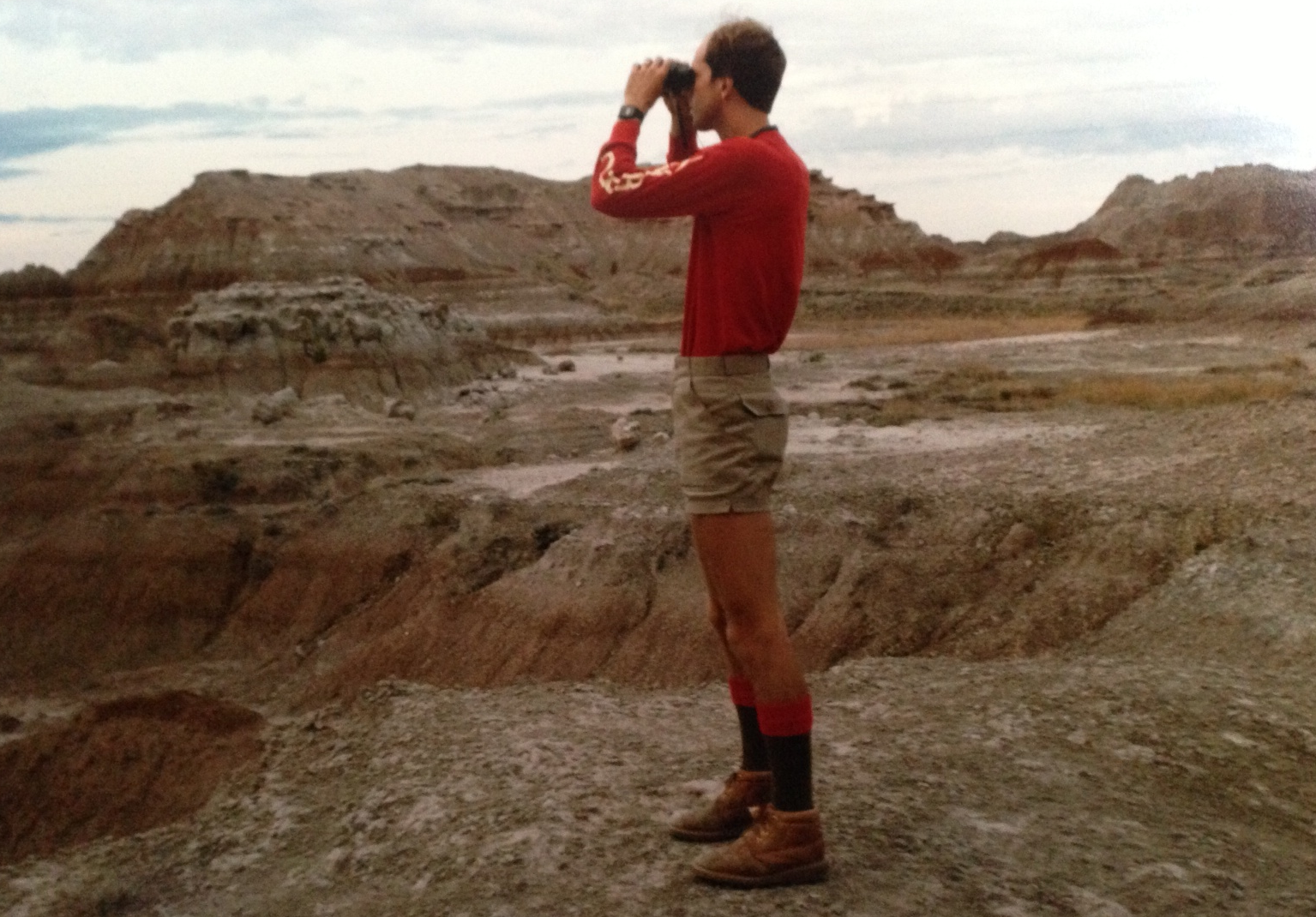
In 1985 I visited the Badlands of South Dakota, an area where geography is laid bare for all to see.

In 1985 I visited the Badlands of South Dakota, an area where geography is laid bare for all to see. I weighed 140 lbs. at the time. I weigh a stone more these days, but keep on running.

dwellers to the modern civilization we now run. And that’s where the convergence of history and the present really takes shape.

Think of it. First we used the ability to run to survive. Yet bipedal locomotion also enabled us to stand more erect and alert. That conveyed an evolutionary advantage and it became accentuated through the generations. Bipedal locomotion is also said to have stimulated and affirmed the growth of our brains to accommodate more intellect. We ran ourselves into being, it seems.

Now we run for pleasure, and to seek that sensation not just of staying alive, but of truly feeling alive. We run across the surface of a giant rock circling a molten sun. All of human history is contained on and in that rock. Nothing can change that except cataclysm. No claims of special creation can erase our true manifest destiny, which is not about the superiority of a race or creed, but the ongoing tale of human movement. But we do it all on a rock.

Some say we’re living in what someday will be called the Anthropocene Era. That means human influence has become as grand as the five other great changes in history that wiped out millions of species from our planet. Those were so-called “natural” events, versus the manmade climate change we’re now witnessing.

It can all make you feel rather powerless and small. Which is perhaps why I was so moved to go on a rock collecting mission during a recent road trip. The purpose of the trip was to drive a little (using fossil fuels! how ironic!) and think a lot about the passing of my wife a year ago. I stayed with friends and visited well, but one of the real, calculated purposes of the journey was to bring home some rocks from some of my favorite places in Decorah, Iowa.

Decorah limestone chimney bluffs.

Decorah limestone chimney bluffs.

Decorah sits in the middle of what is called the Driftless Region, where glaciers never scoured the landscape. That means there are tall limestone chimney bluffs. Each shows richly colored striations that are testament to the fact that deep continental oceans once laid down silt and organic material that ultimately formed into stone. Those processes have never stopped in history. They are taking place in our oceans today. We know the rates of deposit vary depending on forces of silt and temperature and biotic fluctuations. But we know how limestone forms.

The chimney of my house and its stones are made of limestone and sandstone. There is shell-based limestone in which I can see fossilized creatures stuck in the stone. That doesn’t happen in layers hundreds of feet deep from a single flood. It takes millions, even billions of years.

Stones from Decorah

The rocks collected from Decorah roadside now form an arch for landscaping in my back yard. Testimony to time past, and appreciated.

I love that my house has that history built into it. And that is why I went on a rock collecting trip in Decorah last Monday. I picked up rocks from a roadside. Rocks that I’d run past many times during my years as a cross-country and track runner at Luther College 40 years ago. I brought home chunks of my personal history and have built a ground-level arch that I can gaze upon every day I live in this house.


Some of those rocks I recall gazing upon as we ran hill intervals up and down Palisades Park. They had tumbled out of the hillside in cracked glory. They lay in a ditch where running water coursed over them. All those years I was away they sat there in rocky happiness and glory.

I also climbed my bike past the spot where I hauled 250 lbs. of limestone up from a ditch and into my car. One stone weighed 80 lbs. on its own. My car springs sagged when I placed it between the axles. That was real weight. The car and I would earn our keep for taking that rock into possession.

Now those rocks are in my yard.

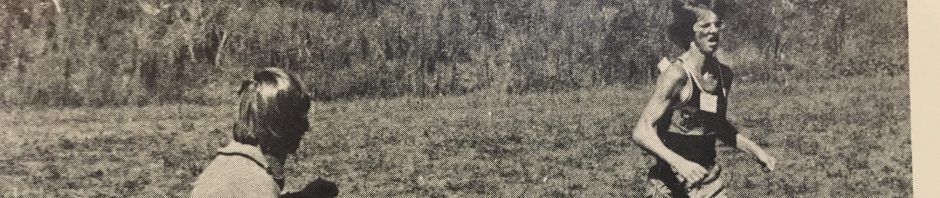
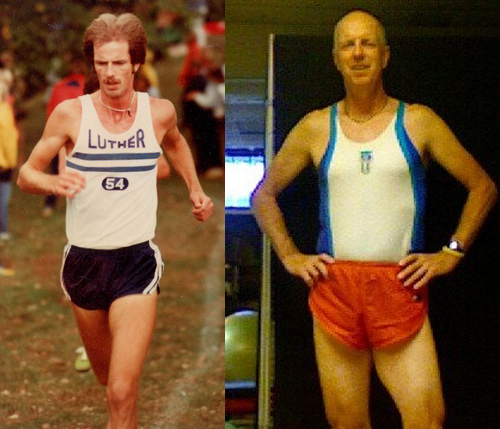
At left, competing in the St. Olaf Invitational in 1978. At right still running at age 56.

At left, competing in the St. Olaf Invitational in 1978. At right still running at age 56.

I can remember even a specific workout in which we did hills past some of the rocks I know have in the yard.  During one of those interval sessions a teammate came up to me and said “Cud, we need you to be a leader this weekend.”

And I did. In fact that teammate and I together passed a runner from LaCrosse in the last 200 meters of a cross country race. We won that invitational and the feeling of being alive in that moment was like none other. I remember how hilly that course was. It sat up  on the campus of St. Olaf College. The hill is formed of rock.

We run past rocks all the time that bear witness to our passing. They are the souls of the

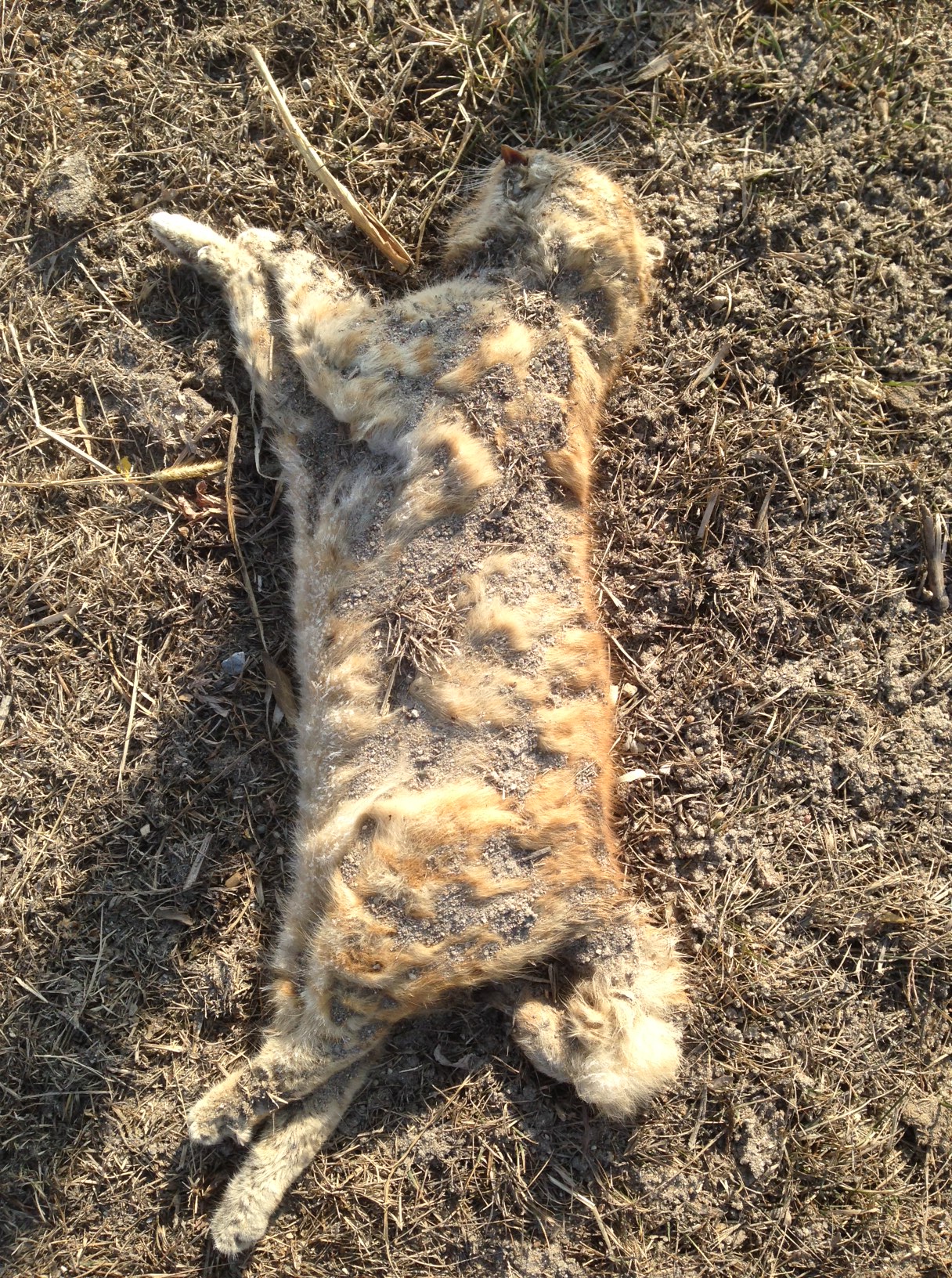
No, that's not a fossil in the above photo. That's me. But if this dead farm cat gets covered by silt in the spring it may become fossilized one day.

No, that’s not a fossil in the above photo. That’s me. But if this dead farm cat gets covered by silt in the spring it may become fossilized one day.

earth. Timeless. Eternal. So much as we can conceive, rock is the foundation of all we know. If Peter was the Rock of the Christian church, then those of us who believe carry a piece of him with us. And if Rock is the Soundtrack of the current Generation, then the sounds we recognize as ours are a foundation of sorts as well.

There is nothing so important as conceiving all that. Our place in the universe, however humble, is still significant. Our consciousness and appreciation for all we see does have significance. Even if we all wind up back where we came in this physical world, it is a wonderful, if sometimes rocky journey that we make.

Rock on, runners and riders. Rock on.

WeRunandRideLogo


Posted in Christopher Cudworth, We Run and Ride Every Day | Leave a comment

“Your whole life has been a preparation for this…”

By Christopher Cudworth Miracles Happen

Years ago when my wife was first learning what it meant to deal with cancer, and my caregiving skills were being put to repeated tests, a longtime friend and former running and baseball coach called to offer his support. “Your whole life has been preparation for this,” he told me.

It was a compelling notion. Our connections were not only through sports, for we’d become friends and even partners in business as the years went past. Yet sports were the first component of our relationship. He coached me in baseball when I was 13. Our small town had no Pony League team for the 13-15 year age group, and I’d just thrown a perfect game against the younger kids after to moving to Illinois from Pennsylvania. So the parents got together and asked me if I wanted to pitch for the American Legion team. Of course I did. That went well enough and my coach for the next couple years was the fiery, motivated man that would by circumstance also later coach me in high school cross country.

It was a seemingly providential union, therefore, that drove us together. So he saw me at my best and worst over the years. I was the top runner on the cross-country team he coached.  We dared enough to defeat a school that had not lost in more than 60 dual meets. We won the first-ever district team championships. We ran hot, sweaty miles together in August and thrilled to the feeling of cool fall air up our shorts as we kicked in race after race, winning and grinning.

Yet we also got our asses kicked a couple times toward the end of the season. So the lessons learned from life on the run were profound. You do your best, and you don’t always win. Yet the miracles that happen along the way make it all worth it. 248261_1789197805996_72536_n

The friendships from those days have lasted 40 years. I still ride and run with two of those teammates. How is that not a great thing? When I got married and had two children, I parted ways for a while with that former coach. Yet we’d keep in touch through parties and reunions and occasional phone calls. In a very direct way he’s always cut to the chase when it comes to observations about life.

As my high school coach he watched my basketball career thin out to the point where as a senior it was obvious there would be little playing time. I was good enough in many ways, but had not attended basketball camp that previous summer. Walking through the gym during the first few days of practice, he noticed that a fellow senior and I were basically sent off to a corner to practice passing. My friend and coach walked up and told us both, “If you haven’t figured it out, you guys aren’t going to play this year.”

Sometimes the hard advice is the best thing you can receive, of course. We both walked out of the gym that day and never went back. So you have to take into account that early, tough decisions do have formative value in later years. It’s not like we are one person when we’re young and we turn into another person as we age. We’re the same person inside and out. We live in our bodies and act through our brains. We feel with our hearts and we dream with our souls. 582595_3620364944030_72168110_n

As life goes on and we meld ourselves with another person such as a wife or a partner, things get naturally more complicated to the point where you sometimes cannot tell yourself from the relationships in which you’re involved.

That’s true especially with your children, who both depend on you for guidance and rebel at your authority. Or if they do not rebel, they wish somehow to understand where to draw the lines.

When something like cancer enters this matrix of relationships and hopes, one can only hope to draw on past experiences to help you through. You fear for the person who suffers from a disease like cancer. But you fear for yourself as well. What will become of the person you’ve become, this flesh and soul mixed with the life of another person? And then there are the children, her family, and her friends…

Thanks to my wife’s terrific determination and will to live, those considerations lasted 8 years, and that is something to be grateful about. Her diagnosis of ovarian cancer in 2005 seemed terminal the moment we learned from her gynecologist that the cyst removed from her ovary was cancerous. Ovarian cancer is a kicker, you see. It does not go away easily. Yet my wife kicked it many times over those 8 years. Her ability to tolerate pain and discomfort was almost legendary among her friends and even the strangers who signed on to help with our caregiving group. IMG_8796

And that’s where the miracles truly began. We had so much help and hope come from friends and people we barely knew. It was not just from church, although that channel was massive in propping us up when we tottered. Help came from the preschool where she taught, and from people who simply heard our story and wanted to be part of helping out.

Miracles do happen. The sign nailed to our tree out back of our house has hung there for years. My wife and I saw it every day because it was placed where we could see it in a direct view from the kitchen sink.

It works like this: You live and pray and work through problems and suddenly something happens that is unexpected and wonderful and a blessing. You can’t predict when it would happen or why. You just know that at that moment there is enough hope to sustain you when you need money or patience.

Miracles happen. From my experience growing up, I knew this to be true. My old coach knew it too. He saw the work and he saw the joys in my participation in sports. He knew that athletics is a quirky, devlish sort of teacher, but that the angels do win out now and then. That’s what he meant when he said “Your whole life has been a preparation for this.”

You learn how to learn from defeat when you put your heart and guts on the line. That’s what my wife was doing every day. That’s what it took to be a caregiver in support of that effort. If you’re going to be a good teammate you have to sacrifice at the right time. Be selfless as you can.

It got more true as time went by. About a week before she died, it became necessary for me to engage in the most humbling of acts as my wife’s strength was waning and she needed help in everything she did. It was hard for her to even stand on her own two feet. I looked up at her naked before me and whispered, “One flesh, honey. I am you.”

Understood. Through all our challenges we were suddenly united in the most practical venture of all, which is dying the best way we can. 30.ChrisCathiLindaShe passed away on March 26 one year ago today. It took me many months to process the trauma of those last weeks.

Perhaps I even escaped a bit into daily life. It had been a long journey. It honestly felt good to coast a little after years of uphill climbing. I ask forgiveness for that. And yet the abiding feeling was, and is, one of love and pride for her. She lived extremely well through treatments that would flatten your very soul at times.

Yet she’d rise again to be there for her children. And to laugh, and drink wine when she could. It was a good life she led. So hard that it had to end. Obviously the shock rippled through our family when it was finally evident that this seemingly unstoppable women was in fact going to die. She had made it to one graduation, image-1and another.

She had opened her heart to accept a dog in her life when for 25 years it was her joke that she would one day write a book titled “1001 Reasons Not To Own a Dog.”

So it’s not some pat story that gets written about a person’s life. Not hers or mine. But when that coach called and told me “Your whole life has been a preparation for this” it really rang true. It was true while she was alive and it has proven true as I’ve grieved and kept on without her.

I believe that Miracles Happen. I truly do. While she was alive all those years, my wife was a cancer survivor. She deserves so much credit for that. For what it gave all of us. But none of us lives forever. In life you have to keep your heart and mind open to possibilities. Some of them are so strange they do not make sense to everyone.

I can only say that during the 8 years of caregiving there were moments of terror and trepidation, but there were just as many, if not more, blessings that came our way. Miraculous blessings. Things I now try to share with our children and her family so that they know she was cared for by this world as well as them. And that is the strange and wonderful lesson of everyone’s life. Yours and mine.

We must not let daily worries or even fearful circumstances get us down. Our miracles may not always be profound, or save the one we love from something so inevitable as death. Yet the real healing of our grief comes from knowing that everything we’ve done before and everything we’re doing now is indeed the ideal preparation for life. It’s all we’ve got, and it’s everything we need. Just be prepared to share your worries and miracles may indeed happen. Be ready when they come along, or wake up to the moment if you must. Whatever it takes. And say thanks to whomever brings them about. Gratitude goes a long way in this world in healing our grief and casting light on the path ahead.

WeRunandRideLogo

Posted in Christopher Cudworth, We Run and Ride Every Day | Tagged , , , , , , , | 2 Comments

Town signs and mottos

By Christopher Cudworth

Those of us who run and ride tend to visit a few towns along the way.

And that can be interesting.

NeversinkTown Mottos

Whenever you enter a new town there is often a sign stating the “town motto” of one sort or another.

Today while entering the town of Hampshire, Illinois I noticed a town sign that said something on the order of “Pasteurizing the Past…and a Promising Future.”

It didn’t really say that. I made that up. But that’s about how much sense most of those town sayings actually make.

What’s a Whip-Pur? We may never know…

Hampshire is a nice enough little town. Here’s what Wikipedia says about the school mascot. Hampshire’s mascot is the Whip-Pur. A whip-pur Is a cat like a panther and it got its name from white and purple.

Seriously. That’s what it actually says. The sentence just kind of ends where the explanation is supposed to begin. See, Wikipedia is a sort of fact-sheet by committee. So you should expect those kinds of mistakes. Committees always come up with shit like that. Bad grammar. Mashing thoughts together.

A few nearby Illinois towns also have pretty interesting high school mascots. The Genoa-Kingston Cogs. The Rochelle Hubs. One must suppose people have had sex with farm implements in those communities.

Is There a Cure for Valeria? 

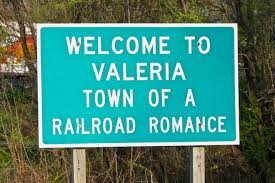
ValeriaFrankly it’s the same way with so many mascots and town mottos. Here’s a picture of a real doozie from some place called Valeria, which sounds like an STD. Turns out the town motto kinda fits.

What the hell is a Railroad Romance? Is that a new sex position? And if not, it should be, especially if one of the partners has a nice caboose. Chugga chugga whooot whooot!

Who makes these things up?

People on these committees assume that everyone else in the world knows what the hell their little signs are actually talking about. Committees work like that. They go deeper and deeper into Cover Your Ass mode as the process continues. Suddenly you have some phrase that doesn’t even make sense to the mayor of the town.

But there it is, up on the sign where everyone entering town gets to read it and scratch their heads as they try to figure out what pack of dunces came up with that one.

Honesty is probably not the best policy

But what if we required actual honestly about the nature of some of these towns? Here are a few Made Up Mottos that show what that might be like.

Welcome to Wendalia: Our Water Tastes Like Sulphur

Mankato: Don’t Worry, That Nuclear Power Plant is Safe

Arquette: The Varicose Vein of Ohio

Silverstone: He Who Smelt It Dealt It

Dilgerville: If You’re Here, You’re Probably Lost.

That last town of Dilgerville is somewhere I’ve been on the bike a few times. On long rides it is possible to choose the wrong route and wind up following farm roads that take you further and further from your desired destination.

Then you finally see a water tower and ride into the ass-end of some small town you’ve never heard about before. Where has it been hiding all these years?

And still there’s a sign greeting you at the edge of town, making some outrageous claim to fame, or flame.

Turnington: This Place Burnt to the Ground in 1849 Thanks to Fred Turner.

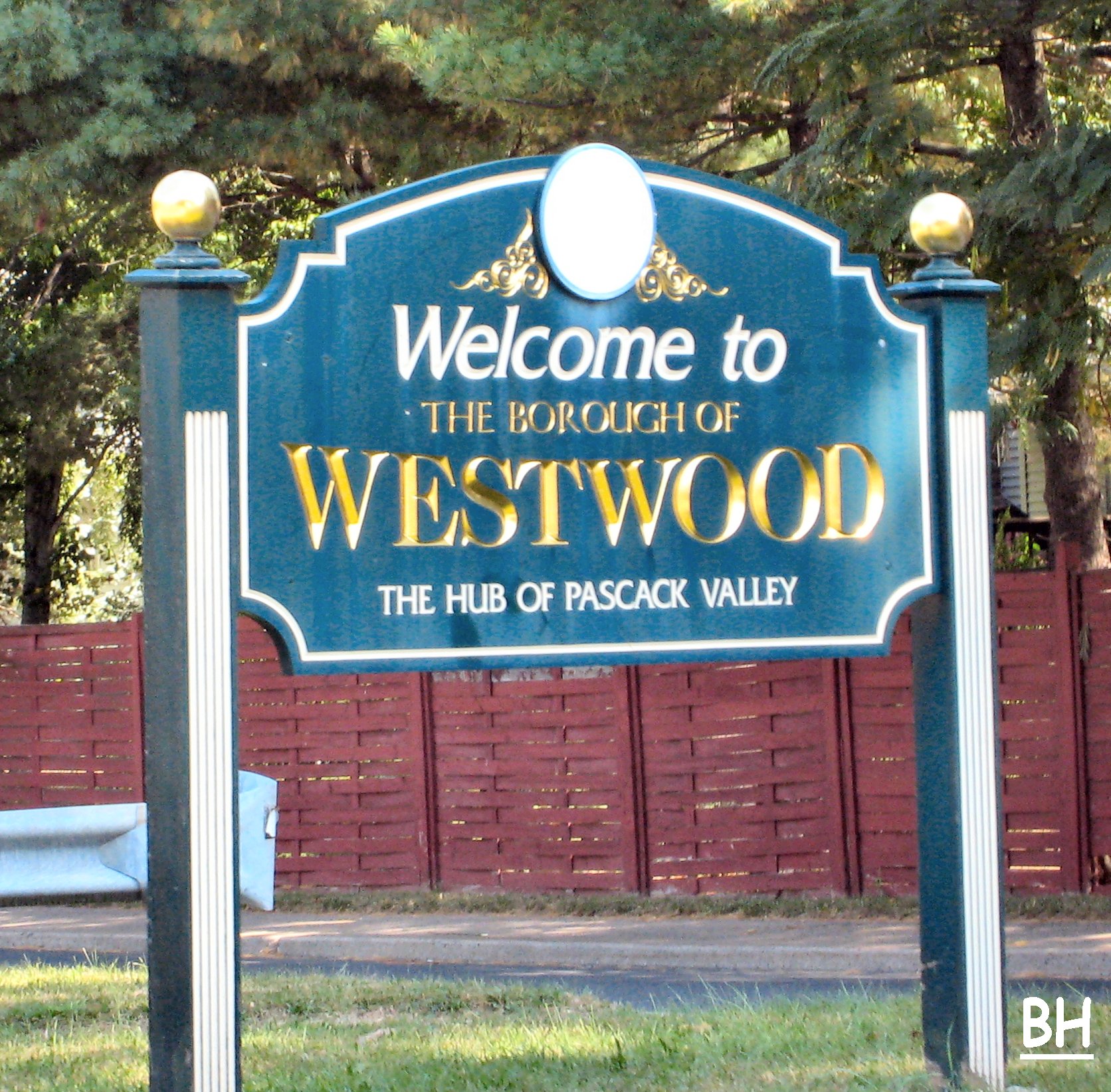
WestwoodMost of those town signs are not worth the cheesy wood they’re usually printed on. Yet Town Pride compels the good townsfolk to express their weird town motto somehow.

Heres a few more that could be real, but aren’t:

Franklinville: Someone’s Got to Live Here

Prairie Center: Center of Nothing. 

Stowmaker: We Build It. The Bank Tears It Down. 

Far Out Places

Having run some races in pretty far out places such as Amboy, Illinois, I can testify that the events held in these crazy little villages can be as strange and obtuse as their town mottos.

Years back I entered a 5 mile race in Amboy.  When the gun sounded I took off at 5:00 pace. There were about 100 people in the race, but I never saw any of them again. The course quickly entered a massive cornfield and then made a couple quick turns on farm roads. It was so quiet you could hear crickets chirping and birds flying around in the corn stalks. I never heard or saw another runner again.

Heading back into town with a huge lead, I followed the eerily silent police car with one yellow light atop its cab.

There were only three people out to watch the end of the race, and none of them clapped.

I finished in first and collected the trophy as I walked past the registration table. Then I trotted down the empty section of Main Street past the race finish line and got into my car and drove away.

I’m not sure if I dreamed what I read on that sign on the way out of town or not. But I think it was so banal and forgettable it did not sink into my brain. It was something like: Amboy: Where People Come to Live. 

And below that motto someone had written. “And Die.”.

At least it told the truth.

WeRunandRideLogo


Posted in Christopher Cudworth, We Run and Ride Every Day | Tagged , , , , , , , , , , , | Leave a comment

Proof that the world really can make way for cyclists

Back in December, I wrote a piece called We’re All Amish When it Comes to Sharing the Roads.

My contention in that blog was that cyclists everywhere share the same challenges as the Amish who drive buggies when it comes to getting respect (or not) on the roads.

Every year a few Amish buggies get smashed by speeding motorists. Every year a few thousand cyclists are involved in collisions with motorists. There have been fatalities in both situations.

Amish By WaySo it greatly interested me to encounter a set of signs along Highway 52, a major thoroughfare in rural areas of southeastern Minnesota. The green information signs literally read “Amish Byway” and there are also yellow diamond-shaped traffic signs with Amish buggy images on them.

The road shoulders are as wide and well-paved as the main road. That is where the Amish buggies drive. No cars are allowed to drive there. The byways are specifically designed to prevent accidents between Amish buggies and motorized vehicles.

It makes sense if you think about it. Why not protect the Amish way of life in that part of the country and other areas where the Amish live? There are Amish colonies in Iowa, Minnesota, Ohio and Pennsylvania, to name a few. But not all those states have roads constructed to protect the Amish from speeding traffic.

The byways are the first genuinely sensible idea to protect Amish drivers. The carriages or buggies fit neatly on the side of the road. Even big trucks can get past them without coming within feet of the wheels of the buggies.

One could ask why the Amish should deserve any sort of special treatment? Are Amish colonies that good for the local economy that they deserve special roads just to travel around? If we make an exception for the Amish, what’s next? Perhaps we should have a specially marked lane just for Jehovah’s Witnesses as well? Or Scientologists? Where do we draw the line in making accommodations of religion and lifestyle?

Cud with GregOr perhaps we never (or seldom) go far enough in protecting anyone. Would it not be better to build all our roads with a substantial enough shoulder that they could protect even someone riding a bike from one place to another?

What a concept, huh? The truth is, there should be bicycle byways on every road in America.

In our county there are several popular roads for cycling that have no road shoulder at all. You go over the white line, you wind up in a ditch. Or dead.

There’s room on those roads to build a shoulder safe enough for bikes. And the truth of the matter is, there could be enormous economic benefit to our region if the county were to get serious about making country roads even more attractive to cyclists.

I wrote a proposal to the county a few years back outlining the potential economic benefits of cycling. But I’ll some simple math to explain how it works.

If just 20,000 more people came to our county and spent an average of $20.00 on breakfast and lunch in the region, that would bring $400,000 new dollars to the area.

Go to 40,000 cyclists per year (that’s only 444 cyclists per day for 90 days, a very modest figure) and your benefits get closer to $1M.

IMG_7142If you were to attract 100,000 cyclists per year because your roads and scenery are great (as they are in our county) you’re now talking $2M in economic impact.

Frankly, cyclists spend a lot more money than that. On an average day they might spend that much just on drinks and fuel bars. Then comes lunch or dinner, and any shopping adds up quickly. 100,000 cyclists spending $50 per day is $5,000,000.

You don’t have to be Amish to matter to the economy, you see. Perhaps cycling should be given the same status as the Amish anachronisms who prefer horse-drawn locomotion to driving a car.

Cycling contributes very little to global warming and does not wear down the roads like Amish buggies or 20-ton trucks.

Those Share the Road signs are nice. They remind people to look out for cyclists. But a Cyclist Byway sign would be even better. And you would not have to clean up the road apples behind the cyclists. Not very often anyway.

WeRunandRideLogo


Posted in Christopher Cudworth, We Run and Ride Every Day | Tagged , , , , , , , , , | Leave a comment

Feeling it to the core

By Christopher Cudworth

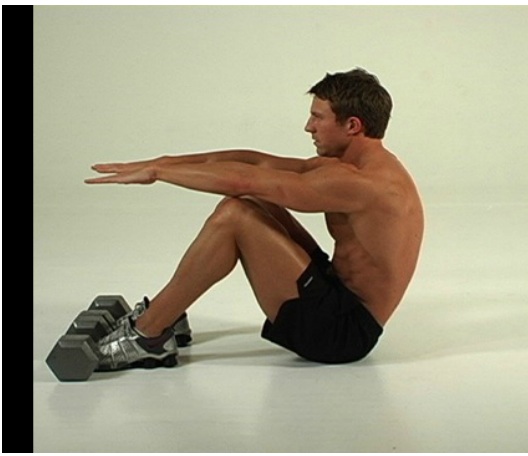
Settle down ladies. It's just a hunky guy doing core work.

Settle down ladies. It’s just a hunky guy doing core work.

Doing core work is one of the world’s most humbling chores. Working out the muscles in your lower stomach, upper hips and all the way up to the chest is neither fun or easy. But wait…

…there seems to be a relationship between doing core work and great sex. And if you click on the video link above you’ll get an ad for 50 Sex Tips from Men’s Health. Enjoy, that’s another kind of Core Work, you might say. 

Most of us probably avoid boring old regular core work if we can help it. But in doing so we lose out in so many ways. Our core helps us with everything from posture to generating speed in running and riding. And having better sex? Side benefit.

With those challenges in mind I signed on with a trainer at the gym to learn a few better exercises to improve core strength. So I could run and ride faster. Yeah, that’s it.

Core Redux

Motivation for a better core has to come from somewhere, along with running and riding.

Motivation for a better core has to come from somewhere, along with running and riding. So says Men’s Health magazine online.

I tried the whole Core Strength thing once before actually. A year ago I did a similar trip to the gym and it wound up hurting so bad the next few days that my mind simply buried the whole experience as if it never happened.

Seriously, I pretty much forgot everything I did that day, because for days afterward my gut was so sore I could not sit or even eat without cringing.

But you can’t avoid the ugly truth forever. Even that Bad Dream of a training session started to come back to me after I signed up for this new core instruction.

I’d seen the trainer working with a guy a bit older than me. When I saw how the trainer was focused on the small aspects of how to do things right, it popped into my head: “He’s the right guy for me.”

Testosteronial Testimonial

Later in the locker room I asked the gentleman who’d been working with the trainer how he liked the guy. “He’s the best,” was the response. “He knows his stuff. He’s patient. Really good.”

So it was that I signed up and worked out with the shaved head trainer with the superb arms and Total Fitness look that tells you life is about to change in your little world.

It started simply enough. A 25 lb. weight in my hands, I did crunches lifting my knees and then straight leg lifts. Then came some planks on an exercise ball.

It takes balls to do core work

The next set involved similar exercises using an exercise ball to lift with the legs and hand the ball up to my hands, tap the ball on the ground above my head and hand it back to my legs. This was done both bent-legged and straight-legged. It got hard.

Then we also broke out one of those wobbly blue wiggly balls with a hard plastic shell on one side and did some more planks. I got in pushup position with hands on both sides of the hard plastic shell and did sideways dips to touch each fist to the ground while planking above the half-ball. It was hard. But it felt good. In all it constituted nine easily-remembered exercises.

And then we did the routine all over again. And once again.

Quitters

Keeping focused during core work is an important aspect of concentration.

Keeping focused during core work is an important aspect of concentration. Is there anything more intimidating than a women in killer core shape. Don’t think so.

Except parts of my body refused to participate at certain points in the routine. Specifically, the muscles in my legs that run along the inside of the quads actually quit during the leg lift phases. Quit. Nada. Nothing. No response.

I was a frog in a science experiment at that point. All you can do is chuckle and smile at the trainer standing above you. They’ve seen it all before. But perhaps not this strange failure of physical constitution. When those muscles don’t fire, I learned, you can’t lift your legs. They will not go.

I was a like a grasshopper pinned to road tar after a tractor runs over its hind legs. 

I was like a mermaid with its tail held behind by a moray eel hidden in a cave. 

I was like a garbage sticker that blew off the handle and got run over by a car.

Reduced to grunting and pretending that exercise was still taking place, I counted off the remaining 3 or 4 reps and let my legs fall to the ground. If this is Core Work, I told myself, the Core is much bigger than I thought. 

Hanging in there

Well, I found out quickly how big and soft my core actually was. All this week there has been a progressively tight feeling from my chest down to the hip flexors.

So I got what I wanted. A Core Workout that is a killer. And this was only the basics.

But I’m feeling it to the Core now, and liking it. As soon as I can lift my legs again I’ll do more. My 4-miler last night did not go so badly. Of course I did feel like I was carrying a child behind my soft little six-pack. It was that heavy and sore.

But this is the price of improvement. It was time to stop joking around about wanting to be stronger in the core. I question sometimes whether its best to go about it this way, destroying yourself to invent a new you. Would half the amount have worked just as well the first time?

Too late for those questions. Immersion is the matter of the day. I am now officially a Core Warrior, destined for Super Hero status on the bike and on the run. It might even help my swimming. But that’s a topic for another day.

Happy Friday. We made it through another week together. Now go have adventurous sex.

WeRunandRideLogo

Posted in Christopher Cudworth, We Run and Ride Every Day | Tagged , , , , , , , , , , , , , , , , | Leave a comment

5 great ways running and riding can reduce stress

By Christopher Cudworth

In a previous post, we chronicled the strange ways stress enters and leaves your life, comparing it to traveling the Yellow Brick Road in Oz.

See, life can be strange, and there is no stranger world than Oz, it would seem. Except your own.

But let’s talk now about the practical advantages of reducing stress in your life, and how to achieve a better balance in mental health.

These approaches are not clinically proven or medically vetted. But they are based on common sense experience, which is more important than knowing if you’re going to reduce your heart rate by 4.6 beats per minute if you reduce the stress in your life.

#1. Use your running and riding to organize your life.

GearReducing stress is primarily about reducing the number of decisions you have to make each day. Decisions cause us stress because they require choices that are not always easy to distinguish, much less select. The best method of reducing stress is therefore focused on eliminating unnecessary decisions and cutting down on the “mess” around you so that you can concentrate on the things that are really important. It all starts with good choices about organization.

Here’s the fun part. Organizing your running and riding stuff can actually be a rewarding activity! With all that high-tech gear in your possession, including shoes, kits, running shorts and tops, Garmin tech and smartphones, getting ready to run or ride is like playing with toys.

As with play, you can learn a lot about your needs and your brain by organizing your “fun” stuff into a system that supports your training and racing. Set up a system of drawers or storage bins to keep your gear organized, and take pride in your little project. Then when you’ve learned what works, such as setting out equipment the night before a race, you can transfer your newfound skills to your everyday life, setting out clothes and suits so that you are not running around (pun intended) frantically each morning trying to get ready for work. You can go out for a run or ride, come back and shower, and have your work clothes ready to go when you’re done. Instantly your life is less stressful.

2. Set up an actual training schedule

It may sound surprising, but very few people actually map out what they’re going to do each week in training. That’s basically what coaches do for athletes. What can we learn from that? Well, having a plan reduces stress because you have a commitment in your mind and your decisions are made for you in advance. You’re not walking out the door going “What should I do today?” And you’re not in the middle of a workout wondering, “Gee, should I be doing this?” Forethought works wonders in reducing stress.

3. Use running and riding to balance your time

ChartIf you made a little chart of the actual time you spend doing activities such as working, running, riding, eating and…crapping (cause you have to) it might surprise you to see the balance, or lack of it, going on in your life. Making that little chart on a scale of hours can illustrate how much time you’re using for activities in your life.

For one thing, you’ll get a snapshot of your workout hours and that can do one of several things. First, it can help you be motivated and give yourself a slap on the back for getting out there to do it.

Or, it can make you realize you’re pushing it a bit too much and help you temper your obsession. It’s important to realize that some people actually increase the stress in their lives by overcommitting in one area or another. We tend to do this in the pleasure areas, or the areas where we escape reality, including the Internet.

So if you’re spending 6 hours a week sitting on the toilet moving your bowels while reading back issues of Runner’s World or scrolling stories on Facebook with your smartphone, you might want to reduce that habit along with the amount of fiber you eat.

You should also realize that half the stuff you read on the Internet really is crap. So there’s that too. Life has strange parallels.

And beware: stress can come from strange sources, even relaxing too much. That’s one of the tarsnakes of stress management. Too much of a good thing can be stressful too.

So draw up a picture of how you’re living your life. With that picture in mind, you can better manage your activities and reduce the stress if you happen to need to miss a workout, or cut one short. There’s always tomorrow you know.

4. Use running and riding to work off anxiety, depression or other nasties

f6a3e3f03e432600_178369404.previewYou’ll notice that we didn’t actually get to the workouts until well into this list. That’s because you aren’t going to reduce stress and be productive if you’re constantly worried about other crap in your life that confuses your mind and occupies your thoughts when you should be focused on the workout at hand. So, getting your philosophical and organization crap together comes first.

But once you’re out there, concentrate fully on what you’re doing. You deserve it, you see. Exercising is like a giant Brain Cleanser, an Ajax for the soul. Raising the heart rate, breathing profusely, sweating a bunch and staying regular in your bowels are all products of good workouts. So don’t half-court your commitment. This “working out” routine is a good thing you’re doing for yourself, and for others.

Your mental and physical health can be definitively improved through consistent, quality exercise. The mounds of research on that subject are too voluminous to even quote here. Just trust your instincts for now, and get on the Internet to find out the clinical reasons later.

Here’s the rub: Running and riding can reduce anxiety and stress by breaking you out of ruminative thought patterns. You can also break depressive thought patterns by getting out of the environments that affirm your depressive state.

Be cognitive: It obviously helps to have someone to talk to (at times) while you run and ride. Sure, it may require a patient partner, someone willing to talk and listen. That’s called cognitive therapy. It definitely reduces stress by getting thoughts out of your head and into the light.

Workouts also function as a chemical benefit in your body, releasing crucial endorphins that serve to lift your mood and give you hope.

5. Let running and riding drive your creative instincts

Guitar HoleThink about it: Stress is the opposite of creativity. When you’re stressed the last thing you want to think about is new ideas or even solutions to the problems you have. You just want the stress to go away, so you can think.

Well, that’s pretty dysfunctional. So running and riding are a great way to get away from the near term outlook. The stuff right in front of your face on the kitchen counter; stacks of bills, that parking ticket you keep forgetting to pay, and the report card from your one child with a D in Home Ec (how do you even do that?) can all take over your brain.

Good news: creative solutions to these problems exist. You can break them down into simple categories, for one thing. Bills first. Parking ticket next. Then you can get to the whole D in Home Ec Thing.

Use your time on the road to break down your issues and establish priorities.

Here’s a hint: you should also focus on coming up with at least one creative thought per run or ride. Getting to that point either seems to happen right off the bat, when you’re out the door and into the ride or run. Or else it takes a while, and you’re coming in a little tired when you realize things are not so bad as they seem. You can deal with it. The things you were stressing about are not going to kill you this minute.

When you get home, write down some of the things you thought about out there. Let your brain work it out on paper. It really does help. And by the way, that also helps at 2:00 in the morning when you’re awake and worried and can’t get back to sleep. Write it all down. It gives you a sense of control and authorship.

Managing stress is all about controlling the influences in your life.

Give yourself the space and time to solve problems, reduce clutter, get organized, work up a sweat, create better thoughts, let bad feelings go, find better tolerance and come home ready to act. All those things will help you reduce stress in your life.

And it’s worth it.

WeRunandRideLogo


Posted in Uncategorized | Tagged , , , , , , , , , , , , , , , , | 3 Comments

Stressing the reality of the Yellow Brick Road

By Christopher Cudworth

images-3We all like to think we’re good at dealing with stress.

We tune our mental and physical engines through exercise, stressing our bodies in a positive way to wick off the stresses we face every day.

Yet we still try to get by on less sleep while doing more work. It can become a pretty confusing mess.

Stress, as they say, is a human response to tense situations. That’s a broad definition for an unfocused problem from which you cannot get away. Our “fight or flight” mechanisms get turned on and life feels like a “do or die” battle between that which we can control and that which we cannot.

Stress is constant but we do not always recognize it. Just ask any Type A personality asked to sit alone in a room with nothing to do. That’s the most stressful situation that person can imagine.

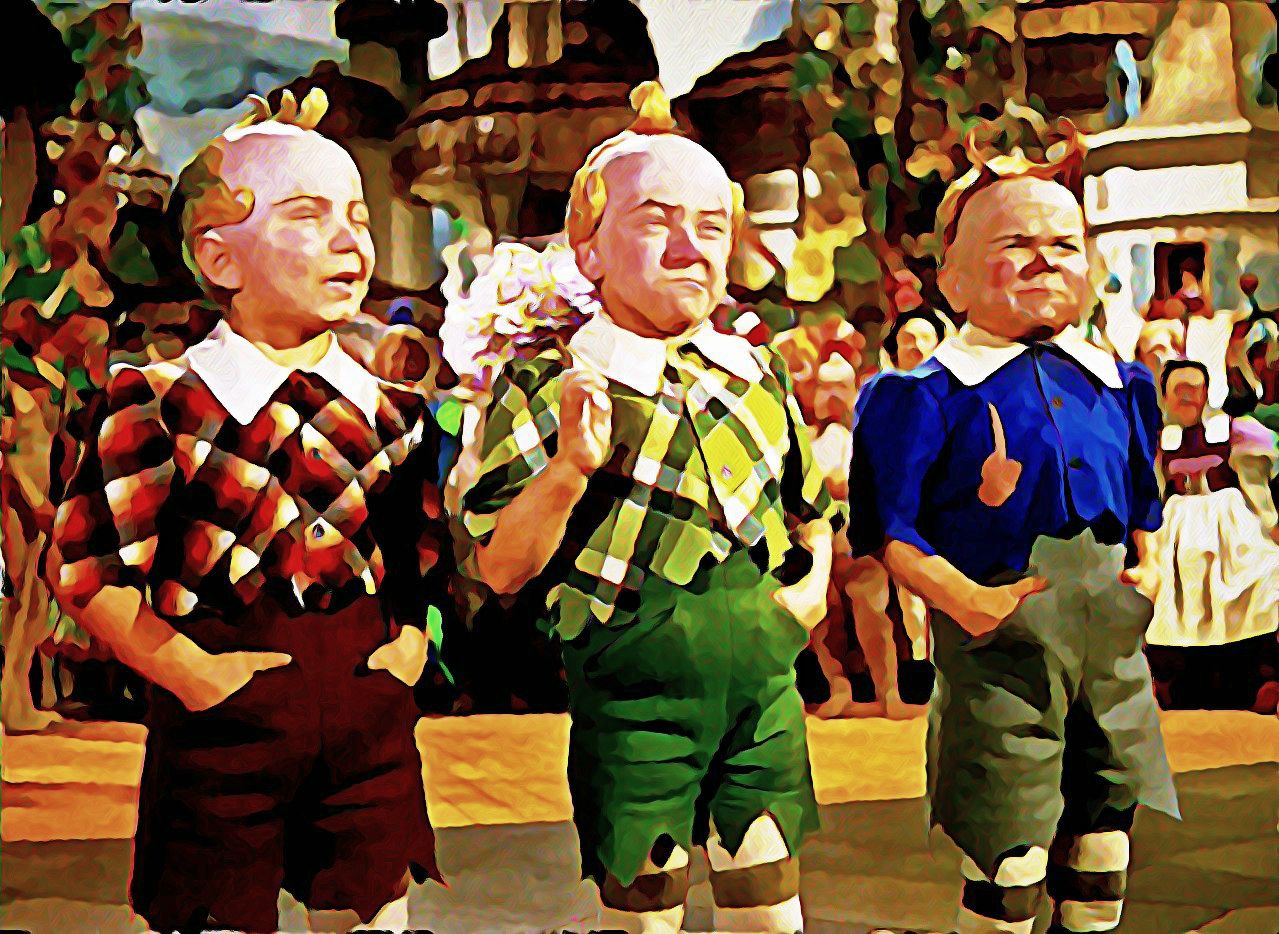
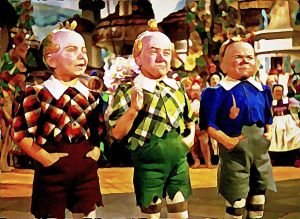
The Lollipop Guild

Hence the invention of iPhones. We like to think they are designed to help us lollie-pop-guild-the-wizard-of-oz-31794946-1279-934-1communicate but in fact they are a technological response to stress. If you can’t do anything else when you’re in fight or flight mode, at least you have your phone. We truly do resemble those characters from the the Lollipop Guild in that respect. All doing our song and dance with muffled voices, talking out of the sides of our mouths and into our phones.
Red Slippers and other inventions

Those of us who run and ride depend on a delayed response to stress in order to cope with its mental and physical effects. We go out and breathe heavy, sweat profusely and cover ground the best way we know how in order to help ourselves to peace.

It doesn’t always work. It’s more like we’re on the Yellow Brick Road. A new stress is always waiting around the next bend. We travel from Munchkinland to the Emerald City wearing $140 shoes that might as well be Red Slippers. So sparkly and shiny and nice. Hope your orthotics fit in those.

GIBBONS 10 OZ 3

Friends in Oz

If we’re lucky we have some traveling companions, also known as Training Partners, that help us on our way to the Emerald City Marathon.

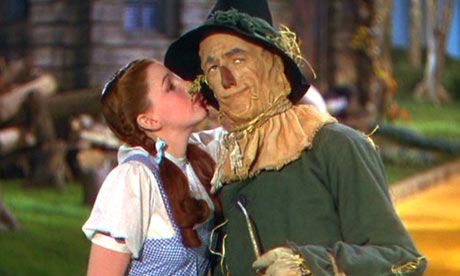
You’ll be surprised upon examination how closely these people in your life tend to resemble the Scarecrow, the Tin Man and the Cowardly Lion. It’s almost universally true that we have one training partner who fancies him or herself Pretty Smart, who’s always tweaking the training routine and pointing with both hands which way to go.

248261_1789197805996_72536_nAnd like the Tin Man, there’s always one training partner who’s in constant need of oil of some sort. They’re the ones who carry every imaginable training aid with them on their long runs and rides. And yet, their physical maladies seem to hold them back or knock them out of training on a regular basis.

Finally there is the Cowardly Lion training partner in your group. The one who’s always afraid to go the extra 10 mile on the bike, or who hates races because they give him or her the willies. They’ll stand their braiding their tail at the starting line. And yet they’re loyal.  They’ll go anywhere with you except the Open Water Swim. Cats hate the water.

Follow the Yellow Brick Road

You travel the Yellow Brick Road with these folks and collectively deal with the stresses life throws at you. Sometimes those friendships last years. The Yellow Brick Road never ends. But often the road comes to an end when one partner or another gets a transfer to the Emerald City (otherwise known as New York) and you have a hole to fill in the training partner roster.

It’s a long and stressful journey we’re all on. The Yellow Brick Road winds on and on.

Flying Monkeys 

dorothy-gets-kidnapped-by-the-flying-monkeys-5Growing up, I was so afraid of those Flying Monkeys they gave me nightmares. But what was it about Flying Monkeys that was so scary?

They symbolized stress, those unanticipated events that seem to descend out of the sky. If you’re not careful, you can even get carried away.

Scarecrow Nightmares

And what was more stressful than the scene in which the Scarecrow had is straw set on fire? Later we see the poor dude lying on the ground with his innards strewn across the ground. Only his head is still functional. That’s how stress feels. The same scene was actually reprised in Star Wars when C3PO gets disassembled in that robot junk factory. His head gets put on backwards. If that doesn’t epitomize the feelings we get when under stress nothing else does.

Real Life Dramas

The hardest part about dealing with stress is that we often don’t know when it’s going to end. Last year during the end of my wife’s life there was one stress after another dealing with hospice issues, family needs and finally the Memorial Service. It all went as well as it could go. But there was hardly any time to run or ride.
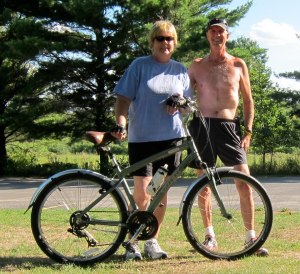
582595_3620364944030_72168110_n

In February and March last year people kept telling me to “take care of myself.” But that’s easier said than done. I’d started a new job just three weeks before she passed away. That meant I simply had to deal with stress the best way I know how, taking quiet moments when possible knowing that sooner or later I would get back to working out, and perhaps find some peace. But first came grief tinged with sorrow mixed with relief. It was a confusing, often stressful period of life.

By the time I started running and riding again it was apparent my entire system was wrung out from weeks of being the center of caregiving and organization. It would take a while for running or riding to truly act as a stress release. We make it through events like that and discover there is a cost. Our best method in those circumstances is to hang on to hope.

But life has a way of intervening even then.

Ring My Bell

When it all finally settled down and spring arrived for sure one April morning, I was getting the car ready to go to work at my new job when I ran back into the house to pick something up. It took a few minutes to find it, and while I was in the house a sudden rain shower came along. It soaked the passenger side of my vehicle. It took 15 minutes to get back outside and by then the water had soaked into the seat. That was bad.

blue-meanies_picFor the next week the seat belt alarm went on every time I got into the car. Ding ding ding ding ding ding. Then it would stop. Then it would start again. Ding ding ding ding.

I turned up the music and opened the windows. Anything to deal with the stress of that constant alarm. The car dealer suggested a hair dryer to get rid of the moisture likely causing the problem. Finally, after 10 days, the alarm stopped sounding. I literally parked the car next to the road and listened to the engine quietly humming. It was as if I’d fallen asleep in a field of poppies. Sometimes the Pause button on life gets hit when you least expect it, and most need it to occur.

Goodbye Yellow Brick Road

When are you gonna come down?
When are you going to land?
I should have stayed on the farm
I should have listened to my old man

You know you can’t hold me forever
I didn’t sign up with you
I’m not a present for your friends to open
This boy’s too young to be singing the blues

Those lyrics from the Elton John song capture that sense of regret we feel at having lost some aspect of ourselves by trying to deal with stress and failing badly.

And here’s why. The strange thing about stress is that we often feel guilty about feeling it. We figure we’re the only ones that have trouble dealing with life, work and relationships. All these stressors kick our ass, knock the stuffing out of us and cause our joints to rust from the tears falling from our eyes onto the tin we call our bodies.

flying-monkeys.american-apparel-unisex-fitted-tee.black.w760h760Dorothy’s example

But you’re not alone. Life is hard and stressful for everyone. The fact that we have a fight or flight response is an indication that deep in our evolutionary history we have been wired to recognize danger. Our brains sense it. Our ears redden and our neck tightens in response to an approach of danger from behind. It’s nature’s way of making sure we’re not caught unawares. That look on Dorothy’s face each time she faces a stress she doesn’t know how to handle? We’ve all been there.

Evolving notions of stress

We’re still animals, and yet we’re not. This social structure we call culture has subjectified the dangers and funneled them into obtuse gestures like the weird signals we’re getting from our boss, or the not-so-quiet complaints of strained relationships at home. Potential stress is everywhere.

dorothy-gets-kidnapped-by-the-flying-monkeys-5That is why, when we’re out on the Yellow Brick Road like Dorothy (a female hero, by the way) we have the urge to dance our way along that road when things are going somewhat well. It’s our release, a celebration of being alive even when we’re going through suffering. Damn that’s good stuff.

The Wicked Witch of the Stress

We know the Wicked Witch of the Stress is always in pursuit. We watch for her horrid figure crossing the sky. We even notice the foreshadowing of her presence in this world in that scary Miss Gulch on the bicycle leading up to the Kansas tornado. That music alone was enough to scare me as a kid. And her frenetic pedaling. At least she knew the importance of a high cadence. Her rockin’ bike was not exactly a Time Trial Cervelo. But it seemed to get her where she needed to go.

Perhaps she could have used some Spandex in that wind. Oh wait, that might have been really scary. We don’t want to know about the body underneath those billowy garments. She might have looked like one of those hyper skinny former Hollywood starlets with the bad liposuction jobs.

The Wizard Must Die

kill-bill-vol-1-originalOf course if the Wizard of Oz were made today, it might be made in the epic style of Kill Bill, all violence, with swords and blood and heroines being buried alive.

The Tin Men might render the Good Witch to pieces with one swing of his axe, just because her voice was so annoying.

The Cowardly Lion would devour a few Flying Monkeys and the Scarecrow would viciously stuff straw down the throat of a few guards at the entrance to the Witch’s castle.The witch would melt again of course. That part would not have to change. It was gruesome enough, in its way.

When the four of them break down the door to the Emerald City, all hell would break loose. The movie would conclude with an epic Kill of the Wizard with the sharpened broomstick of the Wicked Witch. We would see the blood streaming down the Green Curtain as Dorothy turned to the camera with a gleam in her eye to say, “Pay no attention to the man behind the curtain.”

That’s how we release stress these days. Our movies do the Dirty Work for us, while another strong heroine survives to see another day. Talk about a Stress Reliever.

On Wizards, Stress and International Politics

The fact of the matter is that despite the romantic notions of Hollywood Classics, the Wizard often doesn’t have all the answers. Not in the magical way we might hope, anyway. I mean, who knows where the poor old Wizard dude went when his balloon took off without any control?

For all we know, he drifted into restricted airspace and got shot down by China or North Korea. Or perhaps that new ruler in North Korea is actually the Wizard in disguise? The Wizard was, after all, some sort of Dictator in the Emerald City.

I’ve wondered how ex-Presidents (like former Wizards) must feel when they leave office and what is quite obviously the most stressful job in the world?

bush-obama-clintonWe do know that Bill Clinton engaged in Oval Office stress release that ruined at least one blue dress. And George W. Bush simply laughed off the fact that he could not find weapons of mass destruction. The first President got impeached for his transgressions while the other faced no consequence for his cynical dereliction of duties and lies to the American people.

How is it that Bush can joke about not finding WMD’s when thousands of lives have been lost and billions spent in name of that pursuit? It turns out that phony Wizards are way more real than we might think. I don’t know about you, but I get stressed about such things. Social justice and political verity is not something to take lightly.
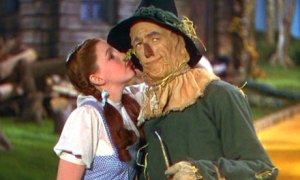
WIZARD-OF-OZ-THE-1939-001It seems Americans sometimes stress about all the wrong things. We prosecute a blow job and let a political snow job get off for free. Then we heap the whole last 16 years of Presidential folly on the next guy in office.

It’s no wonder so many Americans and people around the world feel stressed. Our leaders act with such ill vision they ignore even threats of terrorism staring them right in the face in favor of pursuing an ideology in a place like Iraq.

But sooner or later the truth comes home to roost. These lyrics from Goodbye Yellow Brick Road seem prescient relative to the tenure of GWB and Obama:

What do you think you’ll do then
I bet that’ll shoot down your plane
It’ll take you a couple of vodka and tonics
To set you on your feet again

Maybe you’ll get a replacement
There’s plenty like me to be found
Mongrels who ain’t got a penny
Sniffing for tidbits like you on the ground

Yes, It’s Goodbye Yellow Brick Road

Sometimes the best we can do is to keep moving. We’re all just running and riding to get back to the Kansas of our minds and souls. In the waking world, we trade Yellow Brick Roads for flat gravel paths and a ditch full of singing birds, and keep our eyes out for tarsnakes. Then we run or ride past listening for echoes of that wonderful world that exists inside our heads.

We come full circle from our 15 mile runs and 70 mile bike rides and collapse on soft beds muttering to ourselves and anyone else willing to listen, “There’s no place like home…there’s no place like home…”

That’s a fact we all like to stress.

WeRunandRideLogo

Posted in Christopher Cudworth, We Run and Ride Every Day | Tagged , , , , , , , , , , , , , , , , , , , , , , , , , , , , , | 1 Comment

Specialized Movies Presents Happy Entrails

Posted in Uncategorized | Leave a comment