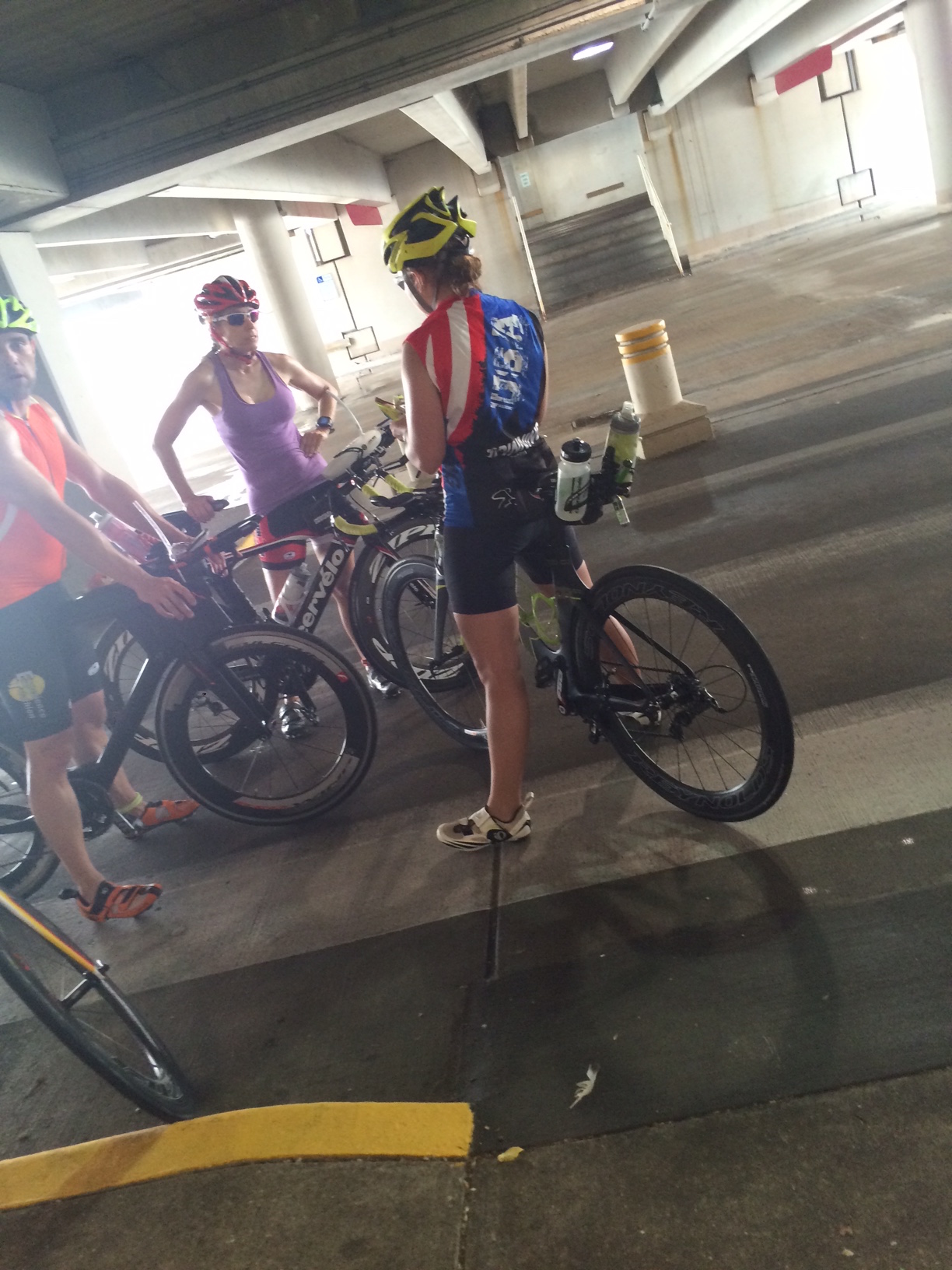
Mulberry streets forever

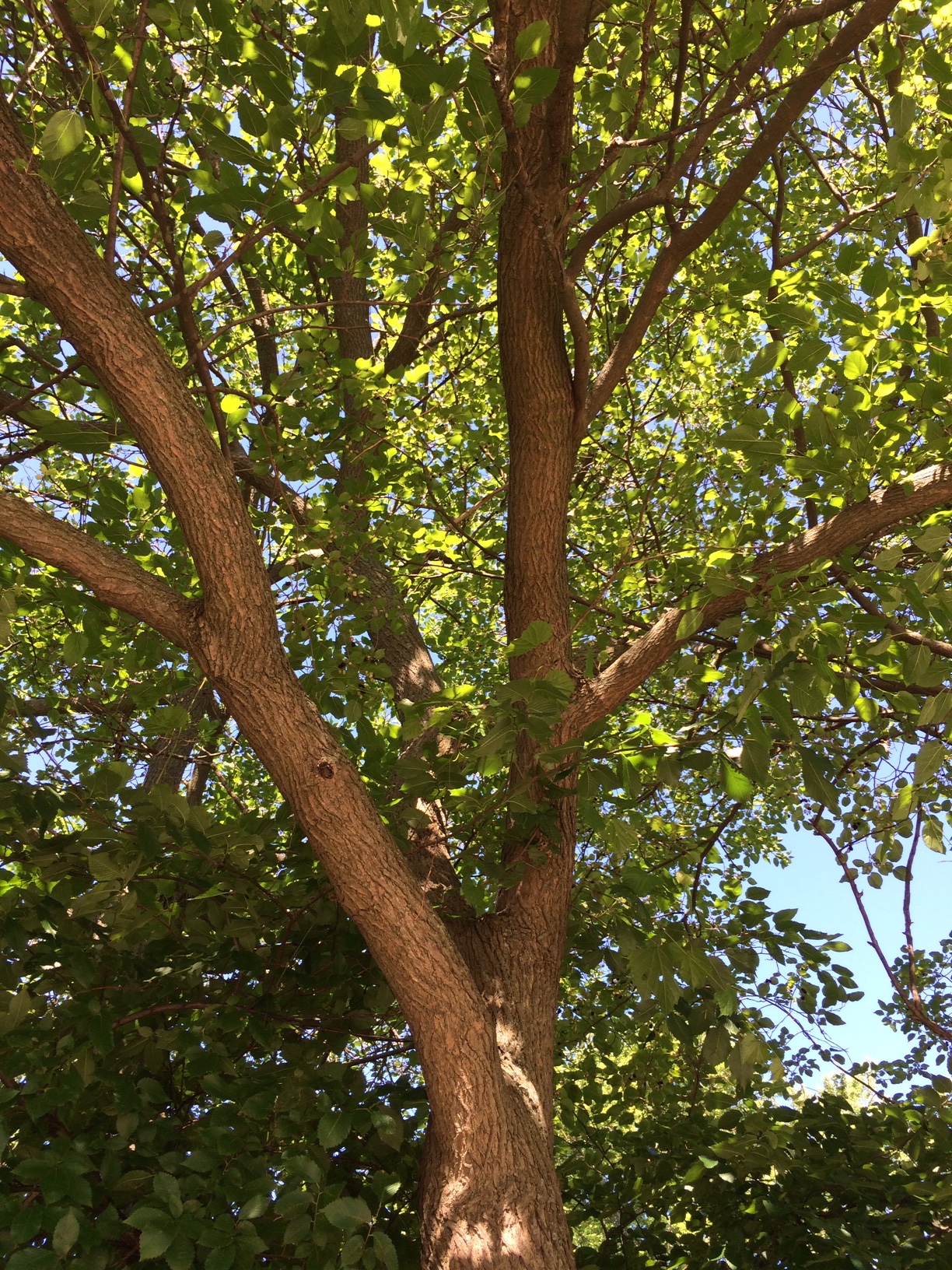
Mulberry treeIt’s the mulberry season here in Illinois. Mulberries are the seed fruit that no one notices until they run through a pile or streak of them on the sidewalk. Then you worry about the stain on your shoes. In fact they stain anything with which they come in contact. That means trouble when a bird such as a grackle ingests a few of these berries and flies over your vehicle to leave a mulberry bomb on your hood.

That’s pretty gross. Those seeds and purple juices mixed with bird poop is a substance with which it is no fun to deal. You can hose them off or spray them down with Windex, and still they cling to the paint.

When cycling you must be very careful in approaching and passing through a mulberry zone. Indeed, they seem to fall straight down from the tree. Like angry little purple paratroopers without chutes, they plop on the ground and lie there waiting for something to run them over.

IMG_0066This is an evolutionary strategy, in case you did not know. The sticky fruit serves as a transport vehicle for the many seeds contained in each little mulberry. These get carried away by sticking to the bottom of some creature’s feet or else eaten and later pooped into a new place for a mulberry tree to grow.

And oh, boy do they grow. I am fairly sure that mulberry trees snuck out of the Garden of Eden when Adam and Eve got booted out. These have a devilish way of showing up in weird spots. They love to grow next to houses, for example. Somehow the seeds come to rest against the foundation and the plant sprouts up in multiple stems. You can cut these off every ten minutes it seems and they keep coming back.

If you don’t cut them back or cut them down, mulberries take perverse pride in growing up over your roof and dumping their stainy, pitty seeds all over your roof. That leaves a permanent dark stain on your shingles. Unsightly at best.

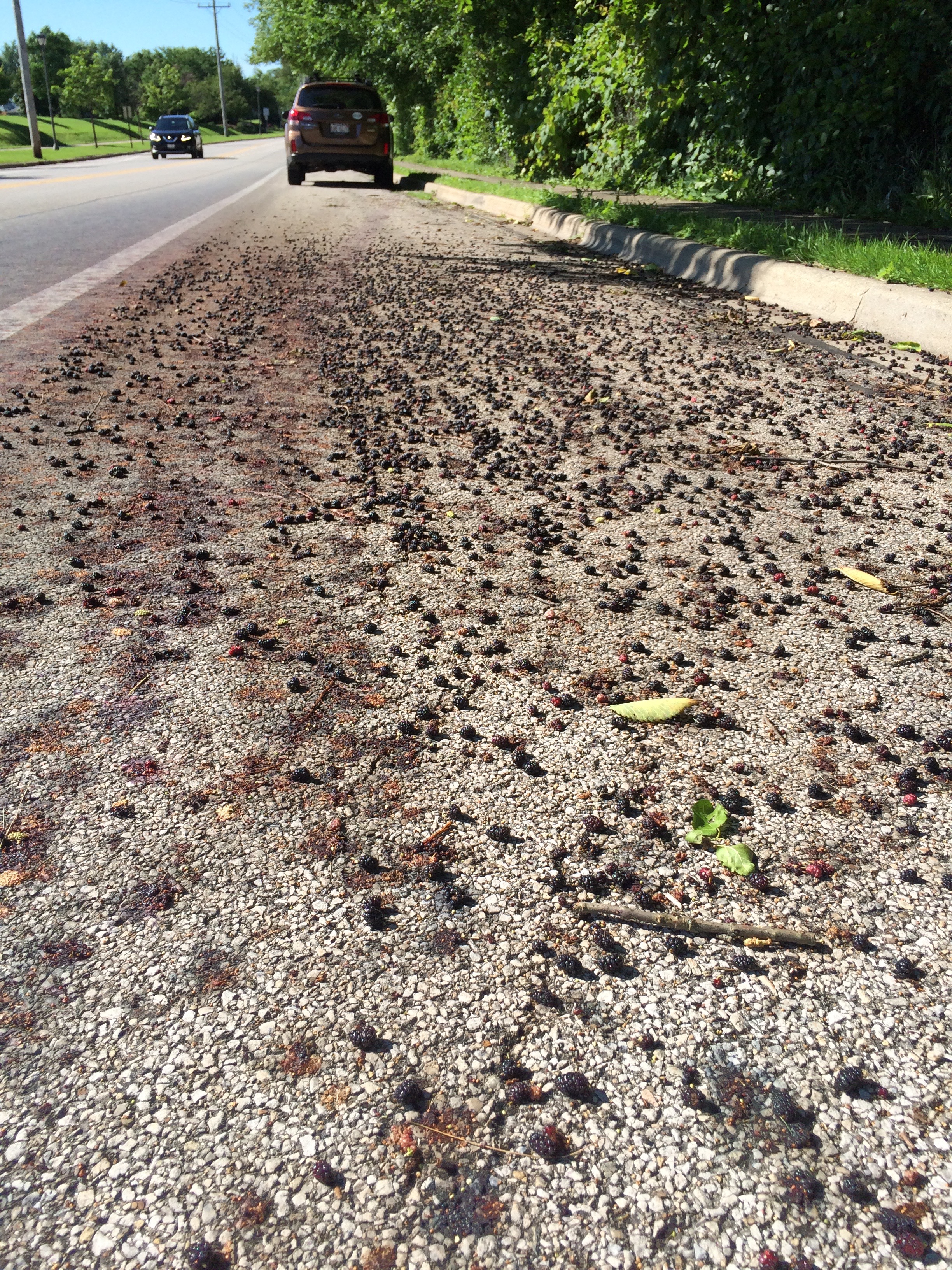
IMG_0068Mulberry trees also take pleasure in dropping their mulberries all over the street. You can rightly imagine a mulberry tree having the same twisted intellect as a thirteen-year-old child with nothing to do on a June day. They perch there by the street tossing mulberries by the dozens. Finally there is an entire cloud of mulberries covering the sidewalk and extending all the way out in the lane of the road. The mulberry tree sits back and laughs, waiting for its prey.

Then along comes a cyclist. The mulberry tree stands quietly, its leaves barely uttering a whisper in the summer breeze. Yet you know it is muttering to the ugly little buckthorn bush next to it. “Here he comes! Here….he…comes! This is gonna be great!”

And before you know it, you’ve run right through the purple cloud of mulberries. Pits and seeds have flown up on your legs and gathered on the soles of your feet.

Or better (worse) yet, you fly through the patch of mulberries on your bike. The mashed berries carry up IMG_0070with a flick of your tires onto your back. From then till eternity, your favorite yellow jersey will bear the mark of the mulberry prank. You are stained by a moment’s inattention. The mulberry tree has left its mark.

Mulberries aren’t all bad of course. Mulberries taste good when they mature. Their flavor falls somewhere between a raspberry and a muskmelon, which is weird. But mulberries are weird. They’re weird trees that have no place in society or in horticulture, it seems. No one actually plants mulberry trees. They are the gypsies of the tree world. They have no real home, yet their fruity goodness sits out there like sinful temptation. They want to seduce you.

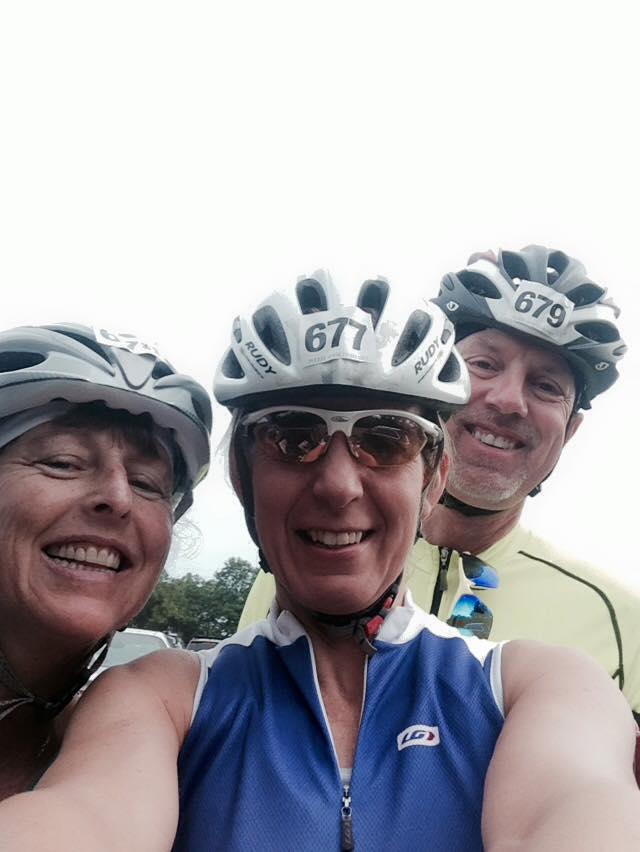
I used to eat plenty of mulberries from the lone mulberry tree growing in our backyard in Pennsylvania. They are also an absolute expression of early summer, and as such, best IMG_0071tasted on a calm June morning when the birds are singing and there is a little dew on the grass.

It’s a fact of life that mulberry fruit is just a little naughty by nature. As an undomesticated fruit, they truly feel a bit taboo, like a session of summer masturbation behind the shed when you are a horny summer kid. You take your pleasure and hope you don’t get caught. There’s always a little guilt involved.

We need these moments however. Otherwise the lure of the taboo digs deeper into our souls. Like a tick that sucks our blood, we need to remove that wild bit of hunger that eats at us. Mulberries are the tarsnakes of the wild fruit world.

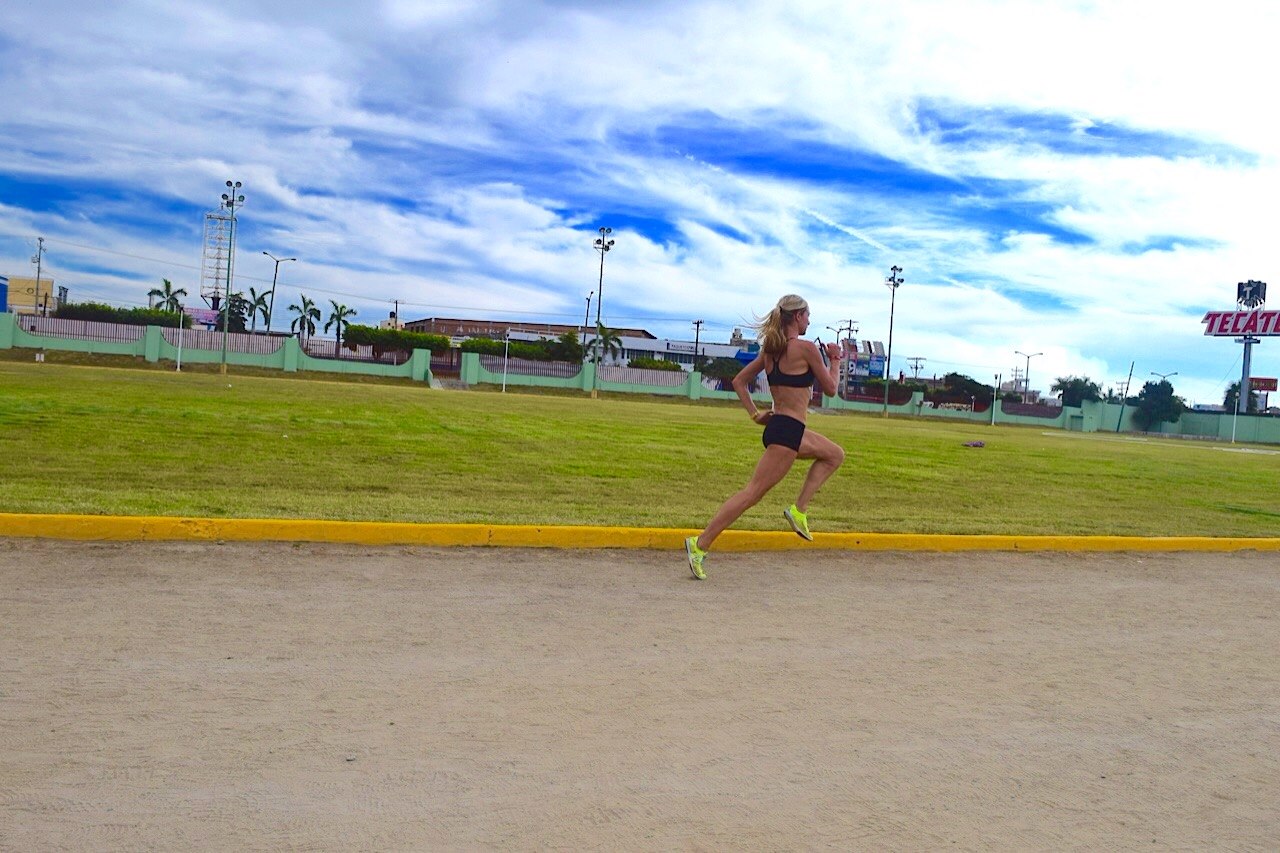
Because… where is summer going to leave us if we don’t make it stop to join us in our reveries? Is it really already… the end of June? Why haven’t we sat on the hammock? Gone for a run with just a sports bra on, or no shirt at all? Why do we let summer slide past us when it is meant (deservingly) to be treasured? Do we not even recall when the mulberry tree stood shivering in the cold, raw winds of winter? Those green leaves and naughty purple berries could only be imagined. And now we take them for granted. Shame shame.

The-Endless-SummerThe Beach Boys sang about the glories of Endless Summer. For those of us without oceans to beckon, we must find our beach in other ways. All across the interior those mulberry streets are calling us to dig our toes into summer. Let the pits fall where they may. Let the fruit juice run down your chest. Smear it on a friend and lick it off. Make wine or mix them with ice cream and make love on the back patio on a moonless night. Run and ride through those mulberry streets and be glad for the opportunity to move freely through warm days without layers of clothing between you and the world. And eat a few mulberries along the way. You won’t regret it.

werunandridelogo

Posted in cycling, cycling the midwest, running, We Run and Ride Every Day | Tagged , , , , , , | 2 Comments

The Three Bitches and Twenty Bastards meet at the Horribly Hilly 100

Pre-Ride Partners“Isn’t this pretty?” I asked my companion Sue at the 30-mile point of the Horribly Hilly 100 ride.

“It’s a valley,” she responded. “So it’s not that pretty. It means we have to go back up again.”

And that, my friends, perfectly summarizes the Horribly Hilly 100. The 75 miles we rode gained more than 6500 feet in climbing altitude. Yes, there were descents involved as well. But it’s the climbing that you really notice.

Part of our purpose in riding the Horribly Hilly was to get in some hillwork for my companion Sue, who is doing the Ironman Wisconsin race in September. That bike course leads from downtown Madison out the “stick” through Fitchburg and Verona to Mt. Horeb. From there the course does a pair of loops that include climbs known as the “Three Bitches.” They are hard climbs, but not insanely so. We’ve now ridden them several times in practice rides, Sue more than me.

But the Three Bitches aren’t the only climbs on the course either. Not in southwest Wisconsin. So the training for Ironman Wisconsin needs to include plenty of ups and downs to cover the 112 miles of cycling that makes up the heart of that race.
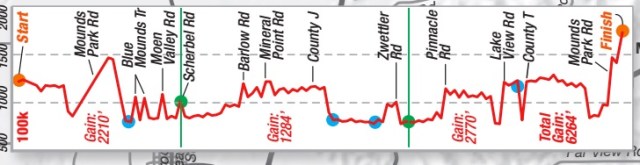
Horribly ClimbingSo we signed up for the Horribly Hilly 100 with the goal of perhaps covering a set of hills that I’ll semi-officially brand the Twenty Bastards. It was a challenging course, and you’ll note that the last climb goes from about 600 feet up to 1800 at the top of Blue Mound State Park. That, my friends, was a tough climb.

Olympian hills

It was once rumored that if Chicago had won the right to host the Summer Olympics, the cycling road races would have been held west of Madison, Wisconsin where the hilly terrain makes an honest rider out of anyone. It would have been interesting to watch world-class cyclists on the two combined climbs leading to the top of Blue Mound State Park. With a net elevation gain of nearly 1500 feet from bottom to top, and several grades topping 10% along the way, it may not equal the difficulty of some Tour de France courses, but it’s an honest-to-goodness climb from any perspective.

There were even steeper sections of riding along the Horribly Hilly course The hardest among these reportedly exceeds 15%. Quite seriously, when you came around the corner that first hill looked like a wall. With flies on it. Because the cyclists clinging to its sides were as thick as flies. 

HORRIBLY MAPPYThat’s when you really know you’re in Horribly Hilly territory. After all, back home in Illinois the steepest section of glacial hill lasts some 30 meters and tops only 9%. By contrast, the two steepest climbs in the Horribly Hill 100s were almost double that grade and lasted 200-300 meters. So if you’re from Illinois, you can’t truly prepare for the Horribly Hilly 100s even if you ride the best hill available over and over again. So you go with the legs you’ve got.

Adjustments and the funny part

Which meant that in many cases those steep sections and the mile-long 8-10% grades brought many cyclists to a lurching halt. Chains clacked. Cleats returned to contact with the earth. Cyclists sought out breaks in the climbs to catch their breath and regain their wits. 

The funny part:

It was not uncommon for cyclists pushing their bikes up the hill to nearly keep pace with those still pumping pedals in a hopeful, grinding spin. At one point my companions took a short break, walked a few moments and then got back on their bikes to ride when the road again allowed. All the time I continued climbing. Yet the sound of their voices behind me never seemed to recede. That’s how slow you sometimes rode up those hills.

It turns out that four-miles-per-hour is the semi-magic speed for climbing really steep grades. Go any slower and you’re done. Finito: Pull over or fall over. Go any faster and you might be cooked. So that was the rule. Keep it steady and keep moving up almost any grade. And wish you had one more easier gear to pedal. The Granny Gear. Some folks had it, but it did not always help.

Slow rollers and keen visions
Featured Image -- 4823Here’s the truth. You really don’t feel any sensation of a breeze when riding at four miles an hour. There is really no benefit to drafting behind someone at that speed, either. Frankly, you can’t afford to ride so close behind in case they falter or come to a stop. So unless you are out in the open with a wind blowing in your face, you ride alone. Fortunately, most of the climbing sections were mercifully sheltered by thick forests of mixed hardwoods. The lack of wind kept the course from being insanely difficult. 

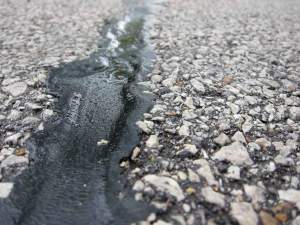
Given the clouds and overcast day, the damp roads looked mostly featureless at average speeds. Yet at four miles an hour you had time to study the shape of a pothole or a sneaky tarsnake for quite a long moment as you ground on past. Details like that seemed to mock the mind as you tried to go faster, only to look down and find what looked like a fully pixelated digital road below your feet. Asphalt beggars the mind at some point. 

Heavy breathing

The sound and rhythm of your own breathing is quite audible as you chug along. Same with the cyclists you’re passing, or those passing you. That means the Horribly Hilly 100 is an intimate experience of breathing, huffing and listening to other people uttering soft words of encouragement. “You got this,” several riders offered. Or, “Keep it up.” Time slows down as you go, yet on you go. You mutter back. Something stupid perhaps. “Yah, you too.” 

That climbing pace ideally would give you time to consider your surroundings. Yet there’s something disaffecting about consistent climbing that makes you focus a bit more on the ground below than the trees or leaves of above. Perhaps it’s a law of personal physics that keeps one from looking up at the road ahead or the scenery around you. First, there is equilibrium to consider. To stay the course and keep balanced, it helps to keep your eyes focused on the near section of road rather than staring uphill into the narrow crevasse of daylight at the top. 

往上走 = Up you go

china-a-mountain-pass-antique-print-1859-88165-pThat’s if you’re lucky. More often the road ahead simply made a turn around a bend into what appeared to be a flat wall of trees. Cyclists ahead of you disappeared into these flat panels as figures do in those Chinese screen prints depicting life in mountain country. We were all peasants carrying our own burdens. 

Indeed, it was a work of performance art getting up some of those hills. Some of the participants were a bit disadvantaged by the bikes they rode. Tri-bikes with those aero frames are not really suited for steep climbs over 10%. That meant progress came to a halt for riders whose bikes were designed more for pedaling flat-out on level ground than climbing unglaciated hills. There was no shame in jumping off the bike in that case. The forward riding position of aero-designed bikes makes climbs over a certain grade an uncertain proposition at best. 

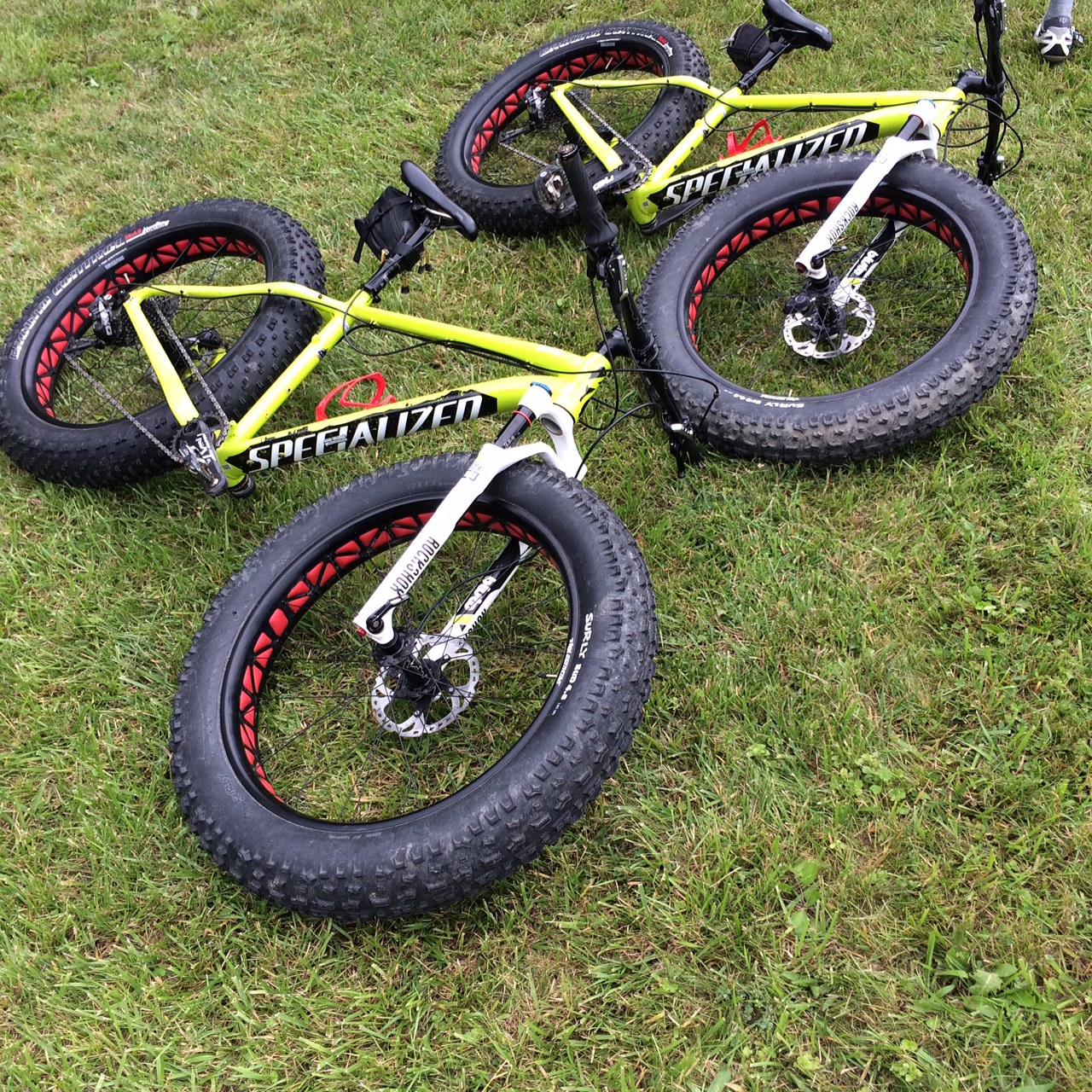
Fat Tire BikesYet there were also people who turned their bikes into a statement of sorts. One couple was doing the entire ride on fat-tire bikes.

There were heavier riders as well on the course. As I inevitably passed them by it seemed there was a higher purpose to their efforts. Their statement was one of resolute commitment to something other than being fat. But we all need to remember that having fat on your body is not a sin. Everyone is built different. Some tend toward thin while others put on weight easily. Even heavy trainers must strike a balance between calories taken in, calories burned and saving the really lean times for point of competition. 

Overall, a great ride
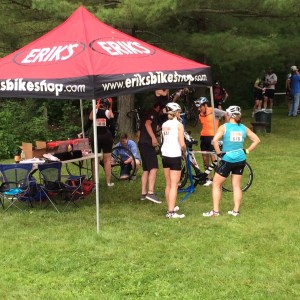
Sue and LidaThe ride is for everyone. The entire Horribly Hilly enterprise is so well run that it accommodates riders of all types and abilities. The rest stops and water stops were staffed with enthusiasm and insight.

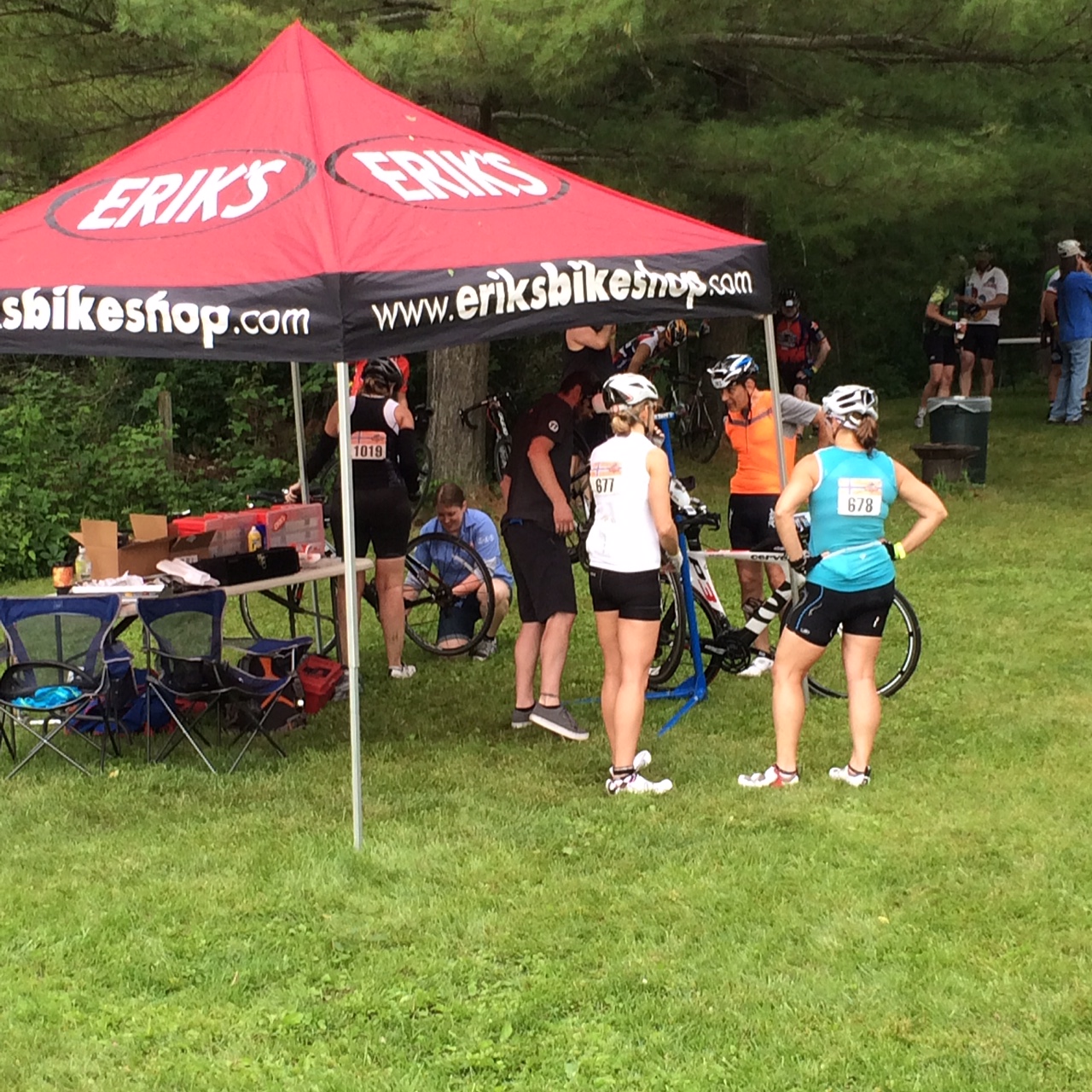
In fact my entire ride was rescued by a mechanic from Erik’s Bike Shop, a Madison-based store. At the very beginning of my ride a newly installed back tire tube burst thanks to a flaw in the wheel tape. I ran my bike 300 meters back up the steep hill and 10 minutes later was cruising down to the start with a new tube intact. Thanks, Erik & Co., who also adjusted my companion Sue’s derailleur so that her shifting wasn’t all messed up on the hills. 

As riders queued up at rest stops there was humor and conversation and the strange ebb of latent energy wherever groups of cyclists come to a halt. The fact that 1300 riders sign up (in fact, there’s a lottery for entry!) to join the sufferfest known as Horribly Hilly is testament to its reputation as one of the Midwest’s most interesting and well-run rides.

Birdiness

Ovenbird.

Ovenbird.

As for me, I occupied the less hilly portions of the course by identifying more than 30 species of birds heard singing along the way. There were blue-winged warblers, yellowthroat, redstart, ovenbirds and yellow warblers as well as scarlet tanager, rose-breasted grosbeak, wood thrush and eastern bluebirds, catbird, towhee. And yes, there were also vultures flying overhead. One must suspect they were hanging around in case of a really bad crash. Those vultures. They know good pickings when they see it. 

I mercifully did not call out all these bird species to my riding partners as we rolled along. That’s a distraction in a way. Yet all that bird song was a testament to the rich woods and diversity of environments through which we passed. It’s hard to take it all in when you’re under the physical pressure to ride, yet you come away with the feeling that you’ve finally done that thing you promised yourself to do after all these years of driving through the region on route from one place to another. Get off the main road. Feel the rhythm of the place. Soak in the farm smells and say hello to some cows. Nothing horrible about that at all. 

Driftless dreams

Southwest Wisconsin is simply one of the most beautiful places in the Midwest to ride. There’s no escaping the fact that the climbs are real and difficult. Yet cyclists who love a challenge really love riding in the Driftless Region. The descents can be thrilling. You can top 50 miles per hour quite easily on the longer chutes. One daring and skilled rider came past us going at least 50 mph. His teal-colored tri-bike and kit were a blurr in the dim light of a dark woods. 

More typically riders brake their way down at 35-40 mph to protect both body and soul. Sadly, there was an accident right at the start of the Horribly Hilly when a cyclist shot off the road and had to be airlifted to a hospital. So you can’t take the hills lightly. I personally have experienced the joys of a bike crash going downhill at 40+ mph during The Wright Stuff Century a few years back. I now approach the descents with keen respect, and knees clamped firmly on the top tube to prevent bike wobble. 

This year with far more experience under my belt the Horribly Hilly didn’t crush my legs or my collarbone. I made it up every climb and gained respect for every other rider out there on the course. No one gets off easy (pun intended) and that’s the apparent joy of riding with your buddies and appreciating the rolling party of 1300 cyclists doing the same stupid thing you’re doing on a cool Saturday in June. It rained. The wind blew. Finally the sun shone for 15 minutes near the end of the 75-mile ride. We saw it all, in other words. 

Long riders

Somewhere out there, the real heroes of the day were plunking out another 25 miles or more on the longer course. “God Bless them,” you think to yourself as you finish the final climb and pull to a stop past the Finish Line. 75 miles felt like enough for me. 

But Lo and Behold, there at the finish line stood a real, live Culver’s Custard Wagon with chocolate and vanilla treats just waiting for you to eat them. It was the hardest-earned cup of sinfully good custard I ever ate. Staring down at the cup, I made note that even the custard had a certain topography to it. Such is life in the Wisconsin hills.

In case you’re in the mood for a beautiful ride in the Driftless region, there are a couple other opportunities in July and August.

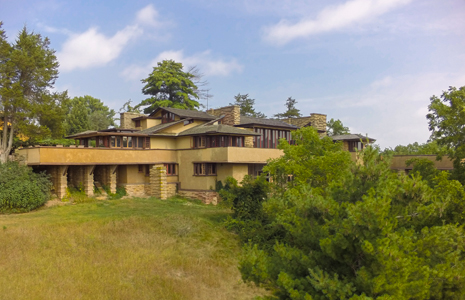
TaliesinThe first is the Wright Stuff Century held July 25, 2015. It also starts in Blue Mounds country and cycles west to the home of the late great architect Frank Lloyd Wright at Taliesin and Spring Green. The course also features challenging climbs and magnificent views of the Driftless Region landscape with its hazy blue skies and deep green valleys. Hints: for a great Sunday morning treat after the ride, try The Shed in downtown Spring Green. You can order beer before noon on Sunday and pies that will melt your appetite into tasty morsels. Make time to visit Taliesin the day before or after the ride, and do yourself a favor and skip The House on the Rock. 

The Dairyland Dare takes place on August 8, 2015 and starts in Dodgeville, Wisconsin on Route 18 forty miles west of Madison, Wisconsin. The heavily sponsored ride offers courses ranging from 50km to 300km. All take place on the extremely hilly, scenic land near Governor Dodge State Park. Course reach all the way up to the Wisconsin River if you choose. If you want to fall in love with some of the most beautiful landscape in the nation, this is a great ride to do as well. 

werunandridelogo

Posted in bike crash, bike wobble, Christopher Cudworth, climbing, competition, cycling, cycling the midwest, Tarsnakes, tri-bikes, We Run and Ride Every Day | Tagged , , , , , , , , , , , | Leave a comment

Emma Coburn on the hurdles of being a world class runner

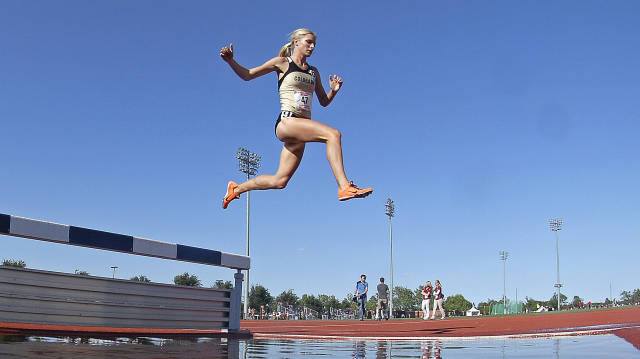
Emma SteeplingAs a steeplechase runner in college and beyond, I have tracked the careers of America’s top steeplers including Evan Jagr on the men’s side as well as Emma Coburn, one of the top women steeplechasers in America and the world.

The Colorado resident has a steeplechase PR of 9:11.42. That’s fast, especially considering she’s covering 3000 meters over 35 barriers and 7 water jumps.

We Run and Ride wrote to Emma Coburn through Facebook, where she has 22,000+ likes on her fan page, to ask a series of questions about her career and what advice she can offer to other runners. The interview is shared here with you. We hope you enjoy it.

WRAR: When women runners reach out to you with questions, what are some of the things they most want to know about you and your training/racing? 

A lot of the questions are about injury prevention, diet and weight. We all have different bodies. We all respond differently to certain ways of eating. So I try not to get too specific on the diet and weight questions. I eat a balanced diet with lots of fruits, vegetables, and Emma with donutswhole grains. I eat a lot of red meat to keep up iron levels and have dessert or something sweet almost daily. It’s all about balance and not feeling restricted. For the injury prevention questions I usually say that it’s about taking care of all the little things. Adequate sleep, stretching after runs, foam rolling, massage work, etc.

What advice might you have for young women distance runners coming through the sport and the changes they will encounter from puberty through teen through college and into adult years?

I had a pretty smooth transition from middle school/high school to college. It’s hard for me to give advice since I never had a tough transition myself. The only advice I can give is to not be too hard on yourself. Work hard, but make sure that you are happy and feeling fulfilled in whatever sport you are doing. 

Emaa On TrackWhat are some the most important lessons nor examples of what you’ve learned from your coaches?

My high school coach, Trent Sanderson, taught me to think that anything is possible. He was the one who first believed I was capable of running in college and made it possible for me. My college coaches, who are now my coaches as a professional, Mark Wetmore and Heather Burroughs, taught me how to handle training and racing at the next level. Coach Wetmore and Coach Burroughs taught me to trust my fitness and to stay calm and cool in race scenarios.

At what age did you cross the bridge from realizing you had some talent to understanding that talent needed to be developed?

My last two years of high school I became exposed to national caliber athletes and discovered how much work it takes to get to the next level.

Emma leading steepleHave you ever run an open 400M IM hurdles race?

No. I did the 400 a few times in high school but nothing fast. I ran it in training shoes. The 400 hurdles looks like one of the most painful events on the track so I’m happy that I’ve never had to do it!

How often do you work on hurdling technique? Who is your coach in that respect? Coach Wetmore and Coach Burroughs oversee my hurdling. Early in my steeple career we would practice technique a few times a week but now that I’ve become more and more comfortable, we do it less.

Did you ever do any field events in high school track, like long jump or triple jump?

I did the high jump my freshman year. I qualified for State and jumped 5’1”. Not too bad for a 14 year old I suppose!

Emma on dirt track workoutWho and what were some of your early inspirations in running?

I was never a big fan of running, I didn’t know who the big players were growing up. My last few years of high school I started learning more about running and started paying more attention to the Colorado team and the good runners produced there: the Gouchers, Dathan Ritzenhein, the Slatterys, Jenny (Barringer) Simpson, Billy Nelson.

How has your view of distance running changed or evolved as you’ve risen in the sport?

I’ve learned how hard it is to stay healthy and to stay consistently good. I’ve had injury set me back before. I’ve seen great careers fizzle out for no real reason. Running is often unpredictable and can feel unfair at times when things don’t go your way.

Emma in high schoolWhat are some of your techniques for dealing with pressures in competition; 1) leading up to the event, 2) race day prep and pressure 3) post race performance analysis?

1 & 2) I keep the focus on my own training and fitness, that calms my nerves usually. 3) I don’t dwell on bad races for too long. I’ll be upset in the moment, but the next day the focus shifts to the next race and on my training. If it’s a great race, I’ll celebrate in the moment but again, by the next day, it’s back to work and back to training hard.

If there was one thing you might change about the sport of track & field right now, what would it be?

I wish there was more transparency in the world of drug testing.

Emma in the airAs a steeplechaser, there are additional stresses on your body that other runners don’t typically need to address. What kind of event-specific training do you do that might be helpful in a more general way to distance runners?

Having strong hips and glutes helps. Lots of hip bridges and glut exercises! I think more and more, runners are developing smarter weight routines and incorporating more rehab exercises into their daily training, so it’s not just specific to the steeple. All runners can benefit from strong hips and glutes.

Do you find that the commitment needed to excel in distance running puts stress on your relationships (family, personal) in any way?

Emma with friendsMy family and friends are incredibly supportive and always are adding to my life as a runner, never making me feel burdened. If you are the type who has friends who give you grief for going to bed early instead of going out with them, maybe it’s time to reevaluate things. My family and friends do everything they can to make my running career easier. They are incredibly supportive.

What do you use in your life to accomplish balance? Or New Balance…:-)

Again, my family and friends play a big role in that. They help me stay focused and dedicated to my training, but also serve as a nice break when I don’t feel like talking about Emma New Balancerunning. Physically I live my life in training mode almost year round, but its nice to mentally give yourself a break and not always be thinking about running and training. My friends and family are great with that.

And on that subject…is it different than you thought it might be in terms of becoming a sponsored or professional athlete?

It isn’t different than I thought. I knew it would take a lot of work, some sacrifices, a lot of dedication and patience.

Emma with her cute dogAnd finally: Exactly how cute is your dog?

He is the cutest dog in the world, obviously! 🙂

Thank you Emma Coburn! And best of luck in your training and racing.

And P.S. Your dog really is cute. 

werunandridelogo

Posted in Uncategorized | Tagged , , , , , , , , , | Leave a comment

Sideswiped and gutter sniped

There are a couple stories about which I’ve been holding out on you. One involves an incident last weekend with a gutter snipe driver who calculatedly attempted to run four of us cyclists off the road.

guttersnipe [ ˈgətərˌsnīp ] NOUN derogatory
a scruffy and badly behaved child who spends most of their time on the street.

Why do I call the driver who drove within four inches of our group of four single line cyclists a gutter snipe? Because he acted like a scruffy and badly behaved child who spends most of their time on the street. In fact his beat up, rusty white Econoline van was audible behind us for more than a half mile. One of our group intoned, “Better move over. There’s a hot rod behind us.”

We weren’t 200 meters into the ride when the van pulled up next to me as the last rider in slow line. His front bumper was four inches from my body and bike when he gunned the engine for all it was worth. The van shot forward with a loud backfire as he strafed our entire line. All of us shouted in alarm. Our lead rider, who happens to be the fastest sprinter among the group, reacted quickly and took off in pursuit. He read the license plate before the van got too far ahead going 40-50 miles an hour on a 35 mph road.

Make no mistake. It was intentional. It was dangerous. It was loud. It was close. It was early morning. It was not possibly an accident. It was unlawful. It was malicious. It was symbolic. It was emblematic. It was horrifying. It was frightening. It was nasty. And it was real.

Open season, open roads

I wrote last week about the fractiousness of society and how there seems to be a growing intolerance for cyclists on the road. It’s not everyone who drives that is a problem of course. There are far more courteous drivers. There are far more courteous cyclists. It’s the bad ones who egregiously flaunt the law.

Triathlete groupThe real problem is the grey area where perceptions meet reality. Last weekend a group of us rode our bikes in Wisconsin west of Madison. The roads there on a Sunday morning are not busy at all. A few cars typically pass you on the country roads. Some might have to wait a few seconds before a hill, and most don’t seem to mind.

Yet it’s easy to forget that you’re on a public road when you’re in a group. The riding gets easy going downhill and people swing out into the lane for safety and room to pass. But if a car is approaching from behind, cyclists simply look like a random obstacle and discourteous to boot. The relative speed between a car going fifty and a cyclist going 25-30 mph is still quite pronounced.

Which is what made it interesting that there was a white vehicle trailing our group for a segment of the road. It is very likely they were capturing video of our riding habits on their phone. Evidence against cyclists perhaps in the war over who owns the road?

Road hogs? 

It’s an overall interesting phenomenon, this idea that one person has more right to the road than another. It’s all very random if you think about it, or perhaps not. At this point it might pay to consider the lyrics of the Todd Rundgren song Emperor of the Highway:

I am the emperor of the highway
I wield the universal will
One might chance to overlook on my divineness
Unless I’m sitting in the Imperial Poupe de Ville

I am the emperor of the highway
Strapped with foolish mortals such as these
I need never indicate my intentions
I can stop and go and turn just as I please
For I am the emperor of the highway

But sometimes, stuff happens

Sideswipe oneSeveral weeks ago while driving to a late lunch with relatives on a Sunday afternoon, we were in the far left lane of a busy Route 64 near Maywood, Illinois when a vehicle in the lane to the right of us swung over and sideswiped my car. Wham, and wham again.

The driver pulled ahead of us then and we were stopped at a light. “I don’t think he knows that he hit you,” my companion Sue observed. So she got out of our car and walked up to knock on the window. She asked him to pull over at the next light and we met in a parking lot.

He got out of his vehicle and proceeded to pour out his life story to me. “My wife is in Gottlieb,” he explained, a hospital just back the road. “She’s been on her back for six weeks. I don’t know if she’s going to live. I lost my first wife to breast cancer and my second wife to heart disease. I had a stroke back in December.” Then his voice trailed off.

Obviously distracted, the man was also 85 years old and possibly hard of hearing. But he was doing his best to deal with a lot of different consequences in life.

His insurance covered the repairs on my vehicle, which were just completed yesterday. Fortunately no one in the incident was hurt. I felt really bad for the man in his circumstance. I’ve been through the hospital stuff and the loss of a wife due to cancer. I know how life can throw you curves and sideswipe you when you least expect it.

Rolling pathology

Which makes the war over cycling on the roads all the more painful and random to consider. What makes people so selfish that they cannot be considerate for a very brief encounter on the road? It’s a deep form of sociopathy that has infected a world that has ostensibly pulled together in the wake of tragic events in the past.

Sideswipe tooIf makes you wonder if some people ever really put aside their differences? Perhaps there is a culture inside the culture where the concerns of self and fear of differences never vanish. Ever.

All it takes is the pressure of money and politics and selfish greed to bring out disaffection in souls that are torn by the notions of competition in life. Politicians sense this need within a segment of the populace and appeal to the darker side of human beings. They hope to leverage it to their own advantage when elections come along. Then people seeking only to embrace the winning side go along to get along. They join parties and never look back even when said party is working against everything that is good for them in life.

Crusaders

Religions point fingers at other religions and races point fingers at other races. Even sexual orientation and gender become focuses for ostracization by political and religious gutter snipes.

That’s right, you know who they are. They are the ones buzzing others off the road in a rage of political and righteous furor. They care not who they hurt. They care only that their taxes go down and their net worth goes up. They hate anything that smacks of compassion for the weak or different in society. It galls them that people don’t look and act exactly like them. It ticks them off that people question the suppositions and assumptions they make even when those beliefs are clearly discriminatory. It angers so many that they might have to sacrifice some small advantage in life. They cannot imagine giving up some level of authority or wealth they have gained for themselves in this world.

Then there are those who are plain pissed off and disaffected. Lost in a place where their lives make no sense, they seek reason to get back at the world any way they can. These are the people who grab guns and go on shooting sprees. Others drink or drug themselves into oblivion. Still others channel their hatred and rise to positions of political power where they content themselves with driving others into the gutter.

Weakness as a strength

Chuck with LambsThen you encounter those who, in moments of real weakness and need, demonstrate the call for compassion in this world. Actually that is all of us. In our moments of weakness and failure we hope only that people will be kind and merciful in forgiving our mistakes.

At the same time, we have a call to push for justice. If anyone knows how to investigate the license plate number of the man who dangerously buzzed us last weekend, let me know. I plan to report it to the police of course. We’ll see what comes of that.

This is not vengeance we seek. That man is simply a danger to society. All of society. There is no limit to that kind of anger and false righteousness. We would be wise to recognize it even in the people clamoring for our votes, or else the nation itself could get sideswiped by the gutter snipes whose egos, ideologies and hairdos are a bumper crop of bald aggression.

werunandridelogo

Posted in Christopher Cudworth, competition, cycling, We Run and Ride Every Day | Tagged , , , | 7 Comments

Take a brake and catch a break

There are some metaphors or similes too obvious to avoid. One of them is the parallel between the word “brake” and “break.”

Sometimes while cycling we use our brakes in a calculated manner. Approaching an intersection or a corner we instinctively brake to slow down.

Pro Cycling Manager 2014 2Not so fast

In a criterium bike race however, we cyclists seek to lay off the brakes in any way we can. Heading into a turn we choose instead to lean rather than break. We take the curve at high speeds in the same arc as the other riders and come out flying at the end of the turn. Then we hope to catch a break by hiding in the draft of another rider. The longer we let them break the wind for us, the easier it is to go fast.

But sometimes we are truly forced to hit the brakes. Someone makes a mistake in a race or worse yet, on your local street. You get cut off or have to stop suddenly. Then you are thankful for your brakes, for certain. Otherwise you crash.

God Bless brakes

We too often take our brakes for granted. Those little pads of hardened rubber next to our bike wheels save us from a lot of misery and pain.

One time while riding a prairie path east of my home the trail dipped down suddenly and there was a street at the bottom. Just I crested that hill a vehicle showed up in my peripheral vision and I reflexively hit the brakes. Hard. My wheels skidded down the incline as the car whooshed past. I sat there thinking, “I could have been killed.”

Of course sometimes braking is the worst thing you can do. My bike wobble incident taught me that. Shooting down a hill in Wisconsin at 40+ miles an hour, my bike frame started to wobble uncontrollably when I reached a section of rough road. It had set up the frame harmonics just right (or quite wrong). When that happens you’re not supposed to brake. You instead pinch the frame between your knees, let up on the brakes and try to get the bike under control using pedaling.

Breaking pace

Even while running I’ve had to hit the brakes now and then. This is rhetorical of course. The only brakes we have are our feet, legs and arms. But while leading a race one time I came to an intersection and the lead police vehicle came to a sudden stop. I piled over the back hood of the vehicle and wound up lying on my stomach. Then I jumped back down and ran around the cop car. He shrugged. “I thought I saw a car coming through!” he yelled.

Did this tree fall just before I got to this point? It sure seemed like it. I struck it at the hip and with my chin. We all get into circumstances where we think we see things and jump at the sight. If we’re lucky, we brake in time. If not, we hit a tree like I did last summer. Never a chance to hit the brakes on that one. Just 20 mph one minute and zero the next. Let me tell you folks, that hurts.

Give me a break

Yet despite these incidents my attitude is that they could all have been much worse. I really have caught a break several times. It has made me more cautious on the bike for sure. My habits while running are built up from 40 years of experience and there are a whole set of checks and precautions used to avoid trouble on the roads.

We run and ride because it’s enjoyable. But if we like to go fast, the risks go up. That’s part of the deal. That’s why we have brakes, literally and figuratively. Sometimes it even pays to take a break when you’re actually too tired to be out running or riding. That’s when we lose attention and sometimes pay the price. Then things really do break. Bike frames. Bones.

We wish you nothing of the sort. But if you have the experience like I did with a broken collar bone, may you have a surgeon that knows how to set you back up in good stead.

werunandridelogo

Posted in cycling, running | Tagged , , , , , , , , | 1 Comment

Weight, Weight, Don’t Tell Me

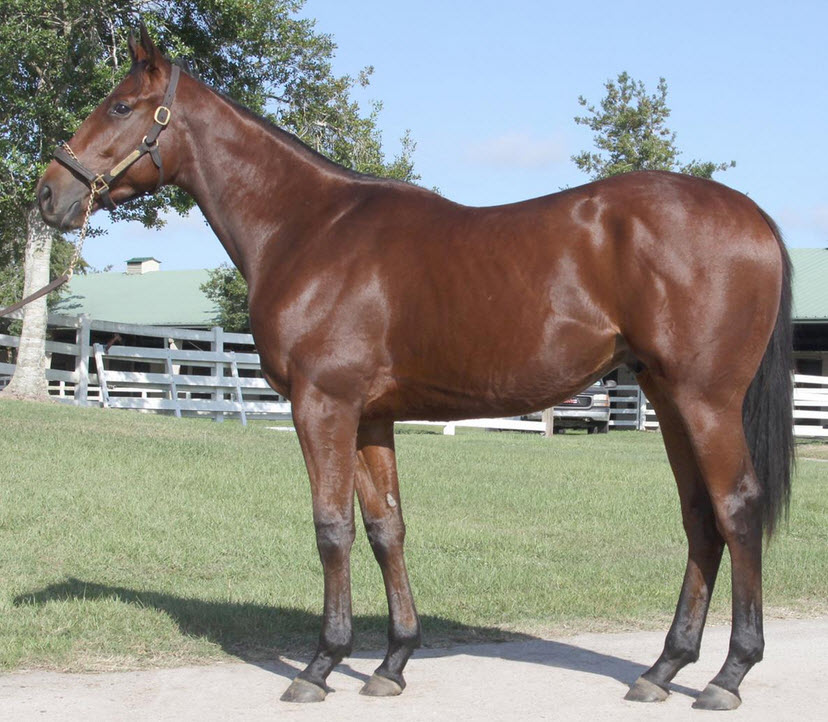
American PharaohWith the Triple Crown now completed by American Pharoah, it might be a good time to consider that those horses and jockeys have to play by a different set of rules than the rest of us. If I understand horse racing correctly, the weight of the jockeys must all be the same. That means a jockey that weighs 119 must carry along enough weight on the horse to make it an even playing field against the jockey that weighs 121. Or else they all have to carry enough weight to equal 125.

That means a jockey that weighs 145 would not have a chance in the race, because a horse carrying that much weight could never keep up with the horses carrying only 125. While they might be cute in their bulging silks jiggling down the track on the back of a horse, fat jockeys do not win races.

Those extra pounds…

You try it. Grab a couple 5 lb. or 10 lb. weights and go running this afternoon. Or better yet, sling a couple of those sandbag style ankle weights over your shoulders and go do a hill workout on your bike.

That would be great training. Or so one might think. A few decades ago the idea of wearing weights while training took hold in a big way. Runners could be seen carrying hand weights around. It was supposed to strengthen your arms and improve your leg capacity as well.  But you’ll notice that almost nobody does that now. That’s because it didn’t really work. Or else it was such a pain in the ass training that way no one cared to keep it up.

Weight a minute…

While living in Lincoln Park, Chicago, I once met a fellow named Larry who believed wholeheartedly in weight training while running. He strapped on ankle weights and wrist weights. He wore a weight belt too. If I recall correctly he was carrying an extra 40 lbs. or more around with him on every run.

Larry amused me in that hyper-urban way. It seems like you only meet people that interesting and eccentric in a big city. I’d meet Larry once a week it seems. Every time he’d be wearing his weights and sweating like a sonofabitch after his runs. Larry also liked to run in the middle of the day. “You have got to get used to the heat,” he insisted. At that time there was a national class runner named Benji Durden who trained while wearing full sweats in the heat of Atlanta, Georgia. Durden’s formula for heat acclimation was extreme. Larry liked extreme. Perhaps he was borrowing a page from Durden. But likely not. Larry was his own special breed of heavy thinker.

But for some reason Larry’s weight regimen didn’t make Larry any faster or give him more endurance. I speculated to Larry that it was because Larry had to run so slow to carry all that weight around that he never had a chance to improve on his speed. He stopped and looked at me for a moment and replied, “No, that can’t be it.”

Weight a while

But I think that was the answer. It’s the most famous Catch-22 of all running and riding facts, that the irony of getting in shape and losing weight is that you have to start out fat and slow to try to get lean and mean. It happens every spring to millions upon millions of runners and cyclists who eat too much during the winter: we gain weight. Then when spring comes all that extra fat slows us down.

Come June or July when you finally shed a few pounds the results tend to show it. We get faster when we weigh less. It’s both the reason and the byproduct of our training.

Weight gains and losses

But what about those Clydesdale types? For some people there is no significant weight loss that comes with more training. They’re big-framed to start out. They may go down from 230 to 210 with training, but going under that weight would require the loss of a limb or two. It just makes you think about fairness when it comes to weight.

WeightsToday I was walking down the block and saw my neighbor lining up a bunch of lead weights along his driveway. They were slotted in the middle and painted different colors. “They’re for the Pinewood Derby competitions in Chicago,” he told me. “They’re to make sure the weight of the car and driver are the same.”

I laughed and told him, “Wow. That would be an interesting thing to try in the triathlon. Handicapping people by weight.”

“Well, a heavier car does go downhill faster,” he observed. True with a bike too. So the news isn’t all bad. You may suck going uphill, but damn if a fat ass can’t sending you flying downhill!

Counterweight intuitive

You might also think that a heavier swimmer might sink more. But that’s not true. The buoyancy of fat is sometimes helpful to a swimmer’s abilities. It’s the much thinner distance runner types that are more prone to sink. I know. I live that reality.

So it’s not so intuitive as you might think. It is clear that handicapping competitors by weight for the triathlon would not work.

It truly is relative to what you’re used to carrying around. Bigger folks get used to dealing with it. Last year at the Ironman Wisconsin there was a guy who stood at least 6’6″. He was big in frame and build. As he emerged from the water in his wetsuit I swear you could have put a big fin on his back and everyone in the race would have swum for their life thinking he was an Orca whale. Yet there he went trotting to his bike to ride 112 miles and run 26.2. Many hours later I saw him running down the stretch to receive his rewards, “You’re an Ironman!” the announcer shouted over the speakers. He shook his fists in the air and I swear there was thunder in the heavens. He was a big man, a Nordic God or something. But I bet his feet were Thor.

Weighting around

As a sub-elite runner, I used to ignore the bigger folks. Their plight did not interest me. Yet I’ve come to appreciate the hard work of bigger people and those that lose very little weight no matter how hard they try.

“Reality” shows like The Biggest Loser exploit people and turn weight loss into some kind of manic contest. We all know that approach is not the healthiest solution to shedding weight. Agreed, there is almost no substitute for consistent, hard training to lose weight. Along with better eating, that is the net solution to weight problems. But The Biggest Loser? It seems to make a mockery of the serious issue of losing weight.

There are some people, both men and women, whose metabolism simply likes to store food as fat. If they eat too much on top of that it can result in obesity. Yet you see folks like that out doing their best to lose weight by running or riding. When I pass them on the bike or the running trail, I can’t help looking at their bigger frames and wonder, “How difficult must that be?” It’s all relative, of course. We can’t really calculate our parallel perceptions of what is “hard” and “easy.” Everyone’s pain and suffering tolerance is a bit different.

You’re gonna carry that weight

It’s like that Beatles song at the end of the Abbey Road album says, “Boy, you’re gonna carry that weight…carry that weight a long time…”

That’s both an emotional and physical figurative. We live inside these bodies yet we almost try to live outside them in our perceptions and through our endurance pursuits. It’s as if we all have a permanent selfie camera going all the time. Our self-image is malleable and yet there is some sort of fixed idea we also carry around about our ideal weight, what we should look like and how we should perform.

Picture perfect?

11130329_10153355465999313_956786642998782350_oOne of the things I like about the triathlon group with whom we train is the relative honesty. No one has the perfect body. When the workout is done and we’re all changing from sweaty kits to comfortable clothes there is a sort of confessional that goes on as well. Even fit athletes, people capable of riding 112 miles in a day, often have a layer of extra weight they cannot (or do not) shed from their bodies.

As I wrote about the covers of magazines earlier this week, few of us are picture perfect creatures. That’s an illusion carefully crafted to project an ideal that helps sell the concept of a sport, a product, or a lifestyle.

Yes there are athletes out there with amazing bodies. But if you ask them up close and personal how they feel about themselves, you will often find they imagine their own flaws far more than you would think. It’s a rare person that is completely, ineffably comfortable in their own skin. However lean they may be, there are challenges still.

The opposite problem can occur as well. Anorexia from exercise is a real phenomenon. It can happen that people become too obsessed with body image and still see themselves as too fat even when in fact they are way too skinny.

It’s as if “weight, weight, don’t tell me” works both ways in this world. It’s one of the tarsnakes of being an endurance athlete. We don’t want to know if we’re too fat and we don’t want to know if we’re too skinny. 

There’s only one solution to all that weight obsession. That is to focus on the joy of doing what you can do with the body you have and the one you might be working for. But understand, that’s always a work in progress. It’s call being human.

werunandridelogo

Posted in Christopher Cudworth, cycling, running, swimming, triathlon | Tagged , , , , , , , , , , , , , , , , , , | 1 Comment

Weekend bookends for a roadie and triathlete

The storms passing through the Midwest and Illinois this year are no more intense than usual, but they are a little more frequent. Last weekend’s duathlon in a downpour was an interesting experience. This weekend’s sweeping series of rainstorms made it difficult at times to even get to the car without getting soaked.

Triathlete groupSomehow our group of four roadies got together on Saturday morning to squeeze in a ride of 56 miles. The wind was consistent but not devastating. It seemed to be coming in low from the southeast, which meant that our traditional route to the Northwest side of Kane County and beyond would bring us straight back into the invisible enemy of all cyclists.

The route has other enemies to encounter as well. Namely there are numerous false flats. The glacially flattened landscape of Illinois may not be blessed with striking promontories. But like its politicians the state has a sneaky side. False flats are almost everywhere.

For those unfamiliar with the term “false flat” it describes the circumstance in which the road appears level yet in fact is climbing to some degree. Runners and cyclists get fooled into going harder than they can possibly sustain the entire length of the deceptive climb and can wind up barely moving their legs by the time they reach the top.

Throw a little wind into the mix and false flats can feel like the Devil’s Treadmill. If you’re lucky you can slot in behind fellow riders and catch the draft for a bit while someone up front does the work. If you’re climbing a half-mile hill into the wind and the leader can pull 18 mph your work is not nearly as hard in back.

Until that time when it is your turn to pull. Suddenly you’re engaged in the soul-searching press of keeping that pace or faster without anyone else to break the wind. Glancing ahead you might see a tree beside the road that makes a good “pull target” to which you’ll extend yourself. But you must be careful not to pre-judge your efforts, because sometimes the mind’s eye and the body do not cooperate. It is far better to assume the same pace the group has been maintaining and ride to that point where it starts to strain your legs, then float to the back in a spin.

Rise and fall

Tri Group LetsStill, during the 56 miles we rode on Saturday my body in large part cooperated. The only true moment of weakness came at the end of a series of rising climbs that have always been a challenge for me. Yet I lost only 10 meters on the final climb and then hustled back on the group.

Having ridden with these boys for 10+ years, and having trained in running with them dating back to 1973 when we were in high school, we have some age-0ld expectations among us. Competitive rivalries never really fade. So it was that one of my age-old former teammates offered some criticism about my ability to pull that day. “You seemed to be struggling with a few of those pulls,” he observed. Then he proceeded to dispense advice about how to ride a bit better. I listened politely but impatiently. I’d actually been pulling at a pace everyone was riding when one or the three would charge ahead and ride the same speed. F That, I thought. I no longer care what people expect. I’ll just do my part and leave it at that. You really can’t win at some games.

In sickness and in health

It is true: eventually you do tire to some extent of even your best friends giving you advice. Having come a long way in fitness since the first two spring rides in which I dropped because I was sick all week with a low-grade flu, it was perhaps inevitable that they viewed me in the terms of inferior fitness. Yet the years when I was really fit there was equal complaint about my pushing the pace as lagging behind. You can’t change it. Riding with people is like being married. You take some of the bad with the good.

It’s the challenge of every rider and runner to deal with the new and old forms of judgment. It’s gotten to the point after a decade of riding that I can no longer care what anyone thinks of my riding. I still read tons and study how to climb better or handle false flats. I’ll honestly listen to my friend’s advice because he is a faster and far more experienced cyclist than I’ll ever be. Even at my prime in life I would never have ridden as his equal. He’s got both endurance and speed, whilst my skinny legs might have been good for endurance alone.

So it simply can’t matter how my buddies judge my efforts. We did 56 miles and I finished the ride without holding them back. Did my share of pulls and needed only a short nap to get ready for the BoDean’s concert Saturday night with my buddies and our dates.

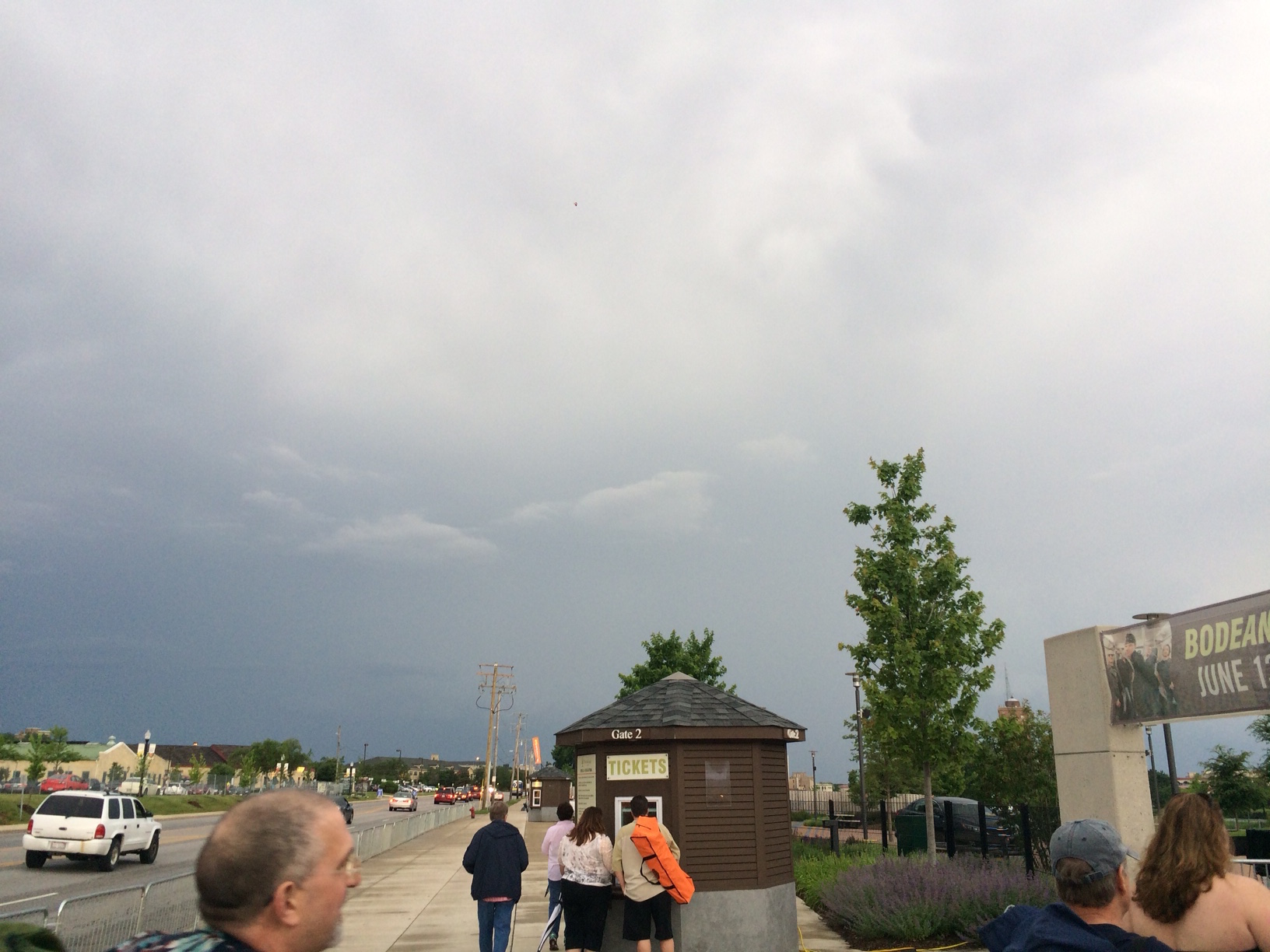
Clouds at concertThen it poured. One couple got soaked. Another couple was on their first real date. And Sue and I bailed because we were getting up at five a.m. to travel to Wisconsin and ride the next morning. The roadie side of the weekend bookend was complete. The triathlon bookend was about to begin.

Escape to Wisconsin

Three decades ago the marketing theme for Badger State tourism was Escape to Wisconsin. It described what thousands of Illinois Flatlanders did every Friday to find fishing, boating, camping and other forms of outdoor fun.

The main escape route from Chicago and vicinity is Interstate 90. But as we drove up I-39 toward Rockford the skies just rained and rained. Fortunately, and thanks to modern technology, we knew the rain was real but temporary. The big blotch of green, yellow and orange indicating rainstorms on the Weather Channel was well south of Madison where we were scheduled to rendezvous with twelve other triathletes for a tour of the Ironman Wisconsin stick and loop. Yes, this is the second time this year we’ve headed up there.

We’re also going back up to Fitchburg for the Horribly Hilly 100 next weekend. So my brain was not entirely reconciled to this fact as we piled through the rain and wind in Illinois. But when the weather cleared around Janesville so did my head. We stopped for a pee at the Wisconsin line and the sight of the bikes on my roof rack lifted my spirits.

Sticking It

StickWe rallied the group of 14 triathletes in Verona and set off eastward for downtown Madison. The “stick” is the L-shaped sections of road that lead from the shore of Lake Monona where Ironman Wisconsin starts. We rode the 17-mile segment in reverse, took a break out of the burgeoning sun inside the parking garage and headed back west to get in the mileage and practice the route for the six or so Experience Triathlon athletes competing this year in Wisconsin.

My concerns about how I’d feel after the previous day’s 56 miles were dismissed early. The legs actually felt good after warmup as we piled along the rolling roads and back out. My plan was originally to ride just the 34 miles roundtrip and settle in to do some writing at the coffee house.

It felt too good to be riding so I joined the group on the initial miles of the 40-mile loop that Ironman athletes ride twice in the 112 miles of the race. The group was headed out for the Loop that takes about 2:20 on a decent day. This time around with the group it felt much more natural than in the past. I’m one of only two riders in the group with a road bike. The rest of them have Shivs and massive yet let tri-bikes with aero bars and that clunky whirring speed that comes from them. I have often felt like a roadie sheep among triathlete wolves some days. But I ride in the drops whenever possible and that helps. Some.

ParkingWe got about six miles out on the Loop and I turned around not really wanting to stretch my luck on the bookend of the previous days’ 56-mile ride. There was a hint of real fatigue in my legs by then. I was still climbing well with no delays or bonks. But the false flat ridden into the wind on the trip to Mt. Horeb told me that things were wearing from the inside out. There was a Sag Wagon if I wanted it but my vision of getting back to write and relax was inviting. So I happily pedaled back toward Verona with the idea to get at least 16 more miles to complete a 50-miler on Sunday for a Century Weekend.

Real flat

Lucky enough that I did so. Because as I entered Verona my rear tire started to feel soft. Somewhere along the way I’d hit a stone or pinched the tube and a slow leak was finally taking effect. I turned a corner and the tire wobbled underneath me. Still, I rode the remainder by winding around the streets of Verona and finished with 49.8 for the day. Good enough. Still, one of the triathletes asked me the question I half expected all along. “When did you bail?”

The simple answer is, I didn’t. There’s this universal rule that all in training must obey. Do your own workout, and what’s right for you. I’m not training for an Ironman. 106 miles for the weekend plus a brick was satisfying to me. Ride on. Run on. My results in the last two duathlons tell me that I’m doing some things right for my goals.

The weekend bookends for a roadie and triathlete work out okay if you cease worrying about whether you’re one or the other, or what anyone thinks of your efforts.

werunandridelogo

Posted in Christopher Cudworth, competition, cycling, duathlon, running, triathlon | Tagged , , , , , , | 2 Comments

Not appearing anytime soon on a magazine cover

The other day when Triathlon magazine showed up at my girlfriend’s house, she rightly made this sound when glancing at the cover. “Ohmmmmm….”

Because the cover showed a hunked up, perfectly smooth and fit body of a young male triathlete. He was standing in that pose that says, “I’m ready to jump off this cover and engage in multisports with you.”

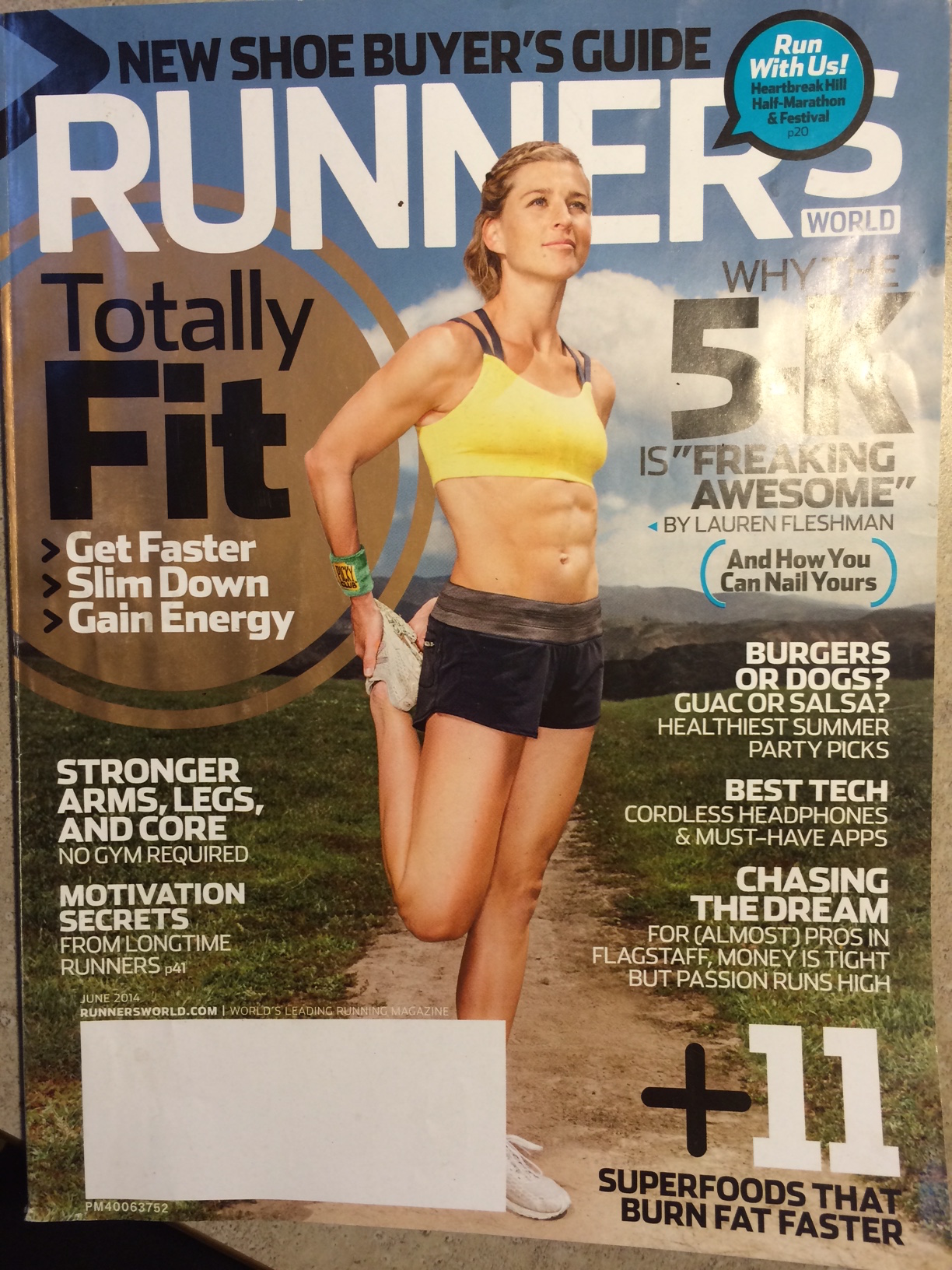
RW ripped absOne can’t blame her for noticing that fine young man. After all, that whole buffed up cover shot stuff is what helps sell magazines. Publications like Runner’s World often feature different covers for their newsstand copies than those presented to subscribers. That’s because the magazine is in competition with other fitness magazines, all of whom also feature hunky male and sleek female models posing in sportily provocative poses.

It’s a reality. Skin sells. Ripped abs sell.

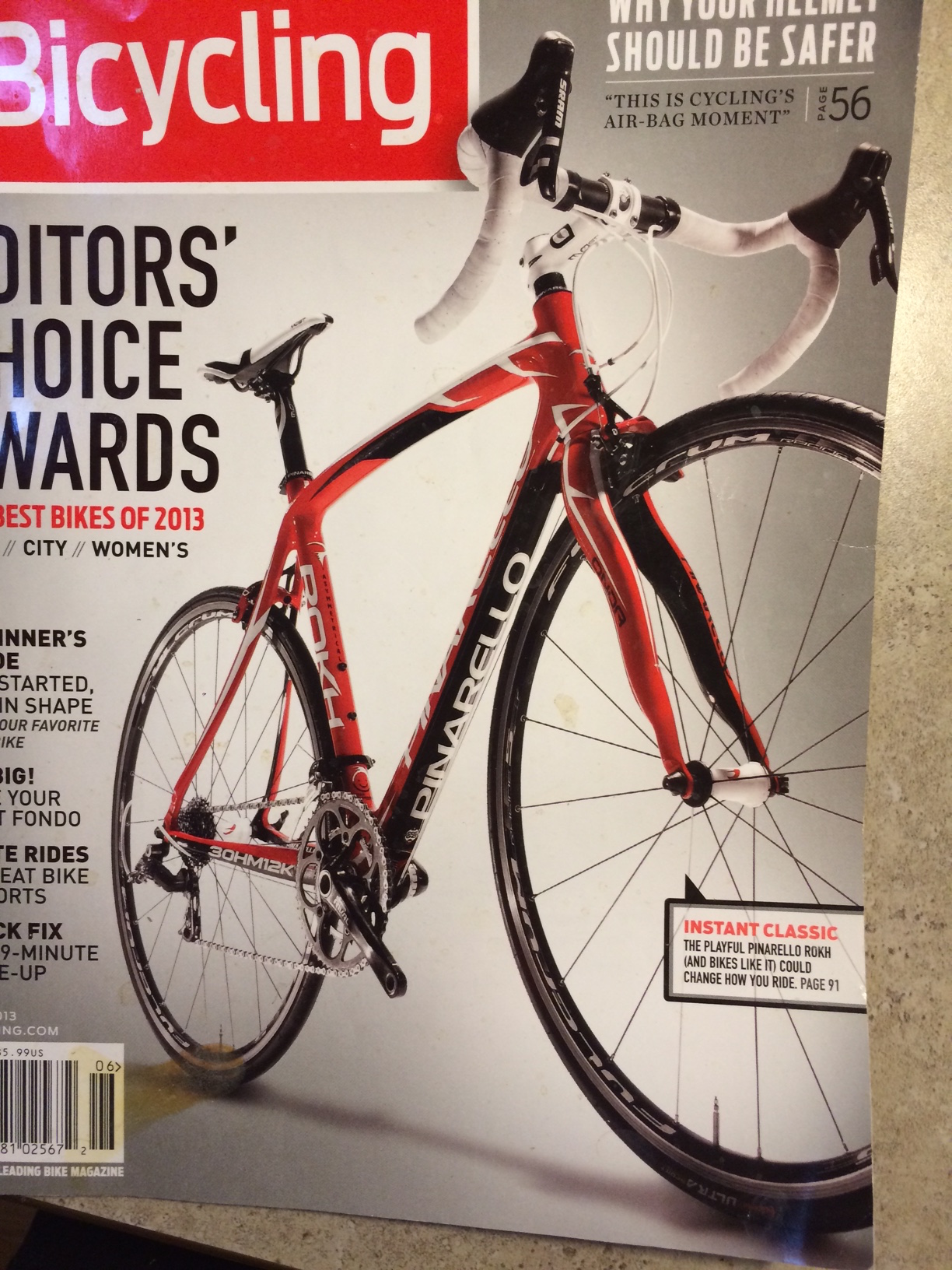
Sometimes, if you’ve already got the customer as a subscriber you can skip the whole hunked up model routine and put an actual competitor RW Bike Gasmon the cover of your magazine. Or, if you’re a cycling magazine, you can put a photo of a $10,000 bike on the cover and both men and women will have instantaneous orgasms just looking at that sexy bike.

Measuring up

In reality it’s pretty hard measuring up to the bodies of some of those athletes on the covers. Inevitably we compare ourselves to the pillars of fitness presented to us by the media. The other day I clicked on what I thought was a story about how Hollywood actors get shredded for those skin-first roles in the movies. The story turned out to be a paid advertisement for a product of some sort. So I jumped off that thread because you know what comes next. A pitch to buy something for $19.99 that is likely very bad for your health.

That’s our problem with fitness and fatness. Curiosity gets the best of us sometimes. When we’re at the gym and a really fit person walks by, you can’t help wondering, “What’s their secret?” Well, the secret is usually that they spend a big chunk of their time at the gym. Many go seven days a week. The truly dedicated go eight days a week.

RW galGod Given versus made

It somewhat amuses me how much genetics has to play in the ultimate ability to look a certain way. There are tons of women at the gym. Some are sexy and fit and some are frankly dumpy, just hoping to lose some weight. Is one priority more important than the other? Not really. Everyone’s purpose matters.

Of course we’re essentially taught by our culture to view the women with the cute booty shorts, shapely boobs and a tight ass as somehow superior. But honestly that manner of thinking actually gets exhausting at some point. It becomes un-original.

Dance to the music

While working out at the club today I viewed a music video where all the women were wearing those shorts and pushup bras that all music video dancers seem to wear. Everyone including the supposed singer was dancing around trying to look anything but bored and it struck me: “They’ve actually run out of things to do.”

There seems to be no more dancing to be done that hasn’t been invented or reinvented in some way. Real dancers would beg to differ of course. But the art of dancing versus the commodified stuff we so often get in music videos are two different things. The former is definitive. The latter is repetitious and lame. It’s the same thing with magazine covers and news anchors and pornography. How many ways can we exploit the human image before it’s time to drop it all and say, “Give me something real.”

Seriously, you can only twerk so much before it becomes some form of ironic commentary on the whole genre of twerking. Is that a genre…or are you just happy to see me?

It’s the same thing with magazine covers and sexy news anchors on Fox and pornography. How many ways can we exploit the human image before it’s time to drop it all and say, “Give me something real!”

Okay, get real

RW Normal PeopleRunner’s World did that a few years ago with a cover and inside story featuring everyday runners rather than models hired to represent runners. It was a refreshing approach and those people were interesting to look at. Normality can be sexy as hell. It doesn’t mean we should not try to celebrate or enjoy our bodies in any way. Certainly there are people who

Normality can be sexy as hell. Sometimes its the tiny scar on the shoulder of your lover that makes you realize how close you are. Our flaws become intimate. That’s what true love is about.

Sporting it up

That does not mean we should not try to celebrate or enjoy our bodies in any way. Certainly there are people who sport tattoos and piercings and even get things enhanced a bit as a means of self-expression. Those are intimations as well. Within reason, it’s whatever makes you happy, or feel real.

Admit it. We all look at others in a habit of self-affirmation. There are guys at the XSport club I attend that have incredible builds. They work madly at their physiques and have the muscles to show for it. In some small way I might be envious of their appearance. But then I think about my priorities and realize that it is performance that I most value, and not appearance alone. If by working toward performance I happen to get stronger looking, that’s a real benefit. To some degree that has happened. But truly, there won’t soon be any magazines calling me soon to appear on the cover as a Sexy Senior. Not without a sexy bike anyway.

Equalizers

At some point you come to realize that we’re all just bundles of flesh stuffed into workout clothes. We’re blessed or cursed with different attributes and we’re trying to make the best RW same guy poseof things. If that means some people don’t get exposure on the covers of magazines, there is always the opportunity to take things into your own hands, so to speak. In fact there are thousands of people who post their naked images on Reddit asking for attention and  feedback. Some of these people get 100,000 or more views in a single day.

It’s a very interesting phenomenon. Conservative critics might call it all vapid narcissism. But then consider that all this public exposure has an ultimately democratizing effect. It’s like a giant nude beach. When everyone is naked, there’s no longer a taboo. For better or worse, it’s just people sharing what they’re all about. Truly the Internet is not that much different than a typical race day on a suburban weekend. People lin

Truly the Internet is not that much different than a typical race day on a suburban weekend. People line up and groan and gasp their way through the streets and people cheer them on and applaud. Then everyone goes home and mows the lawn. People need stupid shit to look at. People need to do stupid shit to keep sane. It’s not so much narcissism as it is a practical way to maintain sanity in the face of an often dehumanizing world.

It’s simple fact. People need stupid shit to look at. People also need to do stupid shit to keep themselves sane. It’s not so much about narcissism as it is a practical way to maintain sanity in the face of an often dehumanizing world.

Athletes put their bodies on display more than anyone else. And when you finish that Saturday morning run and catch a glimpse of a fellow runner or cyclist changing by their car there is an equalizing effect stemming from the fact that you have all just done something difficult together. A glimpse of a sports bra or the bare ass cheek on a guy are just part of the scenery. It comes down to this: We’re all models of one kind or another. If we model ourselves around a healthy lifestyle, all is good in the end.

werunandridelogo

Posted in Christopher Cudworth, cycling, running, triathlon, We Run and Ride Every Day | Tagged , , , , , , , , , , , , , , , , , , , | 4 Comments

Facing up to the beer and calories question

I love a good beer. These days there are plenty from which to choose. Craft brewing is now mainstream and breweries are popping up everywhere.

Top Brewers

Click to enlarge

One of the world’s top new breweries is located in the small town of Decorah, Iowa, home of my alma mater Luther College. Toppling Goliath brewery is located in a former hamburger joint about three blocks from campus. True to its name, the brewery recently kicked ass in an international beer competition. In fact the little town of Decorah and Luther College export all kinds of champions, including Matthew Busche, the Trek Factory cyclist who won his second cycling US National Championships race a few weeks ago.

But enough bragging about my adopted hometown roots. We’re here to answer some serious questions about beer, the principal issue being, why do beers have to hold so many calories?

Of course some beers have all the calories sucked out. Apparently there is some sort of process by which light beers remove calories so that you can drink those “beers” to infinity and not collect fat around your middle. There are billions of dollars spent promoting these beers, which go names like Miller Lite and Bud Light and Michelob Light and so on and so forth. The companies that make these beers must have agreed to share a patent on something called a Beer Sucking Machine that removes calories so that people can suck them down without guilt or excess fat accumulating in their person.

There’s just one problem with the beers produced using the Beer Sucking Machine process. These beers generally suck. They brag about “Great Taste. Less Filling.” We all know that “less filling” is a euphemism for “it won’t make you fat.” But compared to the flavor of even the most basic craft beer, well, there really is no comparison by taste.

Local temptations

Within 10 miles of my home there are a pair of excellent craft breweries making major beer market inroads. There is the Two Brothers Brewing Company in Warrenville, Il., and the Penrose Brewery in Geneva, Illinois. That means I can go out and get in my car, drive 10 or 15 minutes and sample some of the best tasting (and calorie filled) brews in the Midwest.

Beer two in fridgeThis is not a complaint about the alcohol content in beer or any problems with that. I do know people who wrestle with those challenges, and that have quit drinking beer as a result. Their choice is admirable.

My choice to drink less or no beer of late is founded on other issues. I gained perhaps six pounds of fat around my belly and sides over the winter. Much of that was due to drinking beer and washing it down with cookies. Or something like that.

It’s slowly coming off by riding and running in the summer heat. But long term I must address the risks of a slightly slower metabolism, the product of my age, and the fact that liquid calories are simply the most insidiously tricky substances on the planet. It’s one of the tarsnakes of running and riding that we do so much of this exercise in order to be able to eat and drink what we want. But just yesterday I rode 36 miles in the heat and could hardly keep up with the need for liquids. Strava told me I burned just 1200 calories. I was like, “Come on!” that can’t be right. Because you could easily drink three beers that evening and wipe out half the benefit of the day’s ride. That is not fair.

Beer bellies are real

It’s no joke. Beer bellies are real. I hate the feeling of that rim of fat on the front of my stomach. It’s not large by anyone’s standards. Most can’t even see it. That’s what my triathlete training partners recently said too.

But I see it. Under my Under Armor shirt at the gym. I look like one of Those Guys that needs to lose a bit of weight. And I do. And I will.

And to start that means cutting calories in some crucial places. Which means drinking less beer.

I’ve already cut down on treats like ice cream and cookies. We all know that top athletes don’t touch these bastard foods. Eat enough of that stuff and you’ll be sure to grow a Baby Bump where you don’t want one. So I limit myself to an Oreo once a day. And ice cream to two spoonfuls. Now the ice cream’s gone and I won’t buy any more.

But on a hot afternoon when the fridge flies open and there sits a cold Leinenkugel Summer Shandy, that’s going to be a tough one. Willpower, stay by my side.

werunandridelogo

Posted in Christopher Cudworth, We Run and Ride Every Day | Tagged , , , , , , , , , , , , , | 3 Comments

It’s always Me Me Me on the roads and this anti-cycling meme proves it

It is fascinating to study public opinion through the lens of Facebook and other social media. In an effort to grasp and express opinions, people borrow and create memes that paint a black and white picture of a particular social issue and then beg agreement from friends.

Of course if you question the logic of a particular meme, you set yourself up to get savaged by all those readers who happen to agree with the meme. This happens daily on topics such as religion, politics, gender, sexual orientation and cycling.

Whoa, wait. Cycling? Who really cares that passionately about cycling?

Angry motorists 

Well, some people do. In fact, it appears there is an entire population of people frustrated by the presence of cyclists on the roads.

All over the world cities are grappling with the benefits of cycling in terms of its economic and environmental benefits. Cycling in a city cuts down air pollution and traffic congestion, so why do so many people still seem to hate on cyclists? It’s one of those cultural questions in transition. But there are signs of change everywhere.

In London bikes have the right of way.

In London bikes have the right of way.

In London, England bike traffic mixes with motorized vehicles and buses every day. Cyclists shoot through the heart of the city in designated lanes. There are accidents, to be sure. But the priorities are clear that cyclists have a right of way in urban traffic, and it is to be respected.

Here in the states, and in urban areas such as Chicago where I live, there seems to be a bitter impatience with this entire concept of granting cyclists more time and space on the roads. The mayors of Chicago have been resolute in creating bike lanes, and cyclists do use them. But if someone breaks the law while riding, which does happen with some frequency because cyclists can be stupid or lazy just like motorists, it turns the issue of city cyclin into an indictment of the entire concept. Then the anger grows and cyclists become targets for very public ire.

Violent tendencies

It is interesting to note that in America where gun violence has taken more lives than all the soldiers killed in foreign wars, the issue of gun control is still a hot button in terms of human rights. Yet the facts don’t like. Even conservative websites acknowledge there are more than 32,000 gun-related deaths per year in America. That’s equivalent to killing the entire population of the City of St. Charles, Illinois, where I attended high school. Think about that. No more high school reunions for you, Buster.

America has grown numb to the fact that people are dying daily due to gun violence.  It is therefore just as likely that people just don’t care if human lives are threatened by large vehicles on the road. It is so ironic. People fought and died for our freedoms and then we throw away human lives through selfishness, fear and carelessness as if it didn’t matter at all. But America is not alone in the hate game for cyclists. Skepchick.com analyzes the Science of Hatred for Cyclists in this quite interesting blog.

Main Street culprits

But for me, the face of hatred for cyclists has one form. Large pickups.

In the last 12 years of consistent cycling America’s roads, drivers of large pickup trucks have been main culprits in open aggression toward cyclists. Personally I’ve been buzzed, honked at, yelled at and even stopped and aggressively confronted by drivers of large pickup trucks. Usually these trucks are of the red or black variety, with driver’s eager and angry to make the point that I do not belong on the same road with them.

The facts are clear about large pickups; they are one of the most dangerous types of vehicles on the roads. This note from the Bicycle Almanac puts it into perspective:

“Big pickups kill even more than SUV’s.  When the average large pickup truck collides with a second vehicle, people in the second vehicle die at a rate of 293 for every 100,000 crashes, according to federal crash statistics.  By comparison, large sport utility vehicles kill people in the second vehicle at a rate of 205 per 100,000 crashes; minivans kill at a rate of 104 deaths; and large cars at a rate of 85 deaths. (NYT, July 31, 2003)”

But when vehicles hit cyclists, the injury and death rates are obviously much higher. A 4,000-6,000 lb. truck can easily crush or maim a cyclist.

The Safety Debate

The debate centers on safety and laws applying to cyclists. There is an angry undercurrent out there about the behavior of cyclists on the roads. Many motorists seem to believe that cyclists simply refuse to obey the law. Recently a meme showed up on Facebook that illustrates this view. When it appeared, I read it carefully and then responded to the post in kind. It was late, so my grammar sucks. But you get the point.

Cycling Hate Meme

Motorists that hate cyclists likely seem to have little or no experience with actually riding a bike on the road. They cannot hope to comprehend that each and every cyclist is a legitimate entity on the road. In a group, they are also an entity.

So let’s start with the basics. For one thing, it is perfectly legal for cyclists to ride on the roads. Motorists are required to give cyclists fair sway in the road, with three feet being the required distance in many states. That’s the law.

Also, the taxes paid to build and maintain roads come from more than vehicle fees. So motorists need to stop rolling down their windows to complain loudly that they have more right to drive on the road than cyclists do. Plus, a huge number of adult cyclists also drive cars, and pay the same fees.

And there’s no way that a single cyclist on the roads impacts your right to drive on the same roads. You just have to pay attention to Driving 101.

Driving 101

Knowing how to legally and safely pass a group of cyclists is as simple as Driving 101. Whether you are passing a large farm vehicle or a group of cyclists, the rules are the same. Look ahead to discern approaching traffic. Allow ample space on the road to pass the hazard safely while accelerating, and pull in with ample time and distance to avoid cutting off the other moving vehicle or group.

This is known as “separating hazards.” It’s a basic part of driving. But America’s new Culture War mentality seems to have overridden basic courtesy with respect to separating hazards. The question seems to be “Why do I have to do this?” rather than “How do I have to do this?”

When drivers are frustrated by the “why” they can no longer make good decisions on the “how.” That’s when people honk their horns loudly, roar up from behind and then cut in aggressively on a group of cyclists. It’s dangerous, and it’s stupid. But from the frustrated driver’s point of view, it is practically necessary to demonstrate one’s prowess and ownership of the road.

Group dynamics

Groups of cyclists constitute a different dynamic. Riding two abreast in long rows is often the acceptable formation on a ride. It is a consistent shape so that motorists can see the number and width of cyclists they need to circumvent. Plus, on narrower roads, cyclists in groups generally call out to each other to go single file. These are discretionary calls in terms of cyclist laws and etiquette.

However, when large groups of cyclists are competing for space on the roads, especially on fast group rides, these rules of etiquette shift tremendously.A driver approaching a group of cyclists from behind is likely to view this dynamic as a sign of chaos, not order. The fact that the group is shifting and covering the entire lane of a road is no doubt frustrating. However this is where the Rules of the Road also apply to motorists.

As any cyclist in a competitive group ride can tell you, it is either hang tough in the group or be dropped. Driving behind a fast group ride can and will frustrate many a motorist. But again, the relative delay is often seconds or less than a minute before a motorist can get past and on their way.

Bigger issues

Never mind that much larger vehicles than pickups somehow find a way to get around cyclists whether they are in groups or riding alone. I’ve written previously about the gravel truck operation whose drivers excel in road safety. They separate hazards because their livelihoods depend upon it.

By contrast motorists whose schedules are slightly interrupted (perhaps a minute or so) by the need to get around a group of cyclists…well, it’s just selfishness that makes someone so angry. If the predominant viewpoint toward use of the world’s roads is always “Me Me Me” then there’s little hope for humanity in general.

Disobeys traffic lawsYes, there’s a need for cyclists to show good behavior on the roads. This last meme illustrates the anger toward cyclists who want to Share the Road but flaunt the right.

But until motorists comprehend that some of the rules of the road are a grey area, such as getting through stop signs efficiently so that cars can get on their way, there will continue to be conflict on the roads. And memes to prove it.

werunandridelogo

Posted in Uncategorized | Tagged , , , , , , , , , | 6 Comments