Living with pain

IMG_7821I hurt my foot while out watering the plants two nights ago. It was dark outside when I pushed open the sliding door and eased onto the stairs leading to the patio. As I stepped down the concrete block stairs, the heel of my foot caught under the ridge of the stairs and it scraped my heel, but not too badly.

The next morning was when the pain began. Not in my heel, but under the ball of my right front toe. It still hurts today, and will likely hurt for at least four or five more days.

For the meantime, I will be living with pain.

I’ve lived with all sorts of pain over the years. Most of us learn to limp along one way or the other. The risk in doing that is in coming down with some compensatory injury on the other side of your body. Putting additional stress on an opposing limb to make up for an injury is not always the best strategy.

Hit pause

I know this much: I won’t be running for a few more days. That means preparation for the October half-marathon planned as a teammate with my sister-in-law must be delayed. I ran seven miles on Saturday and have not run since.

Fortunately I can swim and likely cycle. At least the aerobic side of things will be maintained. Many times I’ve lucked through a running race based on my long history in the sport.

But a half-marathon is a different animal for a man my age. My joints protest after eight miles or so. That means it’s time for strength work to build up my hip flexors and quads for the additional miles.

Hit the pace

This year I raced 5K at 7:20 pace. Last year I raced 5K at sub-7:00 pace. But my goal for a half-marathon is going to be maintaining 8:30. If somehow my body wants to do more, that’s fine. But being realistic is important when you have not run that distance in training or racing in so many years.

At some point the race will start to hurt a bit. Fatigue will kick in. But that sensation I can handle. It’s the sharp soreness in my foot right now that gives me pause. Will it go away on something resemble a normal recovery time from injury? Or has something more dire transpired?

All one can do is wait, ice and medicate. So I bought a bottle of Advil and that helps. Living with pain requires a strategy. It’s part of life, but living with pain takes patience is a question of hedging our bets, and limping as little as you can.

Posted in aging, aging is not for the weak of heart, Christopher Cudworth, running, Uncategorized | Tagged , , , | Leave a comment

There’s only so much sex the world can take

We subscribe to Direct TV for our television programming. When we moved into our house, our connections were all from AT&T. But by some vagary of local wiring, the data was so slow and the Internet so patchy we had to do something in order to placate the house of twenty-somethings that we hosted, yet would move out in a year, so we split our connections into Direct TV for programming and Comcast for the Internet.

Direct TV.jpeg

There’s an entire culture devoted to Adult Channel “entertainment” 

So that’s the lead-in for what comes next. Because the programs listed in the mid-to-high 600s on DirectTV are all paid options for porn channels. Scrolling through the menu, the titles are unavoidable, and frankly quite funny. One in particular made me laugh yesterday. It was something on the order of Busty Young MILFs Ready for Action. That’s a potential contradiction in terms, but then it’s kind of not. MILF stands for Mother I’d Like to F***. But a mother could just about any woman capable of bearing a child. So a MILF could technically be 12 or 13 years old.

That’s how the world of porn tends to get twisted around a bit. Add in 24-hour access and an Internet chock full of sexual content, and one has to ask: Is there some point where the world has too much sex?

Contradictory instincts

Direct Too.jpeg

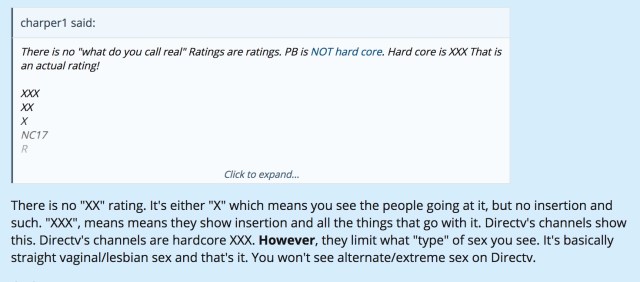
Actual screen cap from search about discussion of Direct TV porn offerings. 

The predominant users of porn are men. There is also evidence that Christian conservative men are some of the most ardent porn fans. That would seem to be a contradiction of terms when it comes to morality. But studies have shown that supposedly moral men conveniently dismiss their so-called values when it comes to satisfying their sexual energies.

In other words, they’re hypocrites. This excerpt from an article on PsyPost.com describes it this way: “Having studied what conservative Christians think about pornography as well as their consumption habits, I started to notice a bit of a discrepancy. In every study of which I’m aware, conservative Christians are far more likely than other Americans to reject pornography on moral grounds. There is basically no justification for it whatsoever in their minds. However, I also started to notice that, despite their unequivocal rejection of pornography, conservative Christians aren’t considerably less likely than other Americans to report viewing it.”

Dismissive types

direct TV 3.jpeg

“The most important thing” is how this user describes it. 

That seems to explain a lot about America at this point in time. If people in their personal lives are so willing to subjectively dismiss (and compartmentalize) their morals for purpose of gratification, certainly it is no great leap in faith to think they will easily do the same in the realm of politics, business or inter-personal relationships. That directly explains why so many men seem to think it’s “normal” to sexually harass women. “Who is it really harming?” they ask.

Direct XX.jpeg

“The good stuff,” is how this user characterized it. And watching with “a friend?”

That forces us to ask some difficult questions. Does the inverse standard of morals subject to desires therefore apply even to priests who molest children?  That means the supposed bulwark against sin provided by religion is no match for the overwhelming lusts of carnal desire. Even Pastor Bill Hybels at Willow Creek, one of the most famous megachurches in the country, could not reconcile his supposed morals to his actual behavior.

Endurance sports

But I’m here to say that there is a method for controlling the appetite for sex in the healthiest way possible. Those of us that swim, run and ride get quite used to the sight of half-naked, often sweaty bodies writhing through the throes of intense effort. Some might even say that a really good workout can be better than sex.

ET

A triathlete body is something to achieve. 

Endurance sports are literally the flipside of sex in that people grow used to sight of body parts revealed through skintight suits and sweaty clothing. And here’s the real rub: about the tenth time a man glimpses a woman’s erect nipples through a sports bra, the spell of that sight wears off a little. That’s particularly true if she’s just kicked your ass in a ten-mile run or dropped everyone midway through an eighty-mile bike ride. Suddenly she’s not a sexual object. She’s an athlete.

It comes down to independence. The idea that you somehow own or deserve to ogle that person in a gratuitous way is absurd against the reality that they are an independent, completely capable human being who happens be a given gender.

But still…

This is not to say that triathletes and other endurance athletes lack sexual instincts. There is plenty of evidence that the sport of triathlon is capable of inducing extra-marital relationships and sexual escapades. But a look behind the scenes often reveals that there was some other level of dissatisfaction going on in marriages or relationships that break up due to relationships built through associations made in triathlon.

That’s the somewhat inevitable product of social dynamics. People unhappy in their marriages will often find a way out that is either blunt, unconventional or quite conventional. I have a friend whose wife walked into their home the day their son graduated from high school and said, “I’m bored. I’m done. And I’m moving in with that guy I know who lives out on a farm four miles out of town.”

People leave for a thousand reasons. Triathlon is just another excuse to go. So the endurance sports world is not necessarily the cause of adultery. But it is a convenient portal. The emotional intimacy wrought from sharing mornings at the pool, long conversational rides and deep confessionals on the run have been known to turn casual friendships into ardent love affairs. Sometimes it’s the occasional urgent bang session in a far-flung race hotel that leads to all that too.

But that’s still quite different from pouring one’s life into porn portals with what hope of a return on investment?

What porn can teach us

Yet if pornography teaches us anything, it is the commonality of the human body, not its differences. One can only look at so many vaginas before it becomes evident that their similarities and differences are only that: slight variations in the human condition. And while men tend to be obsessed with penis size, and really large cranks can be impressive in appearance, it is also evident there are limits even to the value of that commodity.

Direct final.jpeg

It all comes down to how many X’s you desire. 

So it is with amusement that one scrolls through the titles of all those porn channels on the way back down to the slightly less titillating world of Starz, HBO and Showtime. It’s a bit like running through a gauntlet of sex.

Despite what the Christian moralizers and creationists say about the human condition, we’re comprised of same DNA and evolved from the same curling flesh of ancient zygotes. We’ve simply grown into complex beings with brains attracted to the folds and cavities from which we all originated.

But we’ve only evolved so far. There’s a primeval instinct within all of us to crawl or jam ourselves back into the womb. We still find the fetal position after sex, and share it with our lovers be they man, woman or gender whose realm is independent of terminology. We’re all made of the same stuff.  Yet the tendency remains to fetishize and at the same time resist and make a taboo out of that which bears mystery and echoes a return to oneness with the dark origins of our being. That fear of the unknown is behind the religious and creationist denial that human beings trace their ancestry back to apes, and before that, the process by which evolution brought us all up from the murk. There is a prurient fear of the dark past that translates into an obsession with owning and translating it through religion. And that constitutes the greatest pornography of them all, for it denies our true humanity by replacing it with origins based on the fantasy of simplistic imagery drawn from oral tradition.

That is a pornography of sorts as well. Because while the definition of “porn” is typically defined by explicit depiction of sexual organs or activity, and considered a ‘perversion’ in the sense that it stimulate erotic rather than aesthetic or emotional feelings, the pornography of human ‘origins’ and ownership of that narrative is equally fetishized by those who choose to focus on the fantasy rather than the reality of evolutionary development and by proxy, the true functions of sex as they define breeding and the purposes of sexual attraction in the material world.

Denying that reality is the pornography generated by a ideologically retentive worldview.

Clamor for attention

The writhing character of human existence is a direct reflection instead of the entire history of evolution. On one hand we clamor for attention and crush ourselves into the flesh of others in hopes of feeling alive. Lacking that companionship, it is clear from the multi-billion dollar porn industry that people are trying to achieve some level of connection somehow. Evolution describes that as ‘redirected aggression.’ It also produces sexual harassment in the workplace and in politics. And it explains why so many supposedly moralistic politicians and public figures get caught in sex scandals. Quite typically they make a public show of their high morals while behind the scenes are engaged in sexual indiscretion, at least according to the moral codes they supposedly follow.

It all makes one wonder while  scrolling through the porn channels on Direct TV: Doesn’t all this sexual obsession get old at some point?

The answer, we must surmise, is that no, it never does get old for some people. They would rather die than confess to themselves that they don’t somehow own the people on the other side of that screen. That explains the rest of what’s going on in America today, where some people’s selfish sense of “ownership” fetishizes the idea of what it means to be a ‘patriot,’ a true citizen or an American. Yet claiming ownership is a risky thing,  because as we all know, there is more than one way to get owned in this world. We are witnesses to that every day.


Posted in triathlete, triathlon, triathlons | Tagged , , , , , | Leave a comment

When the track calls you back

Track from aboveThose of us that ran track and field in high school or college feel quite at home doing intervals on a running track.

That’s not the case for many people who did not have that opportunity. They seem to dread the track for many reasons.

First, the track usually means that you’re there to do a speed or interval session, and that hurts.

So people would rather avoid it.

Second, the track is an empiric environment. You know exactly how fast or slow you’re going because the measurements are precise.

Third, the track involves repetition. Some feel bored by doing multiple laps.

#2 Choice

I cannot say that track was my favorite running sport during my scholastic and collegiate years. Cross country was more fun. And yet I had some success in track, even winning races and setting school and conference records.

Some of my best indoor and outdoor track times still reside in the Top 10 category of all time records at my college.

But the thing one most remembers about time on the track is the workouts. We did track workouts for cross country as well as indoor and outdoor track. The fact of the matter is that there was no escaping it. But when you’re out there working in the company of other runners, it’s like the track is a reality separate from the rest of the world. A really hard interval can drain your strength entirely away. Then you wait through those precious seconds of recovery, or jog around the track to the next one, and do it all over again. It’s insane in some respects, but also the most tangible thing you’ll ever do.

img_1811Track running is far different from cross country or racing on the roads. You learn how to run right next to each other, for one thing. There is contact going around the curves.

I ran the steeplechase, an event that involves hurdling 35 barriers over 3000 meters, and seven water jumps. You had to gauge your space and speed pretty well in approaching those hurdles. Otherwise you could get tangled up and fall, or drag a leg and strike a knee against one of the 4″ X 4″ solid wood barriers. And that hurts.

Pace per mile

But what also hurts is the effort of trying to run a specific pace that is faster than you’ve ever run. Still, there were moments when that sort of effort turned into a magical romp around the track. There is nothing quite like being fit and racing on a good track. The footing is great. The spikes are light and the sensation of leading an event on the track is like nothing else on earth.

So the track sometimes calls me back. Last evening I had 45 minutes in which to work out before picking up my wife from the train, so I buzzed over to the middle school track where we do our workouts. It is a black rubberized oval in an open landscape. The running surface is responsive and great for doing intervals.

I ran 6 X 400 meters at 1:38. No faster. No slower. That’s just over 6:30 pace for the mile. I’m not very much faster than that currently. But I wasn’t dying either.

Over the next few weeks I’ll push that average pace per quarter mile down to 1:30. That’s 6:00 pace and a good way to induce the type of anaerobic training necessary to lower my race pace in general.

Aging on the track

As I’ve aged, it’s been difficult to watch my speed seep away. There was a time when I ran a workout of 10 X 400 at 60-63 seconds per lap. At the lower end, that’s four-minute mile pace. I once went through three quarters of a mile in 3:09 before tying up the last lap to finish in 4:19. That was during college.

Track TurnA part of me dearly wishes that I’d run a competitive mile post-collegiately. The summer of 1984, I ran my 5000 meter PR of 14:47. It would have been fun to apply that fitness to the mile distance, because a 4:15 was very possible for me. Perhaps even a 4:12, given the workout I just mentioned.

But those days are gone. Lost to the past on the timeline of a runner’s life. I still love going to the track even if I’m not as fast as I used to be. It stuns me that the intervals I run these days are not even as fast as the pace at which we ran our 20-milers in college. It almost feels like that must have been a different person doing that.

The track calls me back to remind me that I am still that person. A bit slower in some respects, but still in love with the speed I can generate, and that’s still better than many.

See you in lane one.

Posted in Uncategorized | Tagged , , , , , , | 1 Comment

Craning for meaning in this world

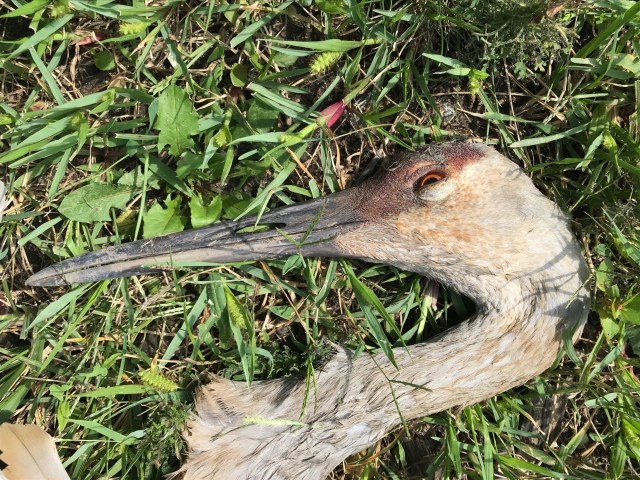
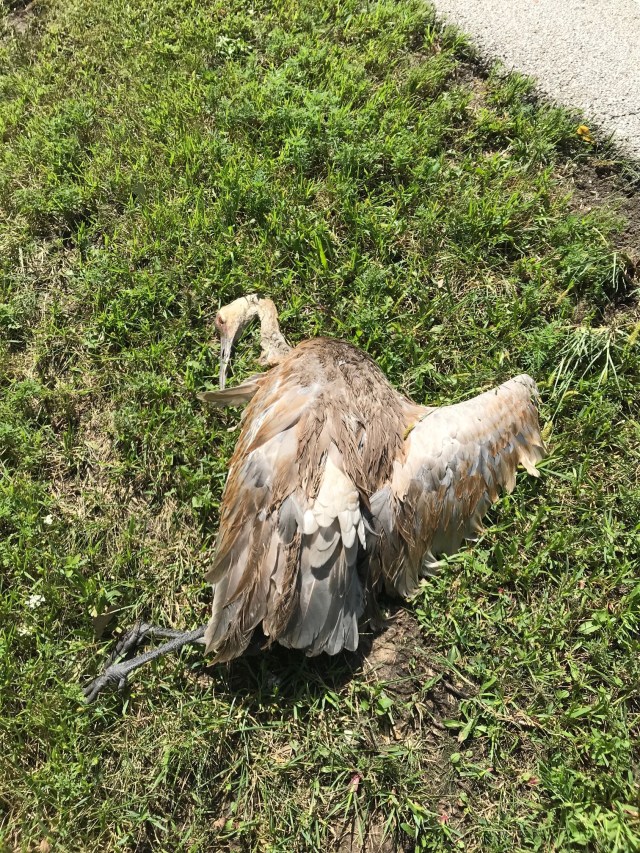
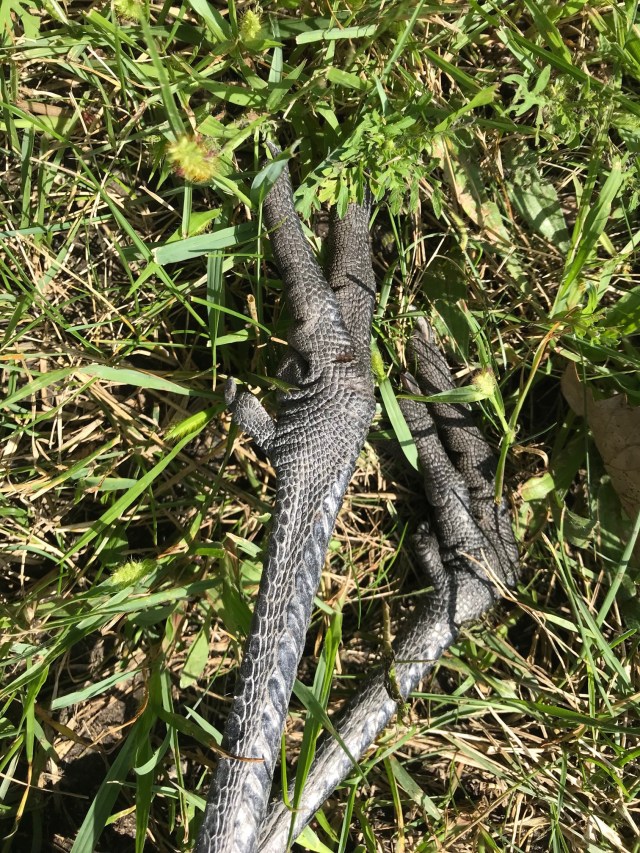
Crane 1.jpgThe sandhill crane lay dead in a roadside ditch. I’d read about its demise on a Facebook post earlier that morning. A school bus driver had seen the bird while covering her route. She’d seen the crane family––mother, father and “colt” of the year––many times while driving kids to the nearby elementary school. Now one of them was dead.

And we’ll get to the significance of that incident in a moment.

Because own relationship with sandhill cranes goes way back to March 27, 1973. That’s when my brother and I were playing catch in the street in front of our home at 1108 S. 11th Avenue in St. Charles, Illinois. By that time in our lives, we’d already been birders for almost three years. Our interests had been stoked by my eldest brother’s enrollment in a college ornithology class. We’d been adding birds to our life list through every season of the year.

Athletes and birders

Most of this was done between our involvement in year-round sports. I was by then an athlete in cross country, basketball and track and field. All those practices and games absorbed much of our time. But when we had a chance, we’d escape to the woods and fields or bird the banks of the Fox River.

Yet nothing prepared us for the moment when a flock of more than 400 sandhill cranes came flying through the grey skies over our heads that March day. At first, we only heard them. We paused in our game of catch and wondered at the sound; a low, sort of guttural call that carries quite a long distance.

Then the first vee of birds showed up over the trees and they kept on coming. We didn’t even have time to run inside and grab the binoculars. Instead, we stood with our necks craned as the flock passed over like military aircraft headed for a bombing mission. There were so many it took them several minutes to pass. We watched them disappear to the north and then kept our eyes and ears peeled for more. But that was all.

Revelations

Those were the first wild sandhill cranes we’d ever witnessed. In the intervening years, there were increasing reports of pairs breeding in local marshes. A statewide census was conducted to monitor their populations in Illinois, where they had once bred commonly but were then almost endangered as a result of habitat loss and other factors.

Slowly at first, their populations did rebound. Now there are cranes breeding all over northern Illinois. They are a common sight at most marshes. They even stroll through suburban neighborhoods plucking food from the ground.

Crane 2.jpgBut with that establishment of home turf among humans, there are also greater risks of mortality for their young. This is particularly true in areas with busy roads. The bird that was found along Deerpath Road near my home was only one such victim. Coyotes also steal a few birds, and others die from causes we may never know about. Nature has an entirely objective process of selection in place. Yet sandhill cranes have descended from lines of birds extending 10 million years back in time. The Wiki description of this bird’s origins is fascinating:

“Sandhill cranes have one of the longest fossil histories of any extant bird.[13] A 10-million-year-old crane fossil from Nebraska is said to be of this species,[14] but this may be from a prehistoric relative or the direct ancestor of sandhill cranes and not belong in the genus Grus. The oldest unequivocal sandhill crane fossil is 2.5 million years old,[15] older by half than the earliest remains of most living species of birds, primarily found from after the Pliocene/Pleistocene boundary some 1.8 million years ago. As these ancient sandhill cranes varied as much in size as present-day birds, those Pliocene fossils are sometimes described as new species.[16] Grus haydeni may have been a prehistoric relative, or it may comprise material of a sandhill crane and its ancestor.[17][18]

But most significantly these days, we’re learning that birds are actually…dinosaurs that have survived a thin lineage to flourish into all new species that occupy the whole earth.

Crane 3.jpgThus sandhill cranes have an evolutionary history about parallel in terms of timeline with that of the species homo sapiens. Many times I’ve stood in an early morning marsh and wondered at the sound of their calls resonating over the water. Those calls have a haunting quality about them. And I have also witnessed the birds in full mating ritual. The male and female dance around each other in fanciful ways, raising their wings and bowing their heads. One April morning I witnessed a pair copulate with the sun lighting their wing feathers as if they were angels. It is one of the most magical moments ever to be witnessed in nature.

Cranes are such large birds, and seem possessed of much intelligence and awareness, that they almost defy our categorization of them. Perhaps that is why human beings identify so closely with these birds. Thus when a crane is struck down, people seem to feel a particular regret. Indeed, in many Asian countries cranes are regarded as mythically significant beings.

“In Japan, the crane or tsuru, is a national treasure. It is the symbol of longevity and good luck because it was thought to have a life span of a thousand years.  Tsuru are also monogamous, therefore, often used for wedding decor.  An example of this is seen on formal wedding kimonos, and the uchikake, a decorative kimono that goes over the actual kimono, where beautiful images of tsuru are often embroidered.”

It is these connections to nature that seem so vital to human existence. To garner some perspective on these connections, I turned to a close friend whose wife is Ph.D psychologist. He is also a brilliant writer and a friend in whom I’ve confided so many times I can never return the favor. I shared with him the story of this fallen crane, and how it seemed to affect people. This is what he wrote me in return:

“I think it’s like that for most of us. Human suffering is extremely hard to get our heads and hearts completely around. When you get to the heart of it, literally, it can paralyze us emotionally. To really think of the indiscriminate barrel-bombing of the Syrian population, with kids missing parents, and limbs – it’s just too hard. For us to conceive of an innocent pair of cyclists, circumnavigating the globe (again) being caught by ISIS and having their heads hacked off for video propaganda is a trauma that normal, empathetic people cannot hold in their hearts for long.

So we store all that emotion up, and then we see a dead bird, or dog, or cat and we transfer all that injustice and pain onto that animal, which represents all the unfairness and pain that this world can deliver onto people, the ones we know and love, and strangers whose stories reach us and tear at our hearts. The dead animal is a trip-switch that lowers the walls put up to guard our feelings about fellow man, and shows us that we are not emotional robots. Not quite Orwellian zombies. At least not yet.”

Sandhills Sunset.pngThat may explain why I felt such compunction to honor the fallen crane by putting its death to some use in life. So I contacted a group called the Bird Collision Monitors, a non-profit that literally walks the streets of Chicago during spring and fall collecting birds that have collided with buildings in the city. They bring the dead ones to be turned into scientific specimens at the Field Museum of Chicago. They take injured or live birds out for assessment and rehabilitation to the Willowbrook Wildlife Center in Glen Ellyn, thirty miles outside Chicago in the suburbs.

The crane was still baking in the heat of the day when I pulled up to collect it from the ditch. I slipped the tall (almost four feet) specimen into a plastic bag and placed in the back of my Subaru. That evening, my wife and our kids had a laugh at my propensity for collecting dead things to study over the years. During my days as a wildlife painted, I’ve either picked up and studied or taken photos of wild creatures of all sorts. A few of them wound up in our refrigerator and that habit is deemed too gross to handle by those who aren’t accustomed to dealing with wildlife, dead or alive, in the hand.

But I was trained in taxidermy during Field Biology at Luther College. One gets used to the sensations of dead things in the hand. I stuffed birds and mice and all sorts of other things. It is a lesson in appreciation when you’ve skinned a bird and turned it inside out all the way to the grip of its eyelids around the eyes.

And one day my classmates in biology played a prank on me while working the dishroom at the college. They lopped the head off a squirrel and carried it over to be garnished with lettuce and a big carrot in its teeth. They sent it in on a cafeteria tray with its gnarly orange incisor teeth exposed as if it was biting the carrot. The gal working next to me literally swooned as it came into view.

I found it hilarious, however.

IMG_6701.JPG

Photograph of sandhill cranes by Christopher Cudworth, 2018

Many times on long runs I’d spy road kill that was in good shape along the highway. There were owls and hawks, turkeys and pheasants. It is illegal to pick up some of that stuff and keep it. Bird protection laws prohibit owning the body parts of protected species. Yet in my work as a wildlife artist, I felt justified in turning those bits of nature into art the best way I knew how.

So I didn’t feel weird at all driving the deceased sandhill crane over to the wildlife center so that it could be frozen and passed along to the Field Museum for scientific purposes. My wife even ignored the smell of the dead crane as we drove her up to the train for her morning commute. She must love me, that’s all I can say.

IMG_6713.JPG

Photo of sandhill cranes by Christopher Cudworth, 2018

Because in the end, I feel that I’ve honored the short life of that bird and its evolutionary history as well. We all become more human by caring about the living things around us. Life has flourished and vanished in big ways and through massive extinctions at least five times on this planet earth. Despite what some may claim in their reading of the Bible, it is a rude assumption to think that human beings really enjoy any special status. After all, the Good Book claims that even God wiped out all but a few of the human species during a great flood. Supposedly our rainbows are signs that God won’t do that ever again.

But I prefer the more connected symbolism of acknowledging and respecting the death of a crane, and what it teaches us about life.

You simply can’t appreciate it enough, perhaps until it’s gone.


Posted in Uncategorized | Tagged , , , , , | Leave a comment

Advice from Yoda about finding the Force in the swimming pool

Me Swimming.jpegSo our Master’s Swim leader Chris (See You In Barbados!) Colburn posted a video from this morning’s session that included a segment with me swimming along, one elbow high and the other, not so much. 

As Luke Skywalker once learned under the tutelage of Master Yoda while trying to avoid the depths of that murky swamp on some farflung planet, it can be quite difficult to rid yourself of bad habits and find the force within yourself.

“You must unlearn what you have learned.”

I knew this was happening this morning but it took me a couple laps to correct it. I was tired at that point in the workout and didn’t give an ass crack’s worth of water whether my form was good or not. I just wanted to finish the laps I was doing.

“The greatest teacher, failure is.”

Me swim three.jpegBut then I put on the hand paddles to force myself into better form. Then I swam more laps that way. My elbows flipped back into place.

“How you doing?” Colburn Soon to Be In Barbados called out.

I gave him a wet thumbs up. Then I tossed on the fins and practiced kicking up and back the pool until my hips threatened to separate from the sockets. Plus my feet hurt in those things after about tent laps.

“That is why you fail.”

One must work on form at all times. That’s how swimming works. It’s easy to go all anti-gravity in some phase of your stroke. Then you slow down, or splash a lot, wasting energy going nowhere.

When you get tired it’s especially difficult to concentrate. You can only will your body to do certain things for so long, and then the mind drifts a bit.  Then the elbows come out of the water low and flat.

“Named must be your fear before banish it you can.”

Me swim four.jpegBut at least I know these days what I’m doing right and wrong. I can also feel when I slide into the proper groove. Those moments are like magic, and they are the motivation I need to keep going at this sport that is still relatively new to me.

That “magic” feeling was never possible before. When I keep my face and head down in the water and rotate just enough to do a pull with the lats, the force is truly with me. As a certain green little character with wide ears once said:

“Do or do not. There is no try.”

So I think Christopher Going to Barbados Colburn for having the courage to post my bad swim form on the Internets. That’s a highly motivational bit of video right there. And remember this phrase when

“Pass on what you have learned.”

Do or Do not.jpg


Posted in swimming | Tagged , , | Leave a comment

The Real Secret

IMG_7384.JPGA few years back I read that cryptic little book called The Secret. It supposedly unlocked powers or energies from the universe based on intentional thinking.

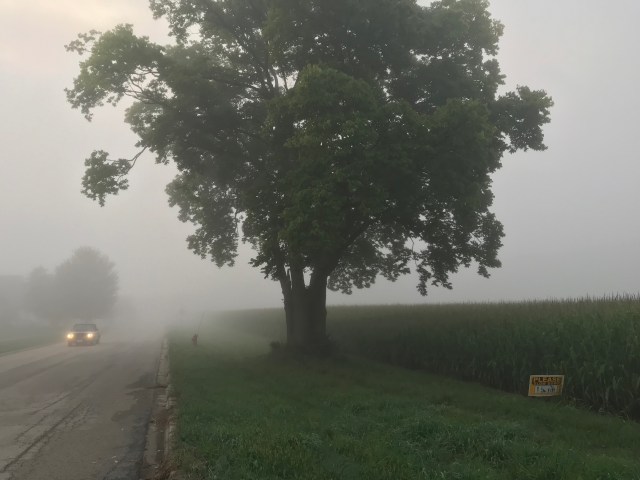
But this morning while headed out for a run through a fog-shrouded world, it occurred to me that long before reading that New Age treatment on how to build a better life, I’d learned to engage in something just as powerful as The Secret. It is the Real Secret.

Clarity from fog

Moving down that foggy road this morning, I recalled the feeling of similar days spent running on foggy August mornings. And more specifically, I recall that foggy first day after a freshman cross country practice. After five or six miles of running, I felt stripped clean of all unnecessary thought. My body was tired from head to toe. Yet I still needed to find a way home that day, for my mother was off at work and there were three miles still to cover to get back home from the high school to our house in the little town of Elburn, Illinois.

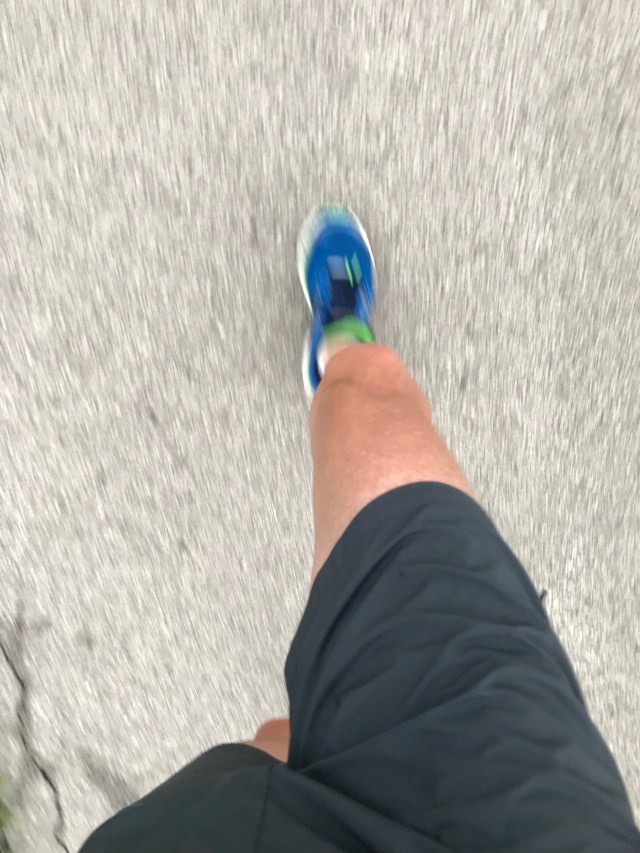
The fog had by then had burned off. Now the sun was bright in the morning sky. The heat rising from the road edge was stifling. On exhausted legs I trudged homeward.  I’d made that trip many times before by car, so I knew it well. But it seemed so short while riding in a vehicle. I’d also ridden my three speed Huffy bike along parts of that same road. But now I was walking. Every. Step. Counted.

IMG_7378.JPGAnd every muscle in my legs was quivering because I’d just run more miles in one session that I’d ever run before. Yet even though I felt tired, I also felt empowered by some deep strain within myself that felt like an entirely new me. This was an all new sensation to me.

It would have been easy to complain in my head that the walk home was so difficult. After all, hadn’t I just proven myself on a new field of battle? Why should any proud warrior like myself have to suffer the ig·no·min·i·ous insult of such circumstance? But that was the me that did not know the secret I was about to discover.

Because before I knew it, I was back home. The time had passed and I’d survived. Somewhere along the way the fatigue in me gave over to focus. That time on foot had been transcended by necessity and release from fears and conditions I might otherwise have imposed on myself.

Running Footstep.jpgAfter that experience, the fear of fatigue in running no longer maintained such a firm hold on me. Nor did other difficult experiences hold the same grasp on my psyche. That was the secret I learned that first day.

A literary journey

Then in college I read two books, one that challenged my newfound perception and another than confirmed it. The first was a book titled Ambiguous Adventure by Cheik Hamidou Kane. It told the story of an expatriated African man who moved to France and struggled to find the connections to the world that he knew back home. Eventually, the realization came over him… that experience is something we grasp, and that while doing the things we love, even difficult or challenging efforts…we find that time expands to accommodate our endeavors.

Within that book was a quote that I have applied to life as best I can. I consider it the real secret to existence.

“The purity of the moment is made from the absence of time.”

IMG_7409.JPG

Then two years later I entered a course on the Philosophy of Existentialism. We read works by philosophers such as Jean Paul Sartre. Along the way we encountered a depressing concept called the irreversibility of time. That is, no matter what we do in life, the present always presses us forward and every moment is essentially a lost cause.

That was a depressing damned thought. It took me time to work past that nihilistic thought pattern.

Burning to live

My son is about to embark on a trip to the Burning Man event in the desert southwest. He’s been there several times before. This time around he’s engaging with the event in an entirely new way. Rather than attempt to escape from reality, he will be seeking to find what he needs through living in the moment.

That seems to me the real secret we’re all pursing in life. To be present in the moment is a remarkable gift that wise men, sages and zen masters all try to teach. Yet those of us who run and ride and swim may indeed have a special portal to this insight. We can be moving along in our pursuits and it opens our minds. We suddenly realize, “My God, I’m right here. Doing this. I feel so alive.”

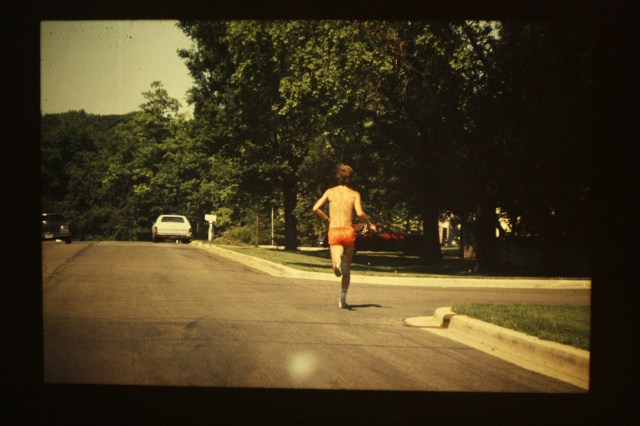
Chris Running 1978Have you had that feeling before? Been riding down a lonely country road or running down a quiet back street while realizing, “What should I be seeing? Thinking? Dreaming?”

We should not let those moments pass unacknowledged. We risk losing the secret to insight and richer existence when we ignore those entry points. We might even consider them a form of time travel.

What if moving within ourselves is truly a portal to transcendence? Jesus went to the wilderness to commune with God. But why? There is something honest and true not just in letting the mind wander. But there is also virtue in actively wandering the mind to see what emerges in terms of thought and insight. Then that too must be explored. But this is not about self-absorption or taking selfies of your imaginings. It is about working through the fatigue of life to find out what lives beyond. That is the most difficult journey, and one that I felt on that road home from cross country practice all those years ago on tired freshman legs and a previous will to complain.

Then I was liberated.

“Seek and see all the marvels around you. You will get tired of looking at yourself alone, and that fatigue will make you deaf and blind to everything else. – Don Juan”
― Carlos Castaneda, The Teachings of Don Juan: A Yaqui Way of Knowledge

The presence of fog

IMG_7393The counterintuitive is often the most revealing source of truth. Because sometimes the source of clarity is pressing on us and we neglect to understand it.

Then along comes a foggy morning when the world is shrouded and feels closed in. Encompassed in that shrunken world, we suddenly feel tiny particles of moisture landing on our skin. Our footsteps speak to us from the bottom of our feet. Our eyes grow dark and focused on the road ahead.

We are alive. The world itself is touching us. The universe is opening through every tiny raindrop floating in the air. That is both living and dying in the same moment. And that is liberating. 

That is the secret to existence. To transcend reality by truly absorbing it. That will take you places you never imagined you could go. And back again.


Posted in Uncategorized | Tagged , , , , , , , , , | Leave a comment

Dad unplugged

Father in the 40sIt’s coming up on two years on October 17, 2016 that my father passed away. I served as his caregiver for more nearly thirteen years after my mother died from a combination of cancer and stroke in 2005.

No one figured my father would outlast my mother given the severity of the stroke he experienced back in 2003. But the day that my mom called to tell me that dad was in the hospital after collapsing the night before, I turned to my (late) wife and said, “Well, my life just changed.”

Role playing

Because I knew in that moment there would be a massive role for me to play in supporting my mother in her role as caregiver for my father. Two years earlier, I’d helped her through the period when dad went through multiple bypass surgery. That’s because I was the son who lived closest and had the most capacity for involvement in their long term care.

That said, after a year or so of handholding dedication, I realized that my mother needed something more than my support for the in-life grief she was obviously experiencing in what amounted to the real time loss of her companion. My dad was being moved from one rehab facility to the other as his recovery proceeded, but at some point the therapists warned, “This may be about it.” And that scared my mom. And she felt alone.

So I got her set up with a family counseling therapist that genuinely helped her come to grips with her fears. We ultimately hired a live-in caregiver to help when my father came home to live after more than a year in various facilities.

He’d lost his ability to speak, and that was never recovered. He also lost use of his right leg and right arm. The effects of stroke tend to be one side or the other, depending on which side of the brain is affected.

Learning to converse without words

I rather quickly learned how to guide discussion with my dad using questions. Sometimes I’d fail and he’d get frustrated. My father was a bright and curious man, but he also did not always think in linear fashion.

Yet when he did literally, and I still couldn’t parse out what he was trying to tell me, he’d get genuinely angry and show his frustration through scowls and even physical actions. The problem with that pattern is that it called up some of the difficult aspects of his parenting style when we were young.

My own psyche bore some scars from a beating I’d witnessed him carry out on my brothers. That incident affected me all through my elementary school years and likely beyond. At twenty-seven years old I awoke one night literally pounding my pillow in anger about something I did not understand in the moment but over time gained perspective on the fact that there were unreconciled veins of anger living residually in my subconscious self.

On the border

So it took considerable self control to manage my father when he got really upset, often bursting into choruses of “NO NO NO NO!” issued in rage and frustration. Part of me would empathize, thinking “I can’t really blame him. It must be terrible to not be able to talk.” But a part of me also admitted, “This is the same stuff I dealt with as a kid. Control by anger and exasperation.”

My father tried to live as normally as he could, but from the perch of a wheelchair it isn’t very easy. Still, he planned vacations to Florida with his ultimate caregiver Leo, a former Belarussian soldier that had fought in Afghanistan for the Soviet Army. So despite my father’s sometimes rough treatment, Leo in many ways brought out the best in my dad and supported him through all sorts of adventures.

But one trip when my father planned was supposed to make big loop to Niagara Falls, then Upstate New York and all the way down to Biltmore in North Carolina and back.

Well, when they got to Niagara after an overnight stay in the Cleveland area with my younger brother, my dad tried to force Leo to take him over to the Canadian side of the falls. Leo had not brought the paperwork necessary for his entrance to another country. He called me in a panic as my father was going ballistic, because my dad refused to understand that if Leo crossed the border, he might never be allowed back in the country. At that time Leo had a Green card, but eventually he earned his citizenship.

I tried to talk to my dad to explain the Leo situation but my father was adamant about going over to Canada. Then he literally threw the cellphone down the sidewalk so Leo had to retrieve it. I heard footsteps and then Leo’s thick Eastern European accent as he picked up the tossed phone. “Hello?” he asked.

“Leo,” I told him. “Take my dad to the car and turn around. Come on back home. You don’t have to put up with this.”

And that’s what they did. Then Leo and my dad stopped in Cleveland to visit my brother and his wife, and by all reports that evening turned out to be wonderful. Leo picked up a guitar and sang old Russian folks songs by a campfire. My dad was happy and they came home the next day.

He’s like that

But that meant I had to call all the relatives, mostly my father’s sisters, to let them know he was not coming to visit. One lived in Endicott, New York. Another north of Philly. When I’d called them initially to ask if they even knew my father was planning to come east his sister Helen blurted out, “Isn’t that just like your father? He never let anyone know when he was going to show up. He’s done this his whole life.”

Years before that aunt had commiserated with me about my relationship with my dad. “It would have helped if we’d have been around to tell you what he was all about.”

Indeed, our family had moved to the Midwest leaving all our eastern relatives behind. That meant very little contact between cousins as well. My mom once admitted that she’d thought we (meaning her four boys) didn’t care that much about all our aunts and uncles and cousins. But what we’d really lost was a better understanding of our own parents. In many ways that meant we were unplugged from the sources of what made our father into the man he was.

Life history

He’d lost his own mother to the effects of treatment for breast cancer. The year was 1933. Then his father lost his farm to the Depression, and another venture failed as well. That sent my grandfather to an institution for treatment of acute depression. My father and his sisters were situated with two aunts and an uncle who raised them. That’s the best understanding of family history that I have. There was much difficulty in life for all of them. And perhaps people never really wanted to tell the next generation about all that. But in many ways, that lack of tangible evidence left a greater mark on all of us than any facts about death or loss or depression could ever have done.

Much of my life has been lived in compensation for that lack of understanding. I quite truly admit that much of my running and riding has been a search for meaning in the moment. What is life really about? Because lacking a decent explanation of your past and its effects on you, the best most of us can do is to invent a narrative for ourselves. Then live that out to the best of our abilities.

But that manner of engagement also flatlines the meaning of those we lose along the way. And on that day that my father breathed his last at the hospital where he’d been kept for a week after falling and breaking his hip in a stubborn attempt to wander his stroke-ridden body around the house, I walked in to find him pallid and gone. I kissed his forehead and took a few photos that will never see the light of day because they are intended only to remind me that life truly does come to an end. And I will be just another dad unplugged.

Hopefully I’ve told and shared my story well enough that my children can understand where their father was right and wrong in life.


Posted in Uncategorized | Tagged , , , , , | 1 Comment

Making life harder than it needs to be

Thumbs DownYesterday’s blog offended a few people. The number of followers dropped by 20 overnight. It’s happened before. Whether it was the topic of excrement, my treatise about crap-spattering baboons or the political criticism leveled at certain political figures… that eclipsed their interest, I’ll likely never know.

But there’s one thing I’ve learned from sports, and I learned it early on. People will form their view of you based on their own prejudices and insecurities.

The old ballgame

At the age of eleven years old, I played on a baseball team that won the Lancaster New Era (newspaper) city championship in Lancaster, Pennsylvania. It was a prestigious deal to win that tourney. I played in the first game that we won 26-0. At one point during the game, the coach was putting in the second string to take it easy on the other team. He pulled me aside before going to the plate. “I won’t ask you to do this again,” he whispered. “But I want you to strike out.”

Double up

Well, I admired that coach and would do anything he told me to do. So I attempted to swing at a high pitch and as luck would have it, the bat struck the top of the ball as I swung up and drove a liner right up the middle. It rolled out to the fence and I trotted around the bases for a double. Then I looked in at the coach and shrugged my shoulders. He gave a quiet nod and knew that I’d tried to miss.

The next game was far closer a contest. Midway through the third inning of a six-inning game, the coach walked out to the mound to make a pitching change. As he stood there, my teammates whispered among themselves. “Is he going with Tommy?” they asked. Tommy was our left-handed first basemen. He could throw hard but was a little wild.

Pressure situations
UFC guys.jpg

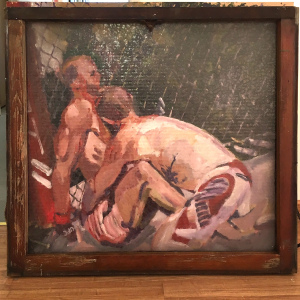
Painting by Christopher Cudworth

The coach turned to the bench and signaled for me to come into the game. As I was trotting out I overheard the voices of my teammates second-guessing the choice.

We won the game 8-6. I pitched us out of that third-inning jam with men on base, then held the other team to fewer runs for the victory. The next game, we pitched our lead guy Rob and we won the entire tourney.

After that game, the coaches took us all to the Dairy Joy for treats. He told us, “You won! You can have anything you want tonight.”

I ordered both a shake and a cone. I was hungry, mostly, because it was late. As I stood there sipping the shake, a teammate muttered, “Look at that. He bought two things and he didn’t even do anything in the tournament.”

I looked up in surprise. What about the game I won for the team when I came in as the pitcher when we were down by a run? That was nothing?

Important lessons

It taught me an important lesson though. Even your supposed friends or teammates can turn out to be opponents when you least expect it.

Later in the sport of distance running, the competition between individuals was even more intense. It was either run faster than the next guy or be relegated out of the top seven in cross country. Same with track and field, where opportunities to compete in the big meets were based on being in the top three in your event.

As a freshman, I’d already chosen the steeplechase as my event. But the conference was not yet including that event in its meet schedule. That would come the next year, and I won conference championships for successive years after that. But without my event on the schedule, I still wanted to compete at the conference meet. So I participated in a run-off for the 400-meter hurdles, a tough event in its own right. Despite not having run the event all year, I clocked the third fastest time on our team with a 59.2. That bumped one of the regular 400 IM guys off the squad, and I felt a little guilty about that. But then again, I did the same thing in the high jump at 6′ 1.5″. I didn’t place in either event, but that’s sports.

Higher standards

In high school, I was typically the best runner on the team. That came with leadership responsibilities. The pressures of leading a team refined my understanding of what it meant to be prepared, set an example and push forward even when the odds seemed against you or the team. People typically need something to believe in, and setting a higher standard is part of the job.

But taking on a leadership role can also cause resentment when you pressure others to step up. Friends can bristle with anger if you’re hard on them. There were times when I failed in managing the balance of encouragement versus harsh expectation. My own struggles to compete as an individual were projected onto others. There are important lessons to be learned from that too.

Life pressures
IMG_8997 2The overall pressures of life can be tough for everyone to handle. Even day-to-day existence delivers a long list of things to do, places to go and people to please. Then when real crisis comes along, it’s tough to be strong. “I’ve already got as much as I can handle!” we tell ourselves.

But here’s the other tricky part of this life survival formula. Sometimes it feels like we make life harder than it actually needs to be. We speak up when it might be better to listen. We take on jobs the wrong way and wind up isolating ourselves in those ventures. All kinds of things can go wrong when we least expect it.

Sports as rehearsal for life

In that respect, sports truly are a rehearsal for life. In triathlon, for example, even the transition zones challenge our ability to be prepared. To make things even harder, it’s tough when you enter transition exhausted from what you’ve just done in the swim or the bike, and still you have to muster the mental acuity to think clearly and keep moving. Don’t dawdle. You’re wasting time! I missed a podium place by one second earlier this summer in a sprint triathlon. One Second. Do you think I could have perhaps gained back a second or two in transition? You bet I could.

One of the principal things that sports teach us is that we have to live with the results of everything we do. It is a practice for dealing with small crises in real time. It does not help to engage in coulda-woulda-shoulda after the fact. Better to say, “Okay, I learned how NOT to do that.”

Big crises

When things come along in life that appear far beyond our ability to handle them, that is when the layers of life experience come into play.

A job loss can undermine self-confidence.

A divorce can gut the people involved.

A death can make one believe it is impossible to go on.

But we all have a wellspring of experience to build upon when a crisis hits.  In 2005 when my high school coach found out that my late wife was diagnosed with ovarian cancer, he called to tell me, “Your whole life has been a preparation for this.”

And that was true. He inspired me to consider all the ways that adversity had been overcome in life. He’d known me since I was thirteen and played baseball for him. Then he coached me in high school track.

So his broad perspective inspired me to open myself up through vulnerability. Because while life can make you cynical when people criticize you for bad reasons, in the end, it is trusting in the goodness of others that builds strength.

Self-management

Personal brand highlighterStill, outside times of crisis, I’m also my own worst enemy when it comes to creating problems without need. I tend to get too political on social media. And on occasion, I write a blog that offends the very people that have chosen to follow my work. And really, what’s up with that? Wouldn’t it be safer and less complicated to just write happy things?

Well, we can’t live all our life as if it were an apology for existence. When I worked as an editorial writer in the newspaper business. I learned that people read into your words whatever offense they are trying to find. Now social media has turned that into a daily habit for billions of people.

When I encounter that brand of habitual criticism or engage in it myself (I’ll admit), I think back to that moment when my teammates forcibly ignored my real contribution to the victory in the second game of that tournament. The thing that motivated them to discount my effort was elective thinking. They were actually the players that had not played in the most important second game. Their compensatory reaction was to try to bring someone down to their level. That would happen again and again over the years I competed in sports. You have to shove that stuff aside and be bold in what you’re doing. Otherwise you wind up being stuck among the nutters.

Not bagging it

I was eleven years old when I first realized those things. But there were still hard lessons to learn. The very next season when our team had lost most of the guys that led to that city championship, it left me as one of the sole leaders of a much weaker squad. I overhead one of the assistant coaches tell a bystander that we were in a “rebuilding year.” That angered me despite the fact that I knew it to be true. But I was not ready to accept that reality off the bat. Pun intended.

So I pitched like a maniac, winning a series of 5 or 6 games early int season. I also clearly recall the determination and focus I felt in winning a game where we were two runs down with two men on base. I looked down the third base line and saw a gap near the bag. I ripped the next pitch down the line and ran the bases while the ball rolled far into the outfield grass toward the Armstrong plant far past the outfield. I can still see that hit as clear as a day. I knew when I hit it that it was a home run.

Hard times

But two games later I was in the middle of pitching in the third inning when my arm suddenly went sore and dead. I’d pushed past my ability to carry that team. My father had noticed the loss in my velocity the previous game and was asking if my arm was okay. But I imagined myself invincible. My competitive fury knew no bounds. Plus I was also trying to prove myself tougher than everyone else. Some of that was in response to our own tug-and-pull father-son issues. Such is life, as they say.

Harder than it needed to be
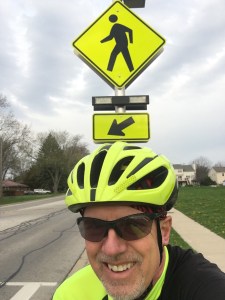
Personal brandIn the end, I was definitely making life harder on myself than it needed to be. Yet that’s what leaders are sometimes forced to do.

Thus if I lose followers of this blog because my beliefs conflict with someone else’s view of reality, then that’s a price I’m willing to pay.  After all, I confess my flaws here on a regular basis. But I also argue my points in original fashion, and that’s leadership.

To arrive at those viewpoints, I absorb material from all sorts of political viewpoints. Just like my sometimes contrary views on things athletic (like the current obsession with hydration…) I’m not afraid to express an opinion that goes against ‘popular opinion’. And a lot of popular opinion in America right now is full of cognitive dissonance. Just like those jerky kids on my baseball team fifty years ago, the perspectives of many people are skewed, selfish and uninformed.

What the hey?

Some might ask, “What does politics have to do with running and riding and endurance sports anyway?”  That would be missing the point of this blog entirely. For five years I’ve written about how all these endeavors relate and translate to life. I’ve written about topics ranging from fairness to competition, and from corruption to inspiration. I’ve also interviewed many people who build this stuff into their lives and try to make sense of their world through their avocation or vocation as endurance athletes. If people reading this blog take such quick offense at things that tend to contradict their sensibilities, then they never got the thrust of this blog in the first place.

Because I’ve also dispensed quite a bit of practical advice on how to get faster, run longer, ride better and learn how to swim. If that doesn’t suit those who want to find ways to enjoy this stuff more and perform better, I guess they can go find a blog that tells how to run a 5K in under 22:00. Because I’m sixty-one years old and can still do that, and ran much faster in earlier years. I’d say that counts for something in terms of life experience all around.


Posted in internet trolls, mental health, steeplechase, track and field, triathlete, triathlon, triathlons | Tagged , , , , , | 4 Comments

What passes for normal in a mixed up world

IMG_7136.JPGI drove down to the gym in darkness today. My wife left early for a business trip, so I was up and at’em at 5:00 a.m. Time to make use of the day.
Last night we practiced yoga at the same facility. For once my mind was relatively calm. Achieved some sort of focus. That was a shred of sanity in a mixed up world.

Yesterday morning I ran as the sun was coming up. For once I felt great going out the door. More often I feel creaky at the start of my runs. My Achilles are tight. My left knee without the ACL and a snip of missing meniscus talks to me too. Finally after a mile or so there’s a feeling of relative bodily cooperation going on. But by then I usually have to take a dump. So I plan for that. I point my route toward the forest preserve where there’s a potty. Or swing back around the house and get things done. And if things really get desperate, I know where to hide in the deep woods and find grape leaves for toilet paper.

Because no one should go where the Pooperintendent chose to go.

Pooperintendent

IMG_2162That poor dude they now call the Pooperintendent must have had the same bowel rhythms that so many runners experience. Ten or fifteen minutes in, you just gotta go. Granted, he used immensely poor judgement dropping his pants to  repeatedly defecate next to the high school track.

But I bet there are millions of endurance athletes who at least understand the urgency of that matter. Every big event from triathlons to cycling races to running races to swim meets provides porta-johns for that exact reason. The Pooperintendent was just unfortunate enough to lack those facilities when he needed them most.

Mixed up world

So it would be a sign of human decency for a school district or any facility that owns a running track to set up a portable toilet knowing that people who run often need to go to the bathroom. More often these days, running tracks are surrounded by eight foot fences to keep people out. That means the very people who pay for the facilities through their taxes are not allowed to use them.

I find that a mixed up situation. And in this mixed up world it is far easier to pick on the bad judgement of one individual with a problem than take responsibility for the fact that millions of Americans are obese as hell doing nothing about it. So our public track facilities are locked up while America grows fatter and fatter. Makes no sense.

Fast food grandiosity

maxresdefaultMuch of the America’s elective grandiosity (is it to Make America Great Again?) is the result a fast food diet compounded by bad habits and sheer laziness. The President of the United States even claims that exercise shortens your life. The Atlantic carried excerpts from a book titled Trump Revealed, that stated: “After college, after Trump mostly gave up his personal athletic interests, he came to view time spent playing sports as time wasted. Trump believed the human body was like a battery, with a finite amount of energy, which exercise only depleted. So he didn’t work out. When he learned that John O’Donnell, one of his top casino executives, was training for an Ironman triathlon, he admonished him, “You are going to die young because of this.”

Trump also believes that fast food is the most desirable option on America’s menu. Thus the President of the United States regular chows on McDonalds both out of appetite and also out of fear that he might be poisoned to death if he doesn’t order pre-made food.  This is now what passes for normal in a mixed up world.

Trump Mcdonalds.pngBut Trump also seems eager to hedge his bets and cover his tracks on the exercise and diet front. In 2015, sensing that his rotund shape and odd appearance with an orange face and combover hairdo to hide his baldness might be a detriment in his campaign for President, The Donald ordered an actual raid on his personal physician’s office to steal his health records. he then forced the doctor to issue a public opinion that he would be the “healthiest individual ever elected to the presidency.”

The baboons take charge

Perhaps you’ve noticed that it’s hard to even get away from insane and questionable stories like these. We’re splattered with weird and bad news every day. It batters us like baboons smacking shit on the logs at the local zoo. I watched that very thing take place at the Brookfield Zoo near Chicago. Members of the baboon clan would crap on a log, wait for groups of people to walk close enough to be in range, then smack the poop hard with their hands. The shit would splatter in all directions, and the humans would shriek and run. That amused the baboons quite a bit.

Those animal instincts are alive and well in America. Some citizens seem to thrive on smacking shit for the sake of what it does to society. They love the reaction, the chaos and the drama it causes. Mass shooters enter schools and fire into crowds at concerts and churches and public places for the same reasons that baboons smack shit. They’re bored and have some redirected aggression to assuage.

The same holds true for avowed racists who gather in public places to splatter their hateful shit over the rest of society. It’s all a matter of ugly tribalism. A civilized society knows better. But when the baboons take charge, smacking shit to attack society on tribal grounds (blood and soil!) is considered fine art and good politics.

But the more disturbing sign is when the zookeepers actually encourage the behavior of such baboons through praise and support in their attempts to divide society.

Getting back to normal

It’s a mixed up world that confuses all that shit for truth and roots for the baboons because they deserve a ‘voice’ like the rest of us. To be sure, it’s time for a shakeup at the zoo that is America, but throwing shit around like there’s no tomorrow is not the answer.

Yet that’s the world we live in right now. We’ve all been dragged down to the level of a spiteful baboon using his small hands to smack shit on a Twitter feed in aggressive attempts to smear the world with what comes out the back end of a life spent smacking shit and telling people “You’re fired!” on reality TV.

It’s the same damned thing.

Back to normal 

RioOlympicsswimmingpool-GettyImages-519838356-59c09963054ad90011cf5247Which is why this madness will soon pass. Like the kid who slipped into the deep latrine in the movie Slumdog Millionaire, America will step outside the range of the shit baboons soon enough. Perhaps we needed the story of the Pooperintendent to realize we’re all just a video away from having our own shitty habits exposed. “There but for the grace of God go I,” some wise person once said. Because would we rather swim in a daily shit pond or spend our time in a relatively clean, clear pool like normal people do?
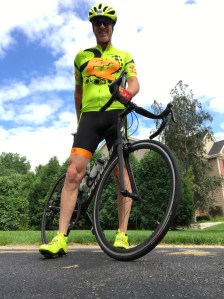
So we’ll have to watch our President drive on the golf greens for a while, and smack shit on Twitter when he gets back to the clubhouse. In the meantime, those of us with common sense will make use of the potty at the local gas station before showing up to the high school track to run. We’ll hide behind a group of trees while taking a whizz during a long bike ride. We’ll simply refuse to pee in the pool, instead hauling ourselves out to do our business so that others won’t have t swim in our piss, or be pissed when they find out what we’ve just done.

We’ll take care of business in fine liberal fashion by resorting to respectful, considerate, normal behavior in a world full of selfishly absorbed baboons who think that chaos is the only way to get things done.

But as the Pooperintendent and the President of the United States both now know, when you air your shit in public it eventually comes back to haunt you.

Posted in Uncategorized | Tagged , , , , , | Leave a comment

A comma in the sentence of life

IMG_4864We all have a history about ourselves that we carry around in our heads. Some of it is based on clear and definitive moments in our lives, our own memories. Yet some of it is created from things people tell us about our own past. We assimilate that information, insert a picture of some sort to go with it, and plunk that into the run-on sentence of our lives.

But here and there along the way, we insert a comma or two. For emphasis. As we all know, the meaning of a sentence much depends on where we insert the commas. For example, if we take the following sentence at face value, it reads like a plain enough statement:

I love triathlon and think I could have been a pro. 

But add a comma and the meaning seems to slightly change.

I love triathlon and think, I could have been a pro. 

That comma changes the nature of the statement from a casual observation that may or may not be true to something that reads more like a definitive claim. Of course it also sounds like a woulda-shoulda-coulda claim. And that’s never pretty.

Let’s do one last experiment to illustrate the point about commas and how they change the meaning of sentences. This comma turns out to be for emphasis only, and it has no grammatical foundation.

I love triathlon and think I could have been, a pro. 

Now that statement sounds cocky doesn’t it? The fact that the placement of that comma doesn’t come around until the end of the sentence sets turns the last two words into some sort of triumphal statement about the nature of what surely might have been.

But that triumphalism also raises the question of what really took place. If the person making that statement never actually became a pro, what stood in their way? Was it circumstance? One bad race? Did life intervene?

Life stories

IMG_ADE08C63BD84-1Well, these are questions that we all apply to the resume of our lives in some way. The act of creating an actual resume of work experience or filling out a Linkedin profile forces you to put ‘commas’ of time and place on the things you’ve done. For some that’s easy. But for others it is a painful wrestling match with self-image.
Yet even those who seem to breeze through life with successful job transfers and work promotions do not necessarily have it easy. None of us is a pro at everything we try.

A real pro

IMG_7E9A3539EB42-1But there are people who “go pro” and can teach us much about the challenges of competing at a top level in anything.

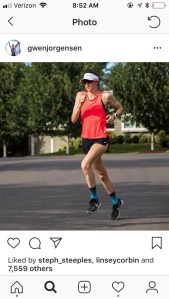
Take the career of Gwen Jorgenson, the Gold Medalist in the Olympics in triathlon. She is shifting her focus in sports to pure distance running and is training to do a marathon one day. Her competitions in shorter races on the track have been a massive learning experience. Some of that has a been hit and miss. She aims to run 10K with times in the very low 30:00 range.

Gwen is also a relatively new mother. Mixing all those life changes together can’t be easy. Granted, her husband has held down responsibilities on the daily side of life to make it possible for Gwen to achieve what she has.

But this new venture of pure running is in some ways harder than the three sport regimen of triathlon. Where her running skills once gave her such an advantage, now they are immersed in a world where the other gals are just as intensely focused and able. Winning ain’t so easy any more.

But the point here is that Gwen Jorgenson is bold in taking the sentence of her life and inserting some commas of experimentation. It’s a safe bet most people would have just stuck with the success she was already having in triathlon.

Other commas

Bo Jackson.jpegMichael Jordan tried the same ‘comma’ thing with pro baseball after the first stage of his career in the NBA. He made it up to AAA ball with the White Sox organization, but ultimately went back to playing basketball.
The most successful two-pro-sport athlete was likely Bo Jackson who excelled at both pro baseball and pro football.

But unlike Bo or Mike, most of us are not faced with decisions on whether to choose one pro sport or another. There was a point where I had to make a tough choice between playing baseball and track in high school. I pitched the coaches on the idea of my doing both, but the academic advisors saw things from a different perspective. “You’re grades don’t indicate you can handle one sport, much less two,” said the high school guidance counselor. And they were right. I’d have flunked out of school and not been able to play either sport.

It only proves that we all face choices and interpret our experiences as we move through the sentence of life. People even insert commas into the sentence of our lives when we don’t know where to put them ourselves.

Revisions and edits

Sometimes we come to a point where new information arrives that either encourages or forces us to change the image we have about ourselves. For years after a national track meet in which I’d gotten deathly sick the night after a steeplechase in hot and humid conditions, I believed it was the heat that got me. But after a really great 10-mile race on a hot July morning I realized that whole “I can’t run in the heat” was a falsehood.

So I went back and thought about the events of that day running in the heat and realized that the real cause of my illness was not heatstroke, but food poisoning. I’d eaten an entire medium pizza from a national restaurant chain that was obviously tainted. These days there is an entire website devoted to such instances, called Iwaspoisoned.com. But back then in the 1970s, I’d never even heard of food poisoning.

That realization encouraged me to revise and edit the narrative of my life in a significant way.

Moving on

Some commas get inserted for unexpected reasons. Back when I was a sophomore in high school, my father up and announced that we’d be selling our house and moving to a town twelve miles away. At that time, I was the class president and the top runner on the cross country team. But like a good son, I went along with the change as best I could. It meant changing high schools and starting all over making new friends. That all worked out fine. But at the time, it was a harsh change.

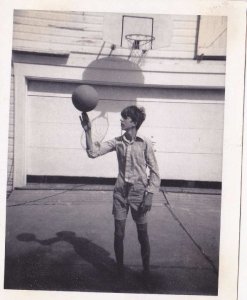
Cud with Maravich skillsYears later, I asked my dad why we moved. Was it the gas shortage? Was it money?

My dad told me, “Nawww. I just didn’t want your younger brother to play basketball for that coach with the slow-down offense.”

I stood there with my mouth open for a moment, not quite believing what I’d just heard. “But what about me?” I asked my father. “I gave up so much that I had at that other school.”

My father just smiled and said: “I knew you were a social kid. I knew you’d survive.”

That made me move another comma in the sentence of my life.

August days

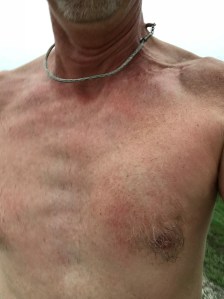
IMG_6510When August comes around each year and I hear the fine little voices of goldfinches gathering nesting material for their late summer rush to make nests, lay eggs and release young into the wild, it is hard not to want to fix the comma of life into place. If I had my way, I’d stay this age and condition forever. I’m doing well, yet my body shows signs of age, and some of those come on suddenly. Age spots. The texture of skin grows wrinkled. Even the shape of muscles in the chest, the legs and calves. They are less taught.

But I long ago lost my hair and have been silvery grey for years as well. In some ways it is an advantage to get some of the commas of life out of the way early. That way you can relish the feeling of “going pro” at this aging thing and face it like a boss.

So I’m going to become a pro at that. Own it. And put the darned commas where I want in the sentence of my life.


Posted in healthy aging, healthy senior, Uncategorized | Tagged , , , , , | Leave a comment