The serious psychological business of a cycling or running comeback

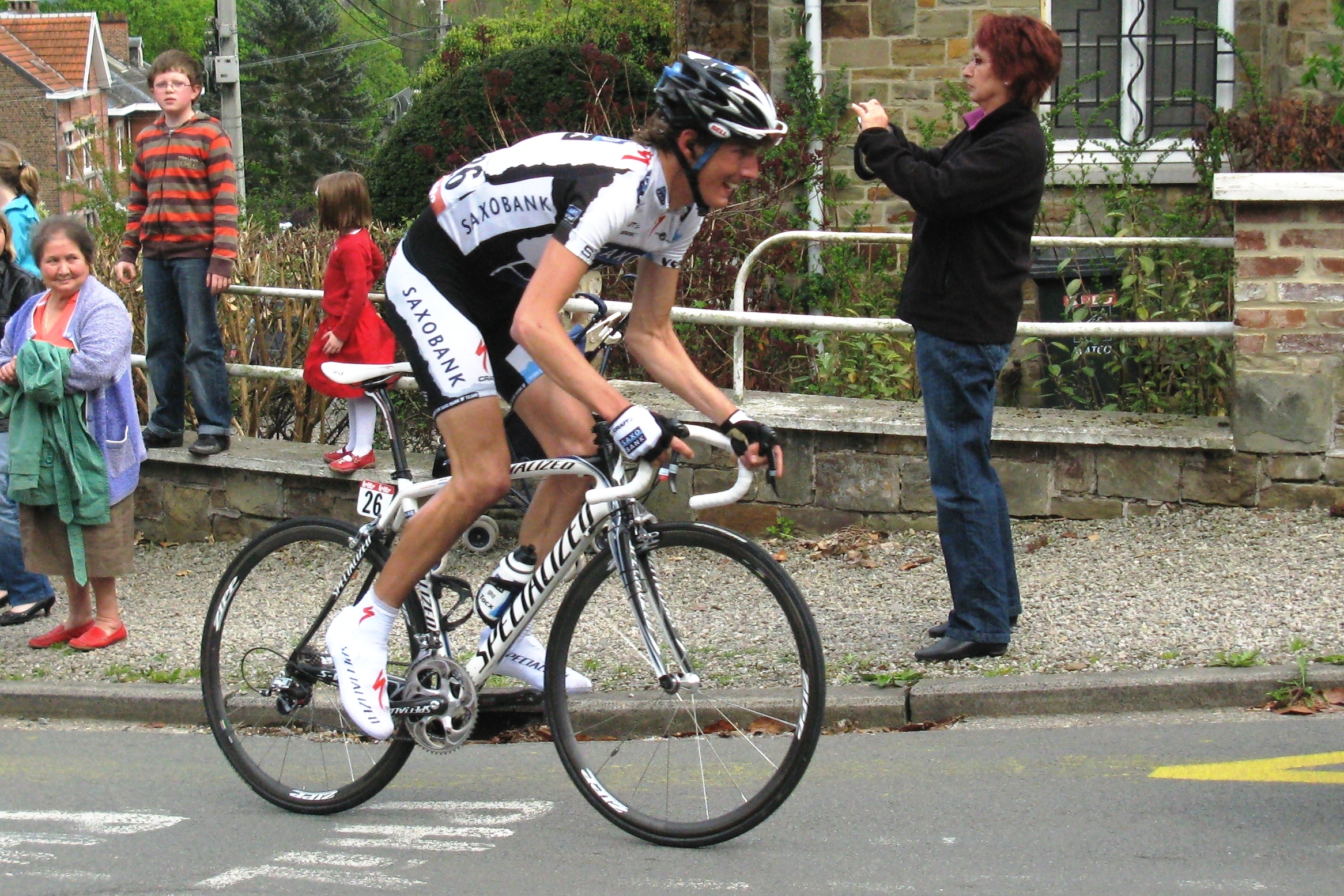
The hyper-talented, hyperthin Andy Schleck may be a broken rider. We can only hope not.

The hyper-talented, hyperthin Andy Schleck may be a broken rider. We can only hope not.

By Christopher Cudworth with Monte Wehrkamp

It is a painful, difficult challenge coming back from a major injury. The higher the level of sport in which you participate, the more difficult the task of reaching your former level of performance.

One feels for the bike racer Andy Schleck, who this week abandoned from the Tirreno-Adriatico bike race in Italy. Last year Schleck crashed so badly he broke his sacrum, the triangle of flat, platy bone at the base of your spine. His comeback from that injury has not gone so well. A recent VeloNews story described it this way. “Andy Schleck (RadioShack-Leopard) abandoned Tirreno-Adriatico during a wet, cold stage 6 on Monday. After the stage, his team manager said that he hoped the 2010 Tour de France champion would seek psychological help in his return from the 2012 crash that kept him out of the Tour.”

Psychological help. We all need it sometimes. Coaches provide it. So do spouses, bosses, co-workers and ministers. If we’re lucky.

The average person walking down the street is a psychological mess by most measures. Anxiety. Anger. Napolean Syndrome. Napolean Dynamite. All mental problems. You name it. Baggage to be carried. It weighs the mind. Yet we keep going.

High speed chills

Cyclists streaking down a mountainside at 60 mph cannot afford to be a psychological mess like the rest of the world. Anxiety gets you dropped, and messing around with fear at that speed can get you killed.

But it can be enormously difficult to get your mojo back once it is gone. Just ask Austin Powers. He almost lost his will to Shag, Baby! And that’s not normal for Austin at all. Normally he’s the pillar of pride and confidence, even if he’s got teeth like the Pyrenees. If you smile wide enough, they say, you can conquer mountains. Smiles wipe away the fear, you see. Andy Schleck seems to smile a lot when he’s riding. But the smile does not seem to be working. He can’t get his mojo back.

Sacrum hell, it almost killed him

Today co-blogger Monte Wehrkamp sent me an email with some observations about the comeback of Andy Schleck.

Side note: We may not have covered it here in this blog, but during the first month of Monte’s own “comeback” to cycling when he bought his new Jamis road bike, he got veered into a curb by a mindless pickup driver cutting across a gravely parking lot. The truck nearly hit Monte, who was forced to T-bone the curb, which flipped him onto his back, and he tells me it hurt. Really hurt. He didn’t know it at that precise moment, but he had literally broken his back. His sacrum, to be precise.

Yet being the pain-denying mutha I know Monte to be, he rode his bike 11 miles back home. Worried that the pain was getting worse, he wisely stopped at the home of a fellow cyclist who happens to be one of the head emergency room doctors at Cadence Health Center, one of the premier hospitals in the Midwest. (That same doctor late last year took care of my busted clavicle from a bike crash. Me and Monte, we likes to crash it seems.)

The good doctor was not home, but his wife was there. She calmly suggested Monte get off his bike. His back hurt so bad he could not obey her suggestion. So she slowly jimmied it out from under him while he tried to raise one leg like an old dog, but all it did was produce even more pain. They called our doctor friend who checked him out and gave the prognosis: Busted sacrum.

I got the text that night:

“****! Broke my back. I’m such an idiot!”

Monte Wehrkamp during our annual ride to Lake Geneva. His back recovered from a sacrum break well enough to ride all summer.

Monte Wehrkamp during our annual ride to Lake Geneva. His back recovered from a sacrum break well enough to ride all summer.

That’s how Monte and I text each other all the time. Short, sharp shocks of reality. Usually with some cursing involved.

But Monte also has a tradition of writing me lucid, insightful emails about life and God and cycling as well.  Our exchanges are what got this blog started. We decided to talk to the world in the same language we talk to each other. Maybe someone would laugh along with us? We have fun anyway.

So this email from Monte about Andy Schleck arrived today, questioning whether Andy will ever again be a consistently world class rider after breaking his sacrum in an awful crash last year. As we now know, Monte knows how much that hurts. He’s been there.

Monte wrote:

“He may not make it back. Just not make it.

His team is even thinking he’s PTSD’ing. He’s through the physical recovery, now the trick is convincing himself that he can do it again like he used to. But he’s afraid. Like Derrick Rose. Afraid it’s not gonna hold. That it’s going to happen again. That it’s not ready, too soon.

I get it. You do, too. (Note: I broke my clavicle in a high speed crash last September.) 

Going down hard, harder than ever. Hearing the impact at first, before the physical realization of the severity of the impact. Before the shock wears away and you’re left with nothing but trembling pain. The understanding of how bad it was, and how close it was to the end. DOA. Or paralyzed. Hi, honey…I think I just pooped. 

Andy kept riding after he broke his back, as sacrum fractures are tricky to diagnose. He finished that time trial. He tried to ride again the next morning, but abandoned to the hospital for more tests. And that was that. The end of his year. And maybe, the end of his career. 

His body and his emotions haven’t forgotten. And physically, his back hasn’t either. It’s not gonna fit the bike like it used to. A bit of flexibility is going to be gone. Those nerves — all bundled in that transition zone at the base of the spine — were traumatized. They’re gonna be fiddly forever, too.

Riding with PTSD is real. Still have it myself. Riding with a sense of mortality. Riding with a target on my back (like FL, that sense of forboding, only to have an old woman barely miss cleaning me off the road an hour later). Does a rider ever fully open up again? Simple and unrestrained joy in riding? Or, like a jilted lover, always hold back a bit? 

I know lots of pros take terrible, smashing crashes and bounce back the next season. Or even on the next ride, if they didn’t break anything. Some guys break shit and just keep going. Hamilton rode the Tour, in yellow, with a broken clavical for goodness sake. Fiorenzo Magni tied an inner tube to his bars, then bit down on the other end so he could pull up on the bars while climbing in the Giro. Either riders like this are insane, or unimaginably mentally and phsycially tough. Hamilton said the pain was actually intoxicating — his body was probably releasing a cascade of hormones and chemicals just so he could endure.”

Probably the latter is true. Pro riders are unimaginably mentally and physically tough. But the former is just as true. Pro riders are clinically insane. Just ask them. They’ll tell you that keeping up with the peloton alone is an insane project some days, much less lashing down a mountain on a wet road and a lonely road.

Perhaps Andy Schleck is a little too nice a guy (he hugged his rival Alberto Contador after getting second in the Tour) and a little too sane for the insanity of riding with a formerly busted back. If so, who are we to blame him? Sanity is a rare commodity, even among those walking down the street.

It’s a confusing question. Whether we should, in the end, be nice people or be possessed by such a fierce desire to succeed that we sacrifice all sorts of common sense to prove that we can achieve. To prove it to ourselves, if no one else.

I know I’ve gone over the line more than a few times. Running to collapse. Coming back from what I thought was a case of heat stroke only to realize that years later that it was food poisoning, not heat stroke that had laid me low during a national meet. But the ghosts of that effort did haunt me. And I chased them away with miles of feverish training. It took years to get over the hump, and only when I ran in the top 5 of a major local road race in hot conditions did I realize I’d been fooling myself all along. I could run in the heat. But psychologically it seemed impossible after the original trauma.

Well, like Don Quixote we sometimes tilt at windmills. Just try not to fall of your bike while you’re doing it, or you’ll break your ass. So to speak.

Posted in Uncategorized | Tagged , , , , , , , , , , , , , , , , , , , , , , | Leave a comment

Watch out when the rubber hits the road if you run and ride

By Christopher Cudworth

We have read quite a bit on this blog about getting down close to the road and really studying the surface we ride upon.

We have celebrated tarsnakes together, and even their wintry cousins, the snowsnake, of which there haven’t been too many this year here in Illinois. The snow either fell too fast or too wet or too thick. Any potential snowsnakes got buried well before they could crawl across windy Route 38 like they usually do, out Elburn way. (That’s the country around here.)

Shedding their coats

But now the seasons are changing here in the Land of Lincoln, and with the springtime some people out there apparently think it’s high time to start shedding their coats, as we enter what ought to be called Rubber Season.

That’s what we find when we run and ride on a Sunday morning or a Tuesday afternoon. Someone’s been out having fun in the car and tossing aside the evidence. Condoms. Weenie jackets. Prophylactics. Doesn’t matter what you call them. They’re always sort of shocking when you find them used and discarded. Even an empty condom package has a story behind it. We dare not imagine it. Not on our own. Too often we are jealous creatures.

Too close encounters 

When the rubber hits the road, best watch out where you run or ride. But don't worry. Its only teenage wasteland.

When the rubber hits the road, best watch out where you run or ride. But don’t worry. Its only teenage wasteland.

Running along some street in a suburban neighborhood you look down in the half dark of dawn and think, “What’s that?” And then you realize. Someone actually threw that thing out the window. But why? And when?

Teenagers, one must suspect. The Trojan ads all target teen-aged men and women, plus a zillion college students, all doinking their way through Handsome High and the University of Sex Ed. Word has it it’s not that hard to get a passing grade, although the movies Superbad and American Pie might beg to differ.

Of course teenagers don’t have college dorm rooms so they go out and do it in a car and that’s the other thing one finds a lot while out running and riding. Quite a few cast aside panties.

Between the condoms and the panties lining the roads in our region of the country it is a wonder anyone between the ages of 16 and 18 actually ever learned how to drive. It’s hard to hump over a stick shift, is it not? Someone’s trying. And succeeding, from the looks of things.

Are cyclists just human condoms?

All kinds of narratives emerge when you’re out riding your bike all dressed up in an expensive cycling kit, only to look down and see the closest cousin to your body condom spandex, a tube of spent-looking latex, lying there on the ground. Makes you wonder: Am I just a human condom?

There are certainly days when you don’t feel that much better than that on a bike. You start out all erect and proud at the start, but when you turn into a stiff wind your energy goes blammo. Looks like you’ve blown your load of glycogen on a false flat and a high gear. Good luck holding someone else’s wheel now.

Minimalism redefined 

Runners really have to watch out where they’re stepping some days, for fear of causing some strange sort of street explosion by coming down flat-footed on one of those little ribbed condoms perched on the white line of the road.

But pity! the barefoot minimalist who neglects to look down often enough to avoid stepping on one of those squirmy condoms left on the street. That will bring out the caveman or cavewoman in you, for sure.

Backflips

God forbid that a used condom should get flipped up by the back wheel of your bike and land on your bare neck. There are some people who might choose to ride to their own death at that point rather than come to grips with the truth in what they feel.

Don’t blame me for this blog, I’m just a journalist doing my job…

Don’t try telling me that only I have these strange thoughts, and that the rest of you are innocent of such considerations. It’s my job as a journalist of the highest caliber to warn you of such dangers as tarsnakes and, dare we say it, rubbersnakes on the road.

After all, we do run and ride the same roads, you and I. So now you have fair warning to beware when the rubber hits the road. Just step over it. Keep calm and carry on. It’s only teenage wasteland.

Posted in Tarsnakes, We Run and Ride Every Day | Tagged , , , , , , , , , , , , , , , , , , , , , , , , , , , , , , , , , , | Leave a comment

Putting some numbers on running and riding

Where numbers get crunched. Or atoms anyway.

Where numbers get crunched. Or atoms anyway.

Putting some numbers together on cycling and running

As an Art and English Major I’ve never been all that good at math. But basic numbers still fascinate me.

For example, if you maintain your cadence on the bike at an average of 90 rpms, then you pedal 5,400 times an hour. Ride 3 hours and you’ve pedaled 16,200 times. And that’s just on a typical Saturday morning.

Add up all the riding you do and it gets even more interesting. I’ve ridden 20,000 miles in the last 7 years. That’s about 2857 miles per year. At an average of 17 mph that’s 1,176 hours on the bike, or 49 total days of cycling over the last 7 years. Correct me if I’m wrong…

Since there’s 24 hours in a day and you pedal about 5400 times an hour, that adds up to 129,000 rpms per cycling “day”, or 6,350,400 rpms in the last 7 years.

Wordle CyclingYou can see why you forget to keep up your cadence once in a while. Fall slack and pedal along at 80 instead of 90 rpms. Or 90 instead of 100.

Pros roll

The numbers for a pro cyclist would dwarf the numbers someone like me puts up. Many of the best pros roll 10,000 miles a year. And they ride so much faster, averaging who knows how fast per mile in training. Or kilometers. They ride kilometers in Europe, don’t they? Of course they do. It just sounds better. 15.5 miles? Nada. 25 kilometers? That rocks.

The point is that cycling is a pretty insane game when it comes to numbers. We punish ourselves mentally for dropping cadence, slacking on the MPH or KPH and yet the miles still add up.

Stride for stride

Running has its own numbers games as well. Runners don’t worry so much about cadence or strides per minute like cyclists. But perhaps we should. Some of us have strides that are too long or inefficient. We could perhaps learn a few things about running from riding.

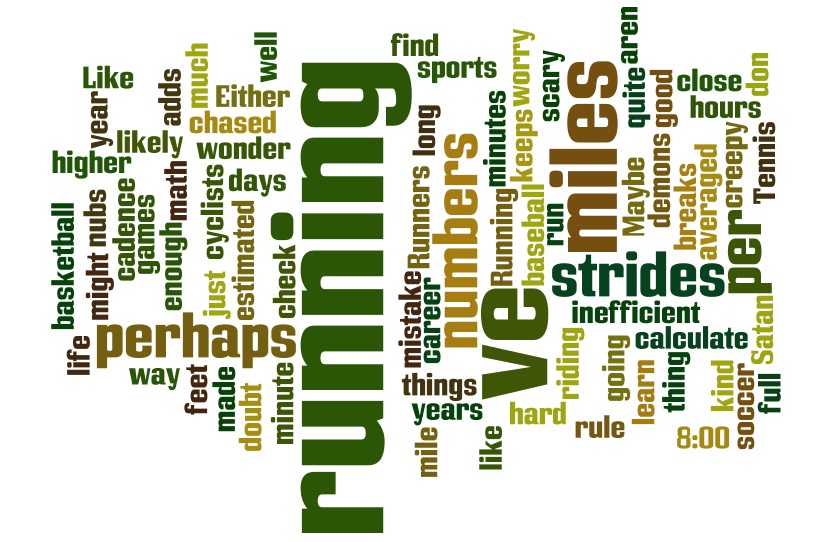
Wordle RunningI’ve run an estimated 50,000 miles in my running career. It could be higher, but I doubt it. It’s hard to calculate if you rule out all the miles of running in soccer, basketball, baseball and all the other sports. Tennis. It just keeps going. It’s a wonder my feet aren’t nubs. Well, they kinda are.

But if I’ve averaged 8:00 per mile for 50,000 miles that adds up to 400,000 minutes of running. That’s 6,666 hours, which is kind of scary. Maybe I’ve been chased by Satan all these years. Or my own demons, more likely. Either way, that 666 thing is creepy. It all breaks down to 277 days of running. Not quite a full year of my life. But close enough.

Like I said, I’m not that good at math, so if you check the numbers you might find I’ve made a mistake here or there. So be it. The fact that I’ve run close to a year of my life makes me feel weird though. I mean, that is weird, right?

My mind works better with words, anyways. Which is why I took the section on CYCLING in this article and put it through Wordle to create a Word Cloud, showing which words stand out in the thought process. Then I did the same for the RUNNING section of today’s blog, and look at the words that show up.

Numbers or words. They fly through our heads and sometimes land on a page. We Run and Ride through WordClouds and number games. And never really know it.

WeRunandRideLogo

Posted in We Run and Ride Every Day | Tagged , , , , , , , , , , , | 1 Comment

When the world is running down, you make the best of what’s still around

When the world is running down, you make the best of what's still around.

When the world is running down, you make the best of what’s still around.

That Police song from the early 80s is so true. When the world is running down, you do need to make the best of what’s still around. 

You don’t see as much of that spirit these days as people who run and ride so quickly replace worn out gear for fear of injury, chafing or whatever.

But there was a time not so long ago when runners and riders wore their best stuff until it literally fell off their bodies. Guys would show up at races in the same shorts, singlet and socks they wore the week before, and you could see they hadn’t washed the stuff because the same sweat stains were on the short. Then they’d kick your assess, smelling like an old locker room the whole 10k. You didn’t dare pass them for fear of puking in their wake.

Pissing off the primpy cyclists

Primpy cyclists. I know. I'm one.

Primpy cyclists. I know. I’m one.

I like the fact that today’s cleaner athletes all look dapper at the starting and finish lines. There’s a certain respect for the sport I guess, in dressing the part. And I’ve seen some worn out characters at races the last few years.

Even got beat once in a criterium by a guy wearing blue jean shorts. But I think he was wearing that anti-cycling gear on purpose. Just to piss off the primpy cyclists. And I loved him for that. Cyclists are definitely way too primpy and uptight in so many ways. Except for Jens Voigt maybe.

Early minimalism

Runners in the early days wore their shoes down until the shards on their feet were as minimally efficient as the minimalist shoes you pay dozens of dollars for today. I’ve shared that I once raced right through a sole of a pair of New Balance training shoes. The last two miles of a 20K I was running on a sock. Finished in 1:09. When the world is running down, you make the best of what’s still around.

Making it last

In college we wore our shoes 800-900 miles. No questions asked. But to preserve the heels we were wise and applied carefully appliquéd layers of athletic tape to make sure our shoes were level and the heels did not wear more quickly than they needed to. It worked. Athletic tape was tough stuff, made of cross-woven thread and stinky, like a bad hospital. But if torn off in small quantities and applied to the heels of a set of running shoes, it worked great to delay wear on the heels of expensive shoes. To this day I’ve never heard anyone else who thought of that. Have you? It would still work.

Threadbare wheels

Those of us who ride know that changing your tires before they become threadbare is wise, if you think of it. But as the miles wear on and the bike tires grow thin, you are somehow surprised that you’re suddenly getting flats every other ride. It doesn’t take a genius to look at your tires and know they’re worn thin. But the perverse optimist in all of us like to think we’ll make it a few more miles before they really need a change. Here’s a hint: When you hit the brakes and can see the fiber through the bike tire rubber, it’s time to change your tires. Continental. Bontrager. Michelin. They’re all the same. They wear out eventually. When the world is running down…

That goes with brake pads too. Metal on metal is not a good noise, and brake pads that thin don’t really count as brake pads. Not philosophically or legally.

Taking it too far

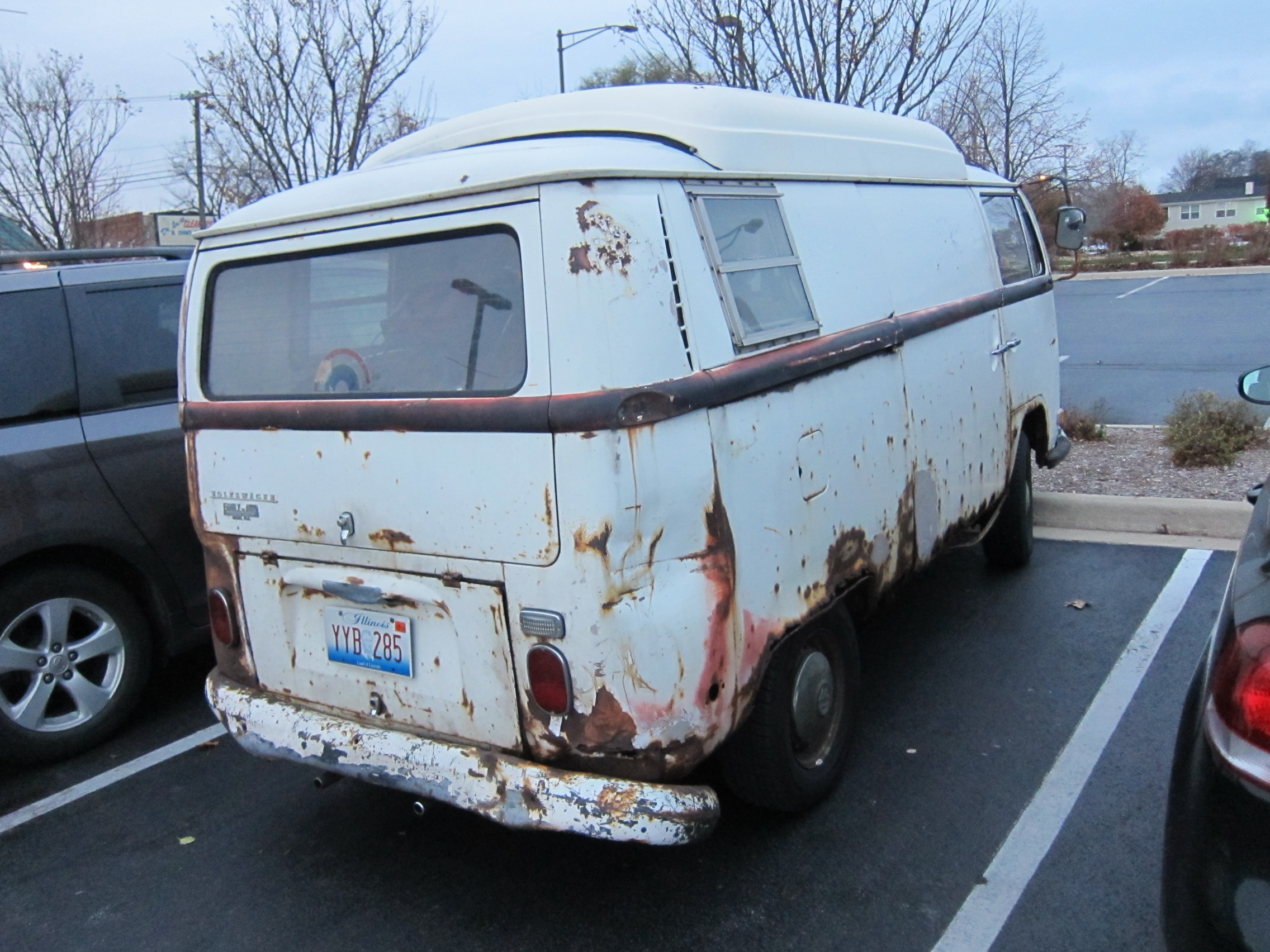
Of course I know a guy who drove his Toyota for 80,000 miles and never changed the oil. The goo inside the engine somehow still moved around and kept it from seizing. But not by much. Why it never burned completely off we can never be sure. Dumb luck I guess.

Protecting the unworn

Now when I retire my running shoes they don’t even look worn. They look like the new shoes I bought back in the 80s. I run on my midfoot so the heel barely shows any wear. But one thing we should never forget is that we wear out the insoles sometimes before the outsoles ever wear out. Still it seems a damn shame to put a perfectly good looking shoe into the closet. They’re laying all over my house, these unworn-out-looking running shoes. I know, people in China or Malaysia or Bangladesh could use those shoes, but don’t tell them. They’re the ones making the running shoes we Americans wear for 376.25 miles and then retire because they don’t feel quite right.

Pushup prices on shoes

It’s gotten a little insane on the price end of things too. Running shoes now cost $120 and we use them about 1/5 as much as we used to. The only thing that gets used less than a new pair of running shoes and has the same confined brand of utility is a pushup bra from Victoria’s Secret.

After all, there are only so many occasions when that kind of garment can be worn, and the damned things  are so expensive can’t afford to put much wear and tear on them. Both expensive running shoes and pushup bras are good for one thing and one thing only: Going forward for as long as the support holds out.

When the world is running down, you make the best of what’s still around.  Sure seems like Sting new what he was talking about. But then again, I think he is a runner. That was probably the inspiration for the song.

Posted in We Run and Ride Every Day | Tagged , , , , , , , , , , , , , , , , , , | Leave a comment

On the Road

Seeing the world at road level can give you insight into the infinite.

Seeing the world at road level can give you insight into the infinite.

By Christopher Cudworth

“I realized these were all the snapshots which our children would look at someday with wonder, thinking their parents had lived smooth, well-ordered lives and got up in the morning to walk proudly on the sidewalks of life, never dreaming the raggedy madness and riot of our actual lives, our actual night, the hell of it, the senseless emptiness.” 
― Jack Kerouac, On the Road

By the time you’re an adult, you spend most of your time looking at roads only as a route to get somewhere. And that’s a shame, in a way. Because roads are an endless feature of our existence, wrapped in infinite wonder if you know how to look. Yet we roll over them with hardly a thought as we run and ride. Not even a word of admiration or thanks. We ride on snapshots of our memories. The well-ordered sidewalks of life. Instead we should consider the raggedy madness. The hell of it. The senseless emptiness. Because that’s where the real miles take place. On The Road.

Good and bad roads?

We cherish the good roads and disparage the bad ones. We pass judgement, in other words. With which reasons, and why? A fresh new strip of blacktop on a fresh summer morning can be a joy for both runner and rider, of course. You cruise along without looking down because you do not need to watch your footing or where your tires will go. It is temporarily safe to assume you’ll be safe.

But get down low, at road level, and even the worst road is still a miracle of construction. Billions of stone particles and tar woven together and compressed into a relatively consistent surface. Or broken into bits by traffic and the elements.

No road goes on forever

Tar clouds on an urban street.

Tar clouds on an urban street.

Looking at a new road, you figure it will last forever. Many a city or municipality or township wishes that were true. We take all that administration for granted as we run our 20-milers or ride our 70 milers on a Saturday and arrive home bitching that those middle ten miles were a little rough for our liking. What a bunch of pretentious pricks we runners and riders can be.

Get down low and really look at a road sometime. Bend down and put your face close to the asphalt, like you used to do as a kid. Then you’ll see up close the miracle on which you run and ride. The fact that we human beings assemble all this material and smooth it out into a road should not be taken for granted. Our messy lives deserve some messy consideration.

Steamrollers

If you’ve ever been present when the steamroller pushes the hissing tar into place, flattening and smoothing as they go, then you know that roads don’t just happen on their own. It takes skill for the steamroller driver to hitch back and forth, mile after mile, pressing the road into place. I once rode across a freshly placed piece of road and felt my skinny bike tires sink into the surface for 30 feet. I thought the tire would pop from the heat, and I might tip and fall into the hot, steaming asphalt, burns all over my body. That’s how fast the mind works when you realize you’ve just fucked up.

So I kept riding, hard as I could go. Figured the steamroller dude would have had a right, if he chose, to jump down off his rig and punch me in the face with a tarry glove, to pay me back for messing up his hard work. And I’d have had to take it without complaint. Next time I won’t ride across his artistry. But we all live messy lives. So we ride on.

Tarsnakes and potholes, brick streets and cobbles

When you hit the bricks or ride the cobbles, it's as much about what ISN'T there as what is underfoot, or hitting your wheels

When you hit the bricks or ride the cobbles, it’s as much about what ISN’T there as what is underfoot, or hitting your wheels

It’s not just fresh asphalt about which we need to talk. It’s the older and less tame type of road that holds so much interest if you give it consideration. The kind of road that makes up the Spring Classics in cycling. Hell of the North. Paris-Robaix. Tour of Flanders. 101st Scheldeprijs. Hard roads in Belgium and France. Cobbles and country lanes. Dust and mud and shredded tires.

Asphalt and cement that’s been left in the elements for several years takes on an unworldly patina. Cracks and potholes. Tarsnakes and sealants line the surface. It’s like the whole road is glued together, yet keeps falling apart.

Hell’s Road

There’s a strip of downhill road in a rural township on our main Saturday loop that no one seems to claim. It seems to have fallen between the domains of two townships, who can’t seem to agree whose job it is to pave the 100 yard strip of road.

For several years that section of road got worse and worse. Potholes as big as your foot, then deeper and deeper. Pinch flats and dropped water bottles were a common occurrence riding down that little hill. You could hear the unsuspecting riders in the group, the ones who’d fallen asleep and forgotten about Hell’s Road cursing and weaving trying to avoid potholes. Usually someone would have to stop and search for a water bottle thrown out of its cage. You’d sometimes see several riders hunching around the ditch in their cycling shoes trying to find $11.99 worth of plastic filled with water or Go Juice. We cyclists live in an absurd world.

Then one day last summer we turned the corner toward Hell’s Road and. It was Paved. Paved! No more potholes. No more pinch flats. We sailed over the road whooping and hollering, going 35 miles an hour when it used to slow us down to 10 or 15 just to survive.

Hands on the road

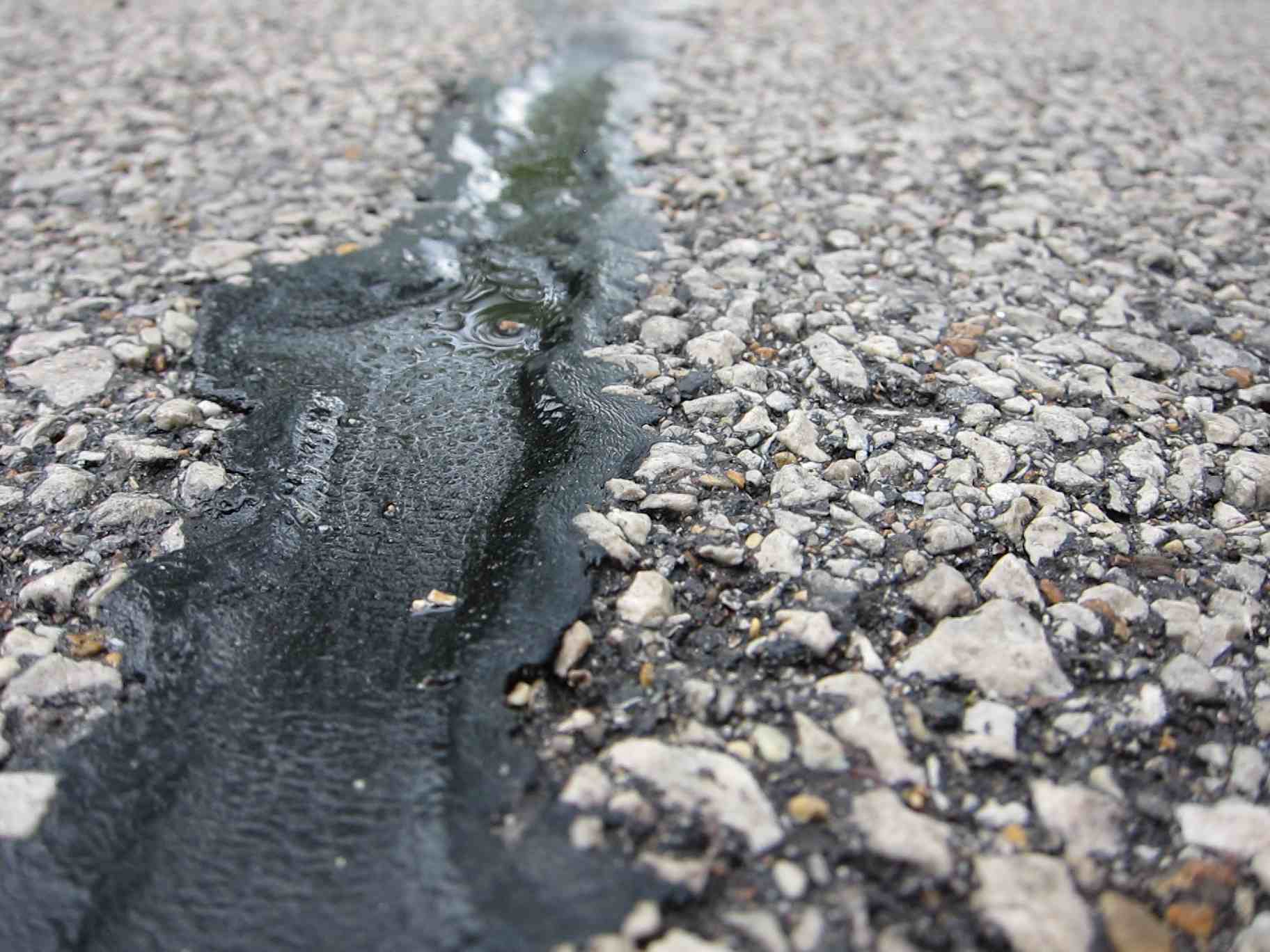
A tarsnake meets some tar sticks. We cyclists and runners live in the gutters, where the real action occurs.

A tarsnake meets some tar sticks. We cyclists and runners live in the gutters, where the real action occurs.

I get down low and look at the road sometimes. I like to look at tarsnakes and think of the guys out laying that goo in the cracks. It must be a long and lonely job, walking down those roads with the tar dispenser. I’ve stopped to talk to the guys (it’s always guys) who put the tarsnakes in place. There’s a bunch of technical language to describe their job, but pretty much it all adds up to one thing: Filling cracks.

The weather changes and the roads buckle under the pressure of cold, heat and tires. A lattice of cracks forms on the road edge and slowly the integrity of the asphalt is compromised. Our county has taken to throwing down a substance I call gravel slaps. They pour tar in a big fat patch and then dump gravel on it. Cars and runners soar right over those slaps, but cyclists feel them. The gravel crunches and the slight rise in the road reads like a speed bump. It’s a cheap and easy fix but it’s a costly feel.

Take some time and get low, sometime. Be a kid and look at the road through a kid’s eyes. Take your digital camera out on a shiny wet day and take photos from road level. You’ll find a shining, miraculous world at that level, and it will make you appreciate the miles you cover, and what you cover them on.

WeRunandRideLogo

Posted in Tarsnakes | Tagged , , , , , , , , , , , , , , , , , | Leave a comment

This poster was one of the Top 5 Cream of the Crop designs as named by Runner’s World Magazine. It would look great on your wall. Enjoy!

Christopher Cudworth's avatarWe Run and Ride

You can order this poster at my Etsy site. https://www.etsy.com/listing/117535102/running-poster

Cost: $15.00 plus $2.00 shipping in United States. $3.00 overseas. 

This print is beautifully produced on gloss black paper. The original scratchboards were produced by Christopher Cudworth and this poster earned the Runner’s World Cream of the Crop Award for Top 5 running art posters in the country.

View original post

Posted in Uncategorized | Leave a comment

Doing the Shamrock Shuffle

Some early spring races you're pretty sure you've frozen your head off.

Some early spring races you’re pretty sure you’ve frozen your head off.

The temperature was 16 degrees. A strong wind blew from the northeast, off Lake Michigan. “This is going to be painful,” I thought to myself.

The thin tight line

The starting pistol rang out and the leaders formed a thin, tight line heading into the northeast wind. No one wanted to lead, of course. But someone did.

Probably the guy we saw lying dead or frozen on the return trip down the park drive. It was either a dead guy or a pile of garbage, but you cannot always tell at the end of a Chicago winter. Everything looks the same. Grey and compressed. Either the snow flattens the landscape or the wind blows everything away.

Spring detritus

Racing through the washed out detritus of spring is always a strange sensation. Even when you’re fit and prepared, as I was for the Shamrock Shuffle that year it was so cold, there’s a vague uneasiness that you’re moving too fast through what is obviously a dead and not year revived landscape.

The first mile was awful. Straight into a biting wind, laughingly laced with spray off the whitecaps on Lake Michigan 150 yards distant. That’s right: Water flew through the air for more than 100 yards and struck us cold in the face. “Fuhhhhhhhhccccck,” I heard one runner moan, wiping sea foam from his cheek. I passed him by. “Kindy chilly, ain’t it?” I said. But my lips weren’t working that well.

Well prepared

I was dressed well enough to handle the weather. That wasn’t the problem. I also trained on the lakefront all the time and was quite used to the sound of gulls laughing at you as you leaned 45 degrees into the wind, trying to reach the turnaround point before your back gave out. But this was a race. Performance counted. All the training in January and February…depended on for confidence… felt long gone. It was just me, the wind and a few nearby competitors.

Turning back with the wind the pace got manic. All of us were running so fast it was necessary to land our heels to keep from falling forward. Looking down at my watch at the 3 mile point the split was 15:15. The first mile had been 5:10. So the middle two miles were really quick.

The crucible

But when you turned around on that spit of ground on Montrose Point in north Lincoln Park, the last 2 miles loomed like a crucible. 2 miles straight back into the damned teeth of that wind. Cold air blew through the weave of my tights. My feet and hands were even stiff as cardboard. My face, frigid. Lips tingling, then numb. Nothing to do but toe up and try to keep pace.

Crossing the finish line in 16th place, 1:20 behind the leaders it was good just to be done. My time of 26:15 was nothing to brag about, but it was fine by me.

April Shamrock Shuffle in Chicago

It makes sense now that the Shamrock Shuffle is held in April instead of March in Chicago. Those early days of running in March brought quite a few cold mornings. Even early April remains a risk, yet global warming is making it possible to be confident that April will spring warmer than 16 degrees.

It took most of the day for my thace to faw that day. I mean, my face to thaw. But that’s what memories are made of. That, and frozen spittle.

WeRunandRideLogo

Posted in We Run and Ride Every Day | Tagged , , , , , | Leave a comment

The ever present tarsnake of road rage

By Monte Wehrkamp
The edge of the road is too often a battle zone for space.

The edge of the road is too often a battle zone for space.

Hugging the white line, I navigated my way around a busy downtown intersection. Head on a swivel, I checked the parking lot exit of a nearby business — one of the local bike stores — all clear. Then I made my way toward the 4-lane bridge.  That’s when I heard the engine roaring, the horn blasting.

A huge, hulking man in a blue Chevy Trailblazer had pulled up to a stop sign at the exit out of a riverfront parking lot at the exact moment I was riding past. This caused the driver to actually stop instead of rolling through the sign. This action cost the man approximately five seconds of his life, and so infuriated him, he pulled up behind me as I crossed the bridge, revving his engine and laying on the horn the entire way.

Road rage. When it’s directed at you, the road cyclist, it’s pretty scary.

Driver-on-cyclist aggression has been in the news more and more often. I’m not sure if tempers are running shorter these days, or if it’s a matter of better reporting and enforcement, or the fact there are more cyclists out on the roads. Probably a combination of all three. In any case, driver-on-cyclist aggression is one of the tarsnakes of riding––or even running––on the roads.

Even pros can become victims of road rage

Take this road rage incident from last week. The Jamis bike company’s cycling team, Jamis-Hagens Berman (presented by Sutter Home), was out for a training ride. Having weaved their way through Tucson’s suburbs, the team was just reaching the quiet roads at the edge of town and was preparing to drop the hammer. They were riding to the right of the white line, completely off the highway on a very wide shoulder in two parallel pace lines when a driver pulled up next to them and began shouting obsenities. The driver then swerved his car into the riders, crashing into Tyler Wren and Todd Harriot. They both went down hard, and there was a bit of a pile-up behind. Wren and Harriot (the team’s longest tenured rider and fitness coach, respectively) suffered some nasty bruises and road rash and their bikes were trashed, but neither suffered broken bones or other serious injury. Thank goodness.

Luckily the Jamis-Hagens Berman team car was not far ahead and managed to catch up to the enraged driver and a team photographer got a shot of his license plate. Tucson police found the man a few hours later and took him into custody.

The irony of this will be known to the road rager soon, I imagine. Hagens Berman, the team’s lead sponsor, is a huge powerhouse law firm, with offices across the entire country. They’re a “plaintiff-focused law firm that seeks to protect the rights of consumers, workers, whistelblowers, investors and others…” according to their website. Only a guess here, but I think these lawyers may take exception to someone commiting assualt on their cycling team.

If you’d like an in-depth report, check out Wren’s first-hand account of the attack…
Keep camera rolling

Another road rage incident making national news took place last fall outside Longmont, Colorado. Two road cylists were enjoying a beautiful day, getting in a great ride when an enraged driver pulled up behind them, slowed down, and started honking. This went on for quite awhile — the driver was not being obstructed in any way and had every opportunity to pass, yet he continued to attempt to intimidate the two riders. These guys had the presence of mind to pull out their cell phones and shoot video of the incident. If you haven’t seen the video, which has gone viral, here it is...Note how the riders keep their cool and continue riding calmly. Kudos to them. Having been in almost exactly the same situation just a few days earlier myself, I wrote an email to the Colorado State Police, expessing my hope they catch the driver. I got several replies from the CSP communications officer: the first, saying they were searching for the driver, and a second follow-up saying they’d found him, arrested him, and issued five citations which would require a court appearance. The last email was an invitation to ride Colorado, pointing out it’s a very bike friendly state, and this ugly incident was the exception to the rule. (Having ridden Ride the Rockies years ago, he’s right — cycling in Colorado is a great experience.)
Stay Calm and Pedal On

So what’s the take away here?I guess the best advice I’ve got is Stay Calm and Pedal On. Don’t escalate the situation. As tempting as it is, don’t curse back. Don’t wave a one-fingered response. Remember, you’re flesh and bones and on a bike, and the road rager is emotionally out of control and inside two tons of steel. Get a license plate number. If you can get a photo or shoot some video with your cell phone without putting yourself in greater danger, do it. It’ll help law enforcement and the courts – if it comes to that. If you have to, find a place to pull off the road and stop, let the rager go on ahead. Yeah, it may screw up your Strava or Map My Ride, but it’s a better option than ending up crashed.

How have you dealt with road rage?

I’d like to hear from readers of this blog — have you ever been the victim of a road rage incident while running or riding? Or has one of your training friends? If so, what happened? How did you deal with it? And how do you keep an ugly incident like this from ruining the rest of your run or ride?

Posted in Tarsnakes | Tagged , , , , , , , , , , , , , , , , , , , , , , , , , , | 2 Comments

Seeing your way to better running and riding

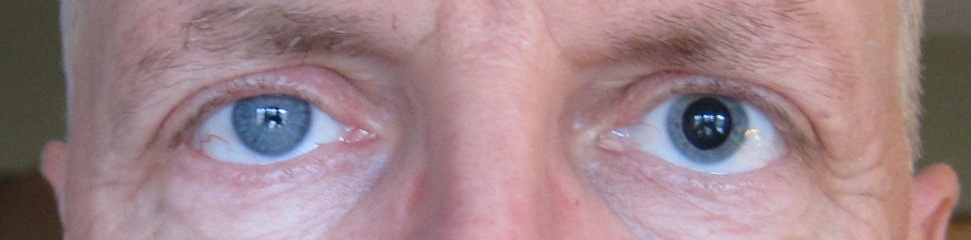
Floaters in your eyes can make you crazy. Just ask Gollum.

Floaters in your eyes can make you crazy. Just ask Gollum.

Right after graduating from college, I went to an optometrist in the little town of Decorah, Iowa where Luther College is located. The appointment was going well until the optometrist dilated my eyes and took a look inside. Then he sat back and said to his assistant, “Uh oh….”

“What uhohhh?” I asked. “What’s wrong?”

“Er. Um. Nothing wrong. I mean I can’t be sure. I can’t say.”

“Yes you can say,” I told the optometrist. “I’m not leaving this chair until you do.”

He glanced at his assistant and said, “Well, we can’t be sure, but it appears you might have a small retinal detachment. In the lower part of your eye. But I can’t be sure.”

“What’s that?” I asked. “What’s a retinal detachment?”

He explained how the retina can be put under strain in a number of ways. How the eye can lengthen or warp due to the pull on muscles from astigmatism or other eye conditions. Which I had. My eyes were getting worse than they’d been, and that might have pulled loose a small patch of tissue on the lower part of the eye.

“So what do we do?” I asked, nervously.

“Well, I’m going to send you to the Gunderson Clinic in LaCrosse,” he said. “They’ll need to take a better look than I can get. I’m only an optometrist. You need an opthamalogist.”

Great, I thought. I’m going up in both vowels and consonants. Never good. Not when medicine’s involved. Next thing you know you’re into otolaryngology. People are sticking things up your nose, and if that doesn’t work, the proctologist comes at you the other way, up your behind. If they somehow meet somewhere in the middle, you know you’ve got real problems. Because you’re a sea anemone.

I was pissed about my eye, however, because I thought I’d put all the weird stuff of injured youth and bad glasses behind me. My senior year in college my parents finally let me get contact lenses instead of wearing the Coke bottle Napolean Dynamite glasses I’d worn my whole junior year. What a travesty that whole year turned out to be. The bad beard. The ugly glasses. The girlfriend who got jealous of my running and tried to kill me with Rum and Cokes one night in a LaCrosse hotel. She almost got me too.

But my senior year with contacts went great. I moved from 7th man on the cross country team to 2nd man for most of the year, and we placed 2nd in the nation. The contact lenses let me run without pushing up my damn glasses all the time, and the confidence they gave me socially convinced me to cut my beard and long hair, and that got me a girlfriend that I really liked. I could see my way to a brighter future.

Then the optometrist told me I might lose sight in one eye.

When my eye was dilated for retinal surgery I told some girls at the bar that night I was half drunk. They half believed me.

When my eye was dilated for retinal surgery I told some girls at the bar that night I was half drunk. They half believed me.

The surgery was dramatic, to say the least. They hooked me up to a huge machine the size of a Volkswagon. They put a big wet suction cup on my eye with goo and told me to hold still. I hyperventilated and fainted flat on the floor. Waking up from the impact, I grabbed the nurse around the waist and told her, “I love you!”

She hoisted me up, stuck me back on the machine and said sternly, “Stop it. Now breathe normal.”

And they proceeded to shoot bright green light into my eyeball, cauterizing the retinal detachment. It has lasted for decades. No more problems.

Until the floaters showed up a couple months ago.

It started with just one floater, in my left eye. That didn’t bother me too much, but I went to the opthamologist nevertheless. That’s right, skipped right over the optometrist this time. The Big O told me all about floaters, and asked if I’d seen any bright flashes. Told him I had. “Hmmm, not good,” he said, rubbing his face with his hand. “But it might not mean anything either. We’ll dilate you and take a look.”

There was no new detachment. But he told me I’d have to live with the floaters. “You’ll get used to them,” he assured me. “Sooner or later you see right through them.”

Everyone has floaters. They vary in size. But sometimes bigger floaters break loose and dangle around inside the liquid in your eye like a cheap chandelier with no lights on it. They can get really annoying, particularly when you’re staring at the crystal clear screen of a retinal display Macintosh, as I do all day. And how ironic. A retinal display for a guy at who once had a retinal detachment.

Whatever. Soon, as predicted, the other eye developed a floater too. Now they bounce around before me like a macabre half-invisible amoeboid dance team. Nothing you can do about them.

While riding they sometimes interfere with my view of the road up ahead. Running too. But at least I have my vision. Haven’t lost that. And I’m used to compensating for this or that ailment. Isn’t everyone? It’s just that bothersome floaters also interfere with looking at people while you’re talking to them. And when I birdwatch I keep thinking I see a Cooper’s Hawk out of the corner of my eye when in fact it is only a floater. Bugs me.

I’ve had an optical migraine before where your vision completely blacks out in one eye. That’s weird. To me it appears to be dietary. Absence of chocolate perhaps. But one can’t be sure.

Vision is pretty vital to running and riding. Although people do without. They amaze me. Like Marla Runyan. People like that really do amaze with their ability to overcome difficult physical attributes. Makes a couple floaters seem like no big deal.

And they aren’t really. Seeing your way to better running and riding takes a little extra work sometimes. At least I don’t have to wipe off my Napolean Dynamite lenses anymore. Usually.

WeRunandRideLogo

Posted in We Run and Ride Every Day | Tagged , , , , , , , , , , , , , , , , , , , , , , , , , , , , , , , , | Leave a comment

Can you tell me all the things I did wrong in this marathon?

The tarsnake of a marathon is that there are so many opportunities make mistakes.

The tarsnake of a marathon is that there are so many opportunities make mistakes.

A week before the Twin Cities Marathon, it hit me that I really hadn’t gotten in as many long runs as I’d like. The fall racing season had gone fairly well. 32:00 for 10k. A 14:57 5K.  So the sharpness was there, and I’d raced a 10-miler in 54:00 which told me there was a decent endurance base. But my eagerness to race a really great marathon made me decide to get in one more long run. That’s the tarsnake of doubt creeping in.

It was a cool, damp morning in late September. I choose a course that went 10 miles north up one side of the Fox River and 10 miles back home the other. Uphill, then downhill, but only with an elevation of about 400 feet. So no big hills. Just steady running.

Starting slow

Feeling a little stale at the start, I began at 8:00 pace and kept that up for 5 miles or so. A slight mist blew and then faded. But my legs still didn’t feel sharp. At 10 miles a sluggishness set in that would not leave.

By 15 miles I knew there was trouble brewing. My feet started to scuffle the path on which I was running. Energy dropped even after a long drink at a park fountain. I didn’t feel like keeping on.

Uh oh

But I did, and hit a mini-wall at 18 miles. The last 2 miles home were painful and slow. I jumped in the shower and ate as much as I could for the next 2 hours. My body weight was down under 140. Regular weight, 142. Heart rate was up. Legs ached.

The next day I did not run at all. Just went for a walk. Same with the day after. Slowly some energy came back into my legs and it looked like the marathon that coming weekend would be possible after all. The week had been weak and harrowing, but my body felt like it rebounded after all.

Getting psyched

On the plane to the race I was tired, sleepy and lethargic. Yet when I got to the friend’s house where I would stay, a nice feeling of anticipation swept over me. The legs got some snap back. We went for a three-miler together, my former college roommate and me. “Get psyched Cud. You look fit,” he told me.

I felt fit. So fit in fact that I lined up in the front line of the race. Looking around I could see the previous year’s winner and a whole stock of fit looking marathoners. I was determined to be among them. At least in the top 50 in the race.

Chilly predictions

The temperature was 29 degrees at the start. Not wanting to overheat, I wore a red tee shirt under a singlet, shorts and a set of cotton gloves.

The lead pack took off at 5:00 pace. I ran the first mile in 5:30, my prescribed pace, and kept an eye out for other runners in my pace. Soon enough a group sidled by with a tall, lean runner at the front. It was Olympian Don Kardong and a group of 8-10 other runners.

Running jokes

The breeze off the lakes was brisk, and cold, and I could feel it stiffening the muscles in my thighs and chilling my forearms as I swung in behind the group. There was a lively chatter that Kardong kept up mile after mile. This was easy pace for him. The other guys seemed pretty fit. We passed knots of fans and laughed because their cheers went up and faded quickly, just like groups of people in the cartoon George of the Jungle. I mentioned that fact, trying to see if Kardong would get the joke. He chuckled but not recognizing me as a part of the group, he kept his attention on the cadre of runners with him.

At 10 miles passed in just over 56:00, I knew the pace was quick enough. Another 10 at that pace meant would put me in a zone to run sub-2:30.

Core chill

But then the cold really began to set in. Every time we went around a lake, the breeze off the water was so brisk and chilling I could feel it all the way into my core. At 12 miles my fingers felt numb. At 14 my lips were turning blue. Another friend was waiting at the 25K point and jumped out on the course to pull me off. The time was 1:25: 50. But I was frozen stiff. Couldn’t talk. Tongue was thick and purplish. The race was over. Frozen out.

“Come with me,” my friend said. “Let’s get you in the car.”

10 minutes later I felt fine and unfrozen. Wanting to jump back out on the course. But my friend wisely grabbed my arm and said, “You’re done today. Give it a rest. There’s always another race.”

Perhaps you recognize a bit of yourself in a race like this?  But it’s an interesting question: How many mistakes did I make leading up to and during the Twin Cities Marathon?

So you play the coach and sum them up. It will be interesting to hear your take, especially from experienced marathoners.

WeRunandRideLogo

Posted in Tarsnakes, We Run and Ride Every Day | Tagged , , , , | Leave a comment