From the time that I started officially competing in athletics at the age of ten, when I tried out and made the Local 285 baseball roster, my mother and father supported my sports career in many ways. My father ultimately nudged me into running (quite wisely) when I was a freshman in high school. He didn’t want any of his sons mangled on the football field, so none of us played that sport despite our high degree of speed and agility.
From there, my running career progressed and I led teams at Kaneland and St. Charles High School and went on to captain the Luther College team that took second in the nation. During all those years and through so many meets, my parents were often there on the sidelines. I’m grateful for that.
My mother Emily Nichols Cudworth and my father Stewart Kirby Cudworth at an October race in 1983.
Even after I graduated from college and took to road racing, my folks often showed up at races near their home to cheer me on. My father typically urged me to relax before the race while my mom stood there observing my state of mind. She always wanted a little hug before the gun went off. And I can still hear her voice to this day calling out, “Go, Chrissy, Go!”
Yes, she called me Chrissy. I once took grief from some competitors upon hearing her call out that pet name for me. It was embarrassing, but I knew that it meant love, so it always inspired me as well.
At some point in my mid-20s, while watching me win a race in Geneva (that I’ll document in the next installment,) she composed a poem titled RUNNER. The verse shows how observant she was about running and racing. I love this poem for many reasons, but also the emotional outcome of a race.
Here it is:
RUNNER
I watched you as you stretched and started
moving slowly, eyes inward, thoughts on self.
Sensing the morning’s chill
noting the wind, a muscle twitching here and there
(“Will it last?” he wonders, “Will it last?”)
Adjusting the suit, talking briefly
(Breakfast wasn’t much, you know–
too important, too important a race you see.)
A milling crowd arrived, some garrulous and greedy
for the prize, half-formed decisions, in their eyes.
Some there for fun, pure fun, no more
like children looking through a door.
But you were not these people (“Muscles are trained,” you told me)
there were these days and days of running
in the cold mornings––beard frosty, stocking cap pulled down
(“You can’t freeze your butt,”) you said
both humorously and morosely, a Captain of the sleet and snow.
In the Mid-Summer, smell of sweetness, grasses, ferns, upon the air.
Joyous birds alight at dawn and calling (“Saw a line of swallows on a wire”)
All around me are familiar faces Worn out places, worn out faces Bright and early for the daily races Going nowhere, going nowhere
Lyrics to Mad World by Tears for Fears, later recorded by Gary Jules
As I continued working hopefully for Trent Richards, we came to the conclusion that we were both essentially disorganized. I’d composed and illustrated a massive document with forty pages of running and fitness theory used in his counsel of One On One Fitness clients. He was paying me fitfully, and not enough for the time involved. But every dollar helped, so I kept on with that work and picked up other freelance jobs along the way, including a design project for Homer Furniture, a longtime Chicago business run by a sweet and kind owner that wanted new sale tags designed.
My pencil drawing of Trent Richards
I’d known Trent since I was thirteen years old when he coached me in Elburn baseball. I got into running at Kaneland, then my dad moved our family to St. Charles where Trent was the combative head coach and I had considerable success as the lead runner. Yet even during my peak as a junior in high school, Trent accurately assessed my abilities after a reporter branded me a “junior sensation” in an article about our season. “Cudworth’s a good runner, but not a sensational one,” Trent said.
He was absolutely right about that, and every time our paths crossed, our longtime association as coach and kid dynamic fell back into place. He was always taking the measure of me, even when I didn’t want him to, or wasn’t seeking his advice. He’d give it. Trent was a force of nature himself. At 5’7″, he’d high jumped 6’5″ in college. That takes determination.
But our tug and pull was not a healthy dynamic in some ways. I needed to grow into my own person and Trent needed to stop twisting my arm to get what he wanted from me. Those were the worn-out faces of our past in conflict, and we both needed to move past them. It would happen eventually because life strained it out of us. We argued some, but not so much that we cut off the relationship. I was still training his clients and had learned a ton of biomechanical analysis techniques from Dr. John Durkin.
Other characters
At the same time, I’d begun working with another Trent-like coach/character by the name of John Hudetz. He somehow got the gig of coaching one of America’s top marathoners and I met with him one day to discuss a business proposition he wanted me to hear about. We talked a bit about my own training, and he was mildly impressed with the racing I’d done so far that year, but his other running protege was so much better that I don’t think he was keen on taking on another client.
I drove out to his house in the country and we shot some basketball and played a game of HORSE in his yard, and he beat me. I was pissed because he was sort of pedantic about the game. That rankled me but I was curious about what he wanted, so I swallowed my pride and hung in there. But man, I hated losing in HORSE.
It turned out that he’d contrived a points-ranking system for assessing workout values. He wanted someone to collaborate with him in designing what he called an Aerobic Journal. Given my work with Trent and One On One Fitness, I was already in that mode. so I set about designing the pages and it took several weeks to complete. When I was nearly completed with the job, he called me up and said, “Hey, I want to settle up with you on this project. We’re probably not going to go forward with it.”
Disappointed at the news––because I thought it felt like a moneymaker––I told him that he owed me at least $500 for the work. So he cut me a check. I thought that was that. But a year or so later, I learned that he’d indeed gone ahead and published the journal using my designs. His partner or brother or someone else in the business told him that he’d owe me too much money for the design if he didn’t cut me out of the deal. I decided to visit his office to discuss it, and there on the lounge table sat the journal. I stared at it for a moment, and hissed, “Damnit.” I felt so betrayed and naive at the same time.
I confronted him about it, and he told me that he’d gladly pay me 80% on all copies sold. What else could I do? He’d carefully had me sign a document that said the work I’d done was finished, so there was no real recourse. Chalk that one up to “dumb and eager.” Such are the workings of the business world.
In stitches
As May ’84 came to a close I was excited to race the Elgin Fox Trot, a tough ten-mile race with a rolling course and a killer hill at eight miles. Unfortunately, I did a couple dumb things in advance of the event. I ran a ten-miler two days before the race, “felt fair,” I wrote. Then I ate some fried food the night before, and what, an orange for breakfast? WTF was I thinking? “Side stitch during race,” I wrote. “Out of it before mile 2! Must do pushups and situps again!”
Those side stitches likely had nothing to do with pushups and situps. I’d had an acidic stomach all week, and that was yet another product of the cumulative effect of hard miles, professional and personal stress, and other factors as well. The point here is that runners do not exist in a void. We’re the product of everything going on in our lives, not just the focus on training and racing. That was not the first time I got a sidestitch from the stress of running, and it would not be the last.
Mental games
As a junior in HS
In recent years, especially during the 2020 Olympic Games in Japan, and the Winter Games in China, we’ve seen athletes like Simone Biles coming to terms with their own mental state, even stepping out of competition to regroup and rethink the processes going on in the mind. Some shed tears to overcome their fears and trepidation. It’s the right thing to do.
I think it’s important these days for athletes of all ages to assess their relationship with competition as a whole. After all, we maintain relationships with competition just like the rest of the influences in our lives. That holds true with the work we do for a living. We also need to keep personal relationships spinning as well. Then there are relationships with our avocations. In my case, that included writing and painting, and my love of nature too. All these placed demands on my time and occupied portions of my mind. And then, as we move from youth to adulthood, this complex matrix of relationships shifts and changes.
Warming up as a senior in HS
Life tectonics II
When those relationships pile up it can all be difficult to manage. They can even collide, as I wrote in my novel Admission, in what I call life tectonics. Opposing pressures push up barriers to our peace and progress. They can even cause relational earthquakes, eruptions in character and personality, and subduction of whole parts of ourselves if we’re not careful.
Watching time fly
In any case, I managed to fun 54:50 in the ten-mile Elgin Fox Trot race. I got a side stitch early on and never recovered. To rub salt in that wound, part of the course went out a two-lane road for a mile or so and came back again. I could see how far ahead my teammates from Running Unlimited were, one after the other, and watched in envy as the lead runner zoomed past on the way to finishing in the 49:00 range. That illustrated the vast difference between my sub-elite pursuits and the really talented guys at the front.
That’s the crazy thing about distant events and training. When you choose to embark on a running career, you enter a perpetually Mad World where the rules of life and engagement are entirely different from other human beings on this planet. I recall many conversations in which people would ask about my training. Upon hearing about the time and effort invested, they’d shake their heads and say, “That’s crazy.” Part of me agreed. Yet another part of me––that inner dialogue that you share with no one else––would say, “It’s also the only thing keeping me sane.”
A play within a play
Perhaps you’ve seen a drama production in which there’s a “play within a play,” with a main character playing a fictional role. But when you’re the character playing that kind of role––and distance running is like that––it’s hard to determine where the “you” begins and the character you’re playing ends.
This is true because running until your mind and body can go no faster or further is a mad sort of dream, a dance between life and death itself, with heart racing and the mind and body trying to keep up, if not in pace, then at least in appearances.
And I find it kind of funny I find it kind of sad The dreams in which I’m dying Are the best I’ve ever had I find it hard to tell you I find it hard to take When people run in circles it’s a very, very Mad world, mad world
Whether from the wet and 40-degree April weather or from the impacts of overtraining, I picked up a nasty cold at the end of April, 1984. “Sore throat. Sore thighs. Tired. Dry air in room. Window open tonight,” I wrote on the 24th. I rested like crazy for a couple days and the weather turned hot, hitting 80 degrees on the 26th. I took a day off the next day, and biked easy on the 28th to rest my legs for a half-marathon the next day.
It was a long haul up to Lake Forest or some other North Shore town where the Lake County Marathon and Half Marathon started. The morning of the race, the symptoms of the cold were still fairly profound. I was coughing some, and snot still ran from the nose. But I’d committed to run the race because it was a relatively high-profile event for the running community. So I toed the line with my Running Unlimited kit and ran a 1:11:55 in cool temps of fifty degrees. That wasn’t a bad effort considering how sick I’d been leading up to the race.
Competing with symptoms of a cold is never fun. I plowed through the race the best I could.
Earlier that week, I’d revealed to my downtown lover that there was another woman in my life. “Had a long talk with (MM) about Linda,” I wrote in my journal. “I love her.” Looking at that note these many years later, I’m not sure to whom that confession of love was directed. In any case, I was trying to be honest with somebody, perhaps everybody, about our prospects together.
There is no doubt I had strong feelings for the woman downtown. We ran together in the park and made love rightr in the doorway when she came to visit one afternoon. Talk about hunger. She had it. I had it. And whenever we went out dancing the rest of the world seemed to fall away. One night we attended a concert and dancefest by the group Heavy Manners, a reggae-based group based in Chicago with an infectious hit song titled: “Under a Bad Moon.” The lyrics certainly nailed my equivocation to the wall.
“She thought love would be soft and tender
He thought love would mean sweet surrender
In her mind he was a romantic notion
In his mind she needed to prove her devotion
Then under a bad moon…he took her
Love is blind, I need to touch you
Love is invisible, c’mon let me hear you
He said ‘but you know how I feel baby….
She said, “Say it…”
I covered 60 miles the week following the half marathon. That included a 4 X 1 mile workout at the University of Illinois Chicago track with the “boys” who all gathered to work out under the guidance of coach Tom Brunick. That week we ran a 4:50, 4:45, 4:58 and 5:00 set. Brunick knew that we were running too fast and called upon all of us to slow our asses down. “Don’t leave your race on the track,” he yelled after that fast first mile.
The pace was likely my fault. I came there ready to run hard every week, and we were all competitive. The “boys” weren’t about to take a back seat. Over the weeks, I’d gotten to know Dave Casillas and Jim Whitnah, Larry Gnapp and a few others. They all ran at a tier just above me. Not the super-elite in the Chicago area, but slightly better runners than I.
We all seemed to swirl around in the racing and training circuit around Chicago. I’d even stumbled into doing a training session earlier that year with Hal Higdon and his son Kevin. They seemed like private people, so I kept my mouth shut for the most part. It was fun running with such a well-known figure as Hal, and I liked Kevin’s straightforward demeanor. And he was a better runner than I, as well.
Raising the race profile
But I was eager to raise my racing profile up a notch. By mid-May that year, I was aching to get to a track and test myself at 5K to see where my fitness really stood. After the fast five-miler in Arlington Heights, and the quick workouts in practice, I felt like a sub-15:00 5K was definitely within my reach.
So I showed up at North Central College on May 18th to run in one of the All-Comers meets. The track meet started in late afternoon, and there were dozens if not hundreds of athletes on hand. Many were either prepping for their national meets or trying to hit qualifying standards of one kind or another.
The meet dragged well into the evening. One of my female friends from the Van Kampen days showed up to root me one. She stayed a few hours but I told her that my race was not going to happen for some time. I don’t recall where Linda was that night, but she apparently couldn’t attend, perhaps because of a teaching obligation.
Finally, my female friend told me she was hungry and decided to go home for a while. She lived just a few miles down the road and told me that she’d be back. I couldn’t believe what dedication she was showing as a friend. But after all, we’d shared a bed together a year before, and we both loved each other in spirit, so I didn’t object to her support.
When the 800-meter race came around, I watched as one of the former North Central athletes was goaded into running by his former teammates. He’d shown up the meet in blue jean shorts, obviously not planning to run. But true to the North Central tradition, his teammates teased and pushed him to borrow a set of spikes and jump into a heat of the 800. He won it, blue jeans and all, tearing through a sub-1:55 as I recall, with barely any warmup.
We sat through multiple rounds of sprint races and the night wore on. I warmed up once or twice thinking the 5000 would come along soon, but no such luck. Hungry at last, I nibbled on some sort of crusty granola bar that I had in my bag. And waited, sitting in stands for the most part, wondering what the hell my life was really about. I mean, this was insane, right?
Racing Under a Mad Moon
Another moon photo by CLC
Finally, at nearly midnight, the call was made for the 5000 meters. I looked up the track while warming up to spy none other than Jim Spivey pulling off his sweatpants. “Oh boy,” I thought to myself. “This is going to be fast.”
I laced up the pure white Nike Zoom spikes with blue swooshes that I’d purchased a week before at Running Unlimited. They perfectly matched my blue and white racing kit. The runners were called to the line and I took a deep breath and exhaled. “Pop!” went the starting gun.
We raced through the first mile and I hit a split of 4:36. Right on target, I thought. I was fifteen runners back from the leaders, and probably 20+ yards behind, but running well. The weather was perfect, about sixty degrees and no wind. The rack of lights above the track were like bright moons casting alternately long and short shadows as we passed under each set of them. Running track races really is a form of controlled madness, I’ve long thought. But that night I was into it. “This is fun,” I thought to myself.
The other runners around me were just as excited. “C’mon,” one of them gushed as he elbowed past a slowing runner and moved into the second lane next to me. “We’re running fast!”
We passed through the two-mile mark at 9:17. To date, that was my fastest ever time at that split. Now I was really excited. The pace stayed quick and I ran through three miles in 14:14. That was definitely the fastest I’d ever covered three miles. The leaders were well ahead of me, by a half a lap. The winner was Spivey in about 14:00. But I did not care. I was raising my game on my own terms.
With half a lap to go, I did start to struggle a bit. But I came home in 14:47, a PR by almost fifteen seconds. Already in 1984, I’d run my fastest half marathon, quickest five-mile, and fastest track 5K. And it was only May.
I think going through three miles in 14:14 was my proudest accomplishment that night. My best 3-mile to that point in time was back in college when I ran a 14:37 for a solo win in a dual meet on a cinder track.
What a friend
Cooling down after the midnight 5K race, I came jogging around the track to find my blue-eyed woman friend waiting for me near the finish. She wore a big baggy sweater because it was cool outside. I came trotting ver and she threw her arms around my neck in a big hug. “Nice, jobbbb…” she whispered. “You ran great.” She’d indeed come back that Friday night and waited in the wings for my race to start and finish. At midnight. What a friend. What a woman.
We exchanged a friendly kiss and she held my hand kindly as I bent down to gather my sweats from the ground. We said goodnight and I thanked her earnestly for coming. Then I walked to my Plymouth Arrow to make the drive back to Linda’s place in Geneva, where I’d stay the night. It was hard to get to sleep that night after all the excitement of racing around that track at the fastest speeds I’d ever run. She was sound asleep when I got back to her place and she rolled over to ask, “How’d it go?”
“I set a PR,” I told her, and flopped my head on the pillow. I lay in bed with my heart still pounding in my chest. My life might have been confusing in many ways, but at that moment, the focus on running had paid off. I’d put in the work and produced the results. There’s no better feeling on earth.
It had good to have a friend witness the race. I was lucky perhaps to have all those women in my life. Despite how it might seem, I did not take any of them for granted. Still, the second half of the lyrics from the song Under a Mad Moon felt like a soundtrack for that time of my life.
“Mom told son that girls are a tangle
Dad tells daughters boys try an angle
Boys and girls collide in romantic notions
in her mind she needs to hear the word devotion
Then Under a Mad Moon, he took her
With invisible hands he took from her invisible nest
She said I’ll die before I hear a many say he loves me
My pencil sketch of the 1984 me racing in Arlington Heights.
On April 15 of 1984, I raced on home turf for the Running Unlimited store in Arlingtonn Heights. Though it had rained overnight, and dawn arrived with 43-degree temps, I was eager as hell to run a five-mile race after the half marathon PR a few weeks before.
The race started and finished at the Arlington Heights library, for whom the event served as a fundraiser. Years later, I would collaborate with that library and 175 others in the Chicago area while building a literacy support program I conceived and developed called the Big Ticket Reading Project. Knowing that summer reading was a big part of every library’s initiatives for school kids, I fanned out and recruited free admission passes from 27 different leading institutions and organizations; the Art Institute of Chicago, Shedd Aquarium, Brookfields Zoo, Chicago Children’s Museum, and many others. Each of these provided a free admission pass with no restrictions to every child that finished their summer reading program at their local library.
The program proved an immense success and raised overall summer reading completion rates to 75% across the board. Those numbers made every library program a success according to their metrics, and the program served to raise awareness of the Daily Herald, the newspaper where I worked. Pulling together a program of that scale––and it grew to serve 375,000 families––took planning, persistence and sometimes raw determination. I learned much of that from running.
But all that was seventeen years into the future. The matter at hand the morning of April 15 was kicking ass in real-time. We lined up at the start and I glanced up and down the line to check out the competition. That morning I didn’t care who was running. I felt like I was going to win. In fact, I knew it.
We moved out at 5:00 pace while a few of the pretenders struggled along trying to keep pace. One-by-one the fakers fell away until there were just three guys left at the mile mark. The runner next to me turned and said, “How fast are you running today?”
My eyes were focused straight ahead and I said, “Faster than you…” then took off running at an even quicker pace. He was left behind.
From there, I ran all alone for the remaining miles. I raced hard into every turn––and there were quite a few of them––because we wound through suburban neighborhoods surrounding the library. There were a few kids from the local high school out the course cheering me on. They’d holler like heck and then jump back on their bikes to catch me on another point of the course. We’d all met me through the running store because I’d started working there a few days a week. So yes, I was super dedicated to making the store look good.
The finishing kick
I remember turning the corner with 400 yards to go, feeling fantastic still, and kicked it up to a faster gear to end the race. It was one of those days where I felt invincible. Had there been other runners there to match my pace, I’m sure it would have been one helluva race.
In the last 100 yards, the high school kids lined up screaming and hollering as I passed by. I gave a short wave to them, and a big smile to Linda, who wore a beaming smile on her face too. And why not? To be frank, I’d put on a racing clinic that morning. I was fit, young, and proud of that effort.
Payoffs
It always feels good to win, and my sponsors from Running Unlimited were happy to see their singlet coming across the line in first. The whole reason they invested in a running team was to promote their store in the northwest suburbs and beyond. I felt like I’d repaid their confidence in me and the other guys on the team. I wore the Running Unlimited blue suit on the awards stand, and collected a nice, tall trophy with a smile on my face as the sun beamed down on us during a chilly morning. My time of 24:49 was the fastest five miles I’d ever run.
I always knew I could find success in some forms if I stayed focused. It wasn’t always easy with all my interests. Prioritizing in the face of multiple desires to produce or experience life; to paint, to write, to go birding…I’d often wake up in a dither over which activity should take precedence. Combine that with the pressures of social life, and the ins and out of family relationships with sibling rivalries and the main thing I realized is that I was Competition’s Son. I was the product of competing interests and a battle for approval. That is why I was driven in my mid-twenties to bring some of these competitive urges to a head, to explore and discover what made me what I was and what I could (or should) become. It was just the start of the journey, but going fast.
Despite that voice in my head like the Rain King chanting “I want, I want…” I found ways to channel those energies, and the payoffs would come along sooner and later. The morning I tore through that five-mile race in record time, I felt the surge of full potential realized.
On March 20, 1984, the vernal equinox arrived with typically chilly March weather. But like a maple tree with its sap starting to run, I was eager to start using the fitness I’d built over the winter. After the freezing cold Shamrock Shuffle race on March 16, I turned attention to a half-marathon on March 24.
To my pleasant surprise, I ran a PR of 1:10:58. The splits told a story of solid fitness going into the spring racing season. 5:10 at the mile, 26:33 at the five-mile, 53:58 at ten miles and a finish under 1:11, but just barely. My stated goal at the start of the year was 1:10:15, so I was closing in. My other goals were mapped out in my running journal.
While my objective there were concrete, I’d grown frustrated with the back and forth business dealings of my former track and cross country coach. “Tired of Trent’s ongoing, pulling, tugging self. I’m tired of going against the odds. I want at least a few odds on my side. I’m going to find a job.”
He’d counseled me to stick with freelancing because it served his own objectives in part. My availability to train his One On One clients, and producing his marketing and education materials provided me some income, but not enough to call it a living.
I felt the strain. On March 15, I felt like the king of rain staring out the window at Clark Street and Lincoln Park beyond: “First sad rainy morning, spring on the verge. Rings of wetness joining together on the street. Whole lakes of vision out in the park. Naked tree branches must shine up close. Envisionment is my own salvation. Unmarried to any thought, however, I move into this day with a void in my head like a patch of snow on the beach. Oh, sand and snow, sand and snow. Will the others ever know?”
Later that day, I attended an artwork and illustration fair held by Scott Foresman, but it proved a total waste of time. “Stupid showing,” I wrote. “Stupid game. Numbers.”
Midwestern girls
Like a bolt from the blue, my downtown girlfriend sent me a nice note from her travels to New York, home office for the massive publisher where she was employed. In retrospect I wonder: Why didn’t I just ask her to help me find a job? I don’t know. I was blinded by other aspects of our relationship, the sex mainly, and possibly some stumbling block of pride. But I did visit her one day in the tall office building where she worked. “Like that girl, like that….girrrrrlll…” I wrote, quoting a popular song at the time. She was rejuvenating in her runner girl persona. I liked being around her in any circumstance.
“Every twenty years or so the earth renews itself in young maidens. You know what I mean? Her cheeks had the perfect form that belongs to the young; her hair was kinky gold. Her teeth were white and posted on every approach. She was all sweet corn and milk. Blessings on her hips. Blessings on her thighs. Blessings on her soft little fingers which were somewhat covered by the cuffs of her uniform. Blessings on that rough gold. A wonderful little thing; her attitude was that of a pal or playmate, as is common with Midwestern young women” ― Saul Bellow, Henderson the Rain King
And then, as if to crush the remaining work pleasure I maintained in my artwork, my roommate and I received a visit from a couple we’d known from Luther College. She was in art classes with me, and always had a manneristic way of drawing that I did not particularly like. But since college she’d gone into painting, and her work still bore a sculptural feel that spread across the canvas like a piece of flattened cake. “She of the abstract expressionist bent,” I wrote about her.
During our afternoon visit, she lambasted my parochial interests in painting wildlife. I didn’t take the criticism kindly, and slapped back at her high-minded claims to a better mode of working. She’d been taking classes at a school in Minneapolis, and felt like she needed to demonstrate that she was producing work of a higher order. Of course, I knew that she was likely taking critical hits about her own work, so she had some redirected aggression to release, much like a blackbird wiping its beak on a branch when you stare at the creature too long. At first, I made an easy target for her frustrations and enabling boyfriend sort of went along with the whole spiel. Of him I wrote: “The verdant Renaissance supportive photographer.” But ultimately I told her to fuck off.
My own best critic
What they did not know is that I was my own best critic at the time. “And me, out to stud,” I wrote. “and lonely still, the insufferable, incurable gigolo part-time artist who wished only to make the whole damn mess look real to himself. I want to paint. I want to write. I want to love. I want to understand. I want to compete. I want to learn. I want to enjoy. I want to know.”
Little did I know that years later a literate friend of mine would recommend reading the Saul Bellow book “Henderson, the Rain King.” The main character had a perpetual voice in his head saying “I want, I want…” and so he ventured into the interior of Africa guided by a local. He won the leadership of a tribe only to realize he was now obligated to satisfy a hierarchy of women, and he found himself conflicted. And then, when a plague of frogs infested the only water source in the community, he used his ballistics experience from the British army to set up a massive dynamite charge to kill all the frogs. Only the veritable bomb blew up the dam that held the water back and that proved a greater tragedy than he could imagine.
At least, that’s what I remember about the book. And years after that, I heard a song by the group Counting Crows with lyrics that also echoed my life:
Hey I only want the same as anyone Henderson is waiting for the sun Oh, it seems night endlessly begins and ends After all the dreaming I come home again
ON March 27 I continued writing in my journal…the ongoing rant of wonderment about life and circumstance. “If anyone ever reads this, you must think I’m crazy…
I recalled a slice of writing from Henderson the Rain King that applied well.
“I wish my dead days would quit bothering me and leave me alone. The bad stuff keeps coming back, and it’s the worst rhythm there is. The repetition of a man’s bad self, that’s the worst suffering that’s ever been known.” ― Saul Bellow, Henderson the Rain King
On March 27 I observed
“I am like a crab in this city. Penniless, flawless, constrained to a nook in a red brick wall like a crustacean in coral. Anyway. Has anything changed? Wearing the shirt given me by a city woman I can probably never satisfy. I have been close to Linda but I can’t break through to that shining platter of comfort and love that she offers. I keep throwing up arms and reasons. I was a rail child yesterday, aimless, throwing rocks at birds, haggard and angry and thoughtless. Except for running, the consummate youthful escape, and running with international presidents, and my old high school coach, feeling strong tonight, and fearless, and driven, hard into the wet darkness. I can’t get no satisfaction. No satisfaction.
“Of course, in an age of madness, to expect to be untouched by madness is a form of madness. But the pursuit of sanity can be a form of madness, too.” ― Saul Bellow, Henderson the Rain King
While my quasi-job search continued, and freelance work kept trickling in, I mused whether to continue the solo journey or go to grad school. I’d made one inquiry years before about getting a Master’s Degree in Art from Northern Illinois University. The depressing response was that I’d have to start over as a freshman in order to qualify for their program. I wasn’t about to do that after four years of college at Luther, so I kept on painting the wildlife that I loved, and left the avant-garde art world to itself.
My painting Urban Light, circa 2019.
My brother attended Northern as an undergrad during seven years of fitful enrollment. His senior art show was an astoundingly brilliant collection of sculptures made from paper. Their texture and shape made them look like metal. They were works of genius.
By comparison, my artwork was considerably more prosaic. I’d gotten my watercolor technique down to the point where a balance of detail and subtlety was possible. Over the late stages of 1983 and early 1984, I built a collection of thirty-plus paintings. Many were medium to smaller sized works, fine little watercolors of ducks and songbirds and hawks.
Along the line, my roommate’s girlfriend invited me to hold an art show at her parent’s house in the quaint little town of Wayne. Her father was a bon vivant type and grand socialite, and her mother was tied in with the horsey set because the Village of Wayne was the regional equestrian host with trails in the woods and a training center at the edge of town. On weekends, the Wayne hunt would spread out to chase down fake foxes, with horses and mounted riders and herds of hound rustling through the woods. I was running in Pratt’s Wayne Woods one day when the hounds came rolling through the preserve in pursuit of the unseen prey. I stood there watching the dogs following their noses and admired their focus. Oh, to live a life so simple.
The Hunt was a common activity in the Village of Wayne back in the early 1980s.
Of course, within the dog pack, there were likely rivals and pecking orders akin to human relationships. Every social group has Alpha Males and Omega Females, and all points in between. So the world is never so simple as it appears on the surface. Even among dogs, there is competition and a social order. The fact that they establish their rank by sniffing each other’s butts is not so different from human societies.
So I gratefully accepted the invitation to host an art show at a home in Wayne. I needed the money, for sure. I also wanted to see how well my art would be received.
The answer was both profound and dizzying. There was a dinner and the wine flowed freely among those in attendance. I quickly found myself selling one artwork after another. Some of the buyers took the time to talk with me, while others snatched up work, a cardinal here, a set of mallards there, and went back to drinking.
Mini-mogul
One of the men in attendance was the son of a corporate mogul for whose company I’d one day work. The father was a hard-driving man whose government contracts fueled a firm employing hundreds of people. The work was so secret, and the personality of its head operative so controlling, that when people within the firm argued over whether they’d get a corner office with a window, he ordered the facility to be built with no windows at all. Oh sure, there were windows on the outside to give the appearance of normal functionality, but in truth, the dark panes covered only concrete walls.
So the son lived in the shadow of that control, and unfortunately, he fell into drinking and drugs. The Rich Kid Syndrome. But on the night that I held my art show in Wayne, he was feeling good and speaking in affectionate, grandiose terms about my work. So he bought a few pieces, and we had our connection. “This is going great,” I told myself.
Buyers were snatching pencil sketches like this out of my sketchbook to buy that night.
Linda was working the crowd, talking with people about my work, and now and then another person would sidle by and ask questions about the artwork perched throughout the house. As the evening wore on, and the drinks kept flowing, I encountered a few women who disembarked from their husbands or lovers to wander by and catch up with me. One of these pulled out her purse, snatched a hundred dollar bill from her wallet, and shoved it into my pants pocket. She held her hand there a moment, slid it over to give my crotch a squeeze, and whispered, “I’ll take that one,” pointing at an elegant painting of a pintail duck.
I’d had a few glasses of wine myself by that point. And when Linda came by minutes later to ask how it was going, I could only mutter, “Pretty fucking good.”
She laughed, not knowing what I’d just experienced, but I think she understood. By evening’s end, there were people tearing pages out of the sketchbook I’d brought along to show the process of how the paintings came out. “There’s nothing left to buy,” one woman crowed merrily. “But these are pretty,” she laughed, holding up a page covered with pencil drawings. “How much?”
“$50,” I replied. Her husband pulled out a checkbook and wrote it out. “Thanks,” he chuckled, giving me a wink.
The Renaissance Man
By evening’s end, I’d sold $2000 worth of artwork. The host cruised by as the night wore down and handed me one last check, “an appearance fee,” he told me, for $150. “Now don’t spend all that money in one place,” he advised. “Put some of it away.”
I thought to myself, “I wish. The rent is late.” The very next day I deposited all that money, checks, and cash, and tried to catch up on bills. I wondered at that moment if I’d ever really catch up.
Well, some people do. People with common sense and a lack of artistic ADHD, anxiety, and pursuant depression. Those people seem to save and handle money just fine. The artist in me was admittedly not practical. It’s not that I thought the world owed me a living. Not exactly. But how does one recreate the social scene in which people are throwing money at you and stuffing it in your pockets? That’s the world where I wanted to live. It was out there. But it’s all about connections. In the meantime, I felt a bit like my own sacrificial lamb.
After the big art show, I went back to training in February and March of ’84 and cranked off fifty-mile weeks one after the other. The first race of the season was the Shamrock Shuffle five-mile, a race scheduled to begin at Montrose Harbor. Linda came downtown and stayed the night. The next morning broke fiercely cold with a stiff northeast wind off Lake Michigan. The temperature was sixteen degrees, with traces of snow still lining the streets.
Despite the freezing conditions, I raced well to start off the season, cranking through the first mile in 4:46, the three-mile mark in 15:03, four miles in 20:46, and a final mile into the wind. By then I was so cold it was hard to care about anything but getting the race over. The bright March sunshine provided zero warmth as the wind tore at my thighs. I finished at 26:10 for sixteenth place overall.
That result felt good given the freezing cold day and the damned cold wind. The winner was a guy from Wisconsin in the mid-24:00 range. I wore my Running Unlimited kit for the first time in a race with black and silver Nike tights that barely kept my thighs from freezing up.
We headed back to my apartment to warm up. We had some hot tea and lunch and took a bus down to the Art Institute of Chicago later on. Linda particularly loved the work of Renaissance artists, and did not seem to see any irony in dating an artist and writer who was trying to be a Renaissance Man on his own terms.
Fulfilling that promise was my job in life. In that light, I viewed everything I did in the framework of “transfer of excellence.” That is, use the quality of one experience to set the standard for another. It would take time, but that would become my life’s work, and running helped fuel those standards.
The 1764 N. Clark apartment where it typically never got above sixty degrees inside during the winter of 1983-84.
Our landlord was a cheap bastard when it came to heating our building. At times, the inside temps sank to fifty degrees indoors. I’d struggle to keep painting or writing under those conditions. We complained, but it was no use. These days there are city codes dictating the allowable temperatures in all buildings. But back then, we shivered and complained.
And let’s not kid around here. The winter of 1984 was extremely cold. On January 19 I wrote, “It’s supposed to hit -25 tonight. I can hear the wind outside. Guess I’m one lucky person. Saw a cold old man trying to reach a bus tonight. Which among other things makes me think of money. Am I the only person scratching away at my principles like a contest entrant hoping to see a winning number underneath? I’ve got about $700 to my name. Have to make it last, but God always provides, it seems, if I use my abilities. I painted from 8:00 to 4:30 today. Ran ten easy miles too. My body feels real strong right now. I drank a half a bottle of wine tonight. It’s 10:05 and I’m pretty relaxed, as you can see from the handwriting.”
During one of those dark, cold nights I ran up to the park at Montrose and back with the wind blowing hard off the lake. At a point where the icy running path converged with the cement walls along the lakefront, a giant wave smashed against the shore and threw a massive wave of water over me on the trail. I stopped in a state of shock, and then instantly began shivering as the cold water soaked right through the Gore-Tex shoulders of my Bill Rodgers running suit. My Gore-Tex pants were soaked through as well. That’s when I realized that I needed to keep moving. I picked up the pace and ran a few miles back to the apartment where the shower could not get warm quick enough. Thankfully my body was already warm from the four miles I’d covered up to Montrose, or I might have gotten frostbite. Honestly, spending much longer outside in that condition might have been fatal.
We had multiple sub-zero days that winter, dropping to -5 and -10 below in mid-January. Some days I’d stay inside and placed my clunky Columbia bike on the MagTurbo indoor trainer that I’d purchased that winter. I’d ride hard into the night, sweating even in the fifty-degree conditions inside our apartment.
By late January my relationship with the runner girl blossomed into going out on dates and late-night dancing and sex. I was clearly torn about two-timing Linda, but the allure of the other woman was also strong. “I call Linda and love her,” I wrote on January 19. ” She’s dedicated, a sweet, sweet girl who I love in many ways. I call the other woman and she excites me, vaguely, as if I should pursue her. She’s obtusely strong, strong by the difficulties she seems to have faced. But the women in my life––are they meant to challenge me or assist me? I seem to start them up like cars with my conceit. But I feel such a strong need––as if I am not whole without being loved. And I am not. I need approval. I need love. I need people. I need to work. I have so many needs I am like a child. But I will not always let myself be childlike and learn, I must continue to learn. I just grow…I can be……great.”
Dancing daze
The following weekend I went out again with my downtown lover along with my roommate and his new squeeze. “Spent Friday roustabouting with the crew…” I wrote. “Danced hard, foot was sore and sex was difficult when I got home. Couldn’t get it up. Her body was so firm and fine. She’s a very honest, unabashed sort. I like her attitude. Her sister asked where she’d been all day and night, to which she replied, “Having wild sex.” So I guess she must be pleasured to a degree. By the time I was hard in the am, she was dry. But I made her laugh and held her close even though we were both quite crabby from lack of sleep. I was lucky she didn’t just crack me one. But she warned me. It was so fucking cold in that apartment. I awoke with chills and fatigue…but the hugs…meanwhile, Linda and I made love that night. Shhweird. Then we had a good fight––she in tears and me in transit––but she refuses to believe I want to leave her. What can I say?”
It doesn’t make me proud to record some of these words for posterity. But they are the truth, and the arc of my life (and many others, I would assume) does not make sense without these perspectives. Admittedly I was a lovesick and confused young man. At once too selfish to commit and yet honest enough to try to tell the truth. I was conflicted. I did have feelings for that other woman. She was incredible in her own way, and professionally accomplished as well, making $90K (in 1984 that was big money!) for a large publishing company on the data and programming side of the business. I knew little about her larger family other than she was of Polish heritage, and strong in many ways because of it.
Frankly, she deserved better than my dalliances. And for all I knew at the time, she might have been getting it.
Consumed by creation
Like the author Henry Miller, I was consumed by passionate interests so diverse and deranged that I could see no way back to whatever someone else might call reality. I painted and wrote all day, creating as fast as I could wheneve I wasn’t doing graphic design projects on commission, and on the fly. In between, I lusted and dreamed. The two are often quite difficult to tell apart, and some of those sessions went on for hours, or else played on repeat in one creative act after another, until I was sore for the dreaming. Yet when reality comes in the door, what do you say to a woman who pulls you to the floor and says, “F*** my eyes out?” Don’t lie to me. When you’re a 25-year-old young man living in the city, you say yes, that’s what you do. I was reading Henry Miller’s Tropic of Cancer, and Tropic of Capricorn, and Sexus…and here’s what Henry Miller wrote about life…
“What I want is to open up. I want to know what’s inside me. I want everybody to open up. I’m like an imbecile with a can opener in his hand, wondering where to begin– to open up the earth. I know that underneath the mess everything is marvelous. I’m sure of it.”
He also wrote: “How we hate to admit that we would like nothing better than to be the slave! Slave and master at the same time! For even in love the slave is always the master in disguise. The man who must conquer the woman, subjugate her, bend her to his will, form her according to his desires—is he not the slave of his slave? How easy it is, in this relationship, for the woman to upset the balance of power! The mere threat of self-dependence, on the woman’s part, and the gallant despot is seized with vertigo.”
And finally, the passage that most applied to me in the cold heart of a Chicago winter: “From the little reading I had done I had observed that the men who were most in life, who were molding life, who were life itself, ate little, slept little, owned little or nothing. They had no illusions about duty, or the perpetuation of their kith and kin, or the preservation of the State. They were interested in truth and in truth alone. They recognized only one kind of activity – creation.”
World-class glimpses
I finished up a month of cold training in January 1984 with a 9:32 indoor two-mile out in Sterling, Illinois, a fair effort, but not as fast as I’d have liked. That building held one of the few indoor tracks in northern Illinois and hosted meets fairly frequently. Often top-level athletes showed up to compete. That winter, the long and triple jumper Mike Conley––who went on to become an Olympian––did sprints and jumps, while his friend Mark Witherspoon, I think it was, ran the sprints. It was exciting watching those premier athletes do their stuff.
She was long frustrated by my inability to commit long-term to our relationship. But we eventually did.
I also spent weekends with Linda out in the suburbs where she continued teaching and lived with a teaching associate in St. Charles. “Spent last night and today with Linda,” I wrote on February 8. “She and I get along well. She’s very observant, keen of eye in the field and alert. Loves a walk. Loves me. Loves my work and prays for me. I can hardly deny her. There may come a time when I choose to let nothing come between us. Lust is all that really prevents me. That and a few naive ideals of hers. My closest friend is resisting in the same way. Physicality is what we crave. His woman and mine are similar, and they are such sweet souls and so affectionate that our hearts don’t mind the tie. As much as we irk each other now and then, I love my friends. If we all married up it would make six interesting people/couples. But am I ready? Perhaps I’ll never be and must just do it. The whitewater syndrome is quite strong in me. Adultery is like whitecaps on a quiet bay.”
By now, having read this far, it is easy enough to surmise that I would indeed go on to marry Linda. But a heady year was approaching. There would be many races to run, and many twisted nights to enjoy, before coming to any such conclusions. Coming out of the cold heart of a Chicago winter, I turned my sights toward my racing commitments for the year. My immediate goal was finding more work to sustain my journey, and making sense of life the best way I knew how.
“Wrestling with the Self” painting by Christopher Cudworth, 2018
In late October of 1983, with the racing season nearing its end, I was still attending workouts with the Tom Brunick crew at both University of Illinois-Chicago as well as the odd little cinder track at Northwestern in the upper part of the Loop. One night, while spinning the final laps of workout in the company of the “A” group, I noticed a strong young woman among the top female athletes. She had a smooth stride and frankly, an amazing body to go with it.
During cooldowns, I hustled around the track to catch up with her. When the right moment came, I trotted next to her and asked, “How’d the workout go?”
She turned to me with a quick smile and said, “Pretty awesome!”
I thought to myself. “”How interesting. She has one blue eye and one brown eye.”
We talked for a lap or two. She seemed friendly and open to my interest in her. Finally, we slowed to a walk. I learned that she lived north of me and asked her for a ride back to Lincoln Park. “I was going to run home but it’s getting really cool,” I told her. “Any chance you could drive me?”
“Sure,” she replied. So we gathered our stuff and walked over to her car, a cute little Subaru. I’d never really ridden in one before. When she turned the ignition key, a bright display showed up beneath the steering wheel. “How cool is that?” I said, pointing to the display.
“Yes, I love this car,” she replied.
Actually, I lied to her that evening. My own car was parked right next to the Northwestern track. I just wanted the chance to spend more time with her and to show her where we lived. I recall having a fun conversation during the ride, talking about running and how her training was going. She was fast, I discovered, with a 10K PR well under 40:00.
She dropped me off at 1764 N. Clark and I leaned back in the door to ask her to do out on a date. She said yes, and then drove off in her cute little Subaru.
Singular nature
I don’t know all the reasons I felt such compulsions to live a double life at the time. Certainly, there was a dichotomy going on in the physical sense. I lived in downtown Chicago all week and spent many weekends with Linda out in the suburbs. I was meeting all-new people in the city and trying to figure out whether I belonged there for a job or should seek work someplace else.
Linda was traveling to my races, and I appreciated the support. She’d seen me win a few and come close to winning in several others. In late summer, we’d spent a week together camping in the Upper Peninsula in August. There was a genuine connection there, and I’d grown to love her company. She was observant and smart. Her family, once I’d met them, were all sweet and interesting people. Her mother Joan had traveled to Israel as a Christian when I first met Linda in the fall of 1981. Upon her return from Israel, her mother took a deep interest in Judaism, ultimately converting to that faith and practice for quite a while. I loved talking with her about religion and her beliefs.
Linda was a straightforward product of the Lutheran Missouri Synod church when I first met her. But that upbringing had its cost because she’d rebelled against her parochial school upbringing and gotten into partying with her closest friends during her teenage years. The high school she attended was huge and overcrowded, so her class schedule ended at 1:30 in the afternoon. That left a bunch of free time to fill. She played a bit of volleyball through her freshman year because of her height at 5’11”, but the practices bored her, so she went to work in a local candy factory to make money. During the summer months, she’d play 16″ softball with a bunch of tough factory girls and had a bent finger or two to show for it.
But more than anything during those years, she and her close friends loved smoking pot. That proved to be a heavy influence on her teen years. She fell in with an abusive, stoner boyfriend whose controlling behavior didn’t cease even after she broke off their relationship. That had something to do with a proposed wedding that I never fully understood. There were also other, even darker aspects of their time together. I didn’t quite understand how such a smart person like her could get involved with a dark soul like him. But I’d seen other women that got involved in bad relationships, so it wasn’t a total surprise. In some ways, I’d been a version of the bad guy once or twice myself.
By the time I first met Linda, she was teaching high school special education. She’d graduated Magna cum Laude graduate from Northern Illinois University but was still grappling with the damaging effects of that prior relationship and he kept trying to get back into her life. As a result, she was trying to figure herself out as well. That’s the singular nature of having led a double life. The effects don’t disappear right away.
Conservative upbringings
Linda and I making dinner together in 1983
That’s the odd thing about the impact of a conservative upbringing. They often don’t produce the outcomes one might expect. For all the rigidity and repression of Missouri Synod theology with its preaching about sexual abstinence and self-control and fire-and-brimstone sermons against science and gays, its effects on people aren’t always healthy.
Despite all that, we still attended an LCMS church together. Fortunately, the pastor at that time was quite an intellectual and something of a liberal by the synod’s standards. We loved the guy because he once gave a sermon titled, “Radicals, bleeding hearts, and do-gooders: Jesus was the original liberal.”
That goes to show you can’t write off an entire religion based on the bad apples, despite how many might be lying around on the ground. To Linda’s credit, she’d kicked most of the bad apples out of her life. She’d sworn off pot, for example, and in the twenty-eight years that we were married, she never smoked it again. Sure, she enjoyed good wine and made a wickedly good margarita and strong gin-and-tonics, but she really kept it all under control.
So, I was not alone in dealing with personality dualities during my mid-twenties. She had her own share of issues to work through. I will confess that part of me wondered about getting married because of those factors. So while I kept our relationship going, and I deeply loved her, I was not yet ready to tie the knot.
Does that bit of conflicted judgment sound harsh? Perhaps it was. Truth be told, I’d come to recognize that life itself was harsh. I was waiting to see how our love developed, and where our relationship might take us. Until then I was going to continue on the singular path to self-actualization, with running and all that as part of it. It seems to me there are plenty of people that go through similar growth challenges and back-and-forth relationships in their 20s. I wanted to make sure that once I did commit to marriage, I was ready in mind, body, and spirit.
Pee Wee’s Playhouse
At the same time, I was getting weird social pressures and critical signals from the peer group that joined my roommate and me for nights downtown. Some were close couples destined for marriage fairly soon down the road. One night we shared dinner with a group of them before going to the Park West theater to watch a live show with Pee Wee Herman. I wrote about that night: “Felt the orbs of ostracization with friends last night after seeing Pee Wee Herman,” I wrote. “Cracks about buying Playboy. Ah, the Old Bend,” I wrote.
Here’s the irony of social criticism in general. The couple that made fun of me and intimated that I spent most of my nights alone jerking off had plenty of flaws to address as well. For one thing, they came from wealth yet they stiffed the rest of us on paying for their part of the bill that night. It was a selfish move that none of us could believe. Given my own tight money situation, I was beyond disgusted by their behavior, and so were my other friends.
That bit of cluelessness made me wonder if they’d actually understood any of the social commentary in the Pee Wee Herman show. In his Pee Wee character, Paul Reubens mocked the supposed sophistication of many kinds of social constructs. That night at Park West, he purposely exasperated the audience by going through the entire crowd giving every single a person a nickname that consisted of nothing more than the person’s actual first name plus the letter “0.” It took forever to call everyone by these unimaginative names, with “Greg-O” and “Chris-O,” “Jeanne-O and Madison-0.” It went on for ten minutes. And some of the crowd. Just. Didn’t. Get it. Including our supposed social experts.
Pee Wee’s performance was rife with crass sexual humor and the taboo. At one point he pretended to be playing with a Ken Doll and a GI Joe, whereupon he made the Ken Doll hump the grunting GI Joe. Pee Wee leveraged all the latent instincts of childhood to make people laugh. His retort when faced with insults of any kind was equally childish, “I know you are…but what am I?”
Years later, Pee Wee’s Playhouse premiered on TV and the award-winning series celebrated the same innuendo-rich humor, albeit tuned quite close to the censorship rules. His relationship with the chiffon-cloaked Miss Yvonne bore weirdly repressed undertones, while the gay undertones of Jambi the Genie were barely disguised. Then came Pee Wee’s Big Adventure, a film about his love for a prized bike and the evil, selfish rich kid that stole it. There is no doubt that Reubens was pointing a humorous dagger at the repressed yet prurient nature of early-80s American culture. And I loved it.
Then in the late 80s, when a friend got married, for his bachelor party I used a dual set of video cassette decks to mash the film Pee Wee’s Big Adventure together with the X-rated Marilyn Chambers movie Behind the Green Door. It was a Meta-masterpiece of sorts, bringing Pee Wee’s latent sexuality to the forefront, and that proved to be prophetic. Paul Reubens got caught whacking it in public, an event that drove him into forced retirement before re-emerging under his own name as a credible actor.
Critical nature
“Charge of the Weird Brigade” an illustration by Ralph Steadman for Hunter S. Thompson savage take on running.
But every new pile of criticism pointed toward me made dealing with my self-doubt a little tougher. Following the rant in my journal about the Playboy conversation, I wrote, “Felt the first twitches of alter ego after reading an article about narcissism and running. (Hunter S. Thompson with illustrations by Ralph Steadman). and doubts surface as to my purpose for racing. Just an ego quash? I’m trying to get better. I’ve just got to race harder. Probably looked crazy talking to the Converse rep Mark McFarland cause he thinks I’m racing two consecutive days. Maybe I should. Half the time feel great the day after.”
On those remarks, I was referencing prior experiences in which I’d run a fast shorter race followed by a strong performance at the 10K or more distance. I thought We used to double on the same day in college, why not race back-to-back days in the post-collegiate world? I figured if I was going to lead a double life, why not double down on everything?
And while Hunter S. Thompson somewhat mocked running as self-absorbed and narcissistic in his book The Curse of Lono, he also recognized it’s unique qualities, noting:
“Marathon running, like golf, is a game for players, not winners. That is why Callaway sells golf clubs and Nike sells running shoes. But running is unique in that the world’s best racers are on the same course, at the same time, as amateurs, who have as much chance of winning as your average weekend warrior would scoring a touchdown in the NFL.”
I stopped to consider that quote, and realized that while I was a player, I was also a frequent winner. There was nothing to be ashamed about in that.
Sperm hoarder
With all these tectonic forces impacting my life, it was inevitable that the work front was just as cataclysmic. I’d continued working for Vertel’s and also landed work with my landlord, who owned a manufacturing company that made rolled and formed steel parts. He lived across the street in an apartment jammed inside with stacks of magazines and newspapers. In modern parlance, he’d be known as a hoarder. He kept an eye out the window on his properties and had seen me in the company of the hot little runner girl I’d just met. Before we talked business, he wanted to know?”Are you having sex with her?”
“Not yet,” I half chuckled. “But I hope so.”
“Well,” he observed, leaning forward to fix my eyes with his gaze. “Never come inside a woman, because it gives her control over you…” he said. “I make them come and I hold back so that they don’t own me.” Then he nodded as if he’d just dispensed the greatest bit of wisdom he could possibly share. It turned out he was a sperm hoarder too.
I walked out the door to his apartment that day and muttered, “Well, that’s fucked up.”
But perhaps he was right in some sense? And what then? Men should go through life without letting women have any control over them at all? That’s absurd.
Looking for a release of pressure on my mind, on November 14th I went birding out in the country west of Geneva and St. Charles. The day was calm and dank. “Saw a young hawk who let me get too close. I could see his youthful green eyes. Young but powerful, he moved tree to tree… the way I move project to project, keeping a safe distance from collapse of ego and the danger of going broke. I am the grown but still young hawk.”
My illustration of the human skeleton for the book Running to the Top of the Mountain by Dr. John Durkin and Coach Joe Newton of York High school. Published in 1988.
My association with my former coach Trent Richards grew in 1983 and ’84. We finished up his brochure for his new company One-On-One Fitness, and spent some time learning biomechanical analysis from his associate and podiatrist friend Dr. John Durkin.
Richards knew Durkin through his work with runners. As a podiatrist, Durkin’s practice was leading the way in treating injuries from a biomechanical perspective. He ran his practice along with his father, and his brother Mike was a world-class distance runner and a 1976 United States Olympian.
Durkin also befriended the legendary York cross country and track coach Joe Newton, who authored a book titled The Long Green Line based on the success of his coaching. The title came from the green uniforms of the York High School cross country team, and the size of the program as well. Newton’s teams won multiple state titles over several decades. I ran in the York Sectional cross country meet for several years, and never advanced to the state meet thanks to the high quality of teams and individual runners competing there.
I’d also heard Joe Newton speak. He was a powerfully motivating man, with a deep bed of stories to relate, so he was known for his inspirational talks. By contrast, Dr. John Durkin tended to be taciturn. He was a ‘no mess’ kind of guy. Even his bedside manner was a bit brusque, as I learned when my girlfriend Linda had bunion surgery and he kind of plowed through the procedure with all the pursuant noise of sawing bones. Durkin was not a gentle man in some respects.
World-class treatment
But that’s what made him the ideal candidate to work with world-class athletes, whose sometimes determined and prickly personalities were hard to handle, especially when facing injuries that interrupted their training or racing. Durkin cut through the crap on many occasions, fitting runners like Craig Virgin, Jim Spivey, and even world-record-holder Sebastian Coe with orthotics to keep them from running into injury problems.
It all came down to some simple principles. Few of us have a perfect body structure or ideal biomechanical foundations. The bones in our bodies, especially our feet and legs, all depend on a host of balancing fulcrums that determine how the muscles and supporting tissues perform under stress. If something in the bone structure is out of line, a biomechanical weakness ensures. That places body parts under pressure, whereupon strains and tears, stress fractures, and even broken bones can result.
My illustration of the muscular and fascia structures of the knee and lower leg
I’d seen horrible things happen in real life with a track teammate at Luther College. He was our top 400-meter hurdler and ranked near the top of the nation. Unfortunately, his feet and lower legs were susceptible to stress fractures, and he had to train in a pool during his senior track season. Perhaps if he’d been prescribed orthotics to deal with the imbalances in his feet, his shins would not have suffered so much, and he might not have shattered his leg while jumping the last hurdle in the final meet of his career.
Sebastian Coe
Durkin worked with Sebastian Coe, one of the world’s most dynamic and exciting distance running talents in history. Coe was immensely strong, reportedly able to leg press 700 pounds. But his feet were basically flat, with no arches, and he kept picking up calf injuries as a result. Durkin met with Coe and his coach/father Peter to cure leg problems the athlete was fighting all during 1983.
Sebastian also became friends with Joe Newton. Leading up to the ’84 Olympics in Los Angeles, Coe stayed with the Newton family in Elmhurst to train and acclimate in advance of the Games. That meant Durkin could also keep an eye on his most famous patient.
I visited the office one day while Sebastian Coe was in town testing out a set of new orthotics. “Cudworth,” Durkin barked at me. “Why don’t you take Sebastian out on a little run? And don’t go fast. This is just a test run. Two miles at the most.”
We ran slowly. Coe was focused on his running form and pondering how the orthotics felt in his shoes, so I didn’t distract him or try to make friends. I was nothing more than the guide horse to a thoroughbred that afternoon. It was daunting to think that I was running next to the man that set world records at both the 1500 meters and mile. “The fastest man in history,” I said to myself along the way.
Sebastian Coe in full flight.
Coe was not a large man, but he was strong, and also handsome. I had photos of him in my scrapbook back at home, and always admired his powerful stride and raw speed. Yet here he was, shuffling slowly along on a quiet day in the Chicago suburbs. If anyone had looked out the window of their home that afternoon, they’d have no clue that this was one of the fastest men in the world.
We returned to the office and Durkin went right to work. “How do they feel?” he asked Sebastian. I figured it was time for me to exit the room. There was high-level business to conduct, and the doctor-patient relationship is sacred.
World-class spirit
Durkin also treated Jim Spivey, the product of nearby Fenton High School and one of the smoothest runners I’d ever seen. I met Spivey later in life, and found him to be one of the most genuine individuals I’d encounter among world-class runners. Not that many of them were ever jerks. But handling fame is a tough thing for some runners, who can’t be bothered with certain kinds of fans. Not Jim. I saw him talking with a group of high school athletes once. It was evident that he really cared what they were learning. He went on to coach and share his talent in many ways. I’d also owe him partial credit for the fastest track 5K I’d ever run, as he led the race at an All-Comers meet at North Central College the night I ran a 14:47 behind his 14:00. He pulled the entire field to some of their best times that night.
I also met Craig Virgin along the way, and got to watch him work out at the East Bank Club in Chicago. Coach Richards had me leading my master’s protege runner in a noon workout, and Craig was blasting around the track doing interval training. I’m not sure how many people knew that he was a world-class runner, much less the world champion in cross country. Most of the guys on the track that day were more interested in catching up with a beautiful blonde jogging around in a skin-tight bodysuit. I had to admit that I admired her figure too.
Yeah. Something like this. She was clearly on the prowl for the “right kind of man” that day.
After that workout, I went to shower in the locker room and wound up standing between two other legends at the sink. On one side of me stood the tough-guy actor Robert Conrad. On the other side was tennis great Arthur Ashe. “Hey guys,” I muttered and commenced with re-wetting my contact lenses. What was I gonna do, make small talk with two world-famous guys in their bath towels?
The magnificent miler
Trent Richards also brought me to a meeting in downtown Chicago in which a potential race was being discussed. One of the owners of the building called One Mag Mile wanted to host a world-class mile. One of the dignitaries at the meeting was Irish runner Eamonn Coghlan, at that time still one of the world’s greatest milers. He shook my hand with one of the firmest grips I’d ever felt. Coghlan was there to represent the interests of the Irish tourism industry, and Chicago’s love of the Irish drew him in. But he was clearly uncomfortable with all the ego-tripping and corporate puffery going on at the meeting. He confided to me that he did not think the race would ever happen. His instincts were correct. The race never came together.
Heady times
Those were heady times with legendary characters swirling around my life as I struggled to make a living and keep my own running on an improvement track. During that same period, Durkin and Newton hired me to illustrate their upcoming book, a collaborative work titled Running to the Top of the Mountain.
Durkin handed me anatomy books highlighted with sticky notes designating which illustrations he wanted to copy for his own purposes. I sat in my home studio doing detailed drawings of muscles and bones.
One on one
At the same time ,we were putting Durkin’s principles to work through Trent’s company One-On-One Fitness. I learned how to measure and mark the angle of pronation or supination in the lower legs of his corporate clients. Some of those feet were a total mess, and Durkin won a few patients along the way. I’m not sure what the financial arrangements were between Dr. John and Trent, but they certainly had a few beers together along the way, and it felt like celebration. Both were making money. That much I knew. But me? Not so much.
I finished page after page of illustration for the book, but the book itself took forever for Durkin and Newton to complete. In the meantime, I did a scratchboard illustration of a mountain to place on the cover behind a photo of Sebastian Coe leading runners in the ’84 Olympics.
It would take several years for the manuscript to be completed. The book was finally published in 1988. Sadly, I later learned that a large chunk of the material in the book was plagiarized. The author whose work was stolen pursued compensation from Durkin and Newton and I think they had to pay it.
But, why?
That news struck me as odd, considering how original and driven those two men really were. Why did they feel the need to copy the work of others? The fact of the matter is that the pressure of publishing sometimes gets to people. Legends have egos, and some don’t work all that well together. Writing a book is hard work. Like training for a race, it takes discipline. They both found that out.
That said, the information they compiled was visionary in many respects. Durkin’s foresight about the impact of biomechanics in the sports world is now reflected in technology such as the pressure-sensitive foot and lower-leg measurement devices built by Aetrex. Those machines provide visual data about foot and ankle imbalances. I now use that machine at the Dick Pond Athletics store where I help customers on weekends. The Fleet Feet running shoe chain also tests the feet of every runner before fitting shoes. Those are the same principles Durkin taught us way back in the early 1980s. So while he was a bit forceful in some of his methodologies, his ideas were genuinely progressive.
He was in many ways a complex man, at once immensely caring and intuitive about the needs of so many runners and patients that he helped along the way. And yet, he was pragmatic almost to a flaw in other ways. I once overheard him discussing his financial interest in importing rare woods––compassionately or not––from Costa Rica or some other jungle nation in Central America. He knew that I was a big “environmental” guy at heart, but to him, the opportunity to make some cash mattered most, and he laughed it off.
John’s obituary from 2014 records a man who retired to a quieter life. “WEAVERVILLE – Dr. John F. Durkin, age 65, died on Tuesday, October 21, 2014. He recently moved to North Carolina after spending the first 60 years of his life in the Chicago area. He was the son of John J. Durkin and the late Mary Doughtery Durkin. Dr. Durkin had a long career at Roselle Podiatry and Sports Medicine in Roselle, Illinois, where he treated many world-class athletes. He and his wife recently relocated to Weaverville to be closer to family and to enjoy retirement in the beautiful mountains of Western North Carolina.”
John Durkin, Jr., DPM “JD” was one of the most successful DPMs treating big-time Olympic runners. His dad John, Sr. was also a podiatrist and his brother Mike, was a 2-time Olympian. JD graduated from IL (now Scholl) College of Podiatric Medicine, was board certified by the ABPS and a Fellow of the AAPSM.
I shadowed JD in the last years of my training at his practice in Roselle, IL. He taught me not to be known just for treating runners; learn how to treat all athletes was his advice. He said “treat the coaches well, because they never get enough respect.” He also said “don’t try to be a millionaire off of patients, but if you do it right, you will be.”
He saved countless bone scans and MRIs to diagnose medial tibial stress fractures by just taking an external oblique x-ray view of the leg, which I call the “Durkin view.” JD pioneered the use of the extended forefoot varus post, particularly for those on their toes, which makes you look like a miracle worker with athletes’ medial tibial stress syndrome/stress fractures.
When others criticized him that it won’t work for a forefoot valgus, he said “I don’t know what you think happens when the forefoot hits the ground, but when I push up, the 1st ray elevates, so I don’t think a valgus post is going to help stabilize at toe-off.”
Observing him create a temporary orthosis was like watching a gourmet chef preparing a fine meal; he was passionate about his work. When we had a sports medicine track at the ACFAS meeting in 2003, he challenged us to push the envelope in treating stress fractures by treating them with methylmerthacrylate. He said no one but a podiatrist will know anatomy, biomechanics, and pathology of the foot and ankle better- that was a challenge he was making to other professions.
He motivated you to be a better doctor, surgeon and person. I know he motivated a few of his patients to become DPMs, which I considered an excellent sign of how good he was. He could always crack me up; in fact my jaw was often sore from laughing so much around him! He also made me proud to be a DPM.
A good share of my running during the summer of 1983 was done on the lakefront path. I’d run all the way down to the museum campuses from Lincoln Park and back up to North Avenue Beach. One warm morning I was zipping along the lakefront trail nearing the end of a run when a vision in white and turquoise appeared up ahead. She was young and about as fit as you can get.
I slowed my pace to avoid passing her, then slowed to a complete walk. I just wanted to watch her for a bit. But then I decided, why not talk to her? She’s just another person like me, right?
So I matched her pace and placed myself beside her and said, “Can I ask? Are you a dancer?”
She looked the part. Her thighs were strong and she had keenly accentuated calves. I’ll freely admit that it was her butt in a set of white shorts that first caught my eye. She turned to me and replied, “You might say that.”
Whoa. A bit of mystery to boot.
“I like dancing,” I told her. “And I’ve written about it some.”
“You’re a writer?” she inquired. “You might say that,” I laughed.
She smiled and kept walking. “I’d like to take you dancing if you’re up for it,” I suggested.
“What’s your name?” she responded.
“I’m Chris, and you?”
“Magda,” she said. And then, “Sure, I’ll go out with you…”
And that was that. I hadn’t stopped long enough to talk myself out of asking her on a date. What a miracle!
She gave me her number and I repeated it a few times so that I wouldn’t forget it. Then I fist-bumped her and took off running again, making sure that my form was good so that she’d be left with a good impression.
As to that, it’s important to describe my looks at that stage of life. I was 6′ 1.5″ tall and weighed barely 140 pounds. In other words, darn skinny. My face was lean and my hair outside my receding hairline turned a sandy brown after a summer in the sun. I still had a gray front tooth from the baseball accident when I was thirteen, but it hadn’t stopped me from meeting and falling in love with a girl in college, or for that matter, Linda, the woman I was officially dating that summer.
But a young man living in the city without a ring on his finger has a right to some leeway. At least that’s how I looked at it. I’d been harangued into a semi-engagement with the girlfriend from college only to see the relationship veer off into a ditch when she chose to split from me and marry someone else half on the sly. Then I’d dated a much older woman who gave no real indication what sort of relationship she wanted long-term, so I didn’t pursue it. Now I was trying to figure out if the woman I was dating felt like the person I wanted to marry. All while trying to find a new job and running as if my life depended on it.
Tight white shorts
So I was a loose cannon of sorts, and horny as hell most days. So the sight of a woman in tight white shorts and a closely-cropped turquoise top walking up the beachfront path on a summer day was a fantasy I wasn’t about to pass up.
I got a bit excited about the date later that morning and decided that I needed a new set of white pants to go out dancing. I took a $50 Traveler’s Cheque and visited a clothing store to buy a set of bright white dancing pants in my size, 30″ X 34″.
Late that afternoon, I pulled them out of the bag to try them on. To my horror, I realized they were not hemmed. There were at least two additional inches of material down at the cuffs. Actually, there were no cuffs at all.
I looked at the clock and realized it was already well past six o’clock. There was no time to rush to the store and return or exchange the pants. So I rustled around the house and found a box of safety pins that I’d collected from road race numbers. “You can never have enough pins,” I muttered, picking out the cleanest ones.
Carefully I folded the bottom of the pants up inside the cuff and pinned them into place. It took about twenty pins to get the job done. Then I ironed the hems to create a crease at the bottom. Then I stood in front of the mirror to see how they looked. “Meh: passable,” I said to myself. I put on a set of loafers and a tight-fitting patterned shirt and sonofabitch, if I didn’t look half bad!
The process of fixing those pants had taken a couple hours. It was getting late. I took another look in the mirror and smiled my best confident smile. In truth, I probably needed a decent haircut and my razor wasn’t that sharp, so my beard was sort of rough. But what the hell? I was going for it.
To be honest, I took a look in the mirror at my ass in those pants. “Okay…” I chuckled out loud. Then I trotted over to get my car parked on Stockton Avenue in Lincoln Park. It was nearing 9:00 pm when I drove up to her place a few blocks north. She climbed into the car looking radiant with her hair all shiny and her makeup perfectly done. She was stunning. I thought, “What the hell? What have I done?”
She was out of my league, for sure.
OOML (Out of My League)
No, I didn’t date Catherine Bach. But close.
I’d had at least one other date with a woman that was clearly out of my league. We’d connected while a group of us high school kids were driving back from the state track meet and started flashing each other. I’d seen her tits that day, and a fair bit more, and called her for a date, and she accepted. We wound up parking on a country road and we had some fun. But I know she expected a bit more from the encounter. What can I say? She was a bit more beautiful than I could handle, and out of my league.
My summer fantasy woman was something else again. We arrived at a bar and nightclub called Gingerman, and she knew the doorman. We got in free, with no cover charge. She knew exactly what she wanted to order, and the bartender knew her too. The music was pounding and so was my heart and frankly, everything in my body. I wanted this woman like nothing I’d ever experienced before.
We started dancing about nine o’clock at night, which in Chicago during the summer months is pretty damned early. But we drank and danced for an hour or two, then she said, “C’mon, let’s go somewhere else.”
The date seemed to be going pretty well thus far. She was indeed a great dancer, and her body was a marvelous thing to behold. The shirt she wore stopped just above her blue slacks, revealing a tight set of stomach muscles below a firm chest, which I’d gotten to survey during the one slow dance we enjoyed.
So we headed to another bar and she got us in without a cover again. This time, the bouncer gave me a lookup and down and turned away. I thought I saw him shake his head. Did he notice my pinned-up pantlegs? She stopped for a moment, and he lightly grasped her arm, plainly asking whether she wanted a score that night or not. Cocaine, I thought to myself. She does cocaine.
I’d never done coke, and if she scored any I would not have known how to snort it at all. I kept an eye on the doorman for a few minutes to see whether he was going to follow us into the club and offer her something in the way of drugs, but he didn’t I was relieved. “Want another drink?” I asked her.
“Nah, let’s dance some more,” she said.
Now, I was super fit at the time, with a heart rate in the low 40s per minute. But I’d run eight miles that morning and was sixty miles into a training week with speed work mixed in, so even my legs were getting tired. It was 11:30 at night but I had to admit that I was getting gassed.
There’s nothing worse than trying to dance when you’ve hit the wall. I was seven drinks into the evening and had only a ten-dollar bill in my wallet. Part of me was glad that she was done drinking because I would have spent that last bill, and then what?
So I decided to make my play after the one dance at the new club. But how does one change the direction of a date with an indefatigable woman that knows the doorman at every bar we visited?
“This is fun,” I said, trying to live in the moment. “But let’s head out after the next dance.”
“Sure,” she smiled. I mustered up a bunch of energy because the Roxy Music song “Love is the Drug” came blaring over the speakers. It was a club mix to boot, and there was no way I was going to let up at that point.
We waltzed into the night and she climbed into my Arrow and said, with a bit of objectivity in her voice, “Yeah, that was fun. But I’m tired.”
A personal accounting
Driving home I realized we didn’t have that much more to talk about. But I learned that she was an accountant studying at the Arthur Andersen accounting school complex out in St. Charles. “I know that place well,” I told her. “I went to high school in St. Charles.”
She was reverse commuting, she told me. “Do you get out there much right now?”
That’s when the thought of my girlfriend Linda first entered my mind that night “Oh yeah,” I observed. “I still have friends there.”
“Not much going on out there,” she told me. “We go downtown to St. Charles some nights, but the bars are kind of boring,” she said.
“Compared to here, yeah,” I admitted.
We pulled up to her place and I rather persistently followed her up to her apartment. We sat on the couch and she leaned back and pulled her shirt up to reveal a set of absolutely rock-hard ab muscles. “You asked if I was a dancer,” she mused. “Well, you got to dance with me, didn’t you? I love dancing, but this is kind of what I do. That, and study.”
I was 12:30 at night. I heard a sound from a room off to the side of the living room. “That’s my roommate,” she told me. “We better not wake her up, okay? This has been fun.” She gave me a quick kiss and stood up, and walking to the door, she pushed her hair back out of her eyes and smiled again, saying, “Thanks for asking me out.”
Okay sure. I didn’t get laid. But I considered the entire evening a success. For once I hadn’t let insecurity keep me from having the confidence to pursue a pretty girl. And while I was still a rube about city life, I hadn’t freaked when faced with situations where I was clearly the naive member of the party.
Just like my training and racing that summer, I was taking risks and running around with a faster crowd. It pays to push yourself in life, even if you do find yourself out of your league.



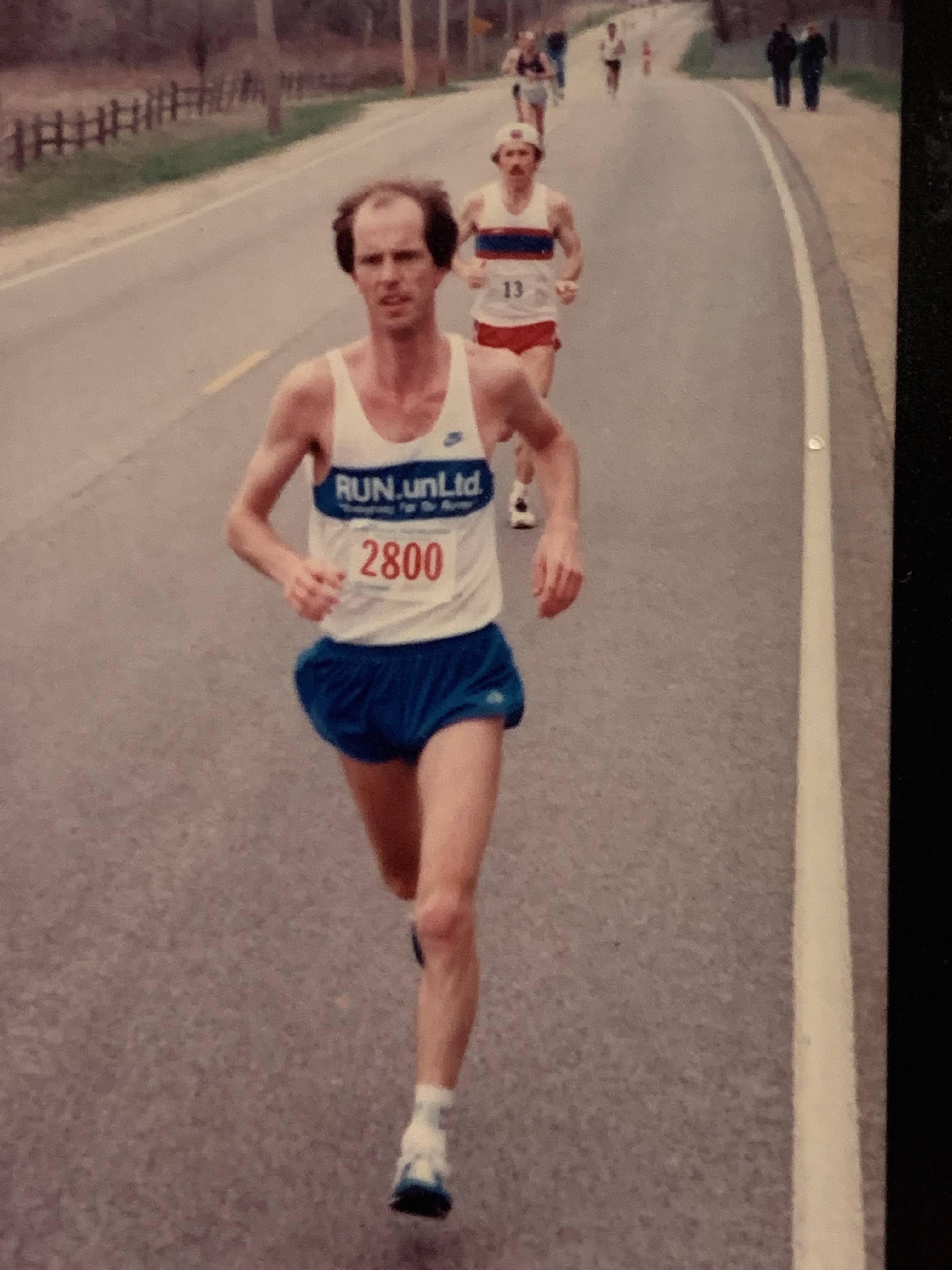

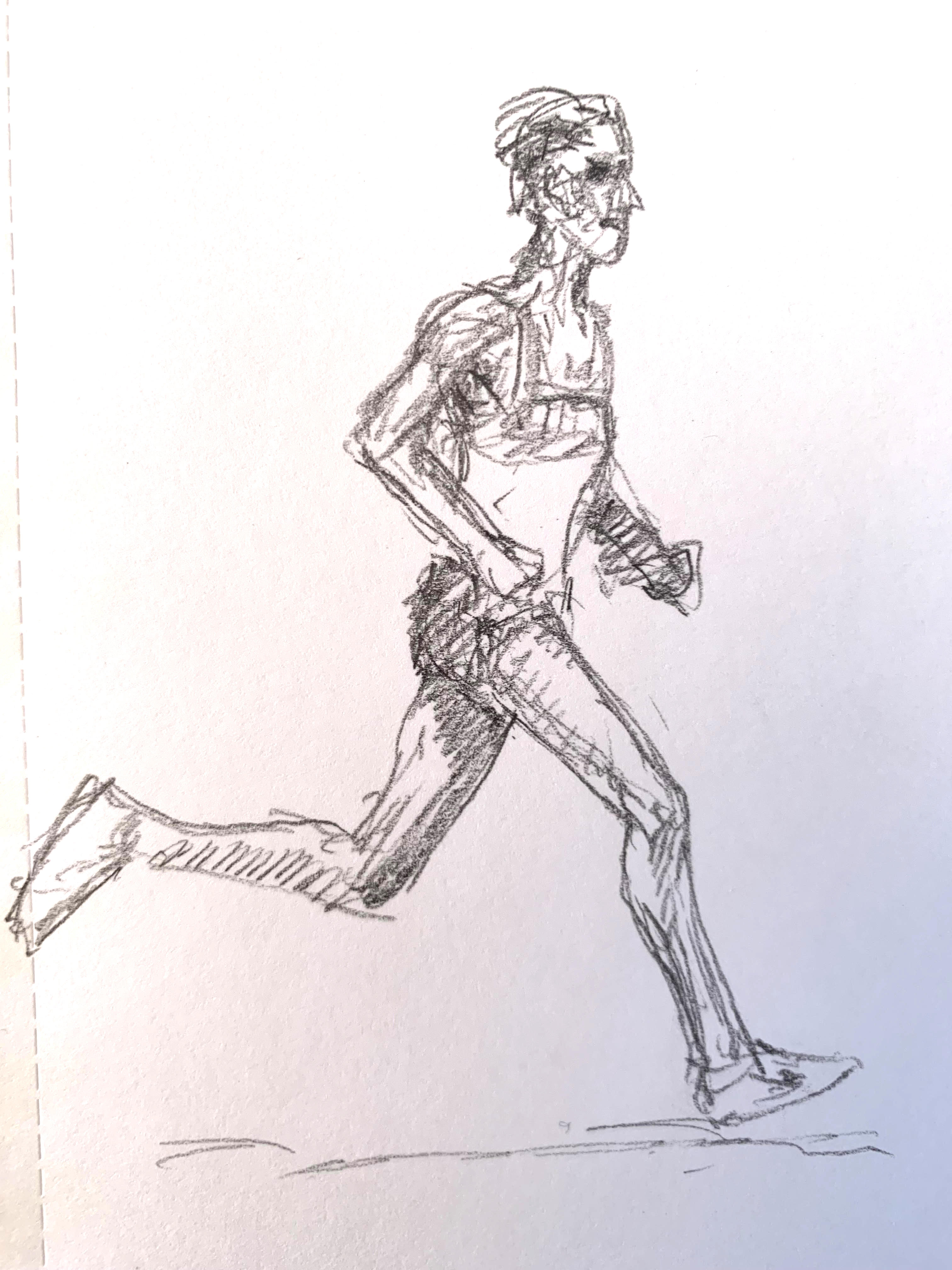
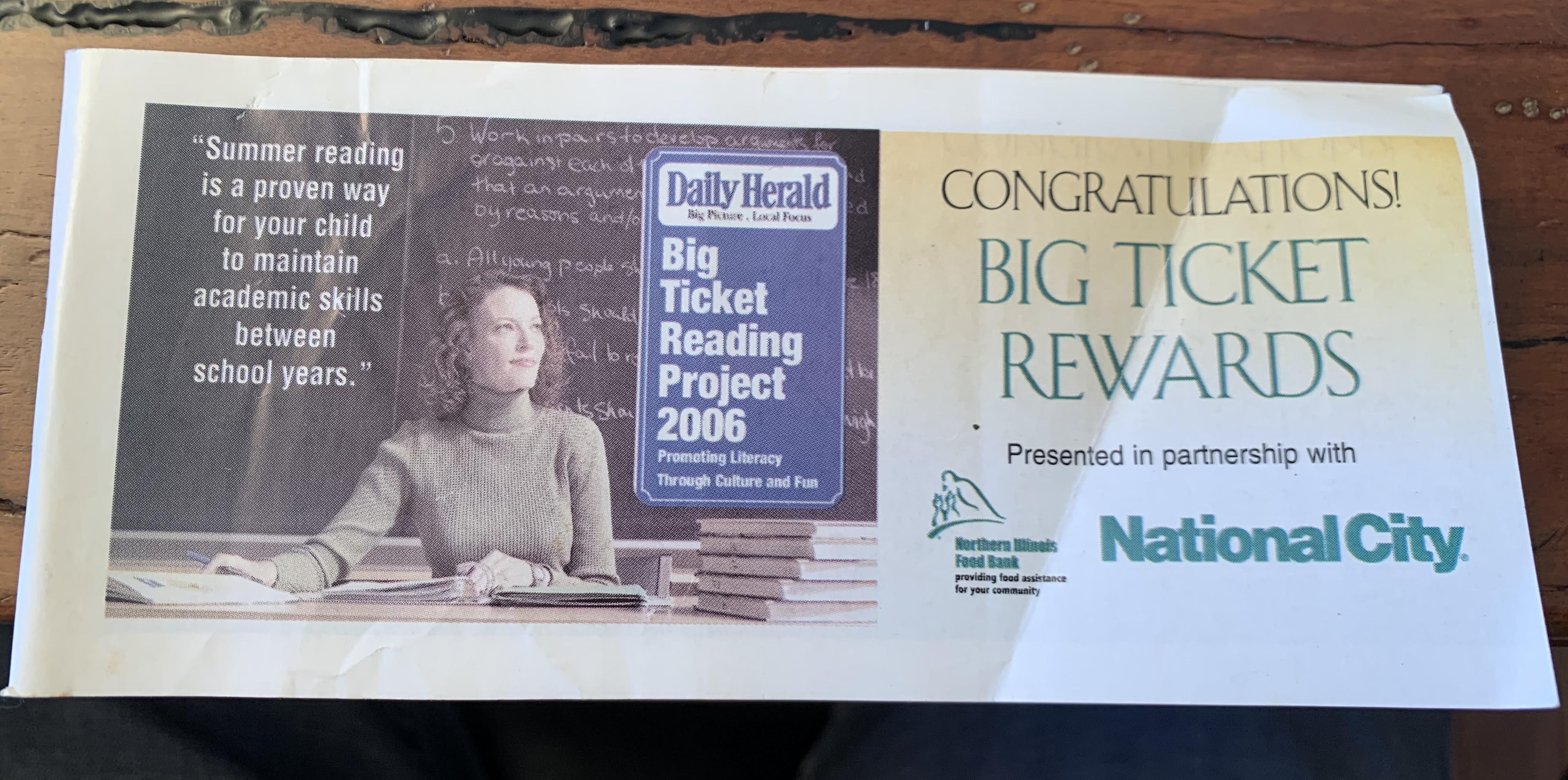


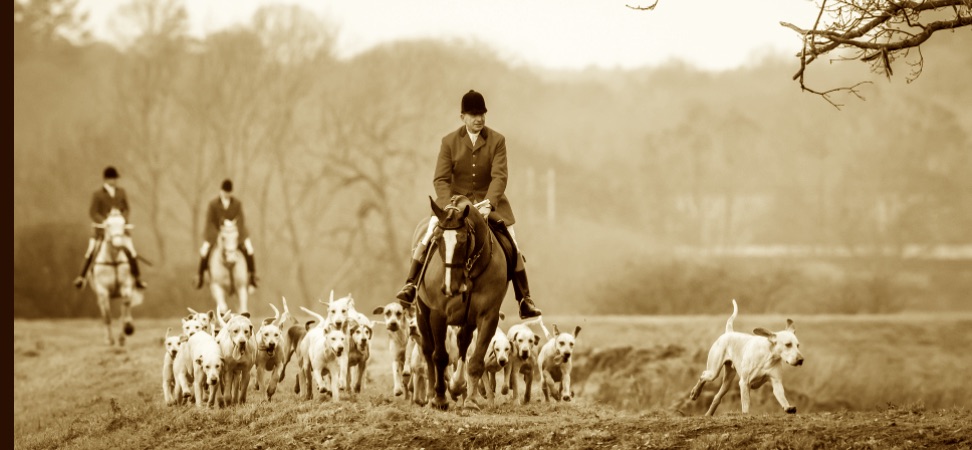


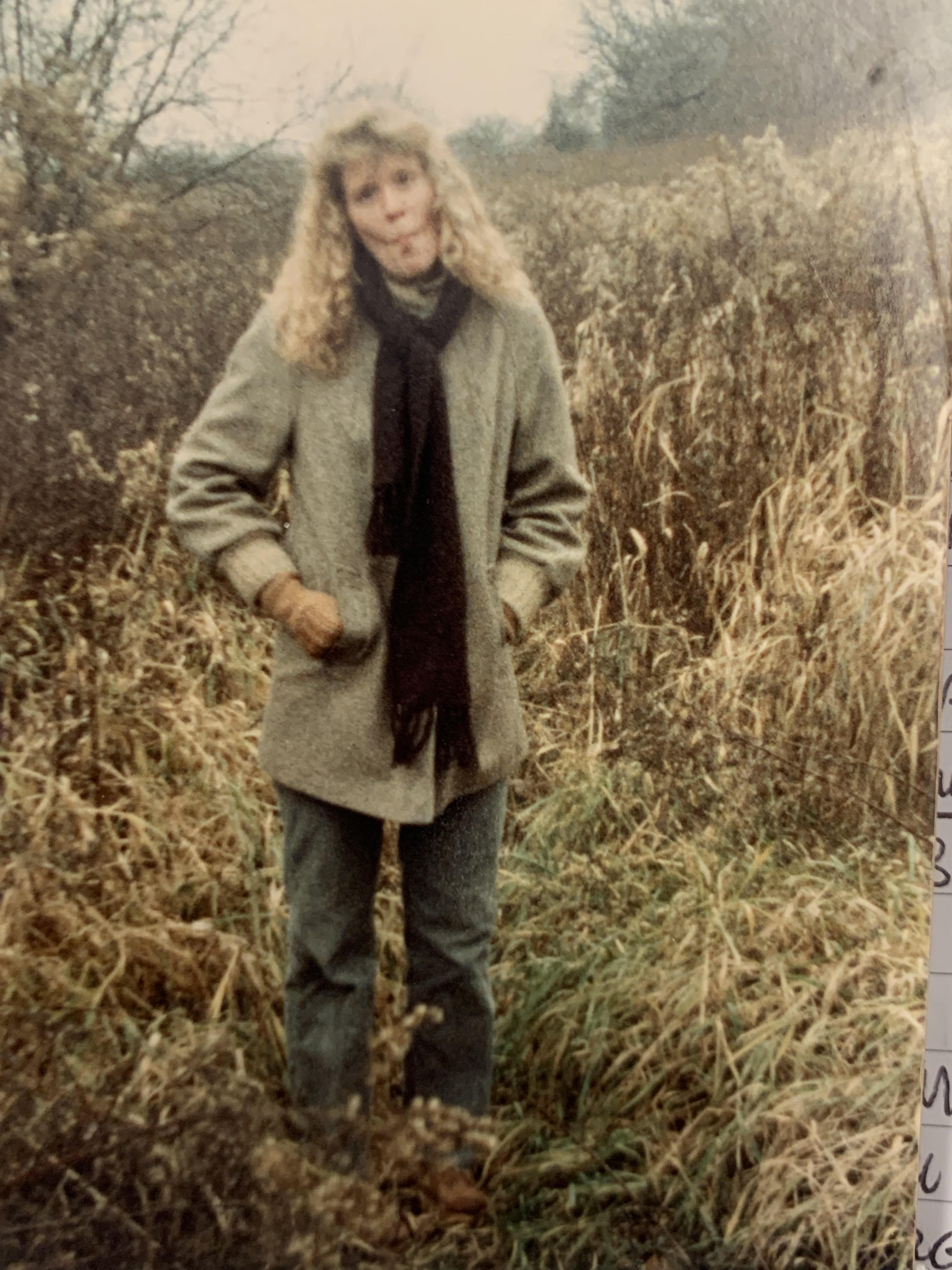
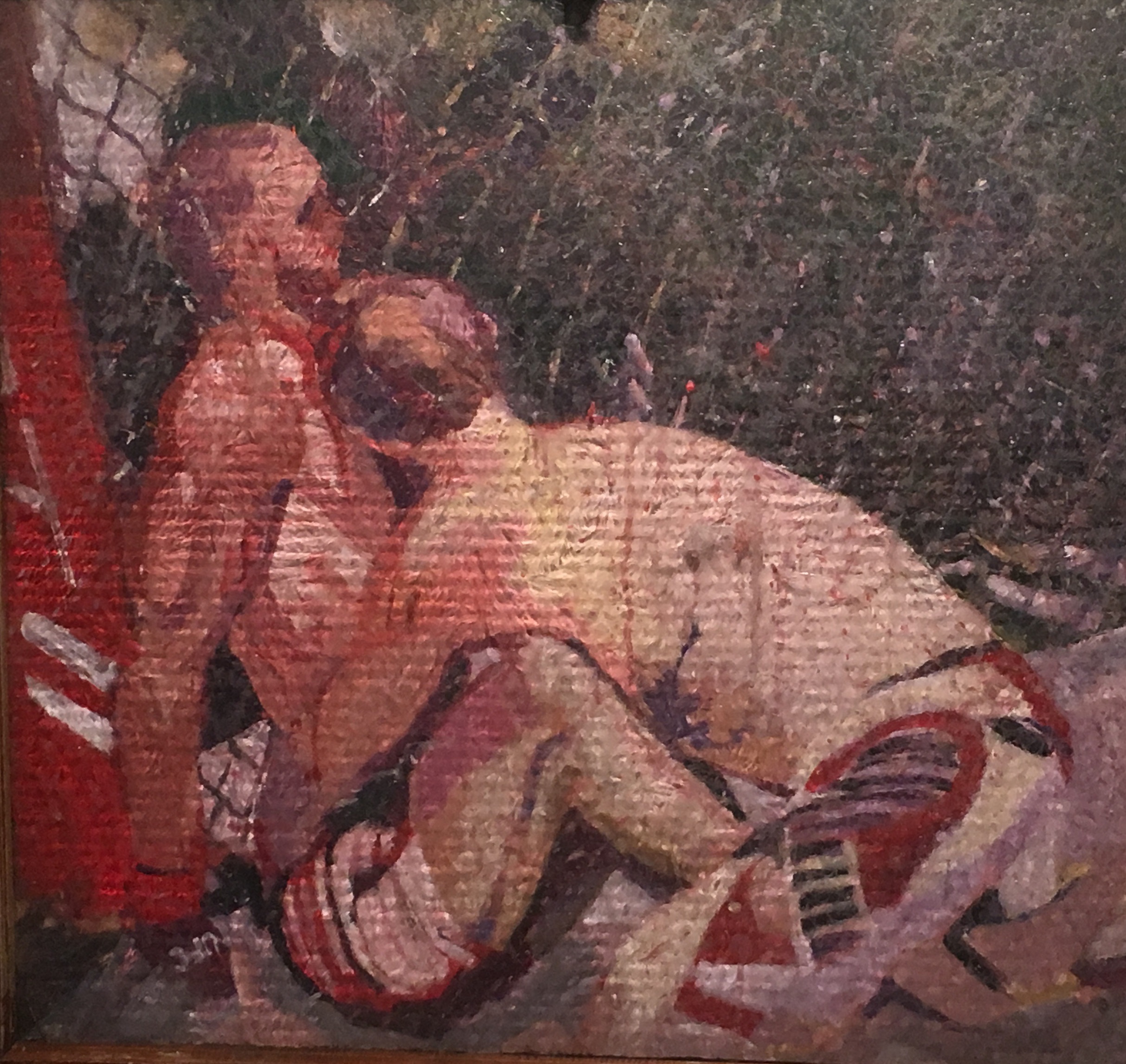
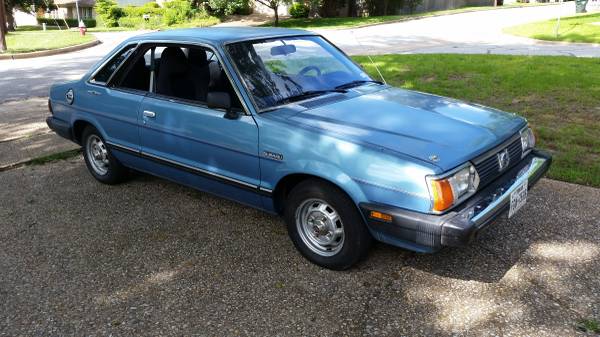
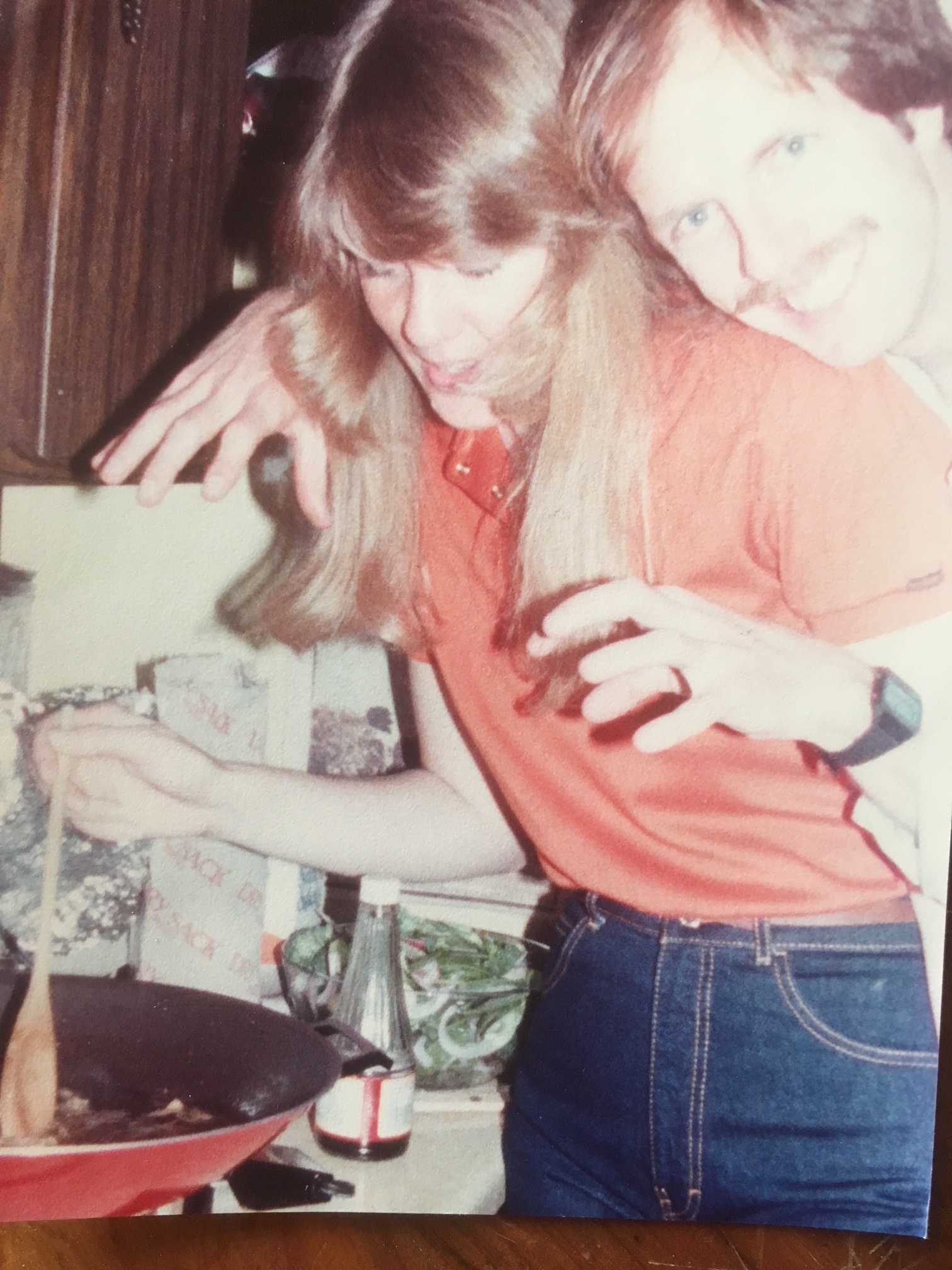

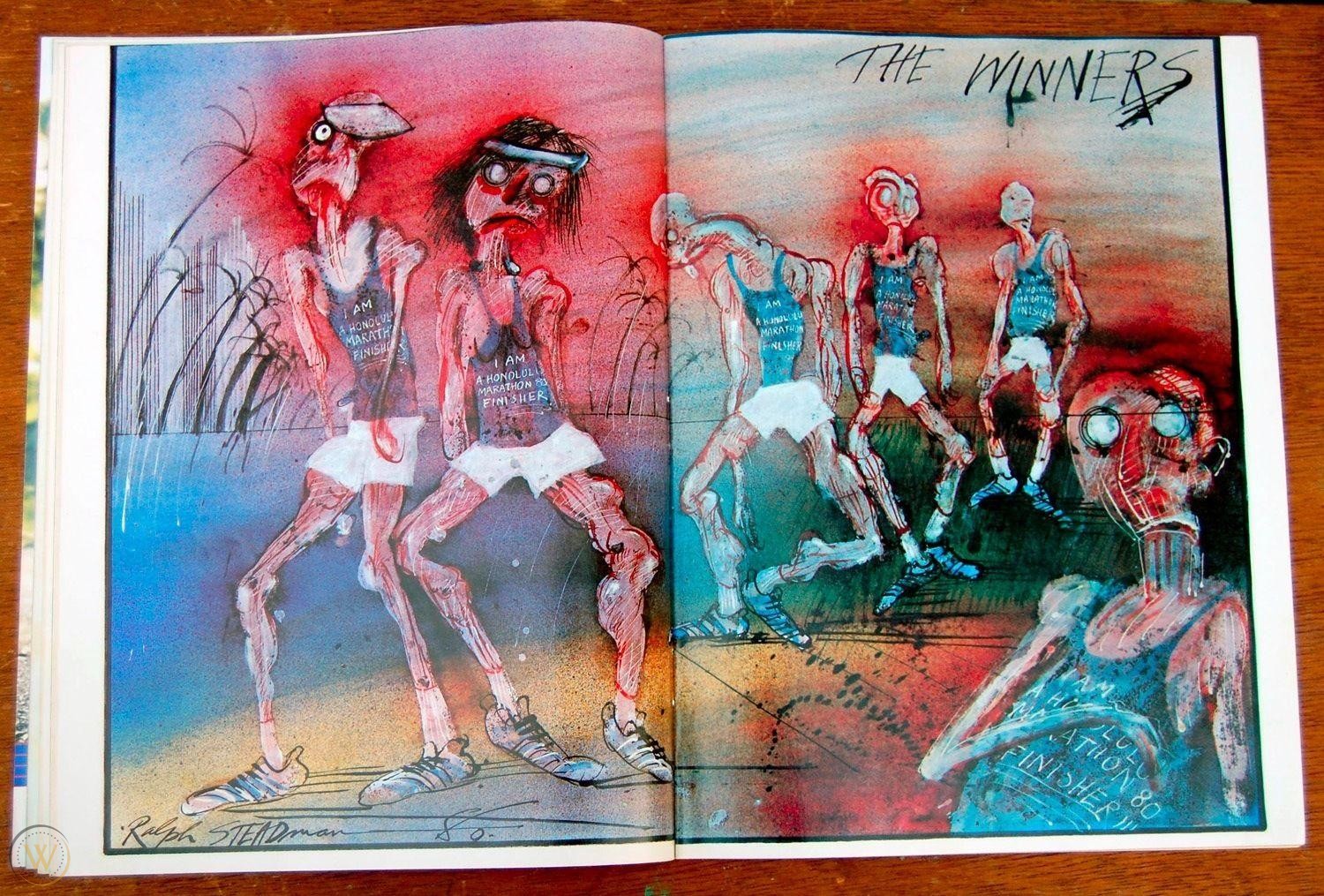
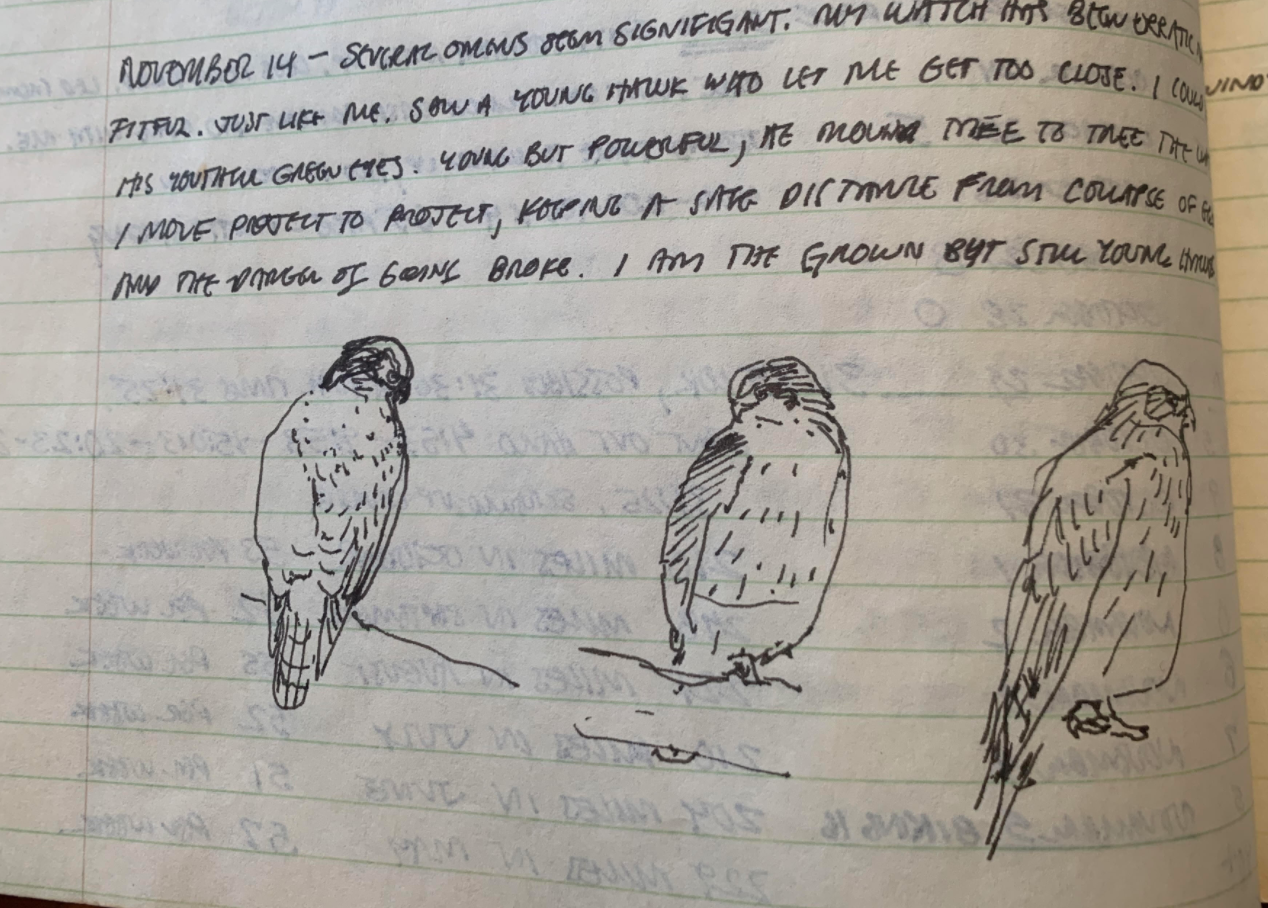
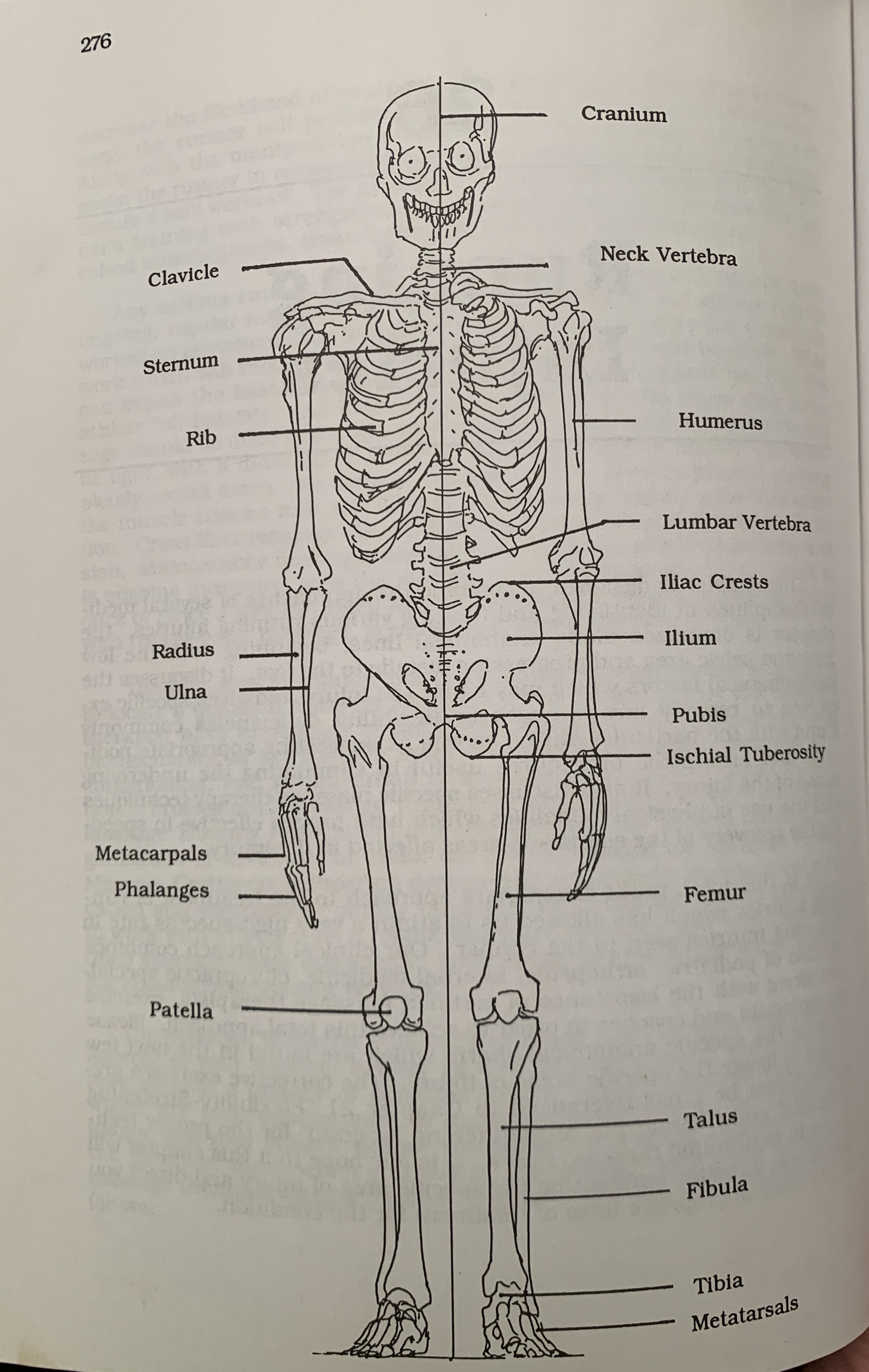
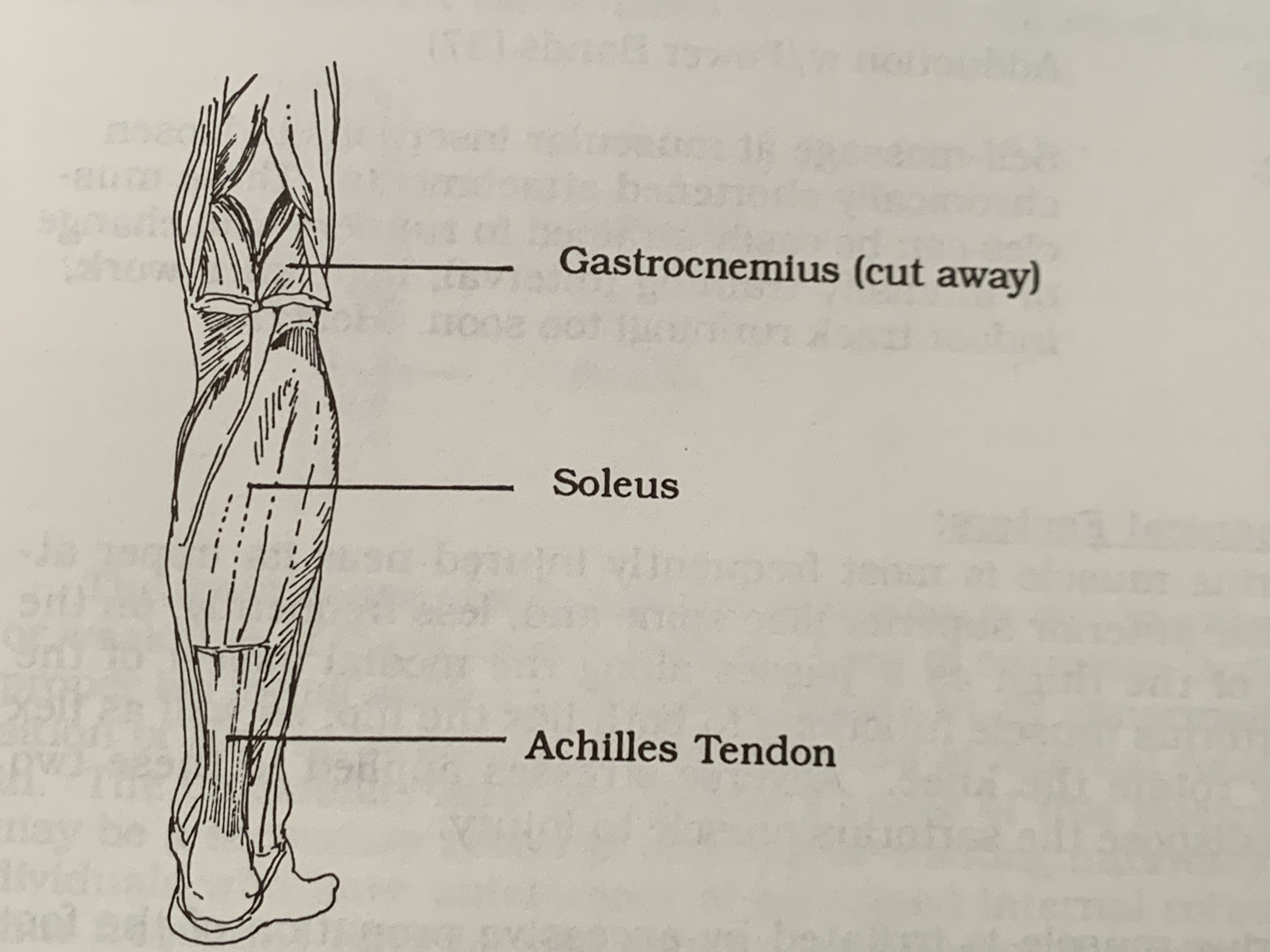

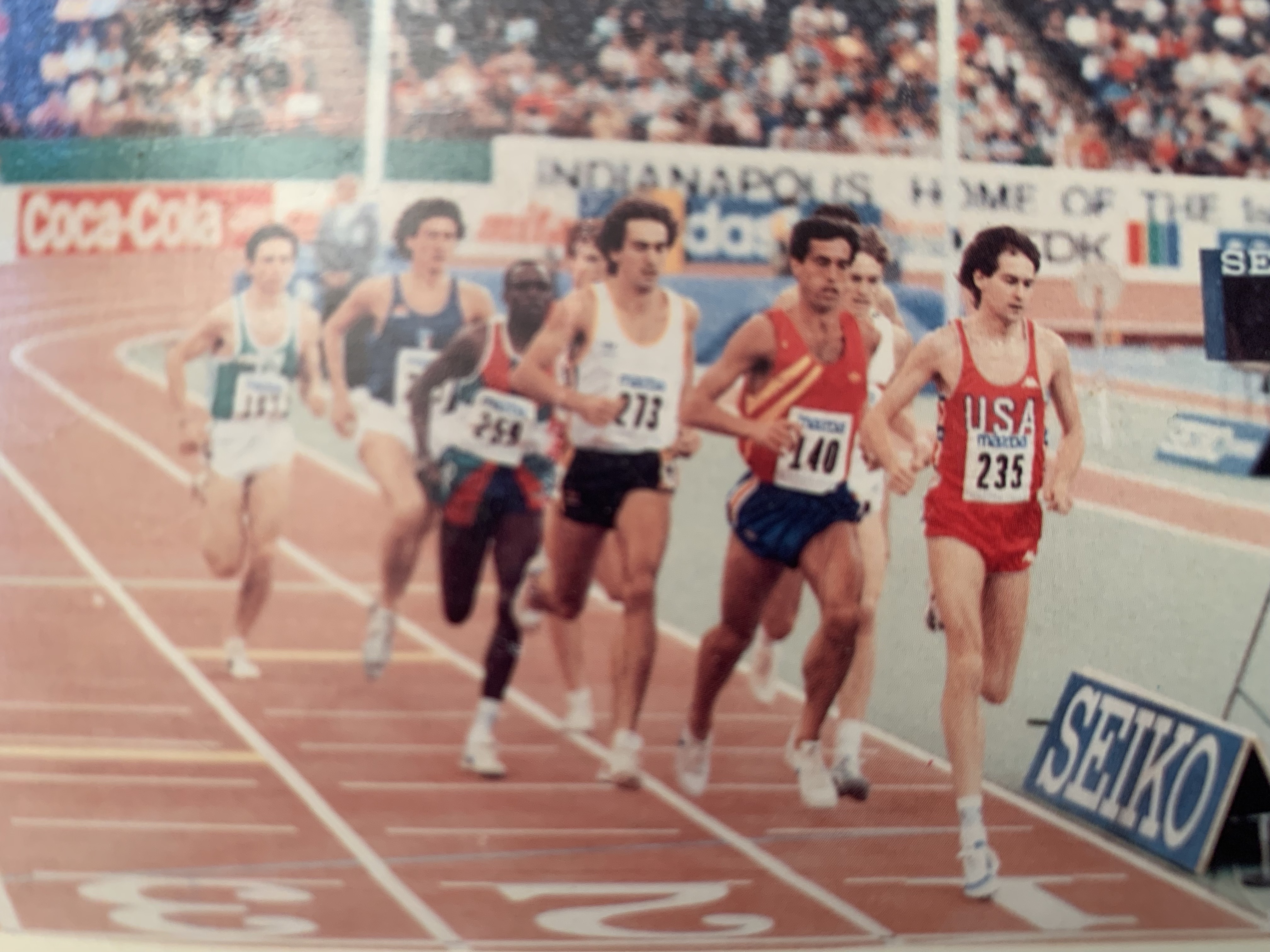

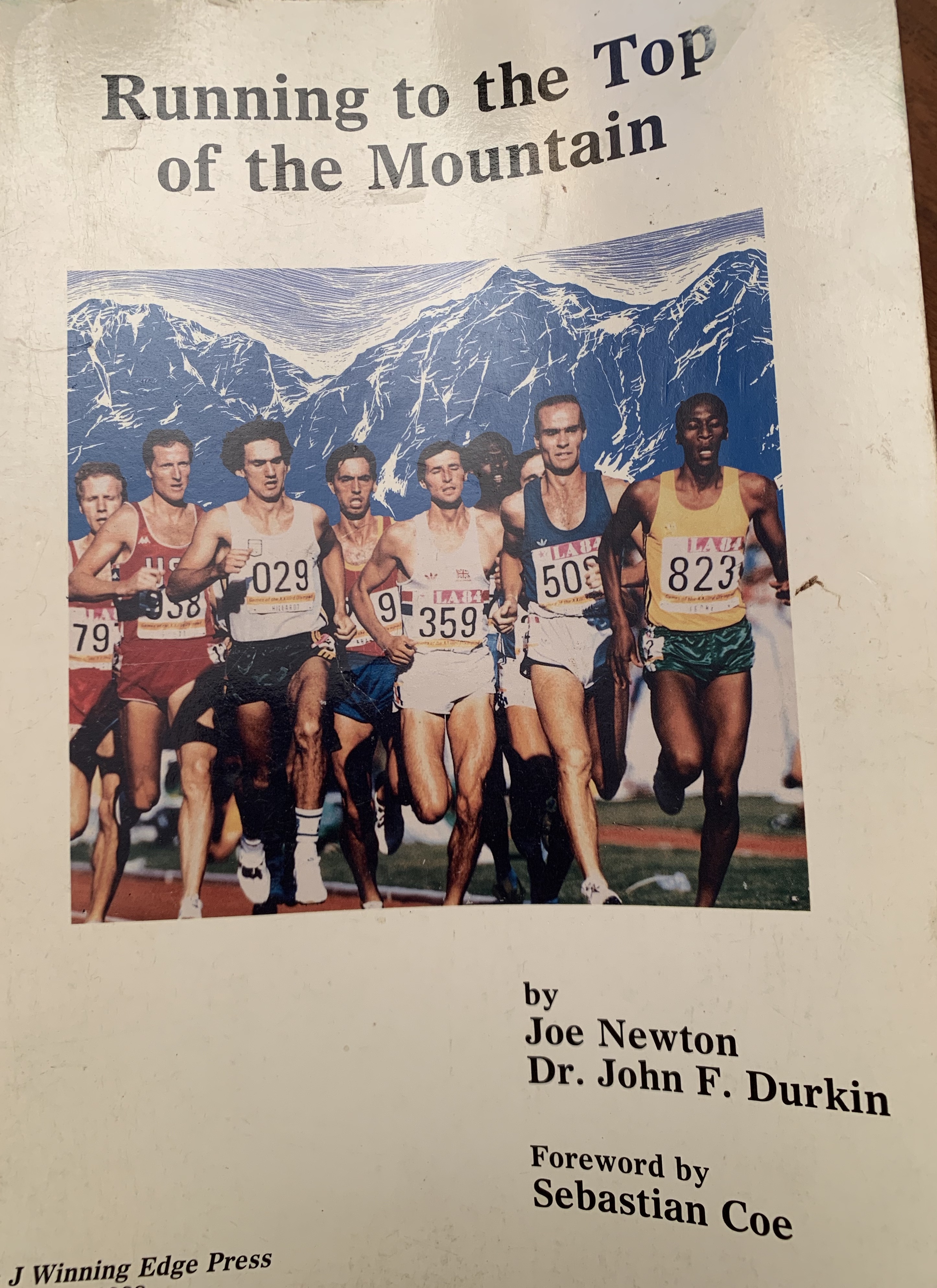




 We Run and Ride