 There’s a meme that says Running Is Cheaper Than Therapy. And that’s generally true. But at the price of $150 per pair of shoes, it’s getting to be an almost even competition.
Cycling is perhaps cheaper than therapy, and swimming too. They all have their costs. But it’s the benefits of better mental and physical health that we seek. So it’s a fair tradeoff in almost every case.
I’ve done perhaps 50,000 miles of running therapy in my lifetime. Cycling caught up to that number over the last ten years, and possibly passed it. Swimming is far, far behind and will never, ever catch up to either. But that’s okay. It’s easy to drown your sorrows in a short pool session.
All this running around trying to keep our heads together does do great things. It can relieve stress. It stim ulates the mind for problem-solving, enhances creative thinking and can release anger or other non-constructive thought patterns in a healthy way.
I haven’t done a ton of traditional psychotherapy, but there have been times when it has helped. In periods of great stress during my late wife’s long illness, I visited a psychologist at the Living Well Cancer Resource Center. Her name was Gretchen. She listened and gave me feedback on the emotions and fears running through my brain. It was quite helpful.
The methodology became evident. Get the patient talking about their problems and often the solutions are revealed. Action has to come from within the person anyway. Why not let them reveal their own problems, and help motivate them to do something about what’s bugging them?
You can see there is a natural relationship between endurance sports and therapy. Typically we all carry on some form of internal dialogue while we’re out there working out. Our therapist in these cases is either our own voice or that of a trusted friend (s). I know several people that have their way through divorce. Their running partner became something like a divorce counselor.
But what are some of the basic things you can (and should) learn from therapy about yourself? Here’s a little list to consider. Some of these are drawn from actual revelations borne of therapy. Others have evolved over time. I hope they help you understand the merits of therapy, however you go about it.
- The main route to functionality and even happiness in this world is to forgive other people and learn to forgive yourself as well.
- Find a healthy outlet for any anger and frustration you might feel and the objectivity you get from those activities to study the real, not the imagined source of your anger.
- When faced with numerous problems, take out a pen and paper and write them down. It will help you manage your thoughts and gain control and perspective over each situation. Then figure out which ones you need to solve first.
- Be careful with ruminative thoughts. Ideas or fears that constantly repeat themselves are a habit of mind that can close out rational thinking. They can also affirm tendencies toward anxiety or depression.
- Don’t be afraid to use prescription anxiety or depression medication. Some people are genetically wired to feel anxiety and depression as a constant presence. Using intelligently prescribed medication to manage these conditions is not a weakness. It is a show of strength and commitment to your own health and well-being.
- Listen. You don’t have to solve everyone else’s problems for them. A spouse or a child or a friend often just need a listening ear. You do not need to take on their problems for them. Be empathic, and be yourself. Showing consistency in your character is often the most important thing they are seeking from you.
- You know the saying, “Don’t sweat the small stuff. And it’s all small stuff.” Well, that’s not really true. There are genuinely big problems in this world. It’s more about identifying those bigger problems. These can also include issues from the past, such as abuse as a child, or difficult family situations. Again the best strategy is to start documenting some of these for yourself, and look for patterns. What keeps coming up? That’s what you should work on.
- Stop complaining. Complaint is nothing more than making excuses for your own fears or lack of motivation. Complaint toward others is also a lack of respect. Lack of respect breeds lack of trust. A lack of trust leads to loss of love. So learn to love, and work backwards from there. You’ll find that complaint tends to disappear, especially when you prioritize to show that love to others. Loving leads to giving. Giving leads to fulfillment and shared experiences. Life gets richer.
- Turn some of your problems over to the universe. Most of them go away within a day. Saying a prayer or letting problems go through yoga or some other transcendent experience is a highly healthy way to get rid of unnecessary baggage.
- Get out into nature. Nature is the ultimate stress reliever. When all else fails, even a bracing cold wind on a winter day can make you appreciate a warm coat, a warm car or a warm cup of hot chocolate. Nature gives you perspective. The secret in all this is that coming into contact nature is what we truly seek in our running, riding and swimming. But don’t forget to get off the bike. Walk instead of run. Enjoy the water for its own sake. Nature welcomes you. It’s how many people connect with the thing they call God. But that’s up to you.
And there you go. Free therapy advice for all those who run, ride and swim for mental health, yet seek a bit more background. Real therapists, feel free to weigh in if there’s anything I’ve missed.
Otherwise, LOVE LIFE.

 Athletes bear the extra burden of things to remember when getting ready to run, ride or swim. Forgotten items and preparations can lead to that moment when…
 The new Specialized Venge Expert is matte black in color. It has no cyclometer yet attached. When I ride like that, I feel free. Free to choose a route and not worry how many miles per hour I might be going. Or even how far. Free to accelerate for a while and not judge whether the speed I’m achieving is any better or worse than I perceive. It can be disappointing to think you’re going 28 mph and look down to find you’re going only 24.
 The matte black surface of the bike is also understated. There’s nothing so calming, or so succinct, as plain black anything. They say every woman needs a little black dress. They are simple, understated and show off the form without playing up the potential faults.
 Real athletes know that it’s the character of the person as well as the physical attributes that make them successful. We know that Kenyan and Ethiopian and Moroccan athletes thrive in long distant events because their cultures highly value success in these endeavors. Yet it’s not race alone that dictates that success. It’s training and hard work.
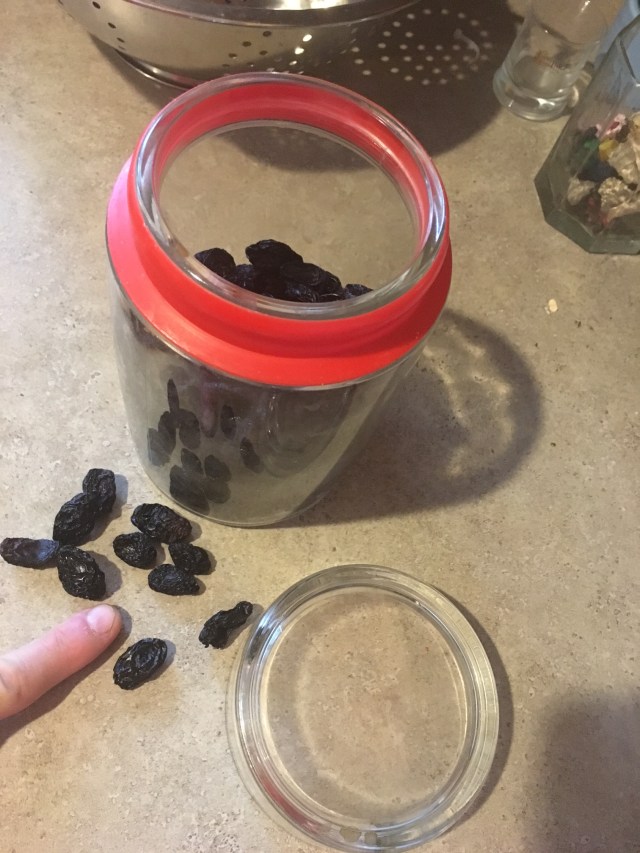 I’m constantly trying to find ways to eat a healthier diet, interrupted only by the occasional peanut butter cookie dough smash Blizzard from Dairy Queen.
 But yesterday I made the mistake of going to Trader Joe’s on an empty stomach. And you know what? I did really well. Stayed to the outside of the opening aisle where the veggies and fruits all lurk. Picked out strawberries, raspberries and blackberries. Loaded up with spinach greens, carrots and some spicy hummus.
 if not so, then earth has to being flat………SO,,, please see for yourself if people in australia are faling of bottom of “globe!” Good luck to you round-earthers refuting this one!”
 Moving all that stuff while cleaning out my father’s house this past weekend had a painful price. Yesterday the pain radiating from my sacrum was so intense it was impossible to jog across the lawn when the city worker opened the fire hydrant and started flushing water toward the couch I’d moved out to the curb in order to mow around it. I ran two steps and then stopped, catching my breath as the tightness clamped down.



 We Run and Ride