In the seventh grade at Martin Meylin Junior High in Lampeter, Pennsylvania, I lived for gym class. Sure, I loved industrial drawing, a class that taught me how to create perspective as well as paying attention to my craft. That teacher was a stickler for accuracy, and I loved it. That class also made me write in all capital letters and I quickly abandoned the carefully curated cursive I’d learned to begin writing in all caps.
I liked English well enough, too, because I liked writing. But I hated math, tolerated social studies and even learned some German at some point. I was a B student at best, but more often earned a C average to match my name. See, I also hated homework, and had some issues with ADHD. That made matters worse.
Beyond gym class and studies, there was a social network to cope with, and my only real goal in life beyond sports was getting girls to like me. Somehow I worked my way into the realm of the most popular kids and even got to attend some parties where we played Spin the Bottle. Every second of life was some sort of competition, it seemed.
In junior high, we got to go outside twice a day. Typically we’d play on the macadam area behind the school. There were several tetherball poles stuck into the asphalt, and there was a system to establish who got to play on what pole. Getting to play on the “A” pole was a sign that you were moving up in the world.
The eighth-grade kids typically dominated those A games. But as I honed my skills on the “lower courts” I developed a stinger of a serve that no one could return. I learned to drive the ball hard above the reach of the other player on the serve, then sent the ball even faster and higher with each strike of the tetherball on my side of the court. It was an unstoppable tactic as long as I hit that first serve correctly.
The A Game
Word got around that I couldn’t be beaten on the lower poles, so the invitation finally game to play the eighth-graders on the A court. Now, I’d built into one tough little kid from all those days playing tetherball in all sorts of conditions. If it rained, I loved it because I was unafraid to get wet and could absorb the sting with my hands. If it was hot outside, my endless endurance came in handy as most competitors would tire out.
That’s how it went from day-to-day and for a month or so. I kept on winning. I know that sounds like an exaggeration but that’s what really happened. I even ceased washing my hands to toughen them up. During that period my mother and father were so busy working they hardly had time to notice that their grittly little son was possessed of a working-man’s hands. The skin cracks were lined like sanskrit on a whale bone. My knuckles too. I could strike the tetherball hard and hardly felt it. I was, you might say, “all in” on tetherball.
If it happened that someone actually caught hold of my serve and sent it back in the other direction, my fighting spirit took over. I transferred the anger I’d previously directed toward punching others in fights into striking that tetherball. It was cathartic, wild, and I was obsessed with winning.
Having worked all the way through the eight-grade players that wanted to challenge me, a set of familiar faces began showing back up in the line. All were equally determined to claim that they’d beaten the upstart 7th-grader Chris Cudworth. Eventually, it got tiresome and stressful to keep up the win streak.
Are you not entertained?
One of my classmates joined me in the mission to prove we were the two toughest tetherballers in the school. He ceased washing his hands as well. On the way out to the playground, we’d compare knuckles as we walked out to the courts. We smiled in the knowing way fellow warriors do. If we went down fighting, that’s all we cared about. Perhaps that’s why I like movies like Gladiator with Russell Crowe. He starred as General who turned into a slave, a slave who turned into a gladiator, and a gladiator who challenged (and killed) an Emperor. To me, that plot is not about being an underdog. It’s about recognizing that you were never a sorry sort in the first place. You need to be determined espite how other people try to make you feel, or seek to control you. Then you go out there and do your best. And realize that often you’ll be quite misunderstood, about which Maximus screamed after slaying an entire arena of gladiators. “Are you not entertained?”
Tired of battle
Yet even eager warriors tire of battle. And as the weather started to warm in spring and the baseball season beckoned, I wanted to be rid of the tetherball streak. I’d had enough of the pressure of having to win every day. The other kids were mad at me anyway. They told me I was a “court hog.” That didn’t feel good at all.
One day I walked out with Ed and turned to him and said, “I might try to lose today.” He stopped for a second and said, “Are you sure?”
“Yeah,” I told him. “This has gone on long enough. I kind of proved myself. The grass is getting green and I want to play baseball now.”
The trick, I felt, was to lose to a player good enough to possibly beat me but not make it obvious I was trying to lose. Nor did I want to let some cocky jerk beat me with the possibility that he’d never let me live it down. So I looked down the line and chose a kid that I liked well enough to lose to. When he came up to play, I purposely didn’t look him in the eye, but gave the ball a lower arc when I struck it and sure enough, with a quick response he sent it back my way.
It happened far faster than I’d have liked, but after two volleys he got that ball going faster and high enough that I could not return it. When the ball wrapped around the top of the post a giant cheer went up on the playground.
“Cudworth lost at tetherball!” someone yelled.
I walked off pretending to be mad but secretly I was relieved beyond belief. Ed met me shortly after. He’d lost as well that day, but never told me if it was on purpose. We stood out at the edge of the playground where a few people came out to console us, but we both just smiled and said thanks.
The next day I brought my baseball mitt to school and ran out to play 500 with the rest of my baseball buddies. A few mentioned the whole tetherball thing, but I ignored them and smacked my hand in the mitt softened with Neatsfoot oil. Then I stood there smiling at the fact that I’d washed my hands the night before. They didn’t need to be so tough to catch and throw a baseball. I’d learned that the will to win at any cost really did have a price. But you can trade it in.
Death smiles at us all
I think about the quote that captured the spirit of Maximus in the movie Gladiator: “Death smiles at us all, but all a man can do is smile back.”
When we lose at something it can feel like a small death. But when we accept losing because it is part of life or even embrace losing as a means to move beyond our present circumstance, that is smiling back at death. It’s hard to admit, but that’s a lesson most of us have to learn time and again. It certainly was the case with my distance running career, where a win one week was no guarantee of a win the next. As the saying goes, you’re only as good as your last victory.
Yet it is also true that we are only as good as what we learned from the last loss. We live sometimes because we choose not having to win all the time. That’s an important moral lesson in the present age, and for all times.
By the time I reached sixth grade, I’d earned a reputation as one of the better athletes in the grade. I recall being invited to a basketball clinic at the high school where the coaches took a first look at the kids coming up through the ranks. Already I was a flashy ballplayer, dribbling between my legs and doing pump layups, spinning the ball on my finger and shooting from the shoulder. My skinny arms were not yet strong enough to shoot a jump shot from the forehead, but I’d get there eventually.
For all that prowess in basketball and baseball and even soccer for that matter, the chip on my shoulder was still pretty large. Perhaps it was the products of a father-son relationship that tipped back and forth between encouragement and exasperation. The teasing and competitive trysts with my brothers didn’t help my self-esteem either. Nor did native anxiety as a nail-biting kid afraid that someone might not like me.
It all came to a head in a sixth-grade class when a kid pointed the projector at my face and it hurt my eyes. I got angry first, then cried in frustration, at which point one of the prettier girls in class muttered to another, “He’s such a sissy.”
That was enough to drive me to prove her wrong. I started picking fights on the playground and my reputation for fighting drew until this tough kid named Davey found out about me. “Meet me in the deep end of the Meadia Heights pool,” he told me one October day. “We’ll see how tough you are.”
The pool was empty for the winter, so the scene of the fight was going to be rather epic. Frankly, it scared the hell out of me. Plus Davey was a bit creepy-looking with a big head of black hair, super pale complexion, and really red lips that made me uncomfortable just looking at him.
The day came for the fight and I was supposed to meet him at noon in the pool. At 11 a.m. I was bragging about the fight before playing basketball with friends and a neighbor kid who was a year or two older than me grabbed me by the shirt and said, “You’re not going to that fight.”
Now, as nervous as I was about fighting the tough kid Davey, I was even more scared of the friend that grabbed my shirt. He was a little nuts as I recall, playing basketball in his socks most of the time, for what reason we never really knew. In any case, I backed off and the neighbor kid went to the fight in my place.
He returned a half-hour later with blood all down the front of his white tee shirt. He walked over to me and said, “That’s the last time you agree to a fight,” he said, pointing at his shirt. “Davey pulled a knife on me, but I knocked it away and beat the piss out of him. This is the blood from his nose,” he said, jabbing himself in the chest.
And from that point on, I ceased the fighting.
That was a big relief because I no longer felt the need to prove how tough I was. I’d learned to assume that there were always going to be kids tougher than me and that I’d meet them eventually if I kept on fighting. In fact, I didn’t punch anyone else until my senior year in high school when a kid named Kevin got so rough during an intramural basketball league that he flipped me over his back at one point. I jumped up and jacked him flush in the eye. He took a swing back that I ducked. Then I ran out the gym door all the way home through twenty-degree weather in just my basketball shorts, a tee-shirt and Converse All-Stars.
That night, the guy I punched called me at home (it was easy to look us up in the phone book back then…) and told me that he and his friends would catch me at school the next day and beat me up. So I stayed home from school on some excuse and the whole thing blew over.
I’ve dug through my youth as you can appreciate, and understand the reasons why I got so full of myself with anger at that age. I didn’t know how to handle some of the challenges of being raised by a dad with a bit of anger within himself. My dad was a really great guy, but he was also a bit presumptive about his own interests at times, and when his kids refused to help out around the house it really got under his skin. That’s when things got dicey for us, and that day that I watched him whup my brothers in front of me stuck with me for many years. I was traumatized, and the manner in which I acted that out of myself was to engage in violence too.
It can be much, much worse than I ever had it. Some kids endured regular beatings back in those days. Ours were relatively rare, or at best occasional. Most of my youth was joyous, filled with fun and laughter with my family and friends. But depending on how you’re wired, the worst part of an upbringing can determine a whole bunch of your outlook. For this Competition’s Son, it took years to work through those issues and find a form of self-esteem that was sustainable.
And I thank God that my dad nudged me into running. I’m not sure he understood exactly how good it would be for my anxiety to have a sport that tired me out, let me think on the run and built lifelong friendships, but that’s indeed what took place. I guess there were hints prior to ninth grade when I actually went out for high school cross country. Even in youth baseball, the coaches couldn’t believe how fast I could run practice loops and leave the entire team behind. They made me do extra pushups to slow me down so the other kids had a chance.
In seventh grade, I ran a 12:00 time trial in gym class and covered 8 1/3 laps, a pace under 6:00 per mile run in flat gym shoes on a thick cinder track.
My skinny frame cried out for a career as a distance runner. I took crap from my brothers and everyone else for being so skinny all those years. But I turned that weakness into a relative superpower. Granted, I was never a state champion or an individual All-American in college, but I did wind up leading the Luther College cross country team to a second-place NCAA Division Three second-place finish, competed three times in the national track meet in steeplechase and went on to win plenty of road races after college. I had a fun and largely productive running career. Nothing to complain about.
But after that day that we placed second in the nation, after the race, I walked over to hug my father for all that he’d done for me. That’s when the healing began. It would take years to fully recognize the depth of my personal issues, and I did wake up pounding the pillow one night at the age of twenty-eight years old. That’s when I finally understood that there was some anger I needed to purge and relinquish from my soul.
We’re all effectively in a competition with ourselves to find ways to let any bad things go and embrace the good in this world. We all go about that process in the best way we can. I’m grateful to have had help in that endeavor along the way. I’m also glad to be the recipient of some honest advice about who I am. Nothing can replace the value of that type of insight f you can handle it. That’s our job as human beings, to absorb some of the criticism and turn it into positive action. The formative experiences of youth carry through our young adult and adult lives until we finally make sense to us.
I hope that makes sense to you. If it does, please share aspects of your own journey if you have a moment to jot them up in the comment section below.
Pitching for the Blue Goose baseball team in the summer of 1973. Record: 7-1.
Nothing mattered more to me in elementary school than the playground. After sitting inside the classroom for a couple hours, we’d be released to go outside the do the things we loved.
We played kickball on the macadam behind Willow Street Elementary school. The “bases” were not traditional in any sense of the word. In fact, the “field” was a rectangle, not a diamond or a square. That meant the run to first base was longer than the distance between first and second. The run the third was also long, and the run from third to home was short.
We accepted those aberrations as part of the deal. But the most interesting part of that field was the tall metal swingset in left-center field. Any ball kicked over the swingset was an automatic home run. We kept a careful and accurate tally of the home runs we kicked, and in third grade, I led the entire school in total home runs. Every day I’d race out there eager to kick another home run. I could sense the right kind of rolling pitch that allowed me to connect with ferocity and full might. The reddish kickball with its classic starburst patterns molded into the rubber launched from my foot in a satisfying arc.
Then I’d trot around the bases triumphantly and get back in line with the team “at bat” and hope for another shot.
We’d move out into the field to play defense and I was merciless in gathering up kicked balls and striking other players with the ball if they came within range trying to get another base. One day a heavier kid named Jimmy was trundling along between second and third base when I scooped up a grounder kicked by his teammate. I gathered the ball up and threw it hard right at his head. He wasn’t looking and the kickball hit him flush in the mouth. He stopped for a second, grabbed his mouth, and then blood started gushing through his fingers.
He’d bitten clean through his tongue. I stood there shocked and a bit disgusted that he wasn’t paying attention while running the basepaths. Because that’s how I judged the world. If it was tough on me, I reasoned, it was tough on others too.
Jimmy was taken to the nurse’s office that day. He returned a week or so later and was sitting in the cafeteria during lunch hour poking a pencil through the hole in his tongue to show the other kids the extent of his injury. He looked up at me and yelled, “You didth thith to me!” I didn’t think he was supposed to sticking pencils through his tongue according to medical directives, but there he was, sticking out his tongue jabbing the eraser end of the pencil up from the bottom of his tongue while the other kids laughed and gagged at the sight of it.
I never learned if Jimmy’s tongue healed properly or not. To my way of thinking, it wasn’t my problem if he wasn’t paying attention during kickball.
No quarter
I wasn’t exactly immune to injury myself on the kickball field. Quite often I’d bong my head on that swingset while trying to run down a possible home run kicked by another player. I’d smack my head on the metal post and get a big goose egg on my forehead for the trouble. The first few times it happened the school nurse called my mother. After a while, my mom stopped worrying about me and told them to just stick ice on it. I’d go back to class with a big ice pack pressed to my head. The teacher would just shake her head at me.
The same sort of ferocity ruled my brain in the game of dodgeball as well. As a skinny, agile kid I was always one of the last to get hit during dodgeball. But I truly relished nailing other kids with the ball as I threw hard and accurately thanks to my almost perpetual practice of throwing some kind of ball.
By the time I was in sixth-grade my arm was so deadly that I almost felt bad the day I nailed some pale kid in the arm during our first game of the season against a team that was never any good in the Lancaster baseball league. A kid was crowing the plate and a hard pitch hit him in the back of the arm where the bare skin was exposed. The game stopped because he started crying, and I felt bad and walked in to check on him at home plate. The seams of the baseball left a bright red imprint on his arm. The umpire sent him to first base. I was mad that he’d gotten a walk so I kept an eye on him at first. The moment he stepped off the bag I spun on the mound and picked him off at first. It was a merciless move but to me it was the right thing to do. “Stay away from the plate,” I muttered to myself on the mound.
Once bitten
I kept hurting other kids wherever I played the game of baseball and other sports. But sometimes I got hurt myself. One afternoon in elementary school I was playing catcher when a kid popped up the softball in front of home plate. I jumped out of the crouch position and ran out to catch it. Our pitcher ran straight in from the mound and was looking up at the ball when his front teeth nailed me in the face. He happened to have buck teeth and they gouged me below the eye. Blood s started running down my face. Despite the collision, I’d caught the ball and stood up to yell, “You’re out!”
All that playground violence came to a horrible head when we were playing softball in a 6th-grade inter-class championship. Again I was playing catcher because it enabled me to control much of the action on the field. This time when a short popup came off the bat of an opponent, I caught beside home plate and turned to see the runner at first tag up and start running toward second. That was a smart move on his part, and I wound up and threw an ice-cold liner out to the second baseman.
He was a friend named John, and I reasoned he could handle the throw. But at the last second, he must have not known it was coming so fast and moved his glove aside to check. The softball struck him hard in the face and he went down in a heap. He was knocked clean out, but that was not the worst of it. The paramedics arrived and moved him onto a stretcher for a trip to the hospital.
My teacher Mrs. Cooper pulled me away from the field and took me inside Hans Herr Elementary. She asked me a question, “Why do you always throw at the head?” she wanted to know.
I’d never thought of that. But I did. I used people’s heads as a strong target point for every throw I made. All those days I spent throwing the ball into the pitch-and-catch net at home gave me deadly accuracy. I could kill birds with stones and even took out a rabbit or two by the age of ten years old. In fact, I had a disturbing desire to kill things at times. Years later I’d come to realize that all that fearsome accuracy was the product of a kid with some wounds deep inside him. The sometimes harsh treatment at home had a release point, and that was my right arm. With that right arm, I could control much of the world around me. And the right foot, too.
Sadly, I learned that the player I hit in the baseball with that softball that day suffered a detached retina. The accident required surgeries to fix, and that made me feel genuinely bad at having caused someone genuine harm. Perhaps as karma for that early incident, in my early twenties, I found out that I had a retinal detachment likely caused by rapid onset of astigmatism. What goes around, comes around.
Right arm to right at them
Watercolor painting of Christopher Cudworth by Christopher Cudworth
That same right arm shot thousands of baskets at the neighbor’s court. I could throw footballs long and straight, with that satisfyingly clean spiral that delivered it into the hands of a receiver. I won the local Punt, Pass and Kick contest and thought I’d become a quarterback someday. My father thought better of that and sent me out for cross country instead, where I made the varsity as a freshman. Father knows best.
By the time I finally gave up “ball sports” for running, that right arm was absorbed into my body like the tail of a tadpole sucked into the body of a frog. It fueled my competitive spirit for miles and miles.
And yet, my right arm wasn’t entirely done in my athletic career. During an intramural Superstars competition in college, one of the events was the softball throw. I lined up and tossed it more than the length of a football field, past three hundred feet. When the measurement was announced, the other competitors launched into complaints that the throw was mismeasured. That angered me fiercely. “Fine,” I told them all standing there. “I’ll throw again.”
I stood there for a moment shaking with anger. All my life I’d faced that kind of doubt and criticism. My father and brothers often teased and snarked about my athletic ability. In that moment with that softball in my hand, my whole body became the angry right arm of my being. I ran a few steps and heaved that goddamn softball even farther. It soared a few feet past my previous mark and the group around me went silent.
I know that story sounds fantastical. What 140-lb runner could throw a ball that far? Looking back, I wonder about that myself. But I also wonder how I could run 5:00 miles for miles at a time. The vigor of youth is a mystery as you age. All I know is that I won the Superstars competition that spring, and gladly collected a football jersey with the name CUDWORTH printed on the back.
It’s a bit hard to describe just how competitive I became at an extremely young age. The drive to keep up with my brothers was one motivator. The desire to prove myself to friends was another. Every moment that I was alive, other than wandering the woods or studying nature in some other way, I was competing for attention or approval. To do that, I tried to win at every turn.
There were exceptions to this rule. I did not like to compete at anything that bored me, or that offended some sense of fairness or justice. Sometimes those two disinterests combined. That happened when our second-grade class was enrolled in an SRA reading contest. SRA books were pamphlet-sized reading material published by some entity that thought it knew what kids would like to read. I was a good reader at a young age, but if the subject didn’t grip me, the gig was up. I’d stop reading.
Such was the case with the SRA books. For some reason that I can’t precisely recall, I got into the second section of required reading and stopped. Each section was color-coded and likely represented different levels of reading as you went along. The teacher was tracking our reading progress with ships that we’d made out of construction paper. Our ships started at the front of the room and navigated the blue waves (also construction paper) circling the room. By the third week or so, most of the ships were at the back of the room and mine was floating along far behind.
Then one day when school was almost over my mother showed up to meet with the teacher. My mom was an elementary teacher that loved to teach reading. She also knew that I was a quite good reader as I pored through books even during summer vacation. One of my favorites was a tale about a stray dog named Ribsy. The book was written by Beverly Cleary, and is described this way online:
“Good ol’ Ribsy’s ever-curious mind has always gotten him into scrapes, but this time he may have gone too far. After a comical turn of events, Ribsy finds himself in the wrong station wagon with the wrong children. Ribsy will do anything to find Henry, but there’s plenty of excitement to be had along the way—and scoring a touchdown for a local high school team is only part of the fun!”
I liked the story because it appealed to my own sense of “being different.” Our family didn’t own a dog, but I loved the idea of a dog so devoted to its human friend that it would do anything to return.
Lagging behind
My mother and the teacher sat me down and pointed to my ship on the wall. “Chrissie,” my mother asked. “Why is your ship so far behind the others?”
Thinking fast, I looked at my mother and told her, “I’m waiting for the others to come the whole way around and then I’m going to beat them!” Deeply satisfied with my quick retort to a question I did not want to answer I sat back in my seat hoping that would be the end of it.
No such luck. “Chris,” the teacher responded. “What’s the real reason you stopped reading?”
Again I was fast on my feet with a reply that wasn’t entirely untrue. I paused at first, then admitted: “I don’t like the color of the section we’re reading.”
My mother and the teacher looked at each other for a moment. I’m pretty sure they were trying not to laugh. Yet they were also genuinely concerned that I was two-for-two in giving evasive answers.
The teacher wanted to help. “Are the books too hard?” she asked. My mother winced a bit at that suggestion and sat back. She knew that wasn’t true.
“No,” I answered honestly this time. “They’re toooo boring.”
“Ohhhh,” the teacher inquired. “What’s boring about them/”
“I don”t like the story. Nothing’s happening in it.”
This caught my mother’s attention. She knew that I liked action in everything I did. She also knew that I was quietly observant and not afraid to concentrate on details, if they were indeed interesting. I sometimes drew for hours at a time. She inquired, “Did you like the book before the one that bored you?” my mother asked.
“Yeah,” I admitted.
My mother looked at the teacher and made a proposal. “Maybe he could skip that one book and read the rest?”
The teacher wasn’t keen on the idea. “What happens if he hits another book that bores him?” she intoned. “He’ll stop again.”
My mother looked at me and smiled. “I’ll talk with him about that. But I know Chris. Sometimes he just gets stuck on stuff like this. Right, Chrissie?”
I felt a sense of relief and a touch of guilt or shame at the same time. Dragging my mother into my reading mess was a bit embarrassing. In my head was a voice asking, “Am I just a weird kid somehow?Lke the kids she tutored at our home? Was I just like one of them, a kid with “learning problems?”
Attention deficit disorder
In a sense, I was like one of those students. It would take decades, plenty of classroom inattention and work problems to ascertain that I was like millions of people with attention deficit disorder. On one hand, I had an enormous ability to focus on activities that interested me. On the other hand, I was ripe for distraction whenever a boring task was at hand.
The one place I thrived above all those challenges was the playground. There was always something going on there. Even if I was standing alone in left field waiting for the baseball or kickball to come my way, those moments felt real to me. By contrast, the often restrictive atmosphere and rigid rhythms of the classroom proved too dull for me.
The one exception to that pattern arrived in fourth grade, when an amazing teacher named Miss Keggereis taught using the Robert’s English Series, and instead of construction paper ships creeping around the room she unleashed us to created entire wall murals on giant sheets of brown paper. We illustrated the poem about Casey Jones, and even our math classwork was made more interesting because she turned it into games. I had a great year and good grades. Finally, we’d all met a teacher who recognized our full potential and integrated our diverse skills in learning. I wrote poetry and did drawings, and even rode with that teacher in her white Mustang convertible with red leather seats. I dreamed that she really liked me. Perhaps she did. In a teacherly way.
Posing in front of the murals I produced for the Santa Fe restaurant in 2021.
In some respects, she opened my mind to projects long in the future, as I’ve done several large-sized murals over the years. I never feared the process because of that early encouragement. She taught me to compete with my own fears in a good way. That’s a lesson everyone deserves at some point in life.
Navigating childhood is a wandering path of growing friendships, responding to parental influence, and engaging in varying degrees of imagination. My best memories of childhood all center around playing in the yard of our Pennsylvania home. For starters, there were multiple types of trees to climb, and getting off the ground felt like a form of liberation to me.
The dogwood just off the driveway stood twenty feet high and I had to reach for the lowest branches and crawl up the trunk with my feet. Often while climbing that tree I thought of the popular Batman show starring Adam West and Burt Ward, and sometimes hung a bit of cotton rope to pretend I was a caped crusader crawling up a building in Gotham City.
The theme song to this Superman show was so inspiring I once leapt out of a tree to fly.
At six years old I loved superheroes so much that I asked for a Superman costume for Halloween. It hung baggy and loose on my body, but the red cape was so gorgeous I did not care that my skinny body did not fit the suit tightly. It had the right colors. And I was so convinced that the suit imbued with some level of superpower that I bragged to two neighbor girls that I was going to attempt a short flight of the maple tree. With my red cape fluttering below me, I crawled up the tree and out on a long maple limb. Then I took a deep breath and dove out of the tree. Wham. I hit the ground hard. Fortunately, nothing was broken. The girls were somewhat impressed I’d flown at all. So they helped me up and I tried to look brave.
The yards of our childhoods are exactly that; one part fantasy and the other part hard-earned lessons. As I’ve already described, I gained my first hard lessons in running endurance by sprinting around the side yard carrying a watch to time myself. There was no way to fantasize yourself any faster.
So while I was a dreamy kid in some ways, I was also disciplined in many respects. By the time I got old enough to play organized baseball, I begged my parents for a pitching net that would return the baseball to me in a personal game of catch. My two favorite teams were the New York Yankees with players like Roger Maris, Mickey Mantle, Whitey Ford, and Clete Boyer. I also admired the Pittsburgh Pirates with Roberto Clemente, Willy Stargell, and others. I’d pitch entire games of “ball and strike” and proceed with absolute honesty about whether my pitches fell inside the strike zone.
Pittsburgh Pirates baseball player Donn Clendenon, San Francisco Giants Willie McCovey, and Pirates Willie Stargell, posed on Forbes Field for 1965 season opener, Pittsburgh, Pennsylvania, April 1965. (Photo by Charles ‘Teenie’ Harris/Carnegie Museum of Art/Getty Images)
The romance of baseball in the 1960s was clean and honest to a kid my age. As a result, something in me demanded that type of strict honesty in my own efforts. I hated the idea of cheating at my own game, and hated when others cheated even more. My admiration for pro baseball players drove me to become a solid player myself. The last year I pitched competitively as a junior in high school my record was 7-1, the same as the teammate that went on to become the star pitcher for the high school team. But my athletic career was headed in different directions…
I’d also pursued a career in basketball most feverishly, modeling my game from the age of eleven around the flashy style of Pistol Pete Maravich. I schooled myself in the art of behind-the-back and between-the-legs dribbling and passing. I learned to spin a basketball on my finger, and could shoot the lights out from most any range, once making 29 consecutive free throws at the Elburn Days carnival when I was fourteen years old. But while choosing a superstar like Pistol Pete Maravich as a hero made me a popular player with teammates and friends, coaches were not always convinced that my flashy playmaking fit their plans. That is how I learned the price of individuality. It’s not always welcomed by the straight and narrow in many avenues of life.
But by the time I reached high school and had become a full-time runner, that individuality was vital because in running the principal demand is doing your absolute best, and the team scores fall into place after that.
As my notions of what constituted a “hero” migrated from Batman and Superman to baseball and basketball players, they ultimately shifted to runners such as Steve Prefontaine, Jim Ryun, Frank Shorter, Bill Rodgers, Craig Virgin, Alberto Salazar, and Henry Rono, to name a few. To this day, I view top-level athletes as a bit like superheroes. Granted, my running heroes never wore capes but the way they ran sure seemed like a superpower to me.
But I’ve also met a number of those heroes over time and learned that their fates and lives often have as many vagaries as mine. Like the “supes” in the hit series The Boys, it is true that even superheroes have flaws. It’s all proof that some boyhood fantasies never end until they fully run their course.
A posed picture of my childhood best friend and I in our Local 285 baseball jackets before we got the patches to adorn them.
Not long after our family moved to Lancaster, Pennsylvania, my mother made connections with another mom whose son was the same age. That afternoon, she drove me to their house on Golf Road across the street from the Meadia Heights Country Club. As a shy child, I was a bit anxious about meeting new friends. But within minutes of meeting the other boy, I liked him. He had an interesting voice quality, for one thing. His curly hair was quite different from mine, and we had a similar energy levels.
While the two moms talked, they sent us out to play in the backyard. My new friend invited me to try out the golf clubs his father had given him. He picked up an iron, gave it a quick swing, and struck me flush on the side of the head. Down I went in a heap. The pain was profound. My thoughts swirled and I saw lights. My new friend ran inside to report the incident and the two moms came running out to check on me.
“It wasn’t on purpose,” I think he said. My mom propped me up and looked at the goose egg lump growing on my head. “Are you okay, Chrissie?” she asked.
She knew I was a tough little kid used to taking lumps from roughhousing with my brothers. They fetched some ice and we sat for a little while drinking lemonade. Then my mom drove me home.
That knock upside the head didn’t slow our friendship down one bit. Pretty soon we were visiting each other’s houses daily. I lived about a half-mile from his place. The journey required that I pass through the golf course, and I took to running down the side of the seldom-used driving range to cut through the parking lot of the clubhouse to reach his house.
He became the best friend a kid could ever want. We shared all those rites of passage common to young boys. But most of all, we played games and sports together every day. He was a coordinated kid like me, and after that initial golf club incident, we played baseball and wiffleball, football and soccer, basketball and more. We wandered the woods around our house and spent long summer days swimming in the pool and cold winter days sledding on the golf course hills. We became closer than brothers in many ways, sharing our thoughts and fears, hopes and wishes. We made lists of the girls we liked and even shared some grade school teachers together.
He was a largely confident child, especially with girls thanks to having three older sisters who demystified the opposite gender for him. Plus he was handsome from an early age, possessed of curly hair that girls seemed to like, and he dressed well. His mother made sure of that. By comparison, I was nervous around girls but did manage to become a popular kid thanks to my playground acumen in sports. My friend was great support and filled with good advice about how to ingratiate myself to girls. But one bit of advice was tough for me to take. “If you want them to like you,” he told me. “You have to let them win now and then.”
“No,” I responded. “I can’t do that.”
I had the coolest childhood friend imaginable.
Then one afternoon we were playing tag in the yard with his older sisters when one of them chased me down and pinned me to the ground with her knees on my shoulders. I tried to wriggle free but could not move. She was bigger than me and I feared that she might tickle me. Somewhere on the playground that year I’d learned a few bad words and before I knew what came out of my mouth I blurted, “Oh, fuck.”
She sat straight up with a shocked expression on her face. “Chris,” she told me. “That’s not cool.”
My friend came running over at that point because he’d heard what I said as well. “Yeah, you can’t say that around my sisters,” he confirmed. She climbed off me and walked away. The game of tag was over. I’d ruined the fun and felt ashamed. I’d also learned a lesson, that some breaches of etiquette really do matter.
Later that summer my friend came to me and announced that he’d made a big decision. He was going to live with his father in Florida for a while. Perhaps permanently. I knew that their family was the product of a divorce. I’d met his father once or twice. He was a stern man, keen on discipline. One time my friend got stuck high up in the apple tree we liked to climb. He was afraid to come back down, but his father walked out of the house and had zero sympathies for the situation. “You got up there,” he intoned. “You can get back down.” Overcoming both fears of his father and fear of heights, he did climb back down.
When my close friend moved away to Florida, I expanded my network and played with other kids. It wasn’t a horrible period because I made new friends, but I still did miss my closest buddy. A year later he moved back to Pennsylvania, and something about him was changed. He was more cynical, for one thing, and a bit manipulative in his behavior. I quickly learned to be cautious around him, but that part of him eventually mellowed out and we returned to something more like the guy I knew before. That was the first time I became aware of how much a parent could affect the demeanor of a child. It made me think about myself as well.
Local 285
The Local 285 team that won the Lancaster New Era Championship. I’m second in the second row and my friend is fourth. That team learned fundamentals and played disciplined, high-quality baseball. As skinny as I was, I threw hard thanks to competing with my older brothers.
That next year, we both went out for competitive baseball and made the lineup on the Local 285 team that won the Lancaster New Era championship. The coaches taught fundamentals and it was a real honor to be on the same team for which my brother had pitched a few years before. I pitched the team to a victory in the critical second round of the tournament, but when the team celebrated at the local ice cream store I heard one of my teammates complain that I’d purchased both a cone and a shake. “He didn’t do anything to earn that…” the kid blurted. That taught me how shortsighted and narrow some teammates can be.
Following that tournament, my friend and I both received red championship jackets in honor of the win. His jacket stayed clean and nifty for as long as I knew him. Mine grew a layer of grime on the worn-out sleeves because I wore that damned jacket everywhere I went. The fact of the matter is that between us, I was the less sophisticated and refined. My liberal nature took me into the woods and I got dirty. Such is life.
And then our family moved to Illinois. At twelve years old I was forced to leave the best friend I’d made in the world. We sat together above the drop hole on the golf course and he openly lamented, “Why does everything I love have to leave me?”
I think he was referring to his family’s divorce as well as a recent breakup with a seventh-grade girlfriend who dumped him for another guy. At that age, emotions long and short mix together with equal force. I couldn’t blame him for feeling miserable. I did too.
A few times after the move I returned to Lancaster on visits, but the reunions were always awkward. My poor self-esteem drove me to react with competitive instincts toward him. We bickered over who’d become the better athlete, and one time I chose to stay at the house of my former neighbor, now a model-grade attractive young woman, and that served as sort of an insult to my former close buddy.
Years later when we both had kids, our paths crossed again when he moved to Glen Ellyn, Illinois. All I wanted to do was share some fun memories, but he was disinterested in that. He’d left some other parts of his life behind from a previous marriage and had married another woman that he loved and wanted to move on in life. He was successful and I’m not sure that he viewed me in the same light.
Plus our politics and beliefs seemed to have diverged as well. The last contact we had together was through social media. I don’t hide what I think about social justice, morality and liberality. Pretty sure he thought I was an idiot. LOL. He soon disappeared into the mists of late middle age.
I’ll always wish him well. Our gritty little lives were mixed in earthy ways back then. I remember one cold spring afternoon when the late snows were melting in the ditches. We wore no gloves but spent some time making ice dams in the ditches. We looked up at each other and he observed, “Isn’t it weird? Our hands are cold but they feel hot inside.”
Our experiences are often that way, counterintuitive at times. The tarsnakes of life.
I did try one more time to make connections by returning to a 20-year reunion with classmates from that era. One of them walked up to me and asked, “You know, I never saw you much in high school. ” I laughed. “That’s because I moved.” Another fellow walked out from the corner of the room and approached me. “You know what I remember about you? Even though you were popular, you were nice to everyone, even the less popular kids like me.”
That encounter meant more to me than almost any other I’ve had.
The Apple Tree
I will treasure memories of my close friend and I sitting together on the outreaches of a thick limb on the apple tree on his front lawn. We’d climb out there and talk about what really mattered to us in this world. We shared our experiences in sports, our efforts at making time with girls, and trying to figure out how to compete in this world without making enemies. We struggled to manage social lives that from the earliest age felt like a maelstrom of sorts. It was the late 1960s. Social change was in the air. Even young boys were not immune to the influence of the music, the shifting social mores, and social justice movements all around.
We were six years old when John F. Kennedy was killed, followed by his brother Robert. And we understood the portent of the death of Dr. Martin Luther King, Jr. Something gravely amiss was going on in the world. It formed my liberal instincts from an early age. I don’t know what it meant long-term to my childhood friend. From all that I can ascertain, he became increasingly conservative as he aged. And that’s his choice. There’s a fair chance that had I stayed out East, we might have grown apart due to competition over worldviews.
Willing and unwilling competitors
To that end, I had to wrestle my friend in the 7th-grade tournament organized by our gym teacher Mr. Davis, who happened to be both a gymnastics and wrestling coach. He set up a tournament bracket and called us out of class to wrestle against each other. I’d worked my way through the opening rounds by pinning several classmates. Then it came time to wrestle my friend. We faced off and I beat him on points. His heart wasn’t truly in it, and neither was mine, but I still deeply wanted to win and made it happen. Then I went on to beat a much tougher opponent to win the overall title.
The only other time that my friend and I fought each other was on the playground. I was in that weird period of trying to prove to everyone that I was not a sissy. At that point, I was a bit of a fucked up kid, and I was challenging everyone and anyone who crossed me. One day I picked a fight with my best friend and while he put his fists up, he danced away from me mockingly and declared, “I don’t want to fight you!”
But I kept on picking fights, so he offered to serve as a referee for a fight I picked with another classmate. We met at the far end of the driving range at an appointed time. When my friend said “Go!” both of us combatants threw quick punches. I hit him flush in the nose and he hit me hard with a roundhouse hook to the temple. It hurt like hell, and we both quit immediately.
“There,” my friend pronounced. “That’s over!” Then we all three went to play basketball.
Competition drives us to do strange things in this life. Competition between friends is just as real as competition over anything else. Later in life, I counseled my own children, “Even your friends will try to control you at times. Friendship is a power struggle quite often.”
What we all need to learn from life is how to challenge competitive instincts positively. By the time I became a runner, that outlet was vital for my mental health on many fronts. But it was the competitiveness of that early friendship and the trust gained that defined so much of my life, and I have that best friend from childhood to thank for that. I wish him well, wherever he is.
Early life experiences contribute to the competitive person we become. This is me at far right about to take the lead in the conference cross country meet, 1974. I finished sixth behind the five guys right next to me. But not for lack of trying.
The hardest part in raising any child is achieving a balance between providing challenges that help them grow and providing the encouragement necessary to keep them trying. The positive effects of challenging a child come down to the manner in which challenges are introduced. Letting a child know they may not be an automatic winner is important because few kids succeed at anything the first try.
On the subject of raising children, it is fascinating to study a famous Bible from Ephesians 6: 4. The translations of this passage vary from version to version, so we’ll cite a few here.
New International Version Fathers, do not exasperate your children; instead, bring them up in the training and instruction of the Lord.
New Living Translation Fathers, do not provoke your children to anger by the way you treat them. Rather, bring them up with the discipline and instruction that comes from the Lord.
Amplified Bible Fathers, do not provoke your children to anger [do not exasperate them to the point of resentment with demands that are trivial or unreasonable or humiliating or abusive; nor by showing favoritism or indifference to any of them], but bring them up [tenderly, with lovingkindness] in the discipline and instruction of the Lord.
We can see that subtleties in translation do make a difference. The simplest, “Fathers, do not exasperate your children…” cautions against pushing kids to the point of frustration through criticism or impatient pressure. That only makes a child want to quit or react in anger.
Pushy fathersand mothers
Driving a kid so hard that they grow angry or resentful is a famous tactic of fathers (and mothers) projecting their own fears and insecurities on their children. Parents whose self-esteem is dependent on the achievements of their children are notably insecure and prone to public remonstration of anyone that stands in the way of the success of their child. Those are the folks known for haranguing referees or umpires, for berating coaches, or conniving behind their backs. Meanwhile, their children either adopt the same entitled attitude or cower in shame as their parents make fools of themselves. Sometimes these relationships become co-dependent, with parent and child echoing their mutual frustration at how the world treats them.
None of these situations are healthy.
I’ve written about the fact that for long periods during his childhood development, my father had no role model for raising kids of his own. His father required legitimate treatment for depression brought on by life events far out of his control. So my dad was raised by an uncle and two aunts. They made the best of things given the death of my dad’s mother when he was just seven years old. My heart fills with compassion at the thought of him left with so little to cling to.
By the time he became a father, I still think he did a pretty good job with us. But there were definitely some aspects of our upbringing that mimicked that warning in Ephesians not to exasperate your children. My dad had a habit of challenging us in exasperating ways. He often meant well by asking us questions in the face of something we’d said, but mixed with the harsh criticism he sometimes dealt out, the dynamic drew anger from us as often as it drew healthy interaction.
The classic “slap in the head” dinner scene was not uncommon in the 1960s or beyond.
I got smacked a few times at the dinner table. One evening I spilled some milk by knocking over the glass in front of my plate. My dad reach over and grabbed the mustard, took his knife and dished some out, and slathered it across my forehead. “Pay attention to what you’re doing,” he instructed me.
Now, I agree that paying better attention at the dinner table was a reasonable demand. Spilling milk all over the place interrupted the meal, and who knows what other frustrations he’d endured during the day. Perhaps he’d “spilled the milk” in some way at work, and he was still upset at himself for that. The result is that he passed along that frustration to his child. Meanwhile, my brothers sat there smirking at the sight of yellow mustard on my face. I burned with resentment at all of that. After dinner, I went up and cried at the disturbing shame of it all, and vowed to get back at someone, somehow.
The Mink
In fact, my brothers called me The Mink because there was a fierce creature lurking just beneath the sheath of my skinny body. They’d provoke me to anger quite often just to see me react in fury and spit. One afternoon my brother hooked up his record player to the big guitar amp in his room and blasted the song “My Skinny Minnie” at 90 decibels to tease me. I pounded on his door in anger but he just laughed.
And so it went, round and round the family. My dad kept asking us to do chores and expected us to obey his orders, but my brothers often escaped to go fishing or run around with friends… and my dad’s resentment toward them grew in return.
The problem with the chores he prescribed is that many of them were interminable. After a year or two of living Lancaster, he took down all the shutters off our house and wanted my brothers to strip all the paint off them. There were dozens of those shutters as I recall, all clogged with thick black paint that had to be scraped off using a blow torch and a scraper knife. My dad wanted to repaint and re-hang them all, but the job wore on through the summer, and all through winter the shutters sat outside in the snow. The house itself was a charred mess from all the places where my dad scraped and burned paint off the wooden siding. We apparently could not afford to have someone do that work on the house or else my dad believed in doing it himself and reasoned that with the help of his sons he could get it done.
But we loved our sports and games and friends far more than scraping shutters in the summer heat. So my dad grew exasperated, and exasperated his sons in return. We didn’t respect his wishes, which in a biblical sense of honoring your parents was quite the insult.
Growing up
That said, we all did evolve a work ethic eventually. My eldest brother became self-supporting quite quickly during college after we moved from Lancaster to Illinois. My next oldest brother even helped support my mom and dad at one low point in their work lives. I became my father’s caregiver for fifteen years after he had a stroke. And my youngest brother is one of the most focused, hardest working guys I know on top of having been a Division 1 athlete in basketball.
But early in our lives, we struggled to abide by our father’s directives because of the way they were delivered. My failures in math particularly frustrated him. He had zero patience when my grades slumped into Ds during junior high. He took me out of basketball, the one area where I was really succeeding, and the embitterment between us was palpable. The same dynamic occurred whenever he want to cut off my hair. I liked it long per the style of the era, but it was thick and bushy and kind of ridiculous. Looking back, I can see his point. So it went, back and forth. None of it was helping my self-esteem.
Because I think about the Amplified Bible version of Ephesians 6: “do not exasperate them to the point of resentment with demands that are trivial or unreasonable or humiliating or abusive; nor by showing favoritism or indifference to any of them…”All I know is that my struggle with poor self-esteem lasted years and years. At least some of that came from those family circumstances. I even had young women that I liked tell me as much. “You just need to think better of yourself,” one of them told me. “Girls find that attractive.”
Knuckleballs
My father’s father, Harold Cudworth.
For all of the sidelong frustrations of family life, my father would indeed play catch with us out in the side yard, tossing baseballs back and forth with his boys until twilight and darkness forced us to quit. We all learned to throw the pitch called the knuckleball. When thrown correctly, a knuckleball swerves and flutters through the air. There is an art to throwing knucklers that involves neutralizing the spin on the baseball so that the seams catch the air. A good knuckler creates crazy wobbles and dips as it travels.
One evening my father tossed a knuckler that dropped straight down from eye height to the knees, nearly hitting my brother in the feet. We all erupted in roars of laughter at the sight of that pitch. That unpredictability was the joy for which we all lived. After throwing the pitch that defied physics so wonderfully, my father lightly swung his arms and raised a baseball glove on one hand to smile, “Now… that was a good one, wasn’t it?”
What a symbol for life itself.
We all compete for attention and love, for direction, truth, and inspiration. All that my father ever tried to teach us is that life isn’t easy, and his certainly wasn’t. Part of the reason he exasperated us at times was to teach us that sole, important principle. That life isn’t always going to be easy. I truly believe he had a purpose in that.
And he also taught us that the best we can do sometimes is throw good knuckleballs, and enjoy the ride.
My father Stewart Cudworth (far right) with from left, my Uncle Lou, his sisters Helen and Marion, and my grandfather Harold Cudworth in back during happier times following the Depression and post WWII.
The advent of DNA genealogy and its revelations make it practical these days to understand family history even to the point of health risks and almost pinpoint accuracy about ethnic origins. While those scientific tools are helpful, they never tell the full story.
That only comes from oral or written testimony by people that were actually there when things took place long ago. In our family’s case, the truth about my father’s upbringing and family circumstances only emerged when I was in my late 20s.
My dad was born in 1926. His father Harold Cudworth was a farmer in Cortland, New York. His wife Rena (my grandmother) was a Stewart by family name. Our ancestors were English with perhaps a bit of Scottish mixed in.
When my father was probably five years old, his mother contracted breast cancer. She underwent a double mastectomy to rid herself of the disease, but in the wake of recovery, she developed sepsis infection and died.
By then, the nation was in the early stages of the Depression. My grandfather Harold lost his farm, then lost his wife. The impact sank him into a horrific bout of emotional depression. Apparently, he’d also started a store in the wake of his farming life, and lost that venture to the bad economic times as well. It was all too much for one man to bear.
So severe was his emotional state that he required institutional treatment. Back then, one hardly knows what that all involved. Perhaps if I dug into the New York State medical records, the information could be retrieved. Was it shock therapy? In any case, he was unable to remain home to care for his four children; Marion, Helen, Stewart and Margaret. Apparently the kids were barely supervised during parts of this ill adventure. Then they were shipped to the homes of relatives. My father and his sisters landed with two aunts related to my grandmother, and their brother Leon. They lived on a small farm south of Bainbridge, New York next to the Susquehanna River. That farm sat 200 yards down the road from the farm where my mother lived. So my dad and mom were childhood sweethearts, of a sort. Their relationship had to pass through the Depression and World War II, but they ultimately made it and got married.
The Stewart Farm
Living on the Stewart farm was both difficult and a pleasure for my father. Leon was a reticent, soft-spoken man with a firm work ethic. My great aunts Helen and Shirley were loving in their way, and my father was raised for years under their guidance. One of those aunts was a hoarder of sorts, and a visit to the home meant walking through stacks of newspapers and magazines, old furniture and objects that would become prized as antiques one day. Once they all passed, robbers raided the home and stole away with everything inside, including an incredible arrowhead collection gathered from the land where they lived.
I do recall a fourth party living in the home, a man named Homer that was largely confined to the upstairs bedrooms where his occasional moans could be heard. He was gassed in the first World War. I know nothing else about him.
Eventually, my grandfather Harold emerged from treatment and returned to regular life. By the time I was five years old, he visited our family now and then. Like my father, he adored kids and loved engaging us in challenging little antics. He knew some “magic tricks” that he did with his hands. One involved using a match to transfer the black mark from one side of his hand to the other. I wanted to know how he did the trick, but he wouldn’t tell. He’d just chuckle.
He was a gruff man in some respects. I recall the moment when I winced in his arms due to a hangnail on my thumb. He said, “Let me see…” then to my horror, pulled out a large pocket knife and proceeded to slice off the hangnail as I stood stiff and scared within his strong arms.
I hardly dared ask more about my grandfather, and my mother never volunteered much information. Nor did I have a conversation with my father about his relationship with his father. On the day that my grandfather died in the early 1970s, my dad went out for a long walk and did not return for several hours. We didn’t talk about that either. The style back then was not to hold such discussions. I just told him that I was sorry that his father died.
It might have helped my dad to talk about that loss. Not long after that, he lost his job and got involved in a network marketing scheme in which he invested thousands of dollars and effectively lost it all. The hucksters that ran the scheme were rife with phony motivational language common to such “ventures,” and my dad bought it wholesale. I call it his “weird period.”
Compensatory behavior
It certainly might have helped my father to engage in some sort of discussion about the effects of depression on the human mind. Instead, he was left to figure all that out for himself. He also likely fought ADHD, as his grades in college as an electrical engineer were, I supposed, average at best. So were mine from grade school all the way through high school. By college, I’d figured out how to survive, but it was still a struggle at times. I finished with a 3.1 GPA and led the cross country team to a NCAA D3 second-place finish. So I enjoyed success, and hugged my father the day that we ran that meet, telling him that I loved him.
My father’s painting of a male moose, circa 1962.
He was a brilliant man in many ways, and in some respects, he even suppressed certain talents in favor of more practical pursuits. As far as I know, the sole example of his artistic talents remains in my possession. It is a watercolor and ink painting of a male moose. Why he chose the subject matter I do not know. He did have a strong association with nature and grew up hunting on the Upstate New York farm. Later in life when I took to painting birds, my father sold my work to friends and even framed it up to show in local restaurants. As a result, one of my paintings of downtown St. Charles, Illinois, hung in the Manor Pancake House for more than forty years. My father got me that commission.
His advice about producing artwork was a bit dismissive, but simple and smart. “Paint squirrels,” he told me. That was his way of telling me to paint the things that people liked. Familiar stuff. Things people would buy. For the most part, I followed that advice, and over my lifetime I’ve sold nearly 2,000 artworks. It’s never been my full profession, but it continues to this day.
My painting Peregrine and Prey, 2016.
My father was encouraging on the sports front too. He’s the one that guided me into running, insisting that I should not go out for football because it would destroy my body. He was surely right about that.
He loved all our sports careers, and to some degree, his desire for us to succeed probably drew from his own lack of opportunity growing up. He worked on the farm and his aunts and uncles weren’t all that keen on him spending time playing sports. At least, that’s how I understand the story.
So there was some sense of loss about his own sports career. This much I knew: he was fast afoot even into his late thirties when I challenged him to a footrace and he dusted me easily. He was also a famously dedicated and fairly talented golfer. The only thing I didn’t admire about his game was a tendency to engage in “woulda-coulda-shoulda” lamentations after some of his rounds.
Flipside
The flipside of those lamentations gained expression in his sometimes pressuring us boys to perform. The ironic product of that pressure is that we might tighten up, and he could see that. Then he’d whoop out with some loud directive like “Stay LOOOSE!” which of course had the opposite effect.
My father Stewart with my brother and I. That mantle behind us was painted by my father to resemble granite. Through many changes in that house at 1725 Willow Street Pike, I recently looked at interior photos to discover that the mantle remains the same.
In other words, he could be a bit exasperating in the conflicted ways that we were raised. We all knew how badly he wanted us to succeed. Yet we were also a stubborn bunch of boys who hated the idea of household chores and either tried to avoid––or refused to do them. That angered my father, whose upbringing involved tons of chores in place of the sports he might have loved to do. He had little patience or our excuses. On occasion, he’d react with rage at our reticence to obey him. We endured some harsh discipline and over time, considerable verbal abuse as well.
I believe that some of his inner rage came from his long-untreated anger over the loss of his mother at such a young age. While my father likely received sympathy from those around him, the stories I heard about he and his sisters being left to wander the streets after his father was institutionalized suggest a period of emotional trauma that few people can overcome on their own. Imagine losing your mother suddenly at age seven, and then being shipped off to live without your father as well. The trauma is massive.
That is why I don’t entirely blame my father for his conflicted nature. But on the day that he launched a disciplinary attack on my two brothers while I stood watching, the emotional impact on me was profound. I was traumatized, anxious, and afraid.
In that period, we all got spankings and my mother used either a brush or a “switch” that she kept on top of the refrigerator. It was common in the 1960s for parents to whup their kids as punishment for doing wrong.
But this day was different. I was frightened for my brothers, and as a sensitive kid, that fear sank into me in ways that produced anger all its own. Much of my later behavior passed through that portal of fear and rage. A week after my father administered that beating on my brothers, I broke down at school after seeing my best friend get hauled off and spanked on the playground by a teacher who didn’t like how he was behaving. My first-grade teacher pulled me aside right then, and in a thoughtful way asked why I was so upset. I tried to explain, but it appeared only situational to her. I understand that. How could she have known what I’d experienced at home? Such is the case for millions of kids to this day. Teachers are vital influences in our lives and do their best to help us.
What we’re all trying to figure out is how we go from being a sweet child to absorbing all these problems and flaws in our lives. I don’t think parents are automatically the ideal portal for gaining that understanding. It has to come from multiple influences. If anything, many parents hold their children back. So this idea that so many political and social conservatives advocate, that parents are always the best judge of what’s best for their children, is largely a lie.
Christopher Cudworth, age three.
It is also a fact that not all teachers are great. In fact, during that era of the 1960s when I was attending elementary school, the specter of physical punishment was all around us. At our schools in southeastern Pennsylvania, dominated in part by a religiously conservative ethos, the teachers made a practice of paddling kids on a regular basis.
On a rainy fall day when the entire school stayed inside for recess, I was playing a game of Stratego indoors, and I was winning when some dopey kid lurched into the desk knocking over all the player pieces. I was mad and told him so. He made a face at me so I shoved him. At that moment a strict old teacher named Mrs. Paloney was walking past the classroom. She saw me shove him and came marching in to grab me by the arm demanding an explanation. I told her that he ruined the game. She scowled and hauled me outside the classroom door. She told me to stand alone against the wall, then she marched into her own room to grab a wooden paddle. I recall her stretched back hair and wire-rimmed glasses. Then she hissed at me to drop my pants in the hallway. “You deserve a spanking,” she sputtered. After that, she administered a few hard whacks on my bare bottom with the wooden paddle. “Now pull up your pants,” she said.
And what did all that discipline prove? Nothing, except her unwillingness to listen.
Yet the humiliation and rage compounded in me. Between the conflicted nature of my father’s disciplinary style and the institutional injustice experienced at school, I lost trust in authority in many ways. My sense of fairness was contradicted by these circumstances. But I didn’t give in. I sought to defend justice as I saw it at every turn. A few weeks later, I got kicked out of Cub Scouts for calling out a kid who cheated at kickball.
Granted: I don’t think any of these events or circumstances were uncommon at the time or unique to my experience. All the kids around me endured them too. One poor kid named Richard in my sixth-grade group had eight or nine paddles broken over his ass in a single school year. He was defiant the entire time, and never cried until one male teacher berated him so badly the poor kid erupted in tears of rage, not sadness or fear. That kid grew into a man that later wound up committing crimes and served time in prison. We all did our best to deal with the weird and messed up way so many adults dealt with children. I have no romantic instincts about the “old days” of parents or teachers using corporal punishment. I think it’s stupid and wrong.
Fighting back
The fuel of childhood anger can contribute to adult endeavors if channeled into healthy pursuits. The urge to “win” is strong among those that feel they’ve been wronged in some way.
Looking back, I now realize why I started getting into playground fights in elementary school. Combined with the difficulties I had with some types of learning due to ADHD (not diagnosed until late in life) the daily struggles were real. One afternoon, exhausted from the teasing at home and the contrary punishments being dealt on several fronts, I burst into tears when someone running the classroom projector either purposely or accidentally pointed it at my eyes. The light was painful, and it should not have happened and even though the kid denied running the project insisted he did not do it on purpose, he still made a face at me to mock my concern.
The teacher had me put my head down on the desk. Then I overheard a girl that I really liked mutter under her breath, “He’s such a sissy.”
That’s when I started getting into playground fights. I set out to prove that I was not a sissy.
So these cycles of anger and frustration––along with the injustice and rage of it all… fuel who we become whether we like it or not. Much of this is about the competition in life. We compete for attention ––and lacking that in some way, we engage in compensatory behavior or redirected aggression. We compete for love, and if neglected or rejected in that category, we ruminate or circle back on our own constitution, engaging in self-blame, or fear. We compete for social survival, and if mocked we put up defenses that become the first face of who we are. These cycles pass through the lives of individuals and families––even whole generations. Cycles of rage and disenfranchisement even infect entire societies, and people go looking for someone to lead them through their personal conflict, and often choose wrongly. These cycles get passed on from parent to child until someone decides to break the cycle and take a different path.
That process takes self-knowledge and courage. Sometimes it also takes “digging in the dirt,” as Peter Gabriel once sang, to figure out how and where we got hurt.
The more I look, the more I find As I close on in, I get so blind I feel it in my head, I feel it in my toes I feel it in my sex, that’s the place it goes
Because yes, these things sink into our souls. We often don’t even know how it works, or where the hurt goes. We indulge in pleasures to hide our pain. We eat our feelings or sex them out in some way. Some people simply never get around to any of that. As a result, they never forgive either themselves or those they perceive to have caused them pain. Others turn to religion or God for exoneration of these “sins.” In reality, they are not sins at all, but a product of the evolutionary realities of the human condition and natural competition, and what it relentlessly calls us to do. That is to survive.
It runs in the family (of all)
At the most basic level, it helps to know that conditions such as anxiety and depression, ADHD, or other mental health issues “run in the family.” In this competitive world, that type of knowledge is critical to adapt and thrive in the healthiest fashion possible. Otherwise, we’re left floundering with brains that don’t function the way other people expect they should. That’s a miserable path to trod as millions can attest.
Baseball was my way of striking bat in a healthy way. I became a winning pitcher due to my aggressive and focused nature. Here I was at age four learning to hit.
But it doesn’t have to be that way. Mental health advocates are making progress in de-stigmatizing all sorts of emotional and intellectual conditions. Unfortunately, this is hard-won progress that conflicts with the real-time “pressure to succeed,” a euphemistic phrase if there ever was one.
That is what I’ve learned from all my running and athletics pursuits. It’s all about understanding pressure and processing it in a healthy way. I used self-pressure to test myself and ultimately learned that the best way to succeed was not to impose pressure at all, but to embrace what opportunities you can create, and accept the outcomes. I performed best when I learned to relax, which is what my father was trying to tell us all along with his phrase, “Stay loose!” That was just the wrong way to convey it.
These pursuits have also helped me learn how to survive in the face of deeply personal questions. Because while I was competing I was fighting instincts within myself that define self-esteem, and these needed broader attention than just the platform of athletics. Which is why I decided to step out of the competitive arena in my late 20s and grow in different ways.
But first I woke up one night pounding my pillow in some unknown source of rage. At that moment, the trauma of that beating I witnessed on my brothers flashed through my mind. It stood as a symbol of sorts, a type of PTSD that I’d never diagnosed until then. So I started getting counseling, but it took years of digging in the dirt to sort it all out and find a path to self-acceptance. A therapist finally nailed it when she said, “You seem to be good at forgiving others. How are you at forgiving yourself?”
Talk about a healing insight. I’m still far from perfect, but working toward full life acceptance.
So often it’s the case that ideas about our self-image either can’t be spoken or the answers just aren’t there yet. As a distance runner and later as a cyclist and triathlete, those miles help me answer these questions. They have also led to the recognition that the equally wounded people in my life were just as focused on surviving––in their way––as I was. We come to recognize at some point that our parents are not perfect people. Then its our job to work on our own imperfections, inherited or not.
That is the true path to forgiveness, self and otherwise. I absolutely accept that I am Competition’s Son. We’re all Competition’s children. Once you learn that a whole bunch of life becomes much easier to understand.
The town of Seneca Falls, New York, is well-known as the cinematic source for the town of Bedford Falls as depicted in the movie “It’s a Wonderful Life.” Even at the age of 60+ years old, I can well recall the main strip of the downtown just after crossing the metal bridge that passed over a dark canal. My memories include the rolling road we took from town out to our rented brick house at the intersection of Bayard Street and Route 89. The smaller road that turned downhill from our house connected to 116, a modest avenue passing by lake cottages. I’d sometimes wander down that street even at the tender age of four years old. We had a ton of freedom back then.
Up the highway sat Montezuma Marsh, a massive wildlife preserve at the northern tip of Cayuga Lake. All the Finger Lakes in Upstate New York were carved out by glaciers that left cat scratch rifts in the landscape. These days there are wineries all over those hills, a hallmark of the region. In the late 2000s, my late wife and I traveled with my daughter Emily to visit the area between her bouts of cancer treatment. The weather was too hot and the wines were too sweet for our taste, but it was beautiful just the same.
My early memories of living next to Cayuga Lake include warm summer days visiting a cottage at the bottom of the hill. It was owned by the people from whom we rented our house, and it had that creaky lake sound of water lapping at the dock and spider webs shifting in the breeze because no one used it that much. I don’t know how old I was when we were visiting one afternoon and my mother had forgotten to bring my swimsuit. “It’s okay, Chrissie,” she told me. “You can swim in your underwear.”
There were guests visiting the lake with us and I was not keen on stripping down to my underwear in front of everyone. Somehow I got up the courage because it was so hot outside, and stepped into the cool water with bare feet, wandering in until the water dipped under my little heinie and soaked my genitals. I stood there not daring to look up at anyone, eager to swim but fearful that people would see through my underwear when I climbed back out. It all felt like a bad dream one might have later in life. Only it was real.
I was already a sensitive, anxious child with a habit of biting my fingernails and massively prone to peeing my pants if tickled too hard. Yet I recall being happy quite a bit, especially in the company of my older brothers, whom I revered. They were interesting, funny, and athletic. They were all I wanted to be in life.
We played in the big front yard quite a bit, engaging in sports based on the season. Baseball dominated our summers. I learned to swing a bat and hit the ball early on. My throwing arm grew strong at a young age, and I yearned to impress my brothers.
Our father sometimes joined us in yard sports. He had a graceful throwing motion and was pretty darned fast on his feet. He was 37 years old when we moved from Seneca Falls in the spring of 1963. My mother had given birth to four boys by then. The last one came out large, kicking, and in breach position. That meant she needed time to heal and recover, so I spent a month or so at the farm run by my Uncle Kermit and Aunt Margaret in Bainbridge, New York.
I loved that farm as much as I loved our family. My Uncle Kermit was a strapping, tanned farmer with massive biceps and pectoral muscles that he could make dance in the summer sunlight. He loved to drive fast, and once plopped me on his lap as we sat on the tractor and went tearing down the flats next to the Susquehanna River with the manure spreader flinging shit all over the pasture. I glanced fearfully down at the tires spinning fast next to me but reasoned that my uncle knew what he was doing. Well, perhaps. He was kind of a wild dude.
My Aunt Margaret had a sweet, high voice and caring manner that made my stay away from home a joy. She fed me Rice Krispies in the morning and let me roam all around the farm. I’d spend mornings catching frogs in the watery tractor tire ditches next to the springs at the base of the Catskill mountain on which the farm sat. I’d pick up pieces of dark-gray shale and stare at the fossils embedded in stone. Up on the “hill,” as we called it, a stream ran down the ridge in small cascades over that slatey shale. Walking barefoot in that cool water felt like magic.
I also had some chores to do. One of those involved shoveling the cow shit from the floor into the manure trough as the cows came back in for milking. I loved that job. It felt good to use the wide scoop and push the cow pies into the trough. The barn had an automated belt that pushed the manure down to the end where it was gathered and pitched into the manure pile and spreader. My uncle hooked up the milking machines to all the cows and they sat there munching hay. He’d named each of them after former girlfriend because he didn’t really like cows all that much. To that end, I was sternly warned by my uncle that if the bull ever got out of its stall, I should run to the house as fast as I could. Talk about your malevolent characters. The bull stood in its stall with eyes that spoke of murder.
So I learned to respect and appreciate farm life, and how hard it was to make everything work well. My uncle ultimately got out of farming due to a bad back and was relieved to find work as an assessor, an occupation he enjoyed the rest of his life. And more power to him.
New York state chill
My younger brother and I during a fall visit to the New York State farm in the Catskills.
Back in Seneca Falls, when winter came around, the snows coming off Lake Erie and south from Lake Ontario buried Seneca Falls so deep that we made tunnels in the ditches. It fascinated me to be able to walk standing tall through those snowy passageways. But one day my brothers were so occupied with making longer ditches they sort of forgot about me. It was bitter cold outside and that chill soaked through my fat snowsuit. I started feeling weird inside and decided to make my way back home alone. Fortunately, all I had to do was follow the ditch tunnels back, but by the time I reached home and walked inside the house, I was delirious with what must have been hypothermia.
My mother recognized my condition immediately. She stripped off the cold, wet snowsuit and wrapped me in blankets. She made warm lemonade and rubbed my little legs with her warm hands. Then came the painful “chillblains” as the cold subsided from my muscles. I sipped that hot lemonade and welcomed her embrace as my senses came back to me.
Part of me has always been able to work through fatigue or cold, pain or fear, and that early experience taught me a few things about putting one foot in front of the other until you get where you need to go. Sometimes the most important competitions in life are within yourself.
A child’s mind can play cruel tricks at times. I remember walking home from a neighbor’s house over a big hill and large field. On the way, I developed a strange fear that a savage dinosaur might be tracking me. My ears burned with fear and I kept looking back to make sure I was not being caught. Perhaps I’d read too many books or had seen pictures of a T. Rex that freaked me out. In any case, I ran home the last few hundred yards just to be sure I’d make it. Yes, I had an overactive imagination.
Gunning down the Whistle Pig
But we were not imagining things the day that my father called us all inside the house and told us to gather upstairs. He’d grown tired of watching a groundhog dig holes beneath the barn on the property and decided to take the critter out. We stood by the upstairs window as he aimed his .22 rifle at the groundhog from what must have been thirty yards away and CRACK! went the rifle and the groundhog fell dead. I loved guns and carried my toy six-shooter or a water pistol around all the time. But that was the first time that I saw what guns can actually do.
I was quite impressed. Up to that point I’d never seen my father use a gun, and he never mentioned hunting as a kid, though he did plenty of it on the farm two hundred yards down from my mother’s place in Bainbridge. That’s right, they were childhood friends that made it through World War II to get married and have all of us boys.
But my father’s journey was far from placid. There was tragedy and loss in his early life. Then came family scrambling and many harsh challenges. His upbringing affected our lives in ways that we did not understand at the time. Over many years I’ve developed compassion and understanding for all that he went through, and how it affected him. For better and worse, those realities affected ours in many ways.
Over many years of running with hundreds of teammates, I’ve learned many ‘origin tales’ about how people (both men and women) got into running. When I began this blog series on 50 Years of Running, the origin tale began with a freshman season in cross country at tiny Kaneland High School in the cornfields of Illinois. By then I was fourteen years old, a skinny, determined kid with a mix of anxiety and competitiveness at his core. I made the Varsity that first year of running. From there, the sport of running defined much of my teenage and young adult life.
No one arrives at such a journey as a blank slate. By the time I competed in high school cross country at the age of 14, I already had five years of high-quality baseball experience under my belt. Even before that, my world was defined by sports and especially by a combination of sibling rivalry and admiration. All that was mixed together with parental guidance that both shaped and warped my sense of being.
By the age of twenty-eight years old, I’d gotten married and started to taper down the training in anticipation of bringing our son into the world. Perhaps I could have gone on running and training hard into my early 30s, but by that time I also recognized that there were other parts of me that needed attention, and perhaps some fixing. Running was a good treatment for my native anxiety and depression, and even helped to some degree with my as-yet-undiagnosed ADHD (though I should have known) I sensed it was time to seek a better balance in life rather than continue pursuing the competitive running side of my personality.
As part of the journey of self-examination at that age, I thought back to the events that drove me to compete so hard for so many years. This is the record of events and experiences that turned me into Competition’s Son.
Time trials
I want you to picture a kid of just six years old, standing on one corner of a perfectly green lawn the size of a tennis court. That’s what our side lawn in Lancaster, Pennsylvania once was, and after we moved from Seneca Falls to that home, that side lawn was the focus of my world. So you can imagine me holding a sweep-second-hand watch in one hand, staring intently at the quietly advancing dial approaching the number 12. Then I took off running.
Before starting that time trial, I’d gone to each corner of the tennis court lawn and dug small holes in the grass with the heel of my sneakers. They were Red Ball Jets, perfectly white since they were new shoes, and I regretted getting the heels dirty when I dug those holes in the ground. Thus began a lifelong fascination with athletic shoes that I’ve never abandoned. My “Red Ball Jets” these days are far more sophisticated, but I still believe they make me go faster.
That childlike appreciation for fancy, fast-looking shoes never completely goes away.
I dug those heel marks in the grass at each corner because I wanted to be honest about my efforts. I already possessed a deep sense of fairness, a native instinct that would cost me in some ways over the years. But I felt it was important to set some standards by which to compete in that mini track meet in our Pennsylvania yard. “If you can’t play by the rules,” I reasoned, “Why play at all?”
The grass was slightly slick that morning due to the morning dew, and when I started running on the first end of the lawn and made a hard left turn, my feet slipped. I don’t know why I chose to run counter-clockwise, which is the direction in which all the world’s track competitions are held, but that’s what I did. Lord knows there were be many laps to come while running in that direction.
I ran the longer length of the lawn and had to slow a bit to make the sharp left turn on the west end. As I wheeled around that corner and covered the far end, I had to first dodge a cherry tree and then cut around a holly tree with its sharp green leaves. I knew better than to crash into that thing.
The third turn was complete and I charged past the pear tree on the south side of the lawn and went sprinting home with the watch clutched in my hand. I glanced down as the second hand swept to its next number and I recall a sense of satisfaction in the effort.
Then I stood there panting, glancing again at the watch and wishing I could somehow make it stop so that I could check the next run against the first with utmost accuracy. It took several minutes to catch my breath and I lined up to run the perimeter again. And again. Somehow my young mind figured that I’d get faster each time. That’s not how it worked out. My second run was faster, but after that, my legs grew tired and my times faded by a second or two. That was my first lesson in the act of building fatigue and lactic acid in my legs.
My white tee shirt was soaked with sweat by then. Pennsylvania summer mornings are typically hot and humid. I stopped to pick up the hose end and get a drink. Reaching down to twist the handle, I got a shock and jumped back with a yelp. I’d forgotten that the hose knob conducted electricity if my hands were wet. I stood there angry at my stupidity and looked around to see if any of my family saw my reaction. If they had, I stood for some serious teasing.
I shook my hand and stuffed the watch back in my pocket. Heading back inside, I took a long drink from the kitchen sink and returned the watch to my father’s bedstand. It was a good session, I decided. It sure felt good to run, even if my Red Ball Jets were now grass-stained on all sides.

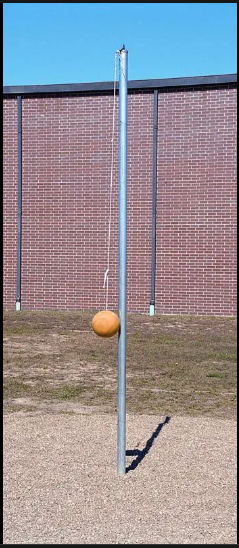
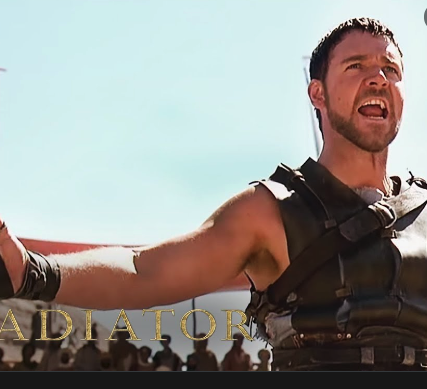
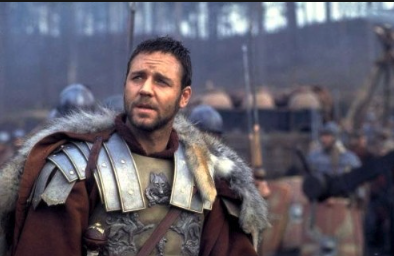


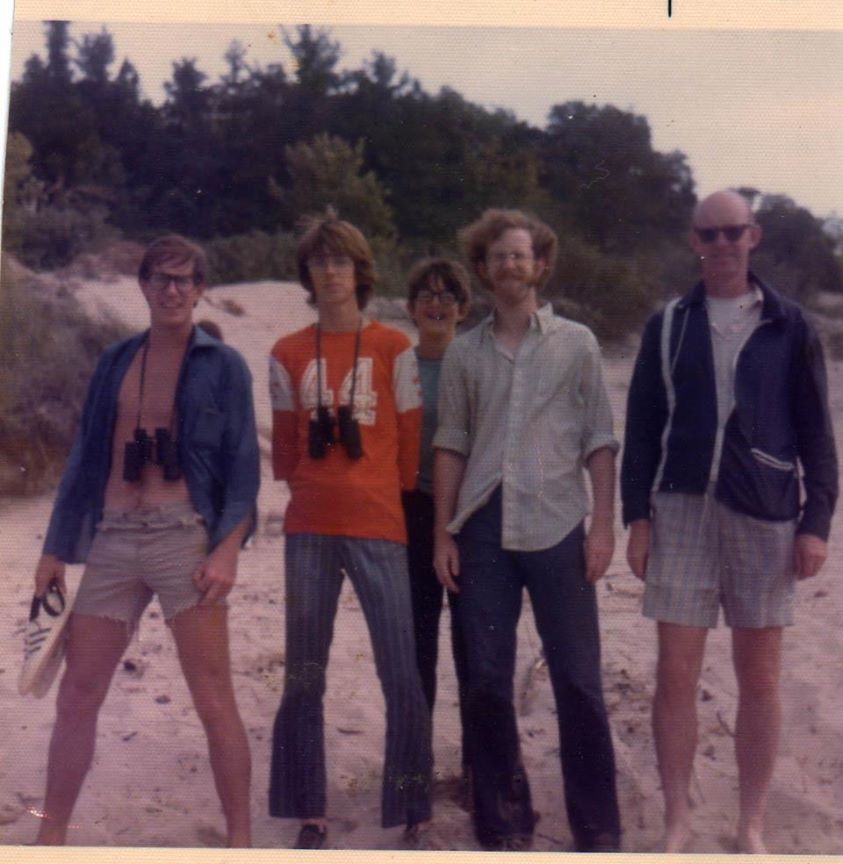
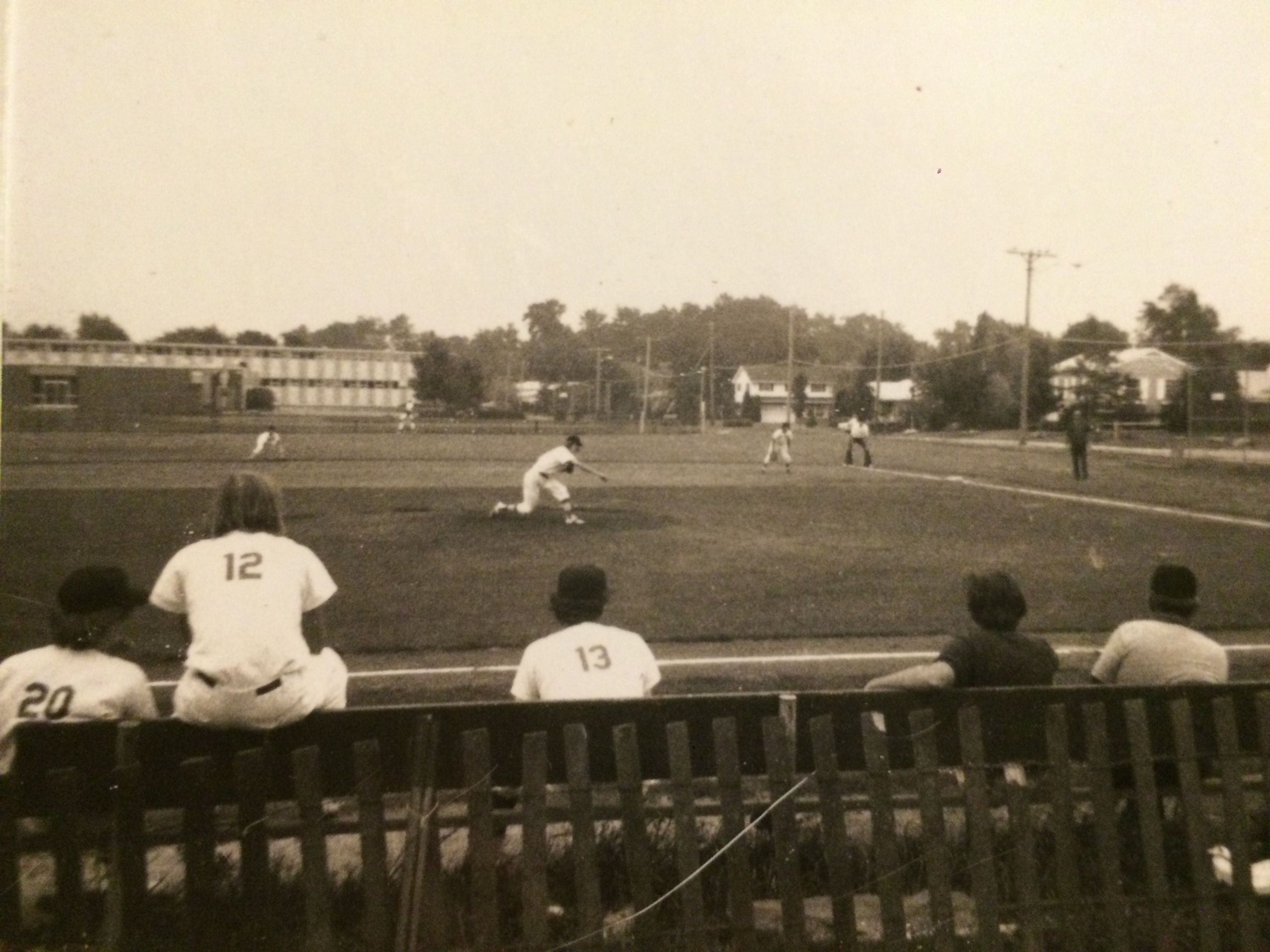
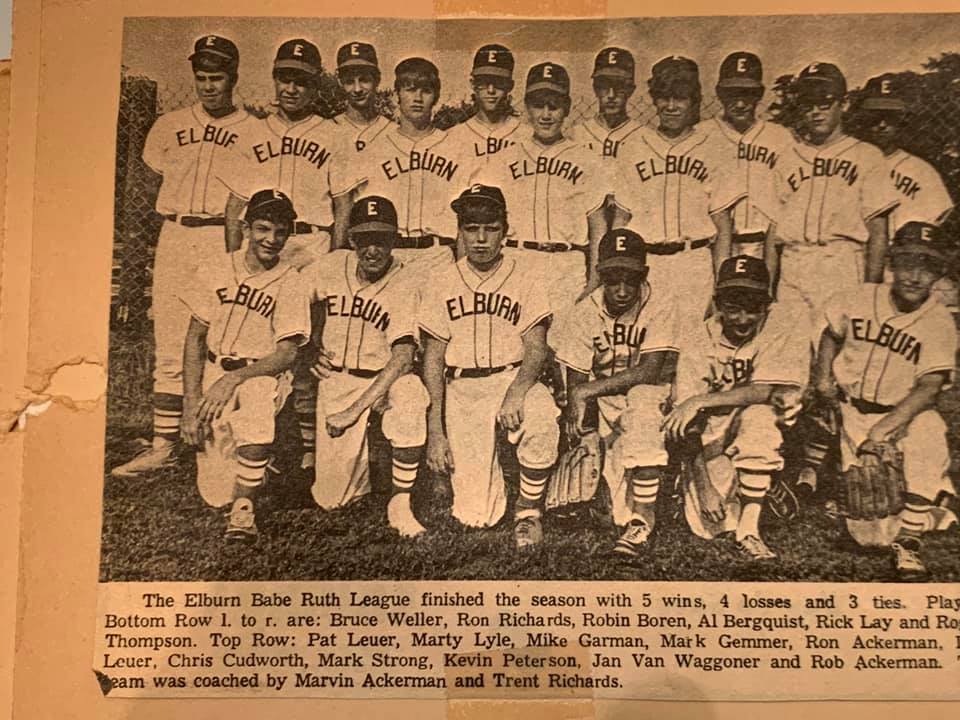

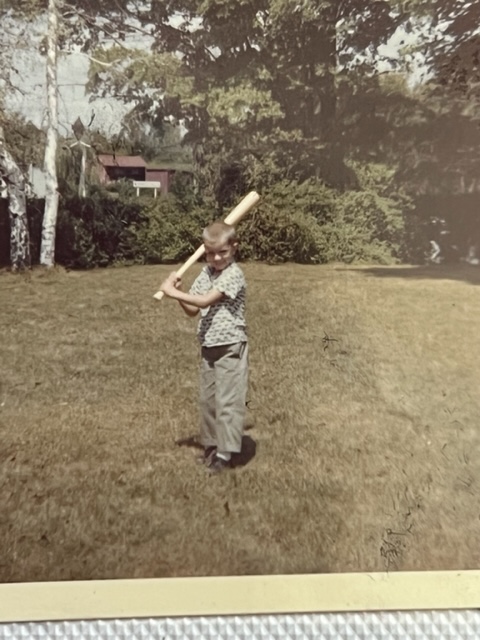



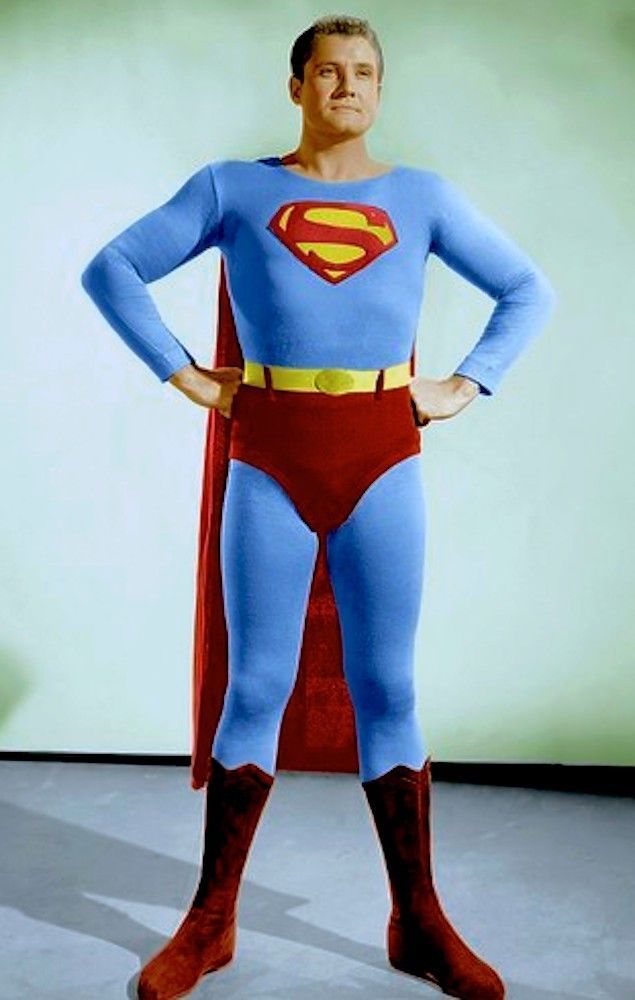
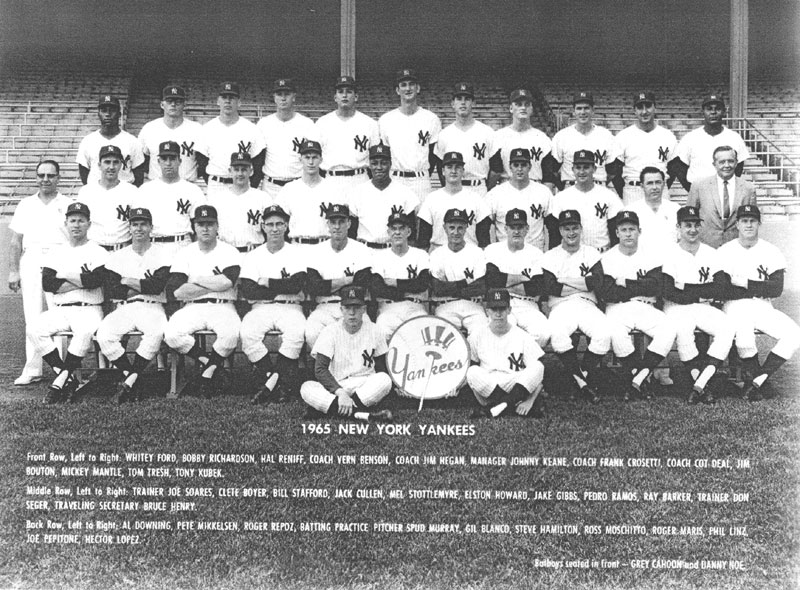


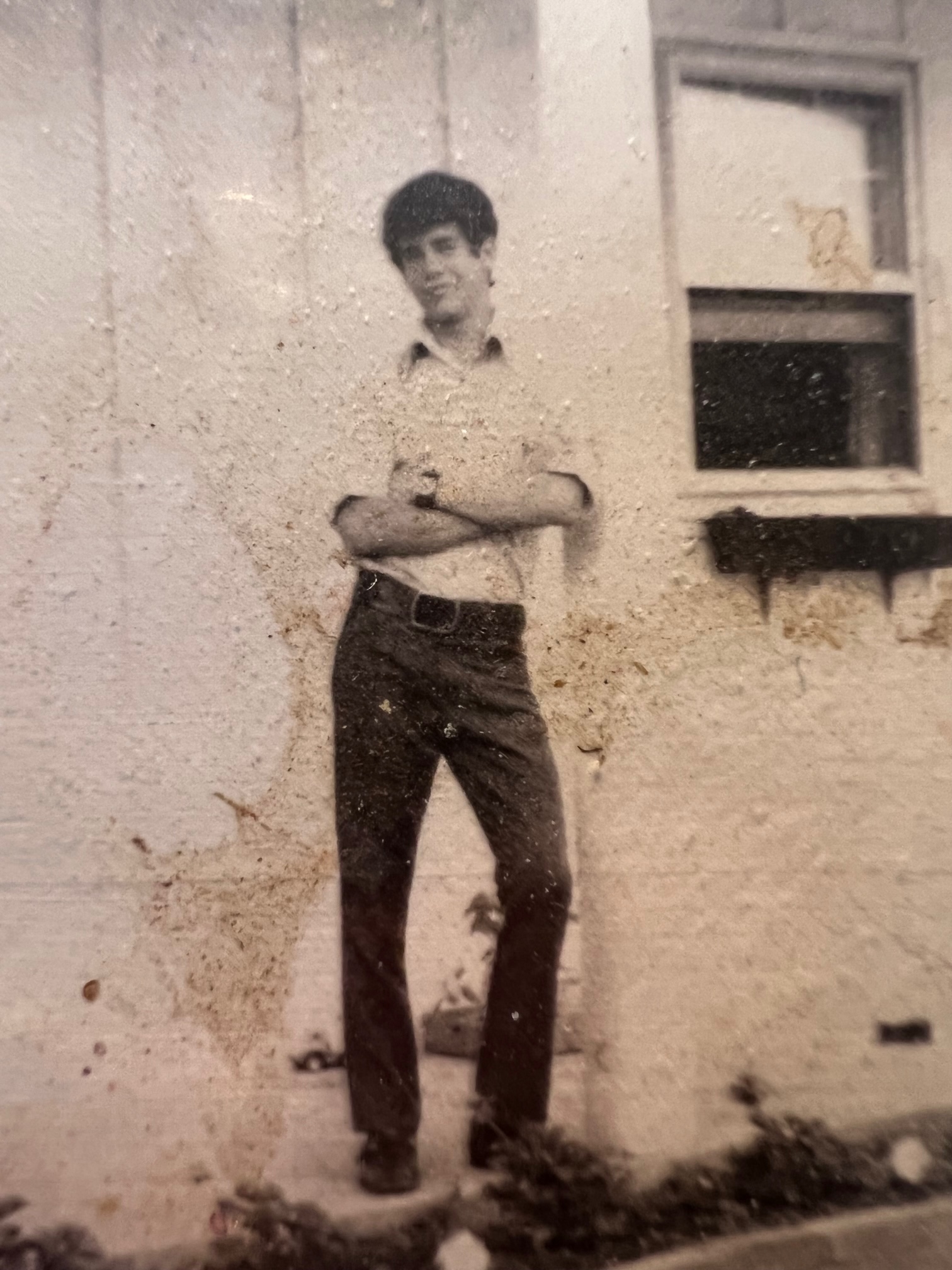
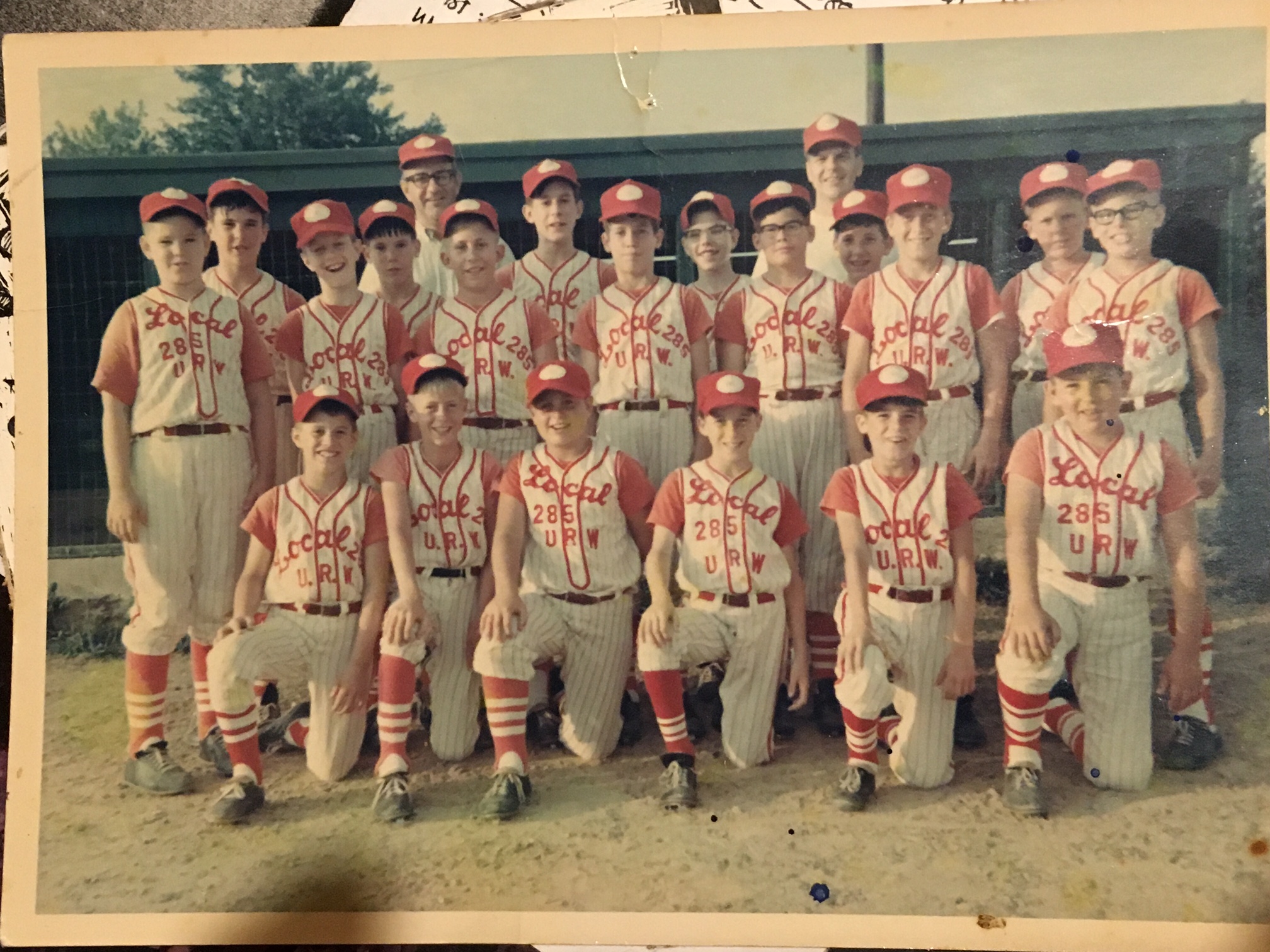
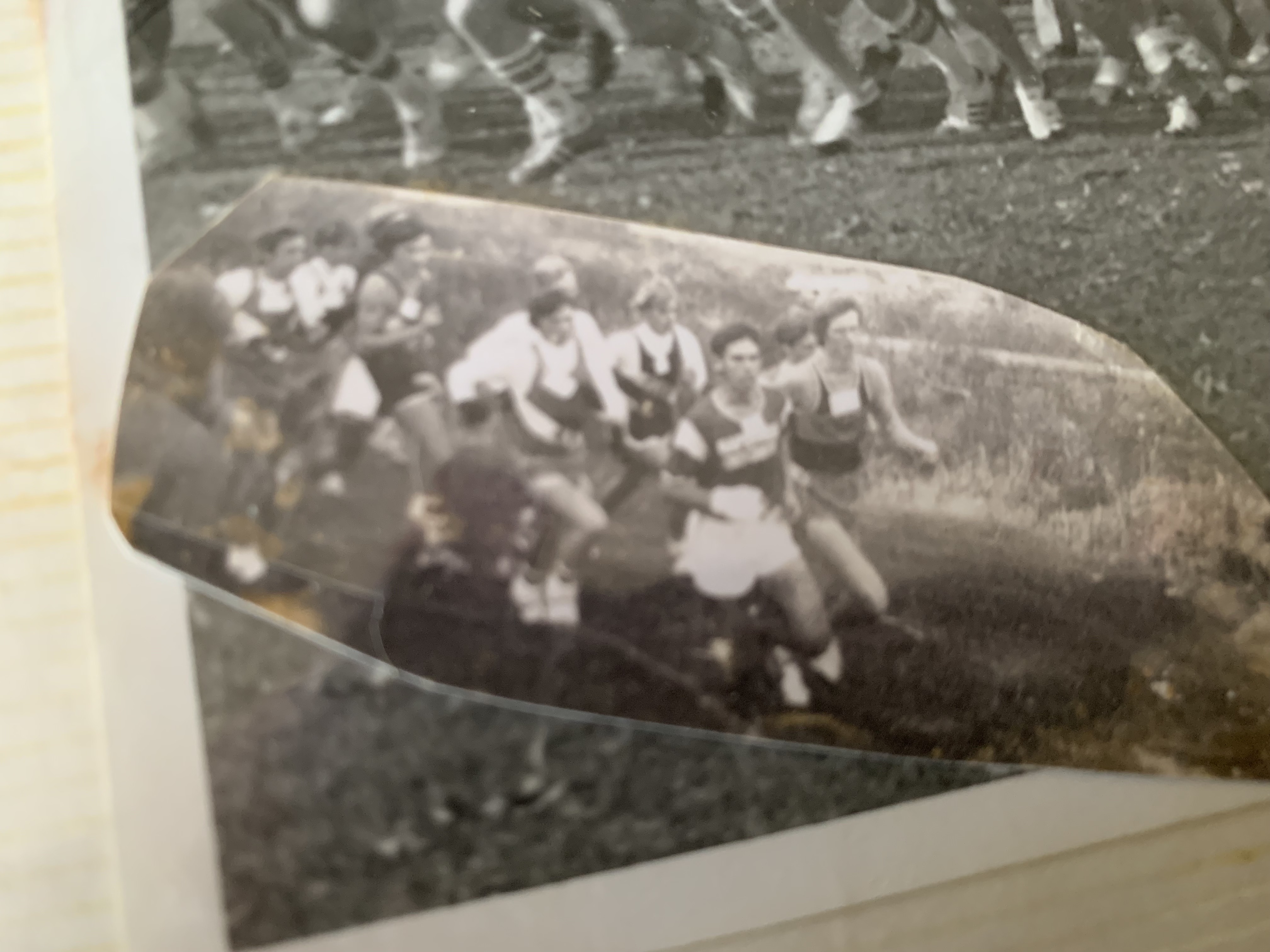
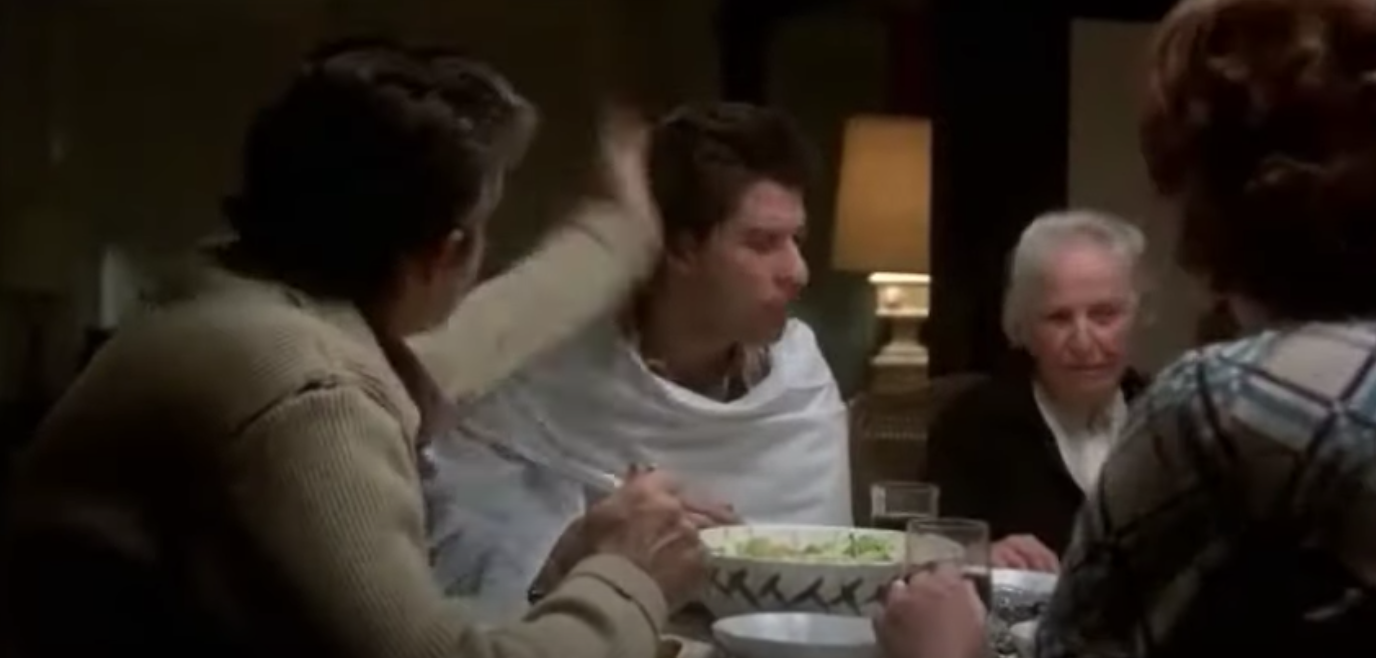
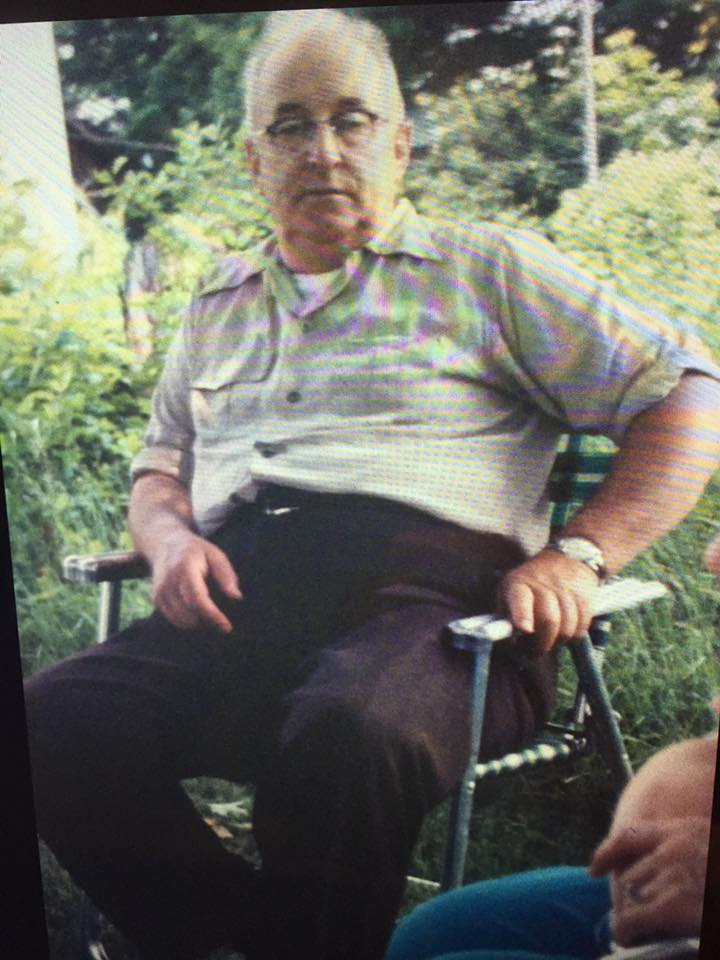
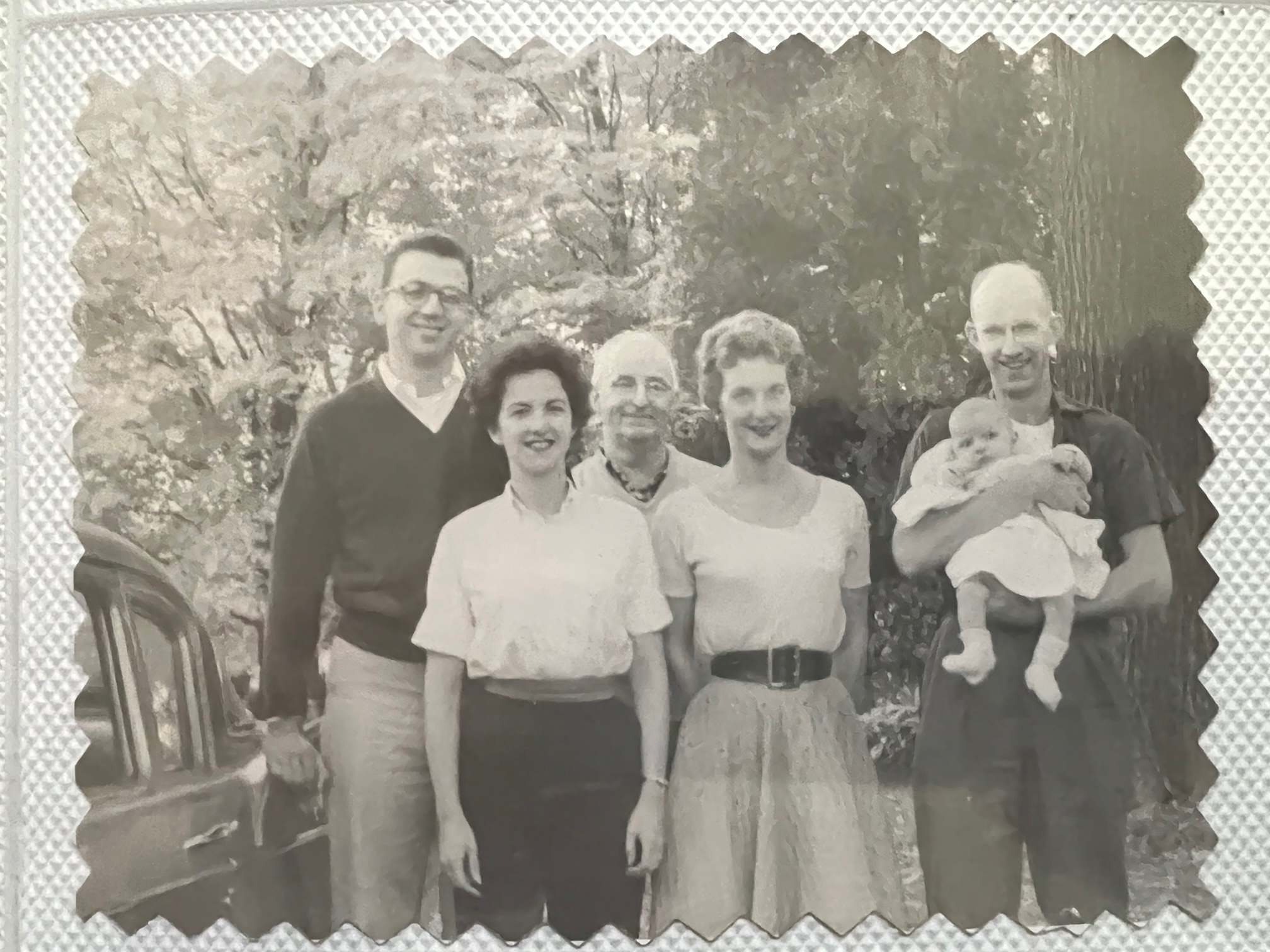
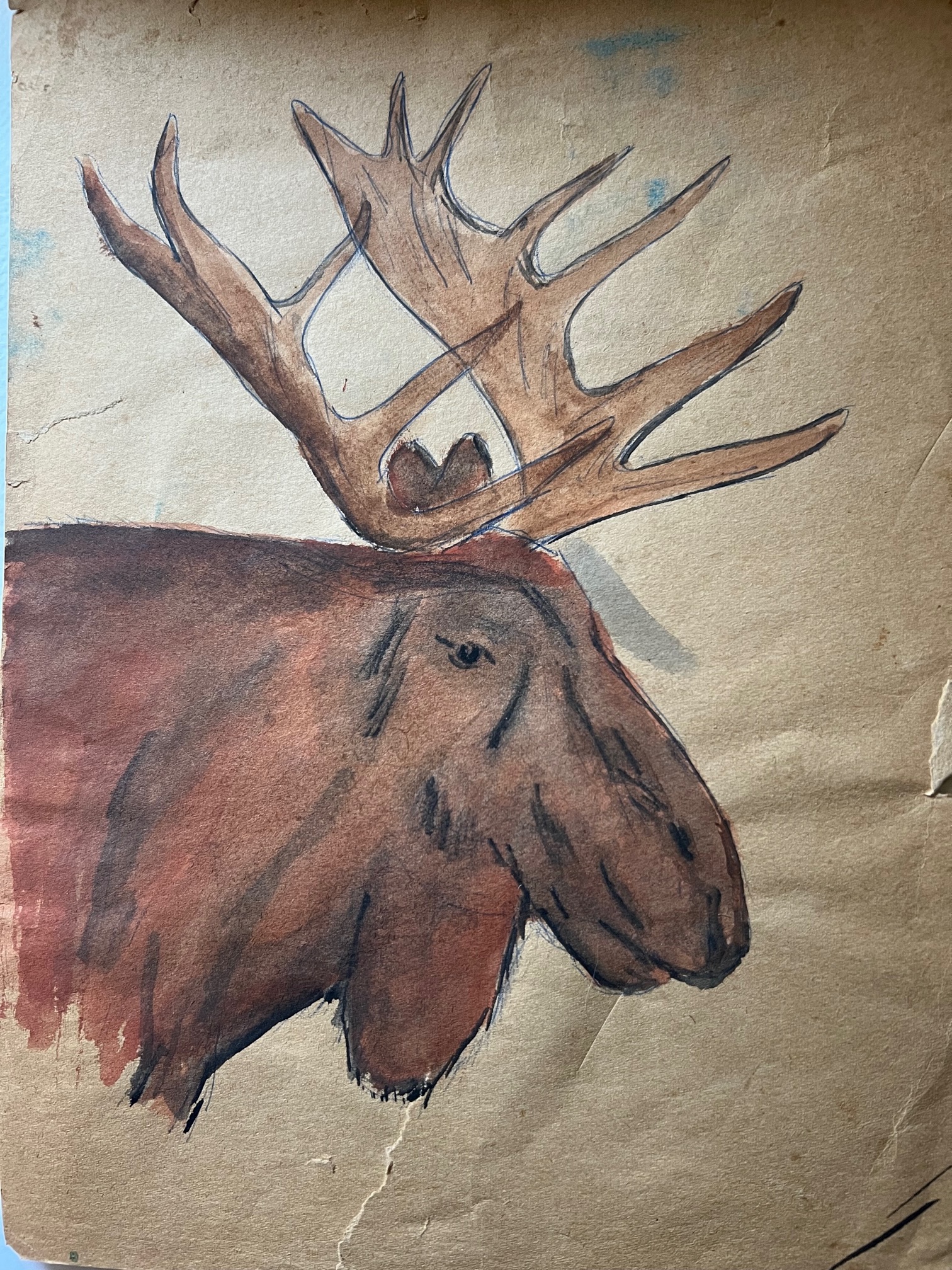


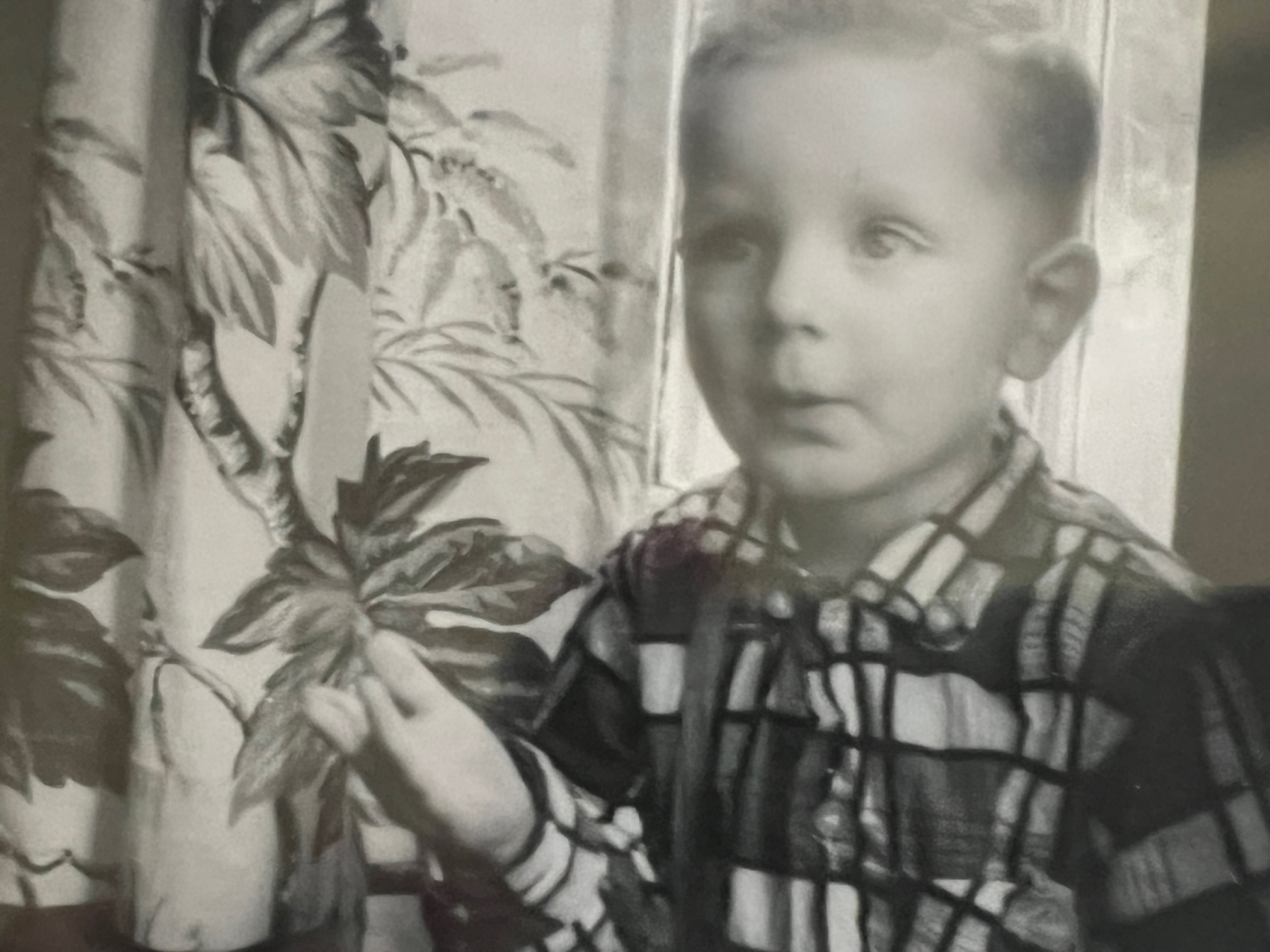

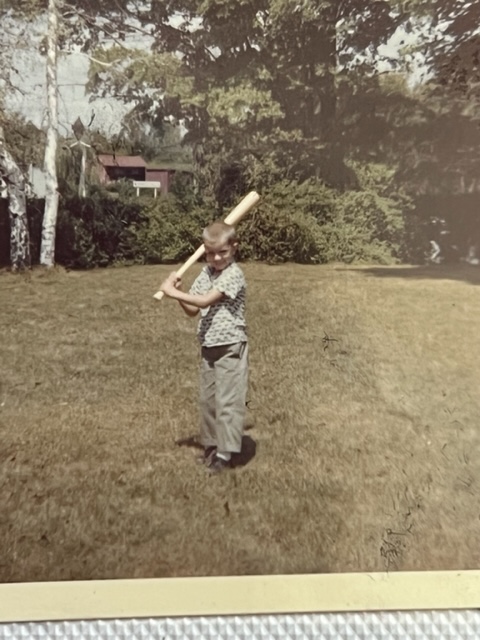
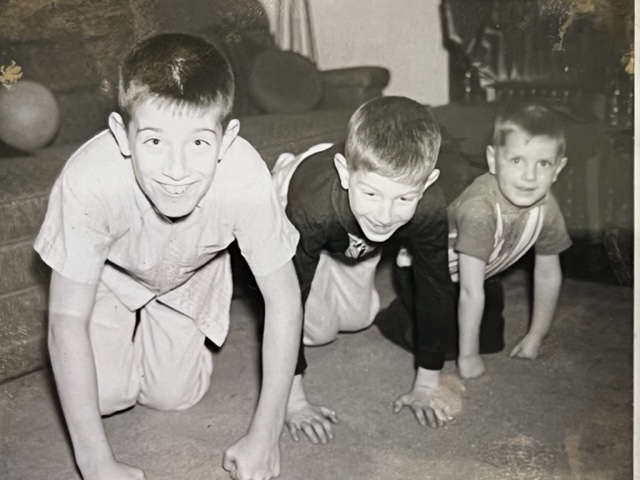


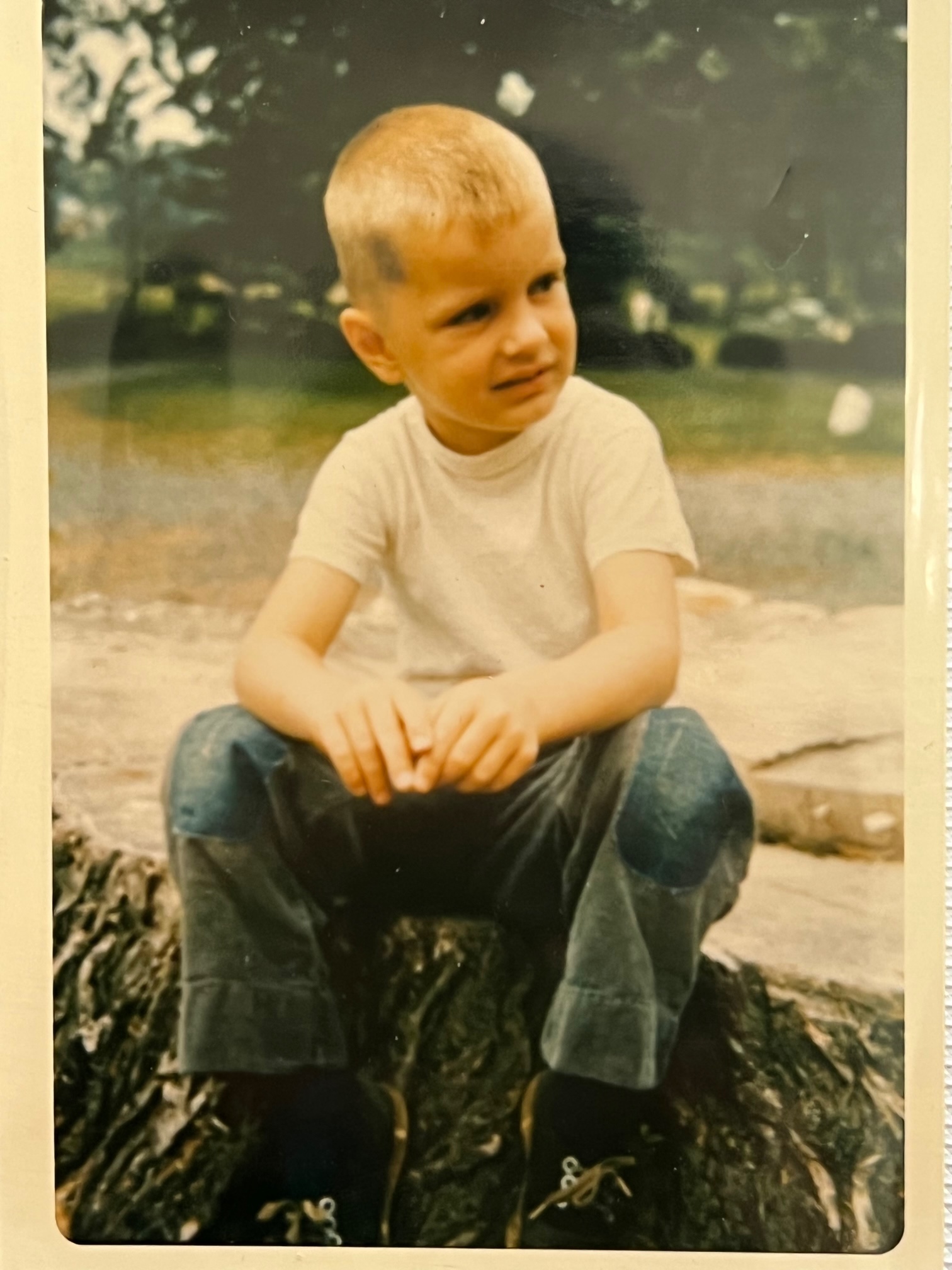


 We Run and Ride