
Over fifty-plus years of running and riding, I’ve seen and heard many species of birds along the way. Early in life, it was hawks that captivated me most. I traced their silhouettes in the Peterson’s Field Guide, drew them on my school notebooks, and painted them as I grew into a wildlife artist. The most familiar species in the United States is the red-tailed hawk. And on the day that Sue and I toured the home we came to own, I’d first walked into the backyard to look around and saw a red-tailed hawk fly up and land in the cottonwoods next to what looked like a dormant marsh.
She came out the house’s back door with the realtor showing us around and I turned to her with tears in my eyes. “Oh, you like this one?” she smiled.
“Yes,” I told her. We put down money that day and moved in a month later.
That wasn’t the first time a red-tailed hawk inspired me in some symbolic way. The summer before my senior year in college, I found a dead red-tail on a roadside while out running. Later I returned to pick up the bird with the notion of possibly stuffing it. I’d learned taxidermy in college field biology, but once I realized how few materials I had to complete the job, I chopped up the hawk into pieces to save in the “bird box” of duck wings, owl feathers and many other illegal bits and pieces of wildlife I’d collected for reference. Every one of them was illegal to own according to federal wildlife laws but I didn’t care.
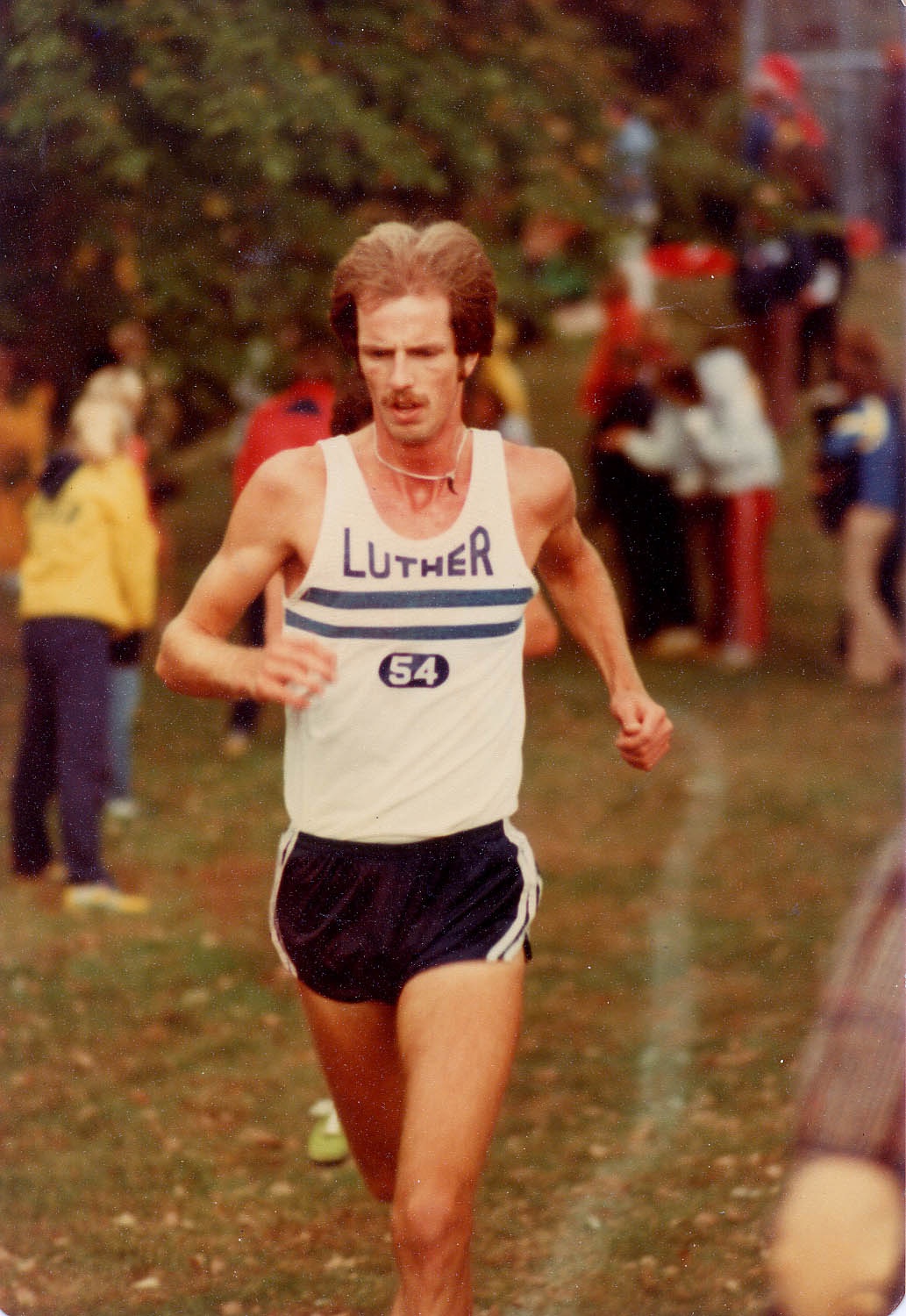
I even cut off a talon from the hawk’s foot and took it to a local jeweler to have it set in a necklace. I knew that the upcoming cross country season would require every bit of focus, and that I might not have much time to get into the field or do much painting in the fall of 1978. I was right. We ran morning, noon and night, sometimes training 100 miles a week with two-a-day workouts. My hawk talon necklace rode the crook of my neck the entire way, reminding me that while running was my focus at that age, someday nature would call me back.
Thus when a red-tailed hawk appeared in my future backyard, I took it as a sign. Once we moved into the home, something else miraculous happened. The wetland grew in size, swamping the reed canary grass that once covered it. Now, the water is six feet deep in places, and wildlife of many species has returned. There are fifteen species of ducks (maybe more…), four kinds of geese, herons of several types, plus kingfishers, ospreys, and even bald eagles now flying around behind our home. The calls of chorus frogs ring in March and April, followed by leopard frogs growling, American toads churring, and green frogs and bullfrogs croaking into the summer nights.
Our house also sits on a running trail, and we’re situated at the far edge of suburbia where country roads beckon us to ride our triathlon bikes deep into the fields. The Vaughn Center, with its beautiful pool, is just three miles away. I never dreamed I’d live in a perfect place with a woman who shares so many common goals. It’s enough to make you want to fly, or slow down and paint a creature who can. There are kestrels now inspecting the dead trees behind our home for a new nesting place, and Cooper’s hawks haunting our bird feeders in wintertime. We’ve had turkey vultures within fifty feet of our house, and great horned owls hoot and greet each other in the cold December nights. The ice covers the wetland most of the winter, while muskrats and mink, turtles and frogs retreat into hibernation.
Sue and I pedal our bikes in our workout room looking out at the dark and wonder when it will be light and spring again. That is life.


 We Run and Ride