
Each fall I try to attend a high school cross country meet or two. Today’s cross country meets are a wonderful mix of boys and girl’s events. There are numerous levels of competition from frosh-soph to Open to Varsity. Often there are hundreds of fans and supporters in attendance. The big meets set up fundraising tents to sell food and drinks. It’s a pleasant atmosphere and a great way for any runner or other athlete to recharge their batteries watching high school competition.
Except last year the invitational I visited in late August or early September saw extremely hot weather. The first morning race, a Boy’s Open competition, kicked off in 78 degree temperatures. Two runners succumbed to the high temperatures. Both were treated by emergency medical teams and released to their parents.
The second race claimed a few more victims, and temperatures reached 83 degrees by 10 a.m. The sky was clear and bright, the sun hot and persistent. No breeze. Humidity was thick and it seemed hard to breathe. You could tell it was not going to get any better. It was hot even standing in the shade.
The objective view
Having already ridden 40 miles on my bike that morning, finishing before 8:30, I knew how warm it was getting. The last 10 miles on the bike had started to wear on me as the sun rose higher.
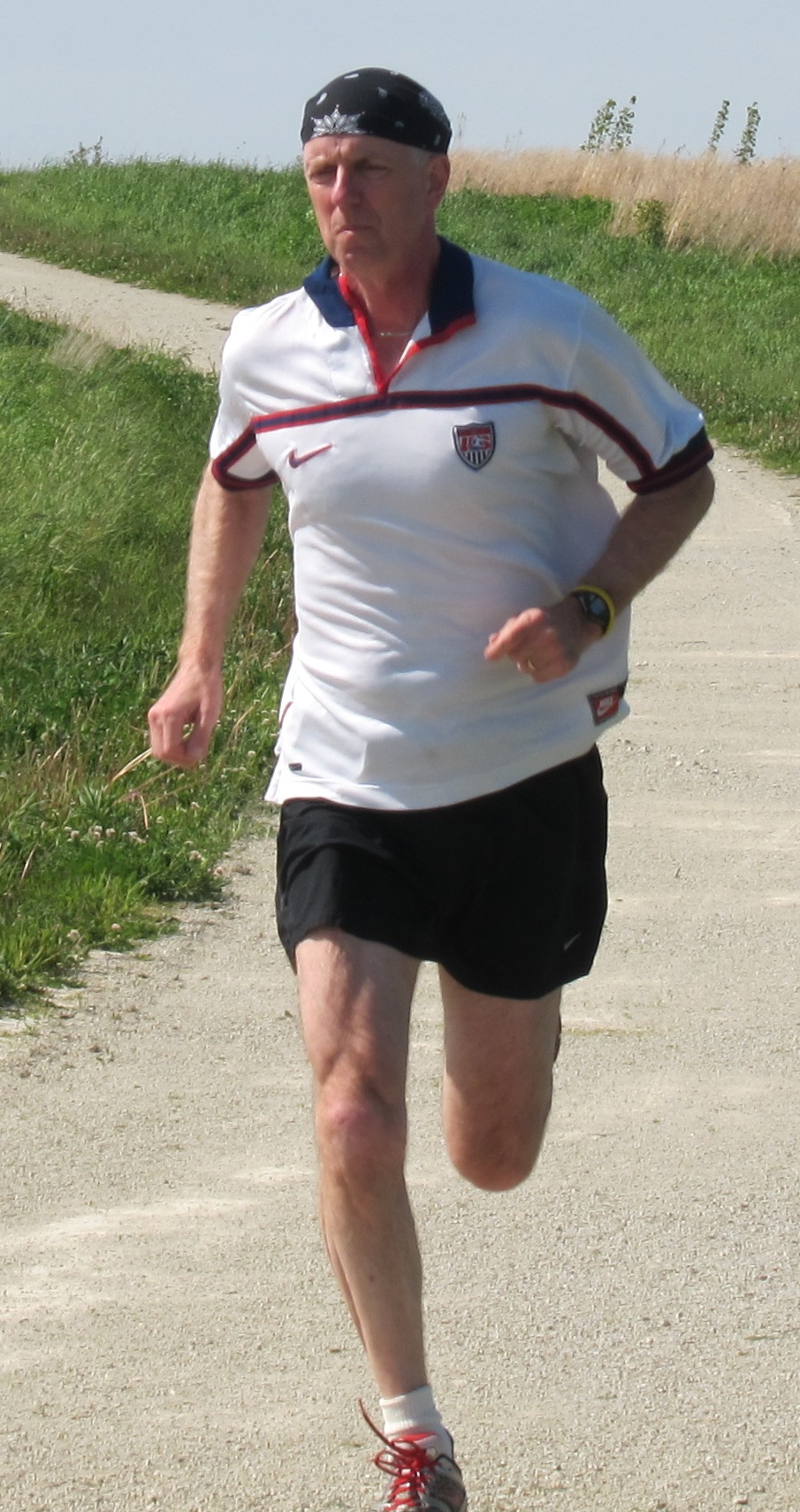
Heat can last well into the fall competitive season.
You could see the heat stress on the faces of the kids at the starting line. Pink, flushed cheeks. Some of kids with pale skin showed reddish patches on their thighs, and sweat streamed down their faces. The girl’s hair was coming un-scrunchied and flying all around their heads. No one looked all that eager to run.
Each time the gun went off a new group of parents held their breath hoping it would not be their child that wound up in the ambulances, which had now begun to run mercy missions back and forth from the hospital 5 miles away.
In fact the pace of runners dropping out from the heat was so great at one point there were no ambulances left and few emergency medical techs around to take care of the “wounded” runners dropping out from the heat. That’s when they cancelled the meet.
Fans and athletes: Two different worlds
It didn’t feel terribly hot just standing around. You could wander into the shade a few minutes and feel okay when you emerged. But those high school athletes charging around the course in the first big meet of the season got little respite from the oppressive air.
Headed into the final race of the day, things were chaotic back by the starting line. Boys and girls of all ages, size and fitness had been hauled off, parents tailing along in their vans or cars, worriedly following those ambulance lights ahead of them.
And then, meet officials cancelled the varsity race. The whole crowd stood silent for a minute, and a few people groaned. Everyone loves to watch the varsity meet. Some of the athletes cursed to their friends, but many more shrugged their shoulders. One blurted, “Well, it’s better than dying.”
Yes, indeed it is.
A brand new world of heat
The fall competitive season begins in late August and goes through mid-November for endurance athletes in many sports. Cross country at the high school and college level, September triathlons, running road races and season-ending cycling series that include road races, crits and time trials.
We’re used to a scenario where the early September events might get a little hot now and then. All of us who compete recall racing in holdover heat. But the weather patterns this year have been crazy with 80 and 90 degree temps starting in March here in Illinois and lasting throughout the summer. It was officially the hottest July on record. We might see even stranger patterns of fall heat waves given the acknowledged affect of climactic change across the globe.
Being prepared, and how to react
So competitors who run and ride ought to beware, and be prepared in both meets and training for days when the temps force you to back off, or back down completely.
If you find yourself in heat stress, there are some simple, immediate steps to take to prevent serious problems, including heat stroke:
1. Find a way to immediately cool the body down. Put ice down the front and back of your shirt and even your shorts or cycling bibs. I accomplished during a 35 mile ride by veering off to a store in a small town where a couple dollars (kept in a baggie…) purchased 2 fresh cold Gatorades and more importantly, a tall cup of ice that immediately got dumped down the jersey and shorts. Ahhhh. Cool relief.
2. Find a cool spot out of the sun, and with assistance if possible, first stand to cool off while drinking the coldest beverage you have available, or any liquid at all to make sure your hydration levels are either restored or maintain.
3. Don’t be vain: Remove as much clothing as possible. If you have a double layer of anything on, remove the top layer.
4. If you are experiencing chills, find a place to sit down (with assistance if possible), or get to shade and stand still. Take measure of whether you are dizzy or not. Consider ways to end your workout or race and call for help rather than take a chance that in the next 5 miles you will recover.
Heat injury is real, and it does not always go away quickly. If you’ve experienced profound heat stress you ought to look at your body almost as if you’ve had a bad bout of the flu or a serious case of food poisoning. Things are wounded inside your muscle cells, your lungs and brain. They need time to recover. You might need to work out in the coolest part of the day for up to 2 weeks to avoid recurring problems or a buildup of heat intolerance. Yes, it’s that serious.
Protect the brain, the core and listen to your fingertips
Most importantly your first goal should be to protect your brain and your consciousness. Take any and all steps to reduce heat stress using ice or water over your body to evaporate heat. But if you are experiencing chills, get into the shade, request help and monitoring from fellow athletes and take no chances that you’ll miraculously recover once you’re overheated.
Take it slow from then on, and allow your body time to recover from a heat trauma. It really does injure the body. It may take days or weeks for your body to snap back.
Tomorrow: What it’s like to wade through heat stress, and a couple horror stories and close calls.

We Run and Ride. It’s a movement.


 We Run and Ride