
By Monte Wehrkamp
Confessions of a sweater.

Monte Wehrkamp on our annual trek to Wisconsin
I have the ability to sweat better, harder, faster and in greater volume than anybody I know. I can sweat at the drop of a hat, then sweat twice as much picking it up. I often joke that I can break a sweat just thinking about working out or riding. And when I do work out or ride, I can soak a t-shirt or jersey so completely in an hour, you can literally wring a cup of water out of it (well, I can; you’d find wringing out my sweat-soaked t-shirt a little gross, I’m guessing). When I step off the elliptical at the gym, it looks like I’ve been running through sprinklers or caught in a downpoor. I have to change clothes just to drive the 12 blocks home.
Too much of a good thing?
Of course, sweating is good. When you’re exerting yourself, sweat glands push water, sodium, potassium and chloride to your skin in an awesome balancing act — keeping you cool and while preventing your internal chemical soup from getting too dense. The problem for me and sweaters like me is remembering to rehydrate regularly. Which I don’t. Several times in the middle of a 3-hour ride, a buddy has asked me a question, and I find I can’t answer. My lips are glued shut with cotton mouth. So if you’re ever riding with me and I don’t answer you right away, I’m not being rude. Just gimme a second while I take a swig from my water bottle. In fact, tell me to take a drink and then ask your question. I’ll sip and listen at the same time.
As the weather turns cold, it’s not rehydration that’s causing me bike anxiety. It’s dampness. Er, wetness. Oh heck, completely soakedness. See, it doesn’t matter if it’s 85 or 25, if I’m riding anything faster than 5 mph, I’m sweating buckets. Way more than you’d think a person needs to, but apparently, my body thinks it needs to.
Ice, ice baby.
My winter riding anxiety isn’t so much about the ice on the road or trail, it’s the ice in my clothes.
Just last winter, I went out on the mountain bike for a frozen-trail spin in the afternoon. While the sun was managing to warm the northern Illinois ground up to a searing 30 degrees, I felt fine. I knew I was sweating profusely as usual, but I tried to moderate my effort, not going into the red or overheating. Everything went well until I began heading for the car parked back at the trailhead. By then, the sun had sunk low, taking the temperature with it. A breeze kicked up a bit, and I began to freeze. First, clammy discomfort. Then prickling pain. Numbness set in next, and by the time I managed to start the car with shaking hands, I was dangerously cold. In fact, my collar, skull cap and cuffs were stiff and crunchy with frozen sweat. My clothing had actually begun to ice up on my body.
No such thing as bad weather, just bad gear.
How many times have I heard that? Growing up in South Dakota, hunting in the Black Hills, I can assure you, plenty.
I can’t tell you how many dollars and hours afield I’ve spent trying to find clothing with the magic combination of warmth, ventilation, and sweat wicking properties. I’m sure there are great thermal base layers and technical outerwear that work for 95% of all outdoorsmen, but I’ve yet to find something that works well for me over the course of an entire day.
Same goes for bike kit. By the time I’m geared up enough to stay warm at 18 mph at 18 degrees (let’s just call it 18-4-18), I’ve also wrapped myself in enough material to hold a couple gallons of water, which in my case, is frozen sweat in a matter of an hour or so.
For runners, it’s a question of route vs. sweat
Many runners work up a health sweat during a long run. But when that sweat makes you chilled on the return trip, it can be pretty dangerous to your internal core temperature if the sweat has you freezing on the outside.
It is therefore vitally important to plan your route accordingly if you are a heavy “sweater” in particular. Generally, the best advice is run into the wind at the start of your run (or ride) so that you are not facing a blasting cold wind on the return trip.
Be advised that at times a wind from behind can be just as dangerous, especially for people susceptible to chilled back muscles. If you know you’re going to be running or riding back with a cold wind, it can be wise to pace a light vest and throw it under or over your existing layers to protect against the effects of wind blowing up your clothes in back.
I’m open to any ideas.
I’m guessing I can’t be the only heavy sweater out in the winter chill, trying to figure out how to make a cold morning run or ride enjoyable, or at least, tolerable. There has to be a few other weekend warriors out there who suffer the winter bike anxiety that comes from freezing up a few times to often.
So please weigh in below…
Are there ways you’ve found to reduce sweating? (No, I don’t think it’s hyperhidrosis — when I’m at work, or at rest, I don’t sweat any more than anyone else. But when my heart-rate is elevated during exercise, grab a bath towel. I’m going to need it.)
Have you found especially effective pre-ride or run rituals? (I’ve heard taking a cold shower before winter exercise sometimes helps.)
Or have you found especially good gear that manages to wick well and keep you warm?
How about diet and/or vitamins or medicine? (Kicking spicy food or caffeine, maybe?)
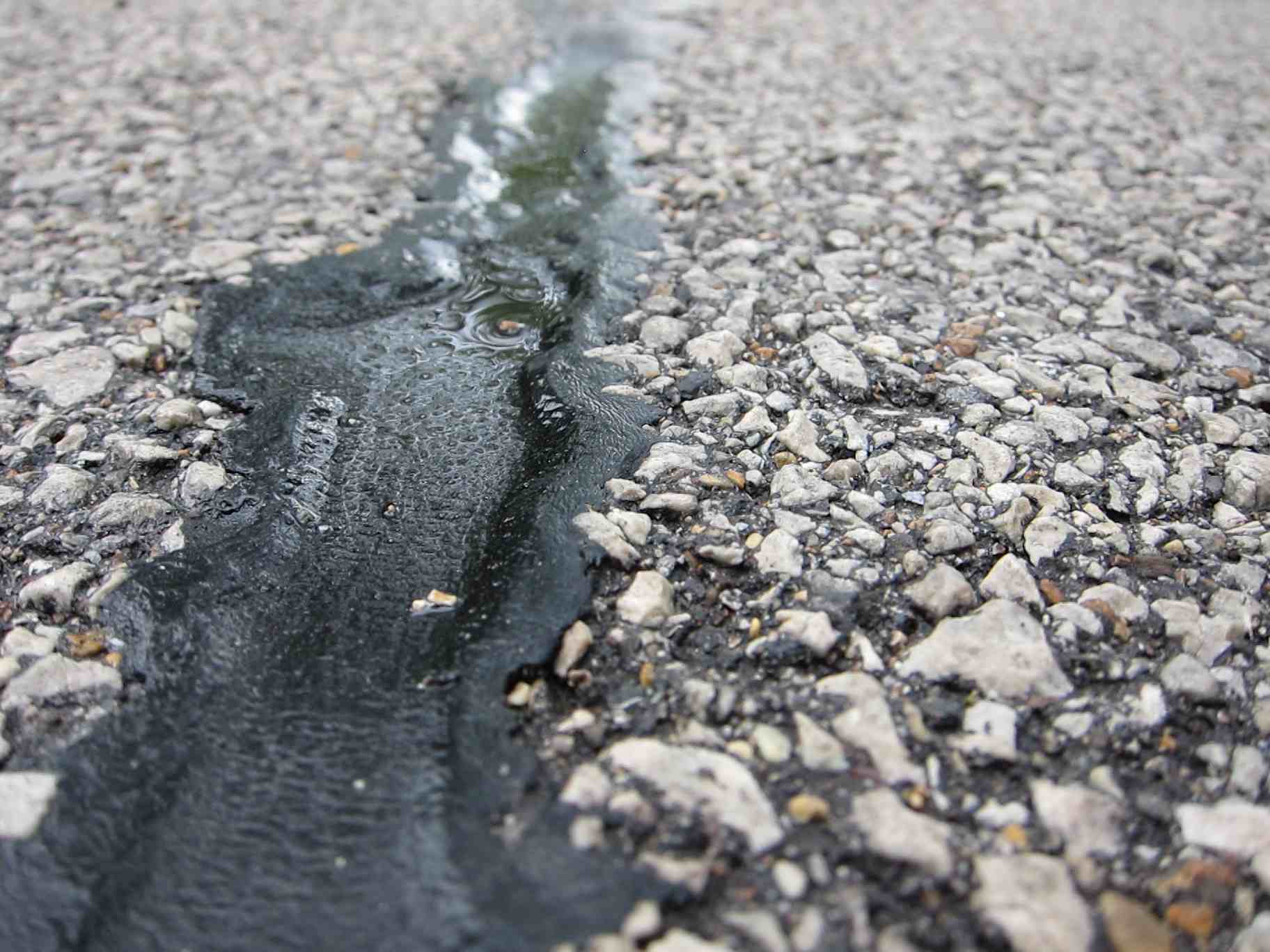
Anything that trips you up or holds you back is a tarsnake.
Is profuse sweating just one of the tarsnakes of life when you run and ride?
The easy fix is already underway — my bike’s on the trainer in the living room, pointed at the big screen TV. But there are only so many old movies and reruns I can take before I want to go outside for a real ride. I’m just hoping for one that doesn’t end in frost bite or hypothermia.


 We Run and Ride